
Portugal’s deep-rooted history spans medieval castles, Roman ruins, and Moorish fortifications scattered across the landscape.
If you’re eager to explore the country’s hidden, ancient soul, there’s no better way than visiting its timeless villages perched on hills or tucked into remote mountains. Here are ten must-visit historic villages in Portugal that promise a journey back in time.
1. Monsanto
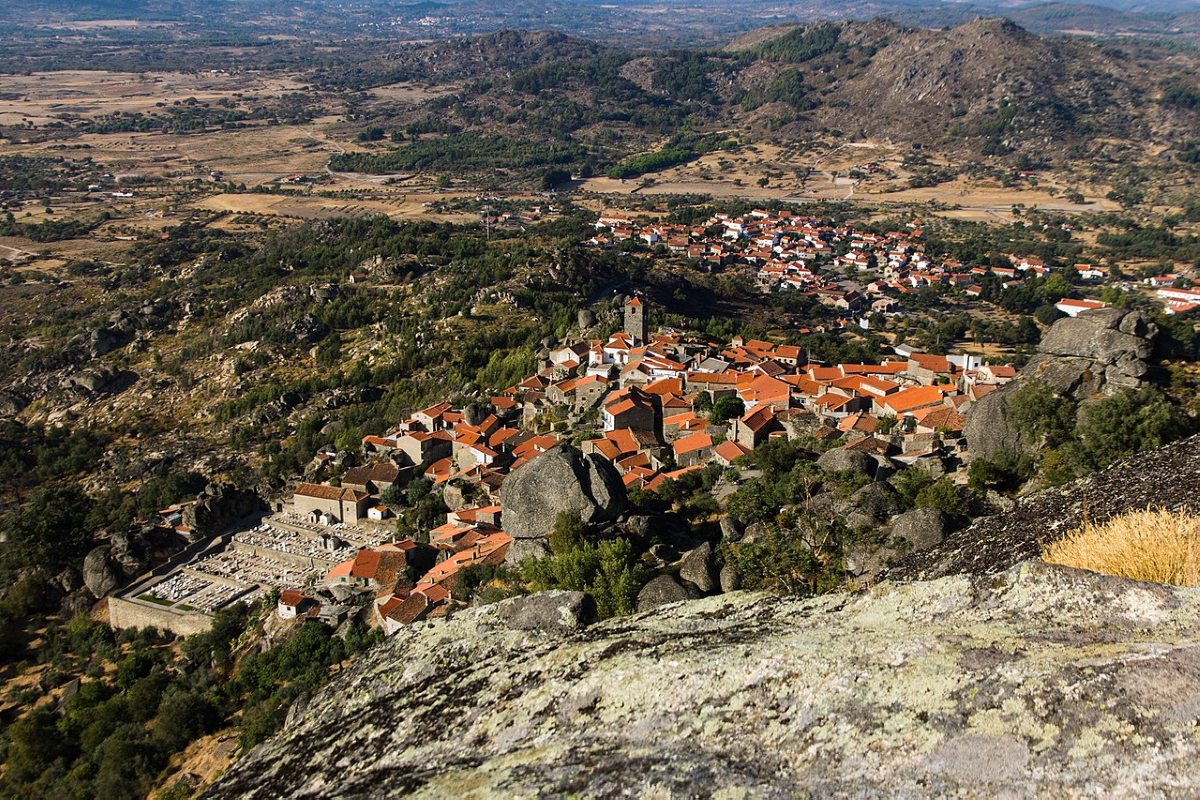
This historic village in central Portugal is renowned for its distinctive architecture, with granite houses built around massive boulders that give it a striking appearance. Perched on a 758-meter hill, Monsanto offers sweeping views over the surrounding countryside.
In 1165, King Afonso Henriques granted the village to the Knights Templar, who added a hilltop castle that still dominates the landscape. Named “the most Portuguese village in Portugal” in 1938, Monsanto’s winding cobblestone paths, castle ruins, and annual Festa das Cruzes draw visitors seeking a deep connection to the country’s heritage.
2. Sortelha
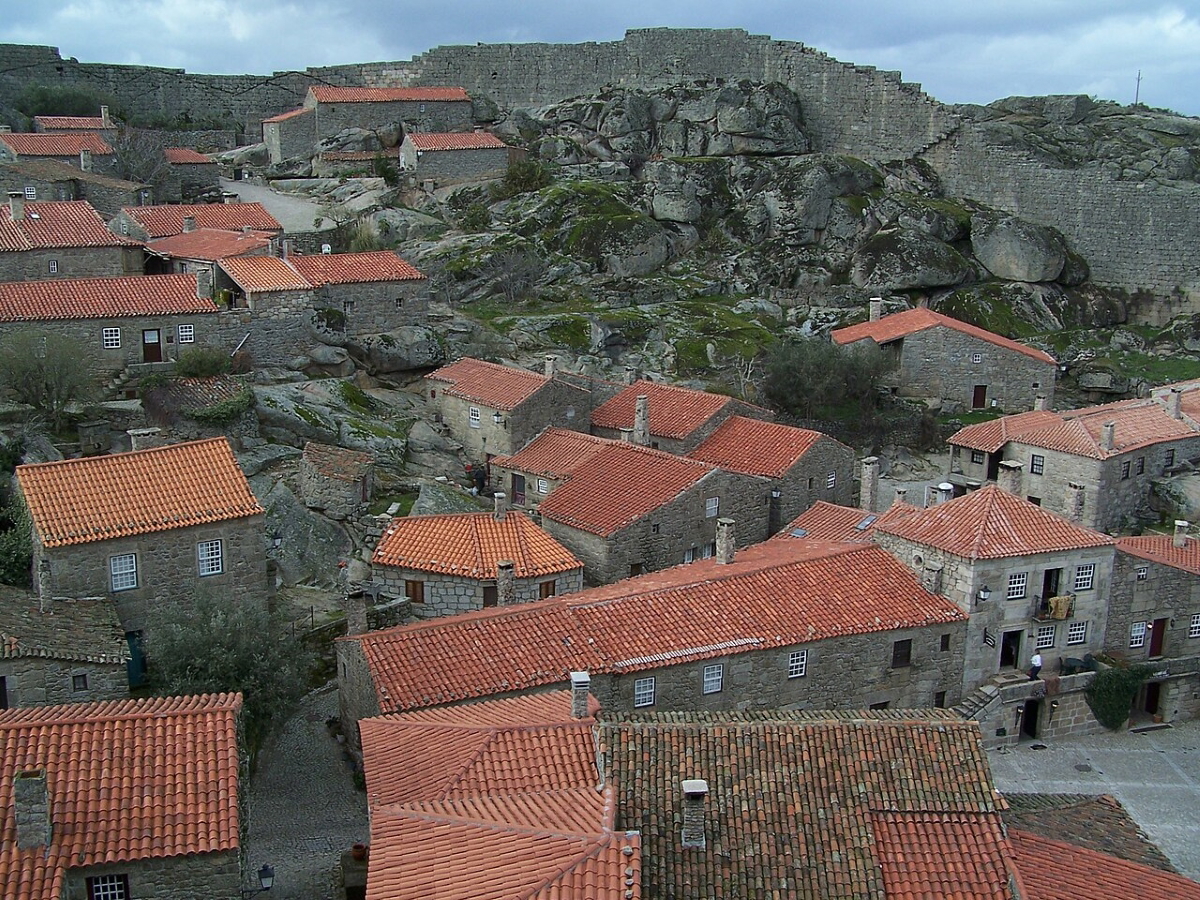
Sortelha is one of Portugal’s oldest and best-preserved medieval villages. Established in the 12th century, it received a charter in 1228 from King Sancho II, who also ordered the construction of its castle. The village is encircled by well-preserved granite walls and narrow cobblestone streets lined with traditional stone houses.
Visitors can explore the 13th-century castle for panoramic views and admire unique granite formations, such as the “Old Lady’s Head,” while soaking up Sortelha’s remarkably intact medieval atmosphere.
3. Castelo Rodrigo
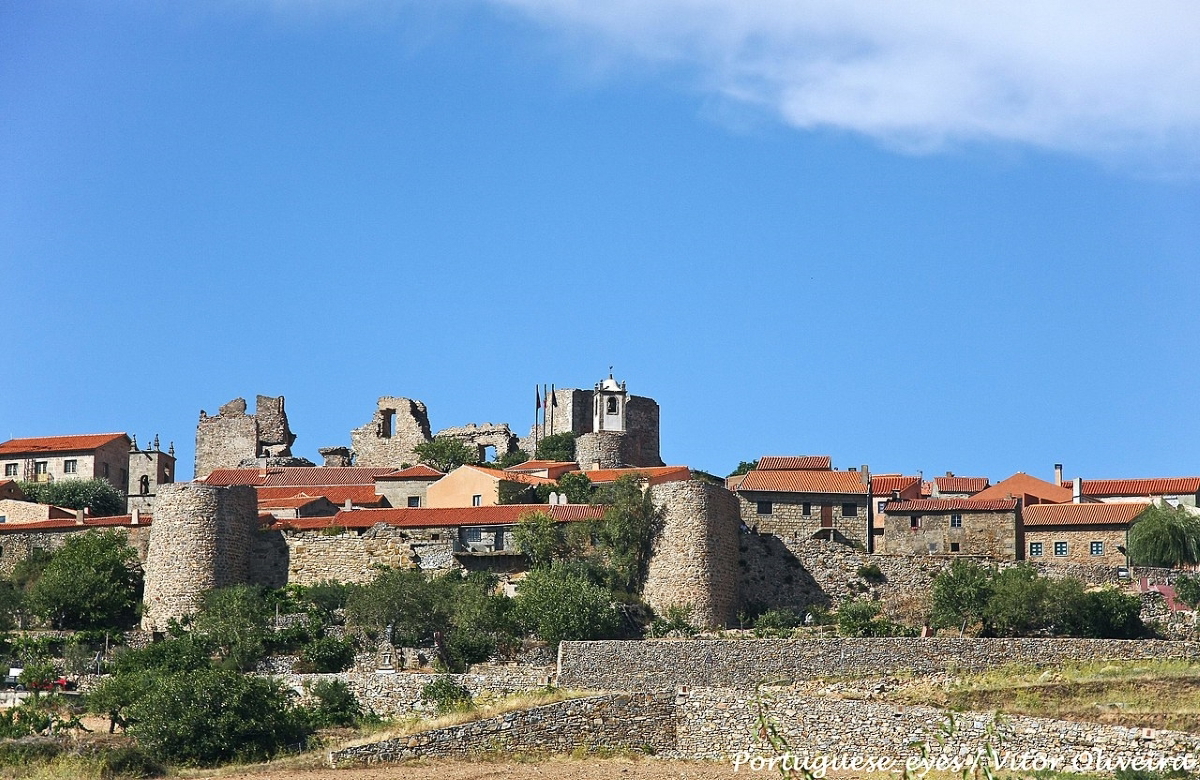
Perched atop a hill in Portugal’s Centro region, Castelo Rodrigo dates back to the 12th century, with major fortifications added during the reign of King Dinis. Encircled by medieval walls, the village’s narrow streets and stone houses reflect its defensive past.
Notable sites include the ruins of Cristóvão de Moura’s palace, the 16th-century pillory, a medieval cistern, and the Church of Our Lady of Rocamador, home to a statue of Saint James the Moor-slayer.
4. Piódão
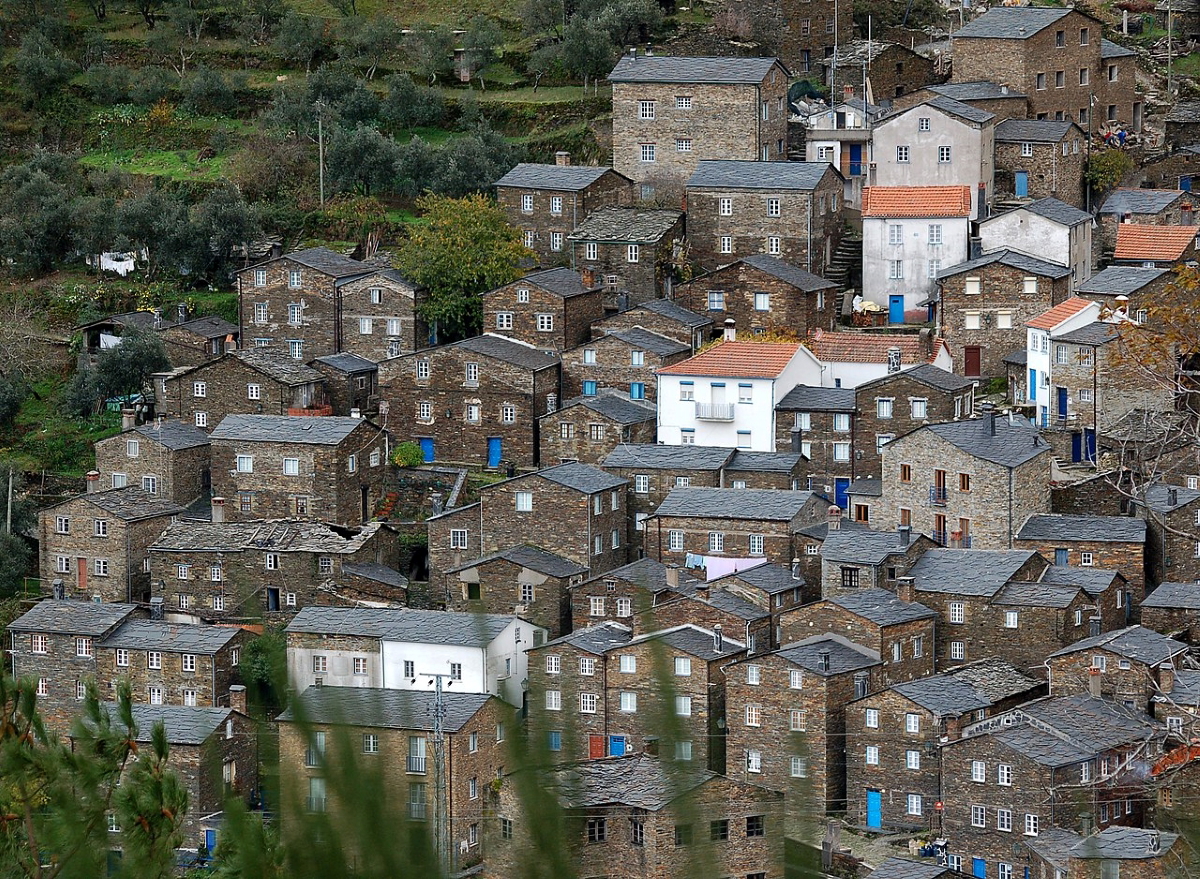
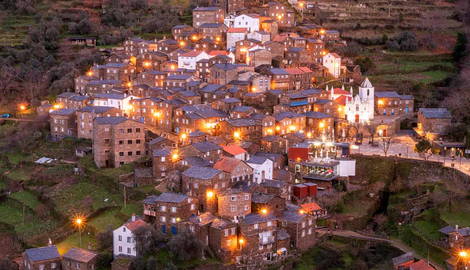
Nestled in the Serra do Açor mountains, Piódão is known for its schist houses with blue-painted windows and doors. Established in the Middle Ages, the village’s remote location once made it a refuge, contributing to its secluded character.
Its winding cobblestone streets lead to highlights such as the 17th-century Igreja Matriz, whose white façade contrasts sharply with the surrounding dark stone, and nearby Foz d’Égua, famous for its stone bridges and natural pools.
5. Marialva
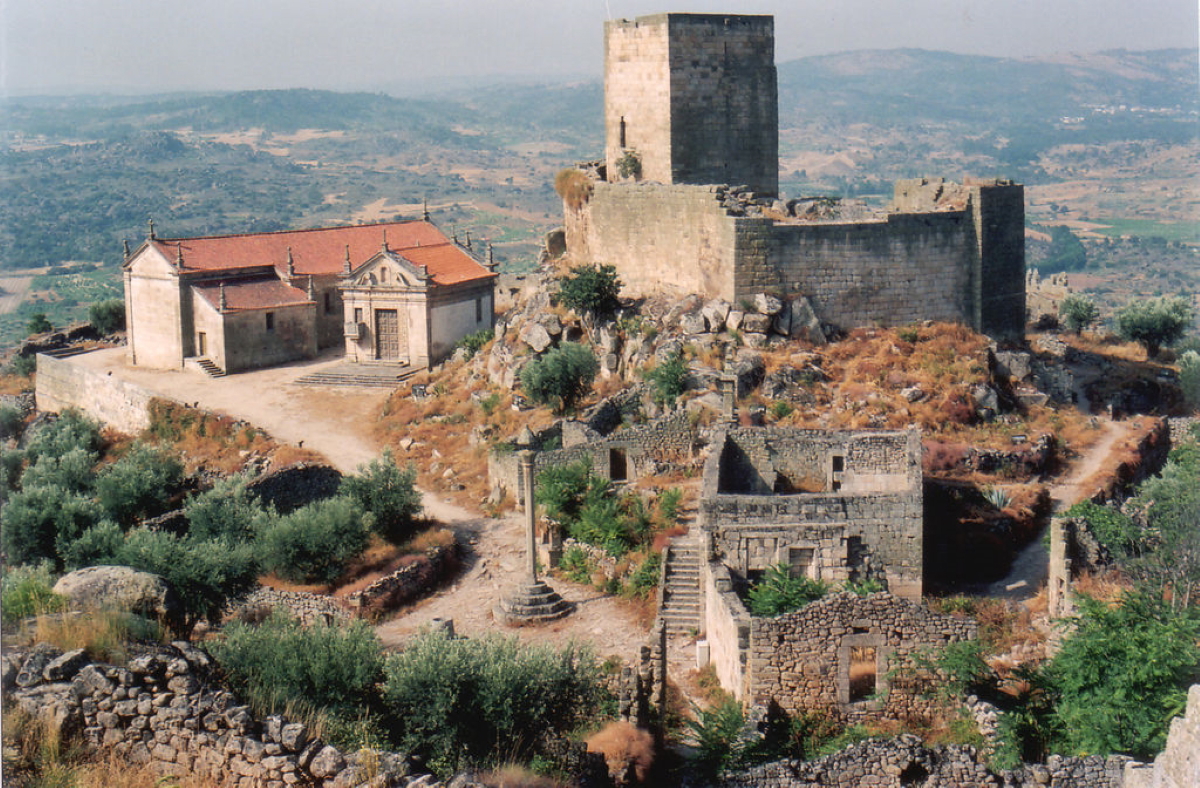
This hilltop village in Portugal’s Centro region rose to prominence during the 12th century, when its castle became a key defensive stronghold. Marialva is divided into three distinct areas: the Citadel within the castle walls, the Arrabalde with its traditional stone houses, and Devesa beyond the old fortifications.
Within the Citadel, visitors can explore Marialva Castle, enjoy views over the Côa Valley, and visit the Parish Church of Santiago, a Gothic structure dating to the 14th century.
6. Idanha-a-Velha
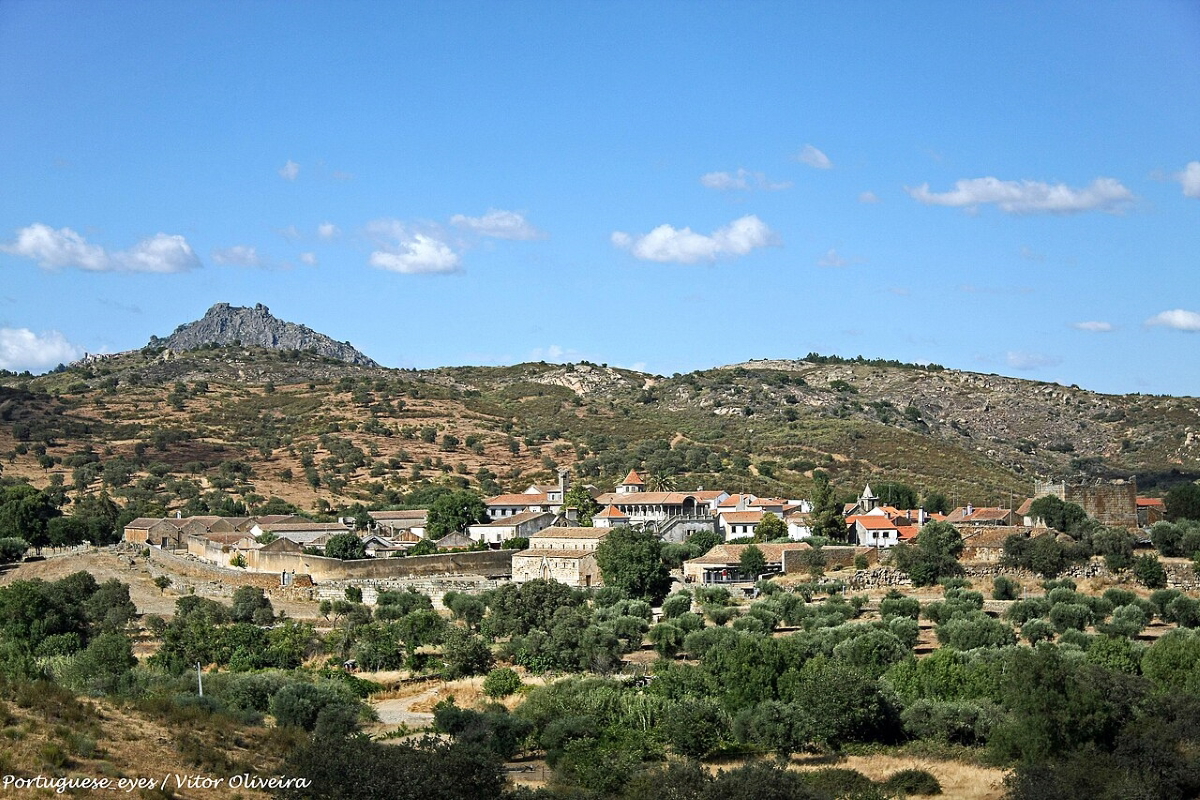
Idanha-a-Velha is one of Portugal’s oldest settlements, founded by the Romans in the 1st century BCE as Civitas Igaeditanorum. Over time, it passed through Visigoth and Muslim hands, leaving layers of history behind.
Today, visitors can explore Roman walls, the Torre dos Templários built atop a former Roman temple, the 4th-century Cathedral of Idanha, and an ancient olive press, all reflecting the village’s role as a historical crossroads.
7. Monsaraz
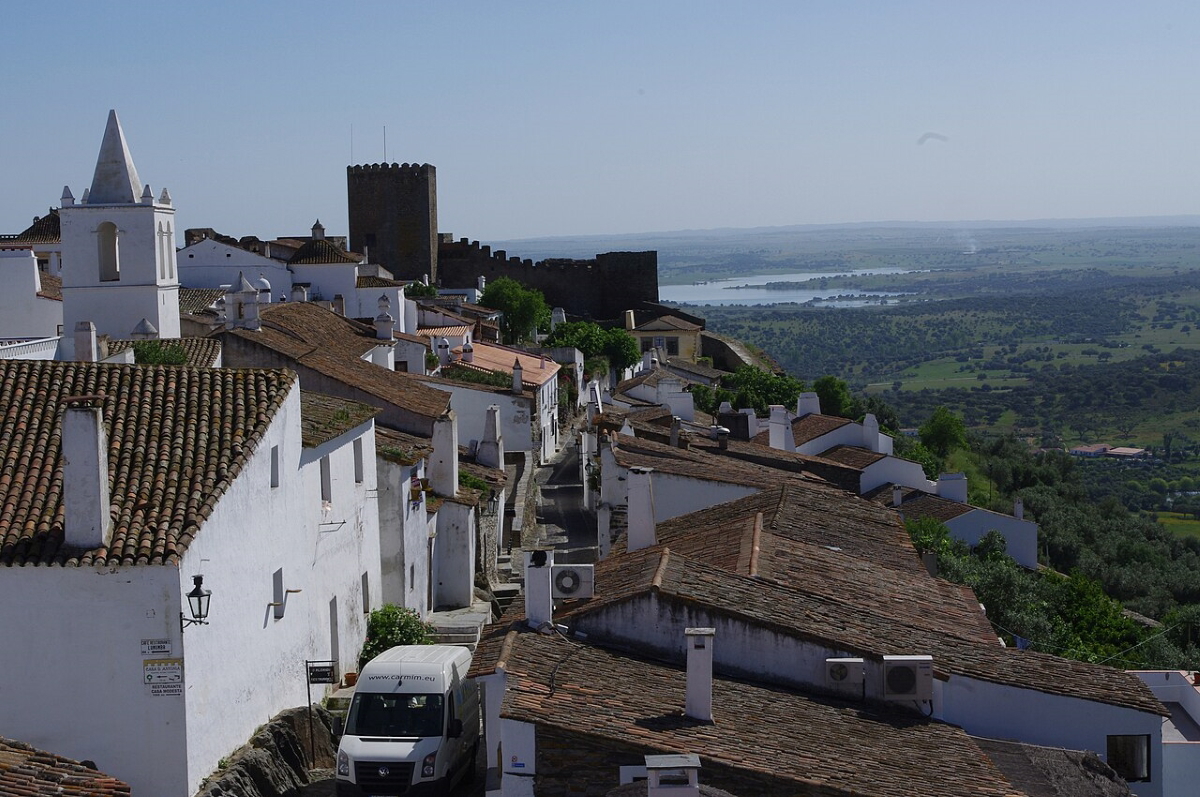
Monsaraz is a hilltop village in Portugal’s Alentejo region, preserved within medieval walls and overlooking the Guadiana River. Reclaimed from Moorish rule in the 12th century and fortified by the Knights Templar, its castle remains the village’s defining feature.
Cobbled streets wind past whitewashed houses to landmarks such as the Church of Nossa Senhora da Lagoa, the Chapel of São João Baptista with its frescoes, and the Casa da Inquisição. From the castle walls, visitors can enjoy sweeping views over the Alqueva Reservoir.
8. Belmonte
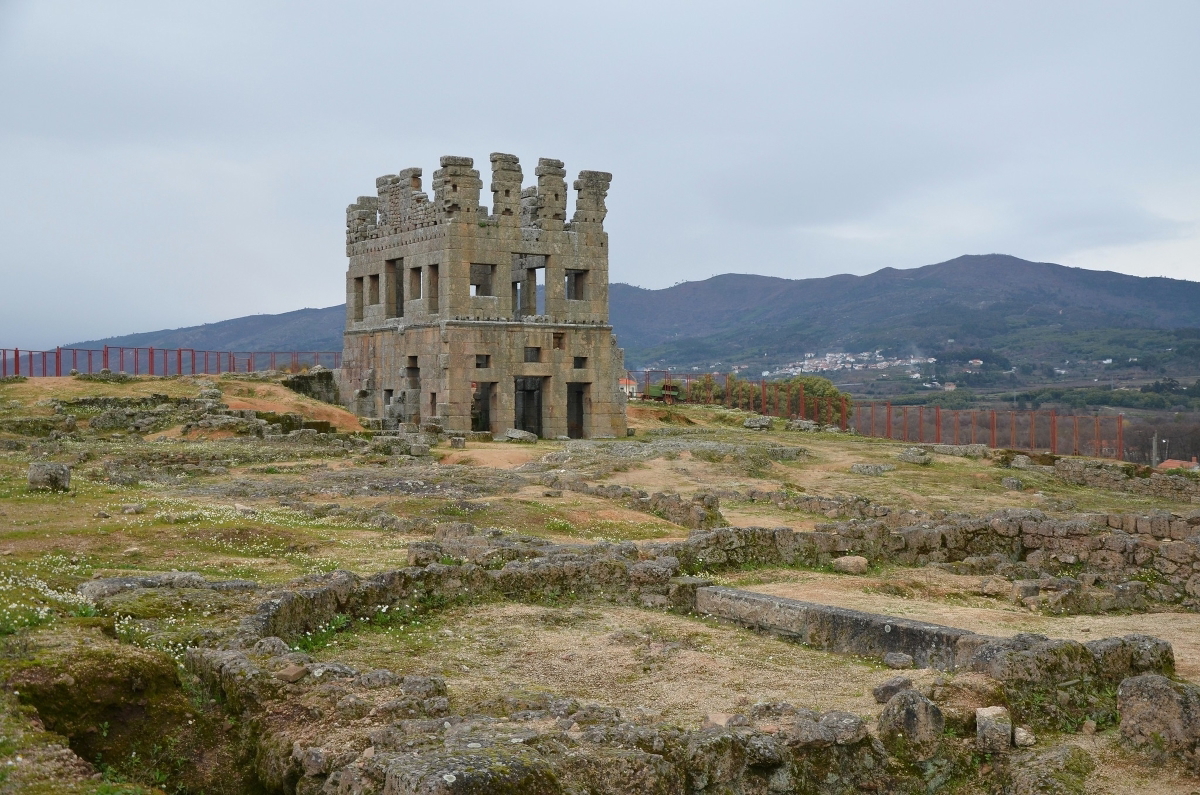
Perched on the slopes of the Serra da Estrela, Belmonte is best known as the birthplace of explorer Pedro Álvares Cabral. Its 13th-century castle, later home to the Cabral family, anchors the village and offers panoramic views.
Belmonte is also notable for its enduring Jewish community, which survived the Inquisition in secret. The Jewish Museum of Belmonte and the synagogue Bet Eliahu offer powerful insight into this unique and resilient heritage.
9. Almeida
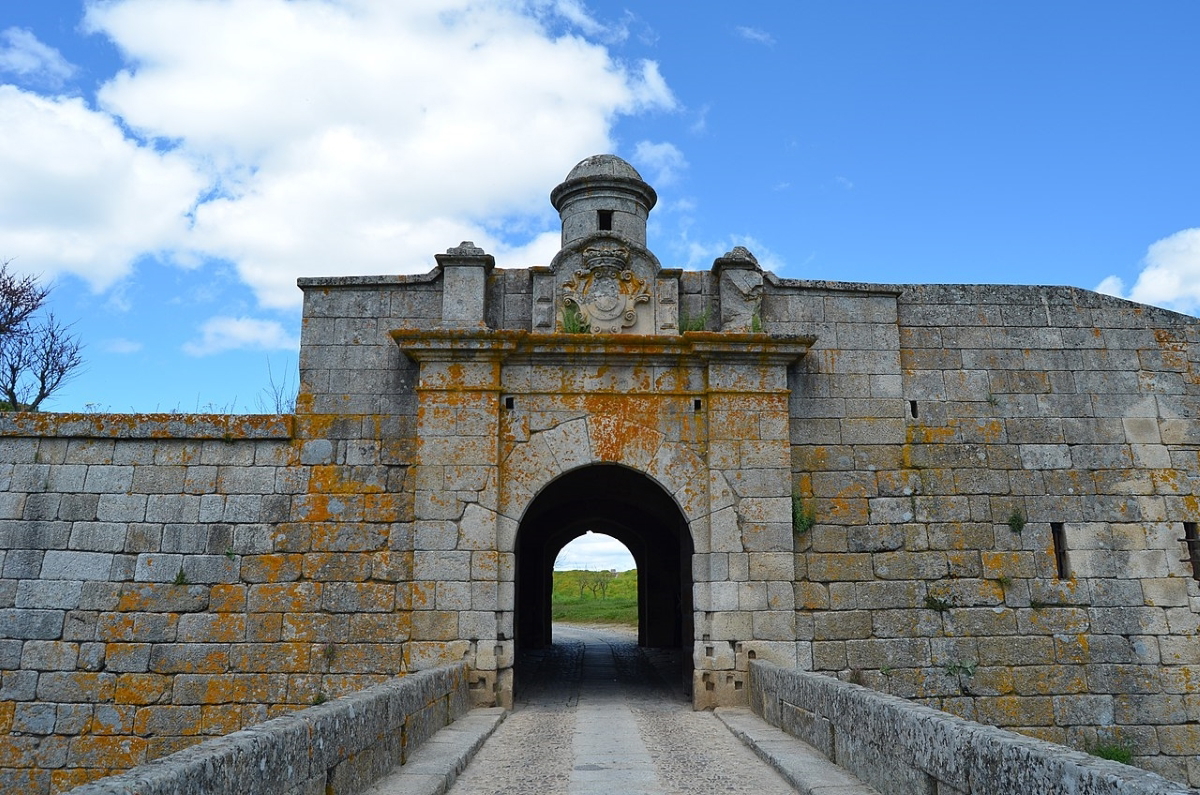
Near the Spanish border, Almeida is defined by its impressive star-shaped fortress, a hallmark of 17th-century military architecture. The 12-pointed fortifications highlight the village’s long-standing strategic importance.
Visitors can walk the preserved walls and gates, explore the historic center, and visit the Military Museum, which documents Almeida’s role in conflicts such as the Peninsular War.
10. Linhares da Beira
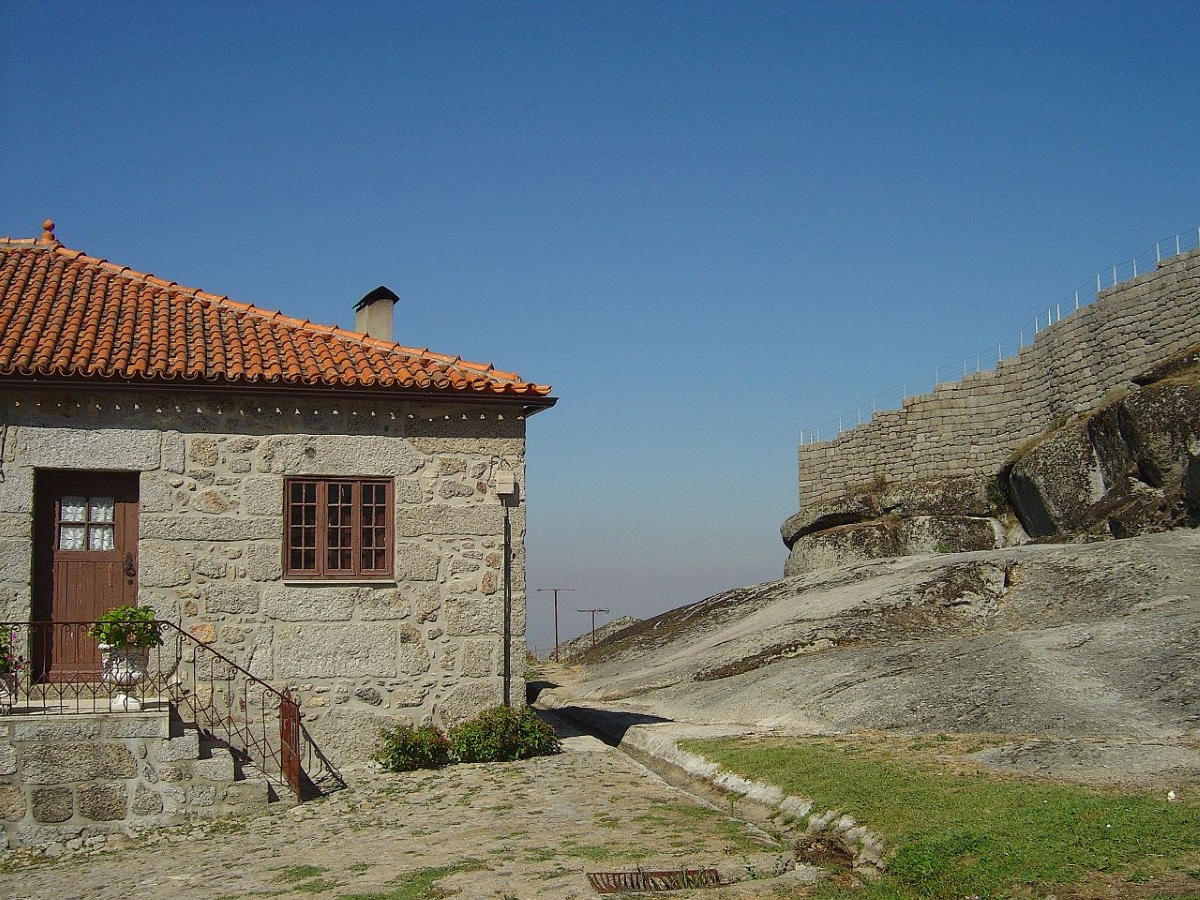
Established in the 12th century on the slopes of the Serra da Estrela, Linhares da Beira grew around its imposing medieval castle, which once defended the region from invasion.
The village’s cobblestone streets are lined with granite houses featuring Manueline windows and Gothic doorways. Landmarks such as the Igreja da Misericórdia and the Igreja Matriz reflect the city’s architectural heritage, while the castle offers expansive views of the Mondego River Valley.
Quick Guide to Portugal’s Most Historic Villages
| Village | Best for travelers who… | Must-see highlights |
| Monsanto | Want dramatic landscapes and ancient stone architecture |
|
| Sortelha | Love perfectly preserved medieval villages |
|
| Castelo Rodrigo | Are fascinated by fortified border towns |
|
| Piódão | Seek remote mountain villages with a timeless feel |
|
| Marialva | Enjoy layered history in compact hilltop settings |
|
| Idanha-a-Velha | Want to explore Roman and early Christian heritage |
|
| Monsaraz | Love scenic medieval towns with sweeping views |
|
| Belmonte | Are interested in Jewish history and exploration |
|
| Almeida | Enjoy immersive military history you can explore on foot |
|
| Linhares da Beira | Appreciate medieval towns set in mountain landscapes |
|