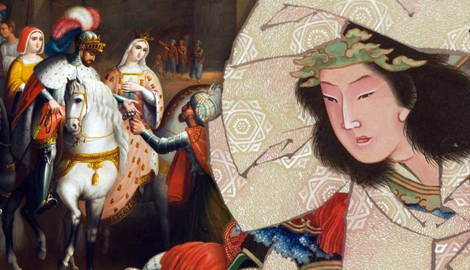
For centuries, female rulers led armies, organized military campaigns, and brandished weapons during critical moments of their realm’s history. While most of these accounts have been mythologized or exaggerated over time, these queens, empresses, and noblewomen stunned their peers by bearing arms and sometimes even joining their forces on the frontlines. From Japan to Italy, these rulers rejected all societal norms by protecting their reigns on the battlefield while securing their dynasties as expectant mothers.
1. Empress Jingū of Japan
Empress Jingū (AD 169-269) remains one of Japan’s most legendary rulers. Following the assassination of her husband, Emperor Chūai, in AD 200, Jingū avenged his death and successfully invaded the Korean Peninsula.
While artistic re-creations depict Jingū as a ruthless warrior, most Japanese folktales celebrate her three-year campaign in Korea as a bloodless victory, as the Korean kingdoms quickly surrender to her. However, most accounts are mythical retellings from the oldest Japanese chronicles commissioned during the 8th century.
Jingū’s legacy was further nationalized during the 19th-20th centuries, melding fact from fiction about her reign, invasions, and motherhood.
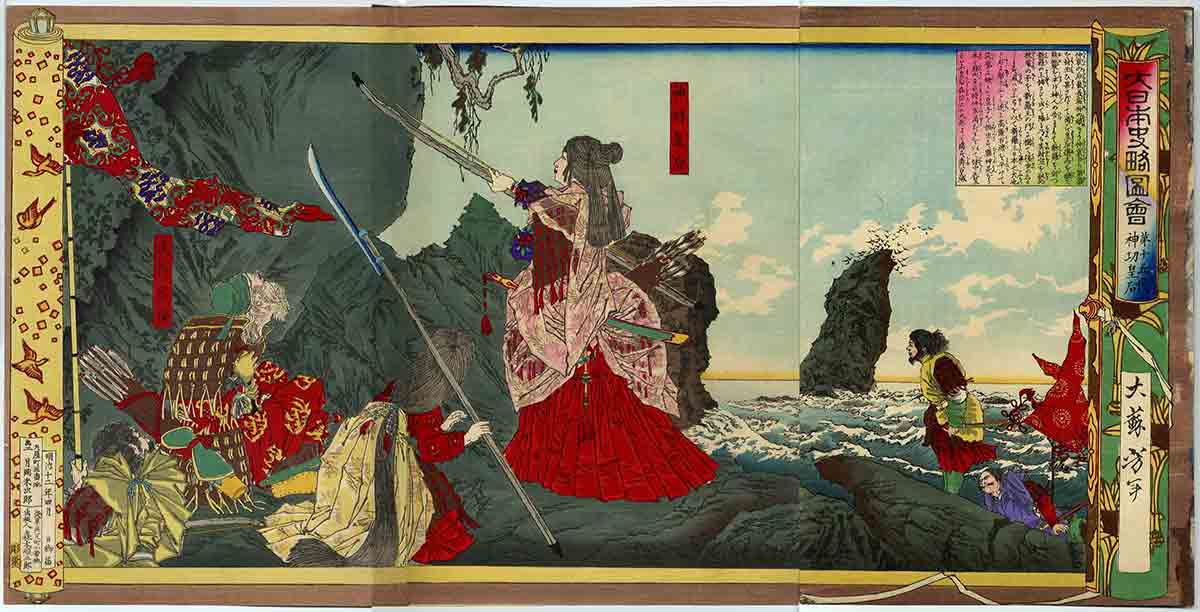
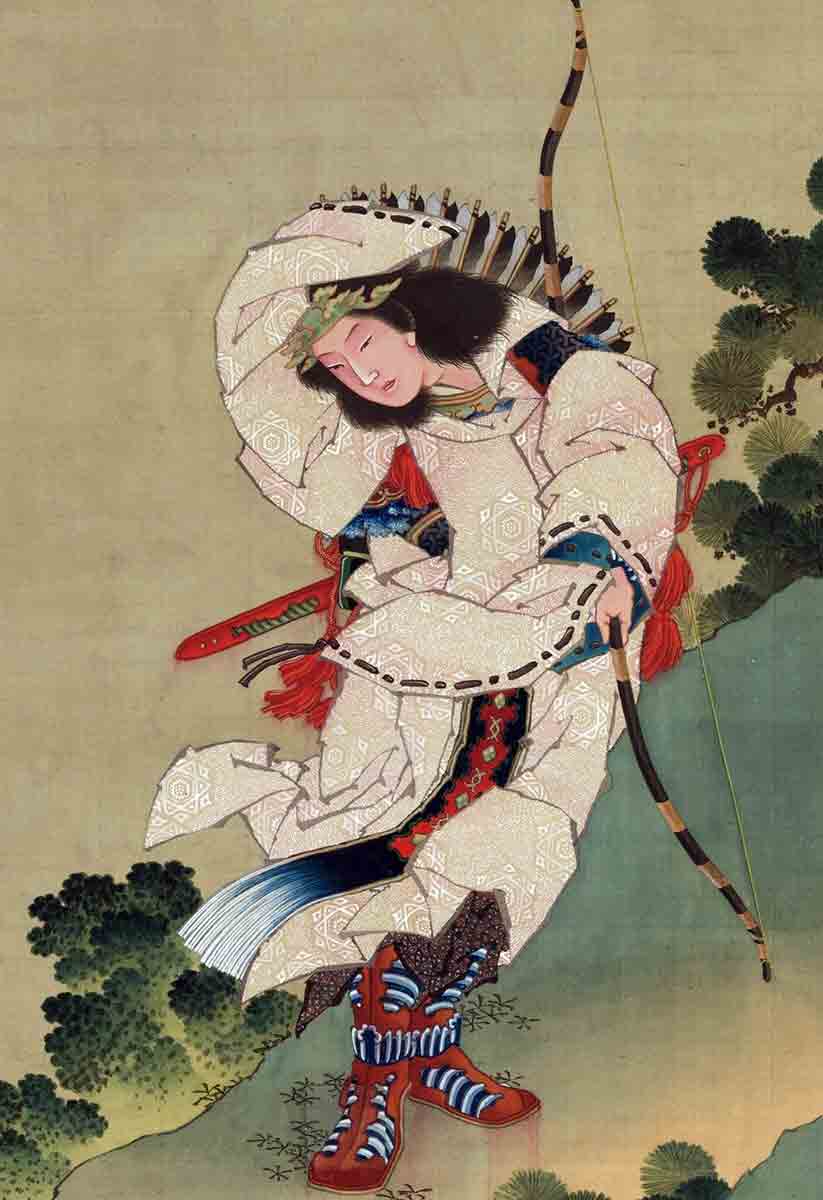
Official Japanese chronicles recount how Jingū donned male armor to lead her men to avenge her husband, later invading the Korean kingdoms as the chief military commander. Jingū is often depicted as an onna-bugeisha, a member of the elite group of female samurai. Also depicted is her pregnant belly. According to Japanese legends, Jingū fell pregnant before her husband’s murder but delayed the birth for three years by binding her stomach with stones. She only allowed herself to give birth to their heir after she avenged the emperor and ruled the Korean Peninsula.
However, there is no concrete evidence that she ever existed. Instead, most scholars believe that she is part of the mother-goddess cult in Japanese mythology. For example, some chronicles record that she conquered the Korean kingdoms using divine jewels to control the tides. Other accounts narrate that her son, Ōjin, became the God of War Hachiman.
Without any archaeological proof, Jingū’s iconic role in Japanese history and legend remains contentious. Some researchers argue that her existence was weaponized to justify Japan’s invasions and brutal occupations of Korea. Others contend she may have been a re-interpretation of the shaman-queen Himiko, who ruled Japan in the 3rd century.
2. Caterina Sforza, Countess of Forlì and Lady of Imola
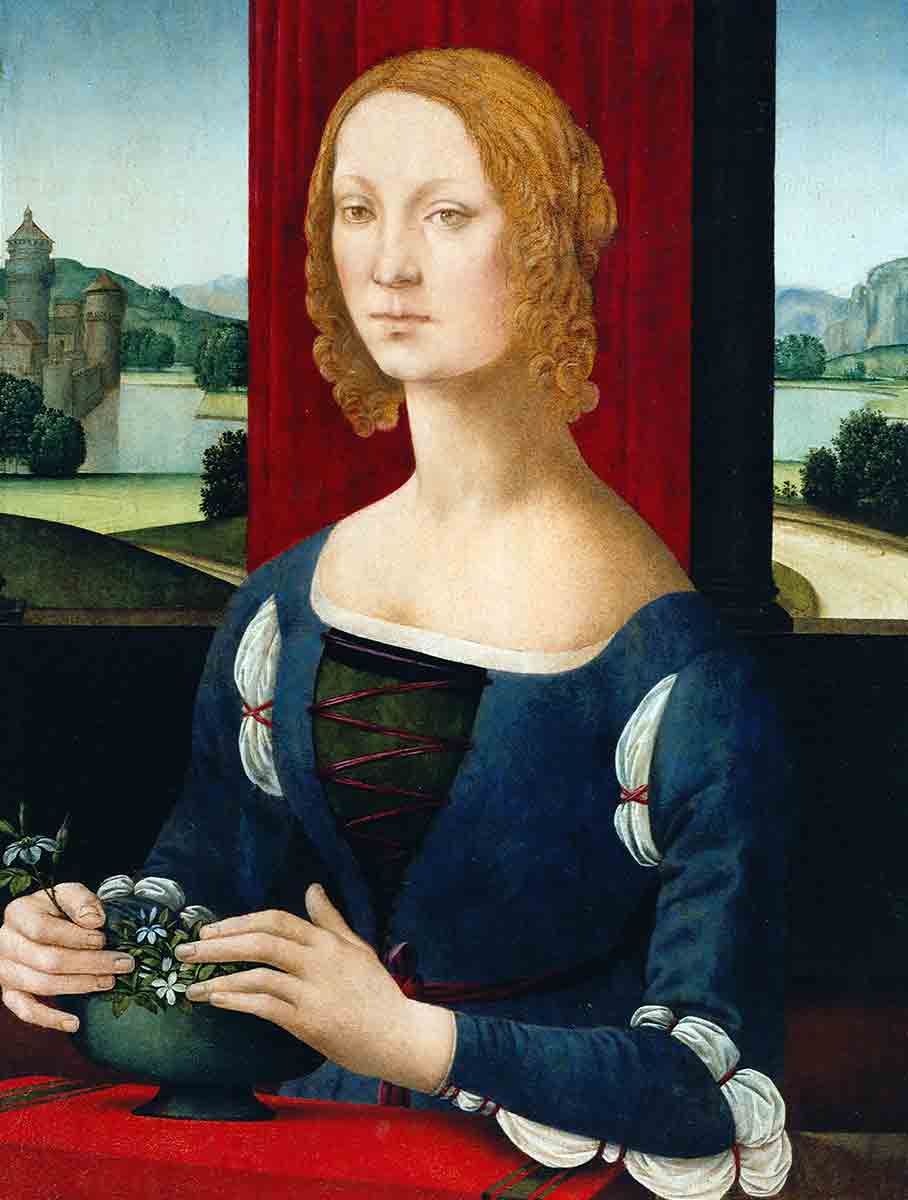
Caterina Sforza (AD 1463-1509) was an Italian noblewoman and Countess of Imola and Forli in Northern Italy. She balanced uprisings, papal wars, and hostage situations to secure her family’s legacy, later enabling her grandson, Cosimo de’ Medici, to establish the Medici Dynasty in Florence. Her political brilliance and beauty mystified Renaissance figures, captivating Machiavelli and becoming a muse to Sandro Botticelli. She was also a lifelong proponent of the sciences, even writing a book, Experimenti, composed of 454 alchemical and cosmetic recipes.
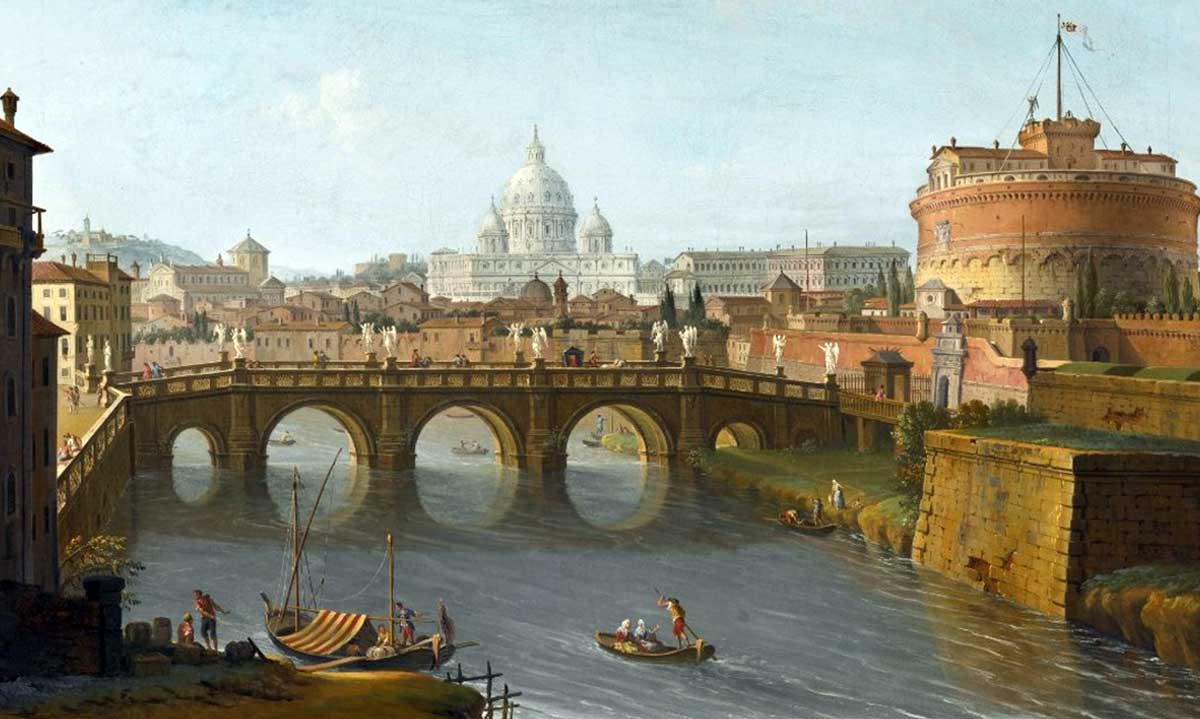
Caterina’s political prowess first reached notoriety when she was seven months pregnant in 1484. Her husband, Girolamo Riario, was widely detested for the wealth accrued from his uncle, Pope Sixtus IV.
After the pope’s death in 1484, riots, mobs, and looting broke out across Rome. Instead of fleeing, Caterina grabbed a horse and sword, assembled her soldiers, and stormed Castel Sant’ Angelo. Seizing the castle, she turned the cannons on St. Peter’s Basilica, threatening to fire upon the Conclave should they not legitimize her husband’s titles. Some cardinals fled, but eventually they agreed to her demands and allowed Girolamo to maintain his wealth.
Caterina developed a ruthless yet clever approach to maintain her power amid revolts, feuds with the Borgias, and two assassinated husbands. Nicknamed the “Tigress of Forli,” she outmaneuvered most noblemen and popes who attempted to quell her authority. In 1488, she refused to surrender to the Orsi family after they assassinated Girolamo and took her six children hostage.
Popular retellings detail how, instead, she climbed the fortress walls, then flashed her genitals, yelling, “Do it, if you want to! Hang them even in front of me…Here I have what’s needed to make others!” However, most researchers believe this to be a sensationalized account. Instead, some contend she declared she was pregnant, proving she would continue having heirs regardless of their threats.
3. Mandukhai Khatun, Queen of the Northern Yuan Dynasty in Mongolia
Mandukhai Khatun (c. AD 1449-c. 1510) is a beloved national figure in Mongol history. Her 30-year reign is often regarded as the second coming of Genghis Khan. In addition to unifying the Mongol tribes after a century of violent fractioning, she re-established the “Golden Dynasty,” or “Golden Family,” by placing Genghis Khan’s last direct male descendant back on the throne as her co-ruler. She earned the nickname “the Wise” for her military and political finesse that pacified the Northern Yuan Dynasty and rebuked the Ming Dynasty. Some historians even argue that the threat she posed led the Ming Dynasty to vastly expand the Great Wall of China.
Mandukhai was first married to Manduul Khan, who ruled from 1473 to 1479. However, the khanate fell into disarray after he died unexpectedly without a male heir. To secure her position, Mandukhai located and adopted the last direct male heir of Genghis Khan from the Borjigin clan, a seven-year-old orphan named Batmunkh. Serving as his regent, she later married Batmunkh when he turned 19, reigning as her co-ruler Dayan Khan. Together, they returned the Borjigin clan to its former glory, thereby legitimizing their reunification campaign of the Mongol tribes.
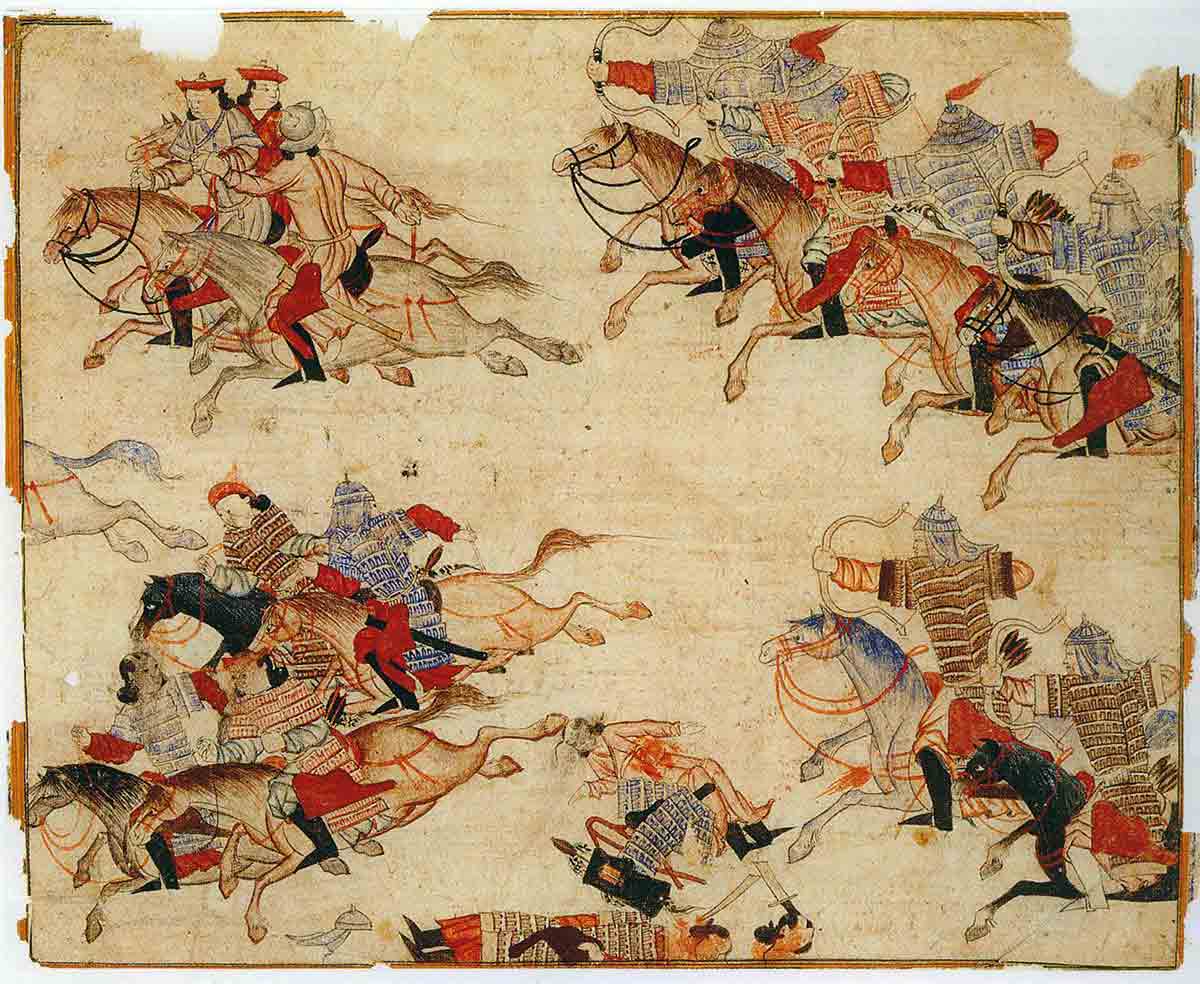
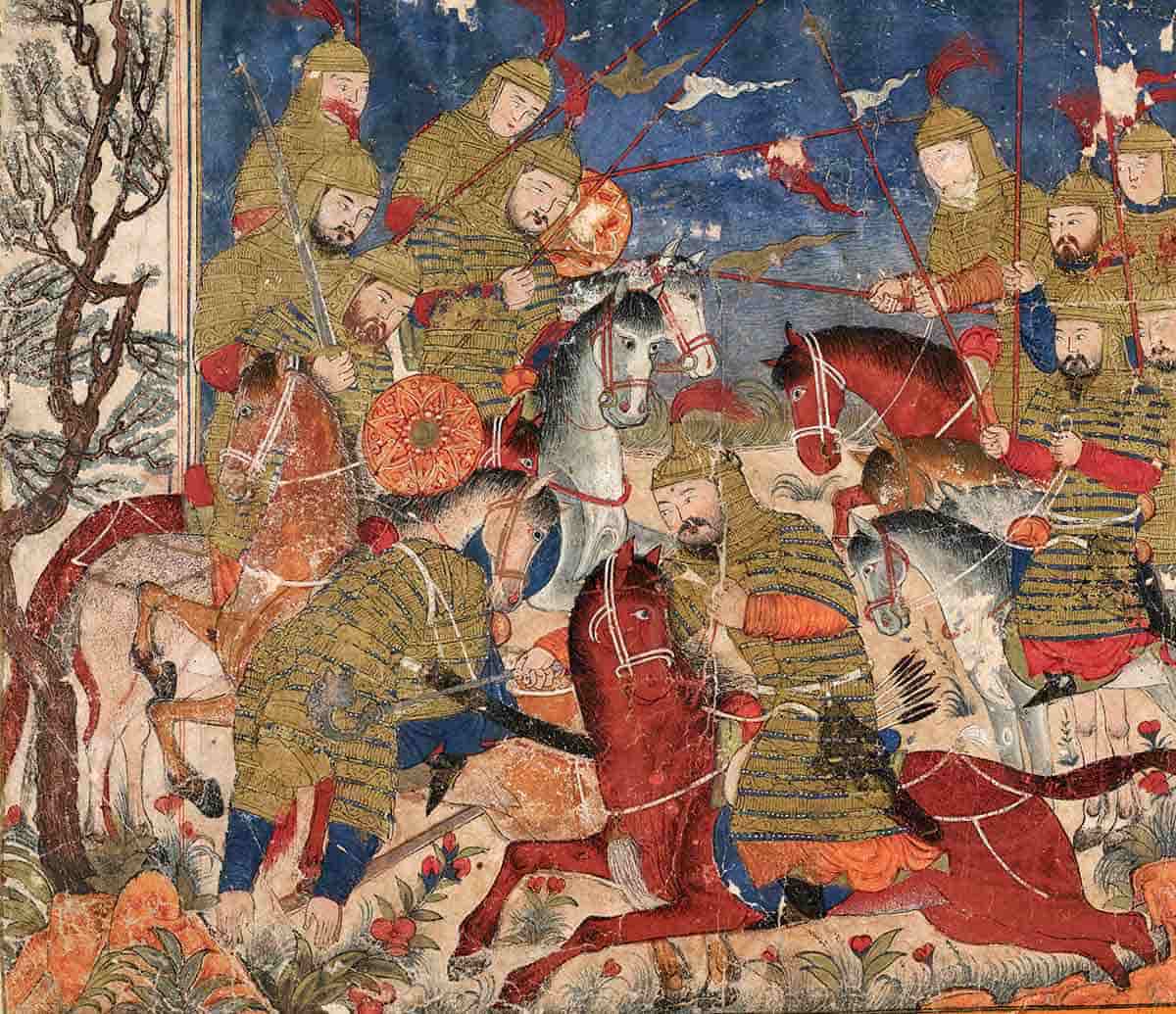
Mandukhai became infamous as both a leader and a warrior. Mongol chronicles mythicized aspects of Mandukhai’s military campaigns. These tales describe how she often led cavalry charges and fought alongside her men in raids, wars, and defensive campaigns against the Ming Dynasty and warring Mongol tribes.
Chroniclers recall the countless battles she fought while pregnant, covered in male armor, charging into war on horseback, and wielding a sword. Most famously, some legends recount that she gave birth on the battlefield during the reunification wars against the Oirats, a Western Mongol tribe. These tales record how she stopped fighting long enough to give birth to twin boys before immediately returning to the battle.
4. Isabella of Castile, Queen of Castile and León
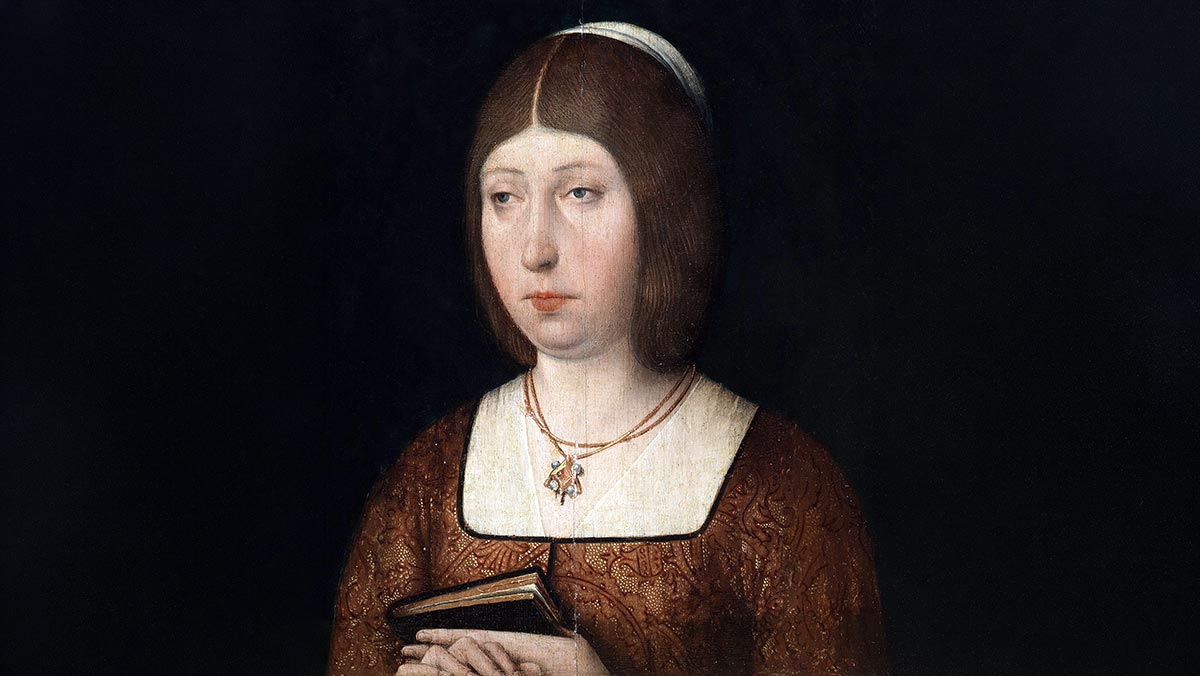
Isabella of Castile (AD 1451-1504) began the unification of Spain and its transformation into a global superpower. Ruling alongside Ferdinand II of Aragon, the “Catholic Monarchs” purged Spain’s multicultural populations to create a homogenous Catholic nation. They completed the Reconquista, defeating the final Muslim stronghold in the Iberian Peninsula. They also launched the Spanish Inquisition and infamously expelled thousands of Jews and Muslims from Spain between 1478 and to 1502.
Marrying their children into Europe’s most powerful royal families, the pair further expanded their rule by founding the Spanish Empire through Christopher Columbus in 1492.
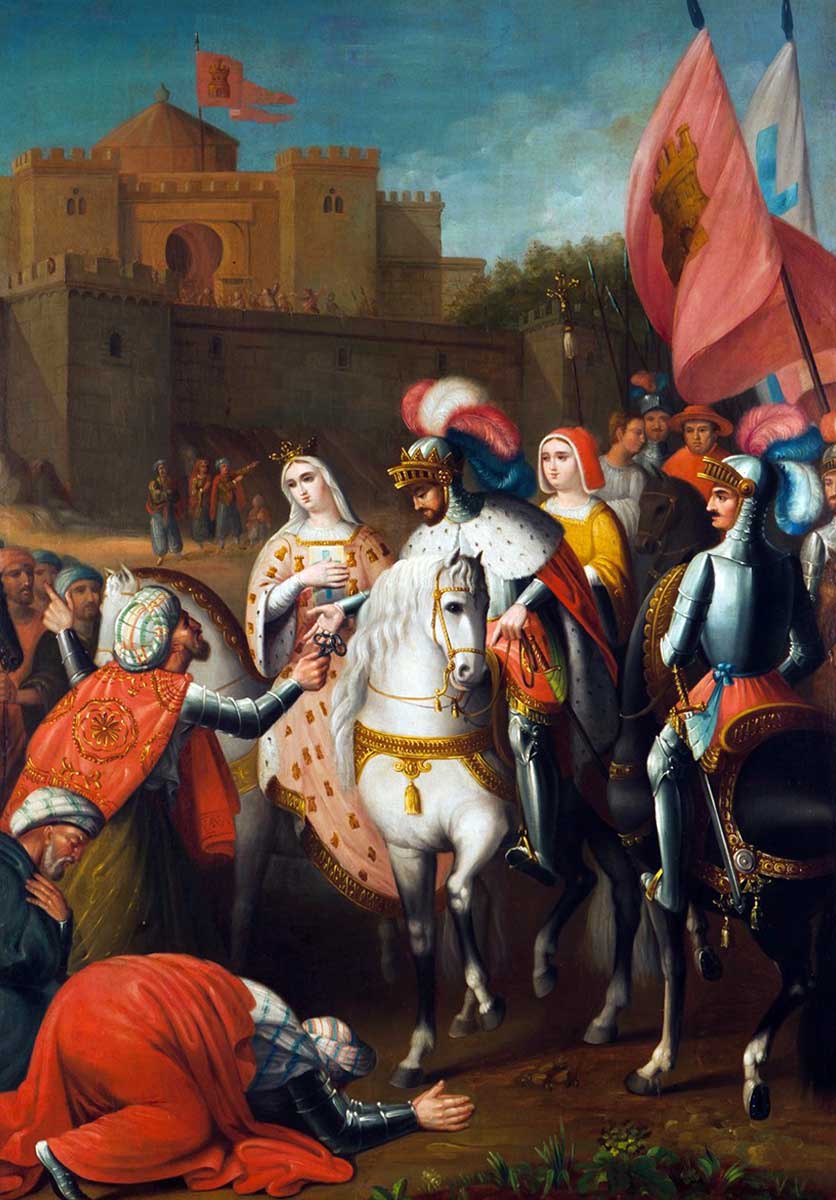
The Catholic Monarchs successfully waged war for decades during the War of Castilian Succession (1475-1479) and the Granada War (1482-1492). Throughout these campaigns, Isabella presented herself as a warrior queen, donning a military breastplate decorated with silk and brandishing a sword. She rode alongside every major siege to boost morale, raise funds, organize medical tents, and advise battle plans.
Her direct involvement still sparks curiosity, inspiring fictionalized battle scenes in popular culture productions like the television series, The Spanish Princess, in which she leads her men into battle to slay Moorish aggressors. However, there is no evidence that she ever fought in direct combat.
Her years on campaigns, battlefields, war zones, and in hostile territories coincided with seven pregnancies. She was often pregnant while donning armor during sieges, managing military camps, and preparing the frontlines. Most of her children were born during military campaigns from 1470 to 1485. Her five surviving children were raised amid battles where they were taught by the best tutors in Europe, with cannon fire blasting in the background.
Some historians believe that the physical toll of her tireless work and military travel potentially caused miscarriages. For instance, in 1475, she miscarried after riding on horseback to Toledo to garner support during the Castilian Succession War.
5. Catherine of Aragon, Queen of England
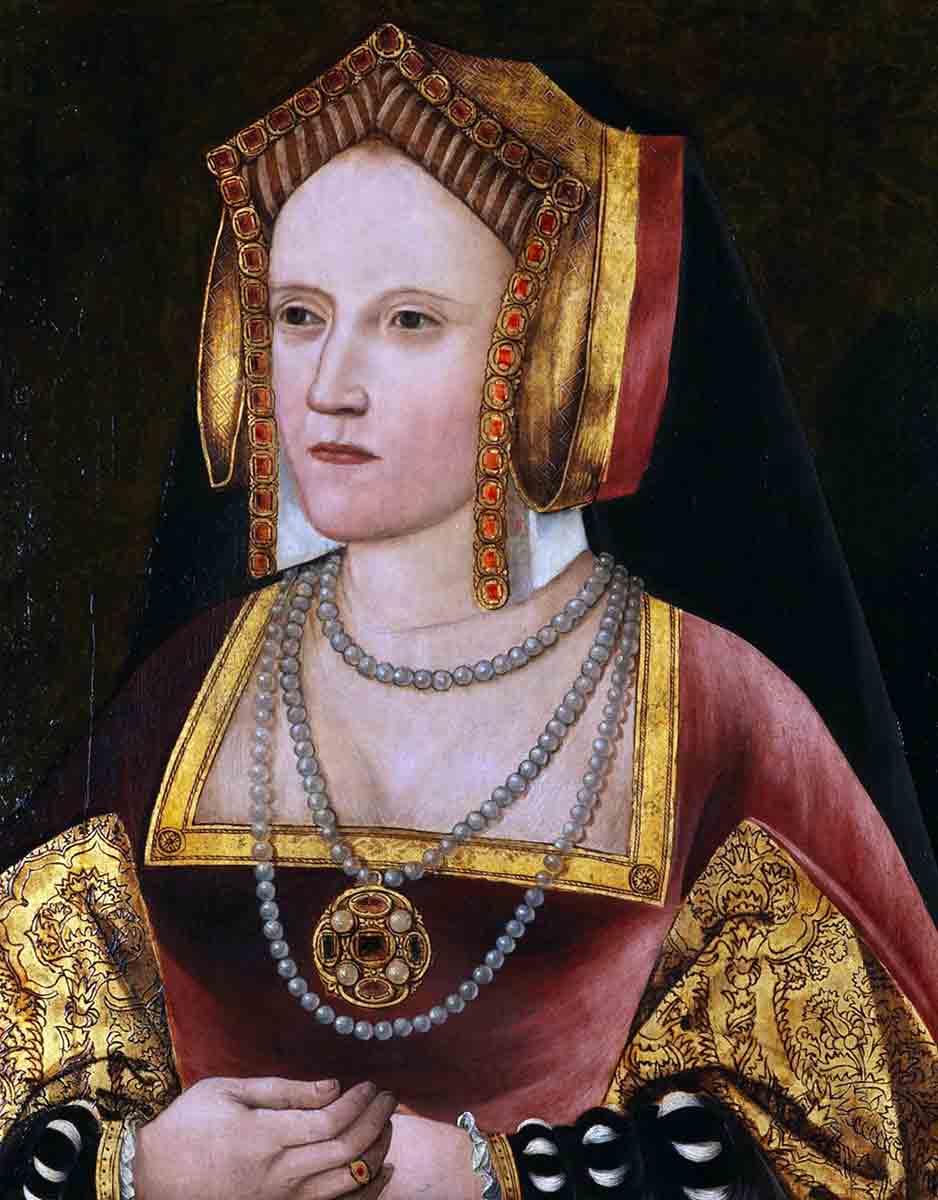
The daughter of Isabella of Castile, Catherine of Aragon (AD 1485-1536), served as queen consort of England. First married to Arthur Tudor, she married his brother Henry VIII after Arthur’s unexpected death in 1502. Following 23 years of marriage and no male heir, Henry divorced Catherine to marry her lady-in-waiting, Anne Boleyn. Failing to obtain an annulment, Henry VIII triggered the English Reformation by famously splitting with the Catholic Church and creating the Church of England. Catherine remained steadfast, refusing to relinquish her titles, Catholic devotion, and the legitimacy of her daughter, Mary I, as the only heir to the throne.
‘Battle” Ep. 2 Clip, The Spanish Princess Part 2, Starz, 2020. The clip depicts how the series portrayed Catherine’s involvement in the Battle of Flodden. Source: YouTube
Over a decade before their separation, Catherine fended off a Scottish invasion while pregnant. When Henry VIII was on campaign in France, King James IV of Scotland sought to invade Northern England with 30,000 troops. Serving as regent and inspired by her mother’s previous military engagements, Catherine assisted with military efforts to thwart the invasion led by the Earl of Surrey. On September 9, 1513, James IV was defeated at the Battle of Flodden in one of the bloodiest land battles in British history. James IV, his nobles, and between 10,000 and 14,000 Scottish troops were slaughtered.
Dramatizations, especially from The Spanish Princess, depict Catherine fighting alongside her men in custom armor to protect her pregnant belly. Yet most of these depictions are false.
While Catherine was most eager to lead English soldiers into battle, she never fought nor made it to the Scottish border in time. She only made it 60 miles north of London before receiving the news of the victory at Flodden. Instead, sources indicate Catherine followed in her mother’s footsteps by advising military strategy, raising funds, recruiting soldiers, and organizing supply chains. Historical records also prove that she did wear armor on multiple occasions to give speeches and boost soldier morale before they went into battle.