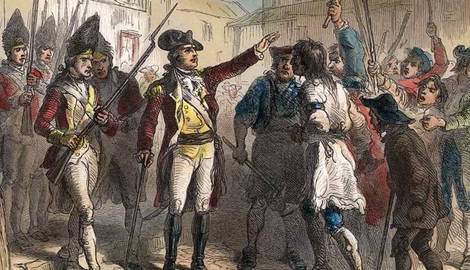

The story of the American Revolution’s origin primarily focuses on events in Massachusetts and the growing animosity between Britain’s North American colonists and Parliament in London. However, there were other signs of vulnerable British authority, including the Regulator War in North Carolina.
Early historians celebrated the Battle of Alamance as the “first battle of the American Revolution.” However, scholars today are less convinced that it is directly linked to the struggle for American independence. While not immediately part of this larger story of American independence, there are strong connections between Regulator movements and the American Revolution.
Origins of Regulator Movements in Colonial America
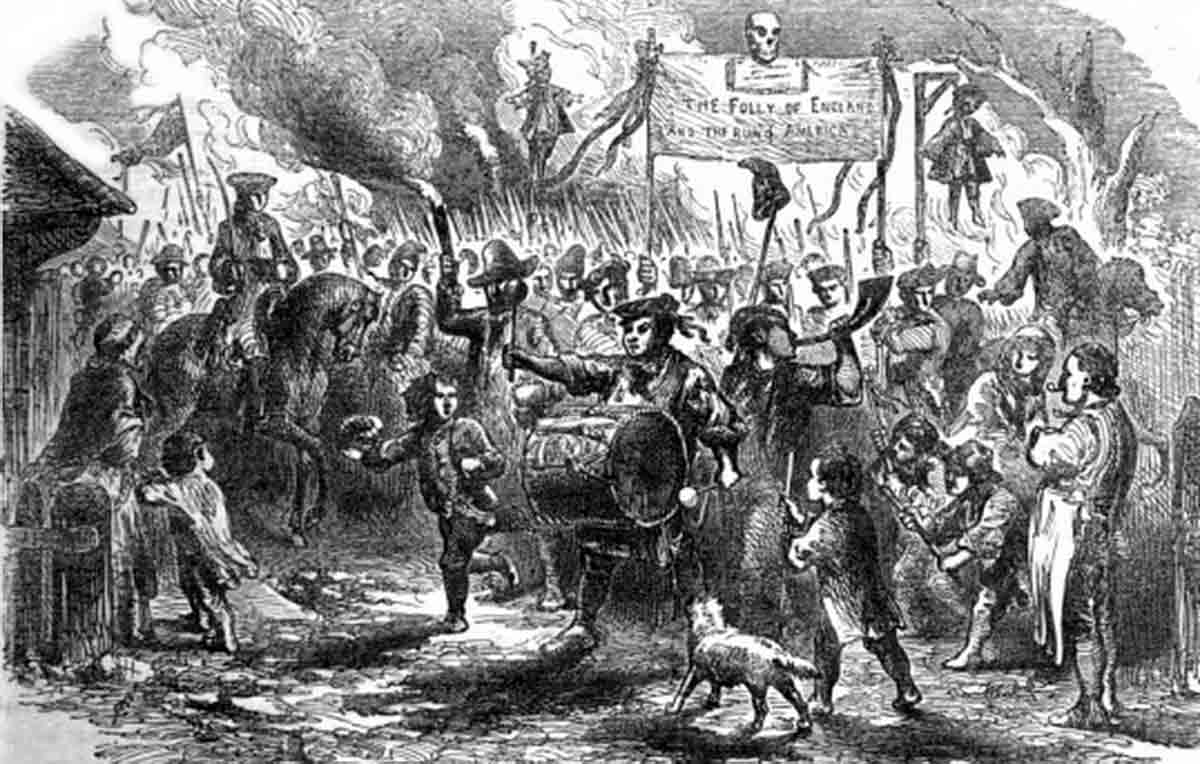
While some in Colonial America in the 1760s railed against the injustices of Parliament in London, colonists known as Regulators protested the inefficiency and corruption of local colonial governments in the years preceding the Revolutionary War.
Historian Alan Taylor notes that Regulator movements existed in several colonies in the 1760s and early 1770s (2016, 71). Local governments encountered organized opposition in parts of New York, present-day Vermont, and the Carolinas.
While specific issues varied, common grievances included shady land speculation practices and corrupt local officials. Taxation also upset many involved in the Regulator movements. However, the taxes in question were not levied from London but from the colonial capitals.
As the name suggests, the Regulators desired stronger government regulations and officials to enforce those laws. In other words, they were not primarily hostile to British rule itself.
If the Regulators were not necessarily future Patriots in the American Revolution, what brought them to take up arms? The answer depended on the colony. As we’ll see below, there were separate Regulator conflicts in the Carolinas between the late 1760s and early 1770s.
Regulators in South Carolina
South Carolina’s Regulator movement was born from a concern over surging crime and a lack of law enforcement and courts in the backcountry region. Increasing numbers of settlers in the South Carolina interior after the end of the Cherokee War in the early 1760s also attracted a number of outlaws.
By 1766, outlaw bands in South Carolina’s backcountry terrorized local communities. Frustrated by the government’s lack of attention in Charles Town (Charleston), locals took up arms to defend their communities from outlaw raids (Phillips, 2012, 178). They became known as Regulators and demanded that the government and coastal elites in the colony do more to protect backcountry settlers.
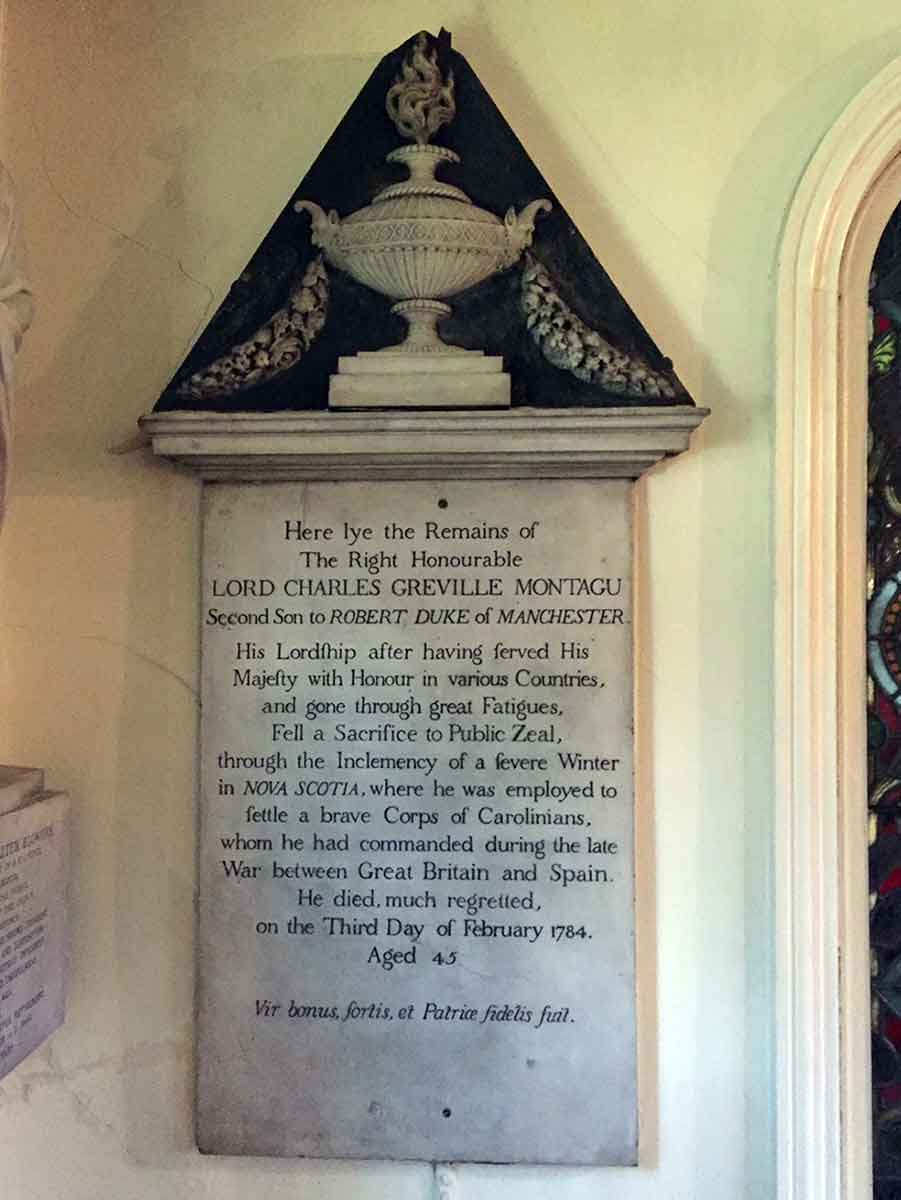
The Regulators scored early successes by capturing several outlaws. However, historian Walter Edgar notes that South Carolina’s newly arrived royal governor, Lord Charles Greville Montagu, decided to pardon the captured outlaws as a gesture of goodwill in the early days of his administration (2000, 16).
Montagu further enraged concerned backcountry settlers by labeling the Regulators, not the captured outlaws, as the real criminals. In response, the Regulators gathered at the Congress of the Congarees in June 1768 and passed the Plan of Regulation (Edgar, 2000, 17-18).
Without government legislation to crack down on illegal activities, the Plan of Regulation essentially became the de facto law of South Carolina’s backcountry.
However, Regulator enforcement became increasingly arbitrary, leading South Carolina’s colonial legislature to create new regional courts. South Carolina’s Regulator movement was thus defused by the early 1770s.
The Birth of the Regulator Movement in North Carolina
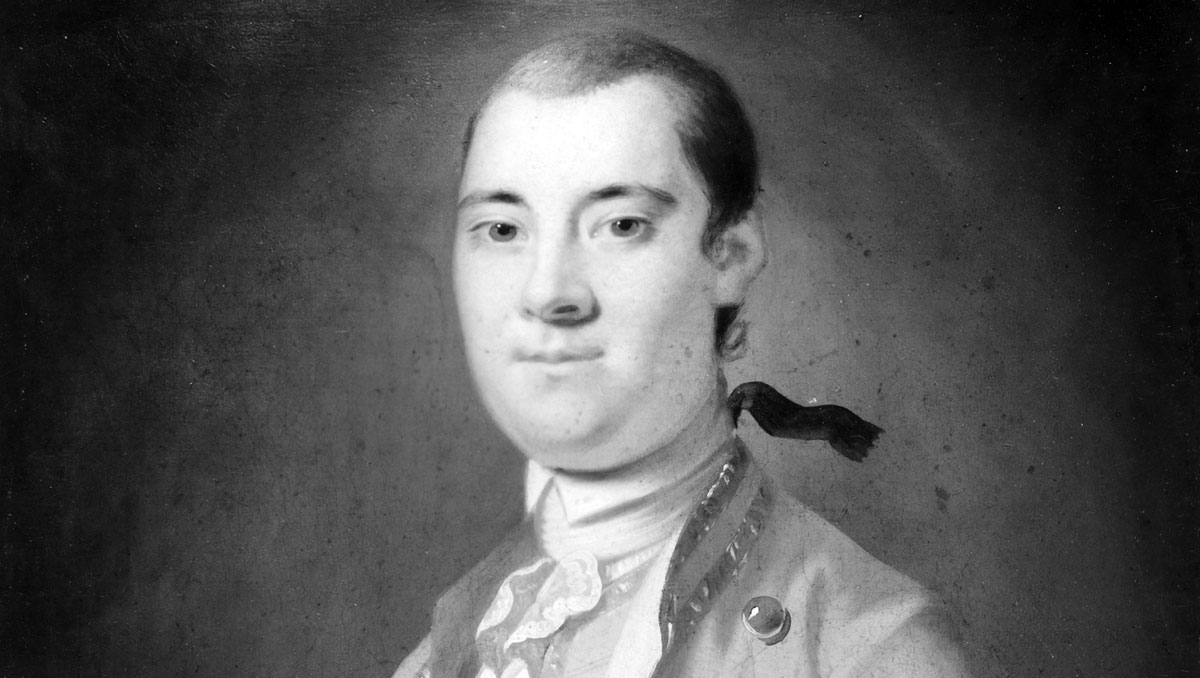
The backcountry of North Carolina was home to a more radical Regulator movement. It resulted from a growing population of small farmers frustrated by high taxes, corrupt local officials, and questionable land speculation practices.
Indeed, backcountry farmers in the Piedmont region of central North Carolina faced heavy taxation. Moreover, Alan Taylor notes farmers encountered demands for payment and lawsuits from speculators who claimed millions of acres of regional land (2016, 70). The speculators often won in court because sheriffs and judges appointed by the royal governor were also involved in these questionable land grabs.
In this system, which was partial to the speculators, farmers risked losing everything if challenged in court. Burdened by taxation and hounded by speculators’ and corrupt local officials’ claims to their land, backcountry farmers grew increasingly restless.
Herman Husband emerged as one of the leaders of these disaffected farmers. On the surface, Husband appeared to be an unusual leader of poor backcountry farmers. Born in Maryland to a wealthy slaveholding family, Husband renounced his wealthy status and moved his family to rural North Carolina.
However, Husband tapped into another important feature of the Regulator movement in North Carolina: religious belief. Indeed, Husband’s more humble farming life in North Carolina coincided with his religious conversion during the Great Awakening. Many of Husband’s fellow Regulators shared his religious beliefs.
Historian Marjoleine Kars explains that Regulators directed their anger towards North Carolina’s royal governor, William Tryon, and the colony’s urban coastal merchants and lawyers (2002, 62).
The Road to Alamance: The Regulator War in North Carolina
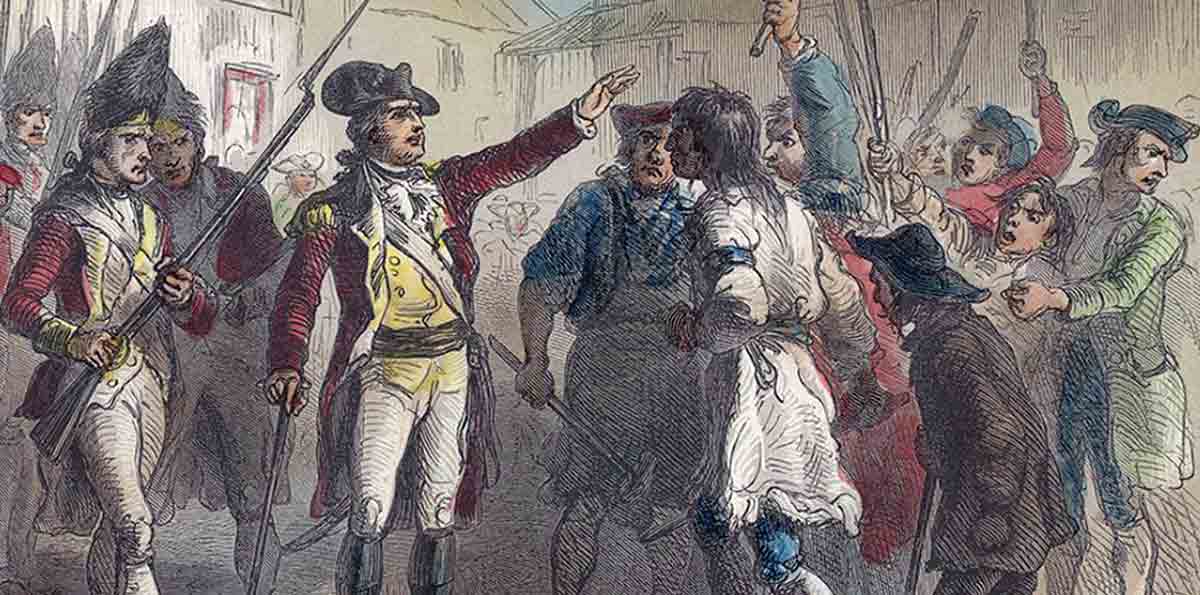
Regulator frustrations boiled over in the late 1760s. Groups of angry backcountry farmers harassed prominent local landowners, judges, and lawyers. Moreover, they petitioned the colonial government to reduce taxes and hold corrupt officials accountable.
One tax that backcountry farmers resented involved funding for the governor’s residence in the new colonial capital of New Bern. The building became known as Tryon Palace after Royal Governor William Tryon.
Alan Taylor points out that when Husband was arrested for agitation in May 1768, a band of 700 Regulators formed to free him from prison (2016, 70). Regulator restlessness worsened by the fall of 1770. For example, pro-Regulator riots broke out across the backcountry, where many stores were looted. Judges and lawyers were also targets of rioter violence (Taylor, 2016, 70).
According to historian Robert Dunkerly, two Regulator leaders eventually met with Governor Tryon to voice the grievances of these frontier settlers. While Tryon expressed some sympathy, he ultimately condemned the Regulator’s use of violence and intimidation (2008, 45).
Dunkerly notes that Tryon also added fuel to the Regulator movement by dissolving multiple colonial assemblies because he believed too many legislators favored the Regulators (2008, 46).
The Regulator War: The Battle of Alamance
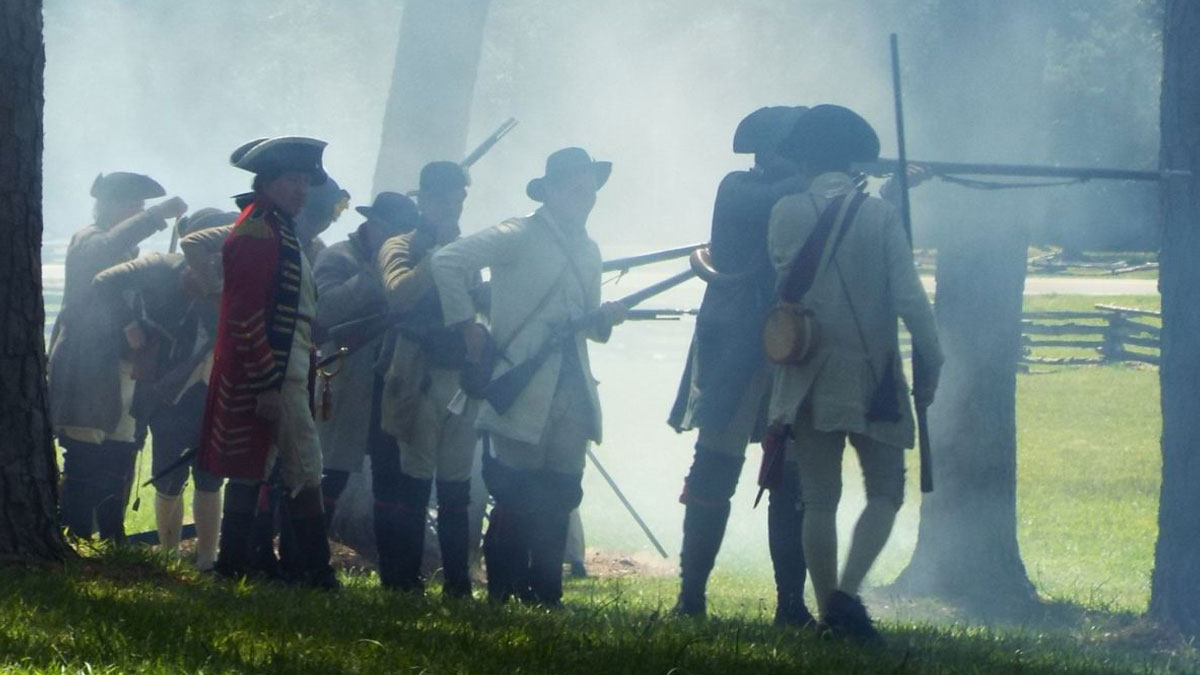
Increasing Regulator violence and vandalism across the backcountry and Tryon’s resistance to reform set the stage for future escalation. Alan Taylor explains that by late 1770, Tryon called out militia units in eastern North Carolina in preparation for a military expedition in the western part of the colony against the Regulators (2016, 71).
The final straw for Tryon came with an attack on his close associate and prominent figure in the colony, Colonel Edmund Fanning. Fanning was also a sheriff and lawyer, which made his property a Regulator target.
Tryon’s militia met the Regulator forces at Alamance Creek near present-day Burlington, North Carolina, on May 16, 1771. According to Alan Taylor, the roughly 2,500 Regulators outnumbered Tryon’s force of 1,100 militiamen (2016, 71).
However, the Regulators lacked training and equipment compared to the smaller militia force. In two hours, the militia’s discipline and firepower routed the Regulators (Taylor, 2016, 71).
According to Robert Dunkerly, the battle resulted in about 300 casualties, mostly suffered by the Regulators (2008, 46). The Regulator War was over.
Aftermath of the Battle of Alamance
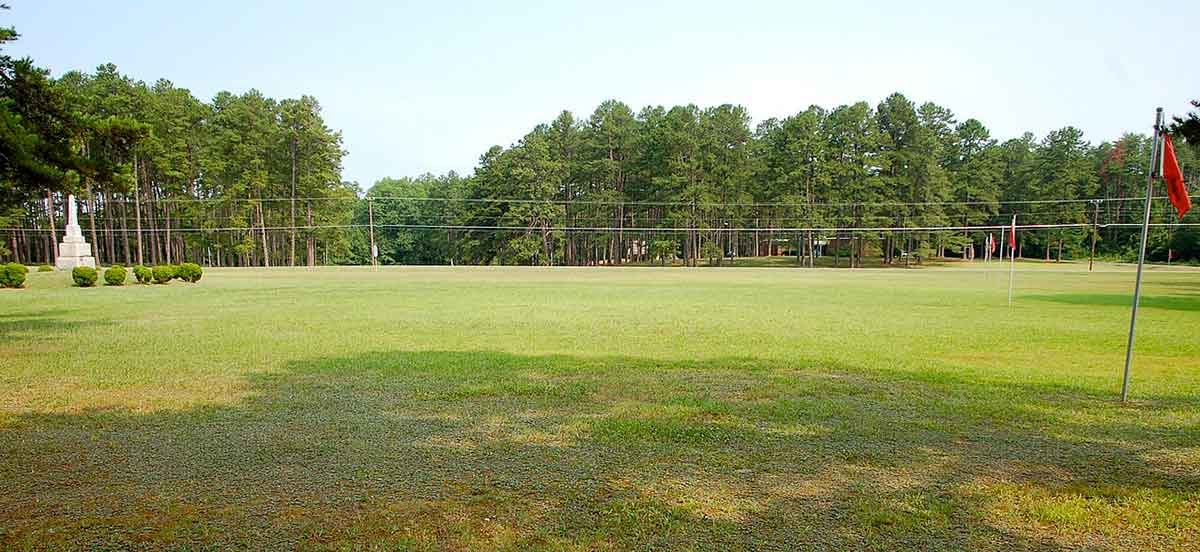
Regulators gradually surrendered their arms in the aftermath of the battle. As Robert Dunkerly notes, Tryon ordered his surgeons to treat wounded Regulators and pardoned most of the combatants at Alamance (2008, 46).
Herman Husband fled to Pennsylvania, where he lived under multiple assumed names. As Alan Taylor points out, Husband first called himself “Tuscape Death” (2016, 71). He did not use his real name again until the end of the American Revolution.
Indeed, Husband did escape death in the aftermath of Alamance. Several of his Regulator associates were not as fortunate. Husband’s brother-in-law, James Pugh, was one of several Regulators hanged on Tryon’s orders. As Alan Taylor explains, Pugh condemned official corruption until his final breath (2016, 71).
According to Robert Dunkerly, the Regulator War influenced developments during the American Revolution in at least two ways. First, the Battle of Alamance provided valuable military experience to those taking up arms as Patriots or Loyalists in the American Revolution. At the same time, Dunkerly explains that Alamance made the future conflict more bitter. Many neighbors who had fought on opposing sides at Alamance were again enemies during the American Revolution (2008, 48).
For at least these reasons, Alamance served as a prelude to the American Revolution.
Regulator Movements: The Real Origin of the American Revolution?
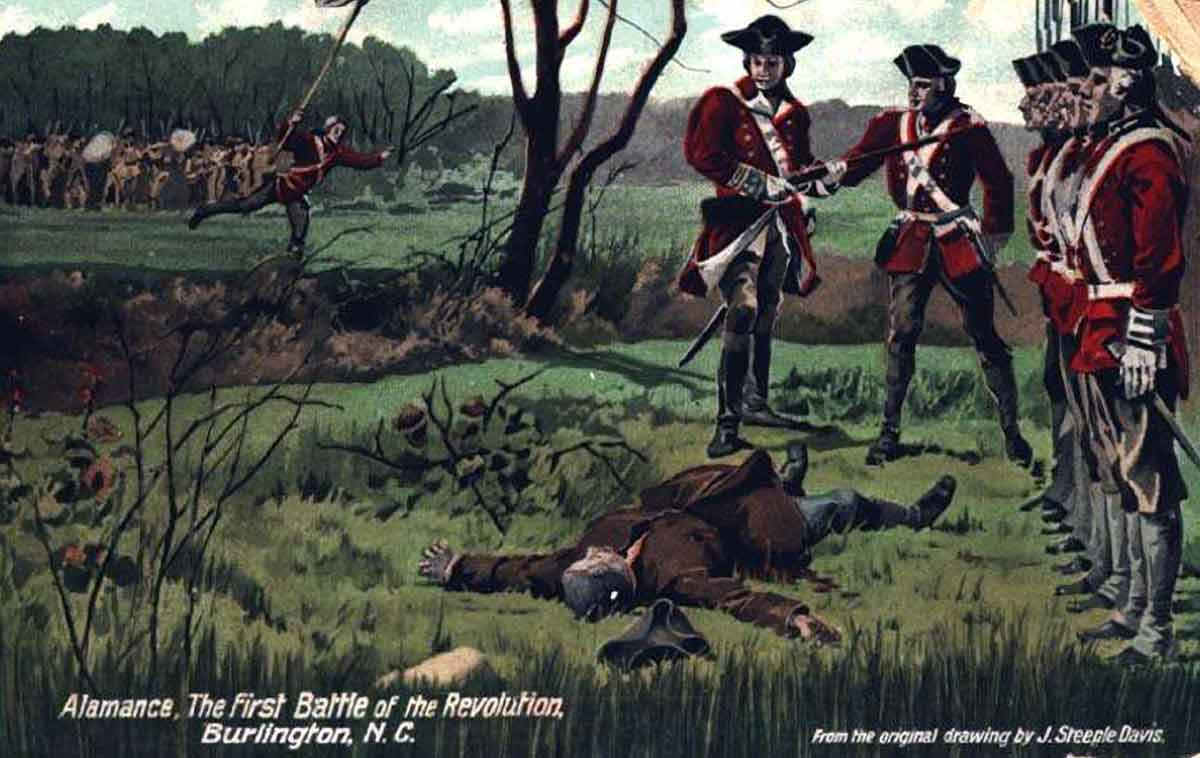
Earlier generations of historians, especially in North Carolina, promoted the idea of Alamance as the first battle of the American Revolution. In fact, some paintings of the Battle of Alamance depicted red-coated soldiers firing on colonial militia.
While this image is fitting for early Revolutionary War battles like Lexington in April 1775, it does not reflect the reality of Alamance in 1771. There were no British Redcoats on the battlefield at Alamance.
The irony of Alamance would be that many of Tryon’s militia on the battlefield in 1771 supported American independence. On the other hand, Regulators, who had resisted what they perceived as corrupt royal authority, later mostly supported the British Crown during the American Revolution.
Therefore, the Regulators were not the immediate forerunners of the Patriots during the American Revolution. Nevertheless, the Regulator War and related Regulator agitation in British North America during the 1760s and early 1770s were signs of fracturing royal authority in the colonies.
A royal governor like William Tryon in North Carolina could depend on loyal militia to protect his authority in 1771. However, a few years later, Tryon (as Royal Governor of New York) and his fellow royal administrators in the colonies would be forced to flee in the face of the Patriot uprising.
Thus, despite different motivations in taking up arms from American Patriots, the Regulators revealed cracks in the foundations of British rule in the thirteen North American colonies that would form the United States.
References and Further Reading
Dunkerly, R. (2008). Redcoats on the River: Southeastern North Carolina in the Revolutionary War. Dram Tree Books.
Edgar, W. (2000). Partisans and Redcoats: The Southern Conflict That Turned the Tide of the American Revolution. Perennial.
Kars, M. (2002). Breaking Loose Together: The Regulator Rebellion in Pre-revolutionary North Carolina. UNC Press.
Phillips. K. (2012). 1775: A Good Year for Revolution. Penguin.
Taylor, A. (2016). American Revolutions: A Continental History, 1750-1804. Norton.