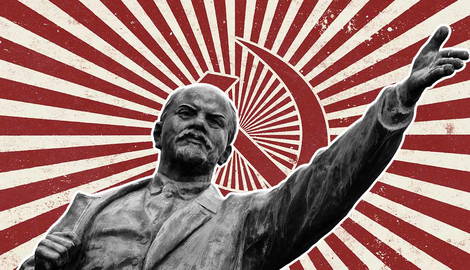
The Russian Revolution of 1917 (also known as the October Revolution) was one of the most transformative events in modern history. It fundamentally reshaped the global political landscape and inspired generations of revolutionaries. The events of 1917 were chronicled by American journalist John Reed in his book Ten Days That Shook The World. In this book, published in 1919, Reed documented the events that culminated in the Bolsheviks’ seizure of power and the establishment of the world’s first socialist state.
The events that unfolded would shake the foundations of the world order and usher in a new era of history.
Background to the Russian Revolution
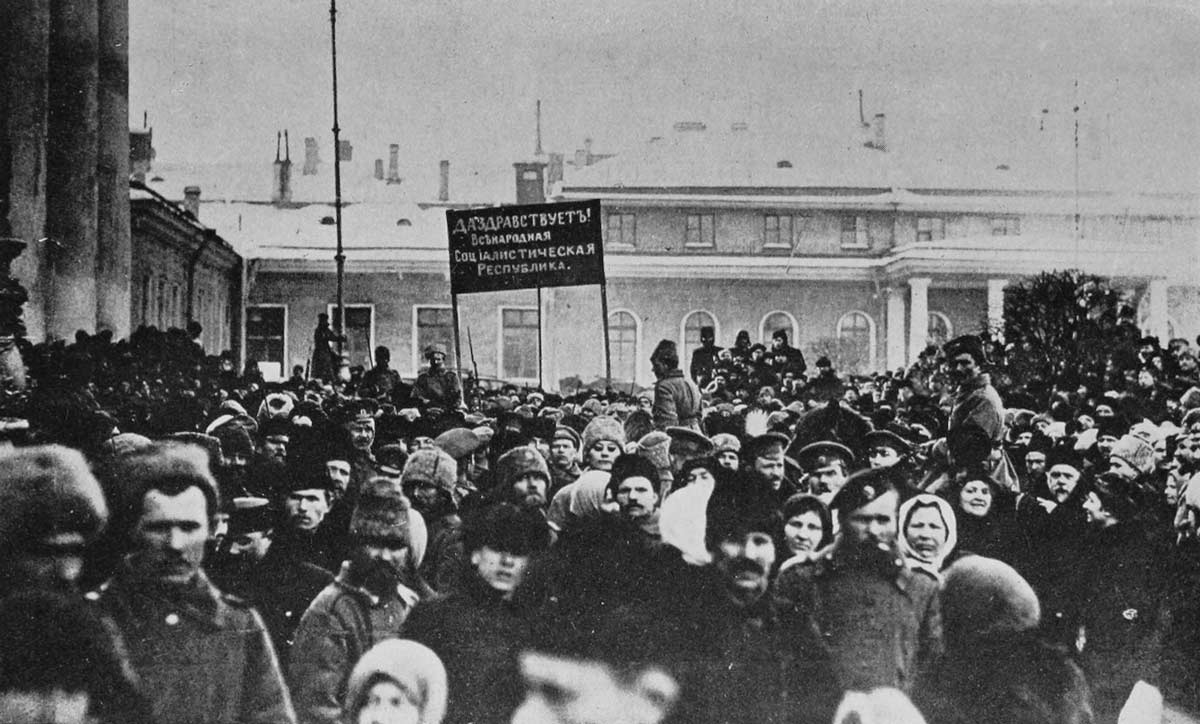
By 1917, Russia was truly a nation in turmoil. The brutal conflict of the First World War had destroyed much of its economy and military, leaving millions of soldiers and civilians disillusioned with the political situation. The head of state, Tsar Nicholas II, was widely regarded as bearing much of the blame and was discredited for his incompetence, corruption, and inability to properly address the needs of the Russian people.
Earlier in the year, the February Revolution had succeeded in overthrowing the ruling Tsarist regime and replacing it with a Provisional Government. However, this chaotic coalition of powers struggled to govern properly and was unable to meet the popular demands for peace, land reform, and workers’ rights. Amid this social and political turmoil, the stage was set for the Bolsheviks, a Marxist political faction led by Vladimir Lenin, to seize the reins of power. With their slogan, “Peace, Land, and Bread,” they captured the feeling of the nation and quickly gained popularity in the lead-up to October 1917.
Timeline of the Russian Revolution
| Date | Place(s) | Event |
| October 10–25, 1917 | Petrograd | Bolsheviks decide on an armed uprising, secure control of the Petrograd Soviet, form the Military Revolutionary Committee, and quietly seize key infrastructure while the Provisional Government underestimates the threat. |
| October 25–26, 1917 | Petrograd (Winter Palace, Smolny) | Bolsheviks, operating from Smolny as HQ, surround and storm the Winter Palace; the Aurora fires the signal shot, ministers are arrested, and the Provisional Government effectively collapses. |
| October 26, 1917 | Petrograd (Congress of Soviets) | Lenin proclaims the transfer of power to the Soviets; the Congress issues the Decree on Peace and Decree on Land, boosting Bolshevik support while moderates and Mensheviks walk out in protest. |
| October 27–30, 1917 | Petrograd; Georgia; Tsarskoye Selo | Council of People’s Commissars is formed under Lenin; Bolsheviks start dismantling the old state, face local armed resistance and Menshevik opposition, and Kerensky’s failed move with Don Cossacks at Tsarskoye Selo marks the Provisional Government’s final defeat. |
| October 31, 1917 | Petrograd; Moscow | Red Guards drive Don Cossacks from the Petrograd area and capture Moscow after brutal street fighting and artillery bombardment, causing heavy civilian casualties and securing Bolshevik control of major cities. |
| November 1–2, 1917 | Petrograd; Russia-wide | The new Bolshevik government confronts passive resistance from bourgeois classes and lack of trained officials; Lenin nationalizes banks and factories and sets up the Supreme Economic Council to manage the emerging socialist economy. |
| November 12, 1917 | Russia (national); Petrograd | In Constituent Assembly elections, Socialist-Revolutionaries win a majority while Bolsheviks lag behind; when the Assembly meets on January 5, 1918 and rejects Bolshevik decrees, Lenin dissolves it by force, helping set the stage for the Russian Civil War. |
October 10-25: The Bolsheviks Set the Stage
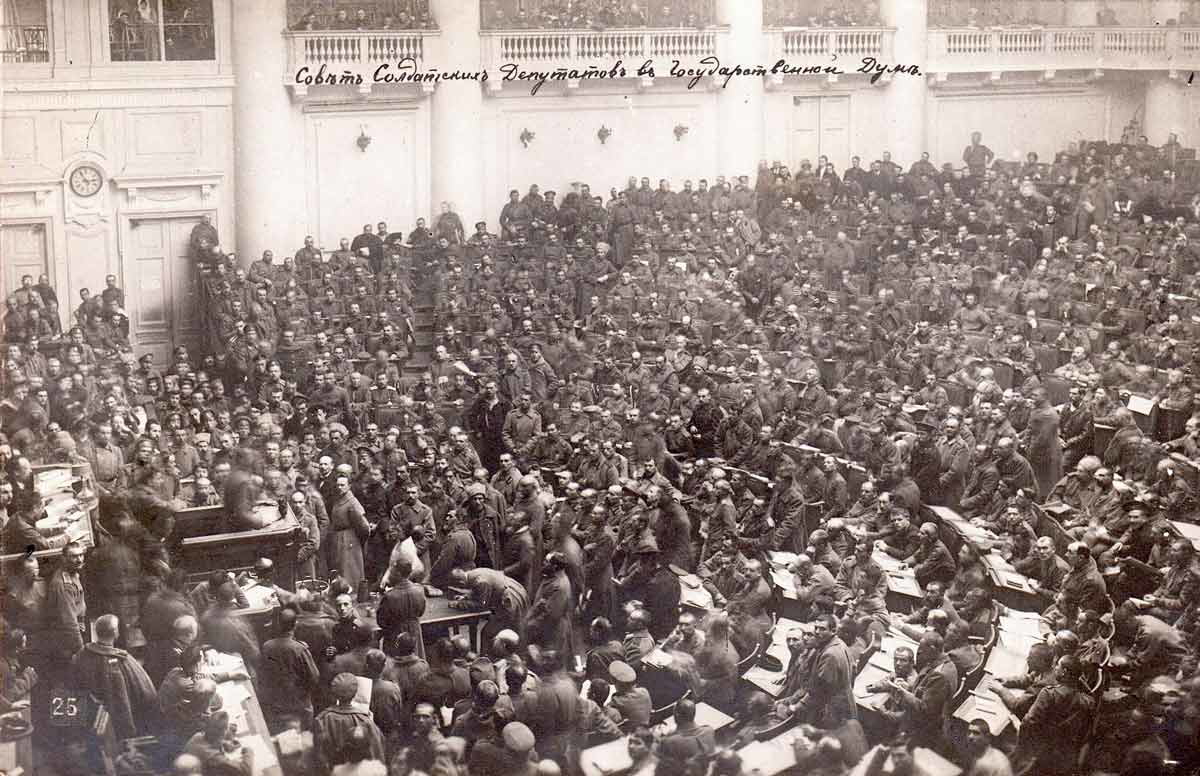
On October 10, the Central Committee of the Bolshevik Party made a historic decision; the gathered delegates voted in favor of staging an armed uprising. After several weeks of deliberation, Vladimir Lenin eventually persuaded the Bolshevik Committee to take drastic action, arguing that the Provisional Government was weak enough to make a revolutionary uprising possible. By October 16, the Bolsheviks had set their plans in motion. They had already secured full control over the Petrograd Soviet, and a council of workers and a newly formed Military Revolutionary Committee (MRC) were set up to oversee the uprising. Leon Trotsky played an important role in the initial stages, organizing Red Guard militias and rallying troops loyal to the Bolshevik cause.
On October 20, the MRC mobilized workers and soldiers, stationing loyal Red Guards in strategic positions across Petrograd. During this first stage of the Revolution, key infrastructure was taken over by the Bolsheviks, including important bridges, telegraph offices, and railway stations. During these early stages, the Provisional Government failed to realize the growing threat and did little to prevent the Bolsheviks from further consolidating their power.
The morning of October 24 saw the Provisional Government finally take action with security forces occupying the offices of the Bolshevik newspaper Rabochiy Put. However, the Red Guards soon managed to retake control of the paper, and the Bolshevik leadership called for an armed uprising in response. Violent clashes soon broke out across the city of Petrograd as Red Guards began taking strategically important areas such as the Central Telegraph Office. Prime Minister Kerensky ordered that the bridges crossing the river Neva be raised to impede the insurrection, but Bolshevik forces quickly circumvented this step.
October 25-26: The Storming of the Winter Palace
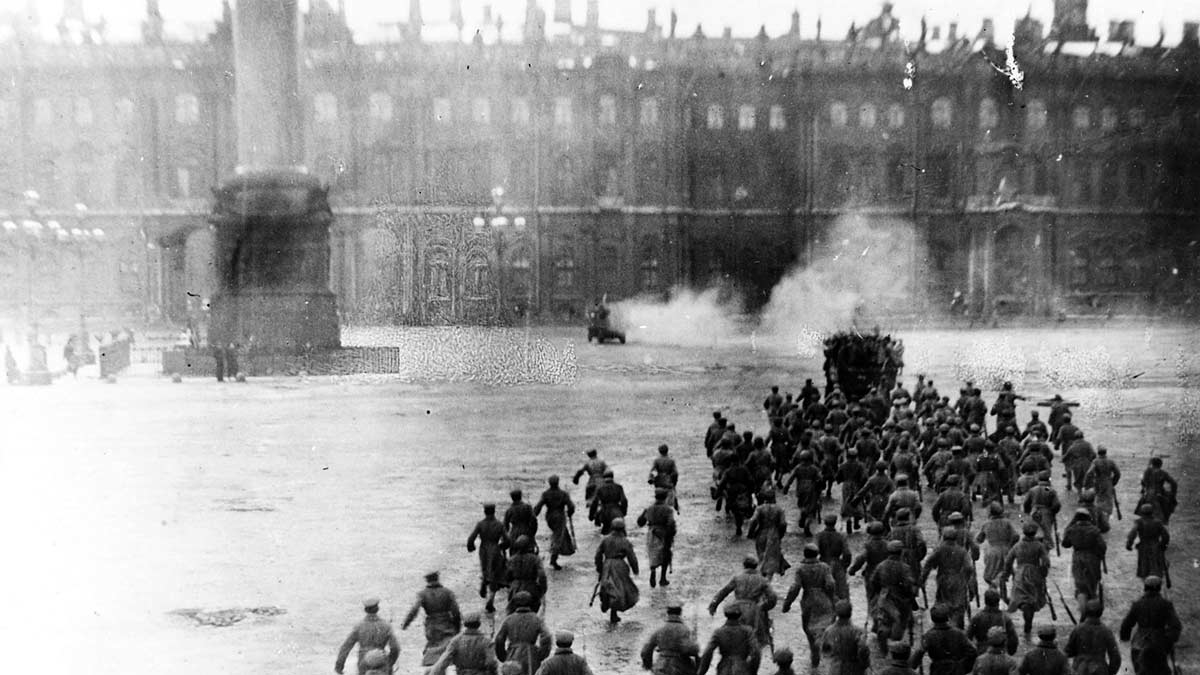
Throughout October 24 and by October 25, the Bolsheviks had come to control much of Petrograd. Red Guards, communist sailors, and rebellious soldiers had occupied major government facilities with little resistance. Smolny Palace, a former education institution, became the Bolshevik headquarters and the nerve center for the October Revolution. As the day unfolded, it became clear that the bulk of the Provisional Government was preparing to make its last stand at the Winter Palace, the former seat of Tsarist power in Russia.
On the evening of October 25, Bolshevik forces launched their assault against the Winter Palace. The Russian Navy Battleship Aurora, which was manned by sailors loyal to the revolutionary cause, fired a blank shell, signaling the start of the attack. A contingent of Red Guards and revolutionary sailors quickly overwhelmed the Winter Palace’s defenses. By early morning on October 26, the Winter Palace was completely under Bolshevik control, and the Provisional government had failed. The Bolsheviks arrested government ministers, but Prime Minister Alexander Kerensky managed to evade capture.
October 26: The Birth of Soviet Power
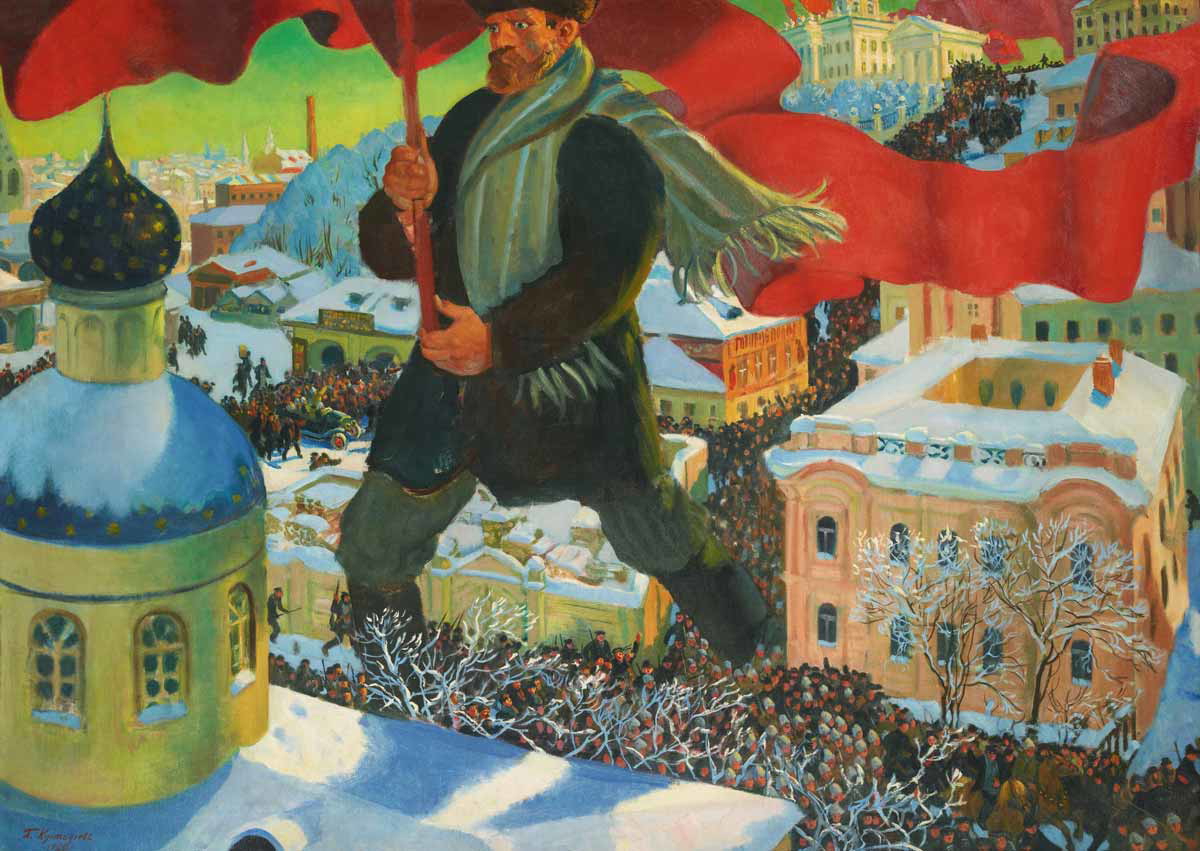
On October 26, the Bolsheviks declared victory. At the Second All-Russian Congress of Soviets, Lenin officially announced that the transfer of power to the Soviets would begin—a move designed to legitimize Bolshevik rule in the eyes of the people. The Congress also announced two new decrees. First, the Decree on Peace called for an immediate end to Russia’s role in World War I. Second, the Decree on Land redistributed land owned by the aristocracy and the church to the peasantry of Russia.
These two decrees gained the Bolsheviks considerable popular support, particularly among soldiers in the Russian army and peasants, who had long demanded these reforms from the Provisional Government. However, despite their growing popularity, the Bolsheviks faced opposition from the moderate socialists and Menshevik political factions who walked out of the Congress in protest.
October 27-30: Consolidating Control
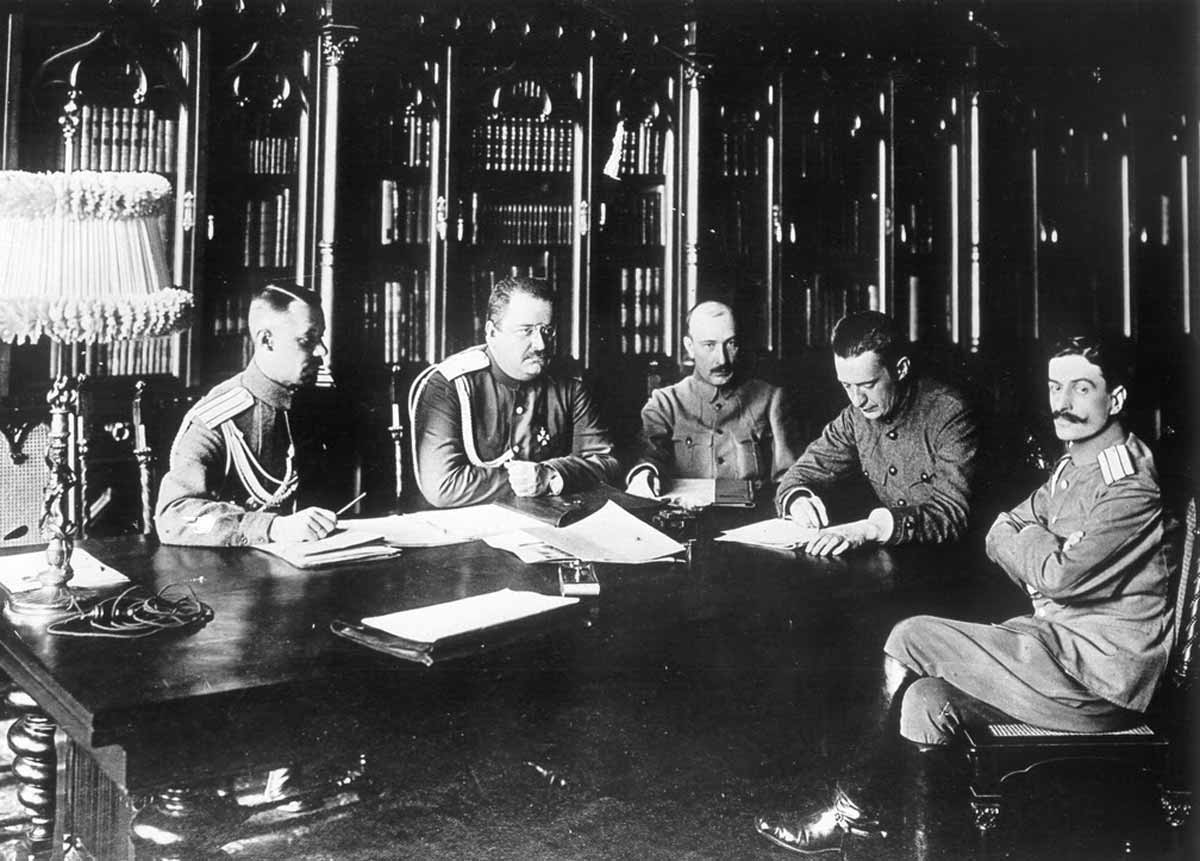
The following day saw the Bolsheviks tighten their grip on power. On October 27, the new Soviet government, known as the Council of People’s Commissars, was officially formed with Lenin as its chairman. The new Bolshevik government immediately began issuing decrees that aimed at dismantling the old state apparatus and laying the groundwork for a truly socialist state.
However, despite their initial success, the Bolsheviks soon faced mounting opposition. Armed resistance instigated by forces loyal to the Provisional government erupted in some areas of Petrograd, and further dissent among moderate factions within the Congress of Soviets further highlighted the fragility of Lenin’s new government. Anti-Bolshevik propaganda posters were plastered across walls and fences in Petrograd, and Menshevik forces even managed to seize power in Georgia, declaring it an independent republic.
A notable challenge to Bolshevik power came on October 30, when a group of Don Cossacks entered the town of Tsarskoye Selo, with Prime Minister Kerensky allegedly leading the battalion astride a white horse. Kerensky ordered the garrison to lay down their arms and surrender, but they refused. The soldiers fired on Kerensky, resulting in eight deaths. Historians have since described Kerensky’s defeat at Tsarskoye Selo as the final failure that signaled the end of the Provisional government.
October 31: The Battle for Moscow
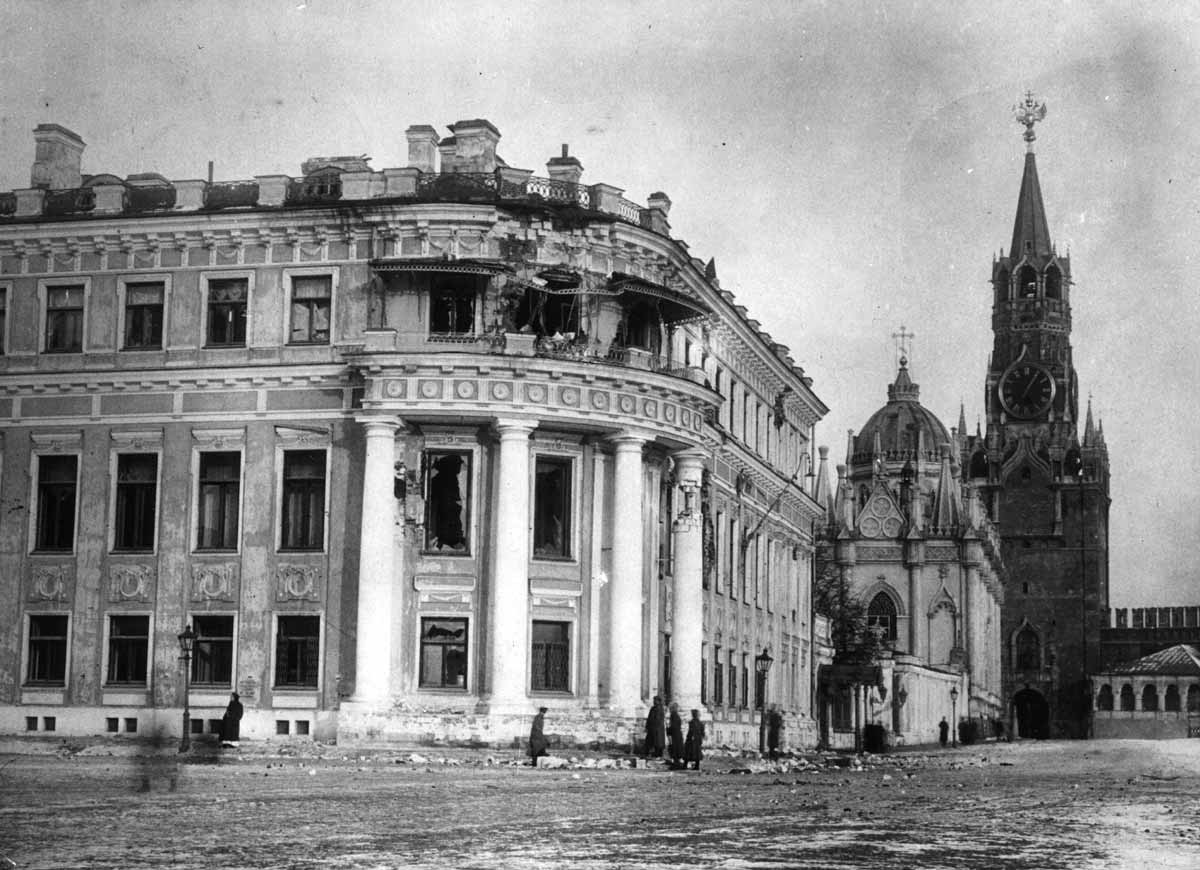
In the days following Kerensky’s defeat at Tsarskoye Selo, there followed a period of intense fighting as factions sought to overthrow the new Bolshevik government. The Red Guard continued to fight Don Cossacks in the North of Petrograd, with the Cossacks eventually fleeing the area by October 31. On this day, the Bolsheviks also gained control of Moscow after several weeks of bitter street-fighting. Within the city, artillery had been used, leading to an estimated 700 civilian casualties. After Moscow was taken by the Bolsheviks, there remained only a low level of anti-Bolshevik sentiment in the major cities of Russia. In the wake of their early victories at Tsarskoye Selo and in Moscow, Lenin declared that no resistance remained against the Bolsheviks in the whole of Russia.
November 1-2: Early Challenges to Bolshevik Government
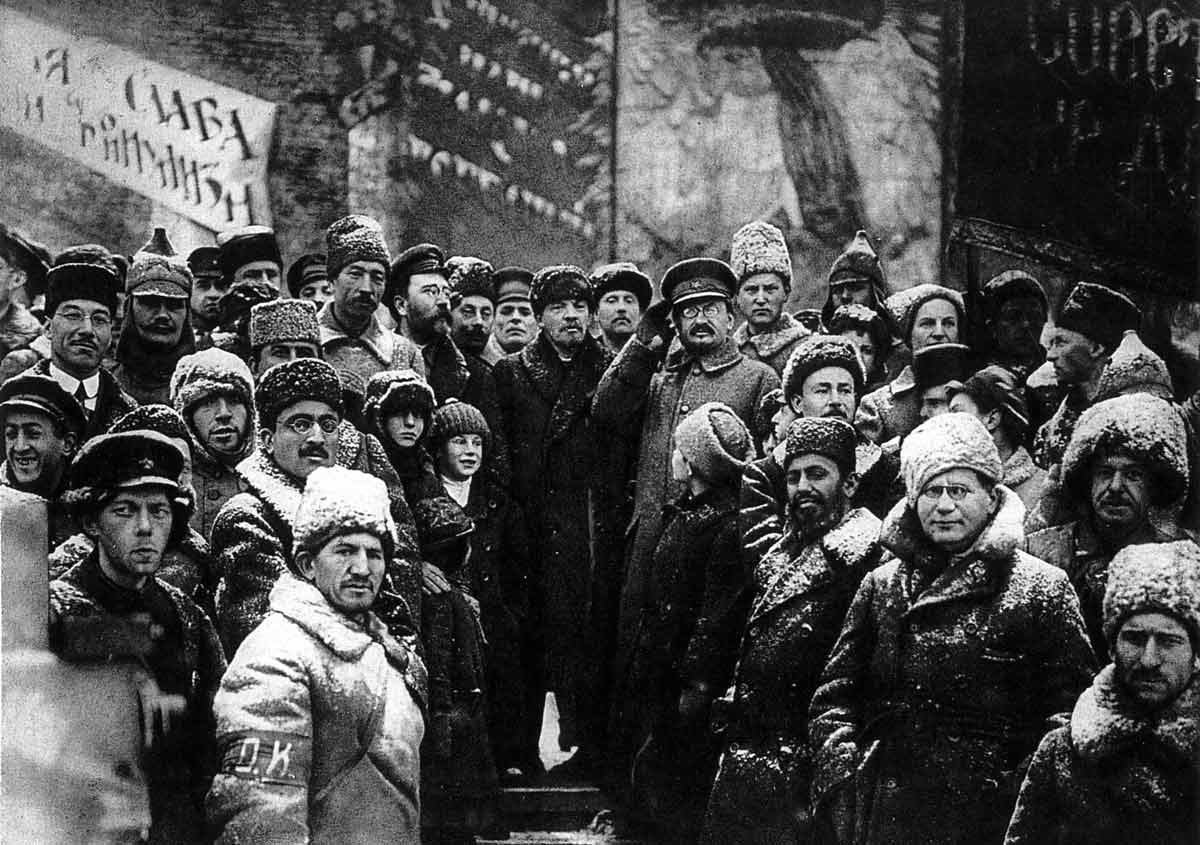
After the initial armed uprisings against the revolution were crushed, the new Bolshevik government faced the considerable challenges of running a country that was largely opposed to communist principles. From the start, the bourgeois classes began to slowly organize a passive resistance to paralyze the Bolshevik regime. Moreover, Lenin’s new government was forced to run a country without a civil service or personnel trained in finance or administration.
Lenin met these challenges with characteristic decisiveness. He nationalized the uncooperative banks within Petrograd, nationalized the owners of industrial factories, and created a Supreme Economic Council to manage them. The Bolsheviks issued one decree after another that aimed to consolidate the elements of the old state into the new communist system.
November 12: The Bolsheviks Lose the Constituent Assembly Elections
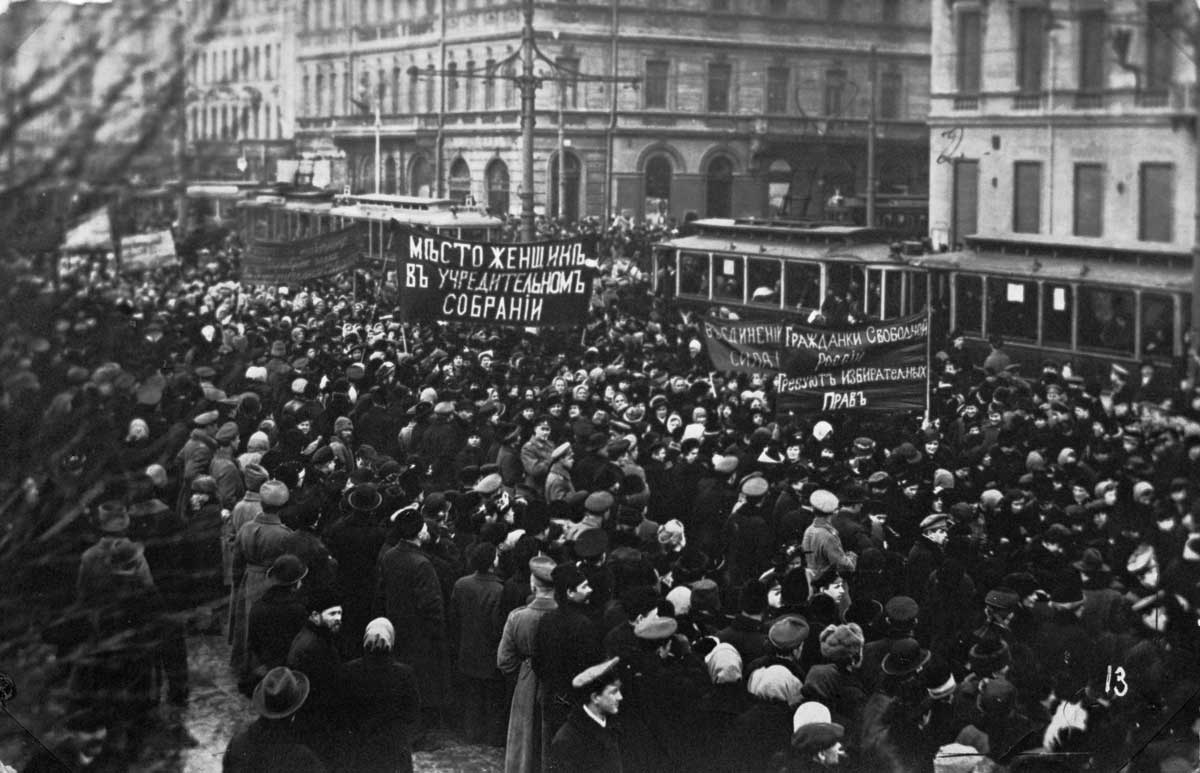
The Constituent Assembly Elections were a democratic vote planned for after the fall of the Tsar. Intended to draft a new constitution to govern Russia, the Provisional Government had initially pledged to hold the elections, and the Bolshevik government, confident after seizing power in October, allowed the vote to take place. Hoping that the elections would further legitimize their authority, the Bolsheviks thought that Vladimir Lenin would secure a majority.
However, the Bolsheviks suffered a humiliating defeat. The Socialist-Revolutionary Party won a majority, with almost 40 percent of the vote. In contrast, Lenin won less than 25 percent. The result of the Constituent Assembly Elections revealed the truth of Bolshevik power; they lacked overwhelming support among Russia’s rural population.
The newly elected Constituent Assembly convened its first session on January 5, 1918, by openly disagreeing with the Bolshevik government’s revolutionary decrees. Lenin responded by dissolving the parliament and dismissing the delegates at gunpoint. The dissolution of the democratically elected parliament outraged anti-Bolshevik forces across Russia and set the stage for what would become the Russian Civil War.