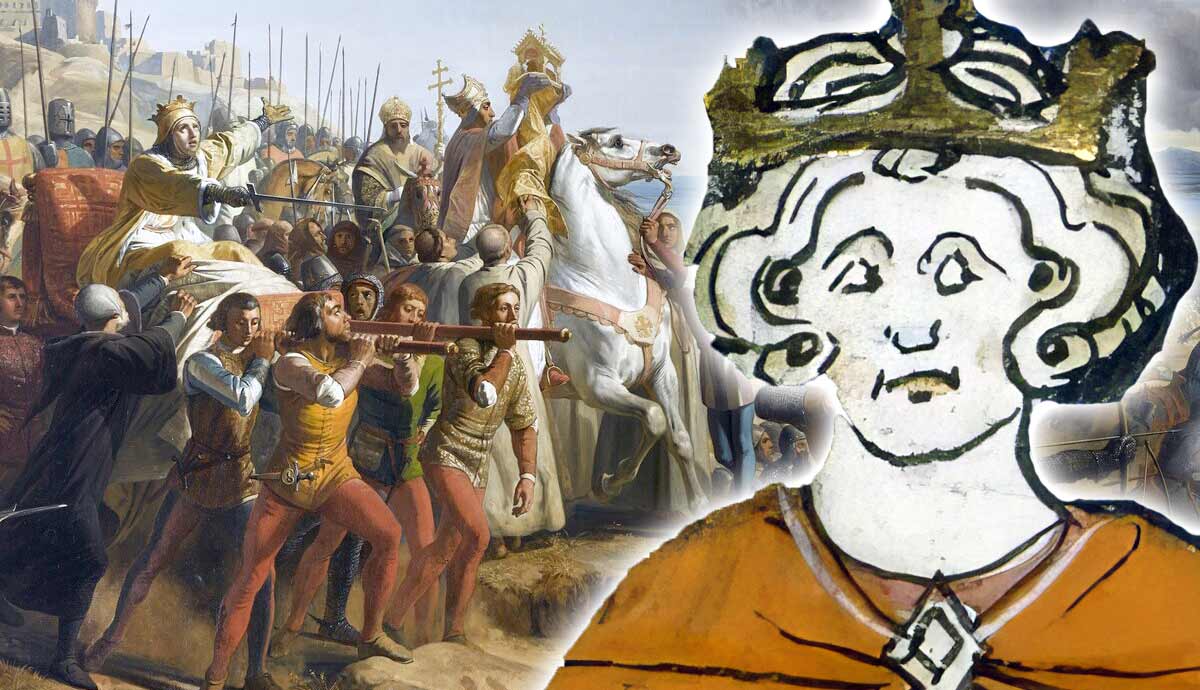

According to Arabic sources, Saladin sent a letter of condolence to Baldwin IV after the death of his father, King Amalric, in 1174. The letter appears to have been an attempt to establish peaceful relations with his new Frankish rival. Its tone was friendly, expressing hope that Baldwin might regard him as a friend, as Amalric had done.
This cordial exchange contrasts sharply with the fierce rivalry that later defined Saladin vs Baldwin IV and reveals the diplomatic courtesy between Christian and Muslim rulers alongside their ongoing conflict.
The Rise of Saladin

Saladin was born into a prominent Kurdish family around 1138. His birth name was Yusuf (Joseph), a figure who features prominently in both the Bible and the Qur’an as the son of Jacob, sent by God to save Egypt. The connection to Joseph was no doubt emphasized by Saladin’s supporters once he found himself in Egypt as the nephew of Shirkuh, a mercenary in the service of Nur al-Din.
Saladin was appointed vizier of Egypt in 1169 and immediately began consolidating his position. This task was made much easier following the death of his lord, Nur al-Din, in 1171. Saladin had ambitions in Syria and entered Damascus in 1174, taking the city from his Muslim foes. He defeated his rivals at the Battle of the Horns of Hama in 1175 and was proclaimed the first sultan of both Egypt and Syria.
These acquisitions were merely stepping stones, bringing Saladin closer to his ultimate goal. His grand ambition was to unite the Muslims in Syria under his rule and deliver a fatal blow to the Crusader States. It was this ambition that would bring Saladin and Baldwin IV into direct and dramatic confrontation.
The Accession of Baldwin IV
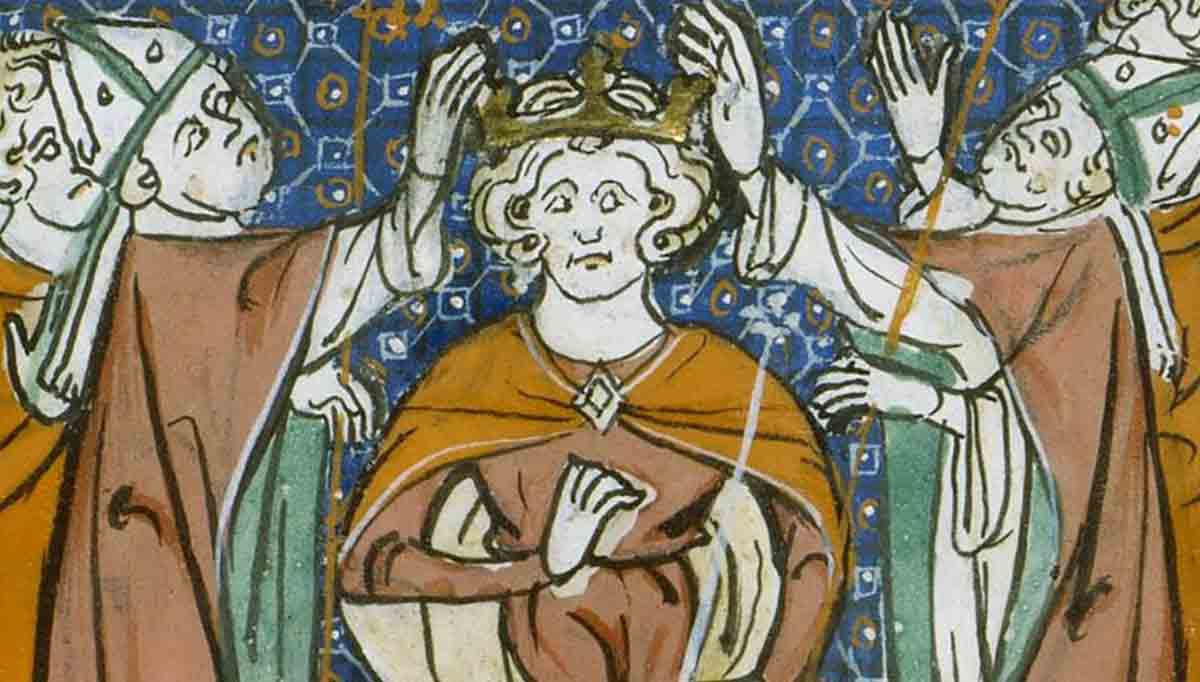
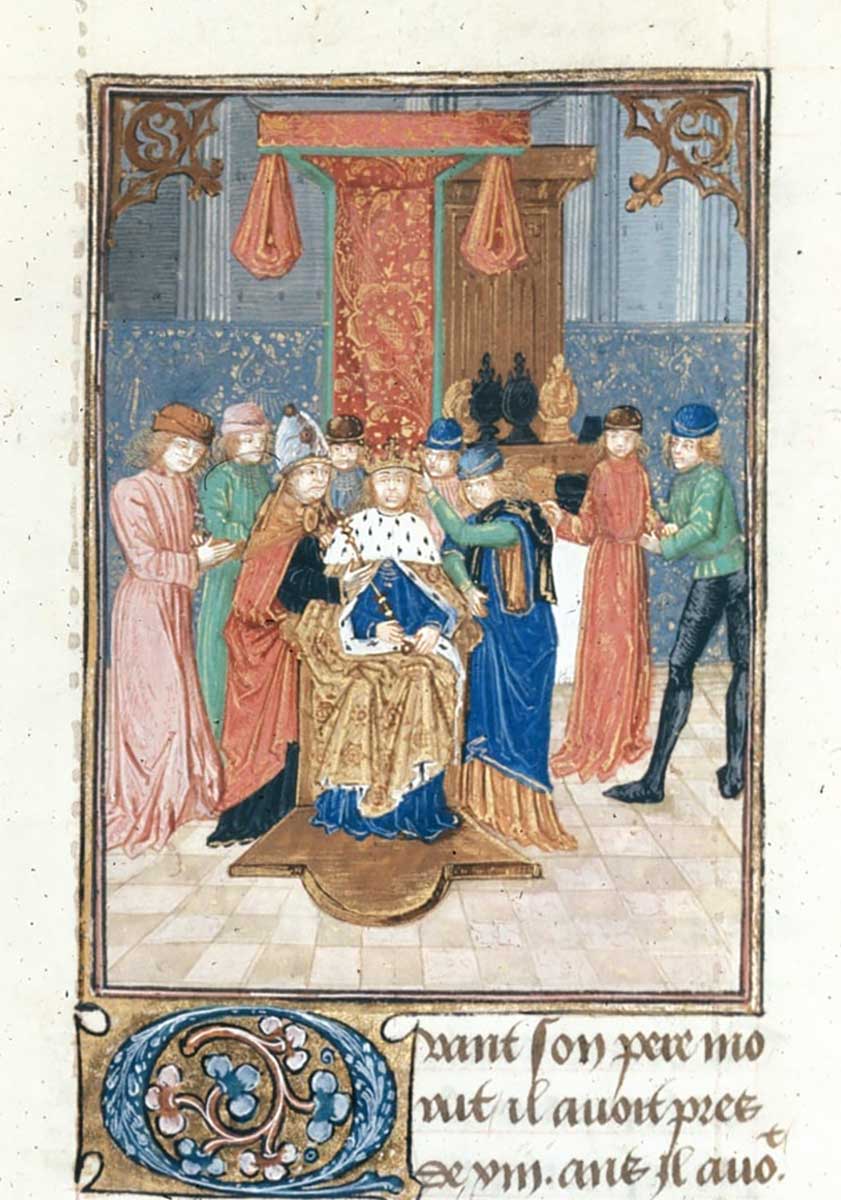
Baldwin IV descended from the Frankish knights of the First Crusade who seized Jerusalem in 1099 and established the Crusader States. He assumed the kingship of Jerusalem in 1174 following the death of his father, King Amalric. Amalric was a celebrated military commander who, like Saladin, had ambitions in Egypt.
Baldwin’s accession coincided with the rise of Saladin, and a strong leader and competent commander was required to meet this dangerous threat.
Unfortunately, Baldwin was a mere boy, just 13 years of age, when he became king. Moreover, shortly after his coronation, it was discovered that he was suffering from leprosy. Impeded by both his youth and his illness, a succession of regents ruled in Baldwin’s stead. Nevertheless, once he came of age in 1176 at the age of 15, Baldwin took full control of his government and relinquished authority only when his illness became too severe.
Saladin undoubtedly rejoiced at the prospect of facing a minor and ailing king. However, Baldwin would prove to be a surprisingly formidable opponent. The stage was set for Saladin vs Baldwin IV, a contest that would test both rulers repeatedly over the next decade.
The Battle of Montgisard
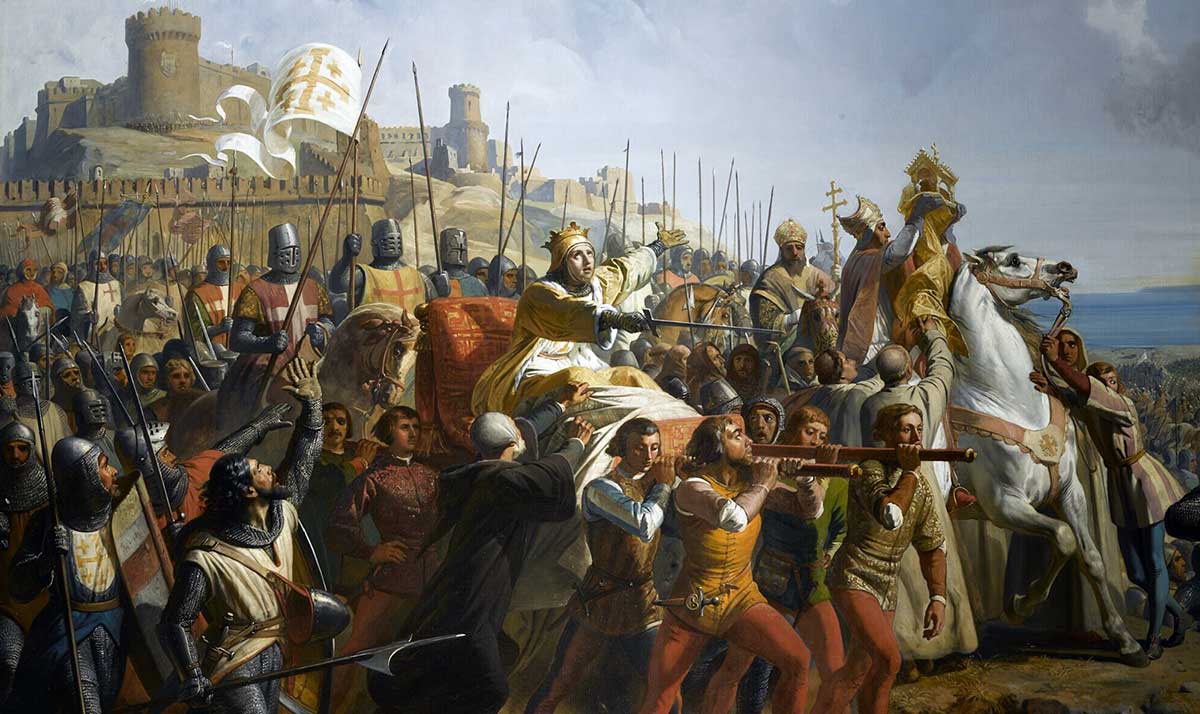
Aside from a few skirmishes, Baldwin was first truly tested against Saladin in 1177 at the Battle of Montgisard. Taking advantage of Jerusalem’s vulnerability after its troops had been sent north by Baldwin to support the forces of Philip of Flanders, Saladin launched an invasion of the kingdom. Knowing that Jerusalem was largely undefended, Saladin marched towards Ascalon, where Baldwin intercepted him with a small force.
The 16-year-old Baldwin was about to face his toughest challenge to date. Severely outnumbered, Baldwin decided not to engage immediately and remained within the walls of Ascalon. An emboldened Saladin failed to take proper precautions, believing Baldwin would not dare leave the fortress, and divided his troops into raiding parties. These detachments devastated the surrounding countryside.
A furious Baldwin met Saladin at Montgisard and, despite being heavily outnumbered by as much as three to one, ordered his army to charge. The result was catastrophic for Saladin. The sultan narrowly avoided being killed and escaped on a camel, forced to watch as his men were slaughtered.
In this first significant engagement, Saladin learned much about his opponent. Despite his crippling illness, Baldwin was courageous, resolute, and a worthy descendant of his heroic forefathers.
The Aftermath of Montgisard
Following Baldwin’s victory at Montgisard, the relationship between the two rulers was dominated by conflict. In April 1179, Baldwin’s constable, Humphrey of Toron, was killed by Saladin’s forces while Baldwin was leading a raid into Banyas. Then, in June 1179, Baldwin suffered a crushing defeat at Marj Ayun as he attempted to halt Saladin’s attacks on Christian territory east of Sidon.
These were minor engagements in the broader struggle, and the shifting fortunes of battle had little lasting impact on the region’s geography. They were, however, opportunities for each leader to test his opponent on the battlefield and inflict significant damage upon his enemy’s retinue.
The Construction of Chastelet Castle
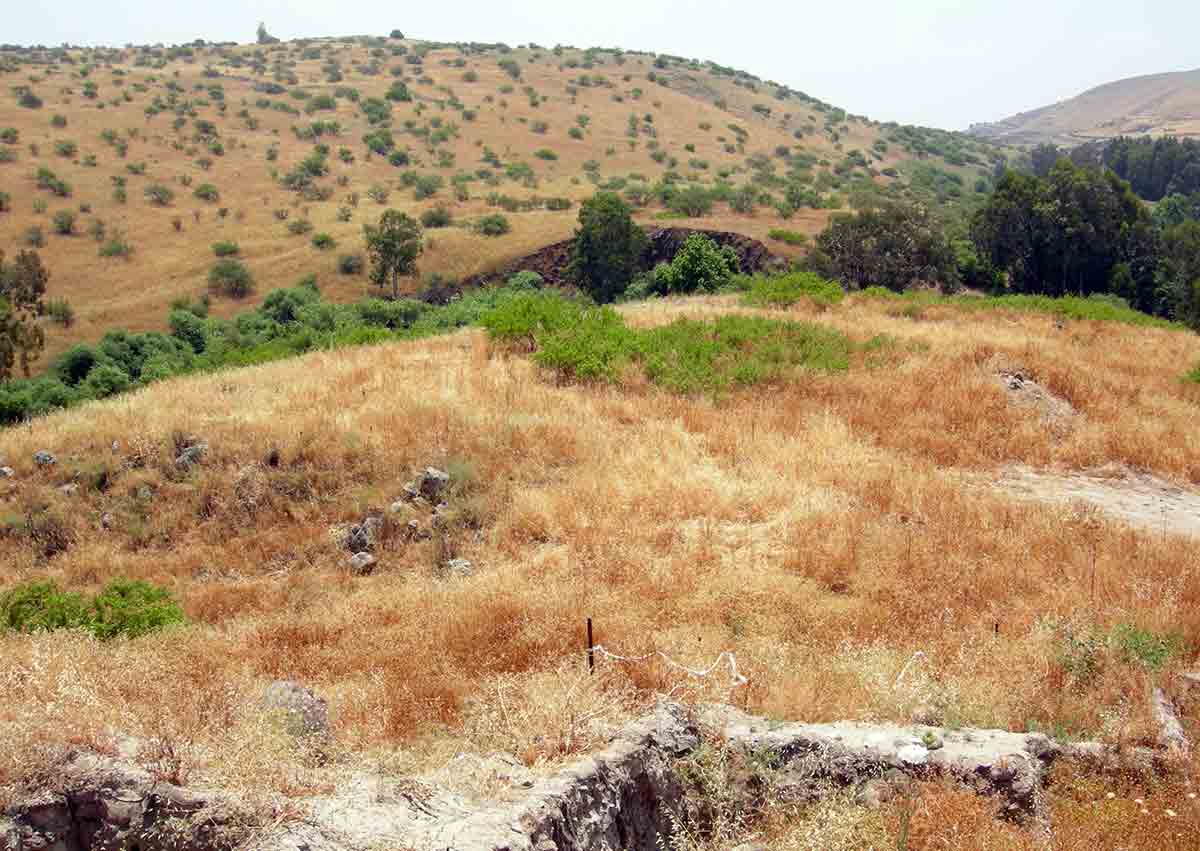
Baldwin intended to fortify his borders lest Saladin launch another attack. He ordered the construction of a castle called Chastelet overlooking Jacob’s Ford, which lay on the border between Christian and Muslim territories. Jacob’s Ford was strategically significant and used by both Christians and Muslims, as it sat on the main road between Acre and Damascus.
Saladin considered the castle an infringement upon Muslim territory and ultimately disrespectful. This was not how one ruler ought to treat another. Saladin wanted to avoid a confrontation and attempted diplomacy, treating Baldwin courteously as a fellow ruler. Saladin initially offered Baldwin 60,000 dinars, later increasing the offer to 100,000 dinars to demolish the castle. Baldwin refused. Saladin responded by raiding the surrounding area, and in August 1179, he launched an assault on the castle itself. After five days, Saladin breached the defenses and tore them down. More than 700 soldiers and laborers were taken prisoner, and many more were killed during the Siege of Jacob’s Ford.
Baldwin was in Tiberias at the time of the attack. By the time he reached the castle with reinforcements, he was too late. His ambitious project lay in smoldering ruins.
A Truce is Made
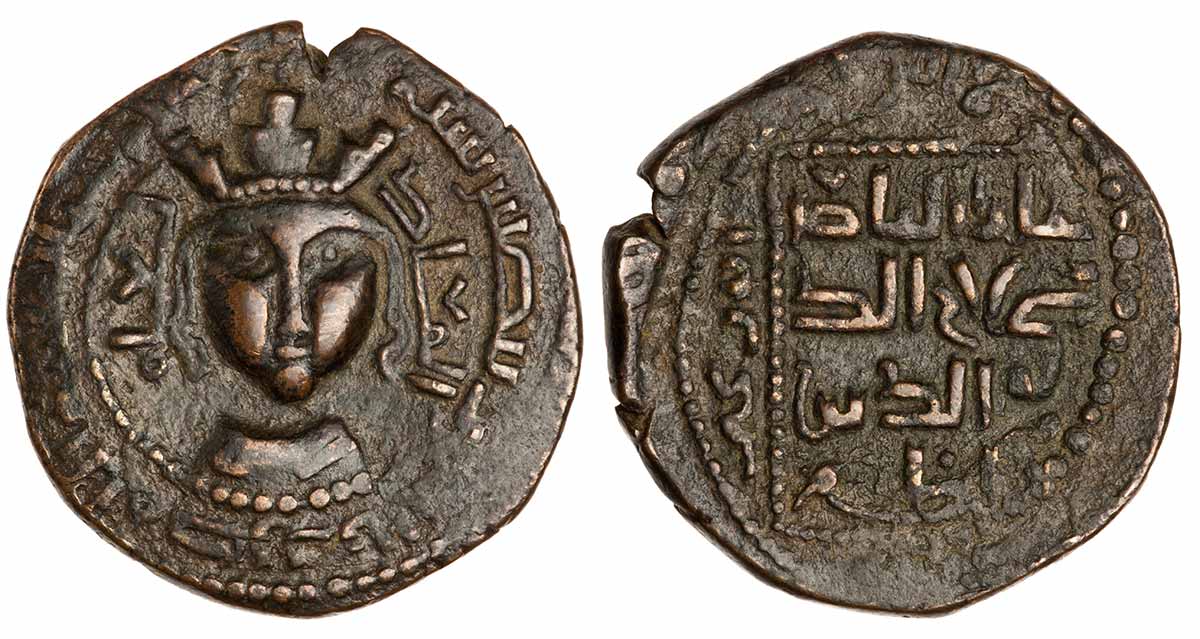
Persistent warfare was costly and time-consuming for both sides. It was often deemed preferable to live in harmony alongside one’s enemies than to live in perpetual warfare. As much as Baldwin and Saladin fought, they also both understood the value of peace. In 1180, a two-year truce was agreed between the two rulers. For Saladin, the truce enabled him to devote his attention to campaigns in northern Syria. Baldwin, however, needed the treaty more urgently. His health had begun to deteriorate significantly, and he needed to address the pressing matter of succession.
Baldwin married his sister, Sibylla, to a Poitevin knight, Guy of Lusignan, hoping that he would serve as Baldwin’s successor and military commander when the king became too ill to exercise his powers.
Baldwin’s decision to marry his sister to Guy was unpopular in certain circles at court and caused division within the kingdom. A significant party of nobles refused to follow Guy. Ultimately, Baldwin proved unable to relinquish effective control to Guy. As a result, the Leper King continued to rule despite his increasingly severe physical limitations.
The Truce is Broken
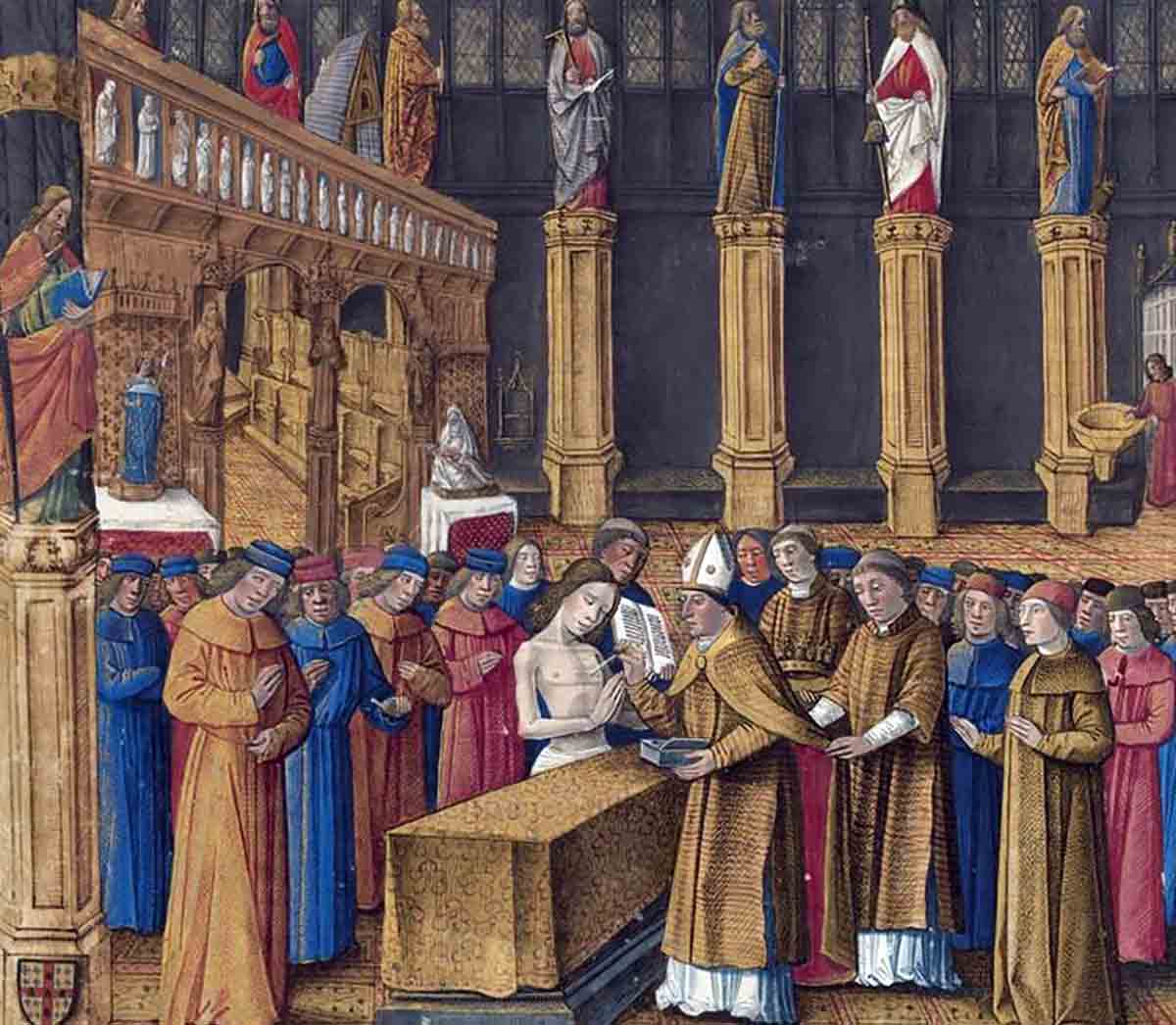
The treaty between Baldwin and Saladin was broken in less than two years. Although the two rulers demonstrated a mutual respect to such an extent that peace between the pair was relatively easy to establish, others did not. In November 1181 Reynald of Châtillon attacked a Muslim caravan traveling between Egypt and Syria that passed near his lands. Reynald seized their goods and imprisoned the travelers. A furious Baldwin, attempting to restore the terms of the truce, ordered his vassal to return the stolen booty and release the prisoners. Reynald refused.
Saladin himself, however, had little appetite for lasting peace with the Christians and did not intend to honor the treaty fully. In the spring of 1182, a Christian ship ran aground in Egypt, whereupon Saladin imprisoned its 1,600 passengers and seized their goods. Baldwin attempted to secure their release but to no avail, as Saladin wished to resume hostilities with his Frankish neighbors.
The Battle of Le Forbelet
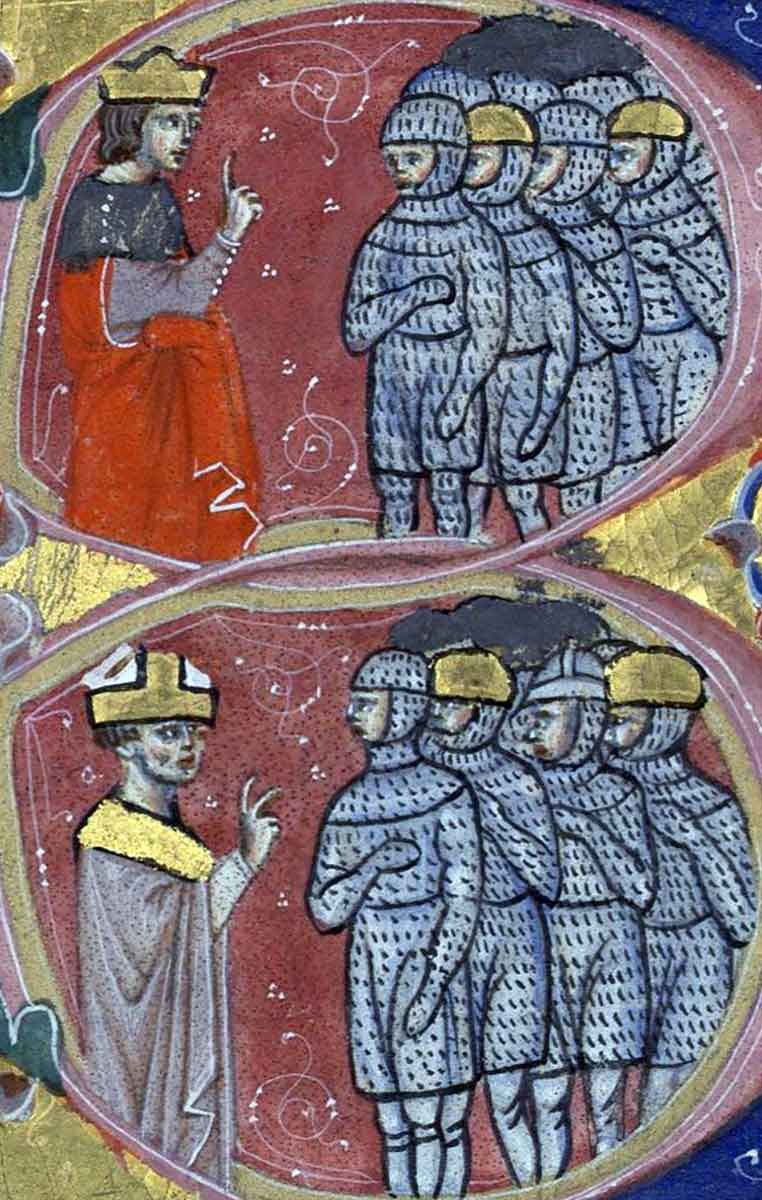
By 1182, Baldwin’s suffering had greatly increased. He was now blind, and his hands and feet had begun to deteriorate. Ulcers covered his body, and the dressing of these wounds often aggravated infection and pain. Riding had become nearly impossible, and for this reason, the king was frequently carried in a litter. Nevertheless, he did not relent. Whatever his condition, Baldwin continued to appear at the head of his army, leading from the front.
In July 1182, Saladin felt confident enough to attack the Kingdom of Jerusalem directly. He gathered an immense force and marched into the kingdom. His troops laid siege to the castle of Bethsan in Galilee. Baldwin marched to relieve the siege with his own host but found himself severely outnumbered.
In the blistering summer heat, the two forces clashed at Le Forbelet on July 15, 1182. Baldwin’s men stood firm, determined to follow their leper king wherever he led them.
On that day, more men died from sunstroke and heat exhaustion than by the sword. The battle was sweltering and brutal, but ultimately Baldwin emerged victorious.
Once again, the Leper King demonstrated to Saladin that superior numbers did not necessarily guarantee victory. As at Montgisard, Baldwin’s abilities as a military leader matched the strength of Saladin’s host.
Baldwin Succumbs to Leprosy

By this stage, Saladin’s rivalry with Baldwin IV had become more than a military contest; it was a test of endurance and leadership. Baldwin’s final years were marked by excruciating pain. His inability to devolve power to his brother-in-law, Guy of Lusignan, meant that Baldwin continued to shoulder these burdens himself.
In late November 1183, Saladin besieged the fortress of Kerak. The bombardment was intense and required a personal response from the ailing king. Carried in a litter drawn by two horses, Baldwin made his way towards Kerak.
Saladin had drawn many of his forces from Egypt and feared for the security of his realm. He therefore abandoned the siege of Kerak on December 4, avoiding an open pitched battle with Baldwin, and returned to Egypt. Baldwin entered Kerak in triumph in what would be his last major success against Saladin.
Baldwin’s condition continued to deteriorate, and the king finally succumbed to his illness in May 1185. Although the rivalry between Baldwin and Saladin ended in 1185, Saladin continued to challenge Baldwin’s successors. He captured Jerusalem in 1187 following the disastrous Christian defeat at the Battle of Hattin.
The two men were, in many ways, evenly matched in military skill and political leadership. However, Baldwin’s illness earned him the respect and admiration of both friend and foe, and his determination in the defense of Jerusalem distinguished him as one of the most remarkable rulers of his age. Saladin himself would enjoy a reputation among Christians as a paragon of chivalric virtue. Time and again, Baldwin’s resolve compelled Saladin to treat him as a serious and capable opponent. After Montgisard, neither ruler underestimated the other. Their conflict demonstrates that even during a religious war, admiration and respect could exist between enemies bound by an aristocratic code of honor.