Carving or molding a piece of material to turn it into a sculpture is one of the most favored creative outlets for humans, regardless of cultures and eras. Over the centuries, the techniques and materials have evolved, yet the desire for transformation remains the same. Read on to learn more about the top 10 sculptures from various areas, cultures, and eras.
10. The Venus of Willendorf: The Mysterious Prehistoric Sculpture
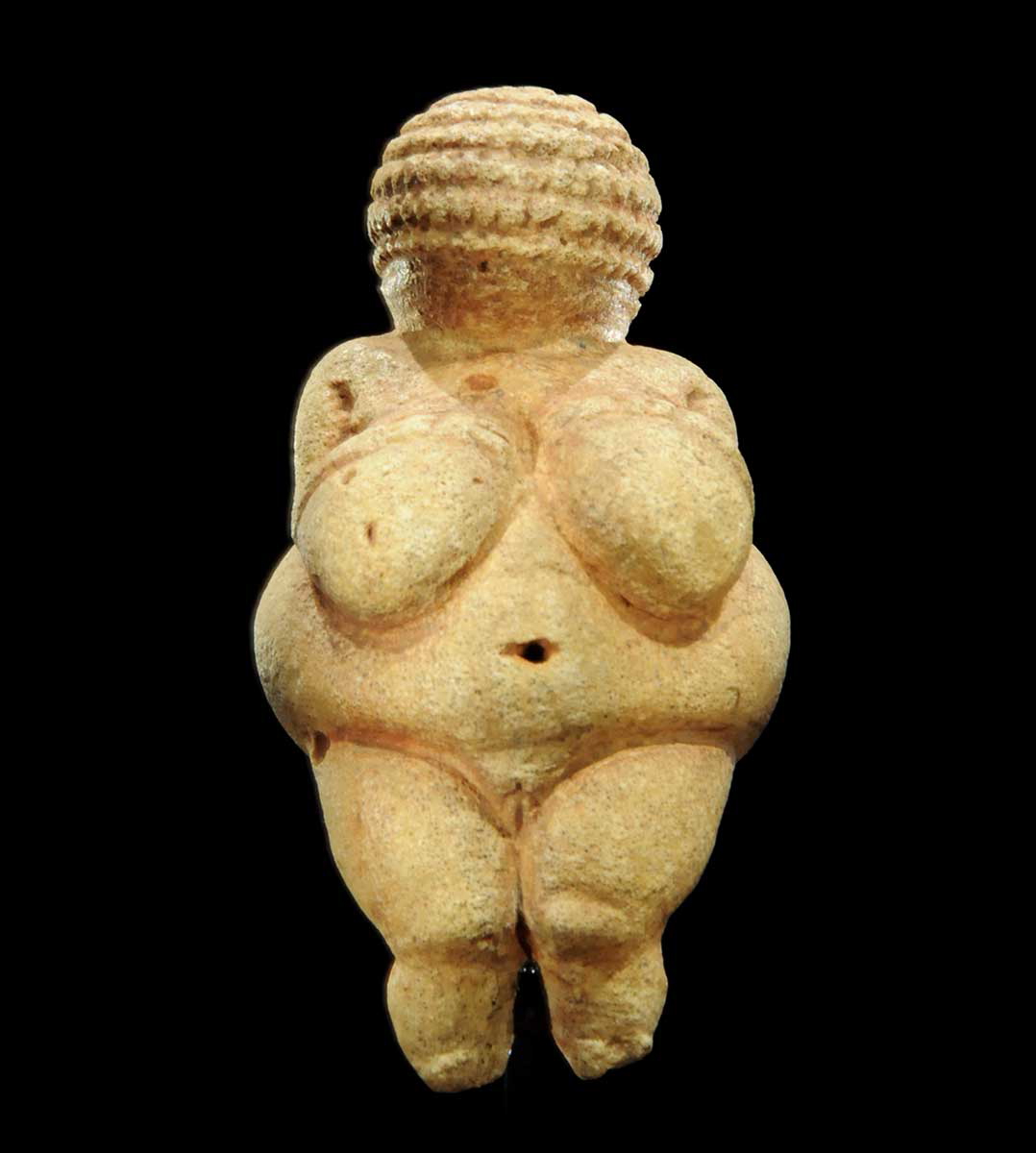
The Venus of Willendorf is a famous prehistoric sculpture from the Paleolithic era that present-day experts perceive as one of the oldest works of art found to this day. Strictly speaking, she is not one of her kind: the so-called Paleolithic Venuses have been found in various regions and were different from each other in body proportions. However, what all sculptures had in common was the strange volume of breasts and stomach, as well as the abnormal shortness of limbs and the lack of facial features.
Archaeologists and anthropologists have long speculated on the possible function of such sculptures. Some believe they were images of an unidentified feminine deity, responsible for fertility and abundance. Another curious version suggests that such sculptures were self-portraits of pregnant women, created before the invention of mirrors, with the purpose of educating young women about their health.
9. The Venus of Milo
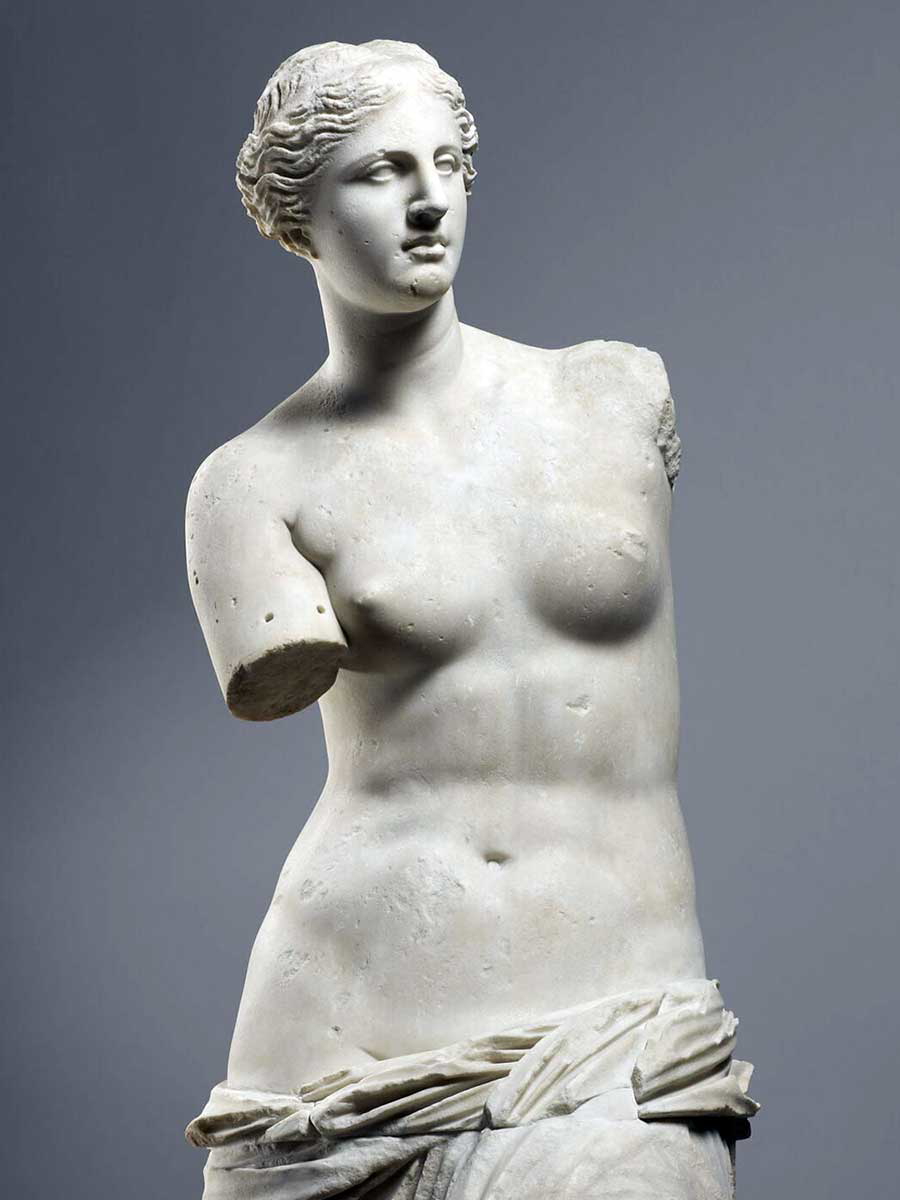
One of the most famous sculptures of all time, the Venus of Milo, became one of the most influential objects in global art history. Her absent marble arms were imprinted in global culture as a feature rather than a tragic loss. The ancient Greek sculpture was discovered in 1820 and has become a cultural staple.
The Venus of Milo began a new life in the first half of the 20th century, as the Surrealists re-discovered it and adopted it for their own expressive purposes. In Jean Cocteau’s surrealist film Blood of a Poet, the famous photographer Lee Miller played the role of an armless sculpture, similar to the famous Venus.
8. The Winged Victory of Samothrace
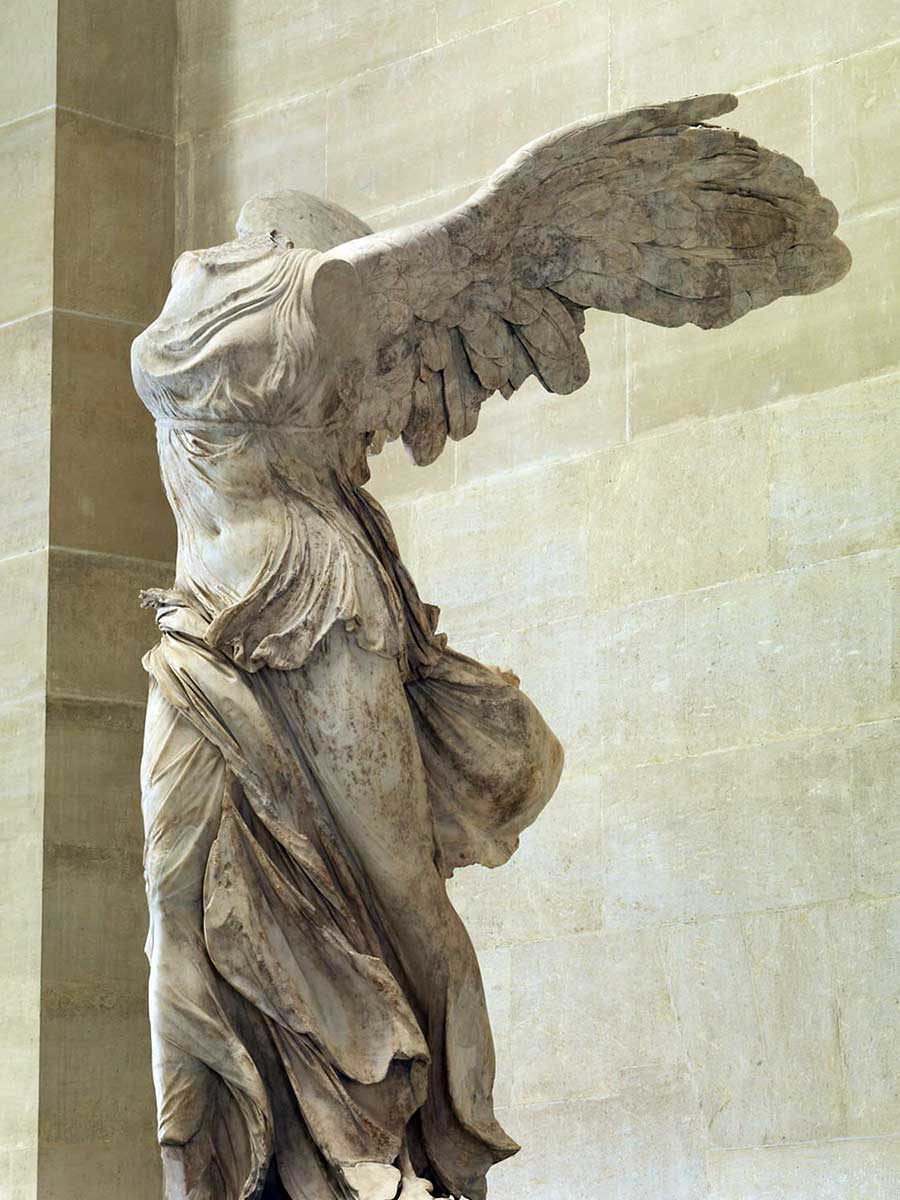
Another famous artifact of antiquity, the Nike of Samothrace, was discovered in 1863 by a French archaeologist on the Greek island of Samothrace and was soon moved to the Louvre, where it has resided ever since. Supposedly, the sculpture was made around the 3rd century BCE and it represents Nike, the Greek goddess of victory. Although Nike lost its marble head over the years, the sculpture nonetheless retained its aesthetic force, with the goddess’s body carried forward on a pair of wings remaining as striking as ever. The base of the sculpture looked similar to a ship’s bow, which made archaeologists suggest it was part of a larger architectural ensemble. Similar to the infamous case of the Parthenon marbles, the Greek government advocates for the repatriation of the work.
7. The Terracotta Army
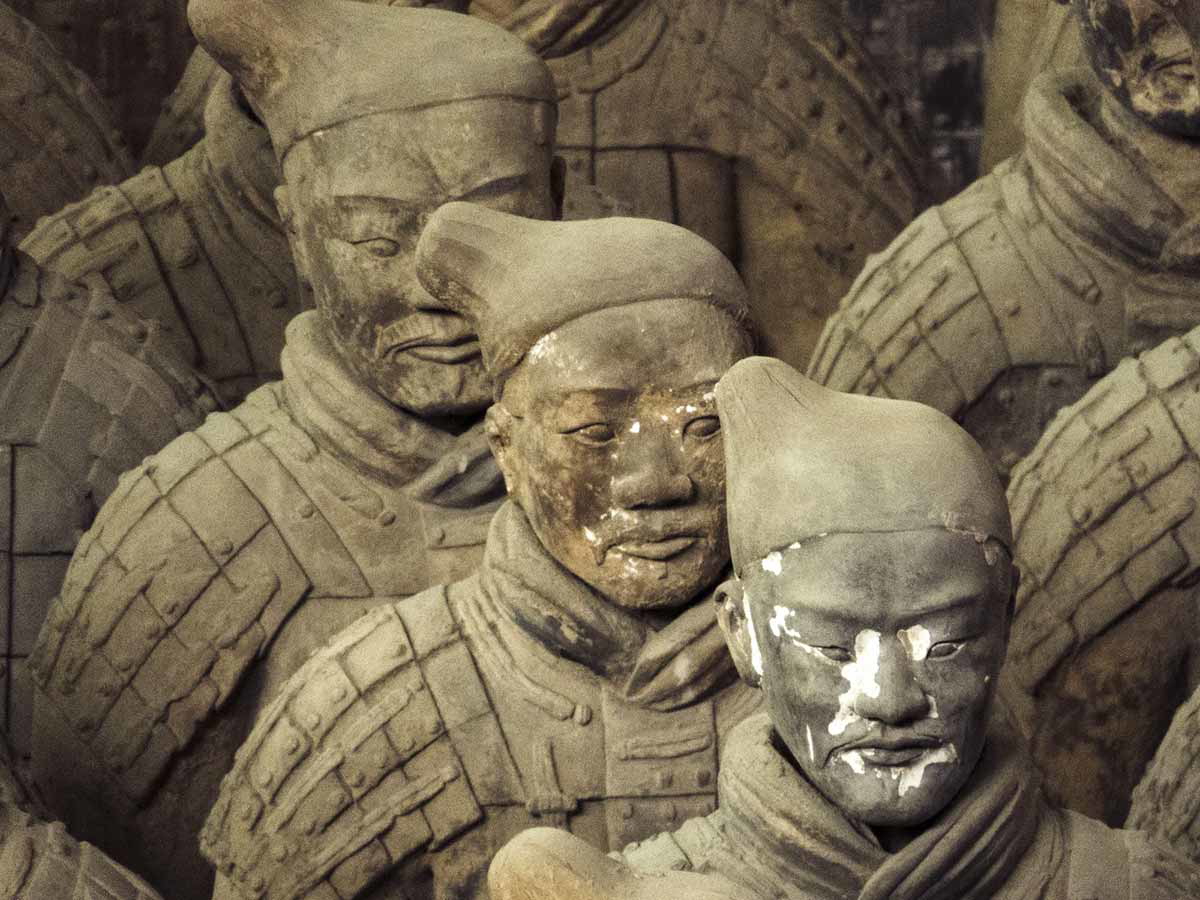
In 1974, a group of Chinese farmers in the Shaanxi province accidentally discovered a strange underground chamber filled with large clay figures of warriors. After extensive excavation, archaeologists discovered that the chamber was the burial site of the Emperor Qin Shi Huang, and the sculptures were his faithful army, ready to protect the Emperor in the afterlife. Approximately, the Terracotta Army included 8,000 human figures, around 700 horse sculptures, and an array of objects like armor, chariots, and other military-related artifacts recreated from clay.
One of the most remarkable features is that every figure has distinct facial features, a corresponding military rank, and a meticulously crafted dress and armor ensemble. Historians suggest that originally, each one of the sculptures was painted with colorful lacquer.
Recently, the Terracotta Army made the news due to the horrible case of art vandalism, when a 30-year-old Chinese man broke through the fence during a guided tour and damaged at least two of the clay figures.
6. “Unique Forms of Continuity in Space” by Umberto Boccioni
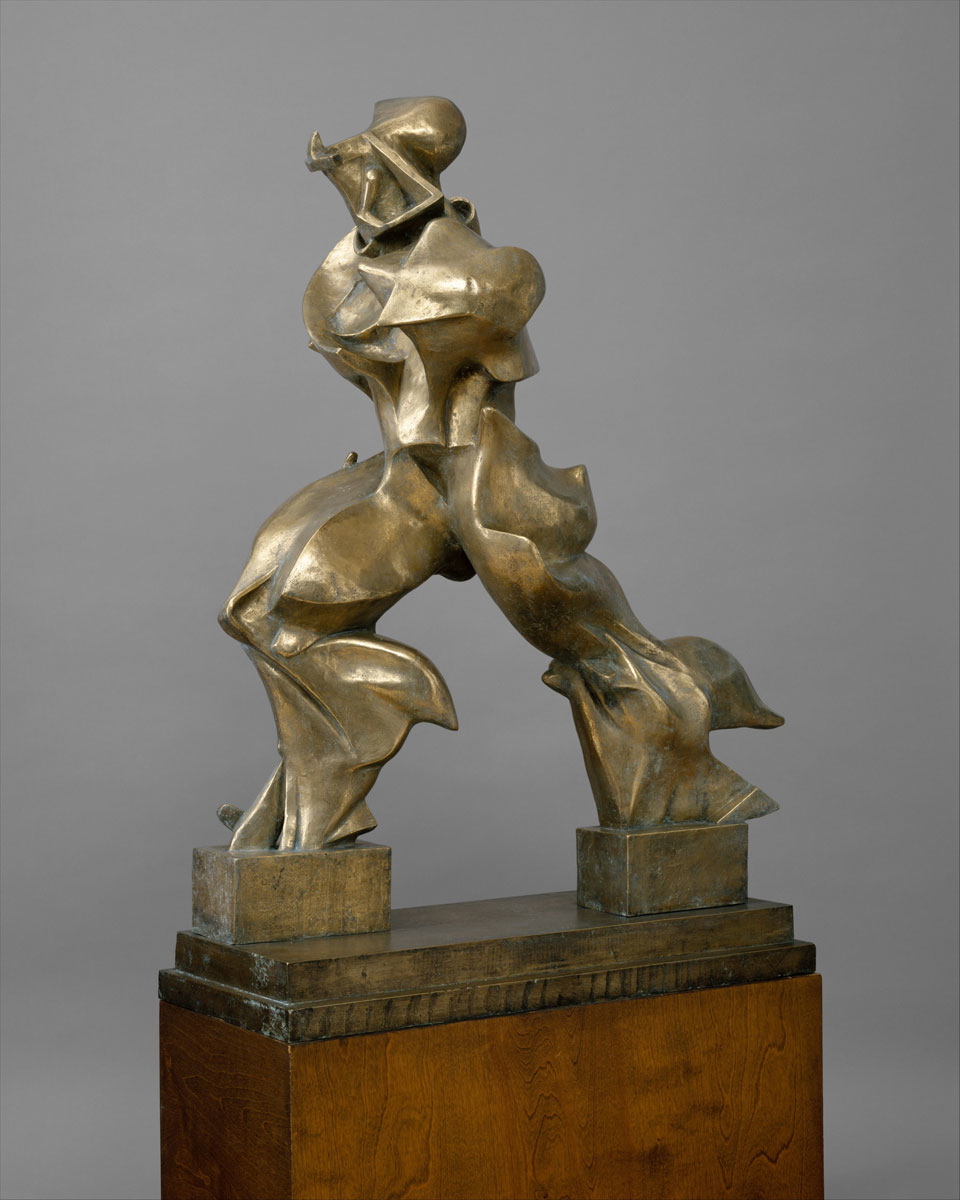
Italian Futurist artist Umberto Boccioni lived a tragically short life, never truly reaching the height of his artistic potential. Nonetheless, he left behind at least one transformative work that made a lasting impact on the art world. Boccioni’s Unique Forms of Continuity in Space was an experiment in conveying dynamism and fluidity of movement. Inspired by soccer players, Boccioni constructed a complex arrangement of forms that endlessly unfolded and contracted in space.
Although we know “Unique Forms of Continuity in Space” as a bronze sculpture, initially, Boccioni created it from plaster. Such an approach corresponded to the Futurist rejection of art collecting and museum curation. They believed that the only form of art that deserved to live was a contemporary one that reflected the values of the moment. According to the Futurist worldview, after losing its temporary relevance, any artwork, whether by Raphael or Boccioni, should be destroyed and forgotten.
5. The Bust of Nefertiti
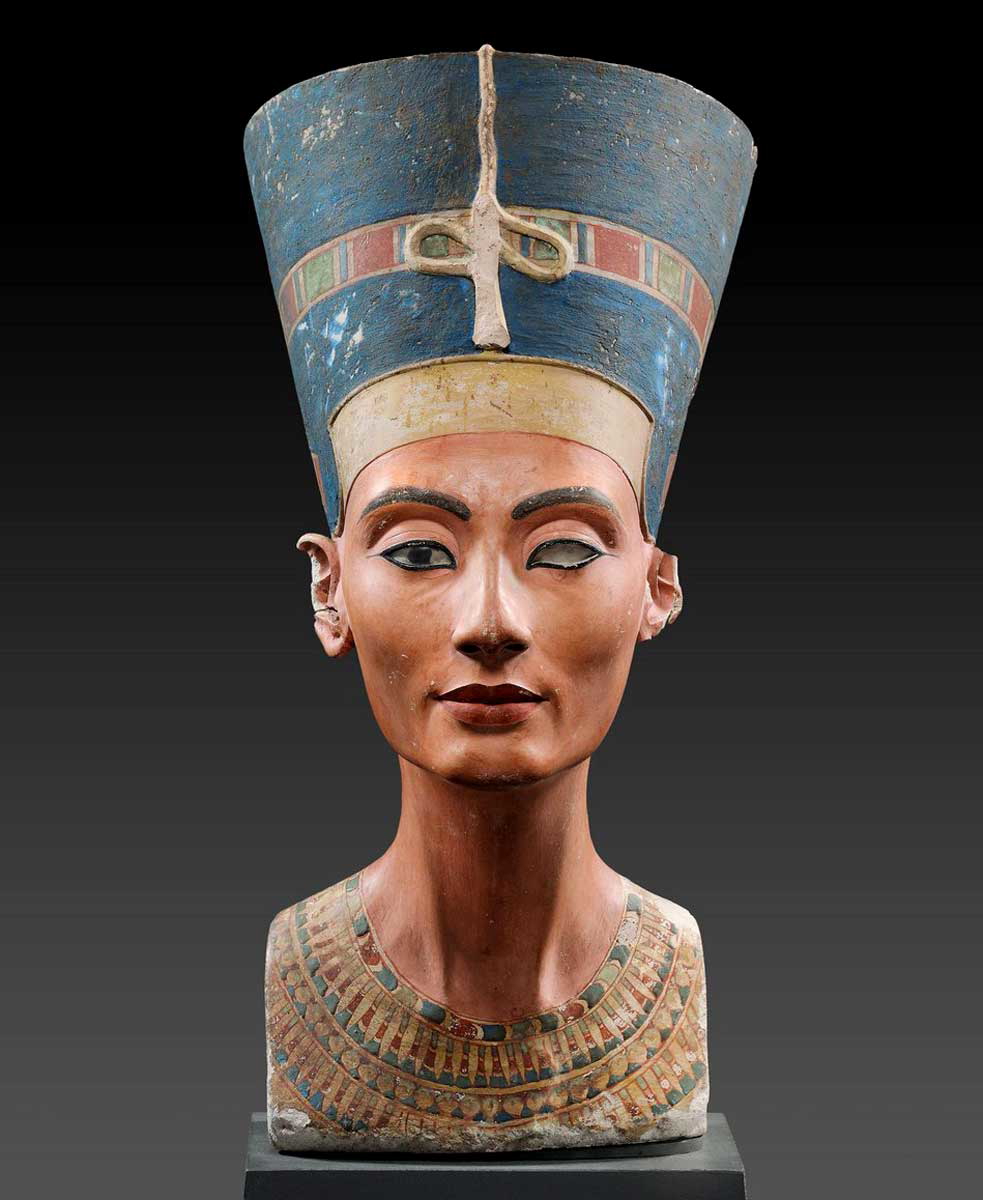
The bust of Nefertiti is one of the best examples of the Amarna style in Ancient Egyptian art. The term Amarna Period relates to the reign of Akhenaten, the controversial pharaoh who aimed to revolutionize Egyptian art and religion by introducing new styles and switching from polytheistic religion to a monotheistic one. Nefertiti was his wife and a political figure, who allegedly briefly grasped power after Akhenaten’s death. The bust presented her in an idealized form and her look became a well-known beauty standard set by art.
In 1912, the bust was discovered by a German archaeological team and transported to Berlin, where it has remained ever since. For more than a century, the Egyptian authorities have raised the issue of restitution. Yet, the bust has become an essential part of modern German culture, with millions of tourists visiting it every year and contemporary artists like Isa Genzken referencing it in their works.
4. “The Thinker” by Auguste Rodin
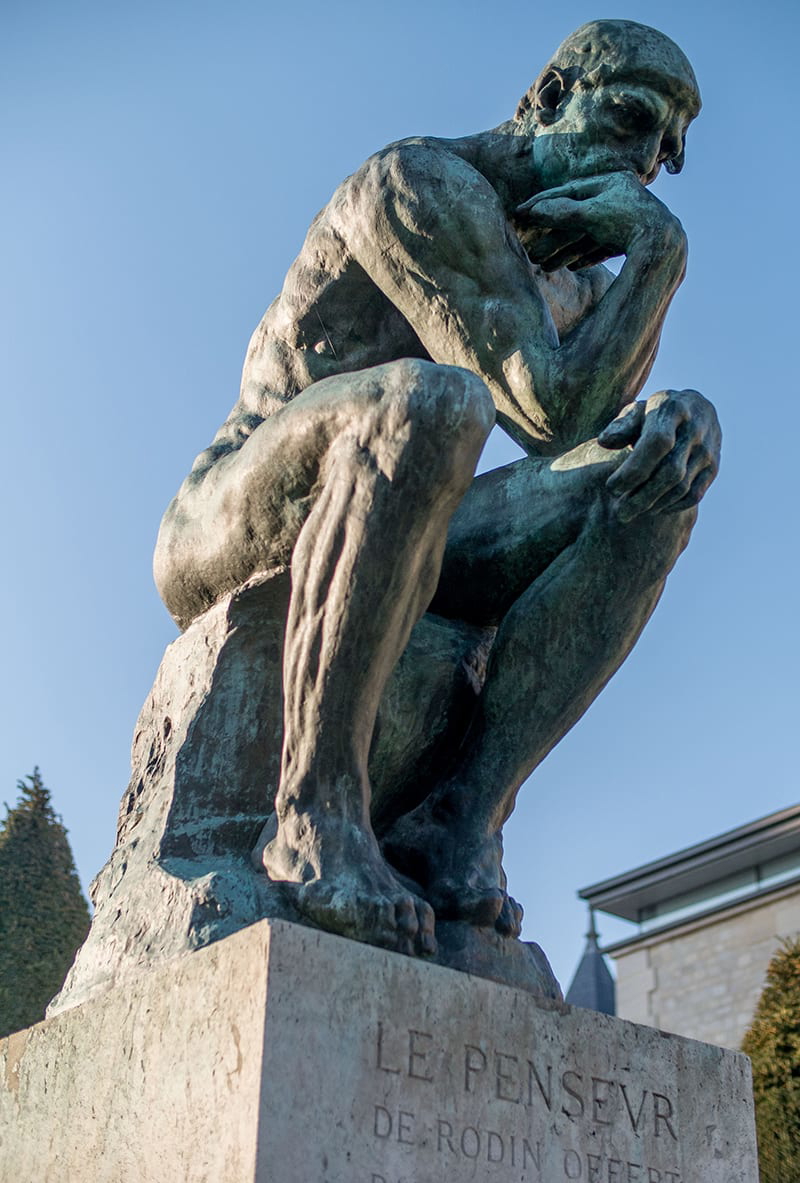
One of the most influential sculptures of all time, Rodin’s The Thinker has become a visual metaphor for the discipline of philosophy, in particular, and the workings of the human mind in general. Initially, Rodin created it as part of his monumental project, The Gates of Hell, illustrating Dante Alighieri’s Divine Comedy. Rodin worked on his Gates for 37 years, endlessly editing and transforming the structure, but he never completed the work. Some sculptural elements from it, like The Thinker, The Kiss, and The Three Shades evolved into free-standing separate projects.
The Thinker has several interpretations, both separate and integrated into the overall project of The Gates of Hell. Placed right over the opening doors, it could be understood as the portrait of Dante Alighieri himself, observing the scene of his own making. Some experts interpret it as an allegory of thought or even Rodin’s own self-portrait integrated into his greatest unfinished work. Others view the sculpture as a representation of Prometheus, a mythological figure who sacrificed his own life and well-being to bring light and wisdom to humanity.
3. “Maman” by Louise Bourgeois
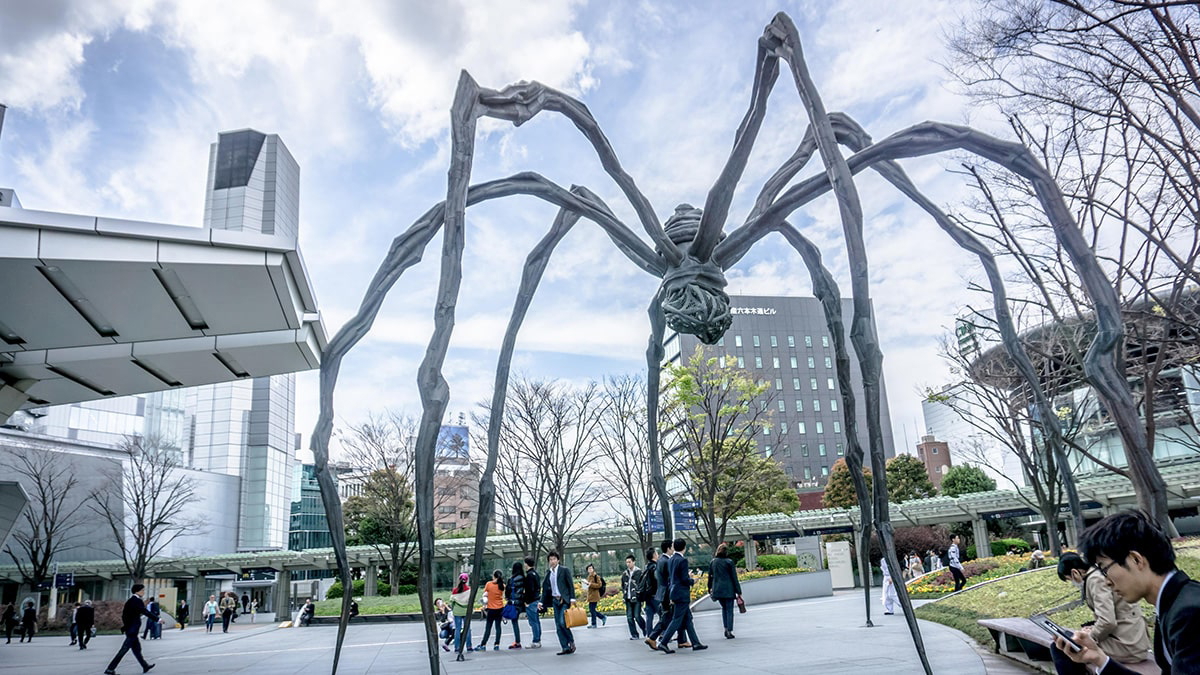
Although Louise Bourgeois was often labeled a Surrealist sculptor, she actually worked independently, never joining any art movement or style. Instead, she forged her own system of symbols and meanings. A spider was one of the recurring symbols in Bourgeois’s iconography. Although traditionally associated with something repulsive and scary, for Bourgeois, a spider was a symbol of love and comfort, evoking memories of her mother, who was a weaver. Her most famous sculpture Maman represented a motherly figure cradling her children, hidden in her pouch. For Bourgeois, a spider means protection, unconditional love, and human creativity.
2. “Psyche Revived by Cupid’s Kiss” by Antonio Canova
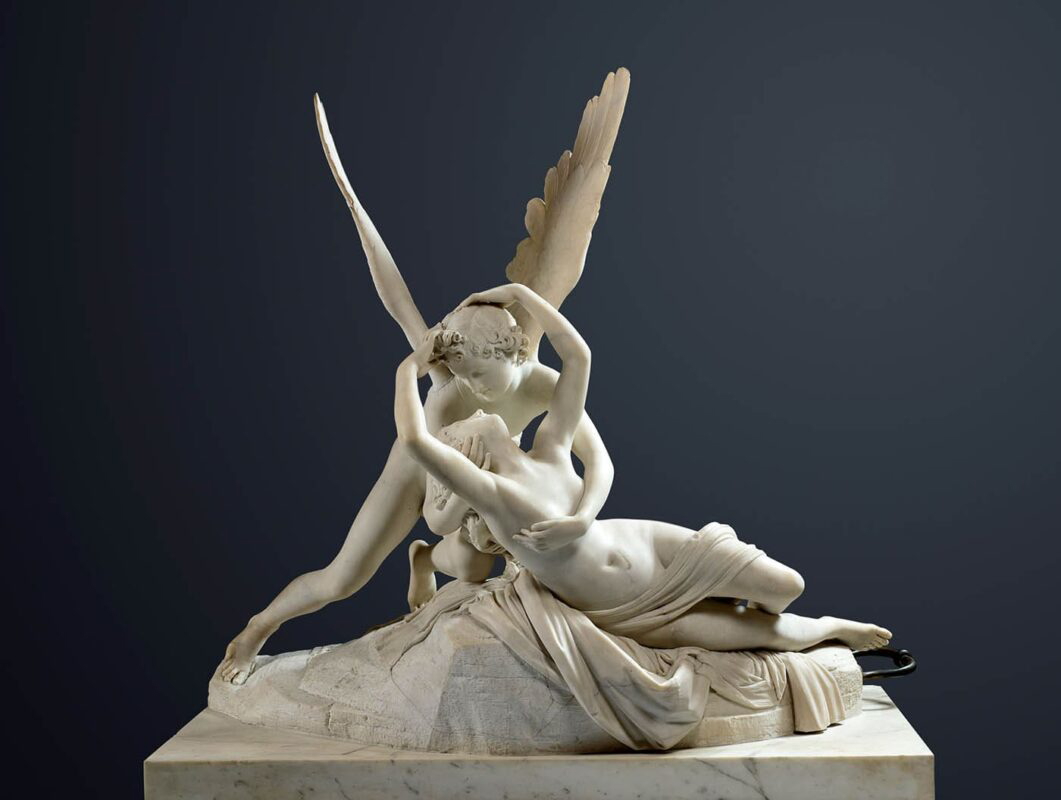
The marble sculpture by Antonio Canova is regarded as one of the greatest sculptural masterpieces of Neoclassical art. The tender scene was an illustration to a story from the famous Latin novel The Golden Ass, in which Cupid awakens his lover with a kiss.
Originally, the base of the sculpture had a mechanism that allowed it to rotate, enabling inspection of the composition from all sides and angles. However, after Canova’s masterpiece was moved to the Louvre, the mechanism was removed to protect the work.
1. “David” by Michelangelo
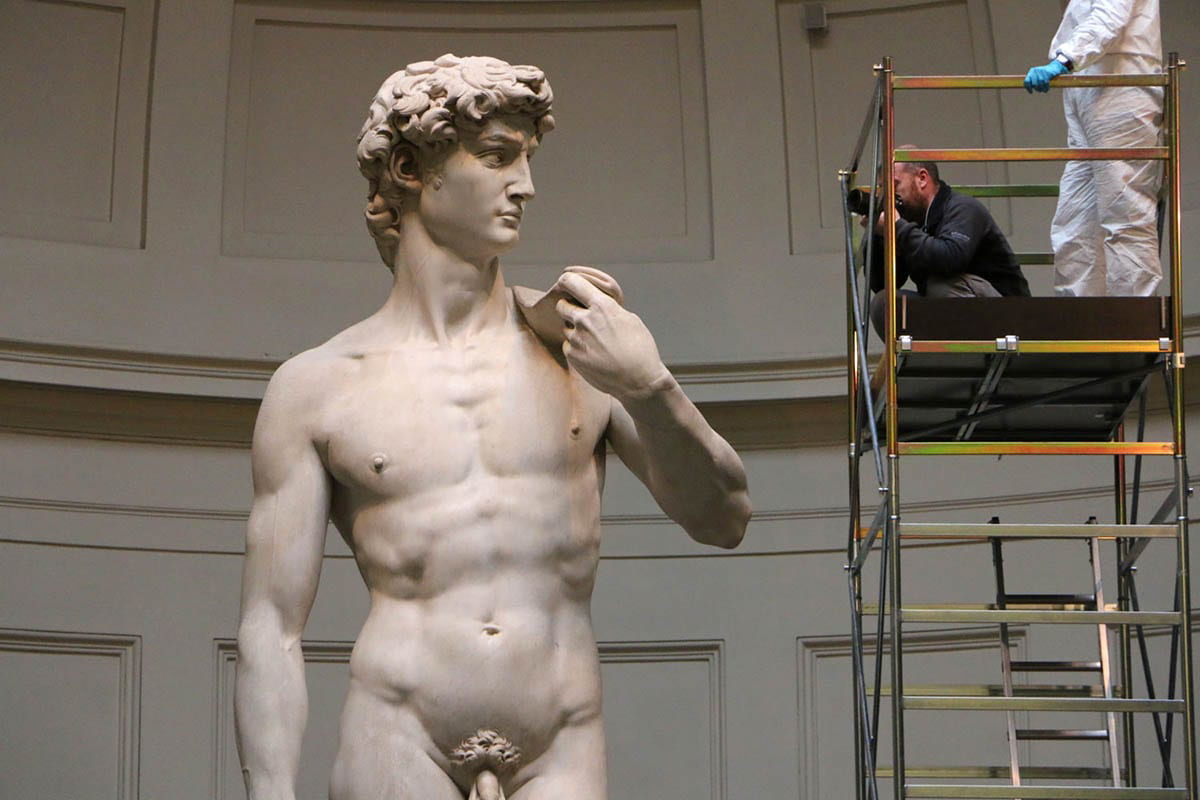
Perhaps the most famous sculpture of all time, Michelangelo’s David has gained enormous artistic and political significance throughout its long life. Initially, the task of creating a giant sculpture of the Old Testament hero was assigned to another sculptor, who abandoned it after barely beginning to sculpt the figure’s legs. No one but Michelangelo dared to approach the remaining piece of marble, considering it damaged beyond repair.
Over the years, the giant David became a symbol of determination, strength, and political power. To protect the original sculpture from the elements, in the late 19th century, it was removed from the Florence city hall square and moved to the Galleria dell’Accademia museum. In 1910, a replica was placed in the sculpture’s original location, where it continues to greet millions of tourists.