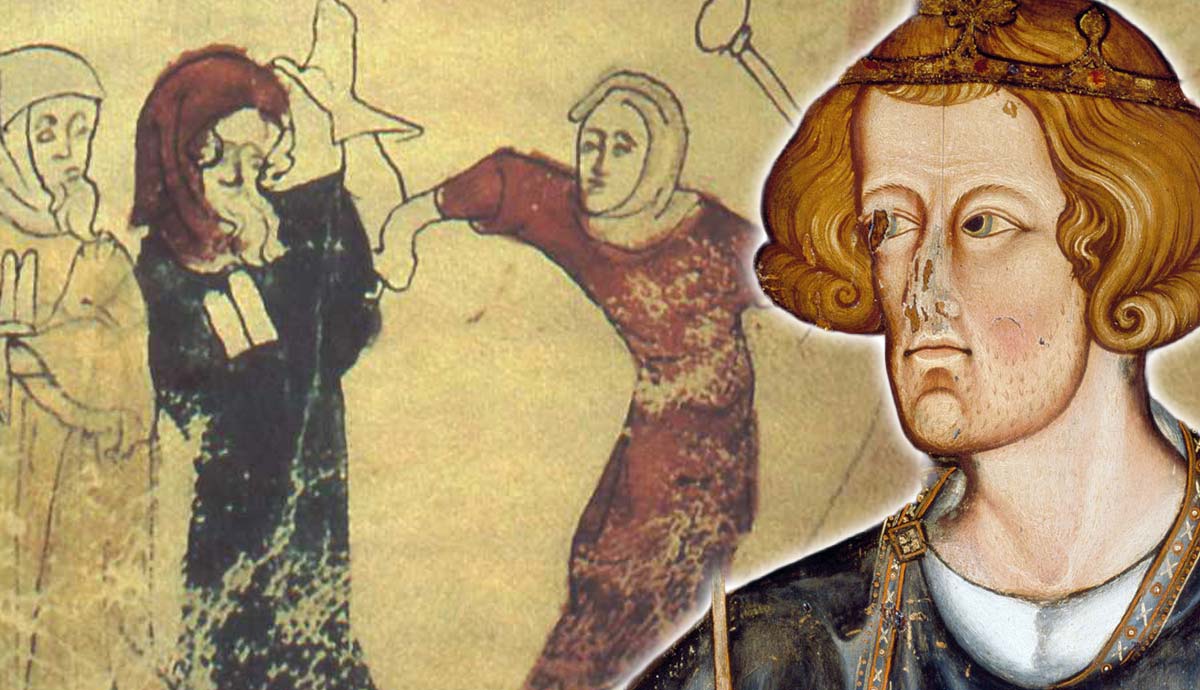
The extinction of the Rurikid dynasty in Russia at the end of the 16th century sparked a 15-year period of political turmoil known as the Time of Troubles. During this period, Russia suffered a disastrous famine, the enthronement of a pretender of uncertain origins, unpopular aristocratic rule, and military intervention by Poland and Sweden, which encouraged the formation of patriotic Russian militias that liberated Moscow and restored order with the election of Mikhail Romanov as tsar in 1613.
The Extinction of the Rurikids
The Time of Troubles came about as a result of the extinction of the main Rurikid line—the Grand Princes of Moscow, who claimed descent from the Viking chieftain Rurik—in 1598. This had much to do with Tsar Ivan IV, better known as Ivan the Terrible, who had consolidated his power by executing rival claimants from his extended family.
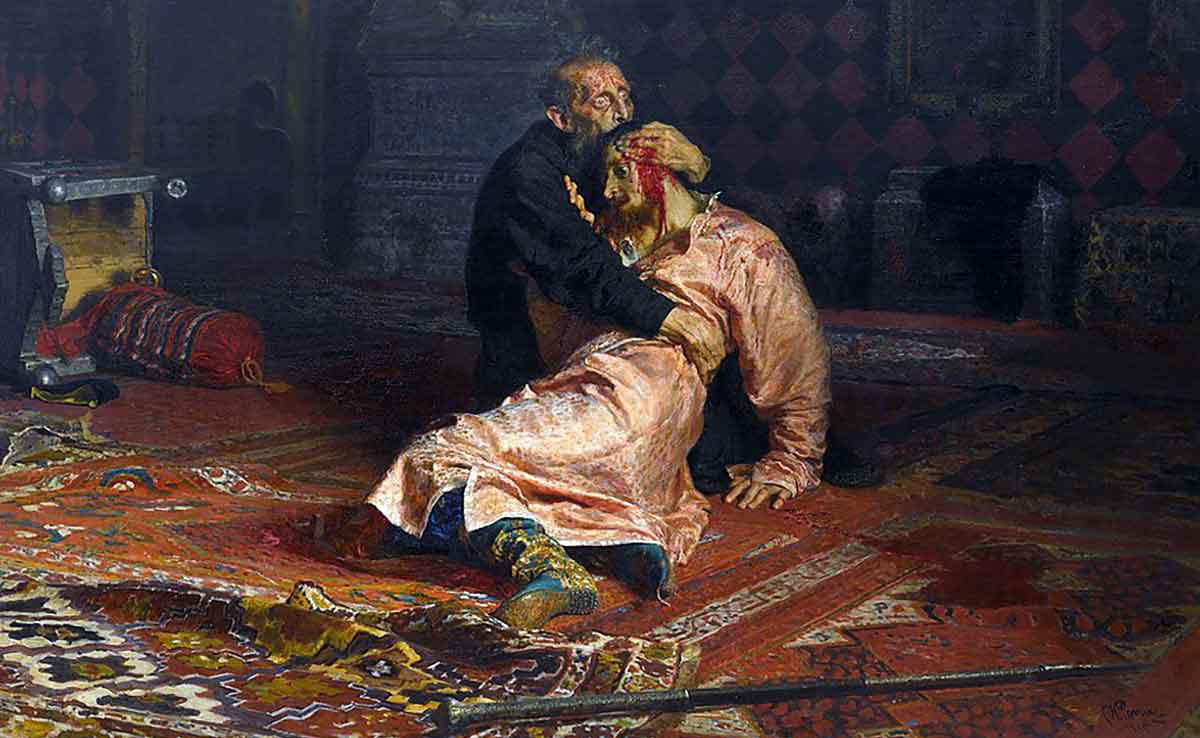
Ivan the Terrible’s intended successor was his eldest son, Tsarevich Ivan Ivanovich. It is generally accepted that the tsarevich died in November 1581 after an altercation with his father, who chastised Ivan’s wife for not being suitably dressed while pregnant. When the tsarevich intervened on behalf of his wife, the tsar struck his son with his staff in a fit of rage. A famous painting by Ilya Repin depicts the tsar cradling the bloodied head of his mortally wounded son in a display of remorse.
When Ivan the Terrible died in 1584, he was succeeded by his surviving adult son, Fyodor Ivanovich. Nicknamed Fyodor the Bellringer for his piety, the new tsar may have had a mental disability and certainly lacked interest in state affairs, leaving the business of government in the hands of his minister Boris Godunov, the brother of his wife Irina.
When Fyodor became tsar, there was only one other possible successor from the Rurikid line. Fyodor’s half-brother, Tsarevich Dmitry, was born in 1582, but since his mother, Maria Nagaya, was Ivan IV’s sixth wife, the marriage was considered illegitimate by the Orthodox Church. Boris Godunov had them sent to the faraway town of Uglich, where Dmitry was found dead in 1591. While a delegation from Moscow concluded that the child died in a freak accident, it was rumored that Boris was responsible.
Boris Godunov
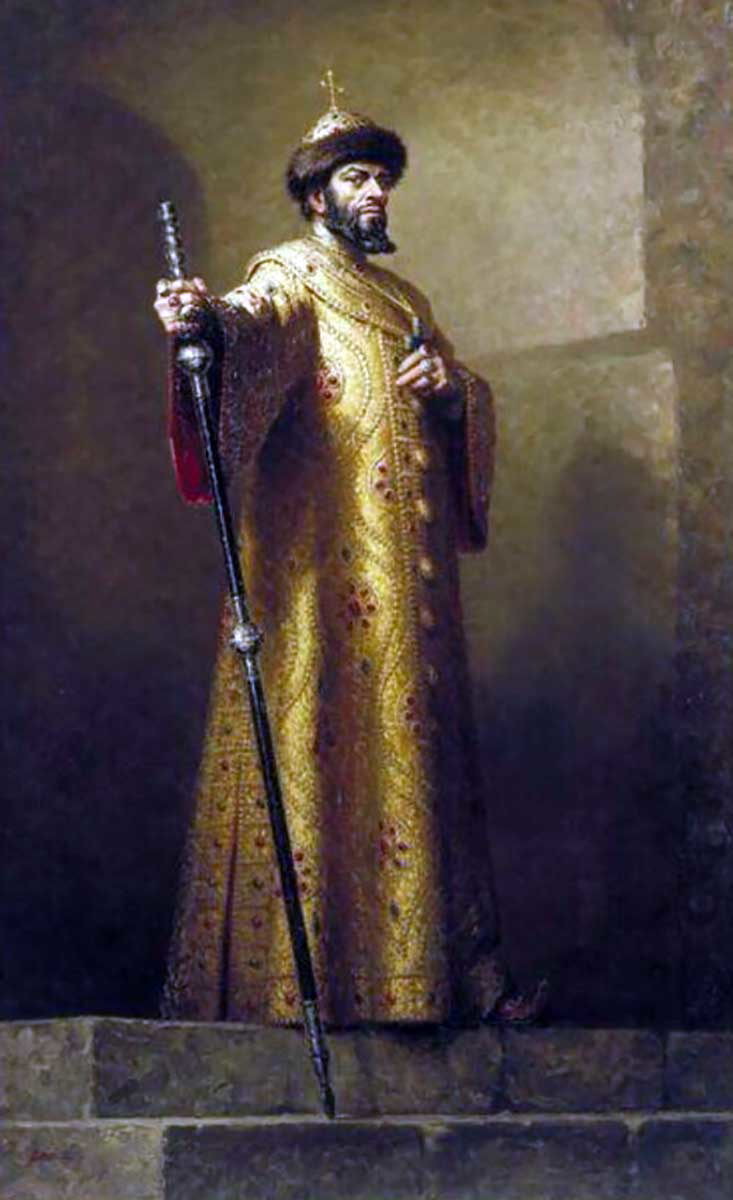
During the 16th century, the Russian state had tripled in size, and the military expenditure to support this expansion placed a significant tax burden on peasants. The exploitation of the peasantry, combined with population growth, high inflation, and a colder climate caused a series of famines at the turn of the 17th century.
As Tsar Fyodor’s regent, Boris restored order to state administration, albeit at the expense of making powerful enemies among leading Russian aristocrats known as boyars. Meanwhile, Boris’s efforts to address the economic challenges by enserfing peasants—restricting their movement to prevent the further dwindling of the tax base—did little to arrest the economic decline. This gave peasants even greater incentives to run away and become Cossacks on Russia’s southern frontier. Boris’s economic policies not only worsened the conditions of the peasantry but also reduced the status of the lower gentry, who served as militiamen for the tsarist army.
When Tsar Fyodor died childless in January 1598, marking the extinction of the Rurikid line, Boris was the obvious candidate to succeed to the throne. While his rivals amplified rumors of his involvement in the Uglich tragedy, Boris prevailed and was crowned in September.
As an excellent administrator and effective diplomat, Tsar Boris temporarily ended costly wars with Russia’s neighbors, but his reign was overshadowed by the Great Famine of 1601-1603. While he responded energetically by making state grain reserves available to hungry peasants at low prices, he struggled to overcome speculators who manipulated grain prices by buying up the supply. The famine killed around two million people, or just under a third of Russia’s population.
False Dmitry
The Great Famine—now understood to have been caused by global cooling following the eruption of the Huaynaputina volcano in Peru in February 1600—ruined the tsar’s reputation among his subjects. God-fearing Orthodox Russians believed that God was punishing Russia for choosing an illegitimate and sinful tsar, leading many to conclude that Boris had indeed murdered Tsarevich Dmitry.
Nevertheless, Tsar Boris did not face a major threat to his rule during the famine. The Russians still needed a tsar, and the alternative candidates were equally illegitimate. This was until 1604 when a young man claiming to be Tsarevich Dmitry invaded Russia at the head of a small army consisting of Cossacks and Polish soldiers.
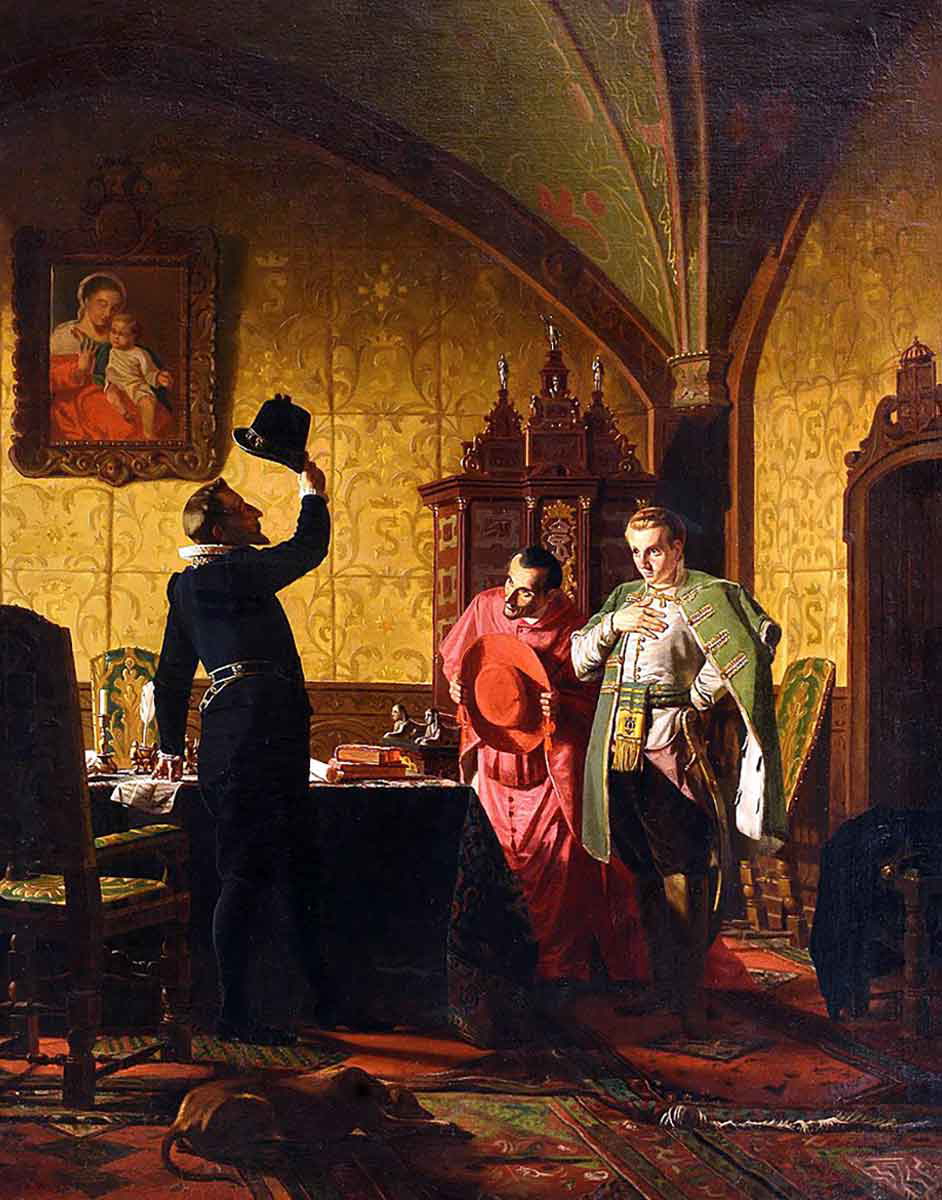
When “Dmitry” emerged in Poland-Lithuania in 1603, King Sigismund III of Poland saw an opportunity to turn a rival state into an ally. Upon hearing the news, Boris claimed that the young man was a dangerous runaway monk named Grigory Otrepyev. While few people genuinely believed that the young man was Dmitry, it was enough for the anti-Godunov coalition in Russia to have an alternative candidate who could convincingly present himself as a prince of the Rurikid line.
After Dmitry crossed into Russia in October 1604 at the head of 4,000 men, several cities in southern Russia declared in his favor. On December 21, the rebel army defeated a much larger tsarist force near Novgorod-Seversky (now Novhorod-Siverskyi in Ukraine). Dmitry’s ranks swelled by the day, but a month later, he was defeated at Dobrynichi and barely escaped capture.
Rather than effectively pursuing the pretender, the tsarist forces allowed him to recover and carried out atrocities against the civilian population in regions that had supported Dmitry, while a large tsarist army fruitlessly besieged Kromy near Oryol, some 200 miles south of Moscow.
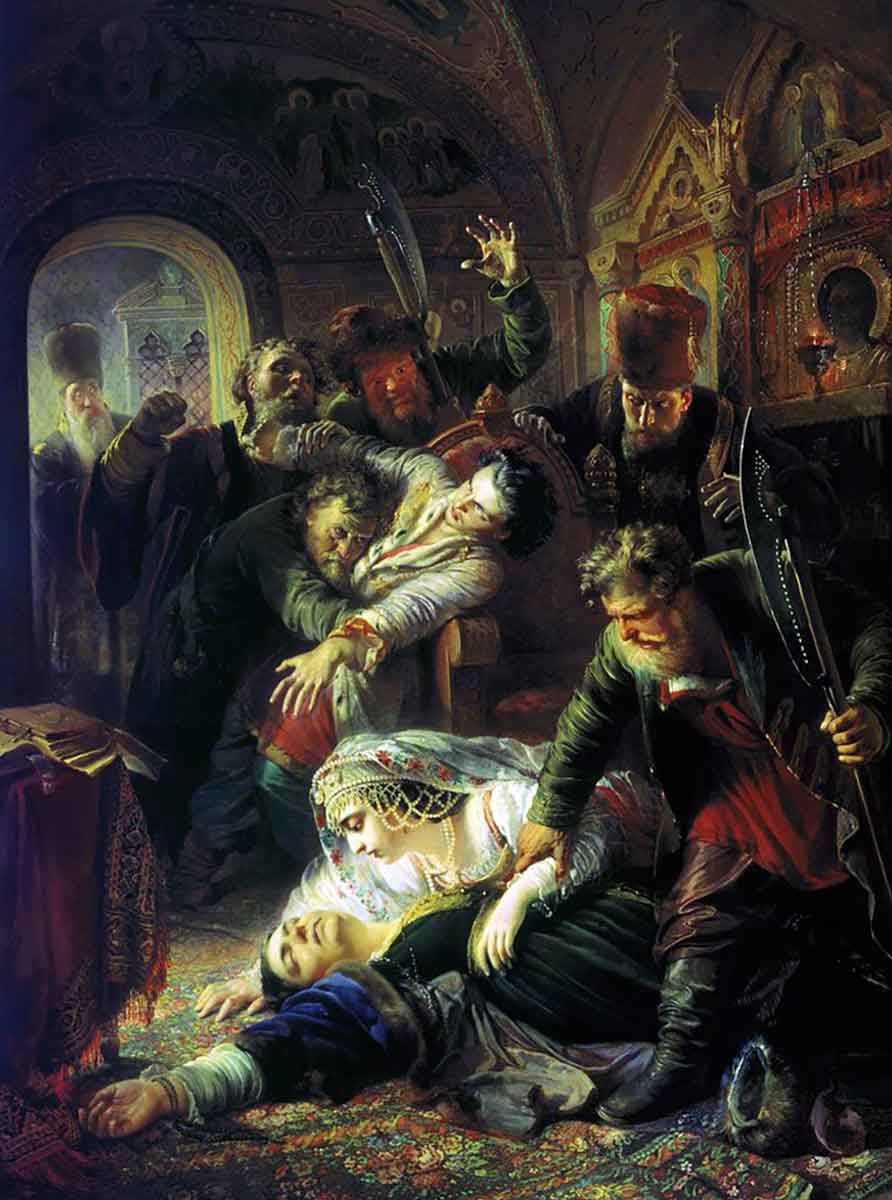
The tsarist cause was fatally weakened with Boris Godunov’s death on April 13. Although the boyars in Moscow initially swore allegiance to Boris’s 16-year-old son, Fyodor II, the defection of senior tsarist commanders Pyotr Basmanov and Vasily Golitsyn from the siege camp at Kromy proved decisive in bringing about the downfall of Fyodor II on June 11. On June 20, the deposed Tsar Fyodor and his mother were killed in captivity. The same day, the pretender entered Moscow in triumph and was welcomed as the new tsar.
The Fall of the Pretender
Dmitry was crowned tsar on July 21, becoming the first and only individual in Russian history to be raised to the throne by popular rebellion. Aside from the killing of the Godunovs and the banishment of Godunov’s ally Patriarch Job, the new tsar was magnanimous towards his foes. When the ambitious boyar Vasily Shuisky attempted to seize the throne for himself, Dmitry briefly exiled him and recalled him to the boyar council within a matter of months.
While Dmitry was rumored to have sworn allegiance to King Sigismund, offering to convert Russia to Catholicism and to cede large tracts of land to Poland, he took no steps to do so in power. However, his tolerance of Catholics, Protestants, Jews, and other religious groups caused some discomfort among the Orthodox faithful. Dmitry’s relationship with the Russian Orthodox Church deteriorated in late 1605 when he planned to marry the Polish princess Marina Mniszech. To the dismay of senior Orthodox clergy, Dmitry supported his bride’s refusal to convert to Orthodoxy. This amplified rumors that he was a secret Catholic.
Following his recall to the capital, Vasily Shuisky continued plotting to remove the tsar. He decided to strike on the occasion of Dmitry’s wedding in May 1606, shortly before the tsar planned to leave on a campaign against the Crimean Tatars.
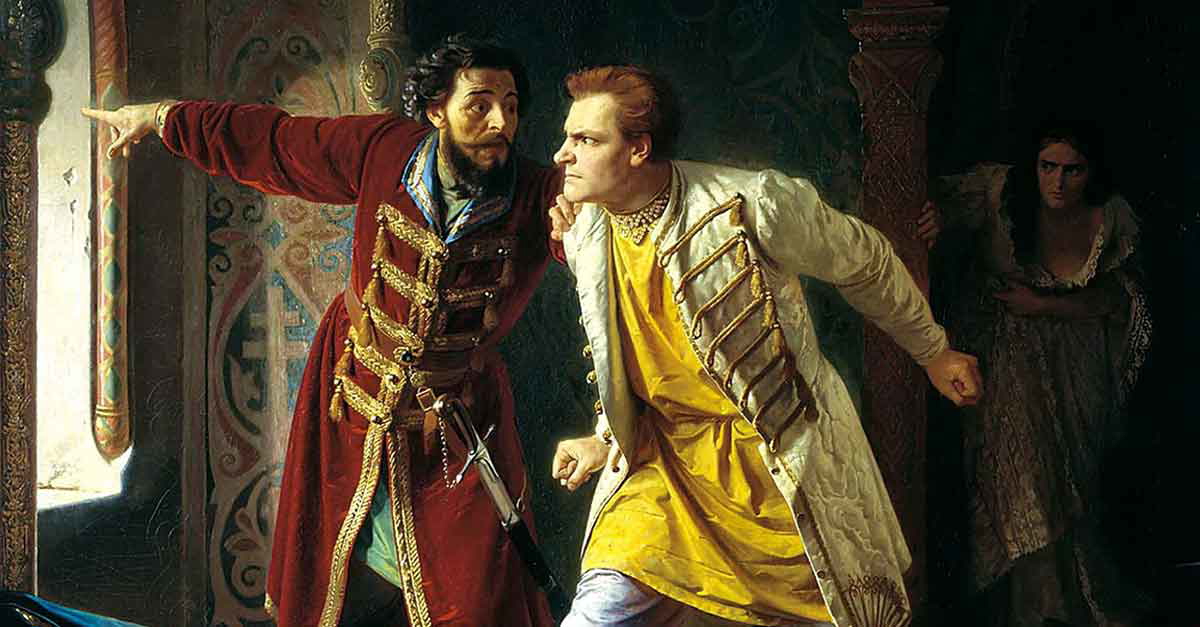
Despite warnings of a plot against him, Dmitry took few precautions. On May 17, Shuisky spread rumors that the Polish wedding guests were intending to murder the tsar and all the Russians in Moscow. While an enraged mob stormed the Kremlin and hunted down the Poles, a group of conspirators broke into Dmitry’s quarters. The tsar attempted to escape out of a window but stumbled and fell, enabling the conspirators to catch up to him and kill him.
Tsar Vasily
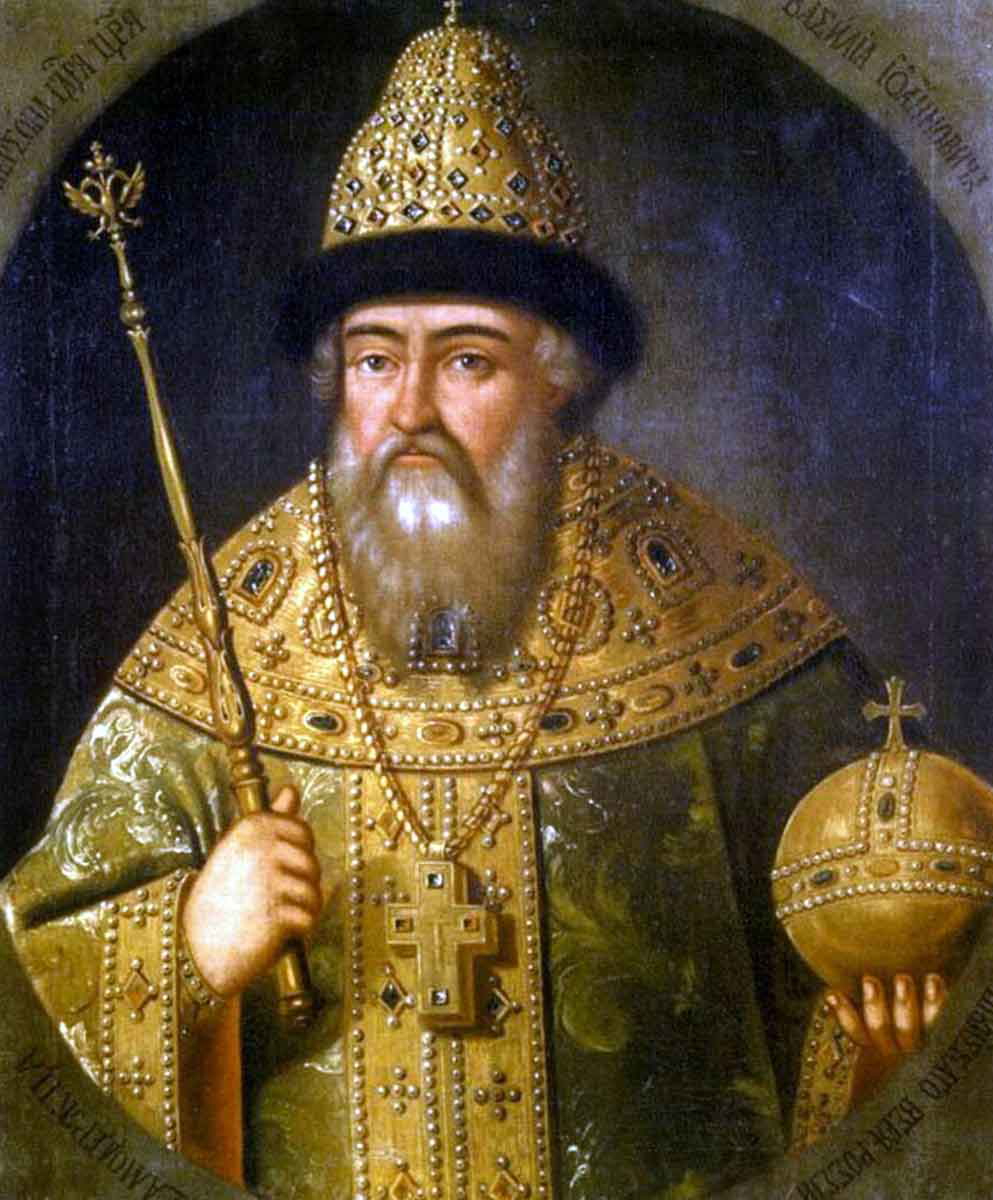
Vasily Shuisky quickly moved to seize power and denounced the late tsar as an evil sorcerer and imposter. The dead tsar’s mangled body was initially put on public display before being cremated, after which the ashes were supposedly fired from a cannon towards Poland. Vasily hastily arranged his coronation as Tsar Vasily IV for June 1 before conveying the real Dmitry’s body to Moscow for burial and veneration as a saint.
After Shuisky’s opponents on the boyar council appointed his rival Filaret Romanov as the patriarch of Moscow, Tsar Vasily purged the council and appointed Metropolitan Hermogenes of Kazan as the new patriarch. The elderly Hermogenes proved an energetic ally to Vasily and helped him secure his hold on Moscow.
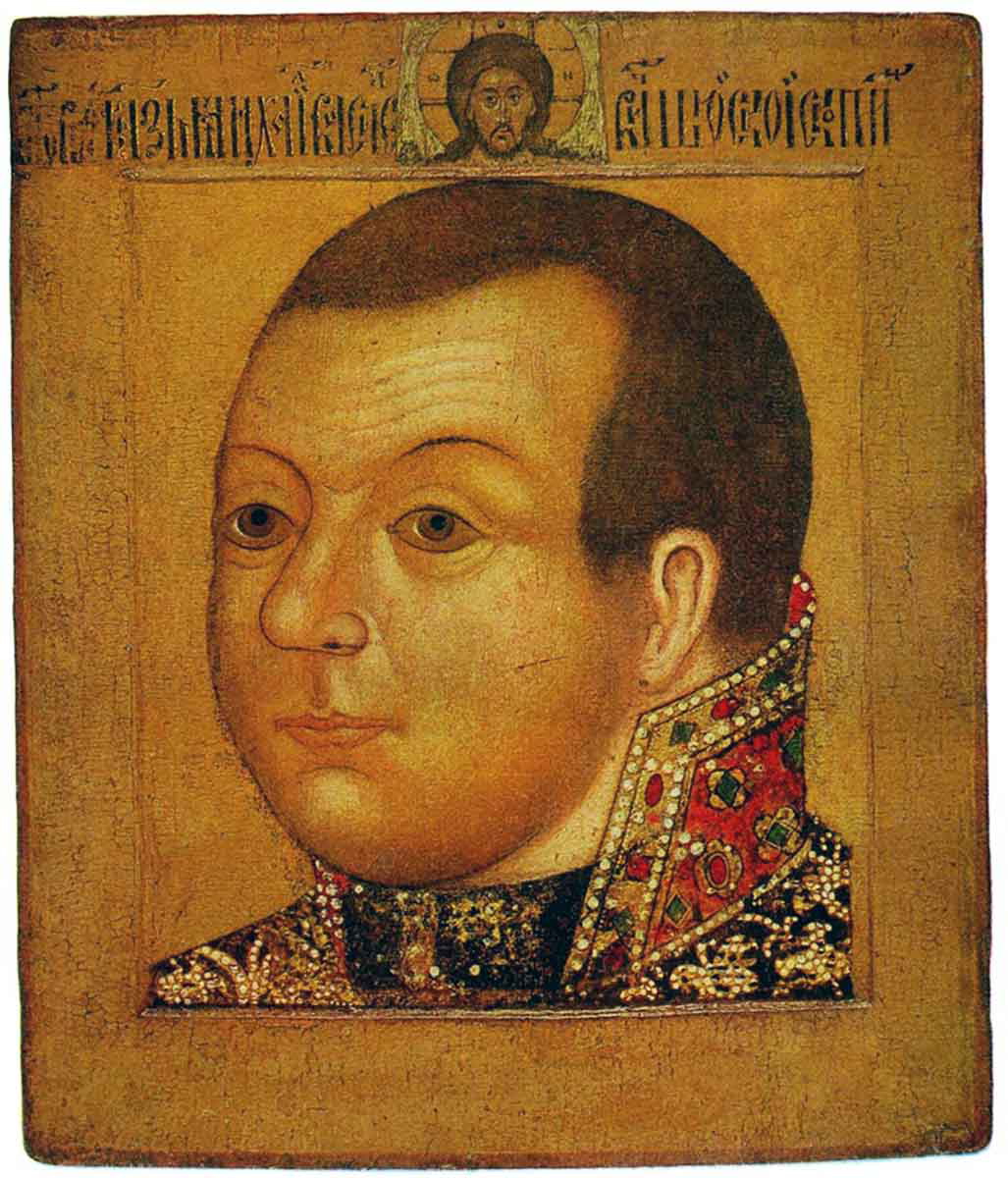
In the Russian countryside, Dmitry’s supporters claimed that he had miraculously escaped assassination once again and was still alive. Southern Russia once again rose up in rebellion in Dmitry’s name. By fall, rebel commander Ivan Bolotnikov relieved the siege of Kromy and occupied Oryol. By October, rebel columns led by Bolotnikov and Istoma Pashkov were laying siege to Moscow. However, the rebel commanders had fallen out, and elite tsarist forces under Vasily’s nephew, Mikhail Skopin-Shuisky, crushed the rebels on December 2.
Bolotnikov retreated to Kaluga and defeated besieging forces in early 1607 before falling back on Tula. Vasily personally led a large army to besiege Tula, and the tsarist army captured the city in October after diverting the waters of the river Upa. Despite Vasily’s promises to spare his life, Bolotnikov was killed in secret, and many of the rebels rallied to the banner of a man who claimed to be the resurrected Tsar Dmitry.
This new pretender, known to history as False Dmitry II, established his camp at Tushino to the northwest of Moscow and besieged the capital for the next 18 months. Filaret Romanov arrived in Tushino and was reconfirmed as patriarch of Moscow, while Marina Mniszech “recognized” her husband.
Although the rebels surrounded Moscow almost completely, the actions of rebel soldiers in the countryside inspired popular uprisings on behalf of the tsar. In the meantime, Prince Skopin-Shuisky led a force of Swedish mercenaries to defeat the rebels northwest of Moscow, and “Dmitry” was forced to leave Tushino in December 1609.
A Polish Tsar?
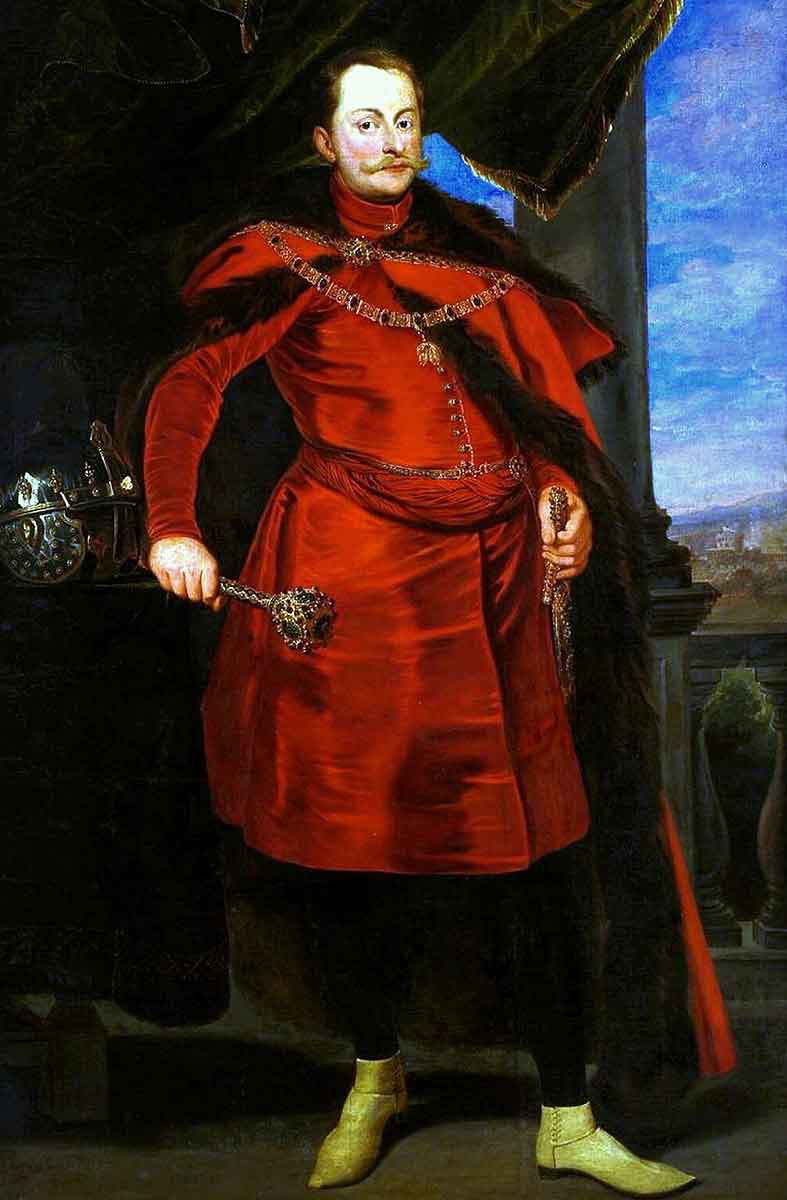
As a result of the agreement between Sweden and the Shuiskys, Russia came to serve as a new front for the Polish-Swedish War of 1600-1611. In September 1609, King Sigismund led a Polish army to besiege Smolensk while False Dmitry II rallied new support south of Moscow. The anti-Shuisky boyars considered offering the throne to Sigismund’s son Władysław on condition that he would convert to Orthodoxy.
Tsar Vasily’s cause was undermined by the unexpected death of Mikhail Skopin-Shuisky in April 1610, and it was widely believed that the tsar had murdered his popular nephew to prevent him from challenging his throne. On July 4, 1610, a Polish army decisively defeated a Russian force at Klushino.
The defeat encouraged Shuisky’s enemies to depose him two weeks later and imprison him in a Kremlin monastery. With Polish troops heading towards Moscow, a council of seven boyars headed by Fyodor Mstislavsky formally offered the crown to Władysław.
The Polish commander Stanisław Żółkiewski invited senior Russian dignitaries, including Filaret Romanov, Vasily Golitsyn, and the former Tsar Vasily, to the Polish siege camp at Smolensk on the pretext of negotiating the terms of Władysław’s accession. However, upon their arrival, Sigismund informed the boyars that he intended to rule Russia in his own right. When the Russians refused, they were all taken prisoner and escorted to Poland. Polish troops continued to attack Russian towns, and the council of seven eventually invited the Poles to occupy Moscow to restore order.
Minin and Pozharsky
The Polish occupation of Moscow was naturally unpopular with most Russians, and Patriarch Hermogenes was arrested for denouncing the treason of the seven boyars. Most of False Dmitry II’s supporters were also opposed to Polish intervention, and the pretender’s murder by a member of his entourage in December 1610 encouraged a united front against the Poles.
Patriarch Hermogenes was still able to write secret letters encouraging the townsfolk of Nizhny Novgorod to rise up, while the nobleman Prokopy Lyapunov organized a militia against the Poles in early 1611. After the militia attacked Moscow in April 1611, the Poles were restricted to the city core, while the suburbs were burned to the ground.
The fall of the Shuisky regime and the Polish occupation of Moscow encouraged Swedish troops to secure the submission of Novgorod in June 1611. Even King James I of England considered sending troops to north Russia to secure the trading routes through Archangelsk.
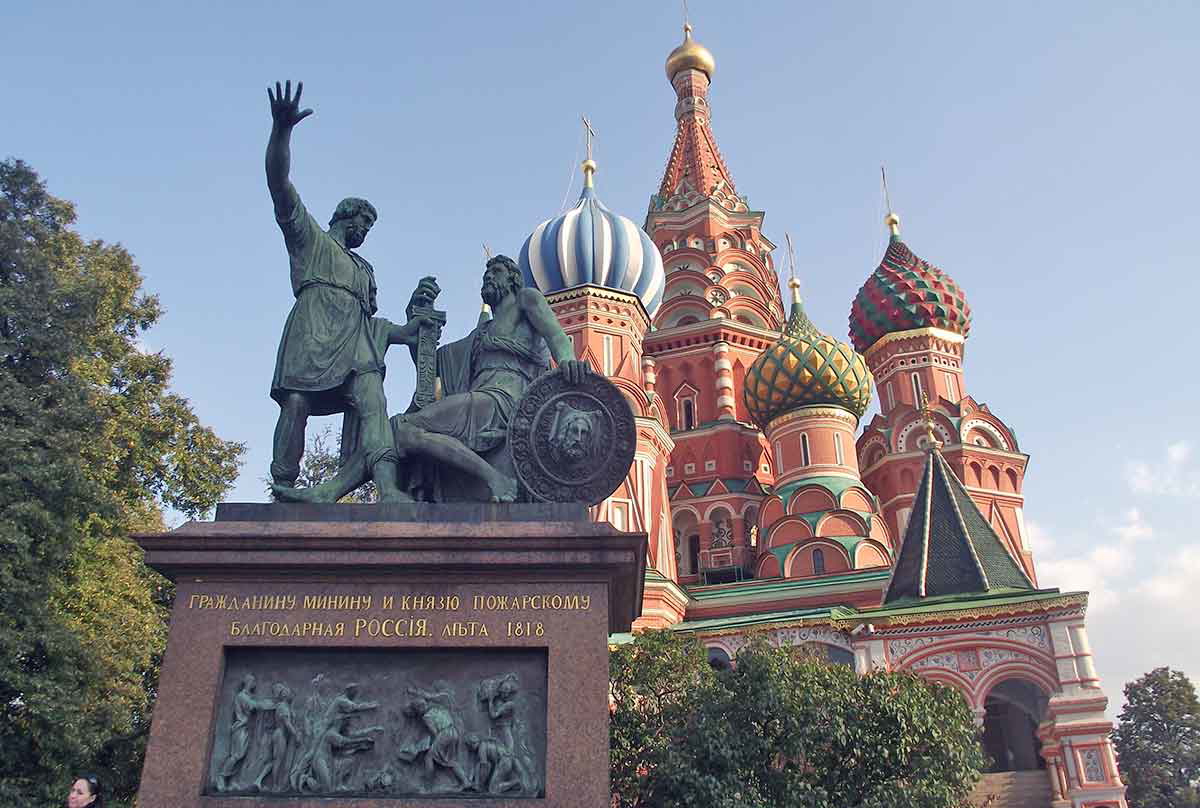
The unity of the Russian militia received a bitter blow when Lyapunov was murdered by Cossacks. The Cossack leader Ivan Zarutsky assumed effective command and championed the cause of the young Ivan Dmitrievich, the posthumous son of False Dmitry II and Marina Mniszech. These efforts were opposed by the Nizhny Novgorod militia led by the butcher Kuzma Minin, who joined forces with the minor aristocrat Dmitry Pozharsky, an opponent of Zarutsky.
Financed by the townsfolk in the Volga region, who had continued to conduct profitable trade throughout the Time of Troubles, Minin and Pozharsky organized the Second National Militia to challenge not only the Poles but Zarutsky, who had recently eliminated a third False Dmitry who emerged in northwestern Russia. From his base at Yaroslavl, Pozharsky attracted many Cossacks from Zarutsky’s ranks.
A New Dynasty
During the summer of 1612, the Second Militia’s prospects improved as the Poles and Zarutsky clashed repeatedly to the west of Moscow, with both sides sustaining heavy losses. In July, Zarutsky was abandoned by his ally, Dmitry Trubetskoy, who joined forces with Pozharsky. However, Trubetskoy was conscious of being a higher-ranking aristocrat and resented being under Pozharsky’s authority.
At the beginning of September, when the Polish commander Jan Karol Chodkiewicz led a relief force to attack Pozharsky’s army besieging Moscow, Trubetskoy remained on the sidelines. However, most of his Cossacks joined the battle and helped Pozharsky achieve victory.
Trubetskoy and Pozharsky soon came to an agreement in which Trubetskoy was appointed nominal commander-in-chief of the militia even though Pozharsky and Minin remained in charge. In early November, the national militia successfully liberated Moscow and forced the Polish garrison to evacuate the city. An interim government nominally led by Trubetskoy was installed while the Assembly of the Land was summoned to elect a new tsar.
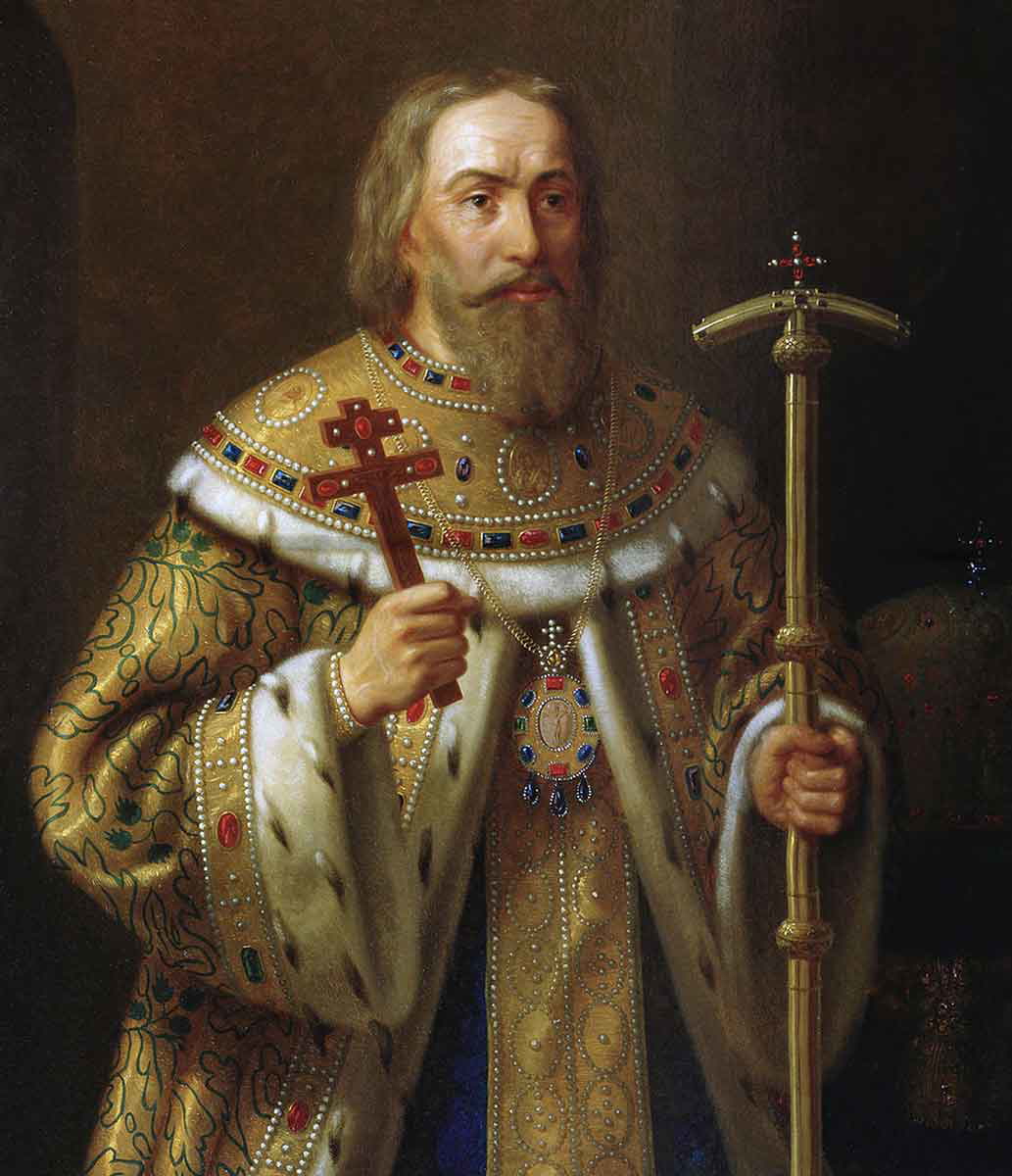
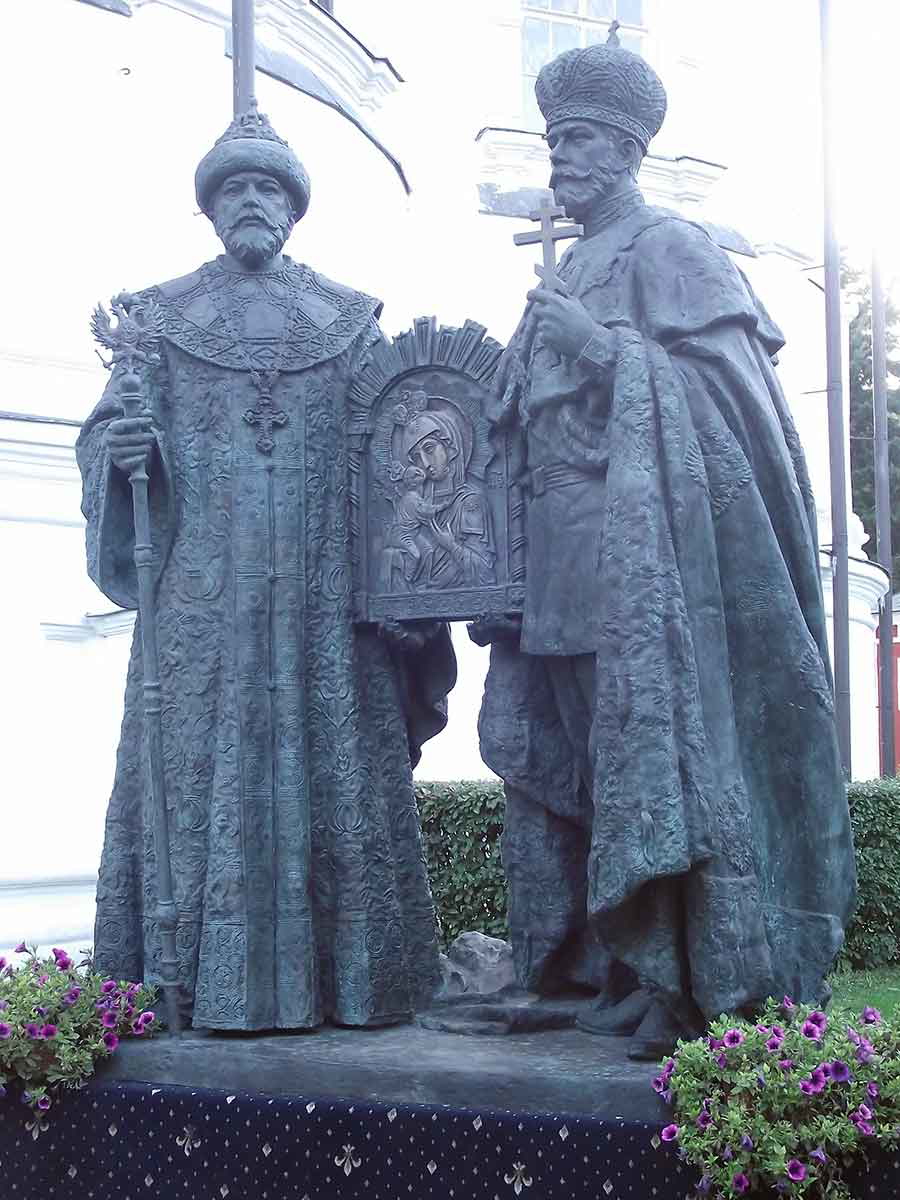
The delegates were initially deadlocked, and Trubetskoy’s own candidacy was opposed by Pozharsky and the boyars. The Romanov family, who had supported the first two false Dmitrys before joining the seven boyars, proposed the 16-year-old Mikhail Romanov, son of the imprisoned Patriarch Filaret. While Trubetskoy and Pozharsky opposed the Romanov candidacy, a body of Trubetskoy’s cossack delegates declared in his favor, and Mikhail was elected tsar on February 7, 1613.
While rival boyar families were not enthusiastic about Mikhail, they believed that they could control him via the boyar council. While Mikhail’s position on the throne was initially precarious, Romanov propagandists moved to cover up the family’s association with the pretenders and the Poles, and the tsar’s agents quickly silenced anti-Romanov voices.
During the early years of his reign, Mikhail summoned the Assembly regularly to coordinate reconstruction efforts, but following Filaret’s return from captivity in 1619, the tsar’s father became the effective ruler of Russia until his death in 1633. The Romanov dynasty continued to rule Russia for three centuries until the 1917 Revolution.
Legacy
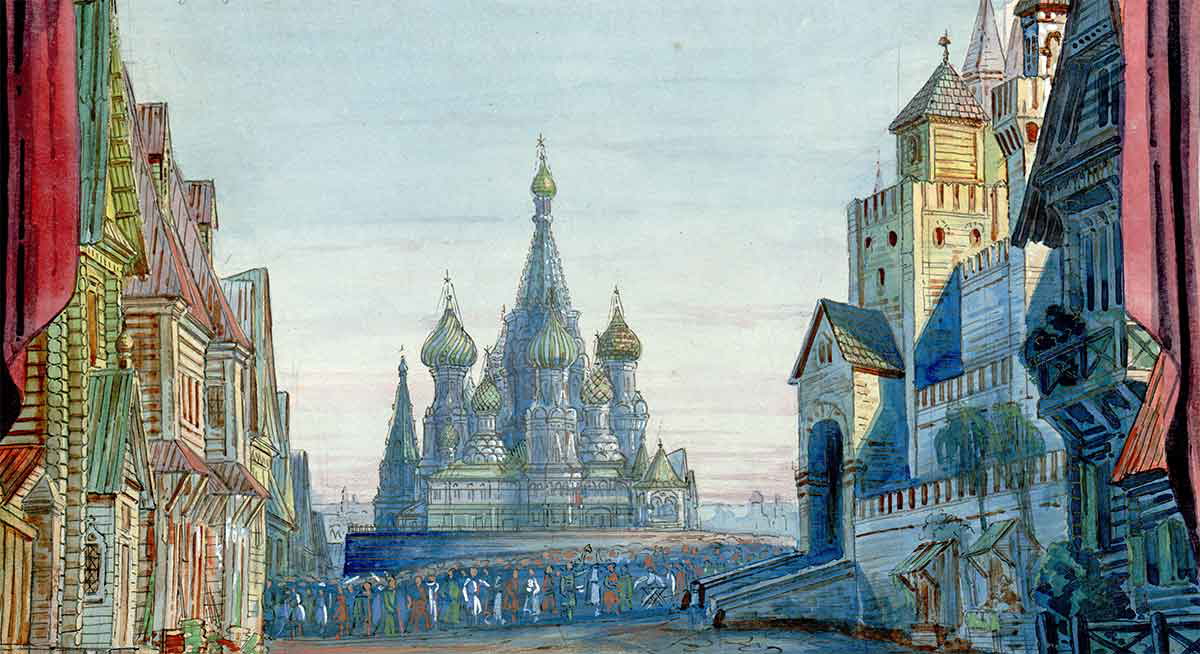
The Time of Troubles was an incredibly traumatic period of Russian history that has reverberated through the centuries. During the 19th century, Boris Godunov became one of the most famous tragic figures in Russian drama, firstly with Alexander Pushkin’s 1825 play Boris Godunov, which in turn inspired Modest Mussorgsky’s 1872 opera Boris Godunov.
When Napoleon invaded Russia in 1812, Tsar Alexander I made reference to Minin and Pozharsky as he rallied the Russian people to resist the invader. In 1818, a few years after Russia’s victory over Napoleon, a statue of Minin and Pozharsky was unveiled in Red Square, celebrating the militia leaders who liberated Moscow in the 17th century.
In 1815, the Italian court composer Catterino Cavos wrote a two-act opera, Ivan Susanin, based on the legendary tale of an old man who is supposed to have given his life to save Mikhail Romanov from Polish soldiers. Mikhail Glinka’s 1836 opera A Life for the Tsar on the same subject, renamed Ivan Susanin during the Soviet period, is considered Russia’s first national opera.
When Russia experienced a similar period of political turbulence and economic crisis at the beginning of the 20th century with the First World War, the Revolutions of 1917, and the Russian Civil War, opponents of the Bolshevik regime labeled the period as the krasnaya smuta or “Red troubles.”
In contemporary Russia, the Time of Troubles is used to justify the need for a strong ruler who can prevent anarchy and disorder. In 2005, Vladimir Putin’s government instituted a national holiday known as the Day of National Unity on November 4, marking the anniversary of the liberation of Moscow from Polish occupation in 1612.