The Tribune of the Plebs was a Roman magistracy created during a time of social crisis, meant to protect the lower classes of Roman society (plebeians) from the abuse and coercion of the elites. The support of the plebiscite made this official sacrosanct, meaning he could not be harmed. He could intercede with other magistrates on behalf of individual citizens, or intercede more broadly with the power to veto the acts of any other magistrate, including the consuls. This power, originally intended to act as a defense against the elite, became a tool for ambitious politicians to push through popular reform. From its inception to the adoption of tribunician power by Augustus, the tribunate was a volatile political position that shaped Roman politics.
The Strike That Created the Tribunate
Following the fall of the Roman kings and the rise of the Republic in the early 5th century BC, Rome was embroiled in a series of internal and external conflicts. Wars with their Italian neighbors were frequent, while at home there was unrest between the patrician class, noble families that dominated the magistracies and Senate, and the plebeians, a broader class of citizens that could be considered the “working” class.
Debt among the plebeians was rampant, with many being forced into debt bondage. The dire situation was best exemplified by a passage from Livy’s “History of Rome,” where he described a former centurion who served in a recent war. During that war, his farms were burned and ravaged, leaving him unable to pay the war tax. On his return home, he was forced to sell his farms and his possessions, and finally, his person was taken as compensation.
The plebeians demanded that the Senate compensate them fairly for their services in the recent wars and in building Rome. After several wars and unfulfilled promises, the plebeians revolted. In what can be considered a large general strike, the plebeians seceded from Rome to the Sacred Mount on the other side of the Anio River. This walkout came to be known as the First Secession of the Plebs, and lasted for several days.
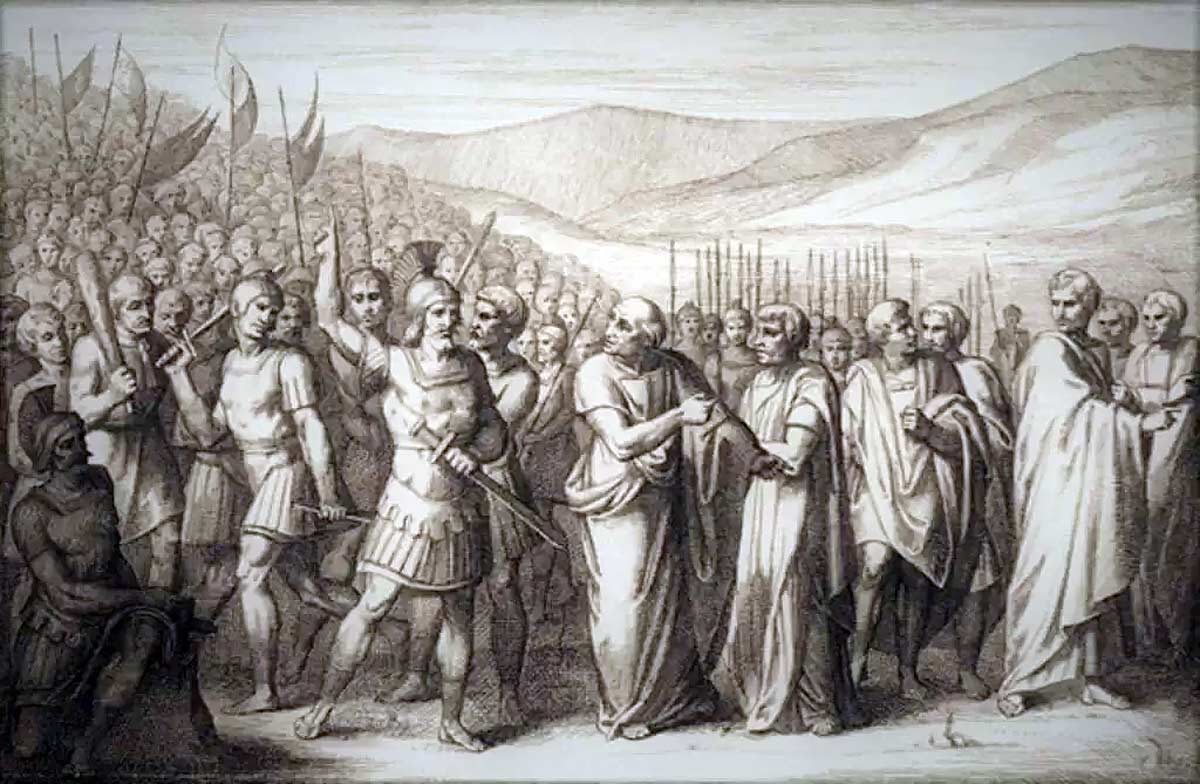
The leverage they had was immense. Without them, wars could not be fought, and the city ceased to function. Those plebeians who never left the city worried that the Senate would retaliate against them. Meanwhile, the Senators feared an attack from the plebeians and were not sure whether to have them stay or leave.
Fearful of what it would mean if a foreign war broke out while they were experiencing such internal turmoil, the Senate decided to reconcile with the plebeians and sent an envoy to negotiate with them. The result was the creation of a new magistracy, which could only be held by a member of the plebeian class, meant to represent the plebeian interest and to protect them against the patrician class. This was the tribunus plebis, or Tribune of the Plebs.
The Sacrosanct Tribune of the Plebs
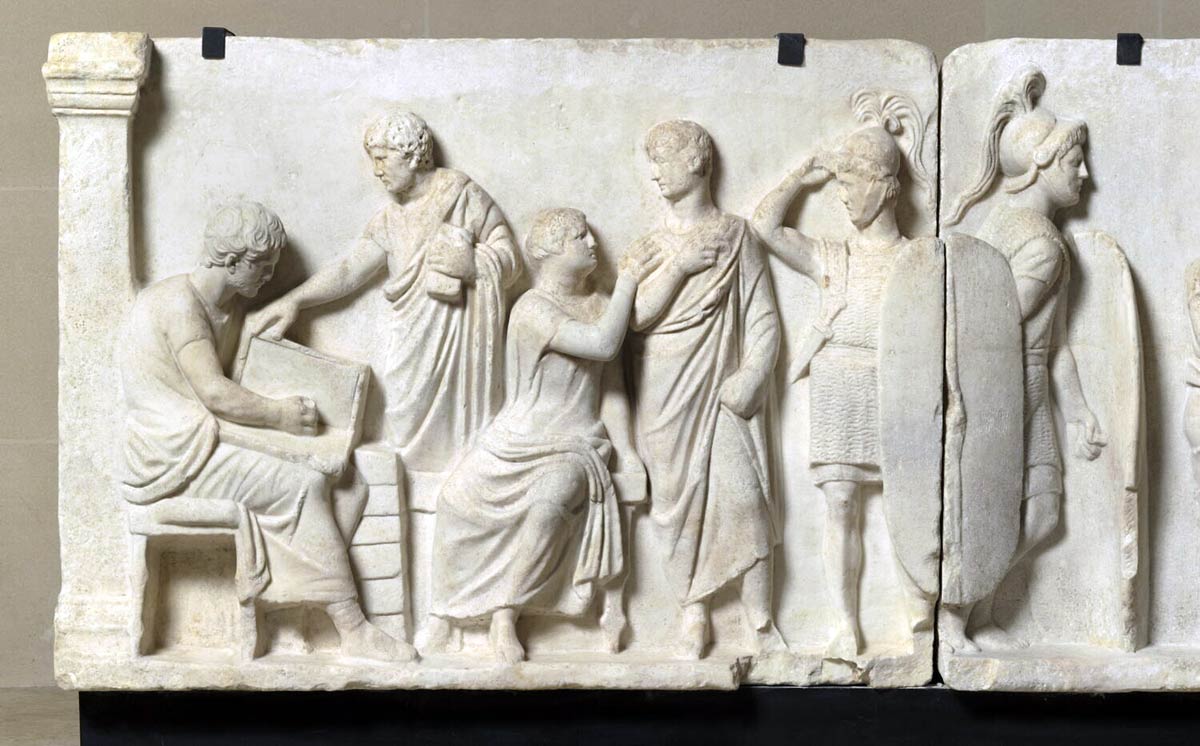
As mentioned above, the tribunes were sacrosanct, yet what did this mean in practice? According to sources, the sacrosanctity of the tribune was based on an oath sworn by the plebeians to protect their representative, and a law called the lex sacrata, which imposed sacral sanctions against those who violated the tribunes’ person or attempted to coerce them. This meant that tribunes were both religiously and legally protected. The punishment for laying hands on a Tribune of the Plebs was to be declared sacer, meaning accursed, which excused that person from normal legal protections. Ancient sources have described this as meaning others could inflict violence on the person without punishment.
There is scholarly debate over whether, at its inception, the tribunate was an officially recognized magistracy or an extralegal representative of the plebeian class that was only later recognized.
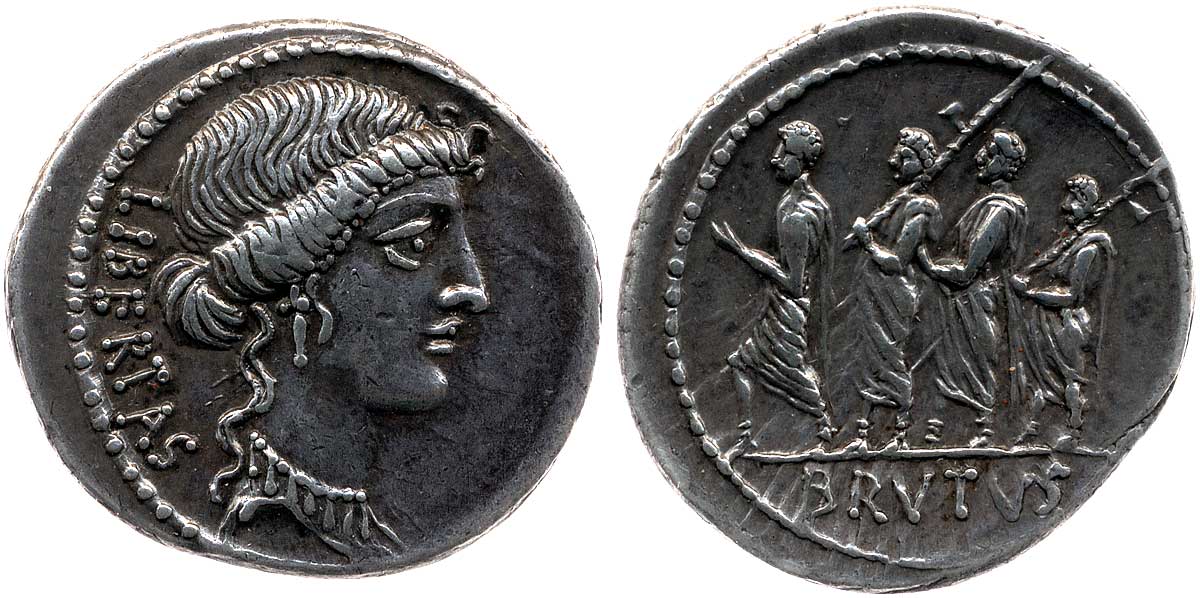
The tribune’s sacrosanctity underpinned the power of intercessio, or the power to intercede in official acts and proceedings. Interceding on behalf of a private individual was a form of intercessio called ius auxilii, meaning the right of aid, usually in response to an appeal. Before the creation of the tribunes, people made appeals to the community when magistrates were arresting them or physically punishing them. After the creation of the tribunes, traditional appeals to the public became synonymous with appealing to the tribune.
To always be available to offer this aid, tribunes generally stayed within the city. During the Republic, the Tribune of the Plebs had an office near the forum and the Senate house, which was open to anyone during the day. The tribune’s home was also said to be always open, day and night, to anyone who sought refuge. This also clearly shows the limitation of the tribune’s power to intercede, which was that they needed to be physically present.
Veto as a Political Weapon
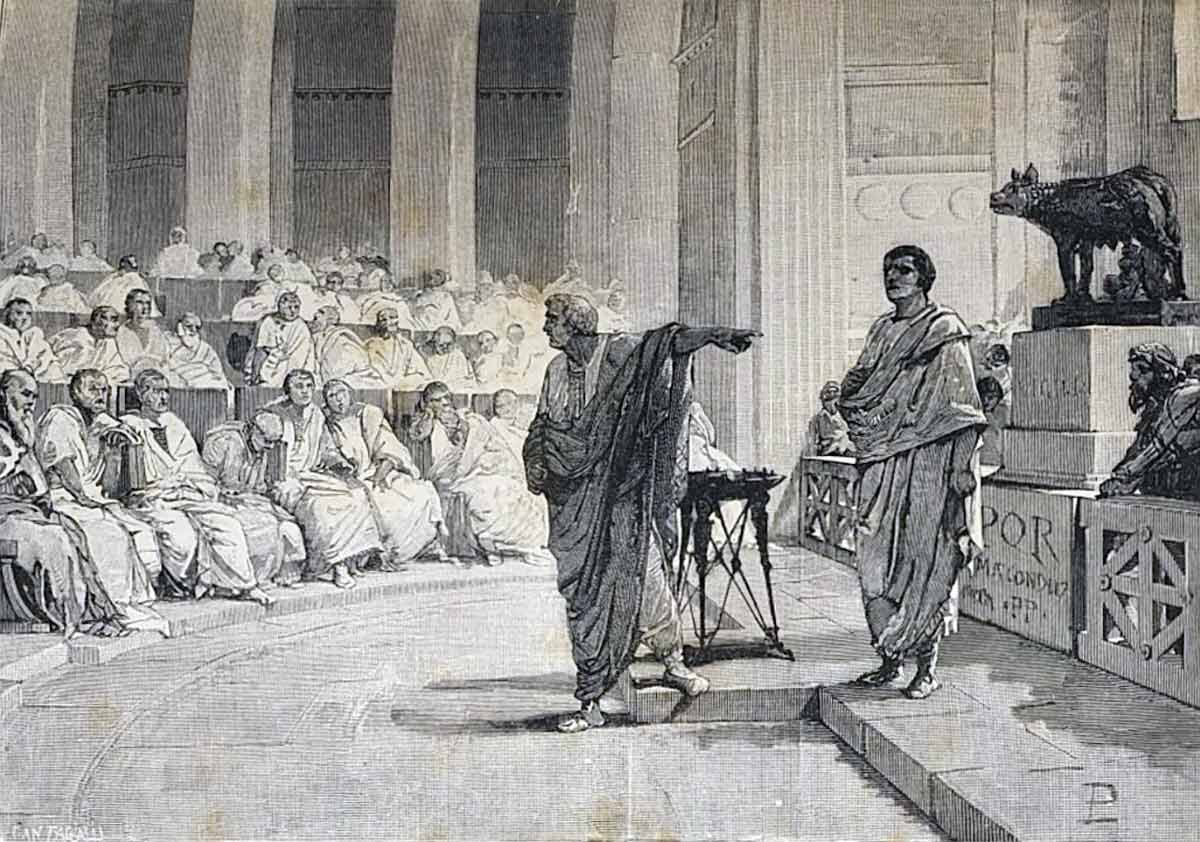
The term veto comes from the Latin vetare, or “to forbid,” and is the power to stop any legislation from moving forward. Consuls had the power to veto one another to act as a check on one man gaining too much power. To invoke it, they only needed to say veto, “I forbid.” While a veto could bring the government to a standstill, the point was to encourage negotiation and compromise, and to prevent unilateral action. The consuls’ veto power was based on their imperium, which was state authority to command individuals and armies. The tribune’s veto power, however, relied not on imperium but on their sacrosanctity.
Since the tribune was legally and religiously “untouchable,” any kind of physical coercion or attempting to override his intervention was a grave offense. A tribune’s intervention was therefore an immediate check. They needed to be present to halt proceedings or prevent legislation from being read. There are ancient anecdotes of tribunes snatching bills from heralds, or even holding someone’s mouth to prevent them from speaking, which exemplify the idea of physical intervention. The tribunes even used to stand outside the door of the Senate house to intervene immediately against proposals not in the interest of the plebeians. They were increasingly allowed to sit in on Senate proceedings, and eventually even to speak and introduce matters for discussion.
The Gracchi Brothers
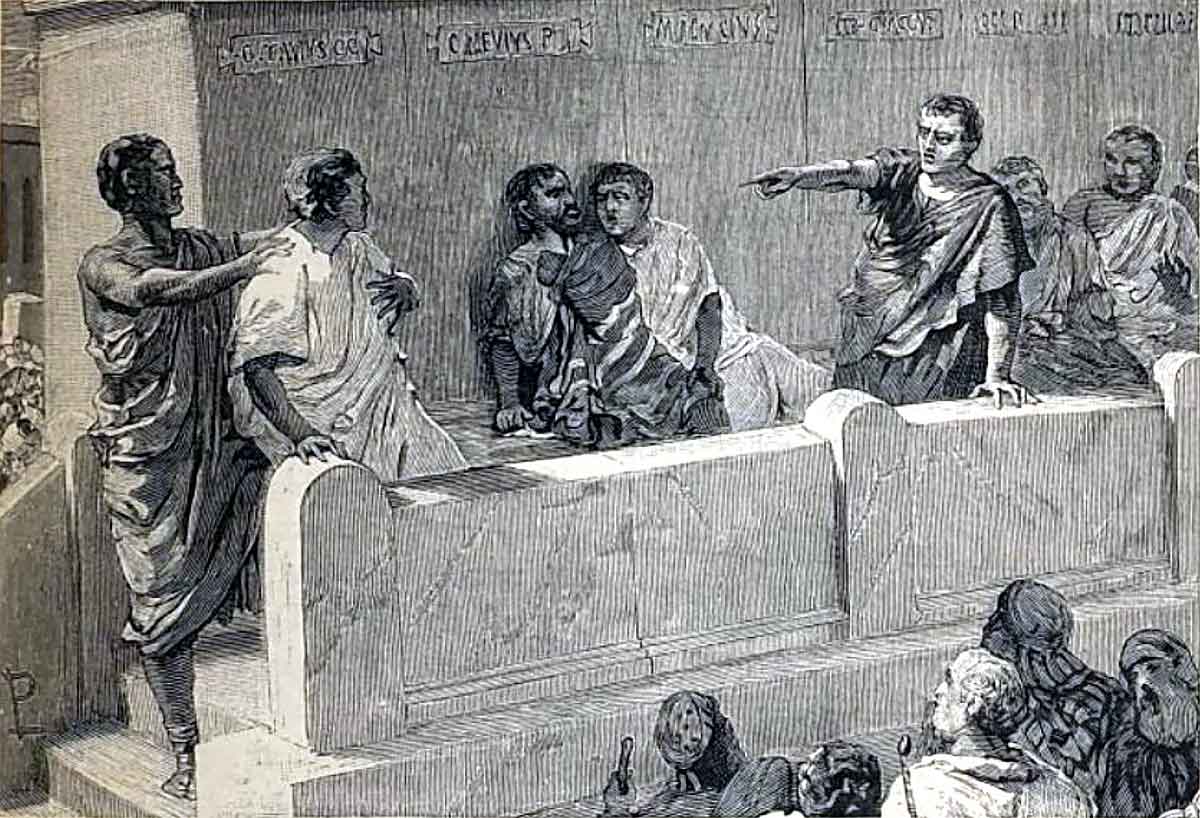
The tribunate’s power was meant as a brake on the levers of government, but in the late Republic, it became a driving force. The Gracchi brothers, Tiberius and Gaius, were from a wealthy plebeian family and the grandsons of the famous general Scipio Africanus.
Tiberius Gracchus was the first of the brothers to become Tribune of the Plebs in 133 BC. At the time, small farms were being absorbed into the large estates of the senatorial class, leaving citizens destitute and putting a strain on the state’s military capabilities, since landed citizens served as soldiers. Tiberius attempted to solve this problem by passing a reform that would enforce limits on the occupation of public lands and redistribute the rest among the citizenry. He was opposed by another tribune, who vetoed the proposal. But Tiberius went to the assembly and maneuvered to have that tribune removed from office.
Tiberius threatened to use his power of intercessio to obstruct all public business until his reforms were passed. His opponents in the senate portrayed him as trying to establish a tyranny when he tried to get re-elected to the tribunate the following year, which was illegal. Tiberius was killed when violence broke out between his supporters and senatorial supporters. While Tiberius did succeed in passing his agrarian reform, he showed how a normally defensive magistracy could be mobilized into a proactive way to influence government.
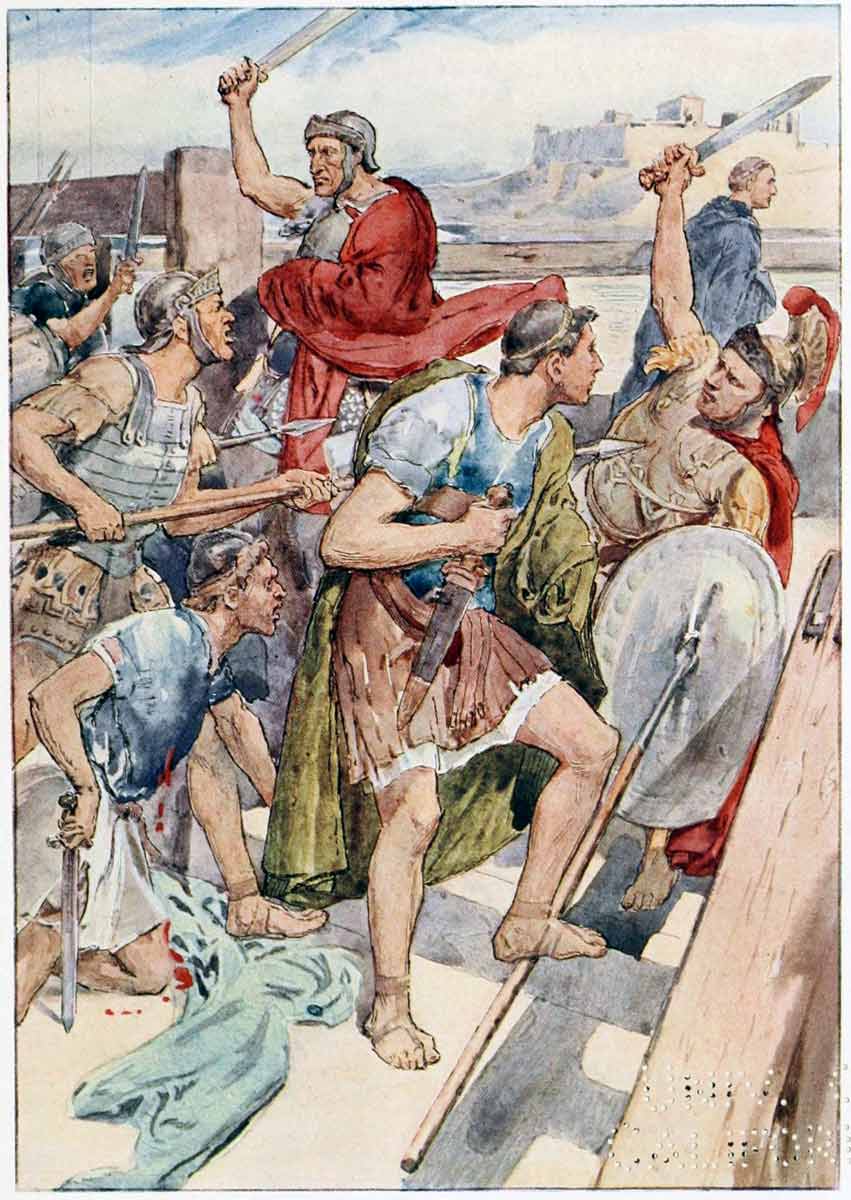
The killing of Tiberius deeply affected his brother Gaius, who, according to later writers, wanted to continue his brother’s reforms. Gaius was elected as Tribune of the Plebs in 123 BC, and immediately began to use his position to push certain laws through the assembly. He used his sacrosanctity as a means of mobilizing public support for his reforms and hostility toward his political opponents. In his speeches, he regularly reminded the crowd of the respect Romans used to have for the tribunate. Plutarch cited him as saying that Rome once went to war because a tribune was insulted, and contrasted that with his brother’s murder and how none were held responsible. In this way, he framed opposition to himself as opposition to the people.
Gaius pushed through several reform bills, the most consequential of which curbed the power of the senators. Previously, they were the only ones who sat on juries in court, and he transferred jury service in key courts to the equestrian class. Gaius was illegally re-elected in 122 BC, allowing him to continue with his reforms. He passed new land and grain laws and even founded colonies. But his law that proved most divisive was providing additional rights to the Italian allies. This was strongly opposed by the senatorial class, who backed Gaius’ rivals to fracture his base of support. When he was not re-elected to the office of tribune in 121 BC, violence quickly broke out between his supporters and his opponents. Gaius was killed in a pursuit after the confrontation.
Tribunes and the Fall of the Republic
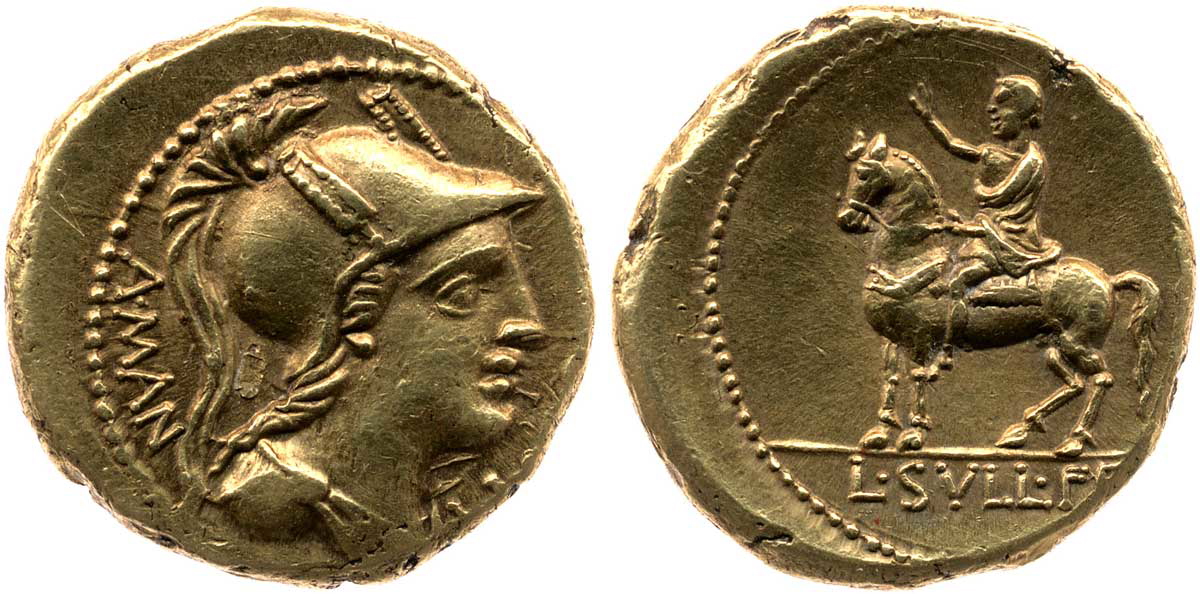
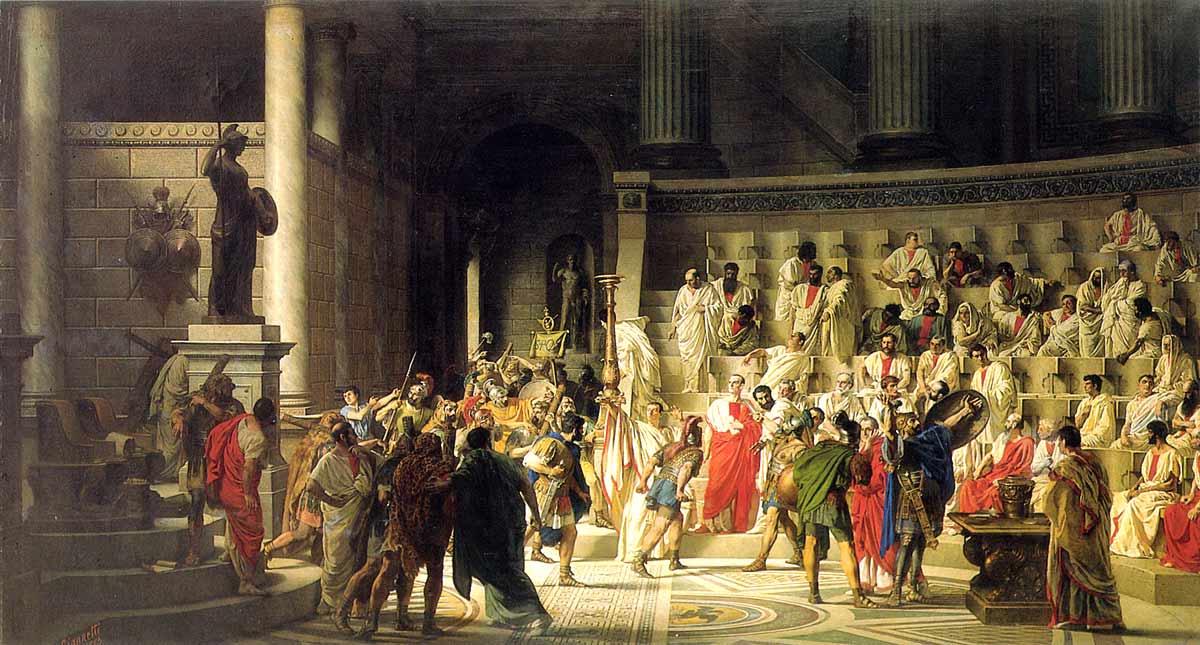
Tribunes played an important role in the dying days of the Roman Republic. For example, when Gaius Marius coveted Sulla’s leadership of the campaign against Mithridates in 88 BC, he used a friendly Tribune of the Plebs to strip Sulla of the command and have it reassigned to himself. When Sulla eventually won the political conflict and was made dictator of Rome in 81 BC, he limited the power of the tribune. He also passed a law stating that anyone who held the tribunate could not stand for further office. This made it a dead end for ambitious politicians.
The full power of the tribunes was restored in 70 BC, renewing its political potency. In an unusual move, a patrician named Publius Clodius Pulcher had himself adopted by a plebeian youth so that he could run for tribune, winning the office in 58 BC. He orchestrated Cicero’s exile from Rome. He also gained popular support by renewing collegiate organizations that had been banned in 64 BC and expanding the grain dole.
Gaius Scribonius Curio served as Tribune of the Plebs in 50 BC. While he was known to oppose the First Triumvirate, in an unexpected turn, he blocked proposed legislation to strip Caesar of his Gallic command before he returned to Rome, meaning that he would not be able to celebrate a triumph and could face treason trials. This eventually failed when the Senate declared Caesar an enemy of Rome, and the tribune joined Caesar’s army.
Augustus and the Powers of the Tribune
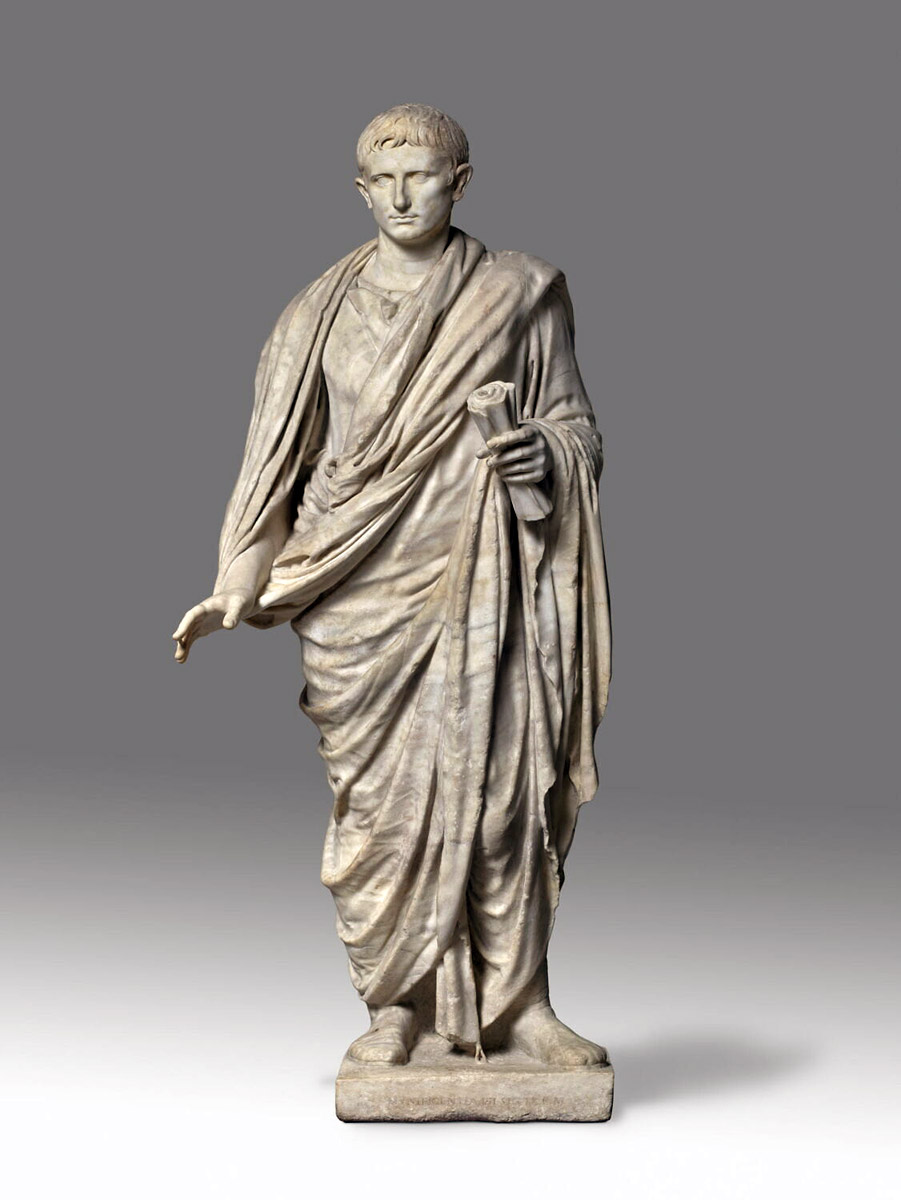
When the Republic fell and was replaced by Augustus as sole ruler, tribunician powers were part of the tapestry of Republican powers he used to formulate his unprecedented position. Initially, he used tribunician powers during the years of the Second Triumvirate, providing him with an air of popular legitimacy.
In the year 23 BC, almost a decade after the civil war against Mark Antony and Cleopatra, Augustus declined to hold the yearly office of consul, being granted maius imperium over Rome’s armies in its place. He was also granted tribunician powers for life without needing to hold the office. Through the tribune’s power of intercessio, he was able to intervene in and block state measures, plus propose laws. This, combined with other honors granted by the Senate, gave Augustus the first and last say on all matters of state.
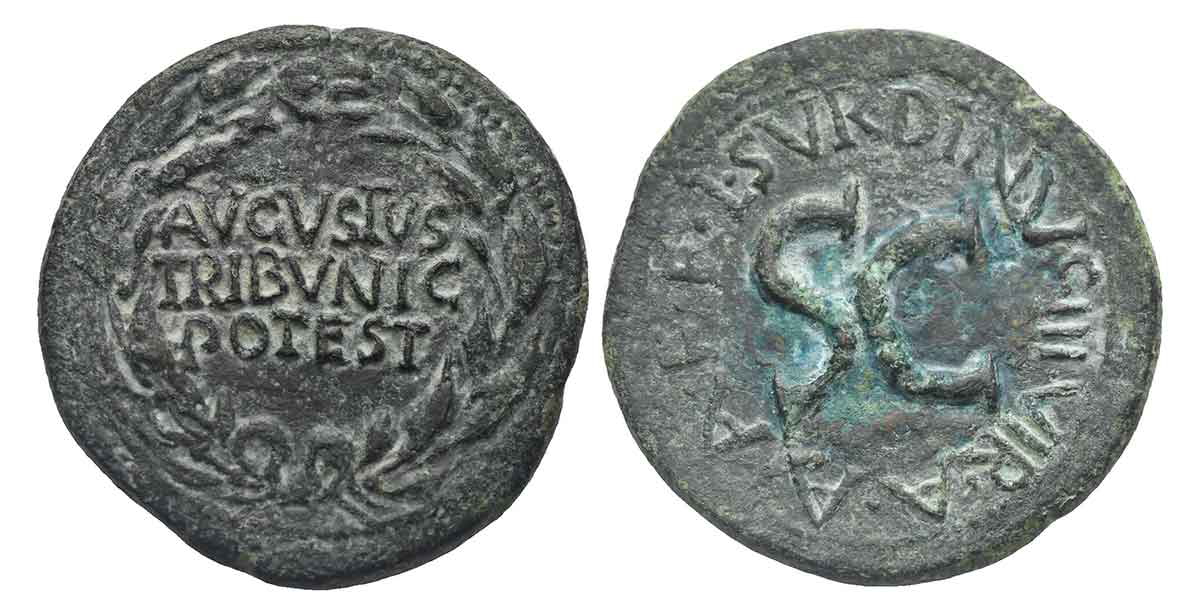
Beginning as a shield against the abuse and coercion by the patrician class, the Tribune of the Plebs was imbued with extraordinary powers unlike any other Roman magistrate. Their sacrosanctity was the pillar of their political power, allowing them to defend the people and veto actions not in their interest. The Gracchi brothers used this power proactively, forcing legislative reforms through persuasion of the populace and obstruction of other magistracies. Augustus was eventually awarded tribunician powers, including sacrosanctity, giving him an air of popular support, plus religious and civil authority that allowed him to secure his position as Rome’s first emperor, setting a precedent for centuries to come.