
The great Northern Renaissance painter Jan van Eyck had an extraordinary eye for detail. His portraits make a 15th-century sitter feel remarkably close, capturing everything from the texture of a garment to the subtle expression on a face. Look closely, and these paintings offer glimpses of a world nearly six centuries removed from our own.
On November 21, the National Gallery in London opens Van Eyck: The Portraits, bringing together all nine of the artist’s known painted portraits for the first time. The exhibition offers a once-in-a-lifetime opportunity to compare these works and consider how van Eyck approached the people he painted.
In this episode of TheCollector’s podcast, we sit down with Dr. Nicholas Flory, curator at the National Gallery, to explore how van Eyck used portraiture to push the boundaries of painting in ways that can still surprise us today.
Van Eyck is using portraiture as an opportunity to show the power of painting to create this sort of illusion of a real space, a real encounter.
Jan van Eyck and the Art of Portraiture
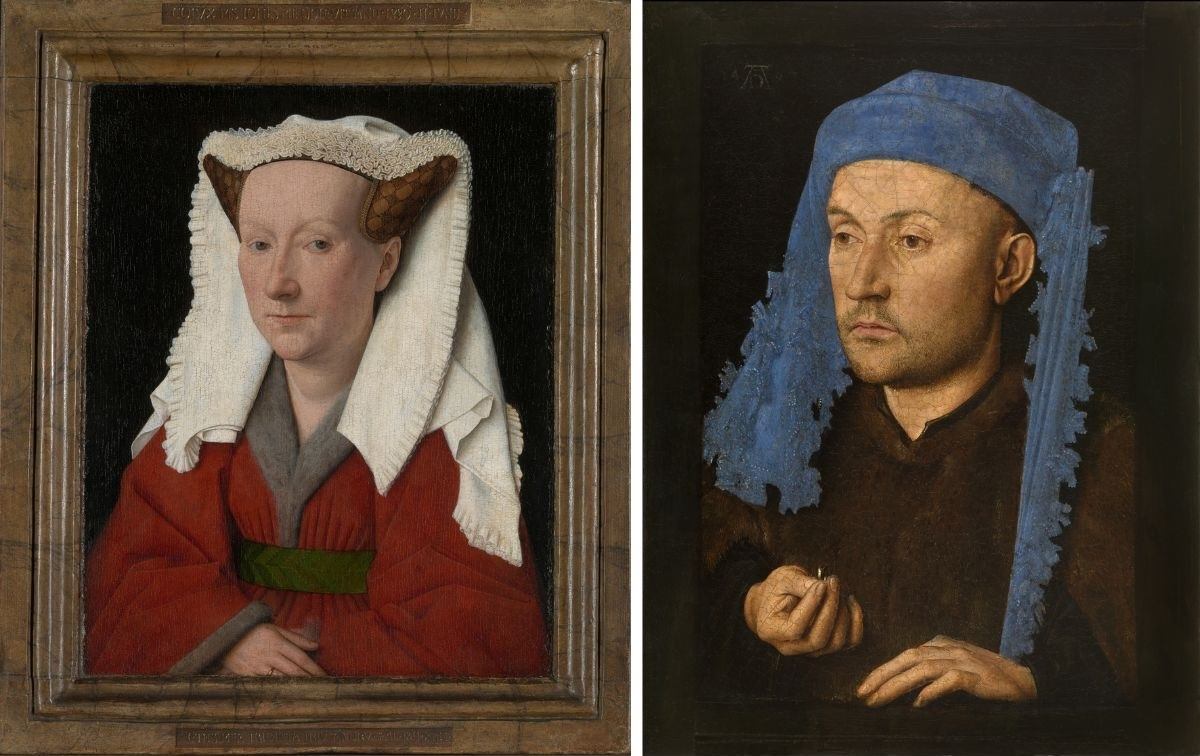
In the 15th century, Jan van Eyck broadened the possibilities of portraiture. His work moved beyond images of status to explore individual identity and the experience of encountering another person through paint. A leading figure of the Northern Renaissance, van Eyck mastered the medium of oil paint, allowing him to capture subtle effects of light and texture, from the sheen of fabric to reflections on polished surfaces. Through pose, expression, and composition, he went beyond recording appearances to create the illusion of real people occupying a real space.
Van Eyck: The Portraits at London’s National Gallery
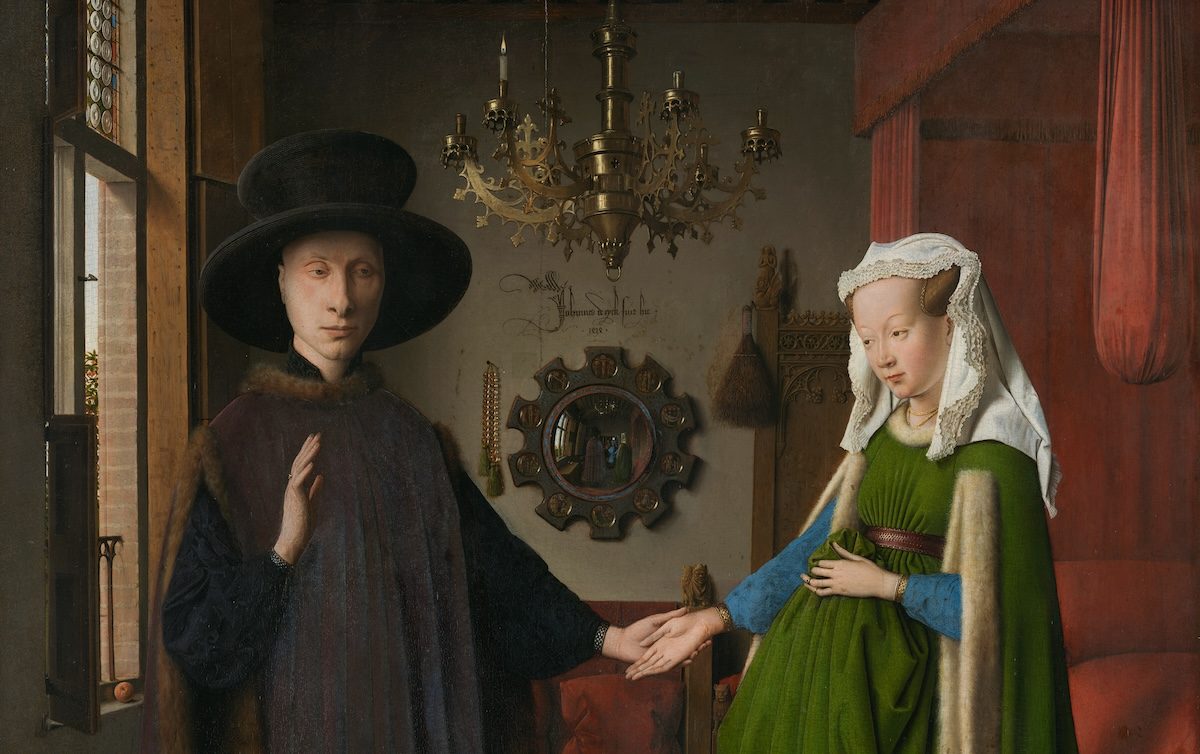
For the first time, the National Gallery in London brings together all nine surviving portraits painted by Jan van Eyck. Seen together, the paintings reveal the range of his approach to portraiture and offer new ways to consider the people he depicted and the world they inhabited—from the famously flummoxing Arnolfini Portrait to a one-of-a-kind preparatory sketch.
Van Eyck: The Portraits runs from November 21, 2026, through April 11, 2027.