
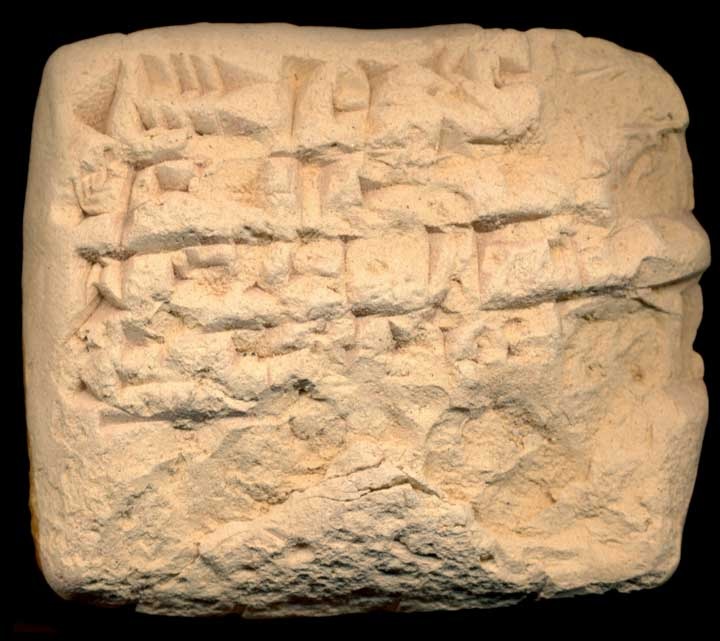
Nearly 4,000 years ago, people in Mesopotamia used clay tablets to write letters, make business agreements, discuss family matters, and record the details of daily life. Thousands of those tablets have survived, giving us an unusually detailed perspective on ordinary people who might otherwise have disappeared from history.
To learn about the stories these records preserve, we spoke with Dr. Amanda Podany, Professor Emeritus of History at California State Polytechnic University and a leading historian of the ancient Near East. Our conversation considers what these surviving documents reveal about life in the Old Babylonian period—including the many different women whose voices emerge from the archives.
We have this wonderful advantage in Mesopotamian history because they wrote on clay tablets, which are pretty indestructible. And it’s not just the things people intended to keep, like royal inscriptions or literary works. It’s the things they wrote and threw away—those are there, too.
Everyday Life in the Old Babylonian Period
The Old Babylonian period, which lasted from about 1894 to 1595 BC, unfolded in Mesopotamia, the region between the Tigris and Euphrates rivers in what is now Iraq and parts of neighboring Syria and Turkey. It was a world of independent cities and kingdoms, including Babylon, which rose to prominence under King Hammurabi in the 18th century BC.
While history tends to favor kings and other powerful men, thousands of ancient clay tablets preserve the correspondence and concerns of ordinary Babylonians. Letters, contracts, and other records offer glimpses of people managing money, maintaining family relationships, arranging marriages, traveling for work, and solving the practical problems of daily life. Because so many of these documents were never intended as historical records, they can offer an unusually intimate view of ancient Mesopotamian society.
What Ancient Tablets Reveal About Women’s Voices
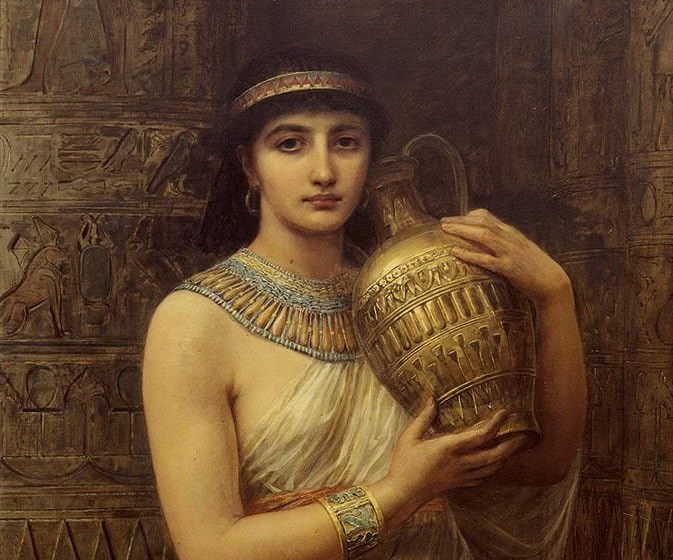
Women are an especially important part of this record. While Old Babylonian society was patriarchal and most scribes were men, surviving documents show Mesopotamian women participating in economic life, managing property, maintaining family relationships, and, in some cases, writing or commissioning their own correspondence.
There’s no way to write the ancient Near Eastern history without women. They are central all the way through.
Dr. Podany’s 2022 book, Weavers, Scribes, and Kings: A New History of the Ancient Near East, brings together some of these individual stories. She asks what happens when we look beyond the rulers and major events of Mesopotamian history and instead focus on the people who left behind a letter, a business document, or a record of an ordinary concern. What emerges is not simply a picture of the ancient past, but a more personal sense of the people who lived in it.