
From Sumer to Akkad and from Babylon to Assyria, the empires and cultures of ancient Mesopotamia spanned more than three millennia. While famous empires and the political movements that went with them were generally formed and led by men, women in ancient Mesopotamia played a crucial role.
From around the 4th millennium BC to 539 BC, the lives of women helped shape the region. They lived under legal structures that constrained them, but the roles they played provided a foundation for the societies in which they existed.
Women, Law, and Power in Ancient Mesopotamia
Throughout the timespan of ancient Mesopotamia, the cultures that existed in the region exhibited a patriarchal structure. From the Uruk Period to the Early Dynastic Period of Sumer, to the Akkadians, Babylonians, and Assyrians that followed, women’s rights and choices were controlled to a significant degree. However, it was not uncommon for women to have autonomy and authority in many circumstances.
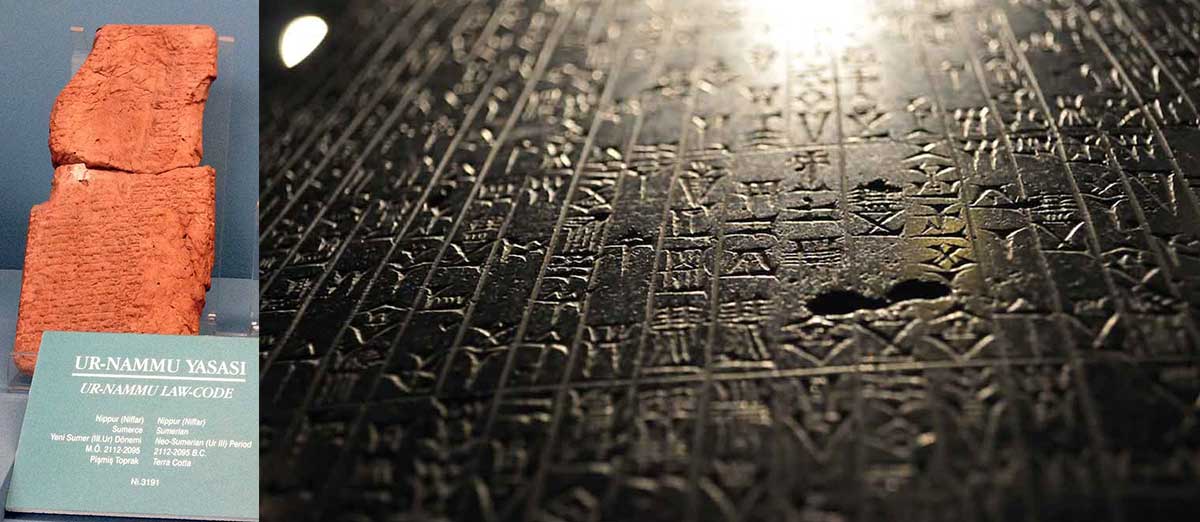
These realities were bound by legal codes, the oldest of which was the Code of Ur-Nammu, dating back to around 2100 BC. The code established punishments and compensation for crimes, while women’s rights (and the lack thereof) were represented in contrast to men, highlighting a distinct difference in the legal standing of men and women. Nevertheless, women did have certain rights that were uncommonly progressive considering the nature of patriarchal societies of the ancient era.
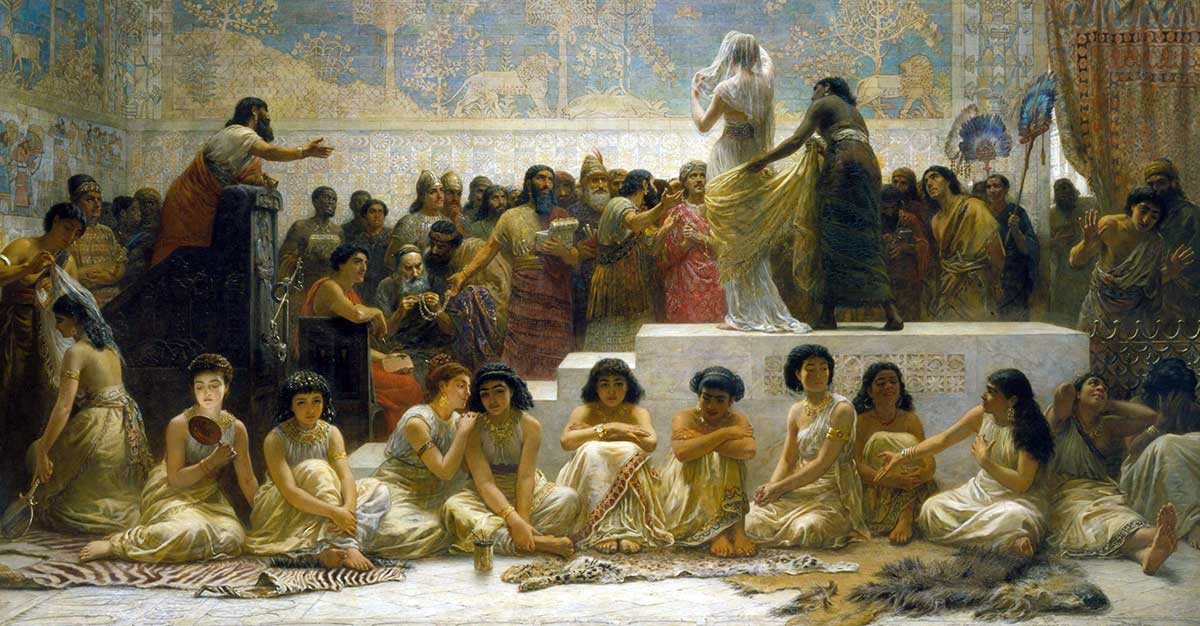
In the early Uruk Period of Sumer, women had the most freedom, although there was erosion of women’s autonomy over the millennia that followed until the end of the Sassanian Empire in the 7th century AD. By the Assyrian Period, for example, married women and daughters were required to wear a veil in public as a sign of respectability. Thus, slave women and prostitutes were forbidden from veiling. Slaves and prostitutes who broke this law were subject to their clothes being seized, being severely beaten, and having bitumen poured on their heads.
It is salient to note that, like men, not all women had the same rights, and privileges were heavily dependent on social status, from nobles to commoners and slaves.
From early on, women could own and manage property, including slaves, and could serve as witnesses in courts. Some women were educated and were taught to read and write, although education remained primarily a male-dominated feature of ancient Mesopotamian life. Women were also allowed to own businesses, thus providing a vector for a self-sustaining and autonomous life.
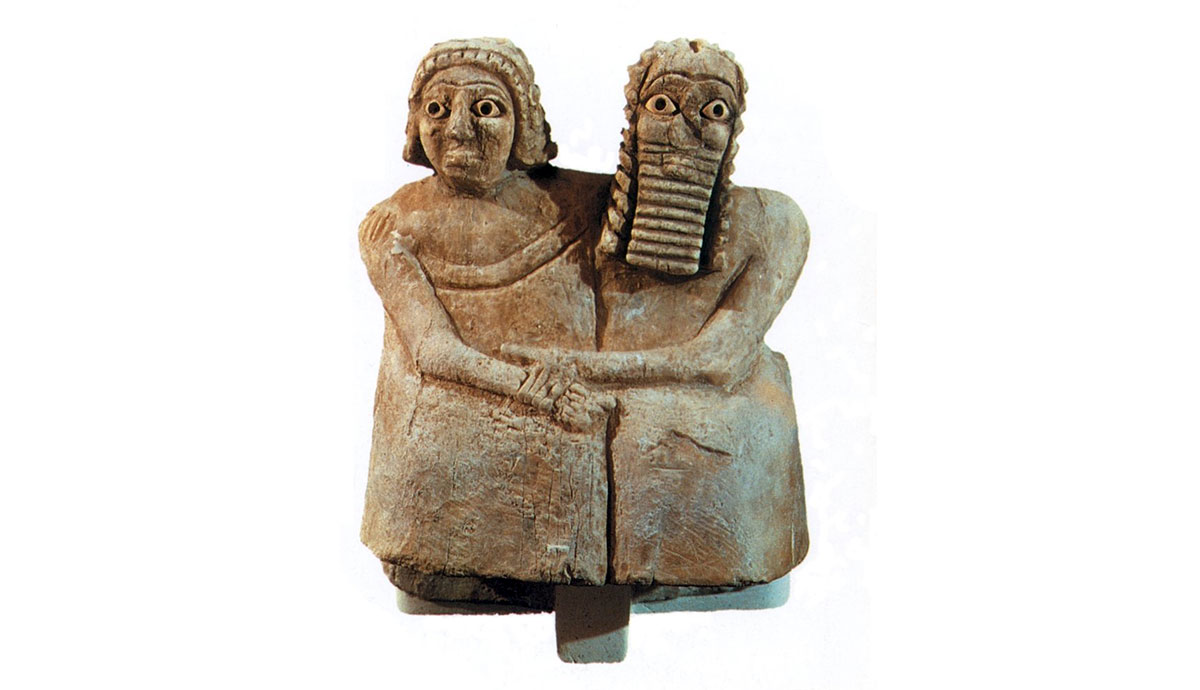
In the Code of Ur-Nammu, a woman was also entitled to compensation if her husband sought divorce. If a woman, however, was found guilty of adultery, she would be sentenced to death while her male lover would be set free. This exemplifies the gender inequality and the rigid roles that were expected in ancient Mesopotamian culture. In the later Code of Hammurabi, both offenders could be sentenced to drowning.
The code also offered protection for women in certain circumstances. Rapists faced capital punishment, but this was dependent on the status of the woman. If the woman were a virgin woman of free standing, then the rapist would be put to death. However, if the woman was a virgin slave betrothed to a man, the rapist had to pay five shekels of silver as a fine.
Written a few centuries after the Code of Ur-Nammu, the Code of Hammurabi further solidified the legal position of women, but like the code that came before, the dynamic was based strictly on social class. It could be argued that one’s rank in society played a far greater role than gender.
Marriage, Motherhood, and Life at Home
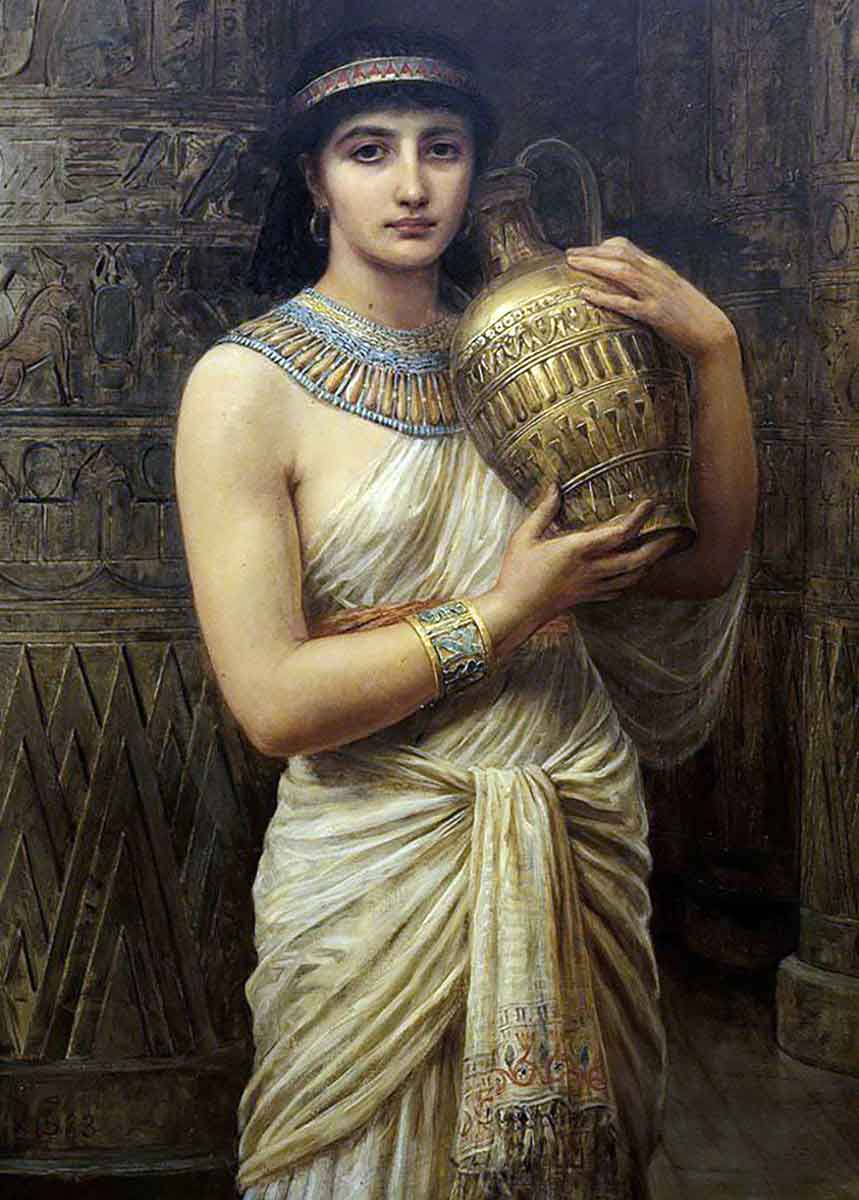
Like women in many societies around the world, women in ancient Mesopotamia were expected to manage the domestic sphere, looking after the house and home. The primary focus for women was to fulfill the expected functions of wifehood. This included the extremely important duty of producing male heirs.
Securing the male line was seen as vital. In the Old Assyrian Period (20th–18th centuries BC), if the wife could not bear children, the husband was allowed to take a slave woman, but this woman remained a slave and was never to be elevated to “second wife” status. It is reasonable to assume this dynamic or something similar existed in pre-Assyrian times, going right back to the Sumerian civilization, and was a common practice shared in neighboring cultures such as the Hurrians of the Mitanni Kingdom.
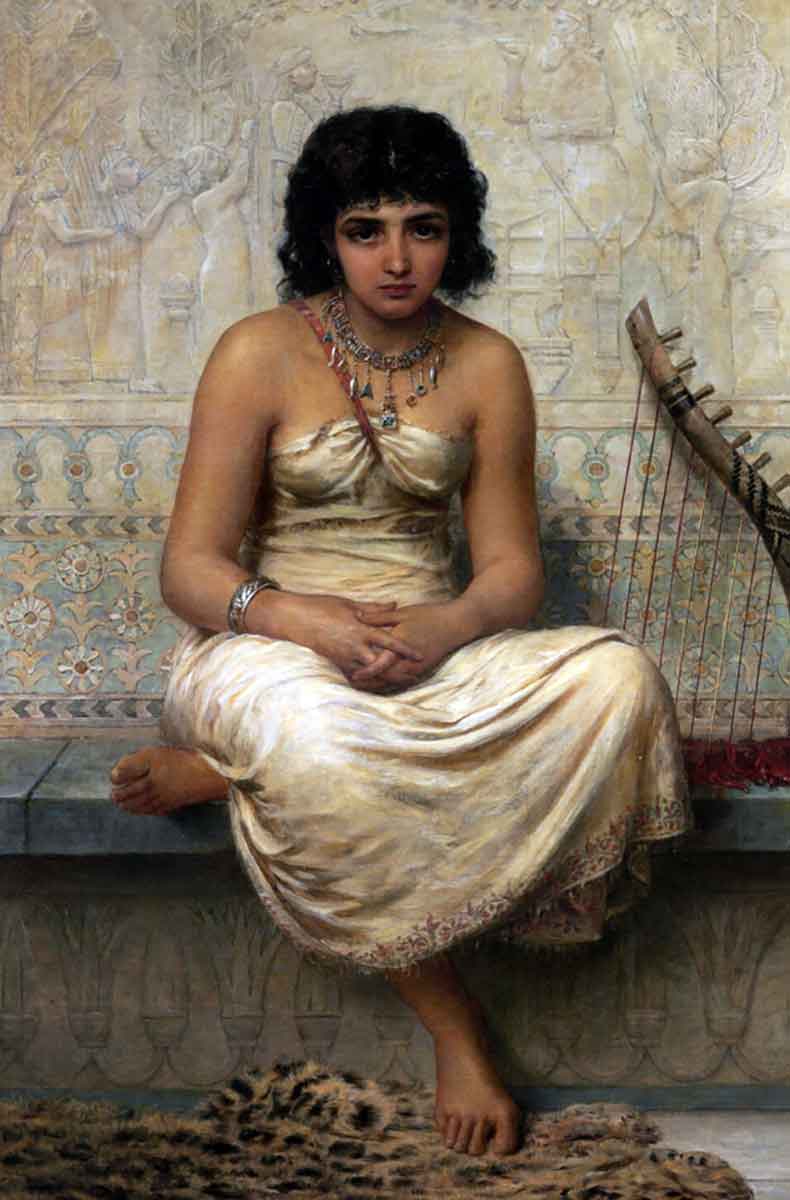
Domestic duties were complex and required management skills, as wealthy households included family members as well as servants and slaves. Stores and supplies also needed to be maintained and managed, especially when the husband was away on business. Slaves could be found in temples, wealthy households, and palaces, and slave women had different responsibilities regarding their individual station.
Women could be sold into slavery by their families or serve as surety against a loan. If the party defaulted, the women could become the loan provider’s property. Women could also be born into slavery as it was a hereditary trait, or become slaves as captives in war.
How Women Worked and Made a Living
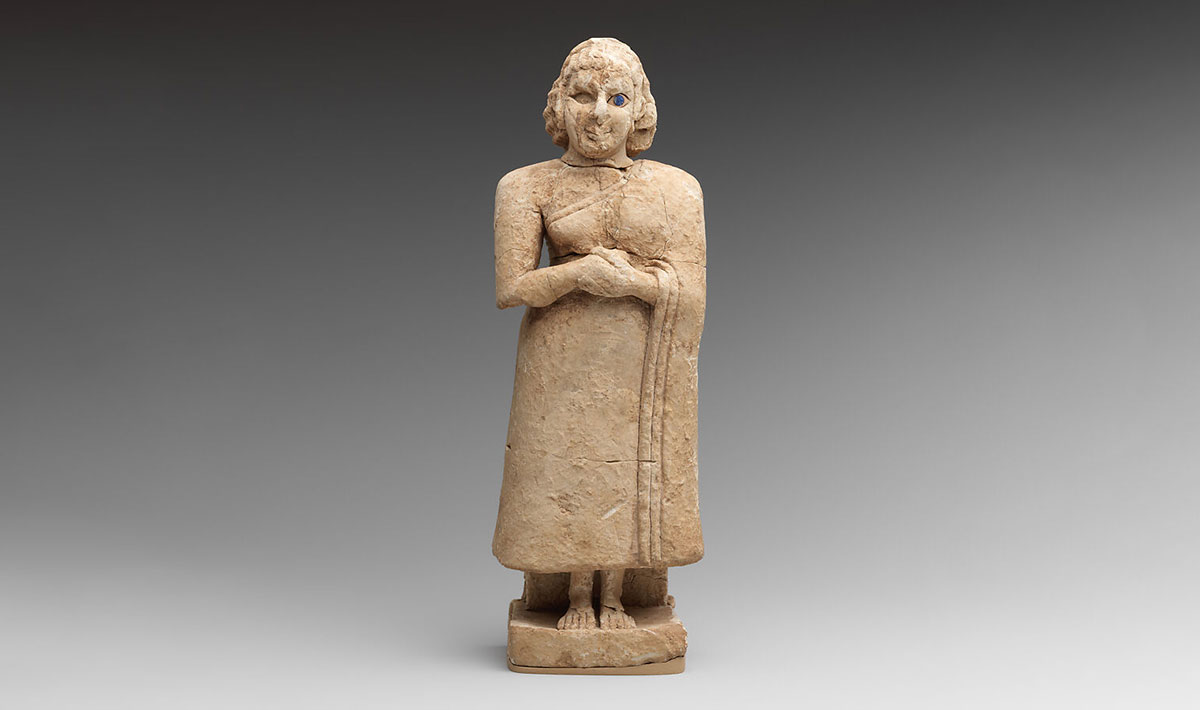
Like in the rest of ancient Mesopotamian society, women had roles within the workforce. Certain jobs were associated with men and others with women. One such example was the fact that women overwhelmingly provided the labor for the textile industry. Along with agriculture, textile production was a state institution at the core of ancient Mesopotamian trade. Large-scale production took place in palaces and temples, which also served as factories and commercial hubs for the state.
Beer was a staple in ancient Mesopotamia, and it was brewed and consumed in considerable quantities. Women played a central role in this industry. According to legend, around 5300 BC, the Sumerian woman Ninkasi discovered the malting process when she stored grain in jars and left them in the rain. Afterward, wind-borne yeast found its way into the jars, and beer was discovered. Ninkasi was worshiped as part of the Sumerian pantheon of deities.
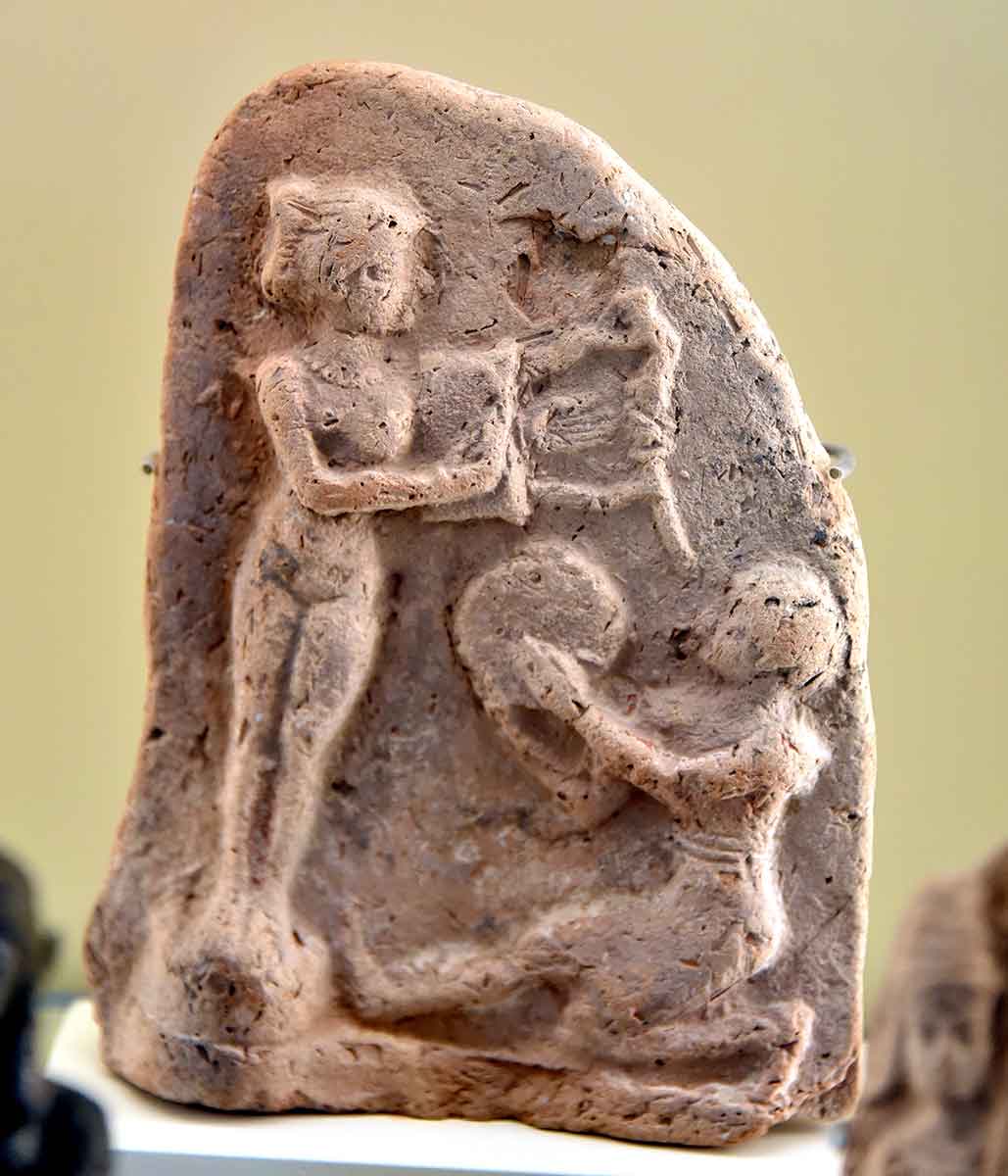
In ancient Mesopotamian culture, beer was often brewed by women, who also served as tavern owners, playing a central role in the sale and distribution of the beverage. Other professions involving barley and other grains were also in the sphere of women’s labor, as they served as millers and bakers.
Women filled a number of other occupations, and worked as weavers, artisans, jewelers, doctors, priestesses, merchants, musicians, goldsmiths, farmers, potters, and prostitutes.
Of note is the famed Queen Kubaba, who was Sumer’s only female monarch to rule in her own right. It is said she was a tavern owner before she became queen. She was the first recorded female monarch in history, ruling over the Sumerian city of Kish around 2400 BC.
Priestesses, Goddesses, and Women of Influence
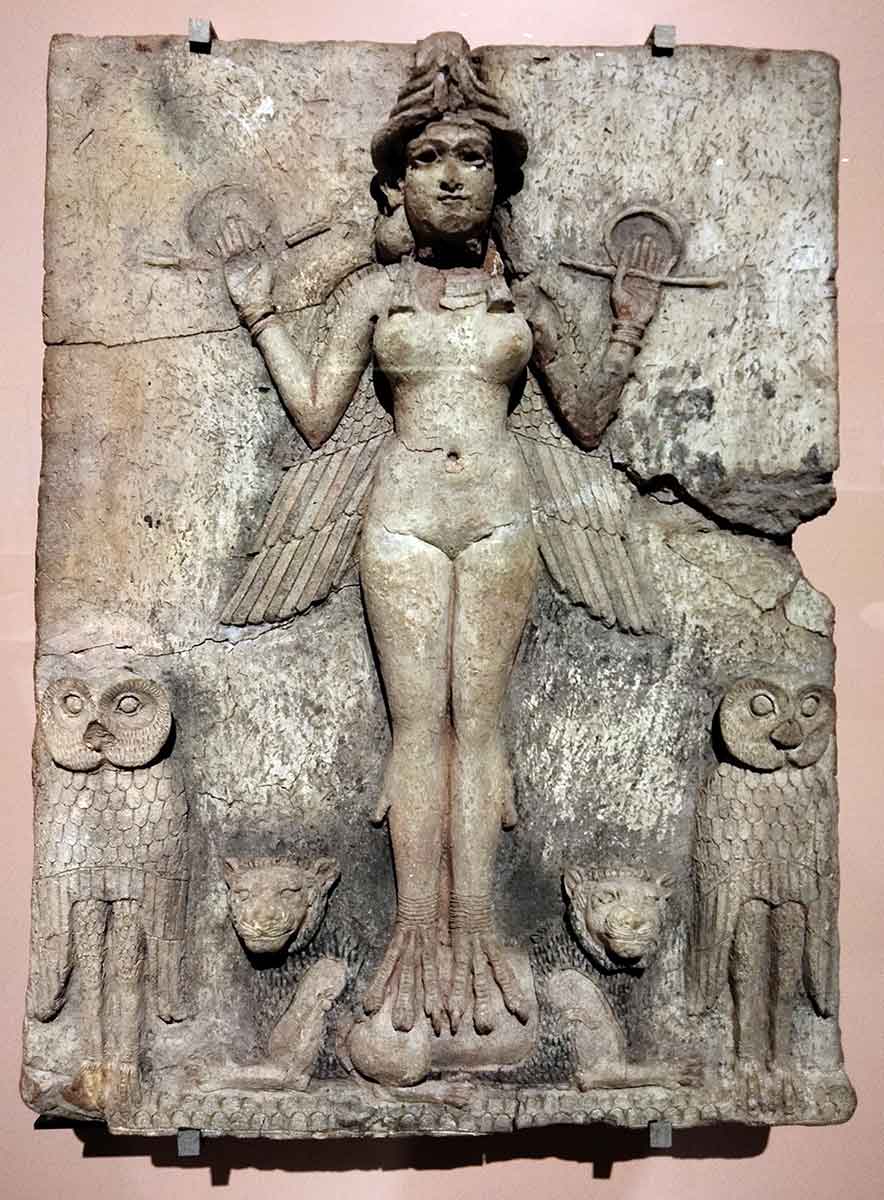
In the realm of religion in ancient Mesopotamia, women were well represented, from priestesses to deities. Of major importance was Inanna (or Ishtar as she was known by the Akkadians, Babylonians, and Assyrians), the goddess of war, love, and fertility. She had the primary title of “the Queen of Heaven,” and was the primary patron deity of Uruk. In the depths below the Queen of Heaven was Ereshkigal, the queen of Kur, the underworld. She was also referred to as Ninikigal (Lady of the Great Earth).
Ninhursag, known as the “Mistress of the mountain ranges,” was associated with mountains and creation and was known as a “mother” goddess. However, this title wasn’t necessarily about the physical and emotional trapping of motherhood, but a reflection of esteem and authority. There were also several healing goddesses, such as Nintinugga, Ninisina, Ninkarrak, and Gula, often syncretized and with names being used interchangeably.
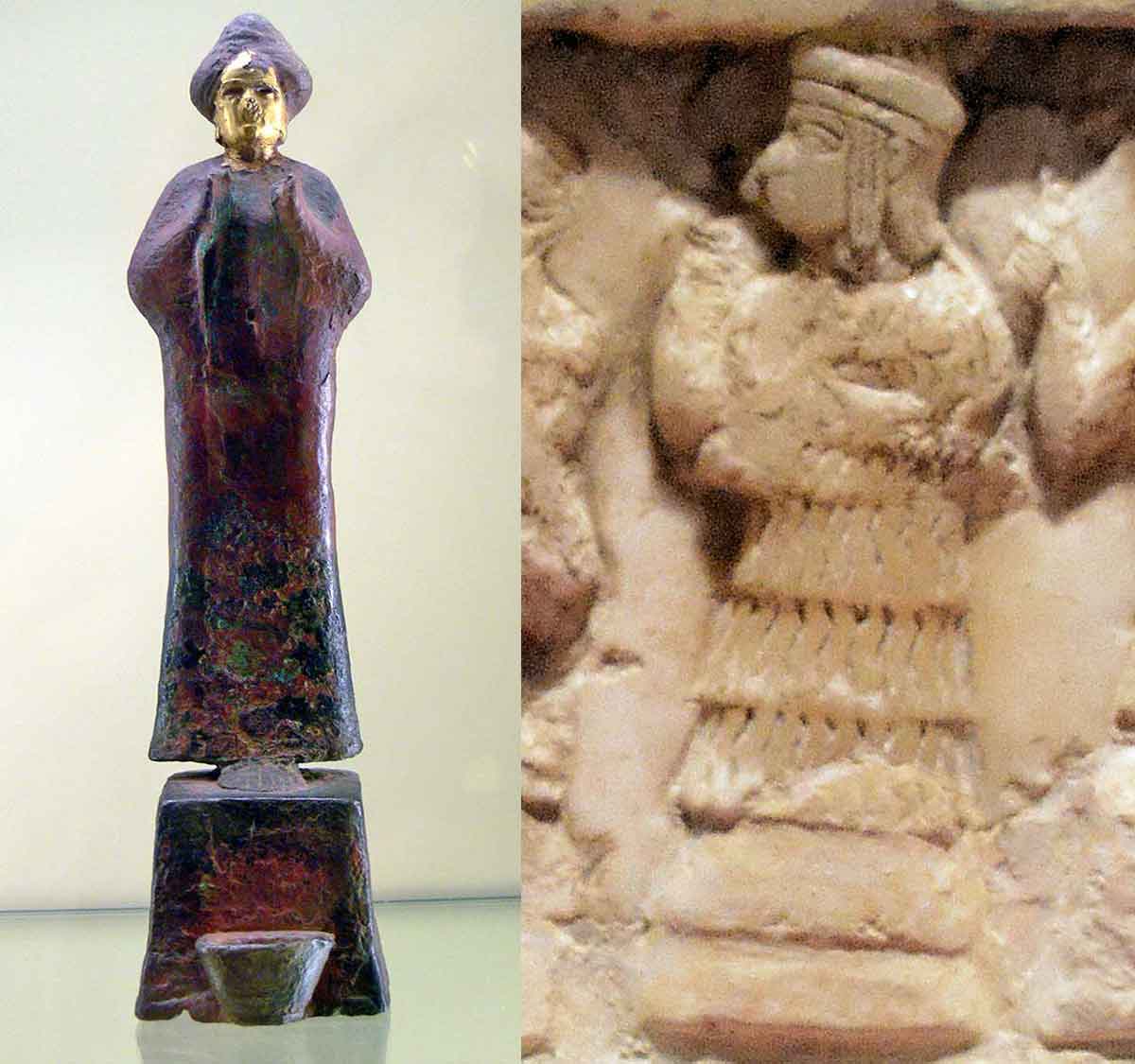
Religious roles in the mortal world were often associated with women, and priestesses were a common sight in temples and places of worship. The high priestess (ēntum in Akkadian or nin-dingir in Sumerian), appointed by the king, held immense power and influence, and represented both male and female deities. Perhaps the most famous example is that of Enheduanna, the daughter of Sargon of Akkad, who moved to Ur and was the chief priestess of the moon god Nanna (or possibly of the sky god An — a disputed translation). Apart from her significant power, she is remembered as being the first named author in recorded history, and famously wrote several hymns to the goddess Inanna.
Unsurprisingly, there were many different ranks of priestesses, which evolved throughout the millennia. The naditum (“left fallow”) were forbidden from bearing children, and many came from high-ranking noble families. Their activities were heavily dependent on which god they served. In the first age of Babylon, naditum dedicated to the god Shamash would start their training to become priestesses at a young age and would never marry. Nevertheless, these naditum had much autonomy and financial power, being able to leave the cloister to manage business transactions. They could also adopt children, unlike the naditum of the god Marduk, who were forbidden from having children, but could marry. Naditum of Marduk could, however, provide a temple slave woman, called a sugitum, to bear children for their husbands.
Of course, there were many other ranks, such as the low-ranking temple servants known as kulmashitum and qadishtum, who, unlike the naditum, engaged in ritual sexuality in the service of Ishtar, earning them the problematic moniker of “sacred prostitutes” by later historians.
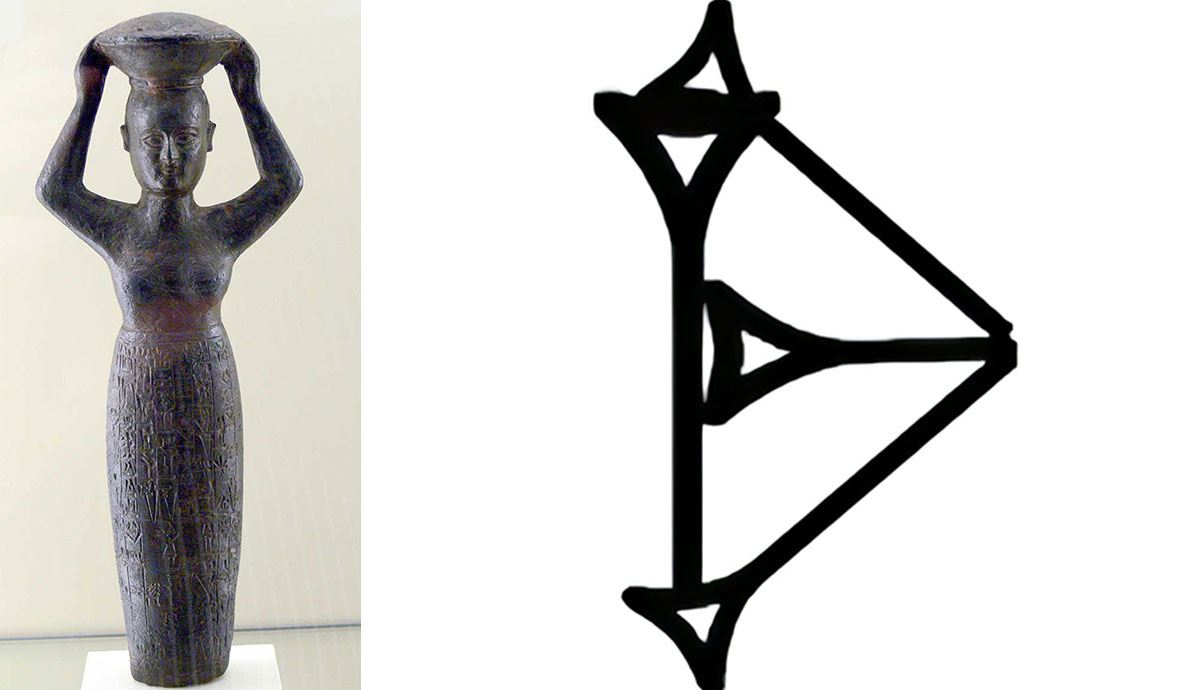
In ancient Mesopotamia, as in other patriarchal societies around the world, women exerted power from behind the scenes, as wives of kings, nobles, and other powerful men. And a few women, like high priestesses, were able to exert power without being connected to men.
Most women, however, were subject to class divisions, and the vast majority lived as commoners, their lives characterized by hard work and labor in one of the many agricultural, commercial, or industrial enterprises that came with the growth and maintenance of the world’s first civilizations.