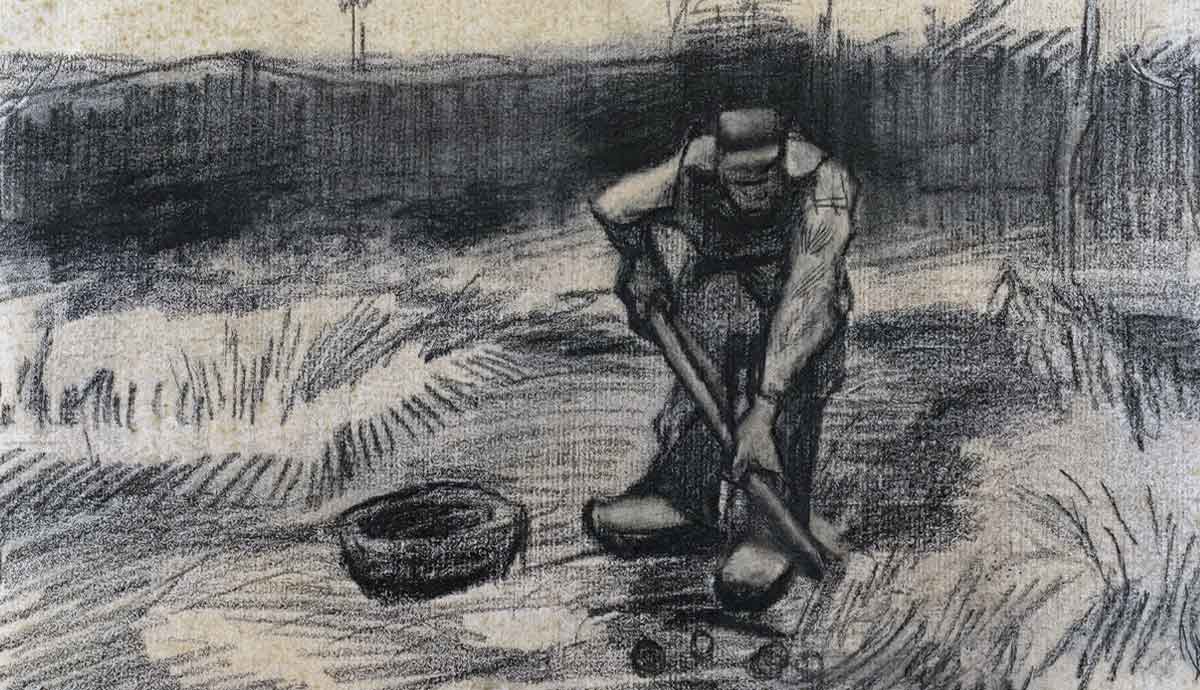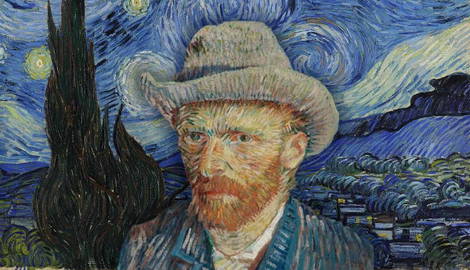
Vincent van Gogh is a world-renowned artist known for works such as Starry Night and The Sunflowers, as well as the infamous incident of him cutting off his ear during a psychotic episode. But there is more to him—Van Gogh had a very interesting and eventful life. He dealt with many hardships and had complex relationships with his family and peers. His personal life had a profound impact on his art, making it all the more important to fully understand and experience what he created.
1. Vincent Van Gogh’s Father Was a Minister
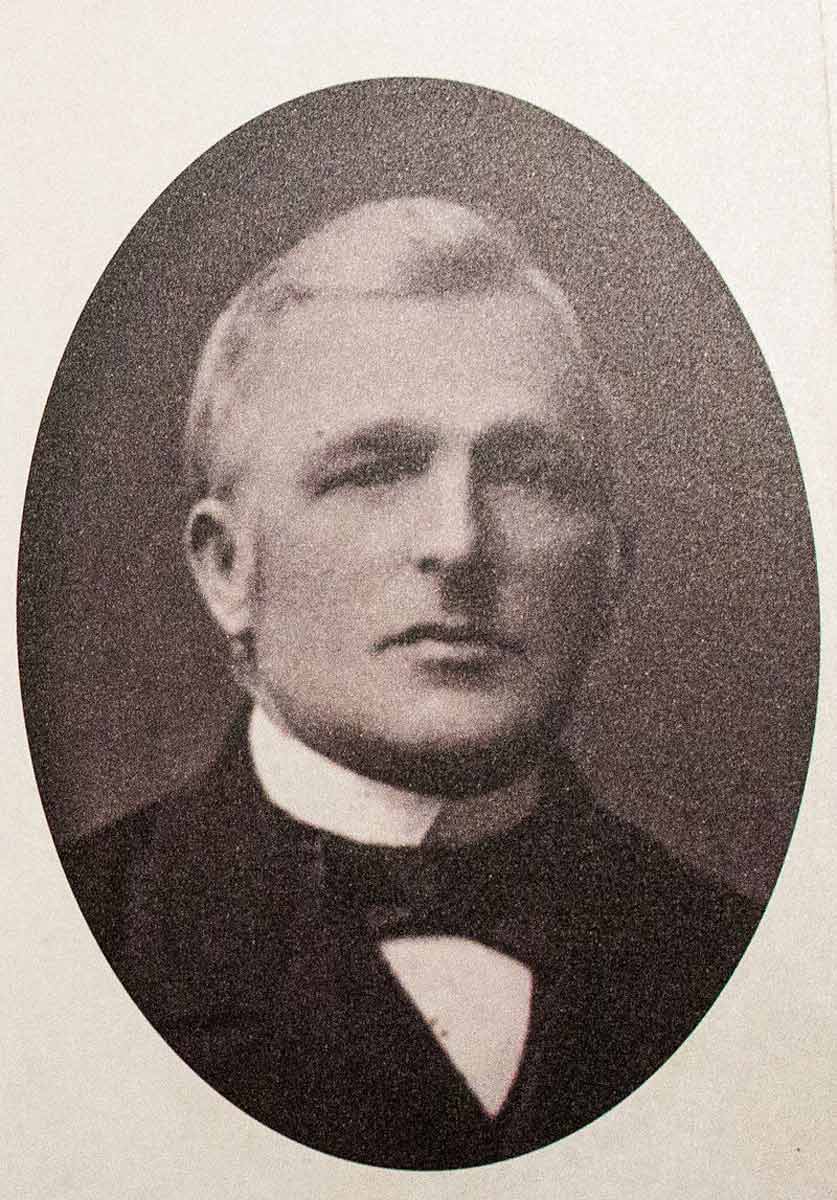
Van Gogh’s father, Theodorus van Gogh, was a Protestant minister in the Netherlands. Theodorus’ father, Van Gogh’s grandfather, was also a pastor who confirmed Theodorus. For most of Van Gogh’s life, his father remained a preacher in the province of North-Brabant in the Netherlands, primarily in Zundert, Etten-Leur, and Nuenen. Vincent had a strained relationship with his father. He was unable to hold a job, earn a living, and even gave up his training to become a pastor to become an artist instead. He did not succeed as an artist during his lifetime, which added to the tension.
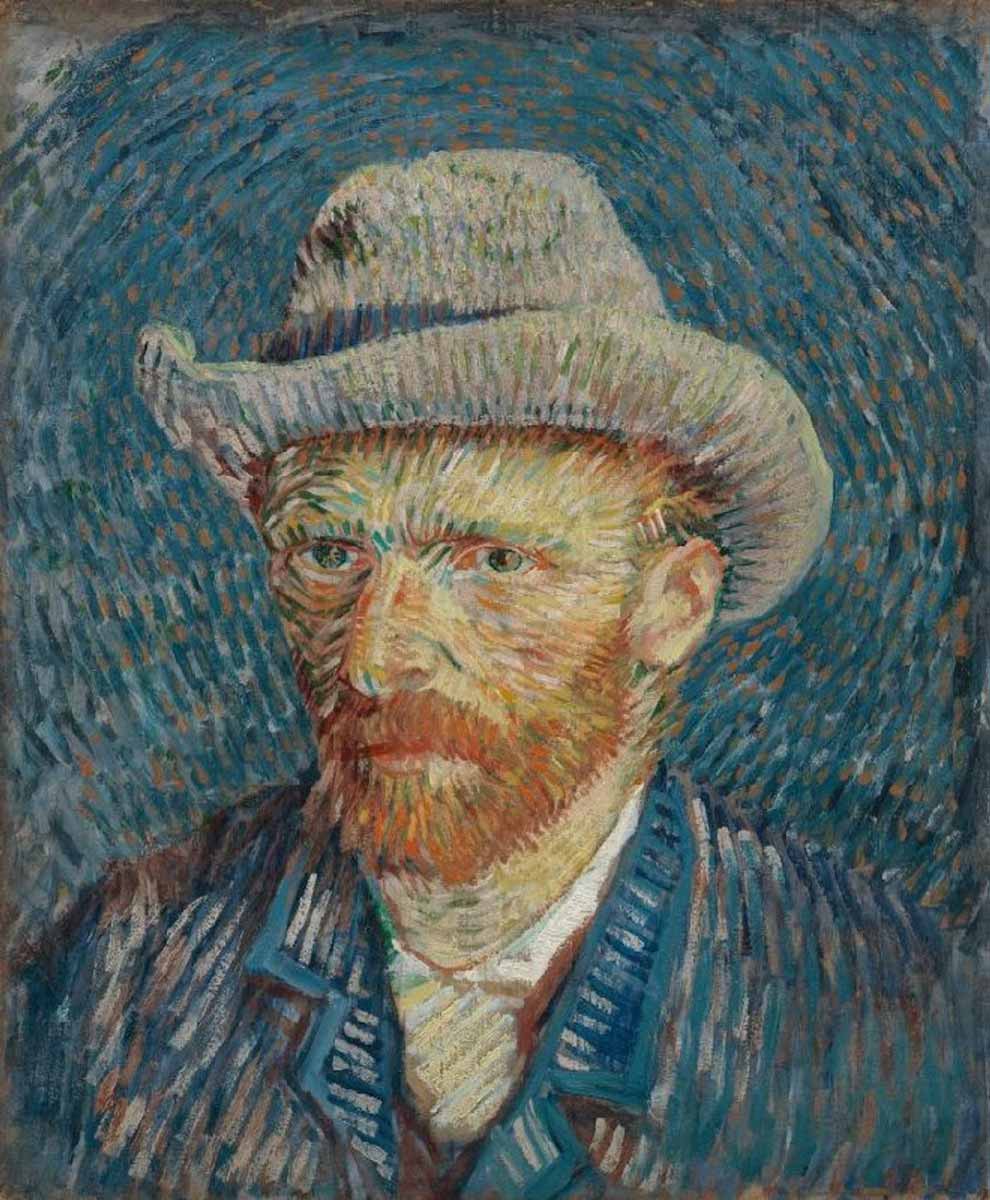
To add to that, Vincent fell in love with his cousin Kee Vos-Stricker when he was 28 years old, which was disapproved of by his parents. Most of Vincent’s adult life was spent with a rift between him and his father, as the former felt misunderstood while the latter wanted his son to follow a conventional path. Theodorus van Gogh passed away in 1885 due to a stroke, long before Vincent’s success.
2. He Had an Older Brother Who Died at Birth
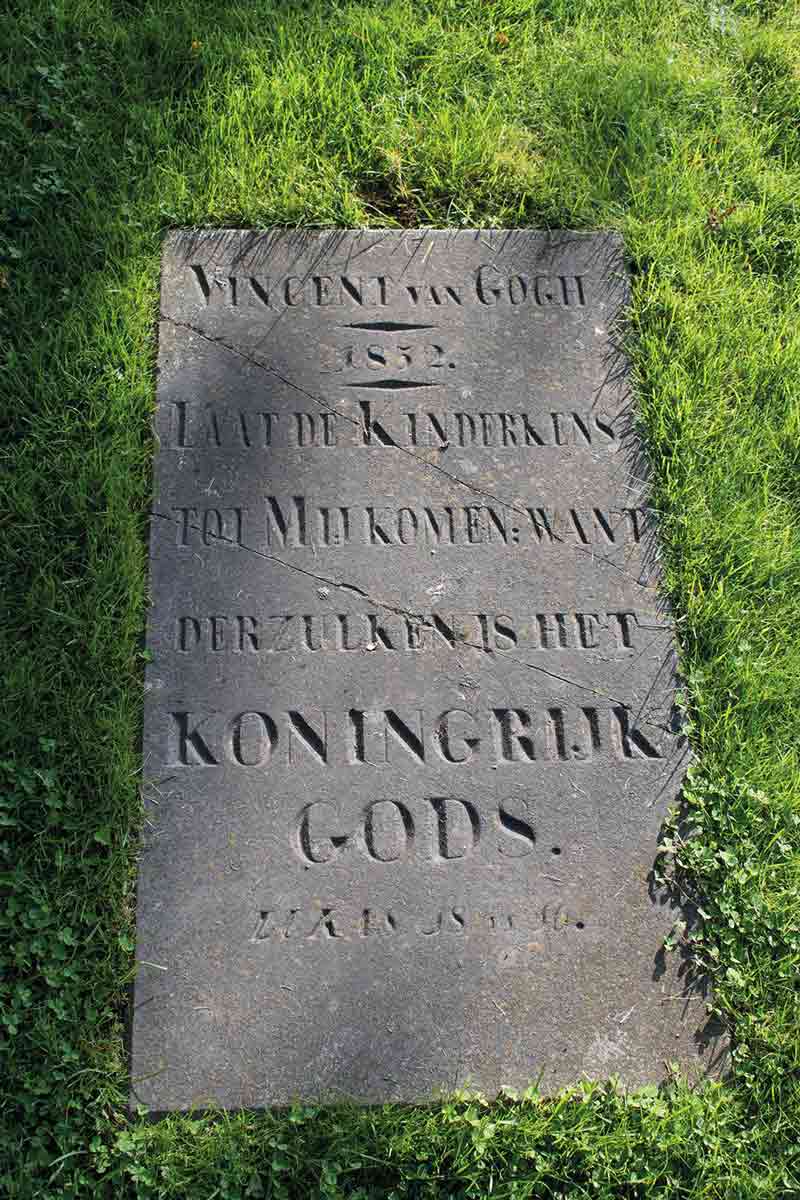
While Van Gogh was the oldest of six children, he was not the first child of his parents. In 1852, one year before Van Gogh was born, his parents had a baby who unfortunately did not survive. The baby was also named Vincent Willem van Gogh, and the family decided to bury him in their hometown of Zundert, North-Brabant, in the cemetery of the church where Theodorus was the minister. Vincent van Gogh, the artist, was born exactly one year later, on March 30, 1853, and was named after his stillborn brother. Several researchers have even speculated that the psychological problems that Van Gogh suffered from were linked to his stillborn brother. The grave of his brother can still be visited today in Zundert, located next to the Vincent van GoghHuis museum, which preserves Van Gogh’s childhood home and legacy in Zundert.
3. He Was a Missionary Before Becoming an Artist
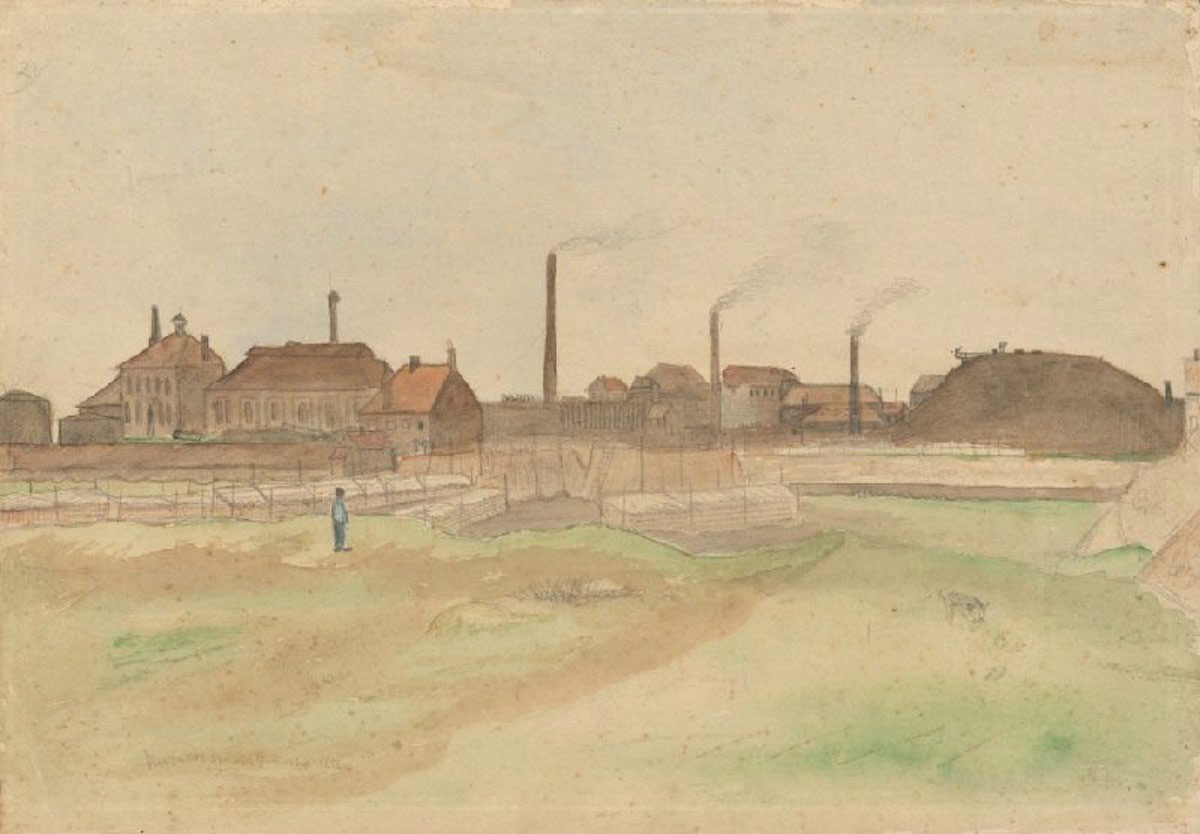
For the early part of his adult life, Van Gogh followed in his father’s footsteps to join the church. He was studying to become a minister in 1877 under the guidance of his uncle, but he wasn’t interested in studying for the theology entrance exam, which resulted in him taking up a lower position as a lay preacher in a Belgian mining village called the Borinage in 1879. He was eager to continue his passion to serve God and performed his duties as a preacher to the villagers.
Van Gogh was an empathetic man. He witnessed extreme poverty in the Borinage and recognized the hardships of the villagers, as many people died in the mines and families lived on scraps. Whatever Van Gogh could give away, he did. He shared his food and clothes and started living extremely frugally. This lifestyle was not acceptable to his superiors, who believed it portrayed a negative image for a preacher to be living like a man in poverty. Van Gogh was eventually removed from his position at the Borinage, but he still carried his religious teachings with him as an artist, as well as a desire to help others.
4. His Family Was Involved in Art
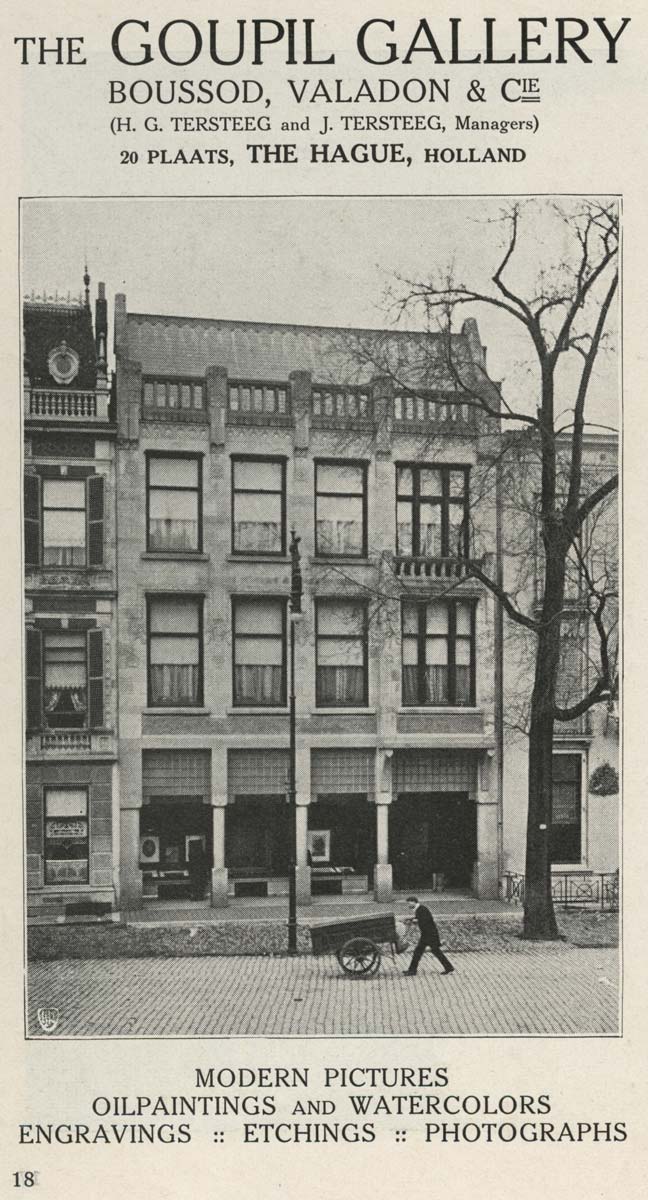
Vincent van Gogh had an uncle named Vincent Willem van Gogh (nicknamed ‘Uncle Cent’) who ran the branch of the art dealership Goupil & Cie in The Hague. The dealership had branches in London, Brussels, The Hague, and Paris. Van Gogh’s introduction to art started with his family’s involvement in the industry. As a sixteen-year-old boy, he started working as an art salesman in The Hague and familiarized himself with famous artists and the developments in the art world. His younger brother Theo also started to work in the Brussels branch of Goupil & Cie in 1873. Van Gogh was transferred to the London branch that year and to Paris in 1875.
Van Gogh’s opinions on art were strong and not always conventional, which is why it became difficult for him to connect with customers. Eventually, he was told to leave the dealership, while his younger brother Theo went on to become a successful art dealer in Paris. Theo’s connections in the art world encouraged Van Gogh to pursue a life as an artist—he sold his works to Theo, who in turn attempted to sell them in Paris, albeit with little success.
5. He Only Became an Artist at the Age of 27
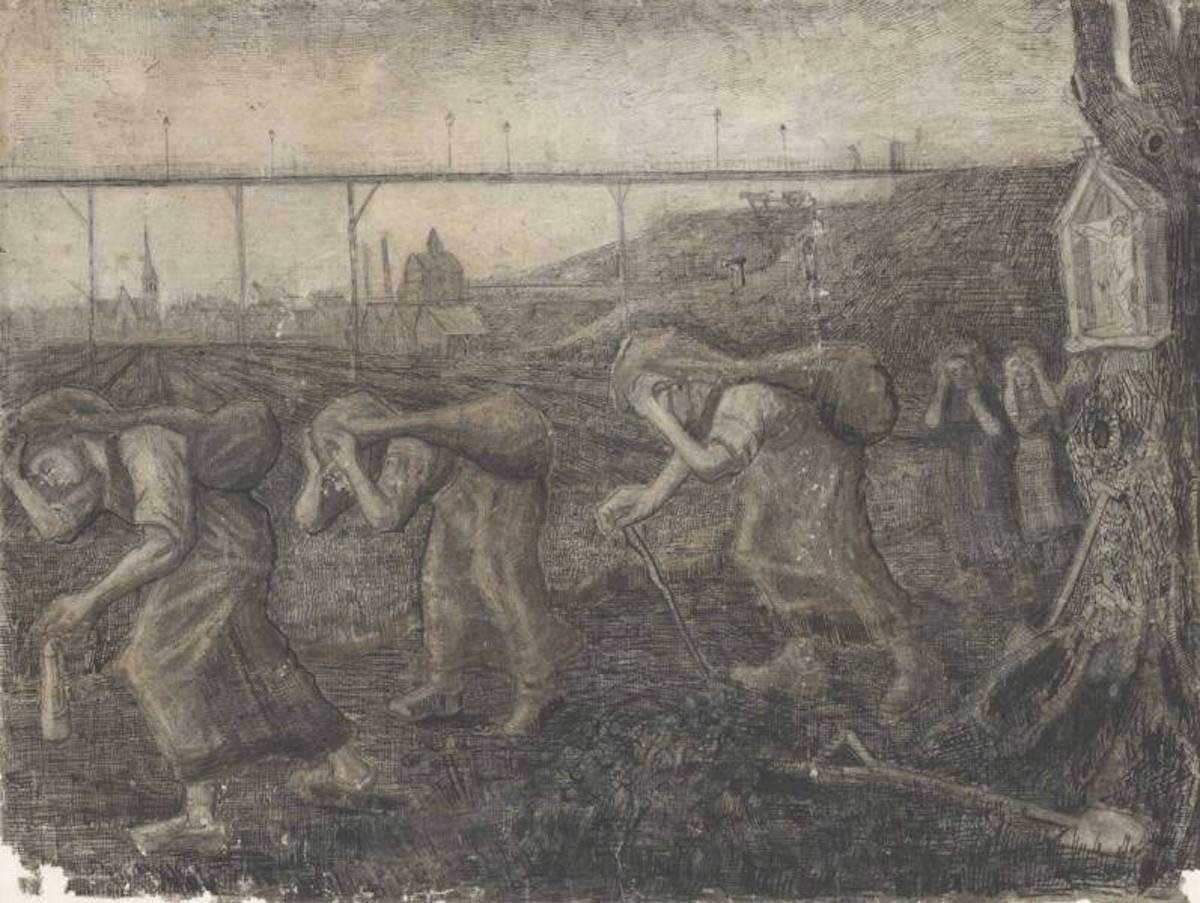
Van Gogh’s decision to become an artist was made quite unexpectedly. He tried several career directions, including teaching and religion, but eventually settled on art. By 1877, he was set to follow in his father’s footsteps and become a clergyman. He had become incredibly religious and wished to serve God by becoming a preacher. He was posted in the Belgian village of Borinage as a missionary, but halfway through his work, he decided to switch to art. The catalyst of this decision was his brother Theo’s advice—Vincent often included small sketches of the Borinage miners in the letters he sent to Theo.
Theo, seeing a real potential and passion in his brother’s work, advised him to continue with drawing and take it more seriously. In 1881, Van Gogh sought his cousin’s husband, the painter Anton Mauve, for training. Apart from this, Van Gogh did not receive any formal artistic training. He learned to work with oil paints and watercolors under Mauve’s tutelage, and the latter had a great impact on Van Gogh’s early practice.
6. He Created More Than 2,000 Artworks in His Lifetime
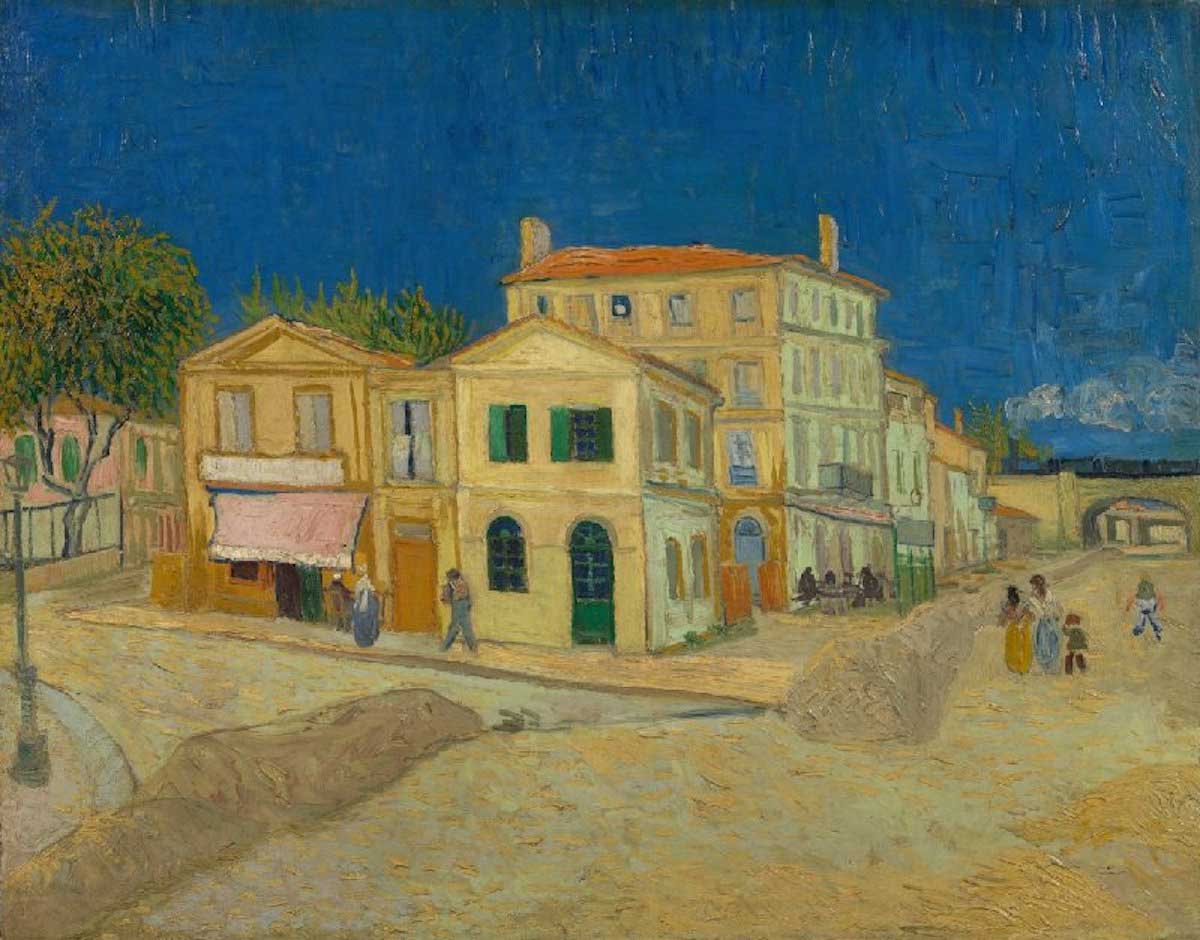
Despite being an artist for only the last 10 years of his life, Van Gogh managed to create over 2,000 artworks, including both drawings and oil paintings. This is an extraordinary number, as many artists spent weeks or months on a single painting. However, Van Gogh worked quickly and intuitively, which made it possible for him to produce such a large number of works. He wrote to Theo in September 1888 explaining how he was able to finish one painting a day by spending all day out in nature working at his easel—“Today I worked again from 7 o’clock in the morning until 6 o’clock in the evening without moving except to eat a bite a stone’s throw away. And that’s why the work’s going fast.”
His particularly productive period was the 15 months he spent in Arles, southern France, between 1888 and 1889. Here, Van Gogh produced around 200 paintings and 100 drawings. The decision to move to Arles was rooted in his longing for the peace of the countryside, having spent two years in Paris. The quietness and slow life of the country, as well as the bright, almost blinding sunlight in Arles, resulted in some of the best and most luminous works that Van Gogh painted throughout his entire career, such as the series of orchards in blossom, The Harvest (1888), and The Sunflowers (1888-89).
7. Van Gogh Also Painted From Memory
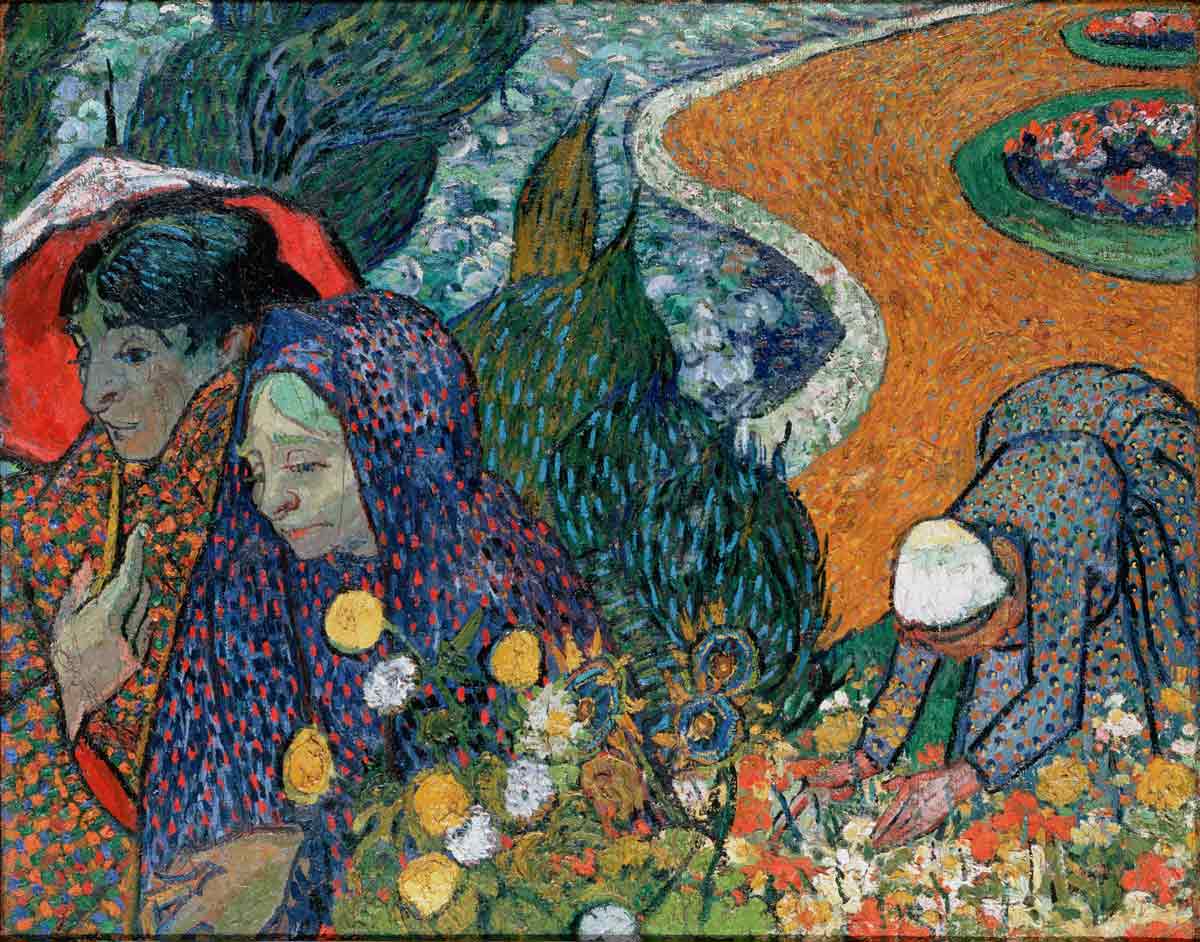
Van Gogh had a recurring argument with his artist friend Paul Gauguin about the correct manner to paint. Van Gogh took his inspiration from nature, while Gauguin insisted on painting from memory or the imagination. The latter followed a Symbolist manner of painting that was poetic and decorative. However, there are instances where Van Gogh also painted from memory. For example, the painting titled “Memory of the Garden at Etten (Ladies of Arles),” created in November 1888, was painted from memory, incorporating some imaginative elements.
Van Gogh explained how he was inspired by Gauguin to paint from the imagination, writing: “Gauguin gives me courage to imagine, and the things of the imagination do indeed take on a more mysterious character.” Van Gogh’s portrait titled La Bercuse, completed in January 1889, was also created from memory, with only a few studies from a model as a reference. Although he dabbled in Symbolist painting, Van Gogh remained connected with nature and took his inspiration from reality for the majority of his career.
8. He Signed His Works as Vincent
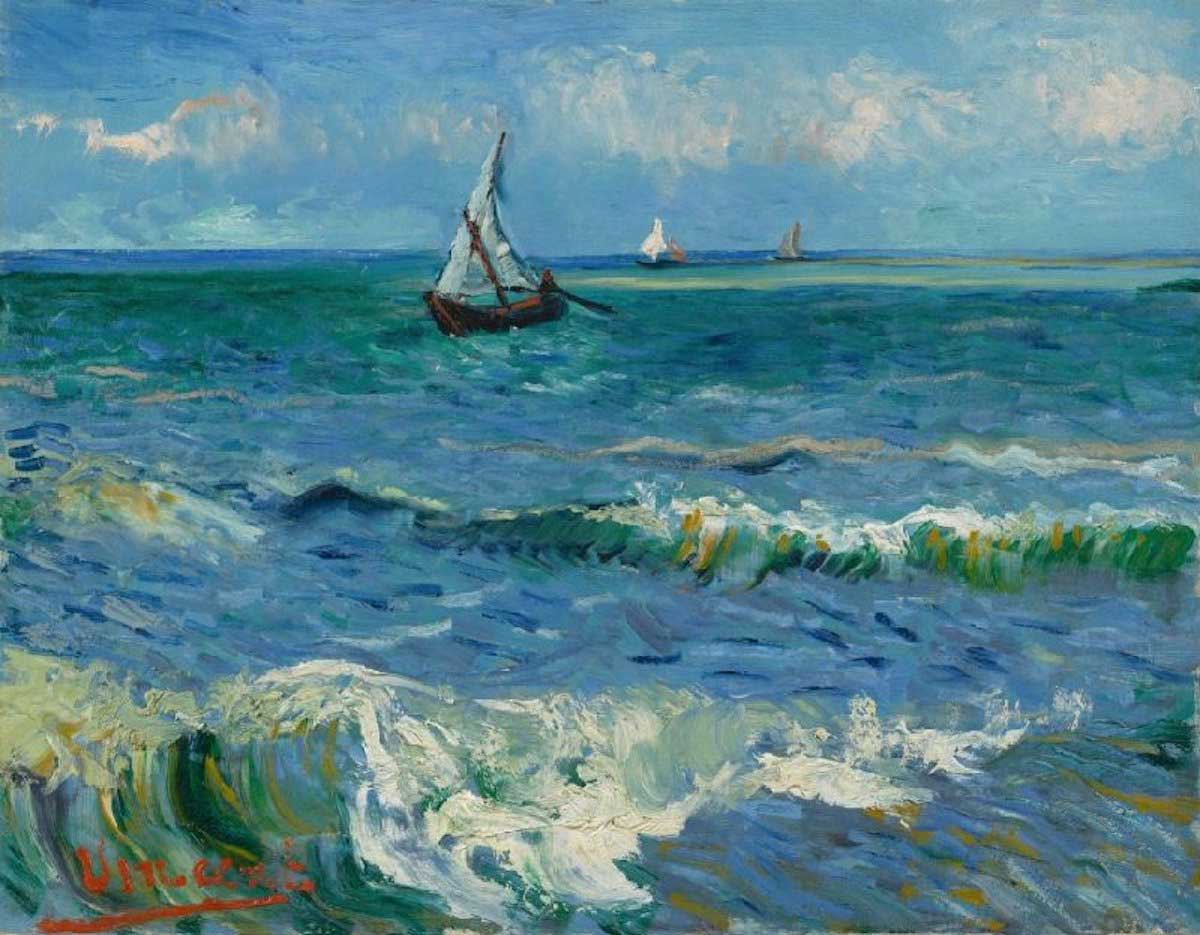
Being a Dutchman, Van Gogh’s last name was—and still is—difficult to pronounce correctly for most people. It is pronounced “Van Gokh” in Dutch, but the pronunciation has several variations today. During his life, he was hoping to gain recognition as an artist but feared that his difficult last name would be a hindrance. This led him to decide to sign his paintings only as Vincent. Another reason for this was his wish to separate himself from the family name. His father and uncle were both preachers, and another uncle ran the successful art dealership branch of Goupil & Cie in The Hague. Having been constantly rebuked for his life decisions and career choices, Vincent wanted to follow his own path and be known for his efforts, rather than his family name.
9. He Had a Serious Relationship With a Woman Named Sien
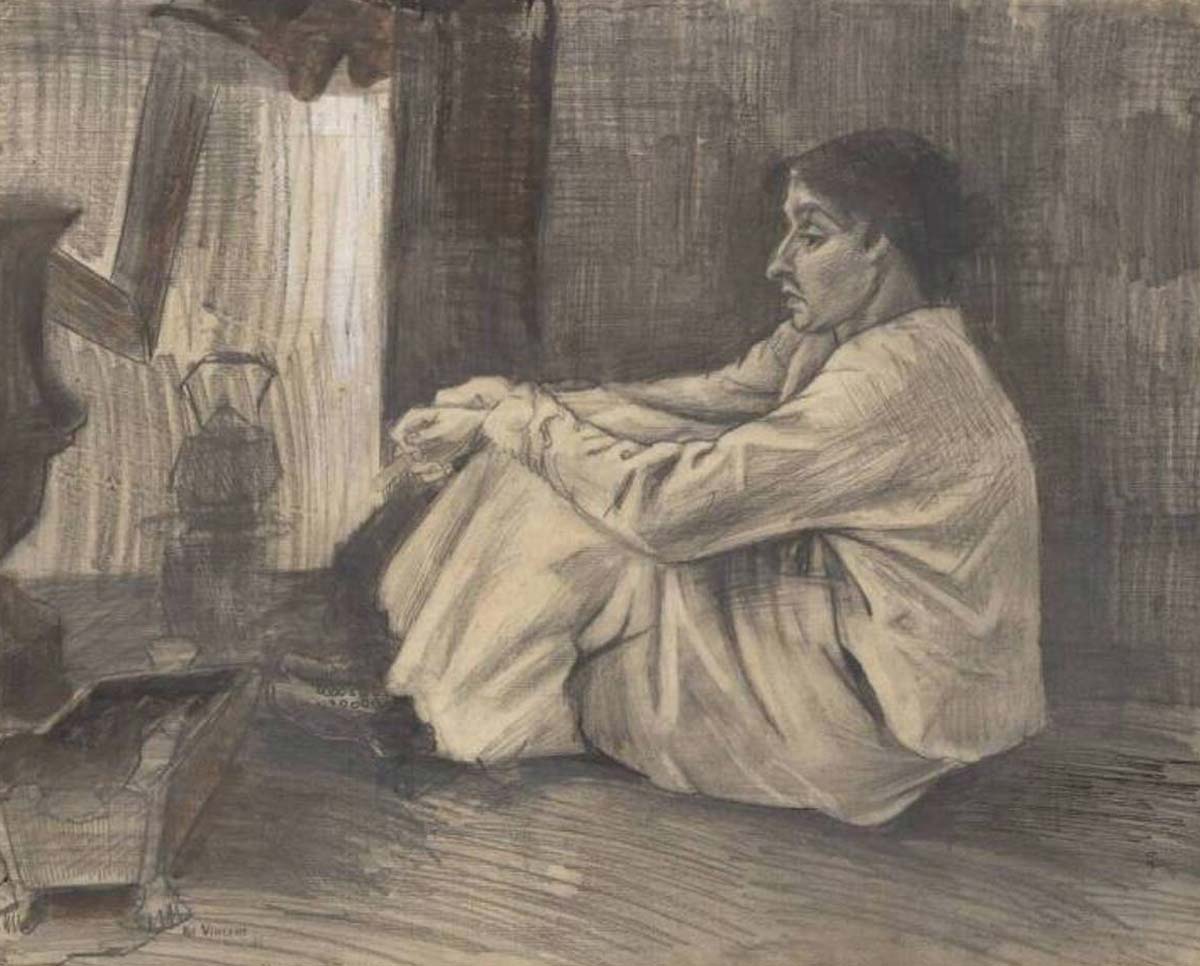
While it is known that Van Gogh never married, he did have a serious relationship with a woman named Sien Hoornik in 1882. Sien was a seamstress and a sex worker. She had a young daughter and was pregnant with another, and Van Gogh wanted to help her. Eventually, the two formed a mutual understanding of each other’s struggles and decided to live together. This was greatly disapproved of by Van Gogh’s family, but he empathized with Sien and believed that they could fulfill the need for a family for each other through their relationship.
He wrote in May 1882: “She and I are two unfortunates who keep each other company and bear the burden together, and it’s in that way that unhappiness is turned into happiness and the unbearable is made bearable.” However, they never got married. Eventually, Van Gogh and Sien separated as they both felt dissatisfied with the relationship. For Sien, the life of an artist was not very attractive, and Van Gogh’s feelings for Sien were not as strong as they had been for Kee Vos-Stricker. He also caved under the pressure of his family, especially Theo, to end the relationship.
10. Van Gogh Became Famous Because of His Sister-In-Law
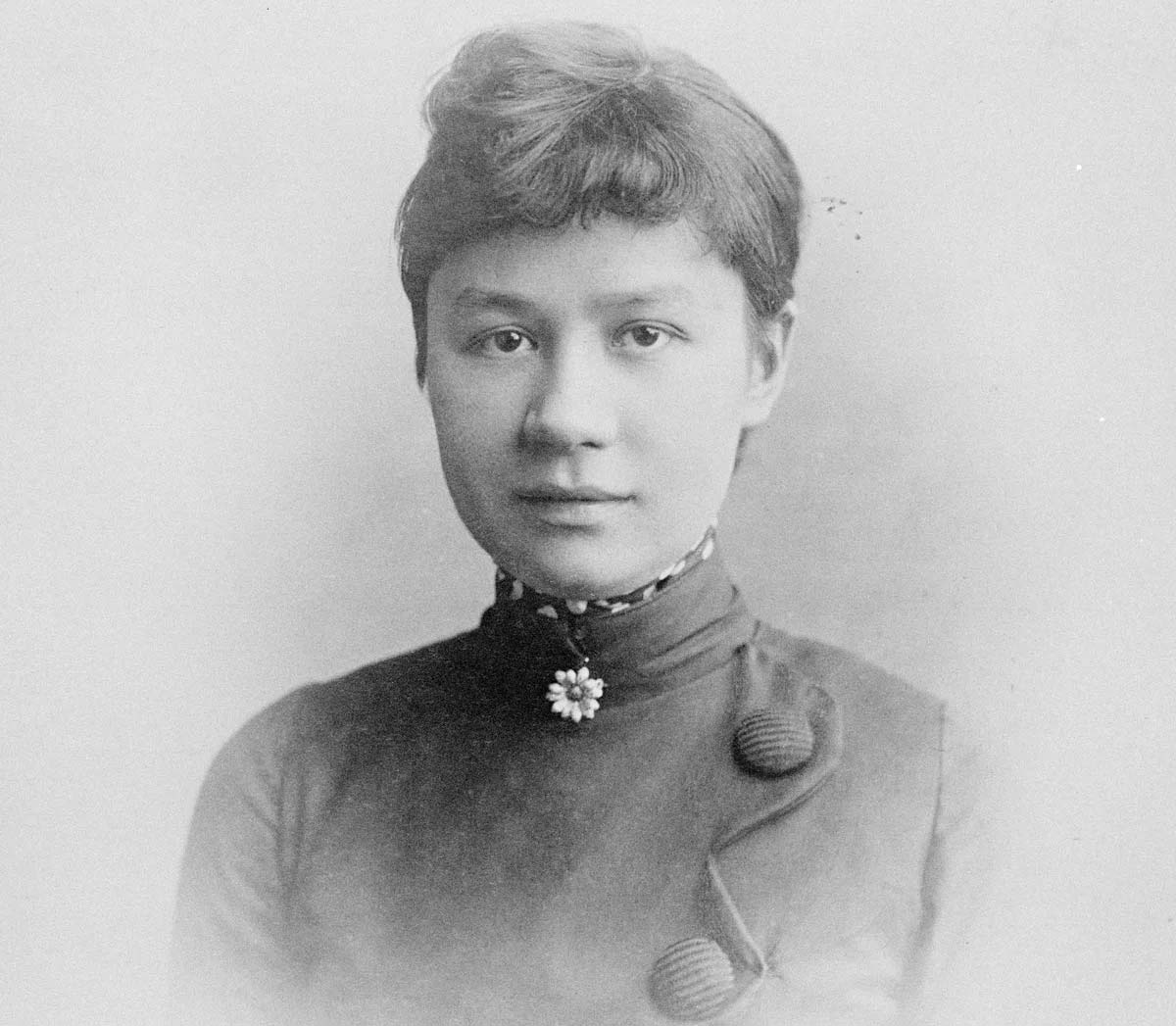
Van Gogh did not gain any fame during his lifetime despite producing a great number of paintings and drawings. But today, he is one of the most famous artists from Europe. The story of his posthumous success was possible only because of his sister-in-law, Theo’s wife, Jo van Gogh-Bonger. After both Vincent and Theo passed away, Jo took it upon herself to make the name of Van Gogh known in the Netherlands.
She worked alongside Theo’s contacts in the art world and successfully organized multiple exhibitions and sales of Van Gogh’s paintings. In 1905, Van Gogh’s works were exhibited at the Stedelijk Museum in Amsterdam, marking a significant milestone. Jo also worked tirelessly to compile the letters shared between Vincent and Theo into a book in order to share Vincent’s thoughts and emotions. She believed that to understand Van Gogh’s art, people needed to understand the artist first. Her efforts were clearly successful, and the name of Van Gogh is known worldwide because of Jo.