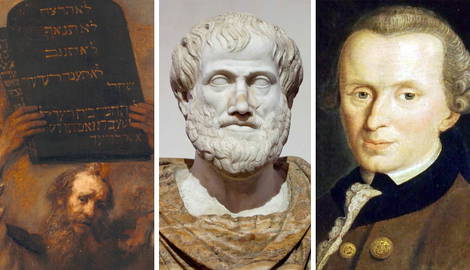

Though it emerged as a formal academic field in the 20th century, the roots of the philosophy of law are embedded in the very origins of Western thought. Usually conflated with ethicists, philosophers debated whether law is merely a tool of state power or a reflection of a higher cosmic order. Thus, from the divine decrees of the ancient world to the modern clash between Natural Law and Legal Positivism, this discipline asks the most dangerous question of all: what makes a law legitimate rather than merely legal?
Historical Overview
As a social phenomenon, law has always prompted deep reflection on its origins and nature. The journey began in 1760 BC with the Code of Hammurabi in Mesopotamia, where legal rules were presented not just as royal decrees, but as divine epistles. In this ancient Middle Eastern tradition, the ruler acted as a mediator, bridging the gap between the people and the gods; a concept that later figured prominently in the holy books of the Egyptians, Persians, and Jews. In the Bible, this reached its zenith with God as the ultimate lawgiver, delivering the Ten Commandments through Moses.
However, the shift from obeying the law to philosophizing about it only truly began with the rise of the first Western thinkers. To understand the philosophy of law, we must first examine how it emerged from the realm of mythology.
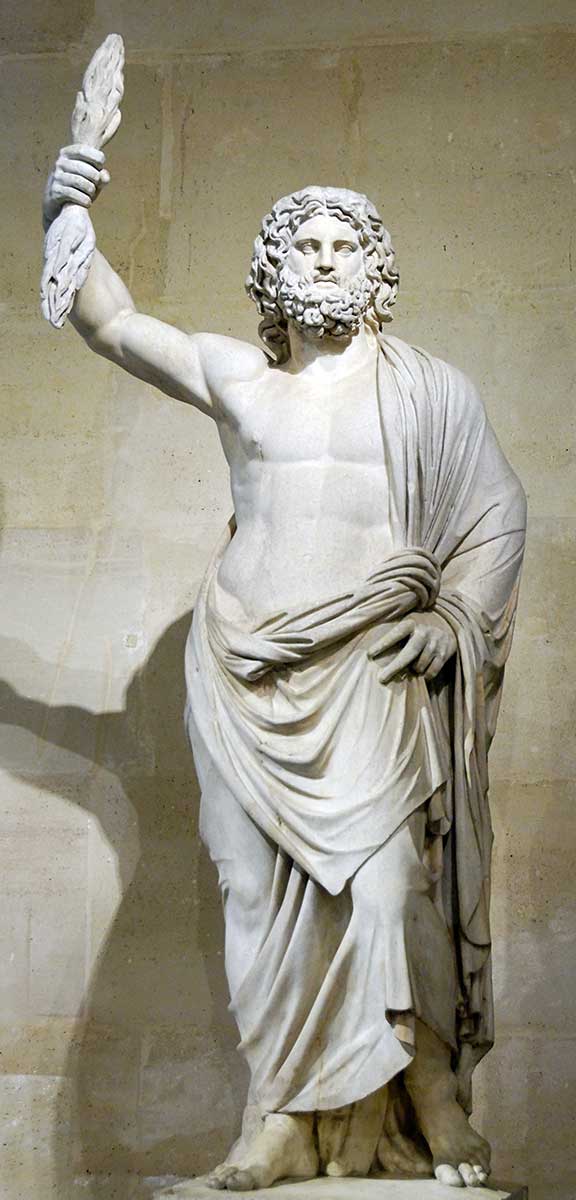
Early legal concepts were originally personified as goddesses within the court of the Ancient Greek God Zeus. Themis was the personification of basic divine and customary law. Dike, on the other hand, was the goddess representing justice and fairness.
These mythical representations provided the raw material for the first philosophers. By transforming these divine stories into objects of rational curiosity, the early thinkers of Western philosophical tradition began to strip away the supernatural, asking for the first time: what is the true essence of justice?
Ancient Philosophers on Law
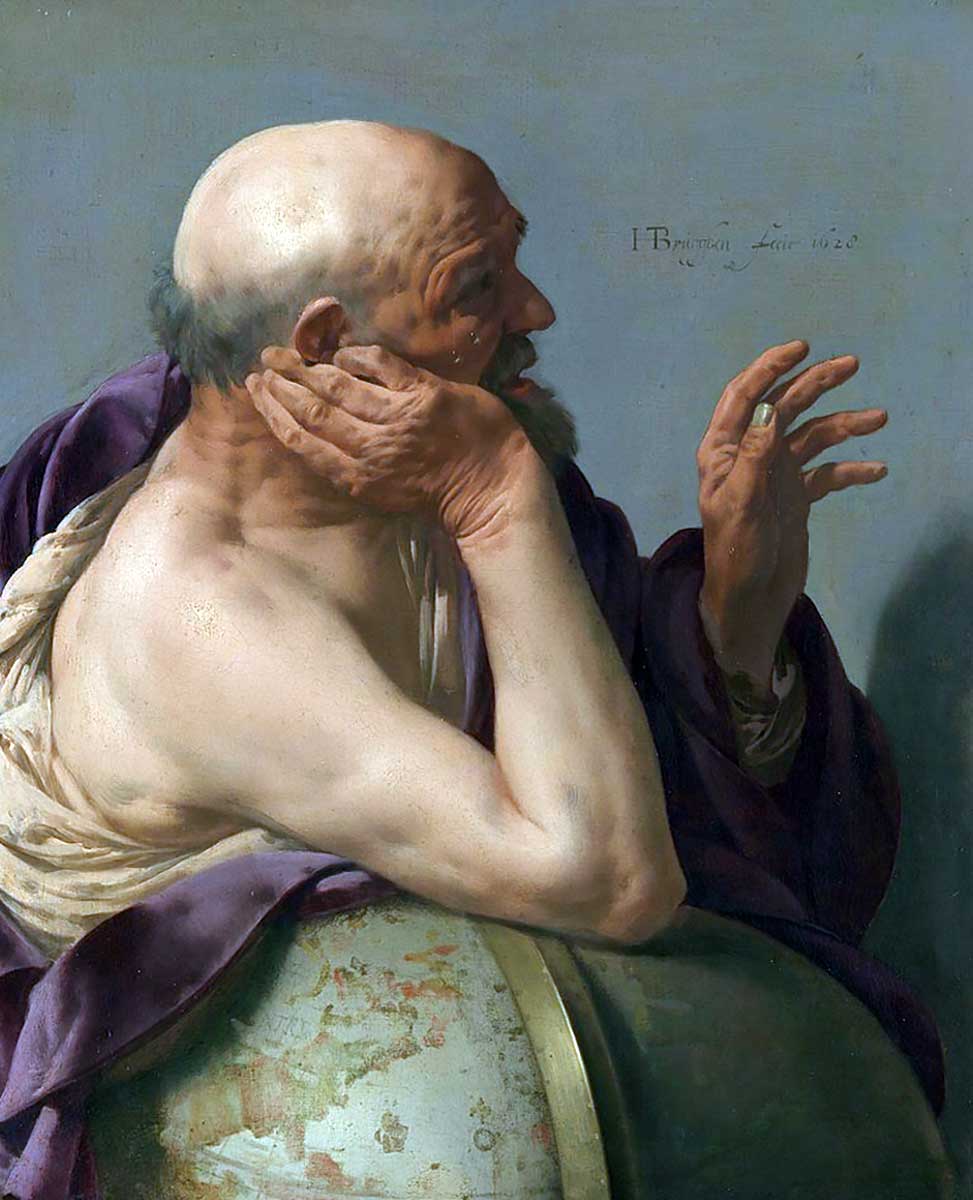
We can find the earliest form of the philosophy of law in the fragments that remain of Heraclitus’s work.
According to him, law, like all human actions and relations, is in deep unity with the general cosmic processes. Laws in society are nothing but a reflection of the cosmic order, which has always existed, said Heraclitus. Everything in the world is subordinated in relation to the cosmic Logos. The Logos controls everything because it is the voice of cosmic justice and fairness.
Philosophical investigation on law was further expanded in southern Italy (Croton), with the founding of the Pythagorean School by the famous philosopher and mathematician Pythagoras.
The basis of the philosophical views of Pythagoras is the teaching of the human soul as part of the cosmic one, because according to him, those two souls were identical. Therefore, he says that the meaning and purpose of man and life is the union of his soul with the divine. The cosmic soul that Pythagoras talks about is actually the idea of order and harmony, rooted in the law of the universe. Therefore, according to Pythagoras, justice is an element of understanding order and harmony.
What Did Socrates Have to Say About Law?
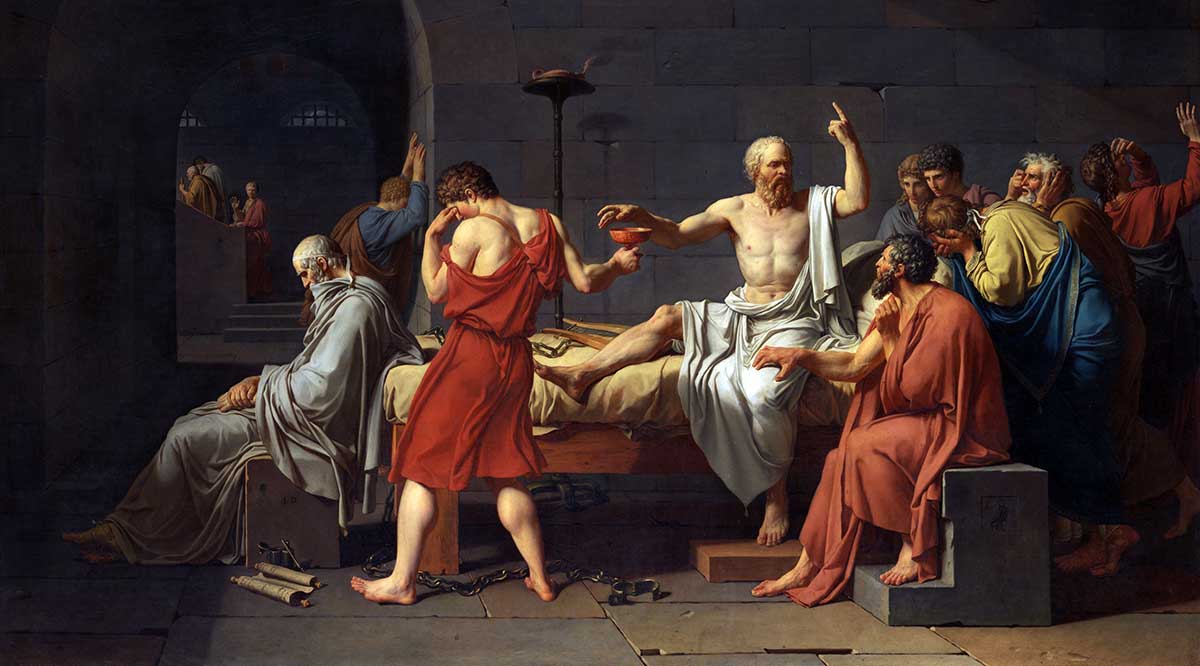
Socrates disagreed with the Sophists a lot. Their philosophy was grounded in relativism and subjectivism. They thought that justice and law depend on the subject and that everyone can have a different understanding and concept of what is right and what is wrong. Therefore, justice is not a universal concept that everyone can agree upon.
However, Socrates strongly rebelled against this relativistic approach. The bedrock of his philosophy was the conviction that objective truth exists, even if it remains hidden from the superficial observer. Through deep, mindful reflection and the Socratic method, he argued that we can uncover a universal standard of justice. Because this internal truth is identical within all of us, Socrates suggested that a singular, objective definition of justice is not just possible, but it is an inherent part of the human soul.
Plato and Aristotle About Law and Order
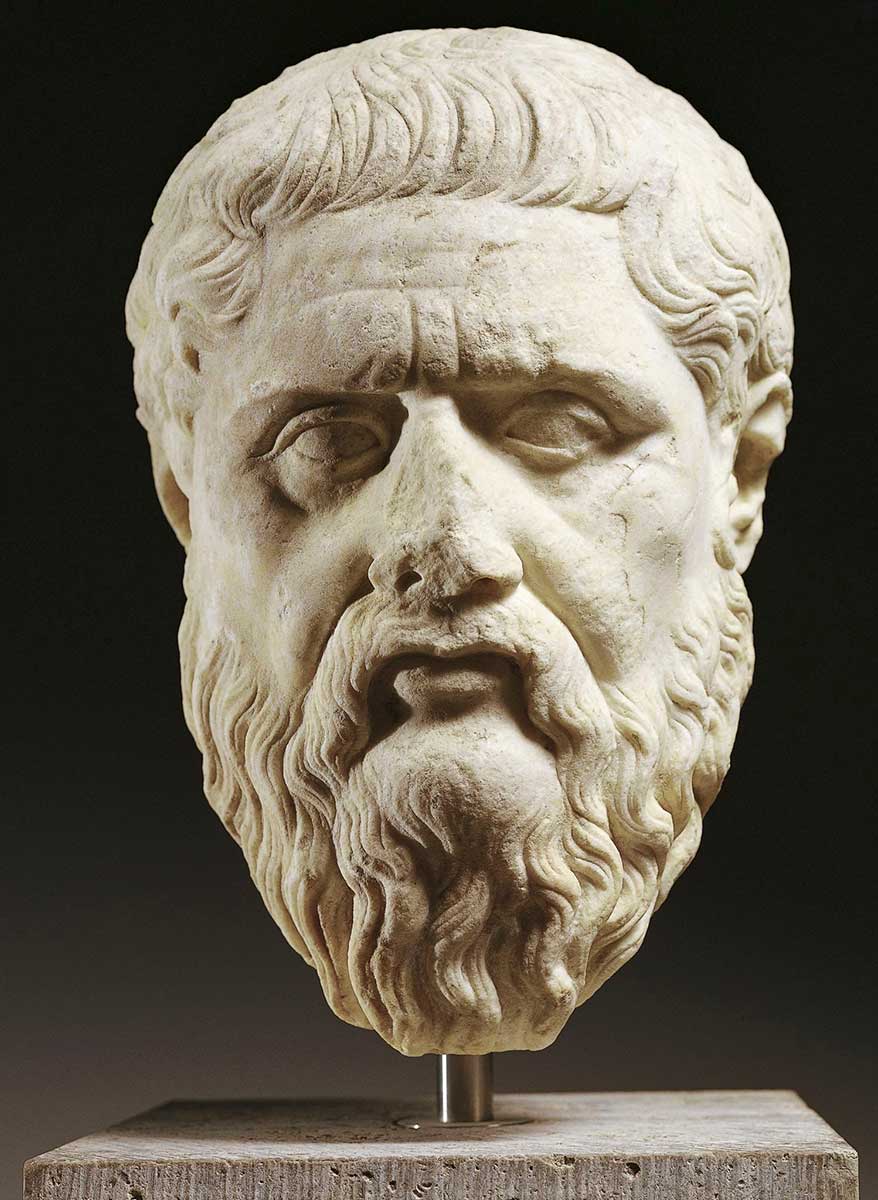
Socrates’ student, Plato, continued with the same view of justice. Plato’s Republic is the first comprehensive study of law and is considered his greatest work. In “The Republic,” Plato discussed the ideal state and how he sees it. According to him, the ideal republic should have three important roles and functions. First and foremost, Plato says that there should be rulers, the wisest ones who govern because they understand what is best for everyone. The second most important role is that of the guardians, the brave protectors of the city, such as soldiers and the police. Finally, the third important role in Plato’s ideal state is that of the producers, the farmers and mechanics who sustain the economy and meet our daily needs. But the roles should not interfere with each other’s work. Everyone should do their assigned work and not mind someone else’s work. That is how justice is established according to Plato.
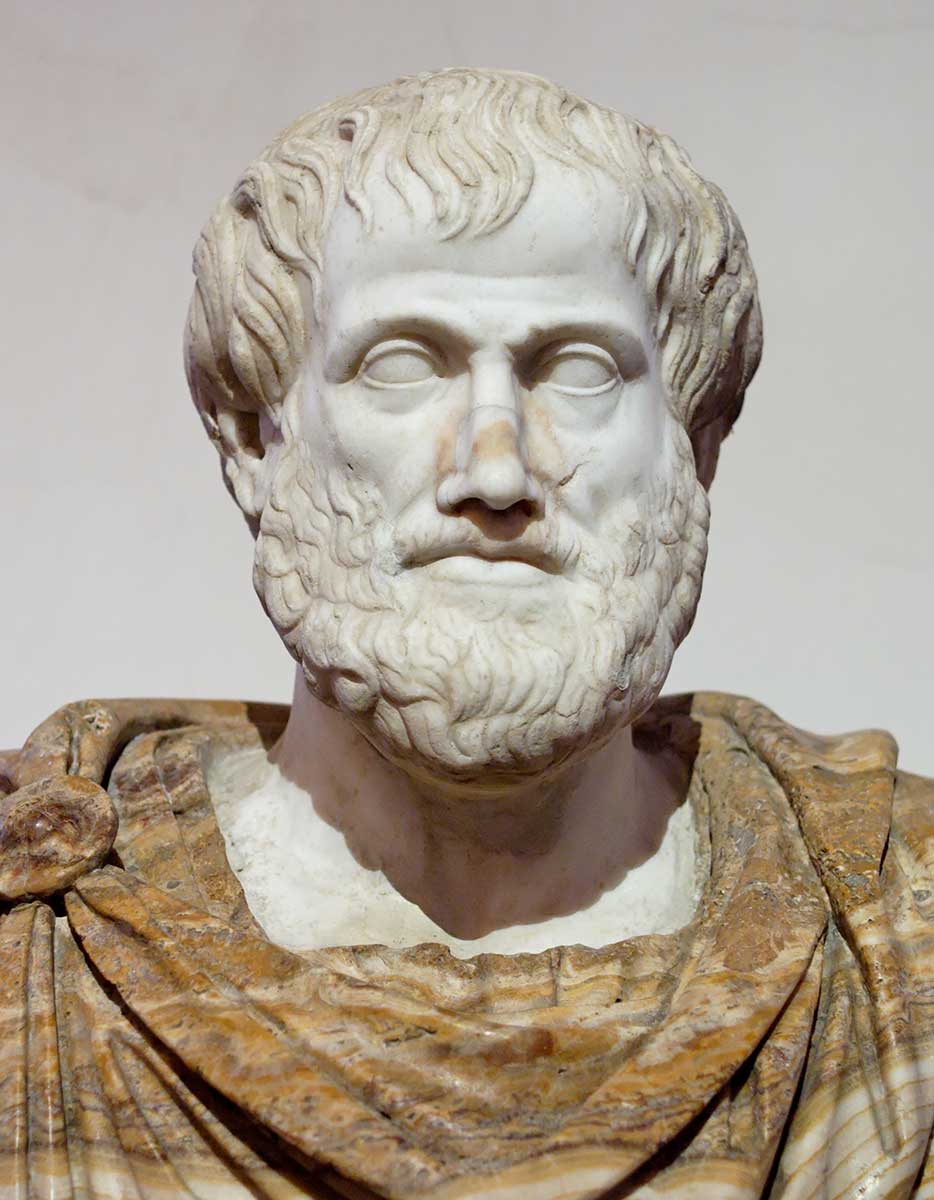
Aristotle, Plato’s most famous student, took these abstract ideals and brought them down to earth. He defined the human being as a zoon politikon, a political creature whose very nature is tied to the community. Central to his thought is the concept of telos, or the final goal. Aristotle argued that everything has a purpose it is striving to reach, and nothing in nature exists by accident.
For humans, that telos is found in the political organization of the city-state. However, a state isn’t just a collection of people; it is a structure founded upon ethics. For Aristotle, justice is the essential glue, or the active relation between ethics and politics, that allows a society to fulfill its natural purpose
Far from ending with Aristotle, the questions pertaining to justice and law sparked an even deeper curiosity in the centuries that followed. This continuous investigation allowed the philosophy of law to develop within its own specialized bubble, refining its tools and expanding its scope. Eventually, this momentum led the field to claim its independence, emerging from the broad shadow of general philosophy to stand as a distinct and vital discipline in its own right.
Natural Law
Now that we have established what philosophy of law is and shown that its roots date back to ancient times, even though it’s a relatively new discipline, it’s crucial to examine the content of this branch of philosophy. One of the most intriguing issues that the philosophy of law deals with is the dispute between natural law and positive law. Let’s see what the dispute is about.
Natural law rests on a deeper normative and value level than human social conventions. The key idea is that there is an objective standard, a higher law to which human laws must obey in order to acquire legitimacy and the status of law at all. There is an absolute source from which value judgments emanate that are universal, consistent with nature and reason. Basically, this law states that sometimes the laws that we have formulated as a society are not applicable.
There are three formulations of this theory:
- Theological formulation: it states that the just law is a law imposed by a will higher than human, i.e., God’s will, setting forth universal, constant principles that govern the created world.
- Naturalistic formulation: the law of nature is a drive common to all living beings.
- Rationalistic formulation: the just law is a law enacted by reason, representing the essence of human nature.
Even though these formulations differ from each other, the principle for which they all stand is the same. They all state that the principles of natural law are immutable, eternally valid, and have primacy over positive law, which cannot claim validity if it does not conform to natural law.
Legal Positivism
The power and influence of natural law waned in the 18th and 19th centuries. Montesquieu, Hume, and Adam Smith criticized this theory for its claim that there is an ultimate, metaphysical purpose to human existence and human society, separate from the everyday realities of life. But not only did the power of natural law weaken, but its validity also weakened. As a result, an increased emphasis on the concept of state power and coercion emerged.
All this led to the emergence of positive law, which directly confronts the ideas of natural law. In this new framework, law was no longer seen as a divine whisper or a cosmic truth, but as a deliberate social construct, or a set of rules created by humans, for humans, and enforced by the power of the state.
Probably the best definition of positive law (or legal positivism) is the one given by Kenneth Einar Himma, an American philosopher, author, and lawyer. In Morality and the Nature of Law, he states the following:
“Positive law does not base law on God’s commandments, reason, or human rights. In a historical sense, positivism appears as an opposition to the classical theory of natural law, according to which there are necessary moral limitations regarding the content of the right/law.”
(Kenneth Einar Himma, Morality and the Nature of Law, 2019)
The dispute between natural and positive law has been going on for centuries. The rivalry between them is especially noticeable in cases of extreme necessity and poverty. These are cases that force people to commit the most horrendous crimes, not because they want to, but because they are forced to do so. The American philosopher Lon L. Fuller showcased the century-long dispute in his book The Case of the Speluncean Explorers.
The Case of the Speluncean Explorers

Fuller presents a hypothetical case in which a group of five explorers finds themselves trapped in a large underground cave after a rockfall blocks the entrance. The rescue operation (in which ten rescuers have already died) did not succeed in rescuing them, and the people in the cave are threatened with death from hunger and thirst.
They manage to establish radio contact with the rescue team and learn that there is no chance of being pulled from underground for at least another ten days, and the doctors on the team confirm that they cannot survive without food until then. So, the explorers decide to roll a dice to determine who will be eaten. They all agree on that, and it turns out that the explorer who suggested rolling the dice to be the one eaten.
Should the defendants be found guilty in this case? Which law is applicable in this case? Is it natural or positive law that should have supremacy?
This case illustrates the complexity of determining guilt and further confirms the dispute between natural and positive law. There are many positions defending natural law, but at the same time, there are also many positions defending positive law in this case. It just goes to show that the question is not an easy one, and because of that, the dispute remains open until this very day.
Structure of Philosophy of Law

Just like it is in the scope of general philosophy, the philosophy of law is riddled with the same type of questions and issues. Let’s see what they are.
First and foremost, the philosophy of law has its own ontology. It concerns the very nature of law and justice, and the general relations between them and the rest of the events and occasions in the world.
The philosophy of law also has its own epistemology. It concerns the sources and means of knowledge of law and justice, the criteria for grading and judging certain actions and crimes, and the methods used to determine whether these actions are just and lawful or violate the law.
There also exists a legal logic that examines the lawful and truthful aspects of legal thought and judgment. The task of this discipline is to explain the just thinking and its laws, but also to standardize the laws and rules of the just thinking, all whilst studying the opinion and what it should be.
Another field we can encounter within the scope of the philosophy of law is axiology. Axiology investigates the legal values, starting from those close to the human being, such as justice, freedom, equality, and human rights. However, the axiology of law also investigates the hierarchy of values and the state of general civilizational values.
A special part of legal axiology is the anthropology of law, which addresses the anthropological basis of law, the term “legal man” (homo iuridicus), and man and his personality as a basic legal value.