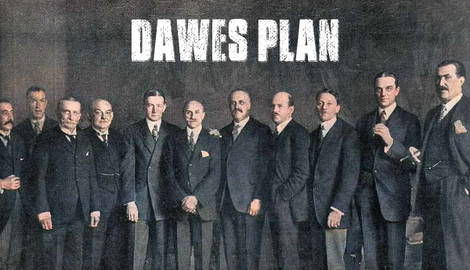
World War I ended with an armistice, allowing Germany to avoid the humiliation of being invaded by force. In exchange, however, Germany was required to pay billions of dollars in reparations to the victorious Allies—a mind-boggling sum in 1918! Quickly, it became apparent that Germany could not hope to pay the full amount of the reparations. As war clouds loomed again due to Germany’s nonpayment, and with France and Belgium occupying territory of a disarmed Germany, a diplomatic solution was sought. American diplomat Charles G. Dawes devised a solution that temporarily eased tensions in Europe, known as the Dawes Plan. Would the peace last?
Setting the Stage: World War I
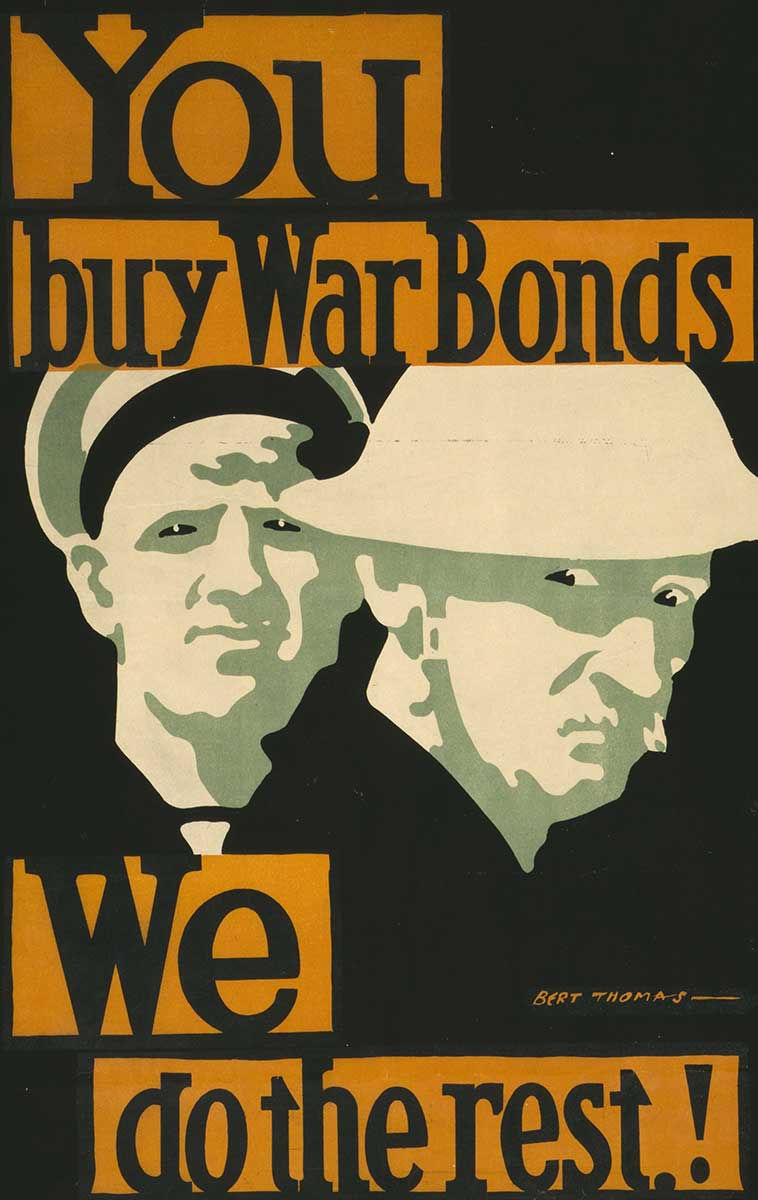
The scope and intensity of World War I was unprecedented in human history, and this included the financial cost. Between the costs of waging war and the destruction wrought on its natural resources, France was economically devastated by 1918. Germany, suffering under an Allied naval blockade, was similarly economically weakened. Britain was in better shape but also suffered from four years of intense military spending. Only the United States, a latecomer to the war in 1917, emerged from World War I financially stronger. For the first three years of the fighting, it had enjoyed profits as a weapons exporter, mostly to the Allies.
When Germany finally asked for an armistice in the autumn of 1918, exhausted from the Allies’ relentless Hundred Days Offensive, an angry France and Britain wanted payback. They also wanted to inflict financial punishment to dissuade future aggressors. The world watched cautiously the following year as diplomats met in Paris to decide the formal treaty to conclude the war. Germany had lost the conflict, but avoided being invaded and occupied. What punishments would the Allies inflict on it in retaliation?
Setting the Stage: The Treaty of Versailles
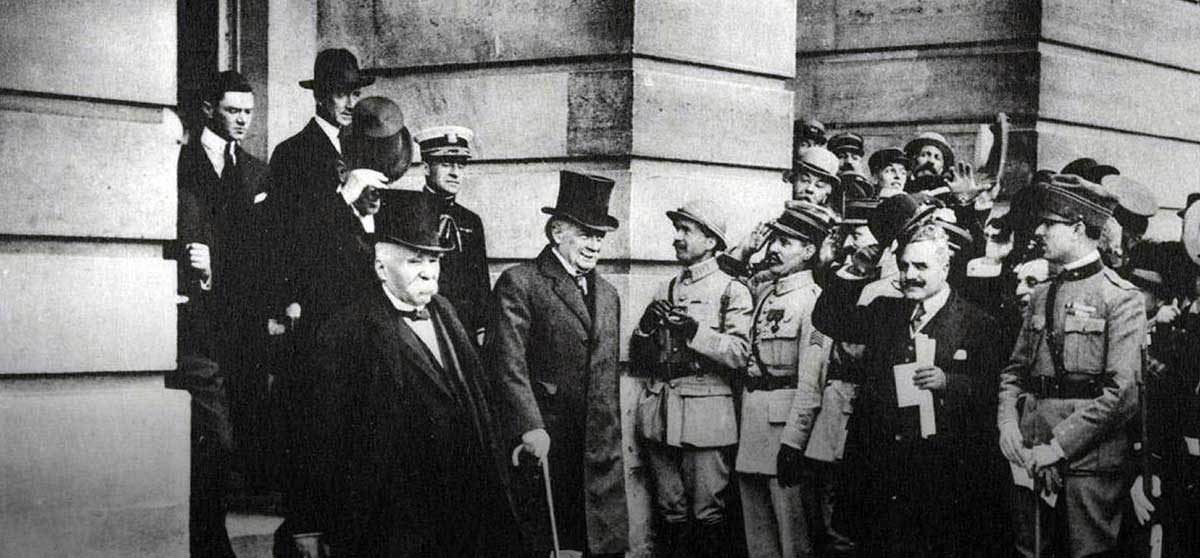
While US President Woodrow Wilson famously went to Paris to exercise diplomacy and pursue a peaceful world order, diplomats from the other Allies were not so magnanimous. Britain, France, and Italy wanted to be compensated for the costs suffered, allegedly due entirely to the aggressions of an imperialist Germany. In the Treaty of Versailles, signed in June 1919, Germany was punished harshly by the European Allies. It also had to give up its territorial gains under the Treaty of Brest-Litovsk with Russia in 1917.
The treaty disarmed Germany, limiting it to a small army with no armor or air power, and stripped it of any colonies. Germany was also forced to accept responsibility for the war, being labeled as the aggressor despite the complex beginnings of the conflict. Finally, and most controversially, Germany was saddled with billions of dollars in war reparations to be paid to the Allies. The staggering sum was $132 billion, which equates to over half a trillion dollars in today’s money. Immediately, people questioned whether Germany could afford to pay such a figure.
The Controversy: Reparations
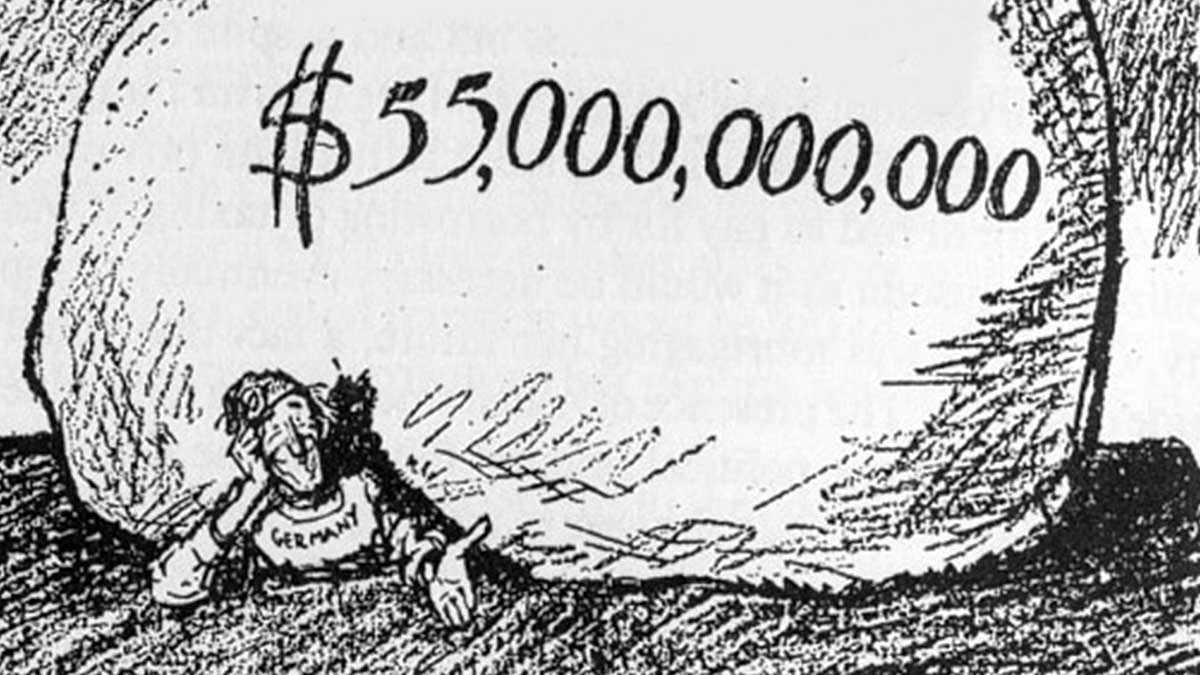
The greatest controversy of the Treaty of Versailles was the imposition of war reparations, which was justified by the War Guilt Clause that laid blame for the destructive conflict solely on Germany. Germany had no legal basis on which to argue against the tremendous amount of reparations owed, as they had effectively “pled guilty” to causing the damage. Many felt that the treaty would harm innocent Germans by causing an economic recession, but others felt that Germany deserved such harsh treatment due to the horrors of the four-year war. However, refusing to accept the treaty would have meant a continuation of the war, which Germany could not accept.
At that time and today, people debate the ethical implications of harsh war reparations. World War I was not begun entirely by Germany but rather was influenced by a system of complex alliances that dragged in all major European powers. Austria-Hungary, Germany’s ally and a member of the Central Powers, began the war on July 28, 1914 by declaring war on Serbia. Germany did invade the neutral nation of Belgium in early August, earning widespread condemnation. But, because Germany only invaded other states after its ally had begun the war, was Germany an undisputed aggressor?
1921-23: Germany Struggles to Pay
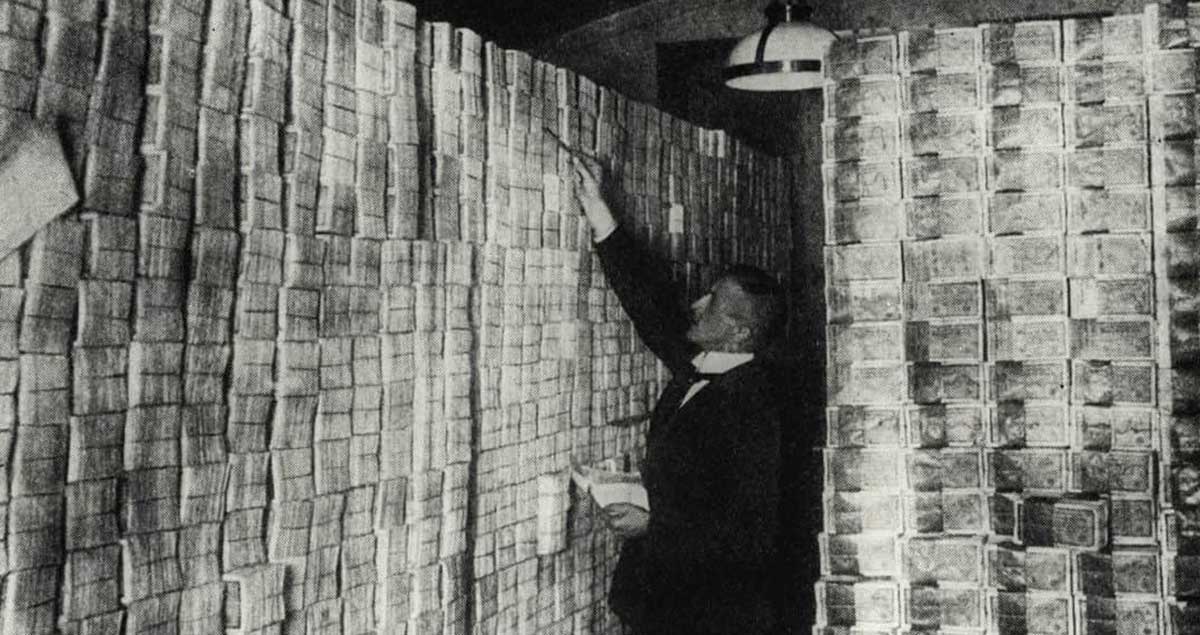
Not surprisingly, Germany’s government had no money after four years of intense warfare. It had borrowed heavily during the war, and few creditors would consider lending any more money. As a result, Germany took the route of floating its economy by printing currency. A popular misconception is that Germany printed the currency to pay its war reparations, but this overprinting of currency actually began during the war itself as an alternative to selling war bonds like other nations. Germany also spent heavily immediately after the war on social welfare to try and “heal” an angry and wounded public.
Both high government spending and early reparations payments to Allied nations like France and Britain made Europe awash in German marks, quickly eroding their value and causing an inflationary spiral. To maintain quality of life, individuals, businesses, and local governments continued to spend rapidly, causing further inflation. By 1923, inflation had made German currency almost worthless, reaching as high as a whopping 30,000 percent! Allegedly, the German government did try to control inflation during the first few years of the crisis, but rather used the high inflation as an arguing point that its reparation payments should be reduced.
The Ruhr Occupation Raises New War Threats
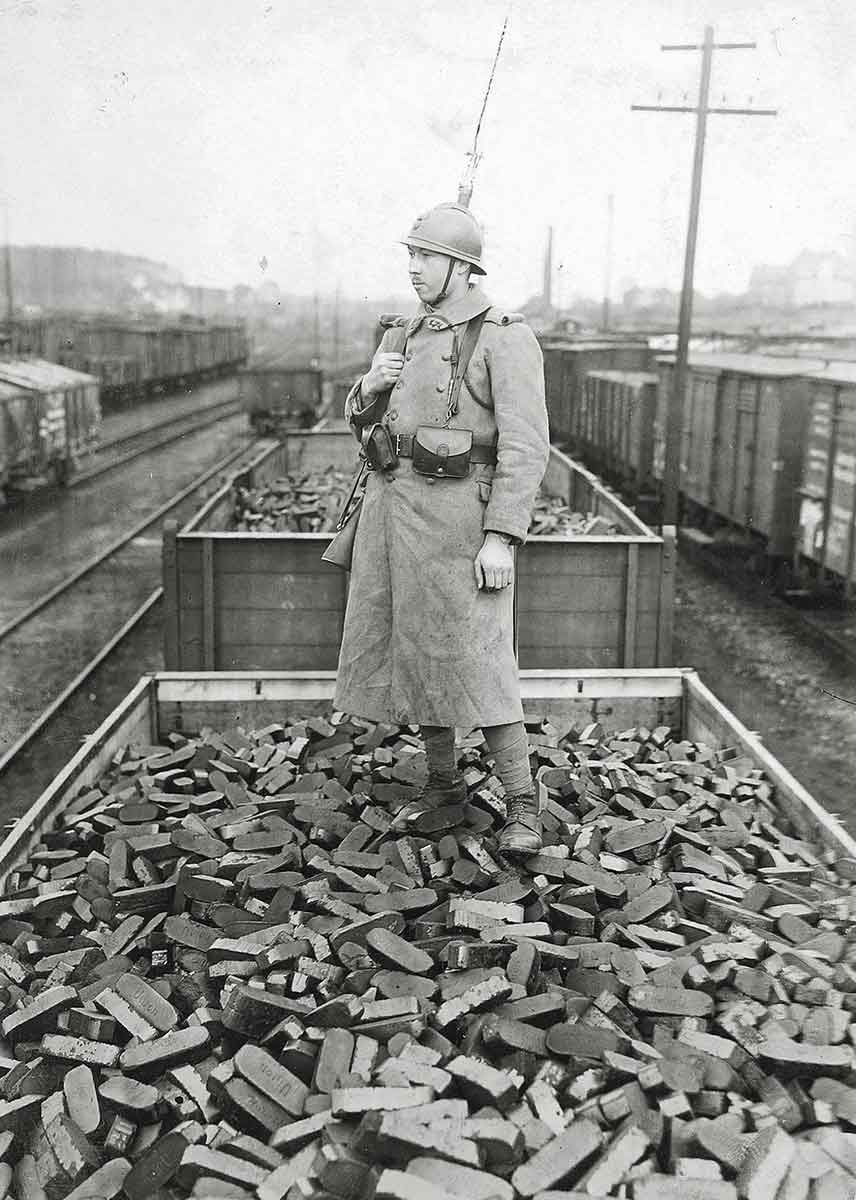
By 1923, Germany defaulted on its war reparations payments, putting the Allied Powers in a difficult position. How should they react to Germany’s refusal to pay as promised? On January 9, 1923, France and Belgium occupied the Ruhr region of western Germany to seize its resources in lieu of reparations. The Ruhr occupation was not an economic success for France and Belgium, as German workers in the region promptly went on strike. France attempted to send its own workers to the region, but this was met with violence.
The seizure of German resources only worsened the state of inflation, with prices now rising due to shortages. This not only weakened Germany’s ability to pay its reparations but made such reparation payments less valuable. Countries receiving German currency in reparations could buy little with it. Quickly, many members of Allied governments questioned the value of the Ruhr occupation, arguing that it did little to benefit France or Belgium. They said it was in the interest of all parties to allow Germany the opportunity to renegotiate its war reparation debts.
Dawes Committee Meets in Berlin
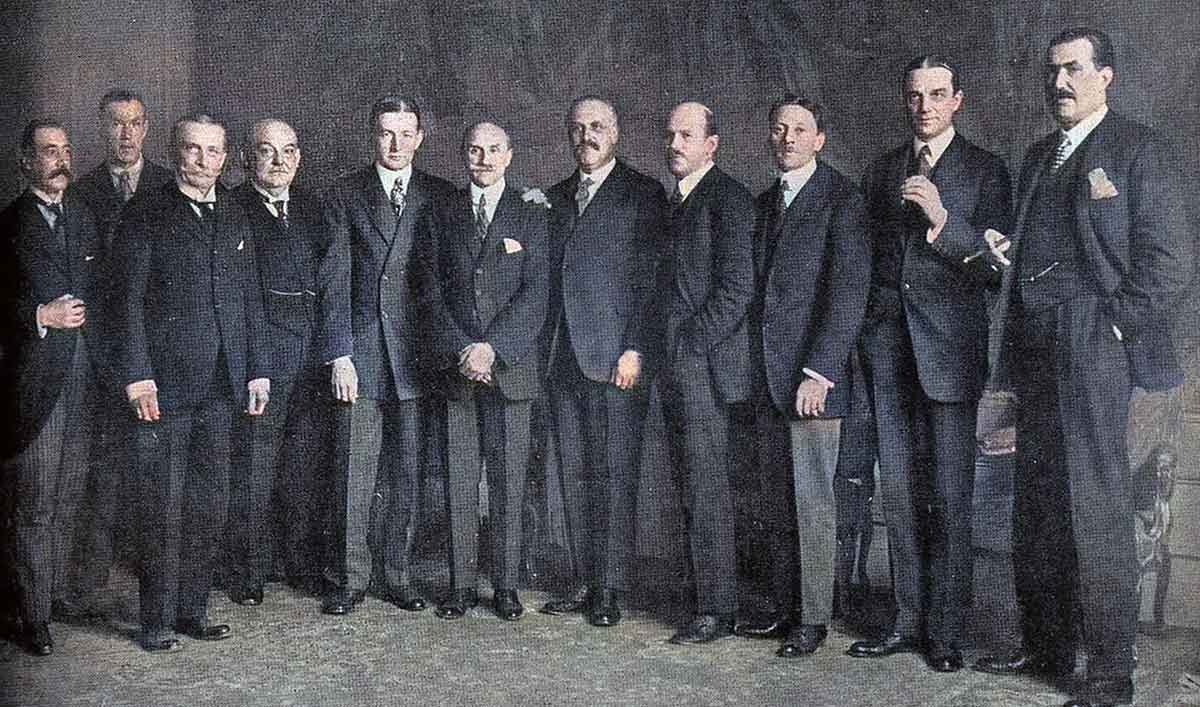
Cooler heads prevailed, and the Allies agreed that it was more sensible to let Germany renegotiate than to occupy its territory in retaliation. This was influenced by a need to renegotiate debts among all parties, including other Allies to the United States, which had lent billions during the war. The United States did not want German reparation payments to simply become debt payments from its own allies and thus created a War Debt Commission to figure out the issue. A commission headed by American banker-turned-diplomat Charles G. Dawes met in Europe to discuss Germany’s reparations.
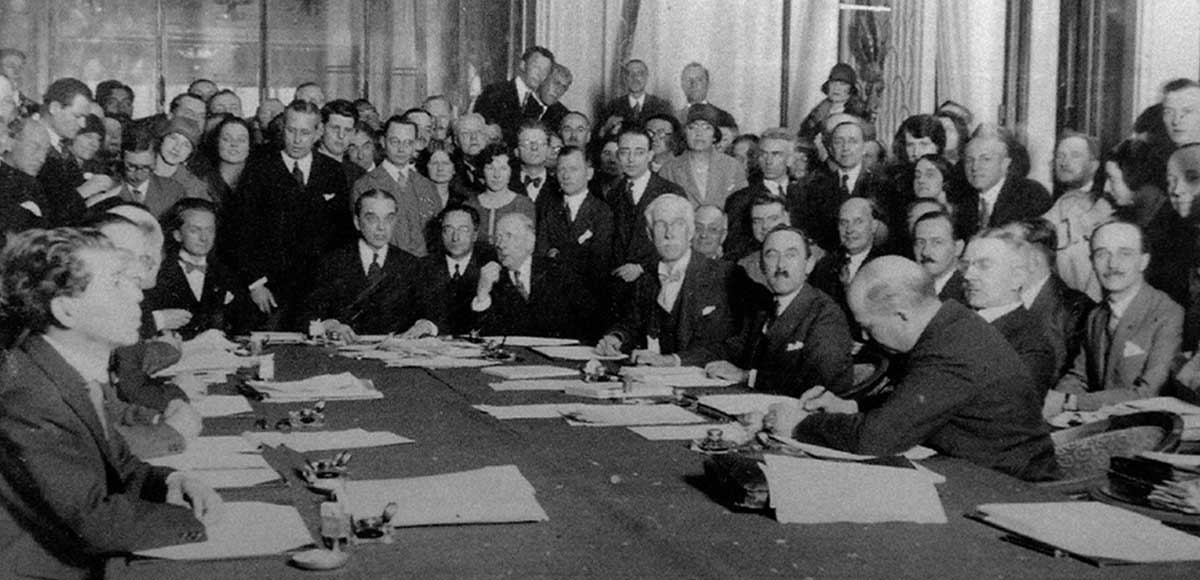
Dawes was the former US Comptroller of the Currency and was well-versed in banking and lending. He was able to negotiate among the Europeans and created a report stating that Germany could pay its reparation debts over time, but only if it was given the ability to restore stability and credit-worthiness. Dawes recommended that Germany be allowed to get its inflation problem under control before repaying any debt. Additionally, its repayments should be linked to its economic strength, meaning they could increase over time as its gross domestic product (GDP) increased.
Dawes Plan Accepted by Germany and Allies
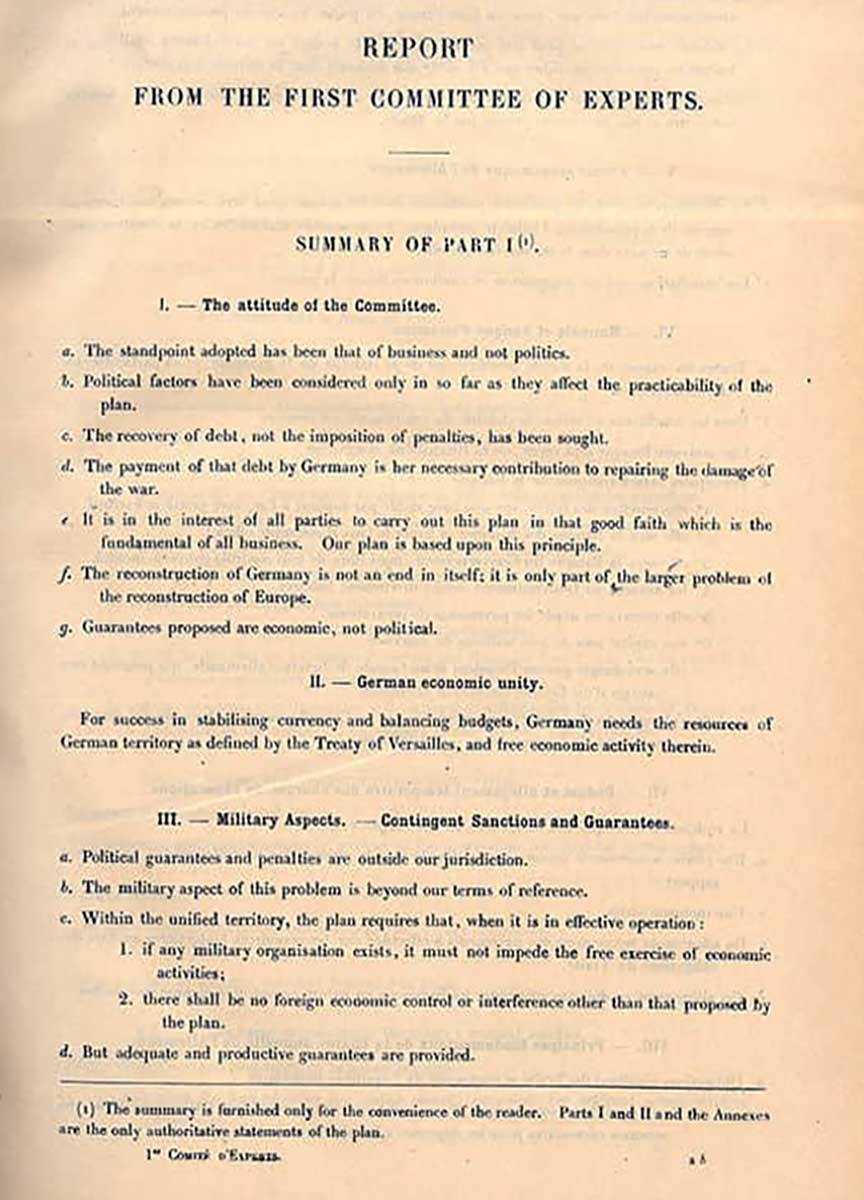
At the end of his report, Dawes suggested that interest on Germany’s outstanding debt be waived during the first year (1924) and increase incrementally thereafter. To manage the inflation, a new currency called the Reichsmark would be implemented. For economic stabilization and to jump-start industrial production, foreign banks would loan money to Germany. Quickly, foreign investors, especially in the United States, jumped on these loans and provided Germany with an influx of $200 million. A total of 900 million Reichsmarks were loaned under the plan to get money flowing in the economy.
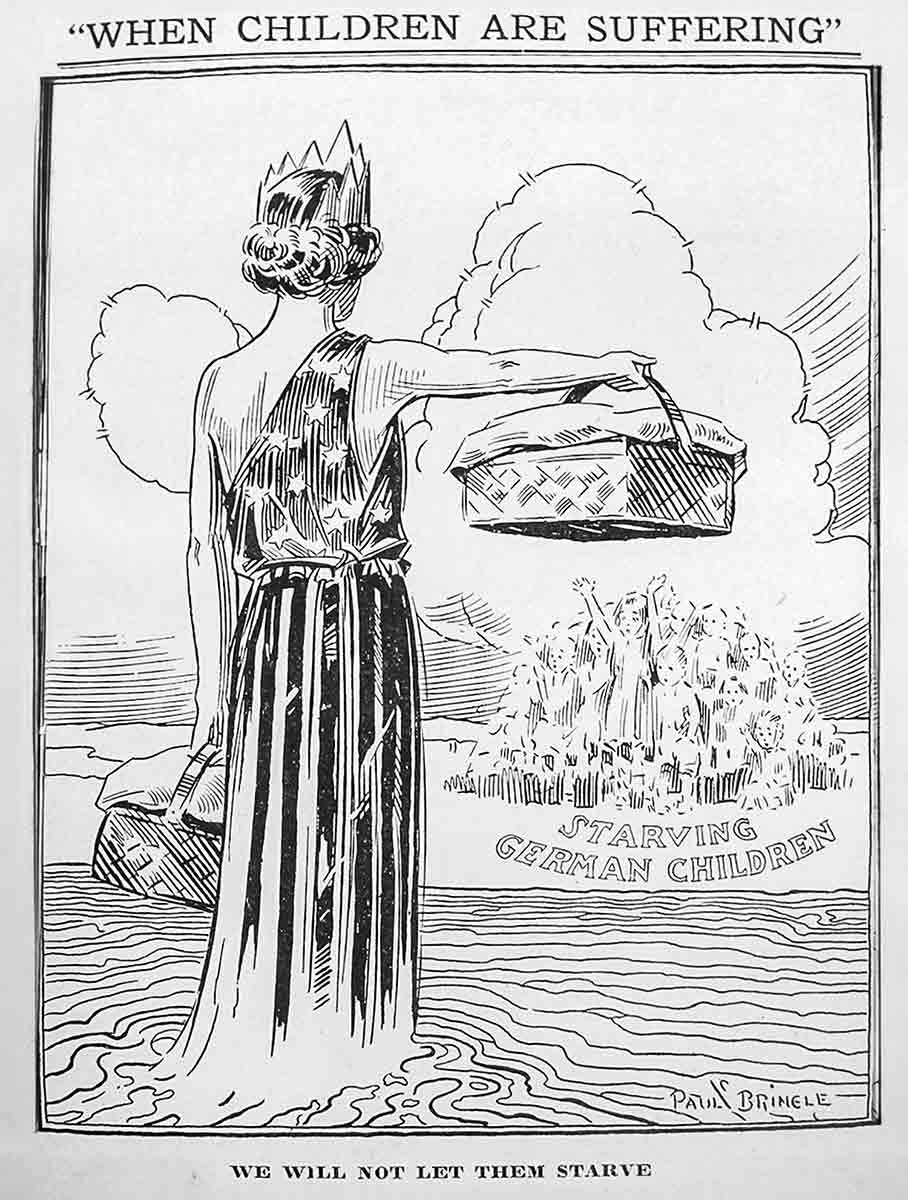
The United States benefited from the Dawes Plan, as the reduced reparations payments from Germany to other Allies like France and Britain were, in turn, paid to the United States to repay wartime debts. Internationally, the plan appeared to be a resounding success, and Charles Dawes even won the Nobel Peace Prize in 1925 for bolstering Germany’s economy and ending the Ruhr occupation. The Allied Powers oversaw Germany’s restructured reparations payments and met periodically to craft amendments to the initial plan. Two-thirds of the German legislature approved the Dawes Plan, making it law.
Immediate Result: A “Roaring Twenties” in Germany
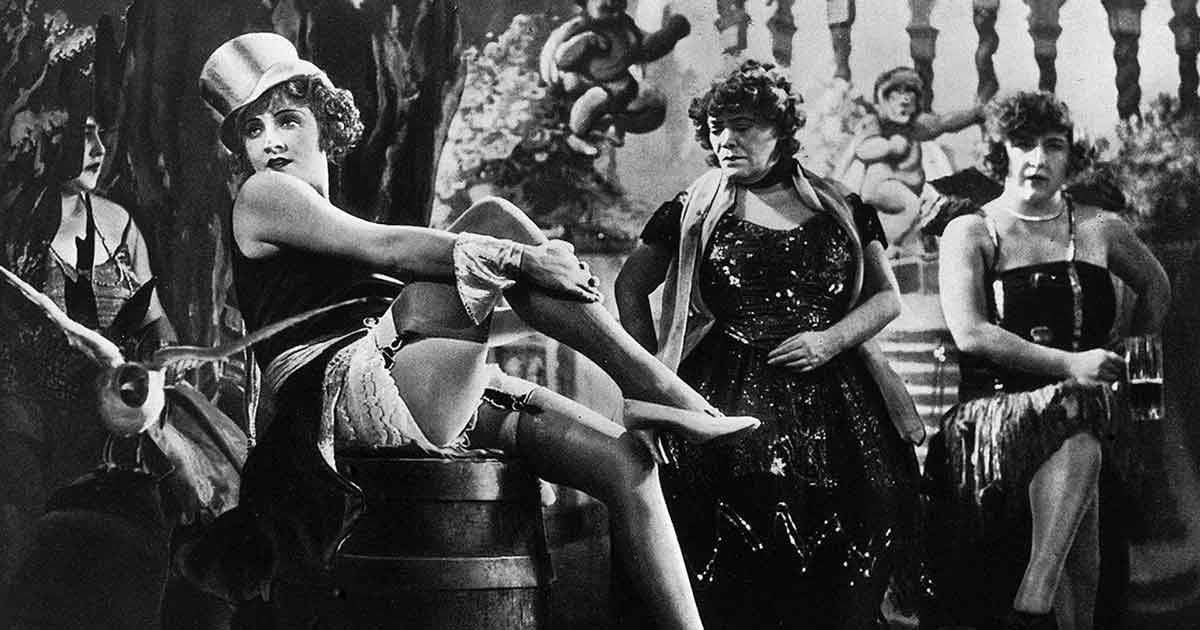
Fortunately for German citizens, the Dawes Plan successfully stabilized the economy. The plan also made Germany an international contributor again in terms of economic output and finance, helping soothe away some of Germany’s status as a pariah state after World War I. Lenders had restored confidence and money began flowing again, improving Germans’ lives and reducing high unemployment. Morale in Germany also rose with the end of the Ruhr occupation, which occurred in 1925.
Economic growth helped renew confidence in Germany, and urban areas saw the rise of new arts and cultural scenes, especially in Berlin. The economic unrest of earlier in the decade, coupled with political radicalism in both Germany and abroad, created an era of intrigue and energy. The rapid increase in artistic expression and economic growth combined to create an era known as the “Golden Twenties” in Germany, similar to the Roaring Twenties experienced in the United States. However, some detected dark undertones in Germany’s new nightlife, hinting at right-wing political movements to come.
Long-Term Result: Germany Relies on Foreign Capital
Up to $25 billion was loaned to Germany by banks in the United States prior to the 1929 stock market crash. This foreign capital was helpful in rebuilding the German economy, but was also unstable. Loans could be called, or demanded to be paid back at any time. If an economic crisis struck lenders, they would call their loans in full…and Germany was not able to repay such sums. At the end of October 1929, the American stock market collapsed, taking millions of dollars in loans with it. With borrowers unable to pay their installments on time, banks were at risk of collapse and began looking at calling large loans to institutions, including governments.
In 1931, a banking crisis crossed the Atlantic Ocean from the US to Europe. Not only did Germany owe billions to foreign banks, but Germans had invested and deposited heavily in foreign banks as well, which were collapsing in 1931. Banks in New York City alone owned over a billion dollars in German debt, which was a greater amount than their cash on hand. When the Great Depression struck Europe, Germany suffered worse than other nations because so much of its wealth was wiped out by loan calls.
Aftermath: Reparations Lead to Militant Germany
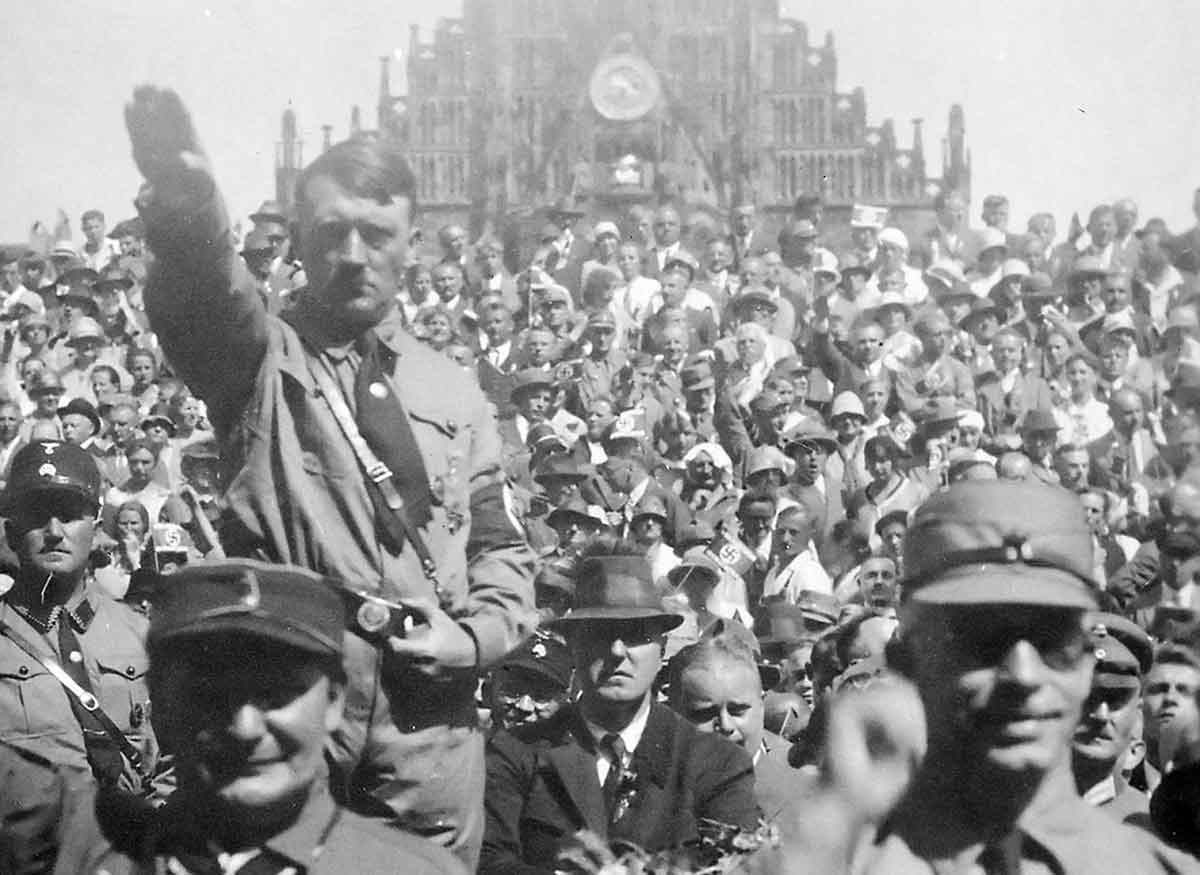
The reliance on foreign capital hit Germany hard when the Great Depression struck, leading to high rates of unemployment. While the Dawes Plan had improved Germany’s economy over a five-year period beginning in 1924, those gains were wiped out by the Depression. As citizens saw a return of struggle and unrest, many flocked to the new Nazi Party, which promised to fix the situation by controlling the economy, re-arming the small military, and persecuting those whom people blamed for harming the nation’s interests. In 1933, Nazi Party leader Adolf Hitler was appointed chancellor of Germany.
It is debatable whether the Dawes Plan made the situation in Germany better or worse regarding the rise of Hitler. The plan did cause a five-year period of economic growth, leading to the “Golden Twenties,” but made Germany reliant on foreign loans. Without the restructuring of Germany’s reparations payments, however, the economic situation may have been even worse. Therefore, the Dawes Plan may be credited with helping many Germans recover from the post-war hyperinflation and economic quagmire. The rise of Hitler, heavily influenced by the Great Depression, would likely have still occurred without the Dawes Plan.