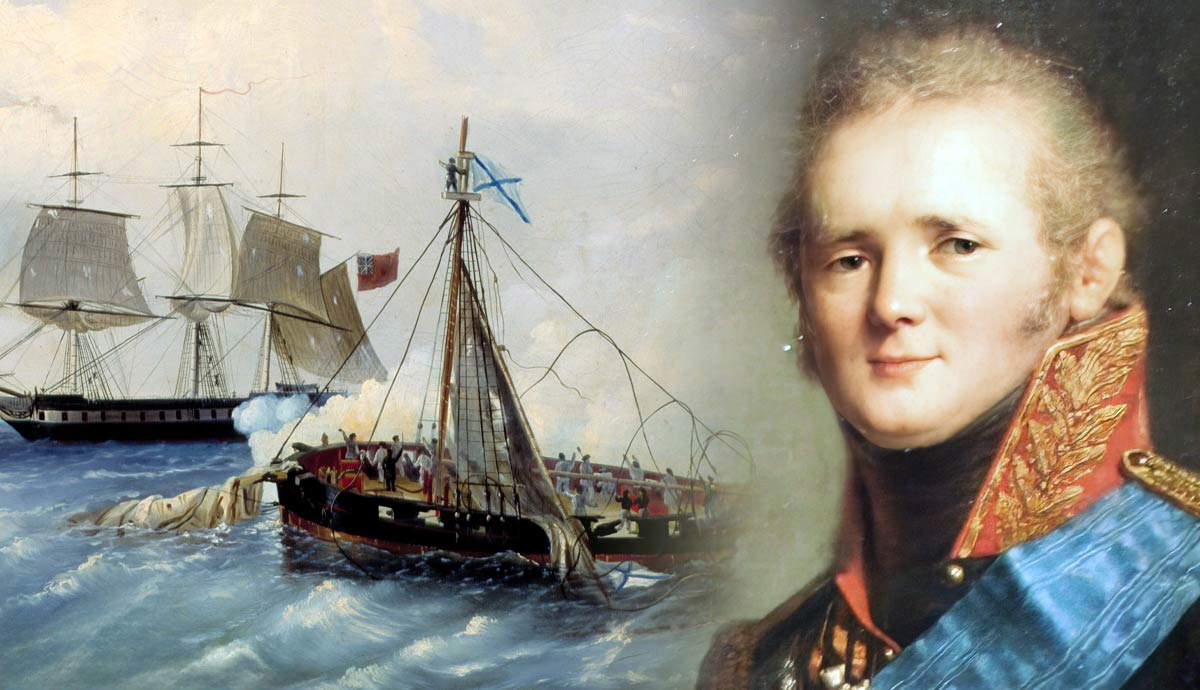

1815 marked the end of France’s formal relationship with Napoleon Bonaparte as its leader. Before this, Napoleon had been invincible in the minds of many French citizens for over a decade, embodying everything the Revolution had failed to give the French people, which was military glory, political stability, and territorial expansion.
By the time the Allied army had rolled into Paris in March of 1814, the Grande Armée could no longer sustain its campaigns. And a year later, the French had abandoned their emperor. Not begrudgingly because of a military defeat, but because he had destroyed the economy and willfully bankrupted France of its military men, many of whom died in battle.
Too Many Conscripts

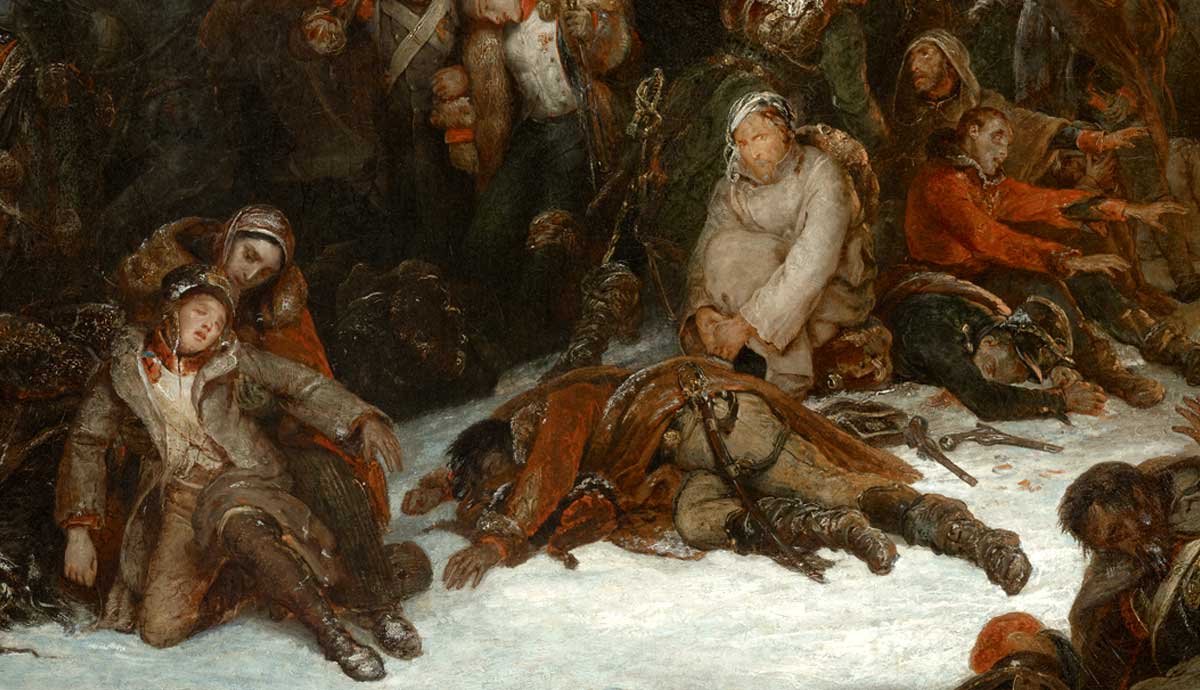
Since the levée en masse of the revolution years, Napoleon had been unable to fight his wars without continuous conscriptions. And between the campaigns in Russia and Germany in 1813 and 1814, the French Empire had reached its breaking point. In 1812 alone, Napoleon had lost approximately 500,000 men in his Russian campaign. To defend the empire, he eventually called for nearly a million conscripts across the nation in 1813. Many replacements for the dead came from young French conscripts who had never been trained for war.
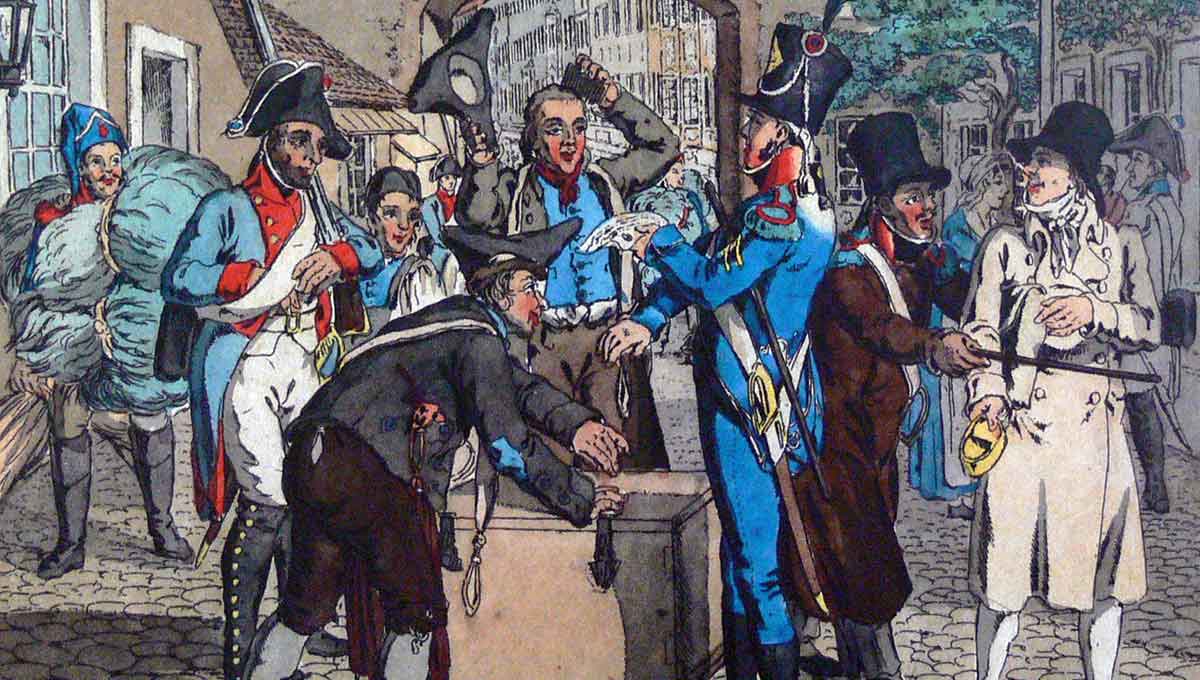
By the time France became the battleground in the Campaign of France in 1814, even the peasantry had no stomach left to send their sons to France’s army. Men deserted at an astonishing rate in the first three months of the campaign alone. The refractories, men too scared or stubborn to even leave for their military duties, went into hiding in forests all across France and were protected by sympathetic village folk. Soon, French civilians realized that if the fighting continued, Napoleon would not and perhaps could not allow France to know peace.
Rapid Economic Decline and the Continental System Failure
France, already financially strapped from years of funding armies and navies, suffered serious economic woes. At the time, the Continental System, which was part of Napoleon’s foreign economic policy, banned all trade between the United Kingdom and any nation that paid Napoleon fealty. While it was supposed to bolster French industries by starving Britain of trade, the British blockade of French ports made trade with France difficult. Soon, the docks of Bordeaux, Nantes, and Marseille had diminished activity. The loss of trade had far-reaching economic consequences and caused the French middle class to lose a lot of money.
The value of the franc also plummeted as inflation skyrocketed. During this time, Napoleon raised taxes on indirect consumption to pay for the ever-increasing costs of war. For all the money and resources he had swallowed up, Napoleon had managed to make France ungovernable. By the time the Allies reached French soil, they found more pitchforks raised against Parisian officials who were accused of theft and corruption. In some areas of France, the Allies were welcomed as liberators, and the return of the Bourbons was embraced for the simple reason that a Bourbon restoration would mean trade with Britain would resume. It also meant that civilians could work in the manufacturing industry again due to a bigger market for their products.
The Realization That He Would Lead Paris to Destruction
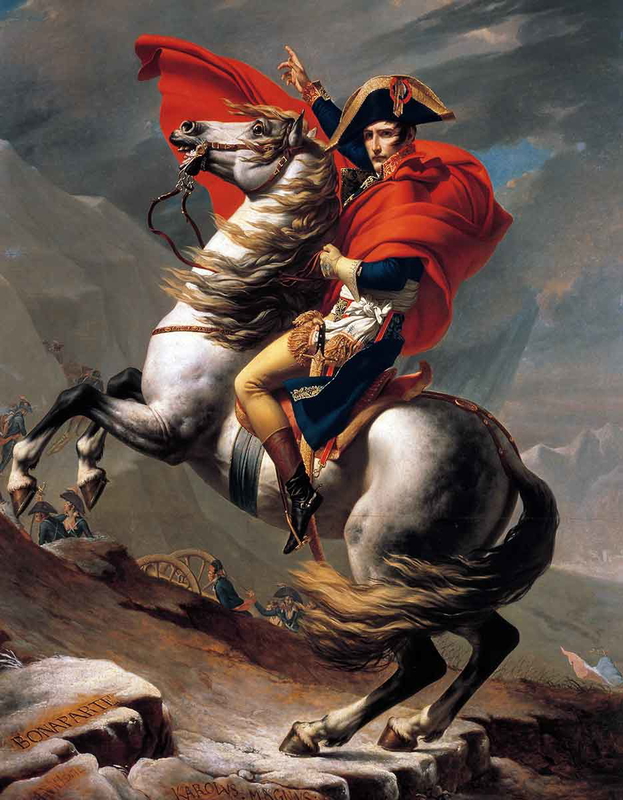
In March 1814, when the Allies pushed past Napoleon’s generals and fought their way into Paris, the city’s governing body, the Senate, realized that if it continued to follow Napoleon’s lead, the capital would burn to the ground. And so, left with no other option, the French Senate voted on 2 April 1814 to have Napoleon deposed, citing his violations of the constitution and his refusal to sign a peace treaty.
But even after Paris betrayed him, Napoleon still thought he could march on the city in triumph and take his throne back by force, even after he was exiled to the island of Elba. He was wrong.
The Escape from the Island
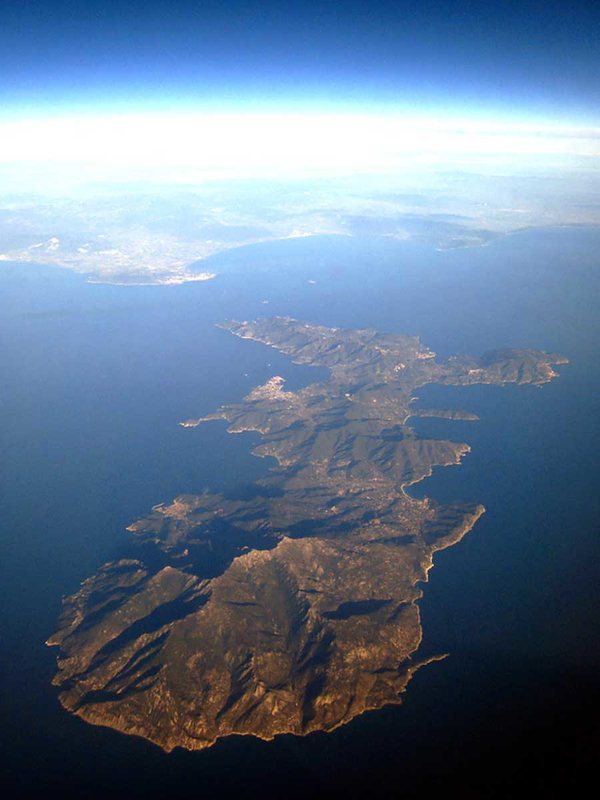
In February 1815, he escaped the island and landed in France to try to take back his empire. The other European nations quickly gathered their armies to stop him. His final attempt to stay in power ended on 18 June 1815 at the Battle of Waterloo. Napoleon was defeated by the British and Prussian armies and was forced to give up his throne for a second time. To make sure he could never return, the British exiled him to Saint Helena, a very remote island in the Atlantic Ocean. He lived there under guard until his death in 1821.