
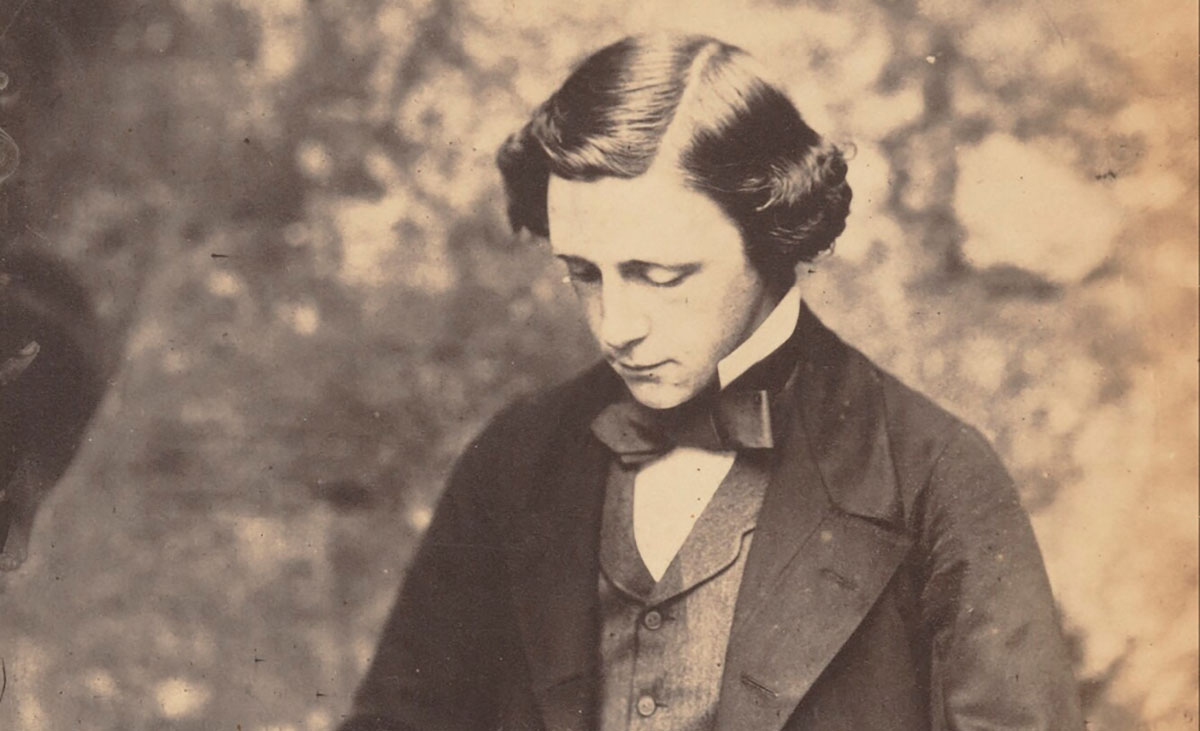
Lewis Carroll, (real name Charles Lutwidge Dodgson), wrote Alice’s Adventures in Wonderland in 1865, inspired by a storytelling boat trip with the Liddell sisters, particularly Alice Liddell. Drawing on his academic background and religious beliefs, he created a world where societal norms were twisted, inviting readers to question the structures that govern childhood, education, and identity.
Wonderland’s Strange Characters Mock Victorian Class Divisions
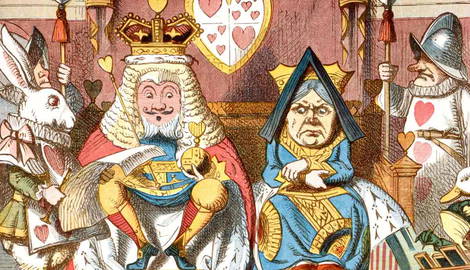
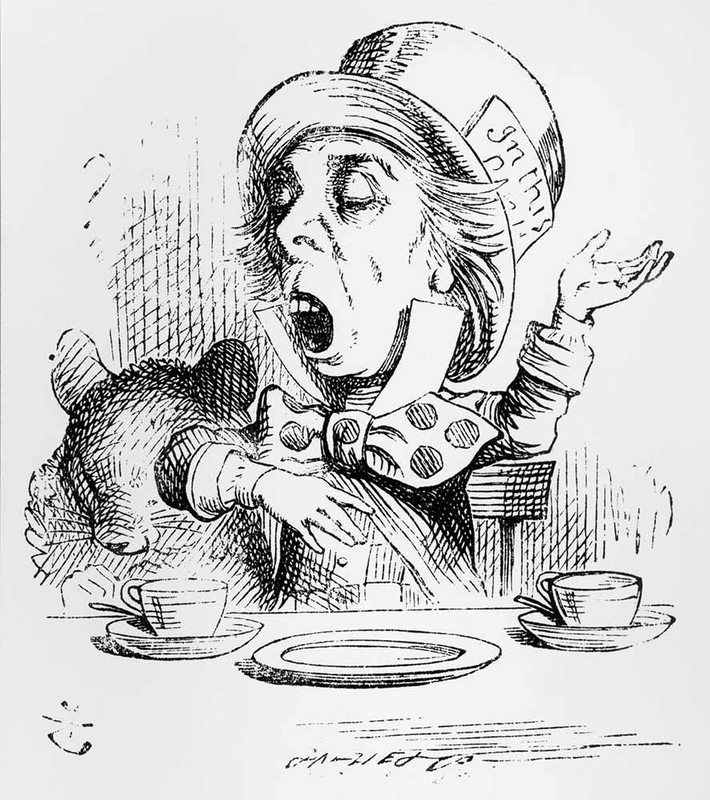
In Victorian England, society was rigidly structured, with royalty and aristocrats at the top, followed by the middle class and working poor. Carroll satirizes this hierarchy through figures like the Queen of Hearts, who abuses her royal status with irrational commands, and the White Rabbit, who anxiously performs his duties as a minor official. Meanwhile, characters like the Mad Hatter behave chaotically and disregard social norms, defying the expectations of their presumed lower status. By placing these exaggerated personalities in absurd situations, Carroll highlights the artificiality and instability of class-based authority.
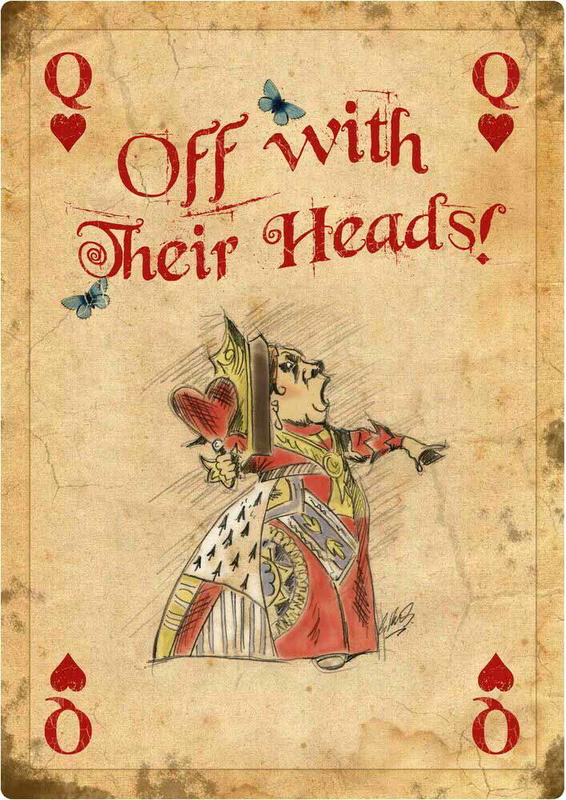
The Queen of Heart’s Justice System Satirizes Victorian Law
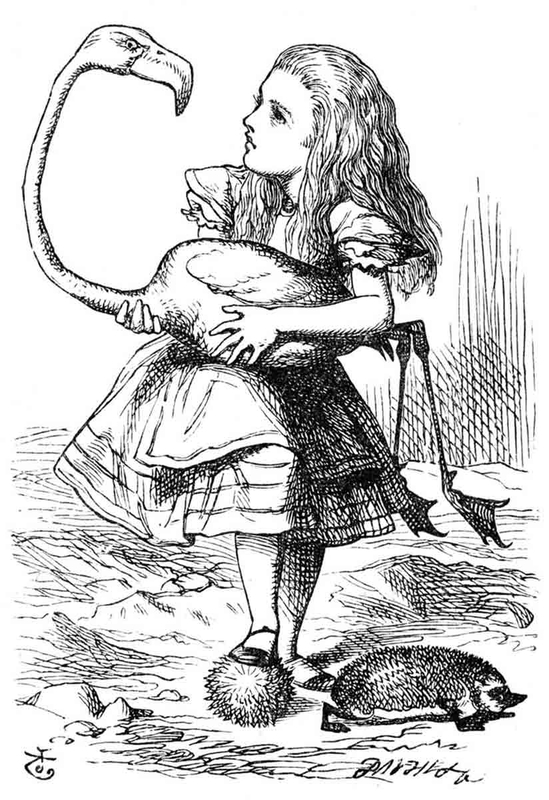
The Queen of Heart’s constant cries of “Off with their heads!” exaggerate the era’s reliance on severe punishments, echoing the lingering legacy of public executions and the widespread use of transportation to penal colonies like Australia. The trial of the Knave of Hearts, held without credible evidence and with a verdict seemingly predetermined, mocks the performative nature of Victorian courts, where class often influenced outcomes.
Carroll’s parody aligns with critiques found in Dickens’s novels, such as Bleak House (1853) and Oliver Twist (1839), which expose the cruelty of the justice system. Alice’s refusal to accept the Queen of Heart’s authority and her declaration that the court is “nothing but a pack of cards” reflects a growing Victorian awareness of legal reform and the need for rational, humane governance.
What Wonderland’s Absurd Lessons Say About Victorian Social Rules
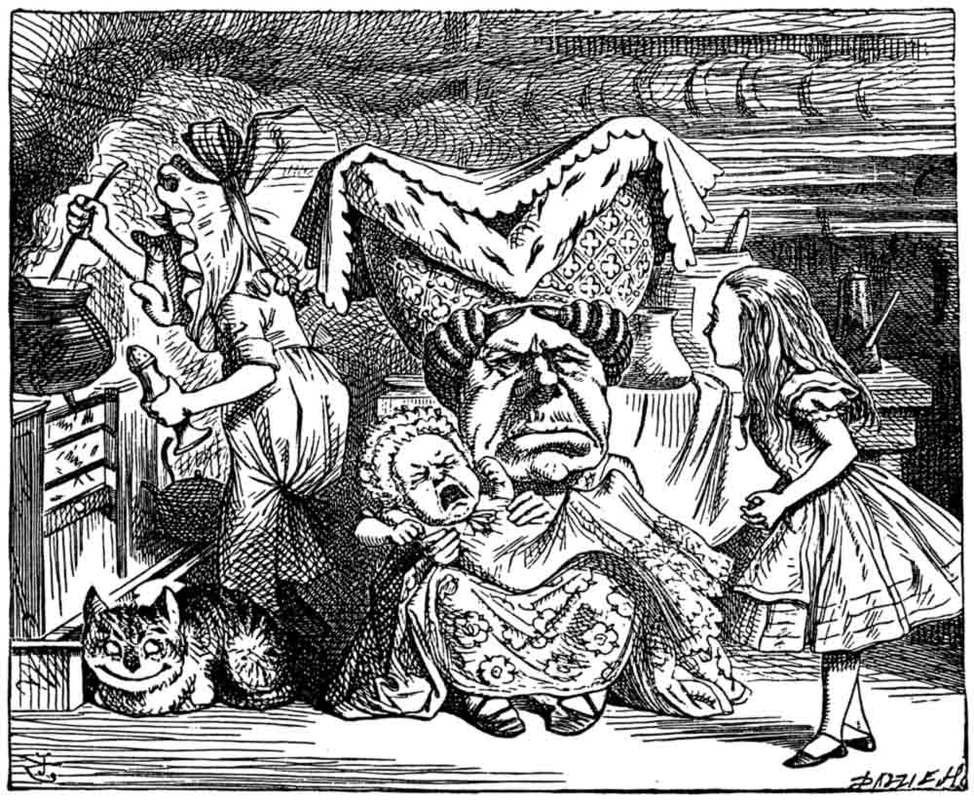
Characters like the Duchess, who insists on finding morals in everything, and the Mock Turtle, who recalls absurd subjects like “Ambition” and “Distraction,” reflect how rote learning and moral instruction were valued over creativity and critical thought. Carroll, a mathematician and Anglican deacon, uses these scenes to question the era’s emphasis on memorization, moralizing, and conformity, exposing how such systems often stifled imagination and individuality in children. Through Alice’s confusion and resistance, the novel critiques the educational ideals of Carroll’s time while celebrating curiosity and playful reasoning.
How Wonderland’s Love of Play Challenges Victorian ‘Proper Behavior’
In a culture shaped by industrial discipline and moral rigidity, creativity was often seen as disruptive or immature. Carroll’s Alice in Wonderland flips this notion, presenting a world where games, riddles, and unpredictable behavior are not only accepted but celebrated. The Caterpillar’s cryptic questions, the chaotic tea party, and the nonsensical logic of the White Queen all encourage Alice to think beyond conventional rules. This playful rebellion reflects broader literary shifts toward valuing childhood imagination, seen in works by Blake and the Romantic poets, and anticipates later psychological theories that view play as essential to cognitive and emotional development.
Lewis Carroll’s Beliefs Shaped the Moral and Satirical Parts of the Story
Lewis Carroll’s beliefs as a mathematician and Anglican deacon shaped the moral and satirical tone of Alice’s Adventures in Wonderland. Rather than preach religious doctrine, Carroll critiques the rigid moralism of Victorian society through absurd characters like the Duchess, who forces morals onto nonsense, and the Queen of Hearts, whose violent justice mocks the era’s harsh legal codes and use of transportation. His Christian values of humility and compassion are reflected in Alice’s quiet integrity, while his love of logic and paradox challenges adult authority. Carroll suggests that true morality lies not in fear or conformity, but in kindness, curiosity, and independent thought.