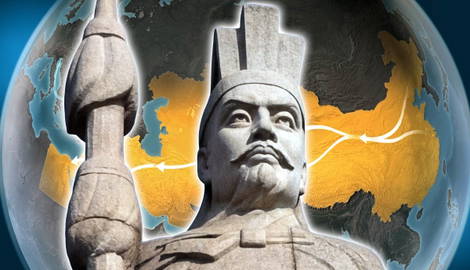

The Han Chinese faced a serious problem in dealing with the Xiongnu, who could muster large numbers of mobile cavalry, which proved highly effective against slower Chinese chariots and infantry. The Han, however, had potential allies to the west, who could help turn the tables on the Xiongnu. In search of an alliance, Counselor Zhang Qian was sent forth, and routes were forged. Unknown at the time, these passages would evolve into the most critical trading route of the Middle Ages: the Silk Road.
The Xiongnu Problem
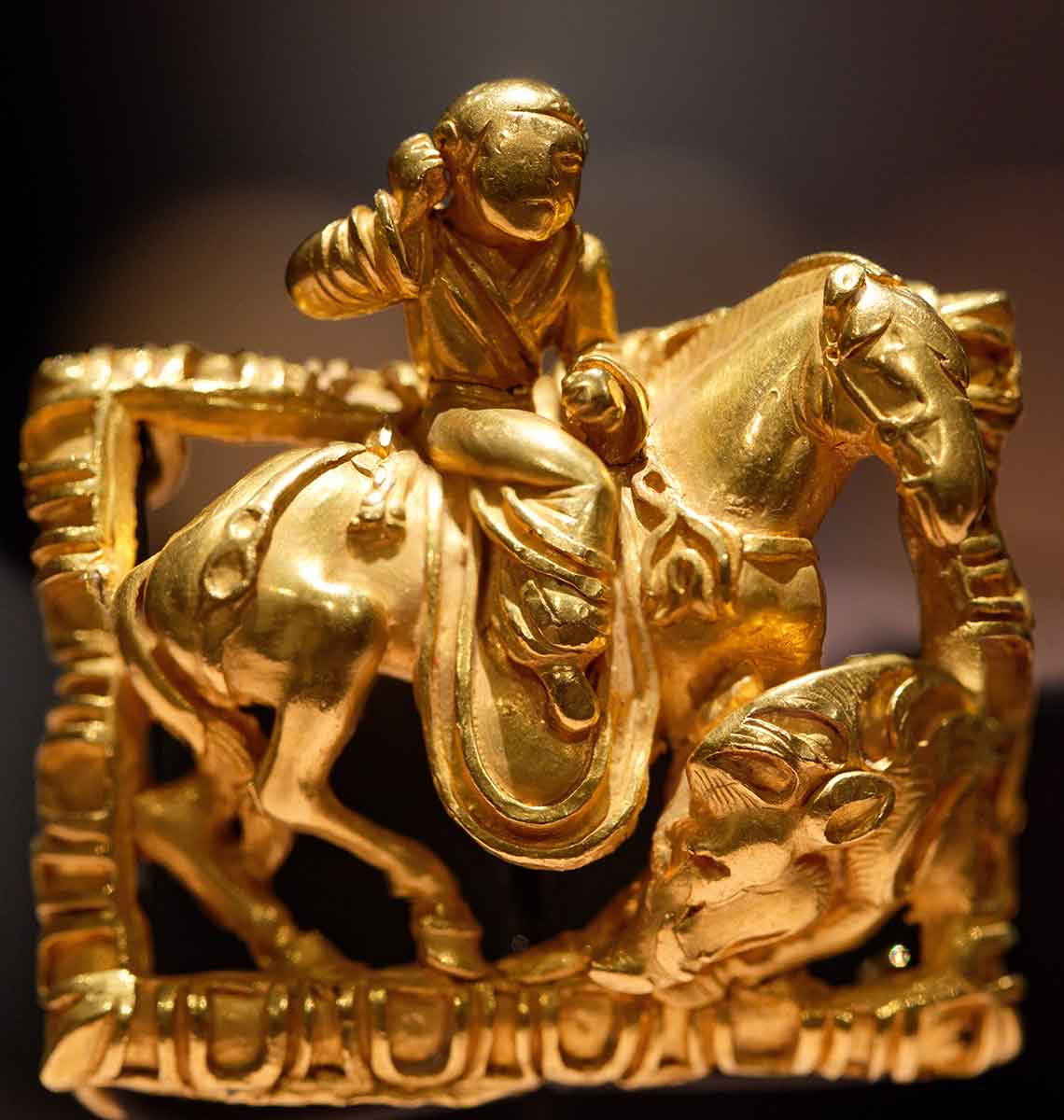
In the 2nd century BC, the Han Dynasty was facing a serious problem. The Xiongnu were a confederation of pastoralist herders along the north and northwestern border of the Han, and their lifestyle led to raids and incursions into Han territory.
The Great Wall was not effective enough against the Xiongnu, and early Han leaders tried to placate the Xiongnu by marrying off Han princesses, but this did not have any long-term success.
In 141 BC, Emperor Wu came to power and began a reign that saw a massive transformation in Chinese power, forming a solid centralized state and a shift towards more aggressive policies towards the Xiongnu.
To the west, however, the Han had an opportunity for an alliance with the Yuezhi, common enemies of the Xiongnu. In 162 BC, the Xiongnu defeated the Yuezhi, who had been driven from their homeland in the Hexi Corridor. The Xiongnu executed the Yuezhi monarch and fashioned his skull into a drinking cup.
If an alliance could be forged, the Xiongnu would be pressured from east and west.
Zhang Qian and the Xiongnu
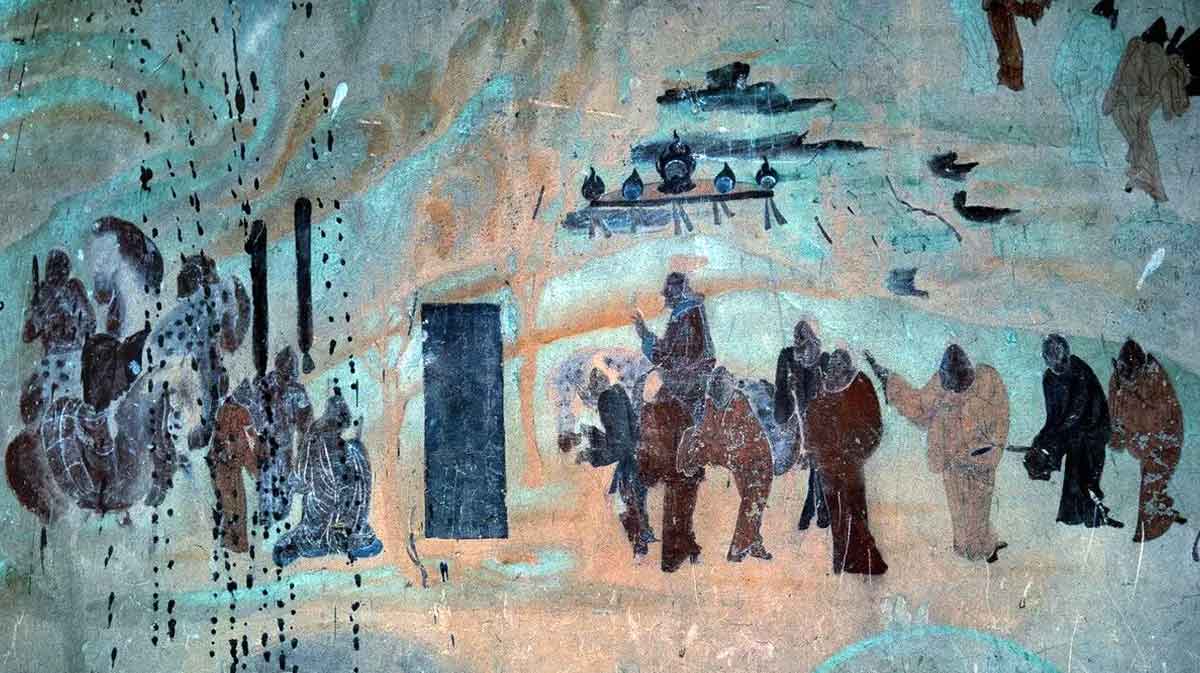
The primary source for the story of Zhang Qian comes from Shiji, a history of ancient China compiled by the historian Sima Qian. In this, the definitive history of the period, Zhang Qian’s journey is described.
In an effort to make contact with the Yuezhi and secure an alliance, Emperor Wu sent a high-ranking official, Zhang Qian, along with a party of 99 and a guide named Ganfu, who was a captured Xiongnu. They traveled westwards along the dangerous southern edges of the Xiongnu territory in 138 BC.
The hope of reaching the Yuezhi unharassed proved to be folly, and the Han entourage was captured by the Xiongnu. Thus began a decade-long period of Zhang Qian’s captivity. Most of his entourage was assimilated into Xiongnu society, and Zhang Qian was allowed much freedom but not enough to allow him to escape. He married into the Xiongnu and had a son, yet he never forgot his mission and waited for a chance to escape.
Continuing the Journey
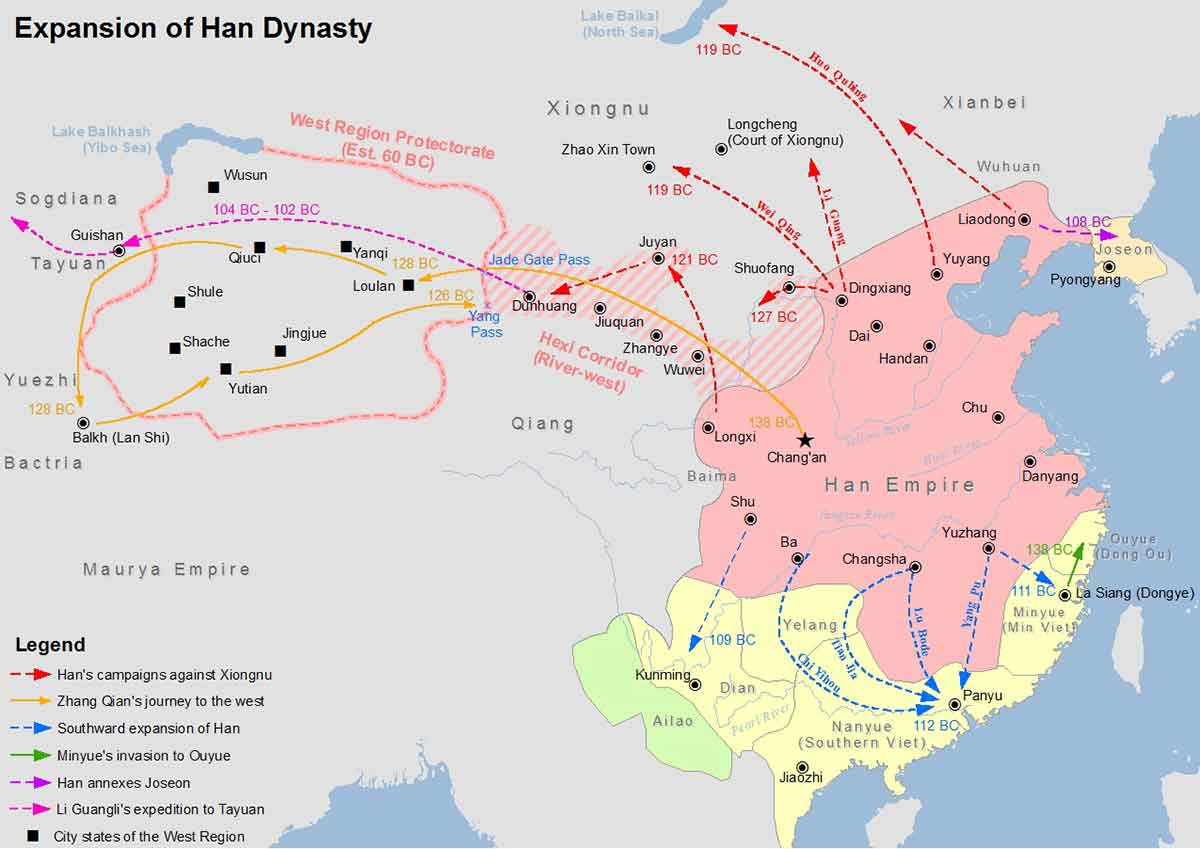
Zhang Qian and a small group of men, including Ganfu, managed to escape the Xiongnu after many long years, and they continued their journey westwards, through extremely harsh terrain, including deserts, steppes, and treacherous mountain passes. They endured the blazing heat and freezing cold, eventually reaching Dayuan, a civilization living in Central Asia.
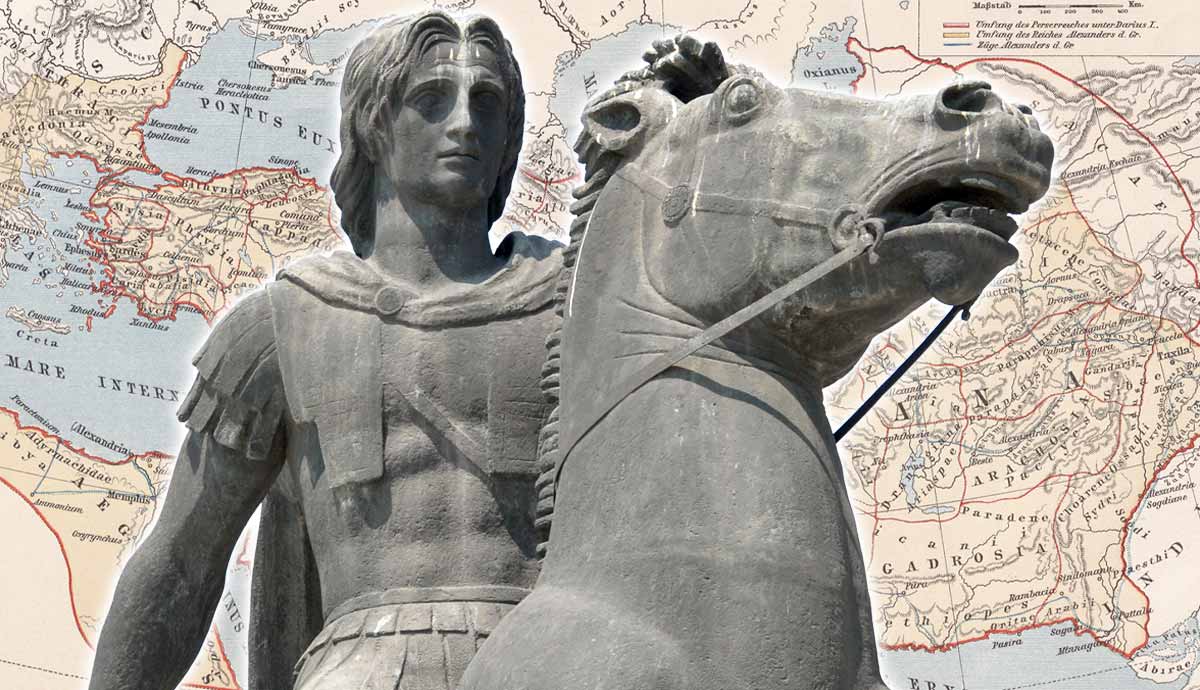
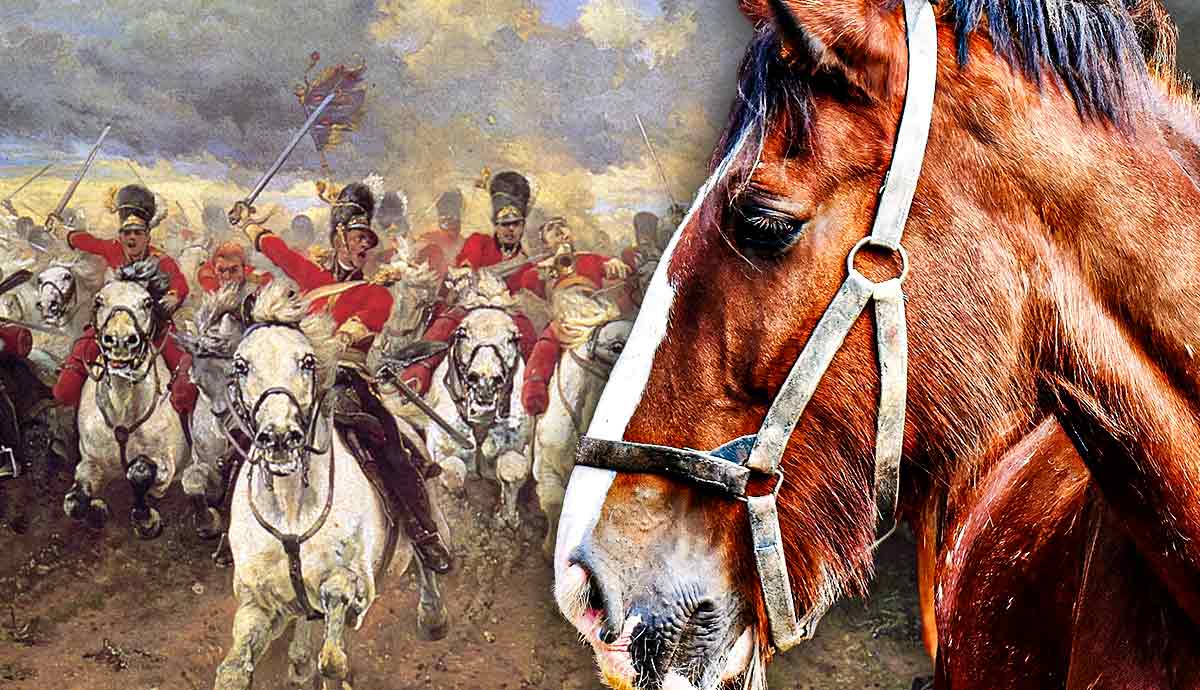
The Dayuan were descendants of Hellenistic people resettled by the Persians, and later settlements by Alexander the Great. Their lands and surrounding areas represented a pivotal geographical location between East and West. Of note were the horses, which were tall and powerful. Subsequent interactions between the Dayuan and the Han would lead to “The War of the Heavenly Horses” as a result of the Han attempting to acquire these animals, which would have been a significant contribution to the war against the Xiongnu.
Continuing his journey, Zhang Qian eventually reached the lands of the Yuezhi and brought his message from the Han emperor, an offer of an alliance. The Yuezhi, surprisingly, were not interested. They were flourishing in their new home in what is now northern Afghanistan, and showed little desire for revenge against the Xiongnu.
What Zhang Qian Saw Instead
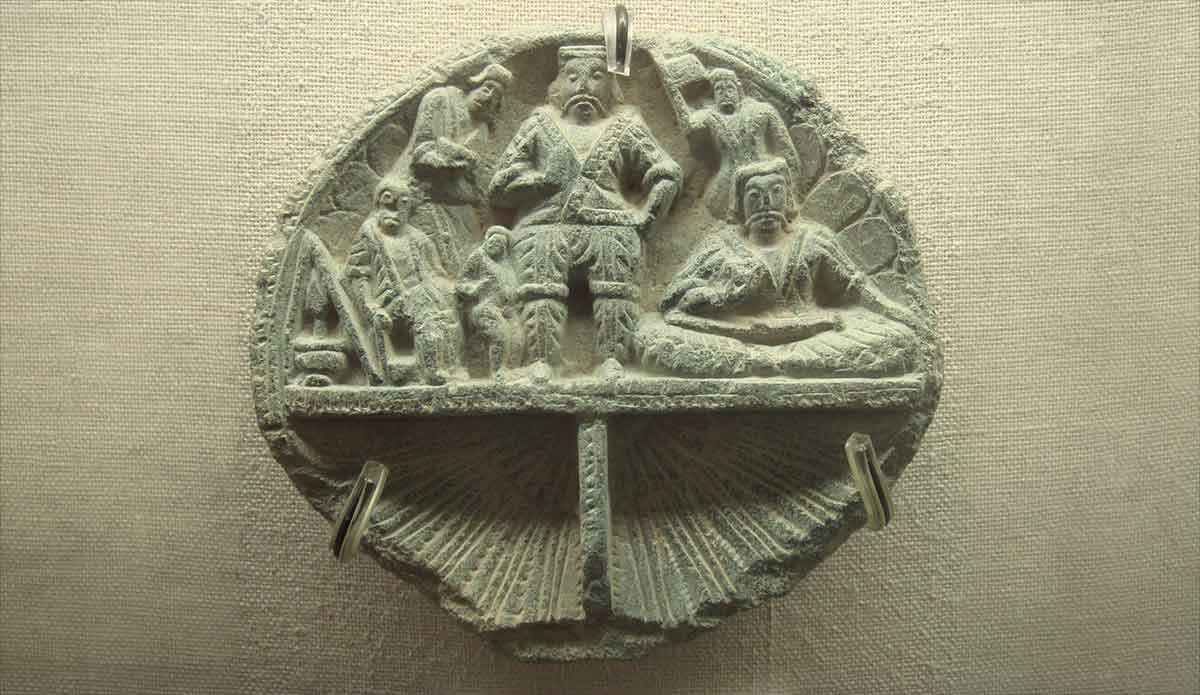
Despite the lack of interest from the Yuezhi, Zhang Qian’s efforts were not in vain. He spent a year in the lands of the Yuezhi, documenting them and their peoples, understanding that this information would be useful to the Han Empire. After setting out for home, he continued his observations, noting the details of the lands in which he and his party found themselves, including the bustling markets that could offer opportunities for trade.
Despite attempting to avoid Xiongnu territory, Zhang Qian was again captured by his enemies. Another two years passed, and in the midst of a dynastic struggle, Zhang Qian and Ganfu took the opportunity to escape once again. Successful in the attempt, they resumed their journey eastwards.
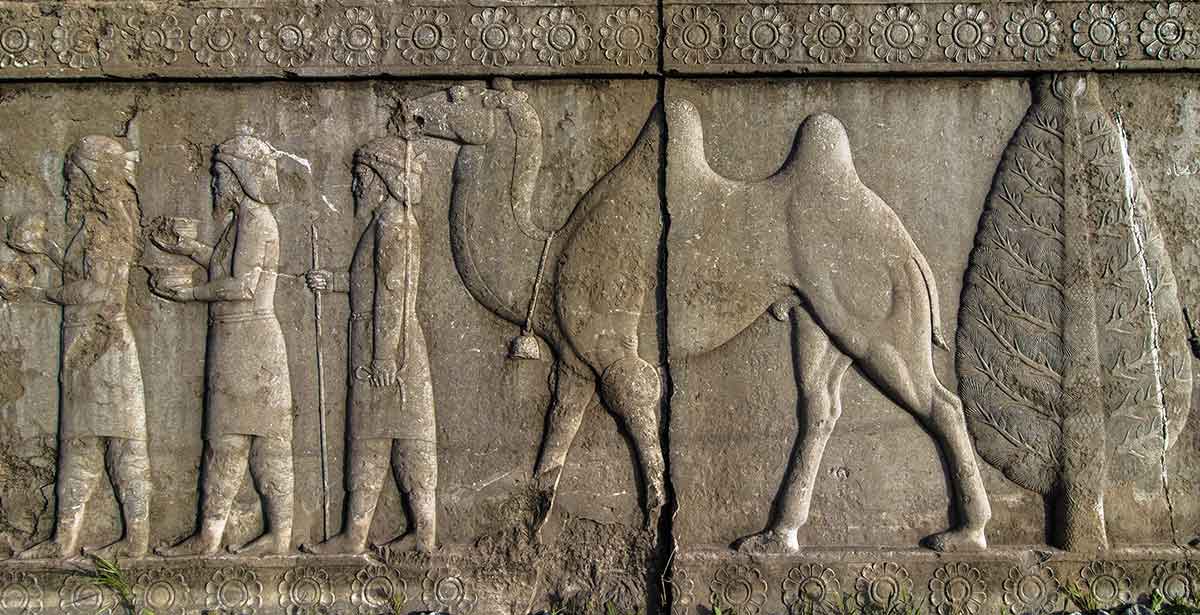
13 years after they first set out, Zhang Qian and Ganfu returned to China, and were the only members of the expedition to return home. The information Zhang Qian brought back was invaluable for an expansionist Han Empire searching for opportunities for influence. He made reports on places that his journey did not include, based on information learned from others, and expanded the Chinese worldview. Central Asia became a new focus for the Han, who learned about the kingdoms and empires, including the remains of the Greco-Bactrian culture, as well as the powerful Parthians. Not only were the existence of these places revealed, but Zhang Qian also reported on trade networks and infrastructure, including irrigation systems and advanced agriculture.
Zhang Qian’s primary mission was unsuccessful, but what he found and recorded instead favored the Chinese in the political landscape that followed. He was honored with the position of a palace counselor upon his return, and efforts followed to establish trade routes and diplomatic ties with the nations far to the west of China.
Zhang Qian was sent on a second mission to establish a trade route with India via Sichuan, and a third mission to establish relations with the nomadic Wusun people, which, according to the Shiji, lived to the west of the Xiongnu. Both these missions were also failures, yet Zhang Qian lives on in China as a national hero to this day. And for good reason.
The Silk Road
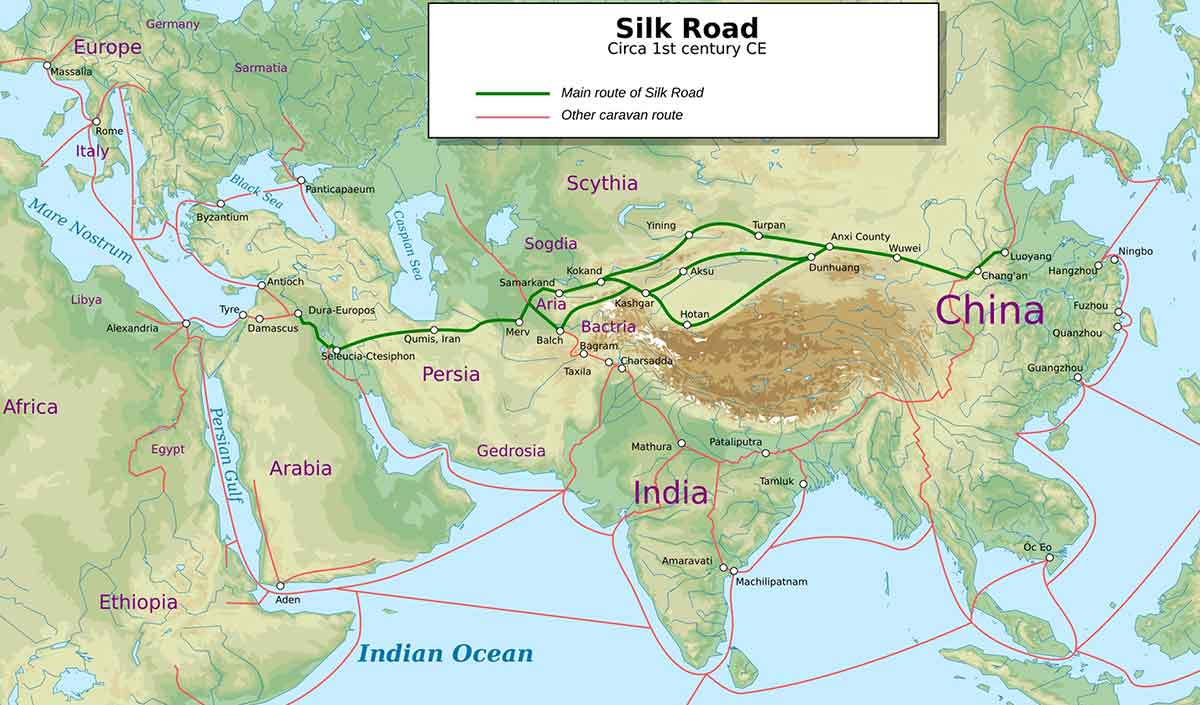
The routes discovered, forged, and described by Zhang Qian served as a foundation for the creation of the “Silk Road,” although this term was derived from 19th-century Europe, and many historians prefer the term “silk routes” as the route was not a single monolithic road from east to west.
The longest route stretched 4,000 miles (more than 6,400 km) from Chang’an (and later Luoyang) in China to the outskirts of the Taklamakan Desert, continuing through Samarkand and all the way to the Fertile Crescent and beyond. Subsidiary routes extended over land and sea, eventually ending up in Europe, where the Chinese established contact with Rome, although direct contact between the two empires was rare and is a subject of academic debate. It does, however, highlight the impact of the Silk Road and how it connected regions across continents.
The contact between so many civilizations helped the spread of goods as trade flowed both ways. Tea, dyes, perfumes, porcelain, and, importantly, silk, moved westwards, while wool, honey, silver, and a host of other goods moved eastwards.
Inns built along the route provided rest stops for merchants and were places of great cultural exchange as people swapped ideas and knowledge, technology, and art, ultimately benefiting the nations connected to the trade routes.
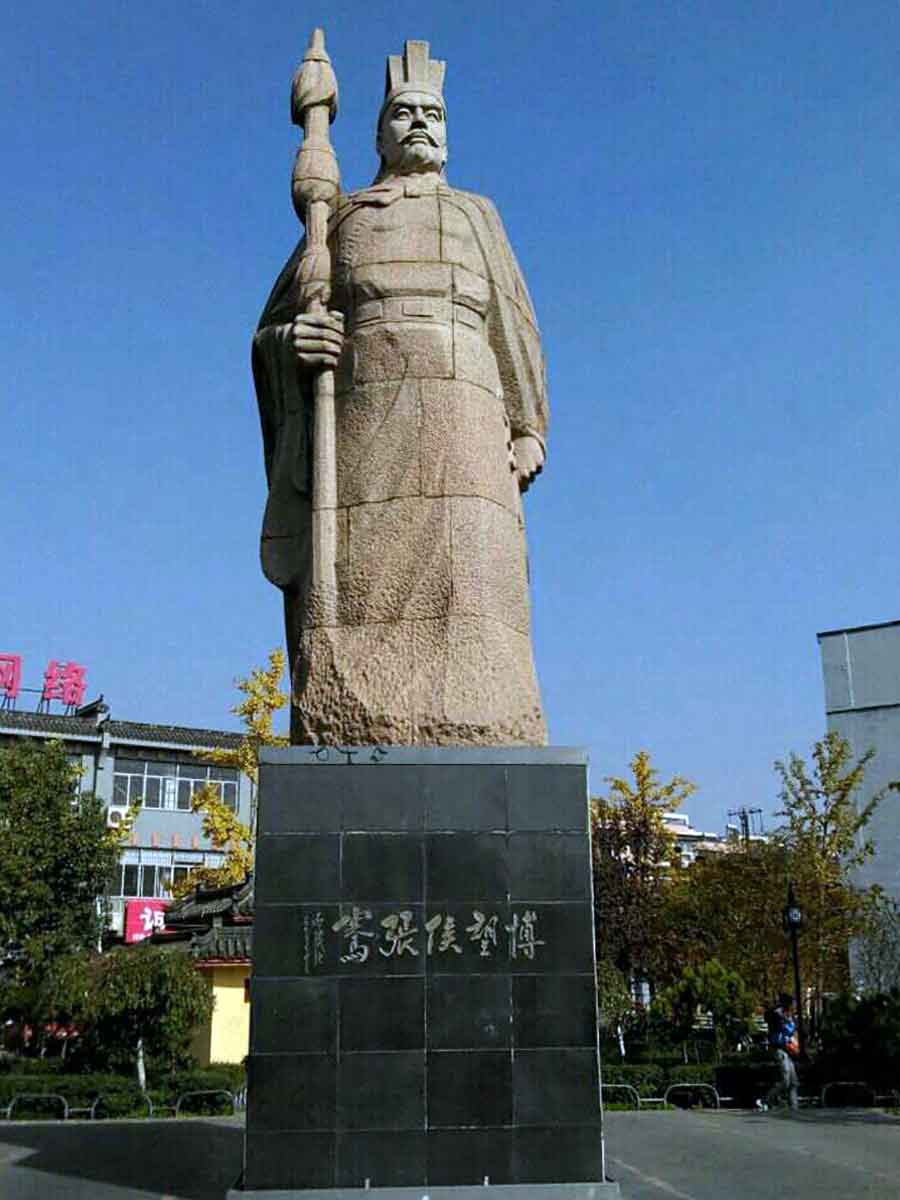
For over a millennium, Zhang Qian’s legacy opened a window and a route to the world, connecting people thousands of miles apart. Despite his missions being marked with failure, it was his observation and perseverance that mattered far more than his objectives, leading to the creation of the Silk Road, a result that was far more impactful than his diplomatic objectives.