
The biggest invasion that never happened, the 1940 Operation Sealion, never materialized because the requirements were not met. Why? The Luftwaffe’s defeat in the Battle of Britain meant air coverage of the Kriegsmarine could not be guaranteed. German air supremacy was necessary for Hitler’s legions to land.
However, there were many other operations that may have changed the course of the war had they happened. Here are five major operations that were planned but were never carried out.
An Early Allied Attack on the Soviet Union: Operation Pike
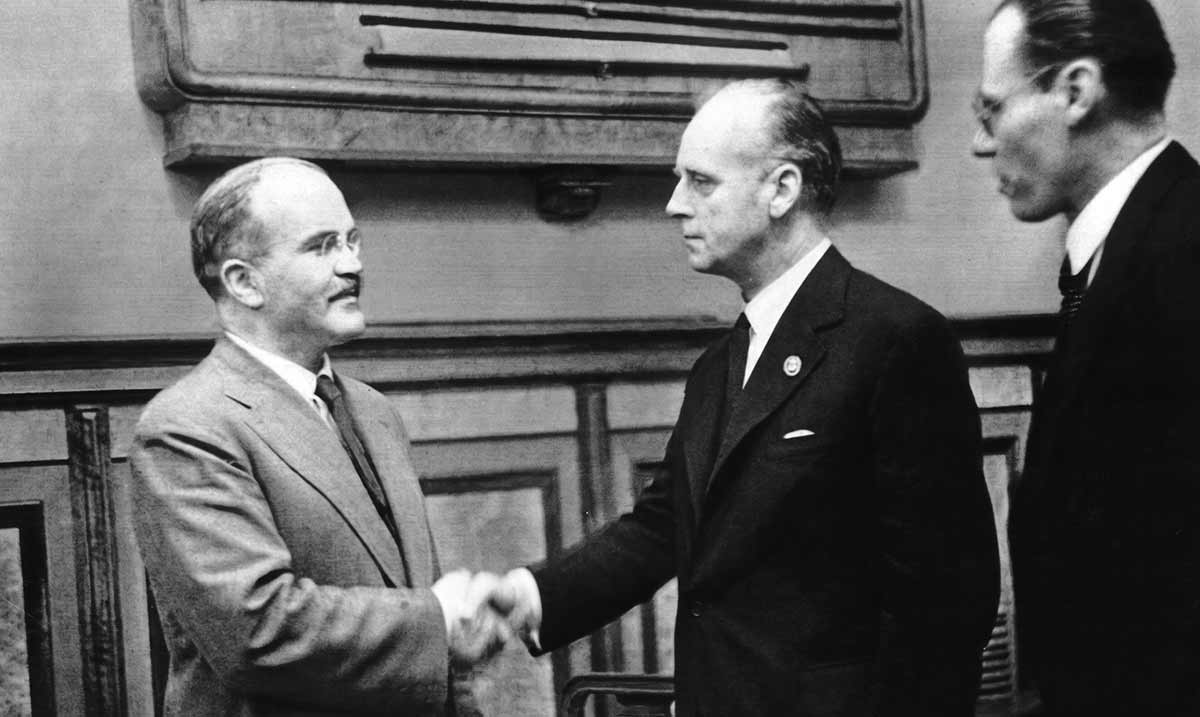
In August 1939, the Soviet Union and Germany signed a Trade Agreement, followed by the non-aggression Molotov-Ribbentrop Pact. The British and French governments decided Stalin was in cahoots with Hitler. This led to the planning of Operation Pike, a two-part plan to hit the Soviet Union. The first part would be air strikes against the Soviet oil installations in the Caucasus area, like Grozny and processing sites. All strikes would originate from Syria and Iraq.
Next, French and British forces would take northern Sweden and Norway. These forces were to confront the Soviets plus seize the valuable Swedish iron ore mines. Operation Pike’s planners intended to wreck the Soviet economy and keep Germany from obtaining scarce resources. Eventually, cooler heads saw the absurdity of the plan and canceled it.
Frustration: Operation Isabella
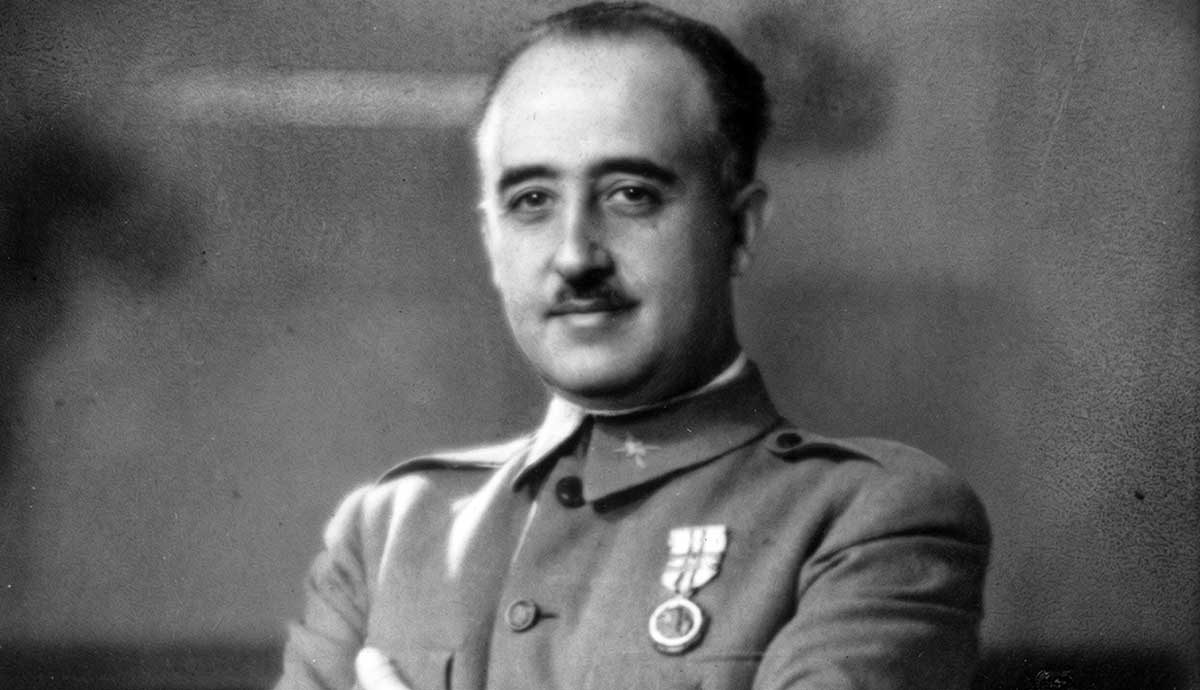
Nazi Germany’s relationship with fascist Spain always remained a frustrating one. The largest headache revolved around Spain’s refusal to join the Axis. So, Hitler ordered Operation Isabella in May 1941. Isabella’s operational goals included taking Spain and Portugal. Next, Gibraltar, the Azores, the Canary Islands, and parts of North Africa would be taken. Hitler intended to close the Straits of Gibraltar. This would force British convoys for Egypt and beyond to sail around Africa, taking longer and delivering fewer supplies. Like Operation Pike, Isabella never occurred, showing what Hitler thought strategically.
Malta’s Removal: Operation Herkules
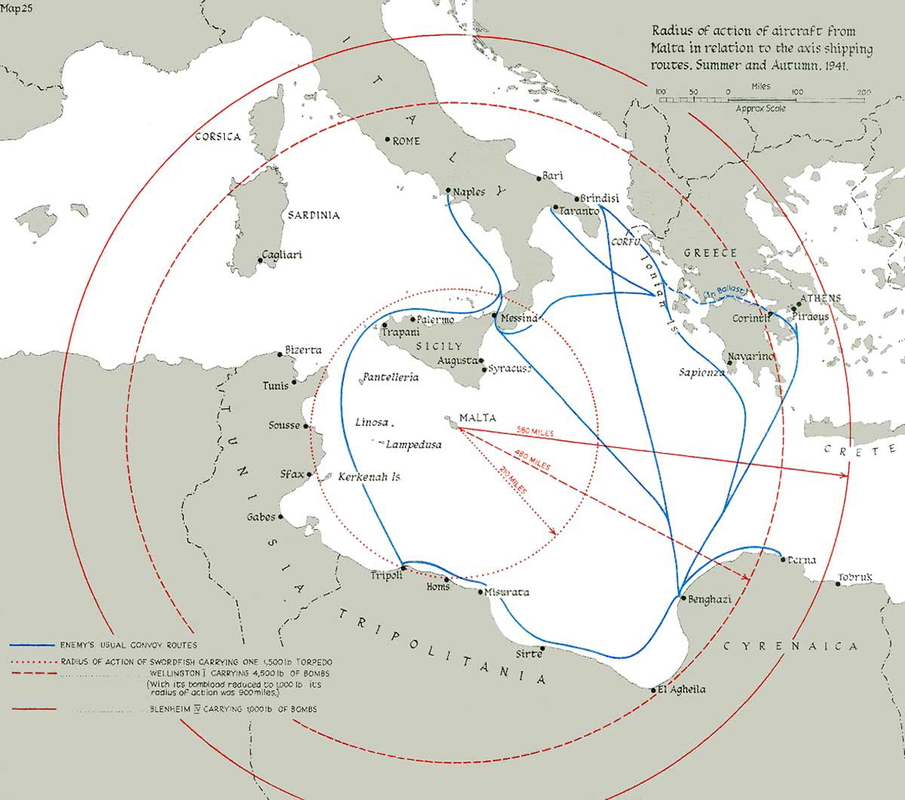
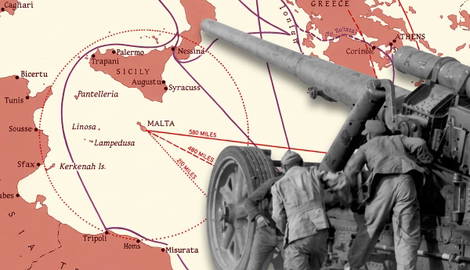
Operation Herkules, co-planned by Italy and Germany, aimed to remove British presence from Malta, Britain’s Mediterranean island fortress. This unsinkable base since 1940 had interfered with Axis supply convoys to North Africa. Planning began in mid-1941, and the operation was scheduled for June 1942. Malta’s refusal to surrender despite intense bombing raids showed Britain’s resolve to hold the island.
Herkules’s two parts comprised two airborne attacks to bypass any defense lines. Once landed, more troops would fly in. Next, two infantry divisions would land and take the rest of the island. Operation Herkules got postponed twice and then canceled in 1942. Allied victory in North Africa ended the need to invade.
Potential Problem: Plan Rubber
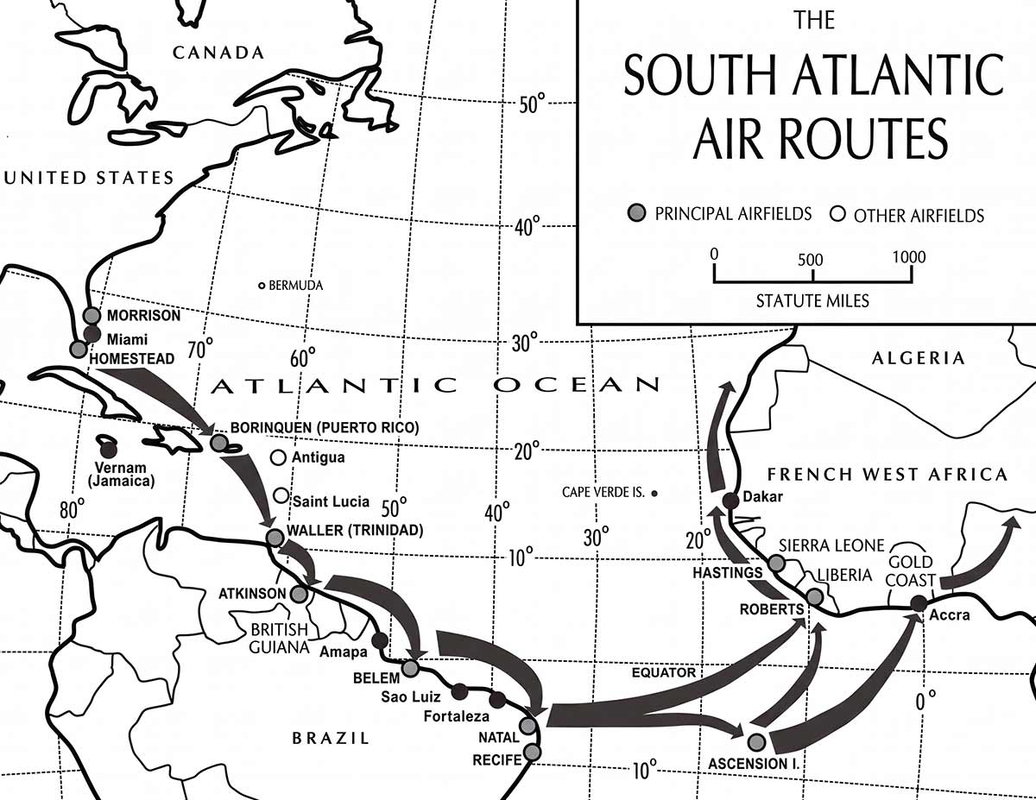
The December 7 Pearl Harbor attack justifiably made Americans nervous about other potential attacks. The government looked south and saw fascist Brazil. Brazil’s dictator, Getúlio Vargas, refused the US access to Brazilian bases and garrison troops. With a million-plus German expat community, Brazil lay a relatively short distance from the Vichy French African colonies. And a possible invasion route for the Axis.
Plan Rubber’s objective was to end threats and create air bases for patrol aircraft and an air bridge for American reinforcements to Africa. The plans called for two US divisions to land and seize northeastern Brazil. Existing airbases would be used, and new ones would be built as needed. The US government aimed to create a defensive zone. But, as with the other plans, Plan Rubber never happened. President Roosevelt convinced Vargas to allow American troops and bases in return for protection. The unprovoked sinking of Brazilian ships by Germany’s Kriegsmarine made that decision easier, too.
East Versus West: Operation Unthinkable
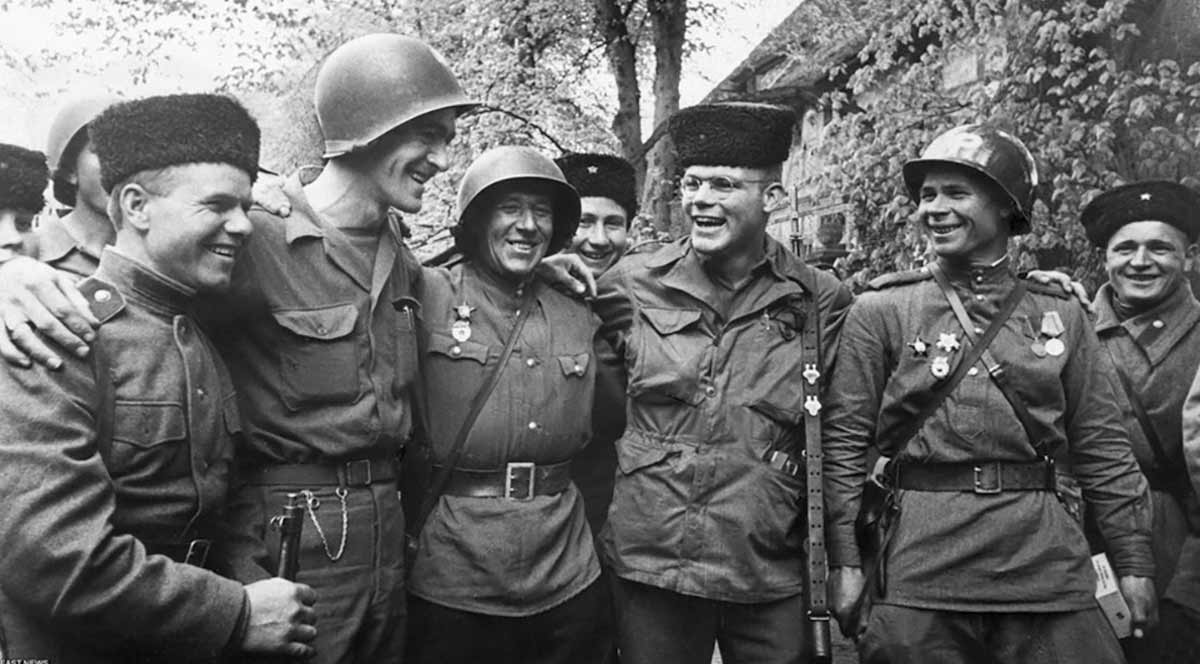
Before the end of WWII in Europe, there was major distrust between the Soviet Union and the Western Allies. Churchill, an oft-critic of Stalin’s Eastern European intentions, asked his generals to draw up Operation Unthinkable.
Unthinkable’s first iteration meant a surprise attack on Soviet forces in Germany. The reasoning for a July 1, 1945, attack would be to “impose the will of the United States and British Empire.” However, the US refused to consider such an attack. Without American forces and assistance, Unthinkable got shelved. The second iteration was considered only a defensive plan, lasting for the duration of the Cold War.