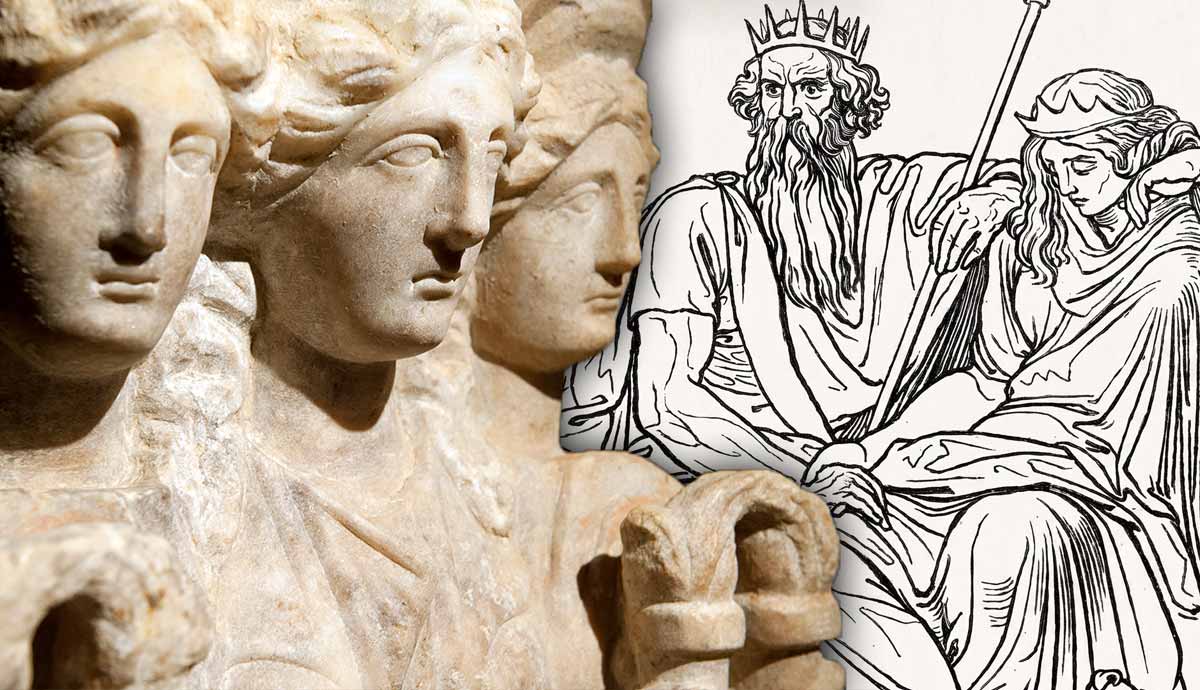
By 323 BC, Alexander the Great had conquered much of the known world. While this made him a great victor, it also placed him in a precarious position. He was trying to administer and maintain a vast multicultural empire plagued by conflict and corruption. There were also many who coveted his power, and he added fuel to the flame by not establishing a clear succession plan. When he died following a sudden illness at the age of just 32, it seems only natural that many suspected foul play, specifically poison. But is there evidence to suggest that Alexander was poisoned?
Alexander’s Final Days: Sudden Symptom and a Lingering Death
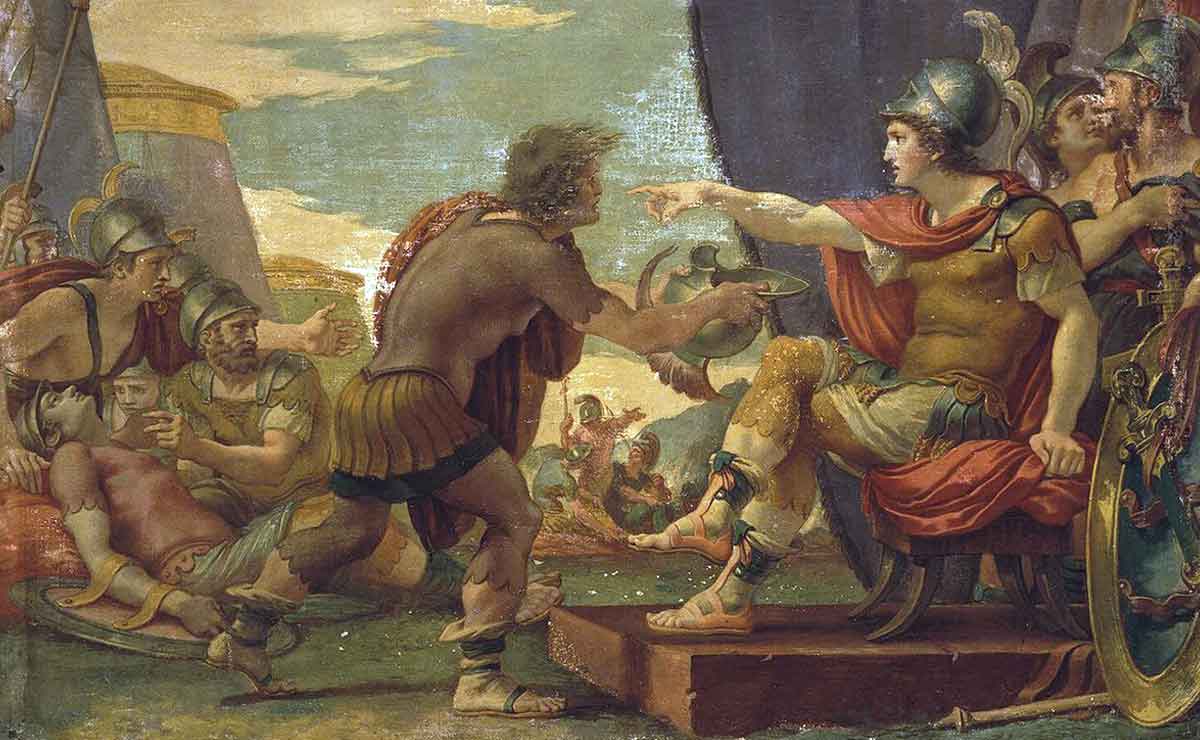
Alexander the Great died on June 11, 323 BC in Babylon. This was no sudden passing but a tortured twelve-day ordeal. According to accounts, Alexander spent the night before his illness began drinking heavily. To all present, he seemed sharp and active, much like a healthy 32-year-old man in his prime. The next day, Alexander had incredible back pain and a high fever, though he still participated in another round of heavy drinking.
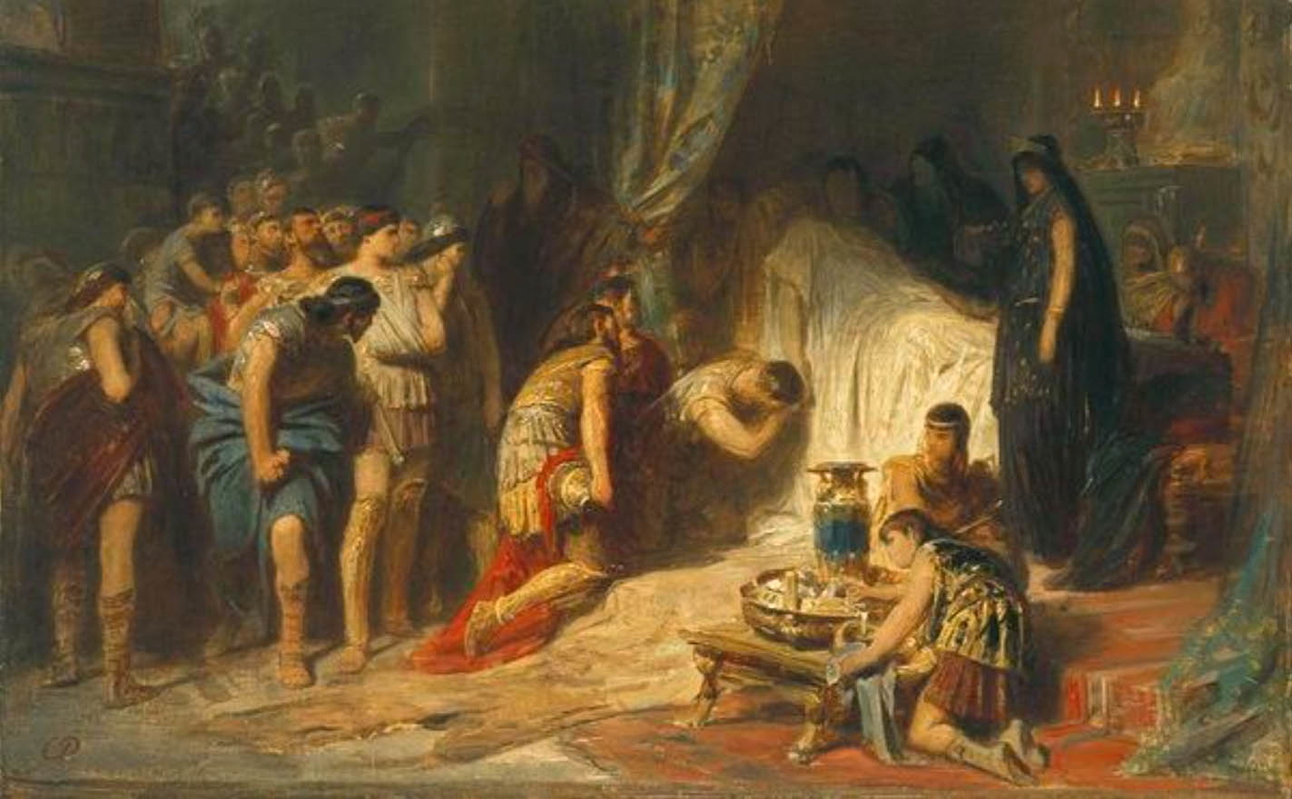
Over the following days, his condition grew worse, with abdominal pains, fever, and eventually paralysis. Though his body failed, Alexander remained lucid until the end, acknowledging his commanders with a nod or by blinking. He eventually passed on the 12th day. This account, mainly based on Arrian, is believed to be fairly accurate. Arrian, although writing in the 2nd century AD, based his work on the contemporary Ephemerides (Royal Court Diaries), which kept a detailed medical timeline.
More disputed is the claim that, after Alexander’s death, his body didn’t decay for six days, despite the region’s summer humidity. Allegedly, embalmers refused to touch the body.
Who Would Want Alexander Dead?
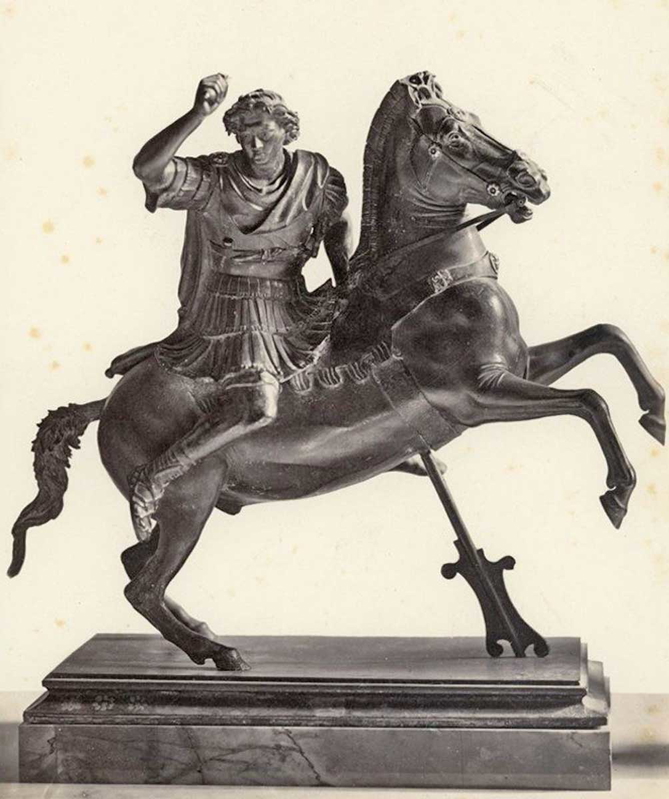
While Arrian, and also the biographer Plutarch, suggest that Alexander died of natural causes, several other ancient sources suggest that he was poisoned. It is perhaps natural that foul play was suspected in the death of such a powerful leader at such a young age. Alexander himself had previously been implicated in the death of his own father, Philip II of Macedon.
The main theory, recorded by Diodorus Siculus, Quintus Curtius Rufus, and Justin, points the finger at Antipater, one of Philip’s generals, who was acting as regent in Macedon. In 324 BC, probably due to the influence of Alexander’s mother Olympia, Antipater was stripped of his regency and ordered to come to Babylon. He may have suspected that his own life was in danger and acted to protect himself. Justin suggests that the poison was carried to Babylon by Antipater’s son Cassander, who would later kill Alexander’s wife Roxana, his son, and his mother. He gave the poison to his younger brother Iolas, who acted as Alexander’s cupbearer and was perfectly placed to deliver it.
Whether Antipater was the mastermind behind the plot or not, how likely is it that poison caused Alexander’s death?
Potential Poisonous Substances
Much of the debate around whether Alexander was poisoned revolves around the kinds of poisons available at the time that could have caused the symptoms described.
One possibility is White Hellebore, a plant-based poison. Full of alkaloids, minute chemical compounds that can affect one’s body, this slow-acting poison causes abdominal pains, a slow heart rate, and paralysis. Eventually, the victim’s heart slows significantly and stops beating. With Alexander’s nearly two-week death, this theory checks many boxes.
The other deadly theory is a poison called River Styx Poison. Aptly named after the fabled River Styx, this toxic substance found in limestone might have contained two poisons. The first, calicheamicin, decimates the victim’s DNA, causing cell death, organ failure, and more. Like White Hellebore, death takes days, as did Alexander’s.
Possible Natural Causes

While these poisons could have caused Alexander’s symptoms and death, some illnesses could also explain his symptoms. One suggestion is typhoid fever. Symptoms include a high fever plus GI distress. During his ordeal, sources report Alexander kept a high fever. Others noted that typhoid epidemics plagued Babylon around this time. And given Babylon’s tropical climate and water supply, a second theory arises: West Nile Virus. This, too, causes fever and paralysis.
Again, given Alexander’s symptoms, Guillain-Barré Syndrome (GBS) fits this mysterious puzzle. Alexander, paralyzed but fully conscious, remained alert despite not speaking or moving. Plus, his body’s delayed composition might possibly have been a deep coma, rather than death. For explanation, GBS only occurs as an autoimmune response to sickness (fever, for example). The victim’s immune system attacks the body, starting with nerves first. A slow paralysis will follow, with the person being conscious.
Seeking a Diagnosis

We will probably never know the truth about Alexander’s death. There are no remains to examine. The conqueror’s corpse was mummified and entombed. That tomb disappeared into history, with the last historical reference in AD 390. Without remains, no forensic analysis can be done.
Mixing in the incomplete or contradictory sources only complicates the story. These sources are often second-hand, written down years after events, and not completely accurate. Some claim Alexander drank and then collapsed, while others describe a slow, horrid death. This leaves Alexander’s death one of history’s great mysteries.