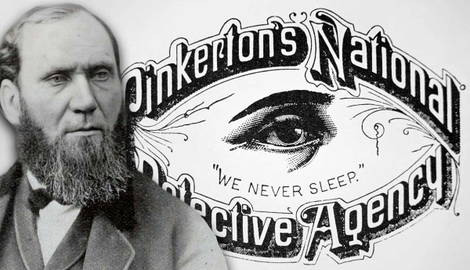

Wars are won not only on the battlefield but by covert activities in the shadows. During the American Civil War, President Abraham Lincoln employed Allan Pinkerton, a Scottish immigrant and abolitionist, to perform many of these clandestine investigations to support the Union war effort. Outside of the American Civil War, Pinkerton ran the Pinkerton National Detective Agency, which solved a series of locomotive robberies and foiled an assassination plot against then-President-elect Lincoln. Pinkerton’s contributions to the political and economic security of the United States extended well beyond the war.
Allan Pinkerton: Early Life and Arrival in the United States

Born on August 25, 1819, Glasgow native Allan Pinkerton was raised in a working-class family. From an early age, Pinkerton was accustomed to hard work, a trait that allowed him to thrive in a particularly fragile period of American history. His father, a police sergeant, passed away when Pinkerton was a child, leaving the family in significant poverty. He quickly trained as a craftsman, a trade he took to the United States in 1842 after fleeing arrest for his agitation for political and social reform. He settled in Dundee, Illinois, where he opened a cooperage.
While cutting and gathering wood for his Kane County storefront, Pinkerton encountered a group of counterfeiters. After capturing the crew and carrying out similar activities, Pinkerton was appointed as the county’s deputy sheriff in 1846, representing the start to his illustrious law enforcement and security career. Shortly afterward, Pinkerton accepted a position as the deputy sheriff of Cook County, home to the city of Chicago.
In the United States, Pinkerton continued standing up for his radical political beliefs. A firm abolitionist, Pinkerton opposed slavery and offered his assistance for African Americans escaping slavery via the Underground Railroad. A sense of justice was inherent to Pinkerton’s identity, and these ideals motivated the detective in his police work and wartime intelligence activities. After several years of building a reputation for thorough investigation and keen insight, Pinkerton sought to open his own agency in 1850.
The Pinkerton National Detective Agency
In 1850, Pinkerton resigned from his local government role to form his own private detective organization, the North-Western Police Agency. Known as the Pinkerton National Detective Agency, the firm soon established a significant presence in the Illinois market, gaining an unparalleled reputation for solving railroad crimes around the railway hub of Chicago.
Pinkerton’s business quickly proved effective in large-scale criminal response efforts. In 1866, the agency tracked down a series of lawbreakers known as the Reno Gang who stole over $700,000 from the Adams Express Company, some of the earliest train robberies in American history. The success garnered the attention of adjacent railways, bringing increased publicity and business for the growing investigative company.
The Pinkerton National Detective Agency was consequently assigned a case to identify and locate a gang of train robbers targeting the Illinois Central Railroad. Pinkerton and his team solved the case, leading to the arrest of several notorious miscreants.
One of the most important social advancements fulfilled by Pinkerton’s agency was his choice to hire the first female detective in United States history, Kate Warne. His selection to employ Warne not only resided in his trust of her abilities, but at the time, women could collect information more effectively compared to male counterparts since men were less suspicious of men. Warne proved vital in uncovering embezzlement plots, and her service to the Pinkerton Agency continued through the Civil War.
Foiling the President-Elect Lincoln Assassination Plot
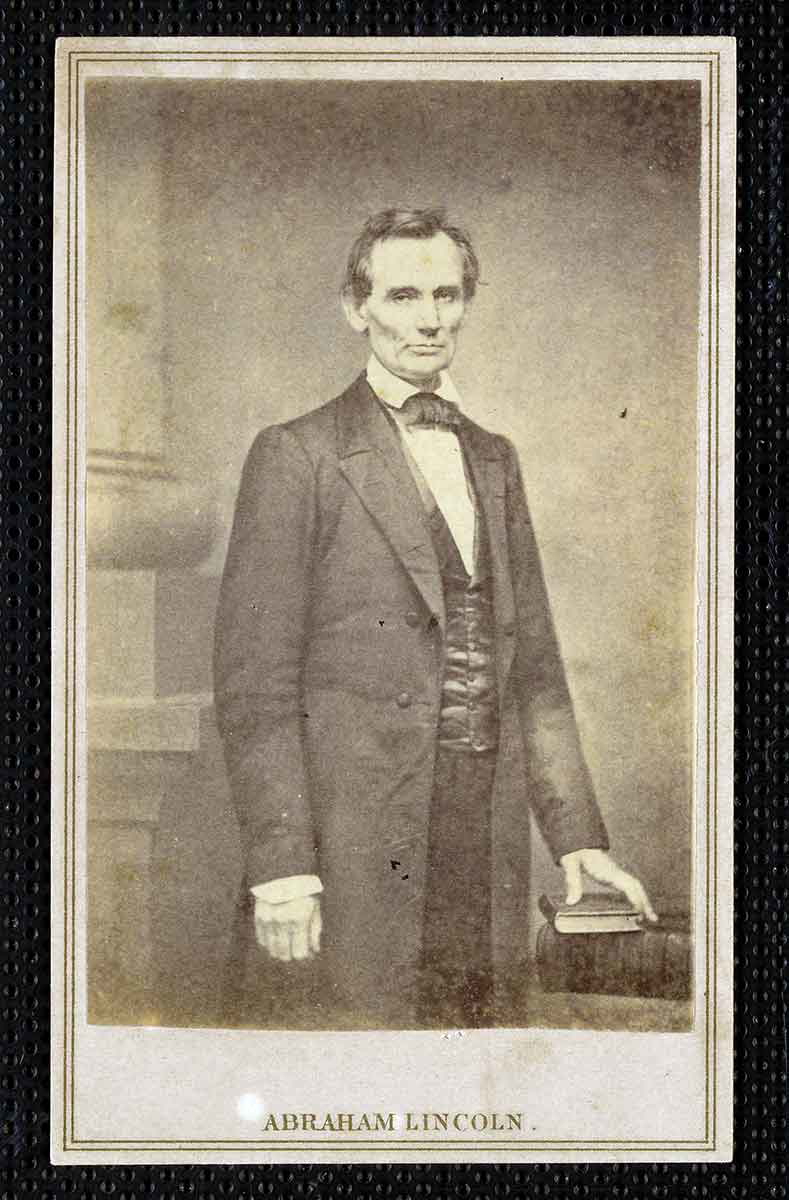
In 1861, Samuel Morse Felton hired the National Pinkerton Detective Agency to investigate ongoing threats to the president-elect, Abraham Lincoln, and the Philadelphia, Wilmington, and Baltimore Railroad, which Felton supervised. During their information collection operations, Pinkerton and Warne gathered crucial intelligence from southern sympathizers that uncovered plans to assassinate the future president by infiltrating the conspirators’ circles. The malicious plans, known as the Baltimore Plot, sought to target Lincoln on his way to his inauguration in Washington DC during a scheduled public arrival in Baltimore, Maryland.
Pinkerton notified his client and Lincoln’s associates of the impending assassination attempt, and the group took deliberate preventative measures to bypass Baltimore without incident, disguising Lincoln on the journey north. Instead of travelling to Baltimore as planned, Lincoln and his team rode to Baltimore ahead of schedule, eventually arriving at the nation’s capital undetected on February 23, 1861. These measures allowed Lincoln to be sworn in as the United States’ 16th president and commander-in-chief in the following month.
While President Lincoln was ultimately assassinated four years later by John Wilkes Booth at Ford’s Theater in Washington DC, there is no telling how American history, especially that of the Civil War and American slavery, may have changed without Pinkerton’s effective detective work and timely countermeasures. Pinkerton’s detective work established the Pinkerton Agency as the foremost investigative service in the country, leading to continued employment during the American Civil War on behalf of Union generals.
American Civil War Contributions
Pinkerton’s assistance in preventing the Baltimore Plot led President Lincoln and Union generals to once again make use of Pinkerton’s agency to inform operations during the Civil War. At the conflict’s onset, General George B. McClellan selected Pinkerton to spearhead northern espionage operations via the Union Intelligence Service. The group collected essential information regarding Confederate plans, troop movements, and unit strengths and capabilities. Collected information transmitted by Pinkerton’s team proved especially valuable in the run-up to the Battle of Antietam, enabling McClellan to anticipate the positioning of Robert E. Lee’s forces.
Pinkerton and the Union Intelligence Service helped northern causes in numerous other ways. Agents were trained to identify enemy spies and their espionage activities using proven counterintelligence tradecraft techniques. This allowed the Union Army to protect vital information from skilled Confederate operatives like Rose O’Neal Greenhow, who ran her own spy network. Espionage played a crucial role during the Civil War, and Confederate President Jefferson Davis credited Greenhow for enabling victory at the First Battle of Bull Run in 1861.
Aside from counterespionage, secret communications, and intelligence gathering, Pinkerton and his associates offered personal protection for prominent Union figures including President Lincoln. While the United States Secret Service was not formally established until July 1865, just two months after the war’s end, the Pinkerton National Detective Agency fulfilled similar roles during the Civil War.
Post-War Activities and Labor Disputes
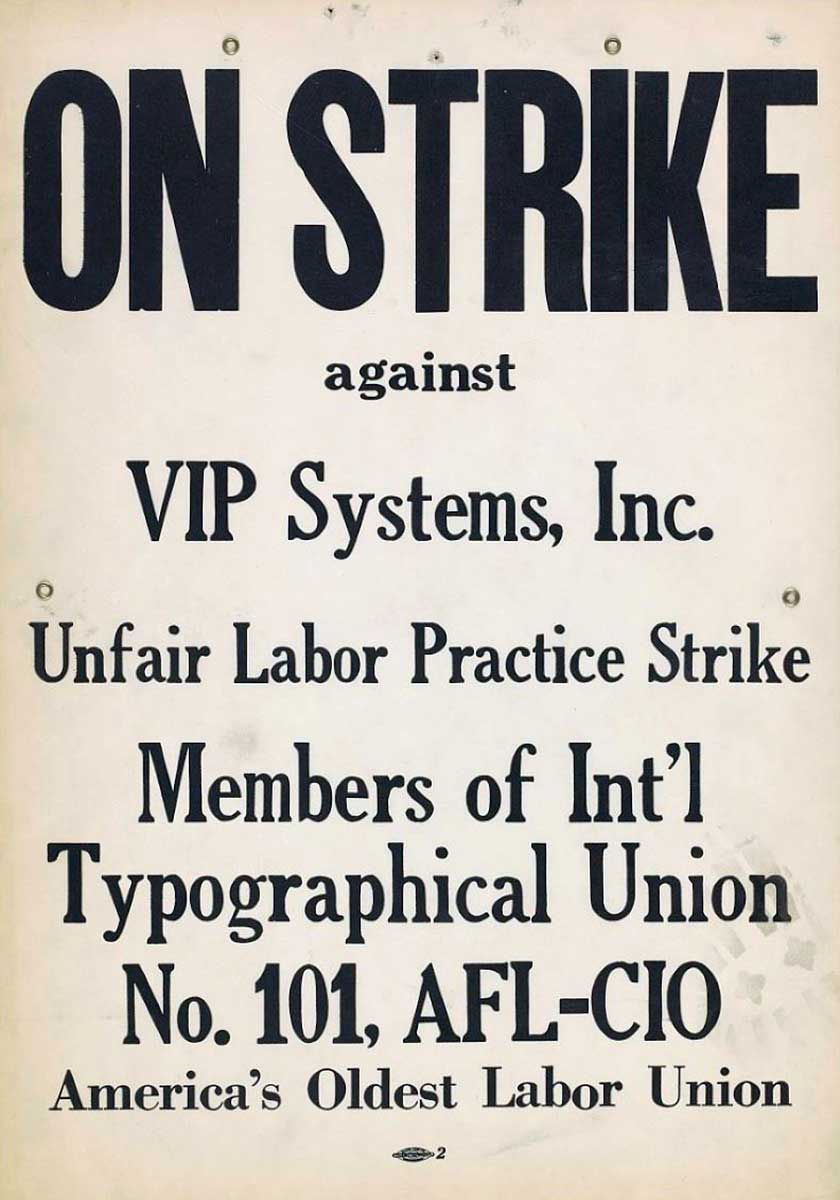
After the American Civil War, Pinkerton and his namesake agency continued to provide specialized security and detective services for various commercial customers. Businesses repeatedly hired the organization to infiltrate labor unions and dismantle strikes to protect their profits. In 1892, however, this assistance resulted in multiple deaths after Pinkerton agents clashed with steelworkers during the Homestead Strike in Pennsylvania.
In the postwar era, Pinkerton consciously expanded the National Detective Agency. He opened new offices in major American cities like New York City and Philadelphia. The firm continued to expand, widening Pinkerton’s influence in the private investigation industry through crime prevention, offering additional services to protect valuable items in transport.
Despite controversial involvement in labor disputes, Pinkerton positively evolved modern law enforcement practices. The experienced detective established and maintained one of the nation’s first criminal databases known as “Rogue’s Gallery,” which contained key information about notorious convicts and gangs. Akin to modern police databases that support law enforcement organizations throughout the country, Pinkerton’s innovations allowed the agency to identify and locate nefarious outlaws like Jesse James and other Reno Gang members.
While Pinkerton never officially retired from his detective work, he did spend additional time with his wife, Joan Carfrae, and their children in the last two decades of his life. After the Pinkerton National Detective Agency’s modernization and expansion, the accomplished investigator wrote three books based on his civilian and military experiences.
Legacy: Pinkerton’s Agency Still Exists Today
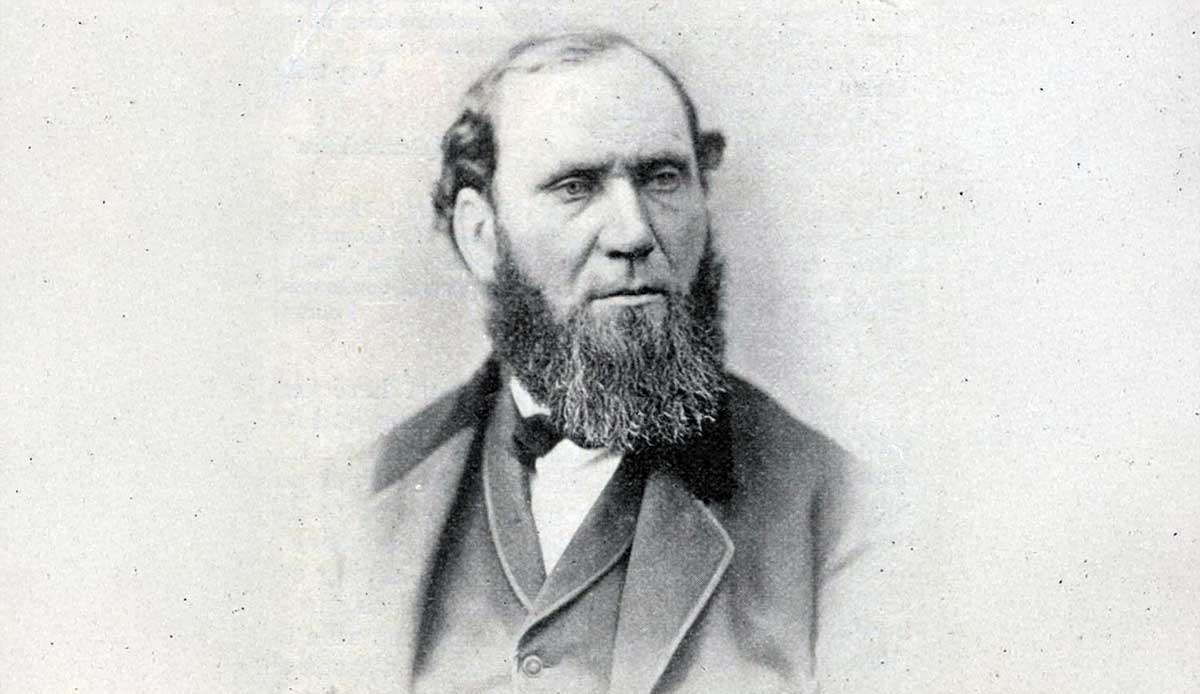
Pinkerton died in 1884 aged 64 after complications from gangrene. His legacy, however, lives on today through modern rebranding of his original detective agency. The organization rebranded itself in the 20th century as a personal security and corporate risk management company. The firm was hired to investigate the notorious theft of Leonardo da Vinci’s Mona Lisa from the Louvre Museum in 1911, and half a century later in 1962 the agency successfully transported the famous painting across the Atlantic Ocean to be exhibited in the National Gallery in Washington DC.
Now known simply as Pinkerton, the famous detective’s firm continues to flourish in the 21st century, offering services including security management, background checks, crisis handling, executive protection, risk management consulting, and investigations of corporate fraud and intellectual property theft.
Pinkerton’s legacy also extends to his standing up for social causes in an era when it was dangerous to do so. As a political activist in Scotland, American abolitionist, and supporter of the Underground Railroad, Pinkerton was not afraid to risk his own safety for the betterment of others. Pinkerton additionally remains a pillar for the inclusion of women in law enforcement circles. By hiring Warne, Pinkerton not only illustrated how effective women could be in police roles, but he set women on the path to becoming detectives, investigators, and intelligence professionals in the modern day.