
The chilling sound of a banshee crying through the still air of the Irish night is one of the most terrifying sounds ever imagined. These supernatural specters have been omens of death for centuries, wailing and screeching their way into myth and legend.
Origins of the Banshee
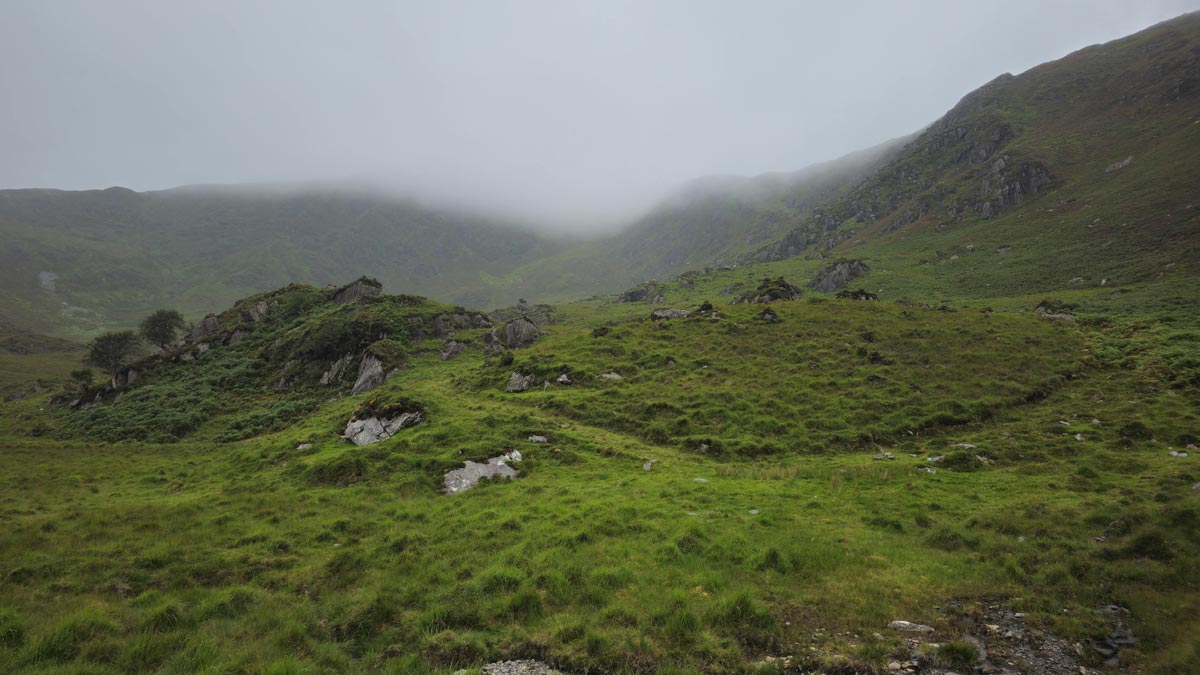
The word “banshee” comes from the Old Irish “ben side,” meaning “woman of the fairy mound.” While the meaning may not conjure images of frightening spirits, the myths connected to the term certainly do. For the banshee heralds death.
The spirit of this woman shrieks and wails to announce impending doom. This traditional vocal lament is often referred to as “keening” and is part of the real-world tradition of mourning. Like the tradition of keening, the legend of the banshee has its origins in Celtic, pre-Christian Ireland and the beliefs of fairy-folk who inhabited the unseen Otherworld and the fairy mounds that link it to the realm of mortals.
The myth is also present in Scotland. The “bean-nighe” or “washerwoman” is an old woman who appears by streams and rivers and washes the clothes of the person who is about to die. Similarly, the “caoineag” or “weeper” is a Highland banshee who inhabits lakes, lochs, and waterfalls. Like the Irish banshee, her wailing is a portent for death.
Sight and Sound
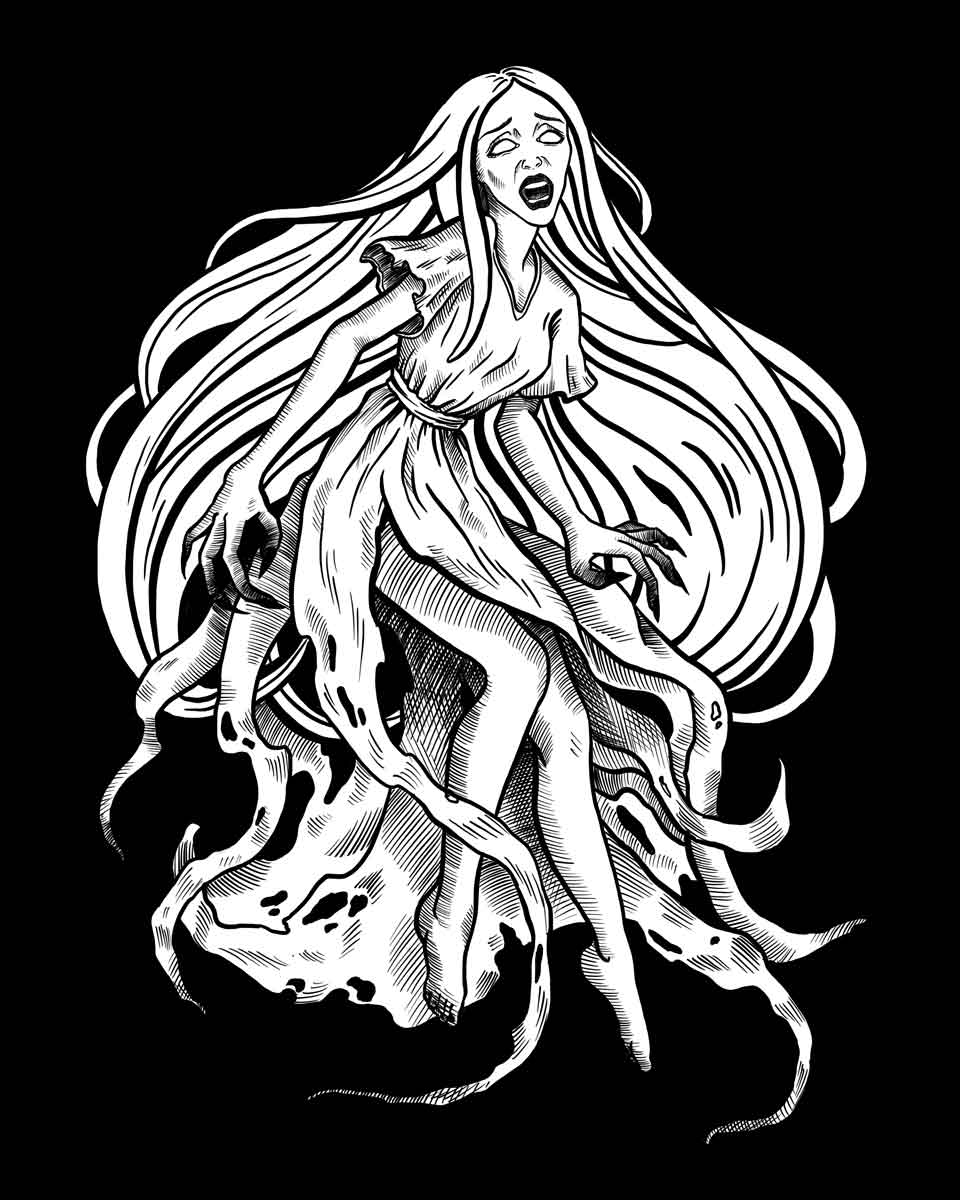
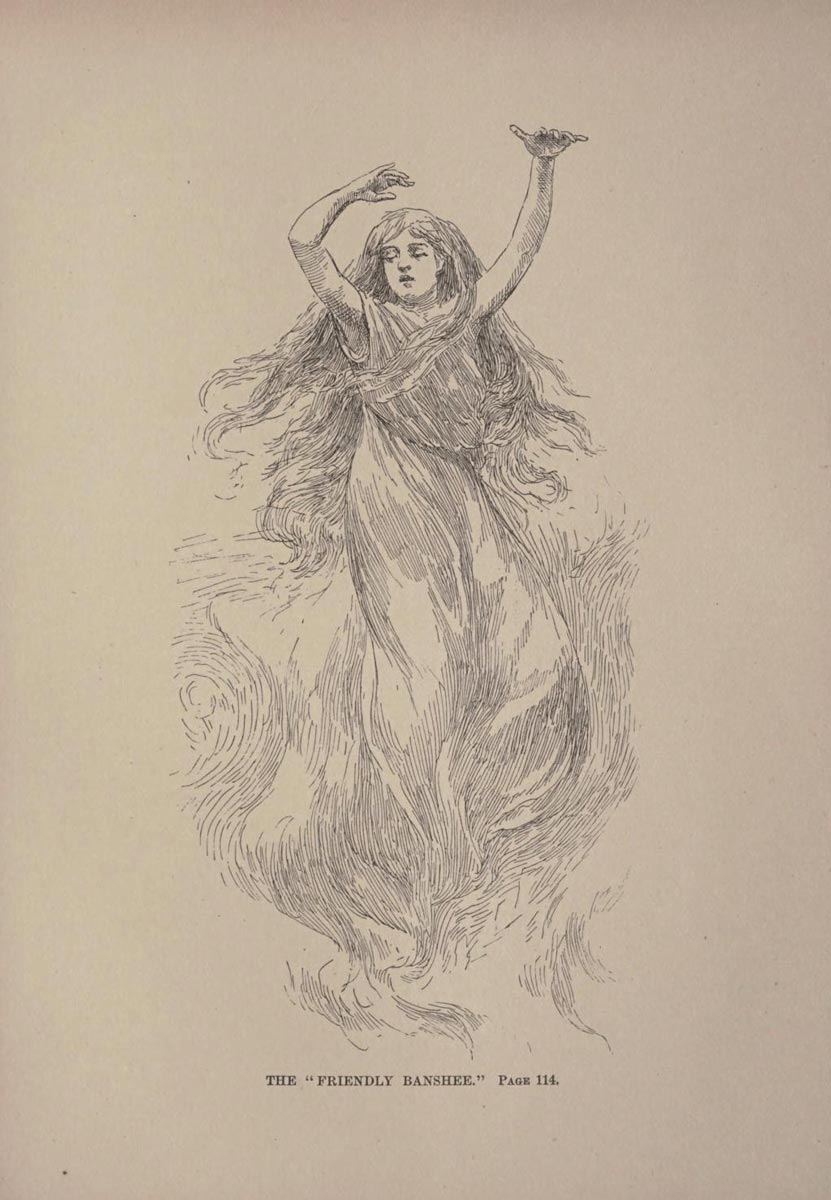
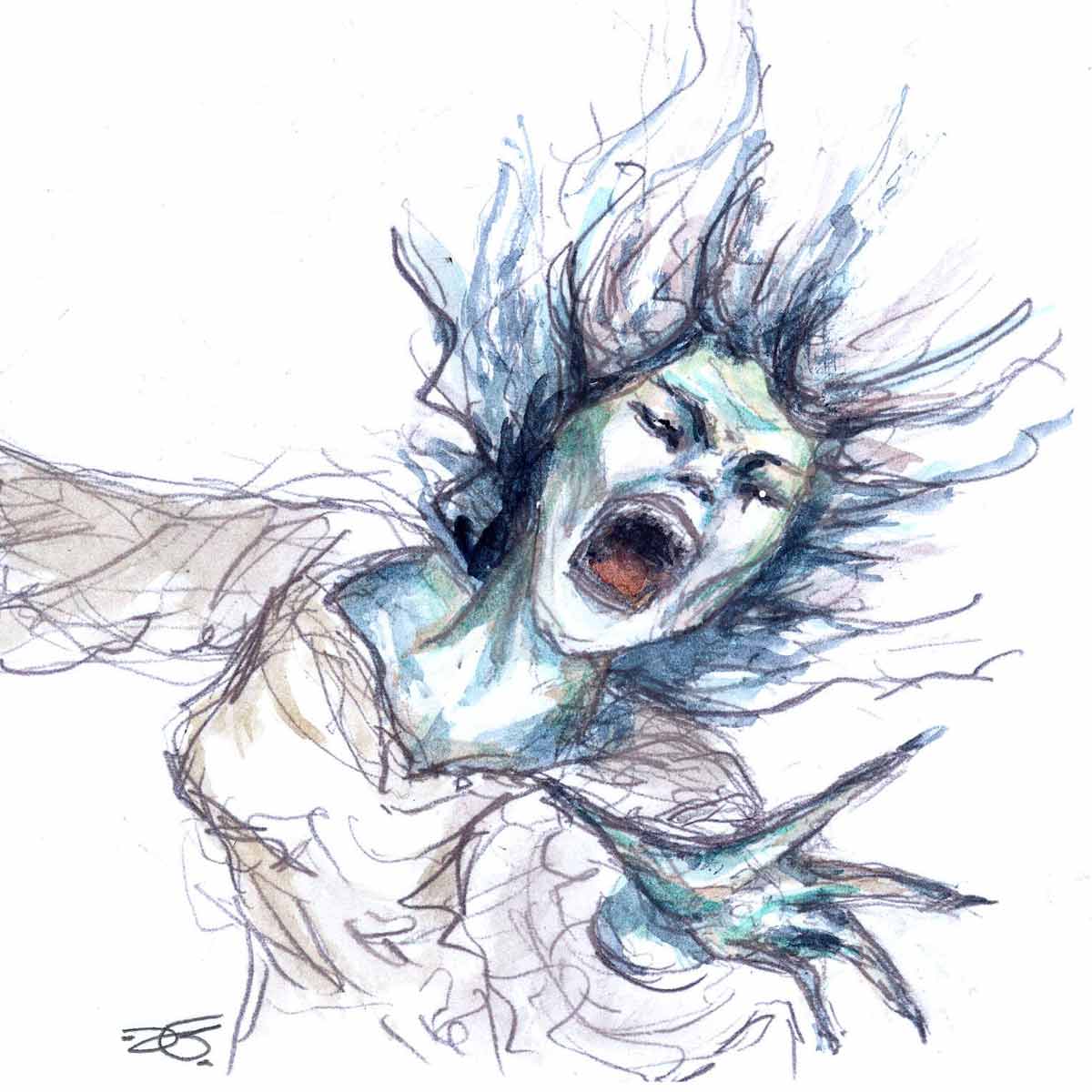
Traditional stories vary in their description of banshees. Some tell of crouched old hags with ugly wrinkled faces, while others portray her as a beautiful young woman. She is also described as being the ghost of a woman who was murdered or died during childbirth. She is generally described as having long, silver hair, which she combs, sometimes so vigorously that it is as if she is ripping it out. Her eyes are bloodshot from weeping, and she wears a cloak, or the shroud from a buried corpse.
Like her appearance, there are more than a few descriptions of her wailing. Some accounts claim that her scream is so piercing that it can shatter glass. Modern interpretations suggest the banshee’s cries may have originated from barn owls or foxes, both of which are capable of creating very eerie sounds. Paired with the image of a wailing spirit, these screeches and howls can be quite frightening.
Encounters
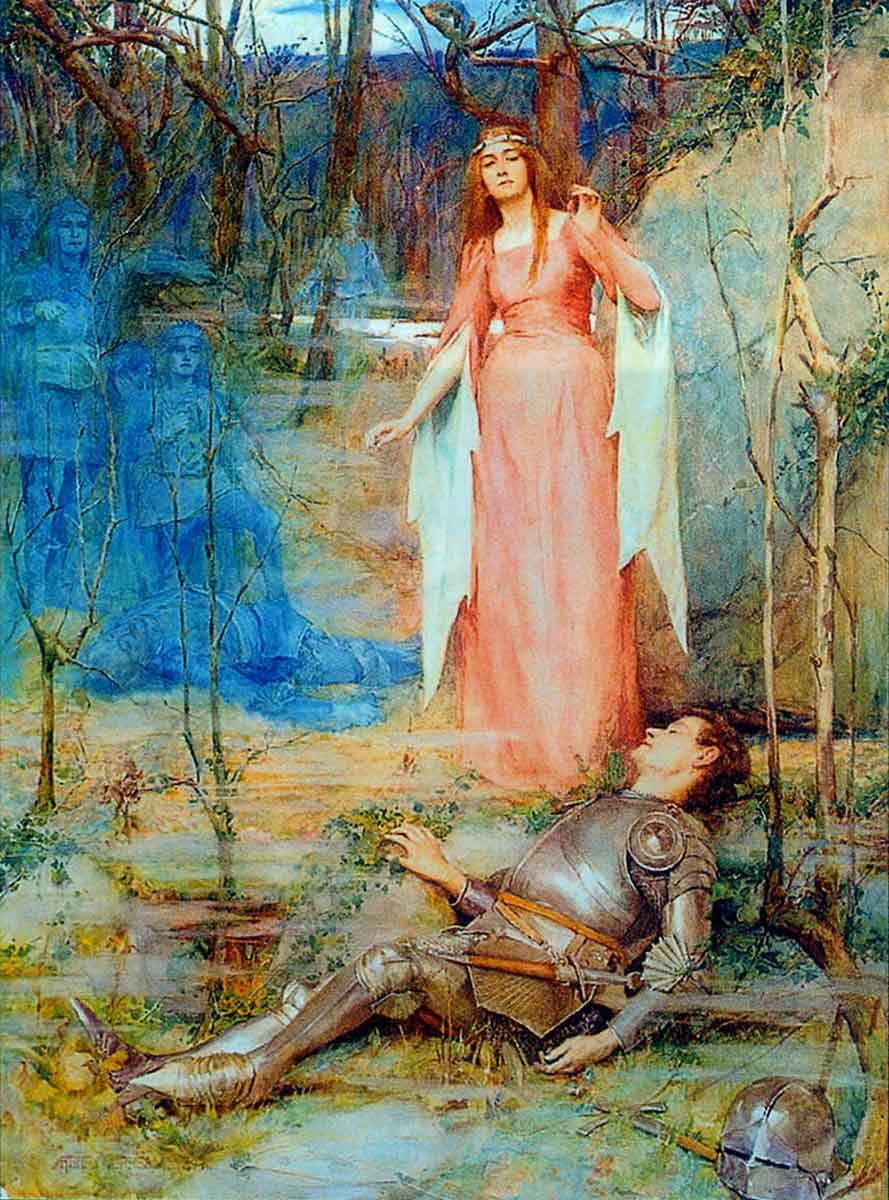
Over the centuries, there have been many claims of people encountering banshees. In 1801, Lord Rossmore, an Irish representative peer in the House of Lords, died at the age of 75 while staying at the house of the Commander in Chief of the British forces in Ireland. Two other guests and their maid allegedly heard a wailing at 2:30 in the morning, crying the name “Rossmore.” Later, they discovered that a servant had entered Rossmore’s room at that time to find him dying.
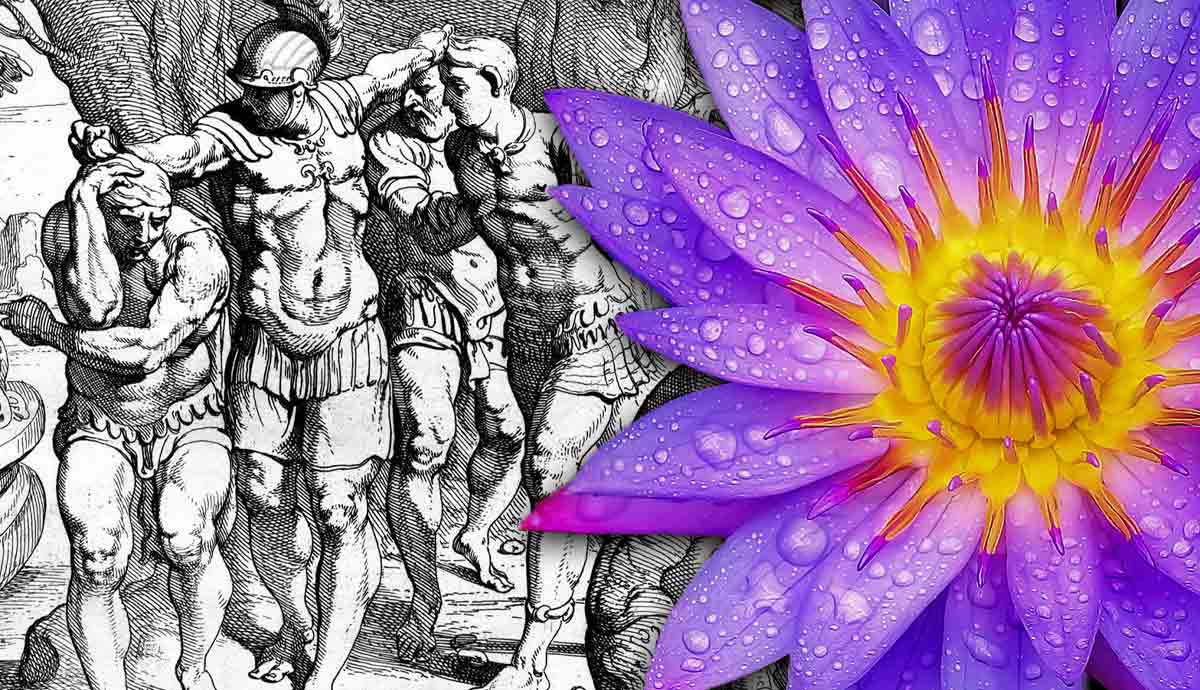
The banshee as a washerwoman has appeared in several tales foreshadowing the doom of armies. In 1317, Prince Donchad O’Brien and his army encountered “the Hag of the Black Head” washing severed limbs and heads in a lake, claiming that they were those of his army, and Donchad’s head was among them. Donchad did not heed her warning and subsequently marched to his doom.
The following year, a Norman army under the command of Richard de Clare encountered an old washerwoman cleaning armor and blood-soaked clothes in a stream. She foretold of his army’s doom, and soon after, De Clare’s army was nothing more than corpses littering the battlefield.
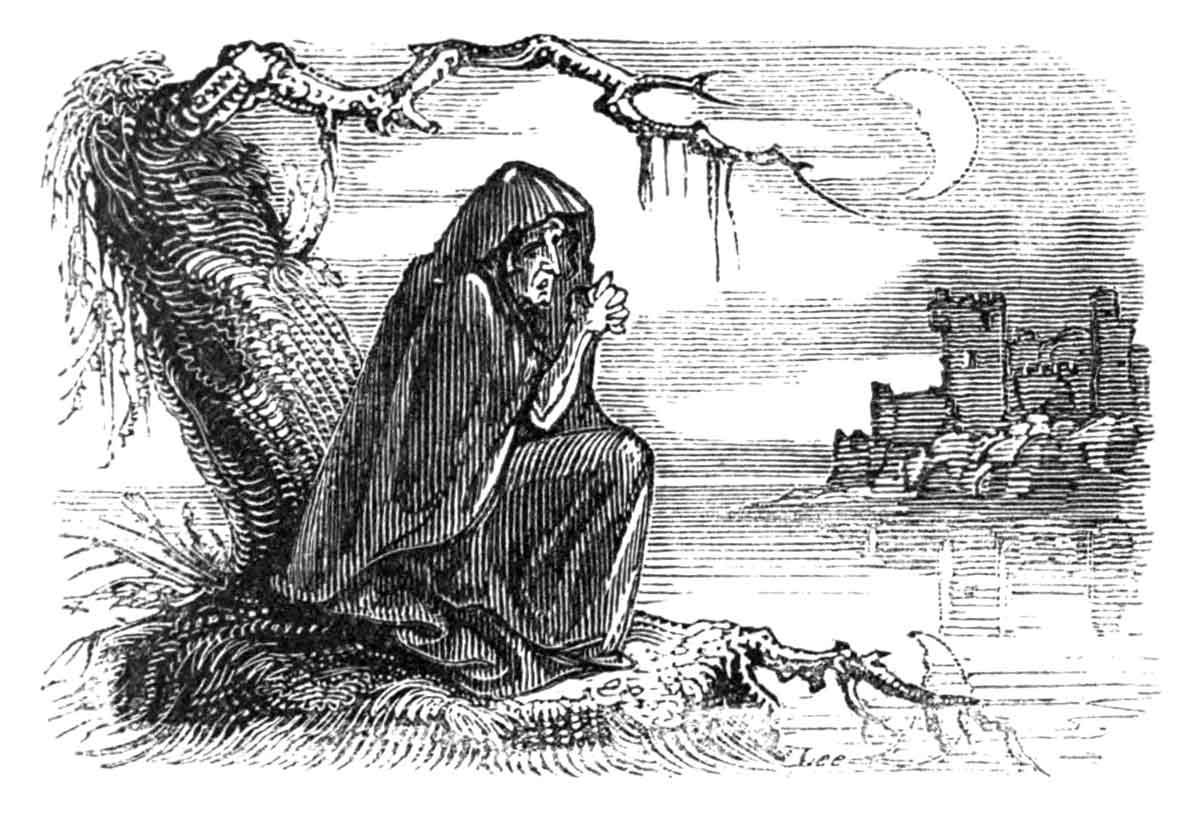
Other, more tenuous stories exist, linking the banshee to the uncanny demise of people. In 1437, James I of Scotland was said to have been visited by a mysterious woman warning him of his death shortly before he was killed by an assassin.
And in 1893, the Irish Times published letters from those claiming to have been visited by the wailing horror. Patrick Farrell wrote one such letter in which he claimed to have heard sobbing in his yard. He went outside and saw a white deer, which he attempted to strike, but his stick only met air. The deer let out a wailful cry, and on the same night, in Australia, Farrell’s cousin died.
The Banshee in Modern Culture
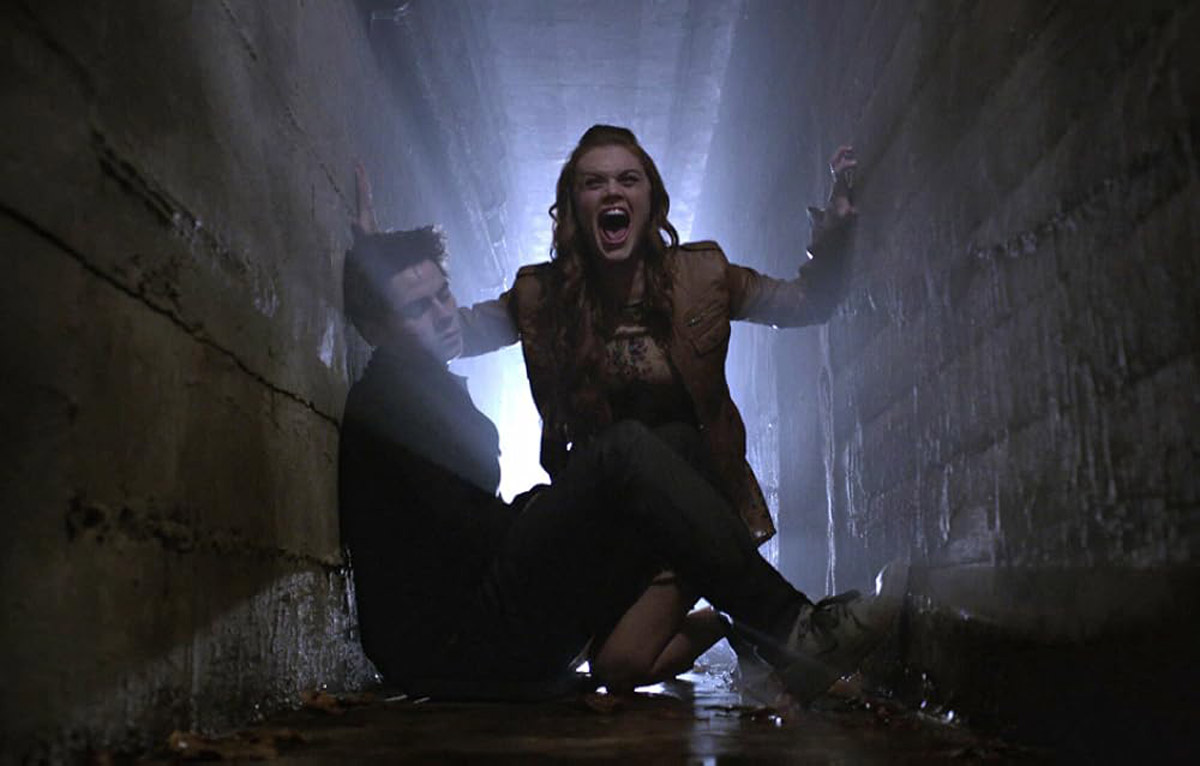
As cultures have evolved, so have stories and representations of banshees. They have garnered attention from across the media spectrum, from literature and music to games and the silver screen.
As mythological creatures, banshees commonly appear in horror and fantasy fiction. During the 19th century, and spurred on by the Celtic Revival of the late 19th and early 20th centuries, banshees, as subjects of Celtic myth, became a popular focus for authors and poets. They were mentioned in anthologies of Celtic myths, as well as being the subjects of stories in their own right. Notably, Irish Fairy and Folk Tales, an anthology of stories collected by William Butler Yeats, published in 1892, included several tales of banshees.
In music, “The Banshee” is a 1925 piece for piano strings by Henry Cowell and is an absolutely chilling and imaginative composition. It comprises the disturbing sound of nails being scratched along the strings rather than the traditional methods of playing the piano.
Horror and folk tales aren’t the only places where banshees are found. They have served as a plot device in the TV series Charmed, and as a sympathetic protagonist in Teen Wolf, while characters from science fiction games such as Mass Effect and Warhammer 40,000 have also been named as “banshees,” usually wielding impressive sonic powers.
Banshees also get referenced in film and television titles, but have little to do with banshees of myth or supernatural imaginings, such as The Banshees of Inisherin, a 2022 movie starring Colin Farrell and Brendan Gleeson, and Banshee, a TV series which takes place in the town of Banshee, Pennsylvania. Here, the word is used to provoke a sense of foreboding, hearkening back to the sense of doom linked to the idea of the mythical specter.
In the real world, banshees are still present in the Irish cultural imagination. They are one of the many symbols reflecting Irish identity and are subjects of tourism and folklore preservation in the country. Meanwhile, there are parts of the country where belief in the supernatural is still a prevalent dynamic. Banshees are considered very real by some Irish people, especially in rural areas.
However the idea is realized, the notion of a lonely, spectral woman wailing in the darkness is powerful, and is likely to continue existing in human imagination the same way in which vampires, ghosts, werewolves, zombies, and other supernatural beings exist.