
The United States might boast a relatively short recorded history compared to many nations, but it still compresses an extraordinary number of defining events into just a few centuries. From conquests and revolution to expansion, slavery, emancipation, industrialization, civil rights struggles, two world wars, and a rapid rise to global superpower status: a lot has unfolded in the last 250 years. No single institution could possibly cover it all, but together, the seven best museums for American history do offer an impressive overview.
1. National Museum of American History, Washington, DC
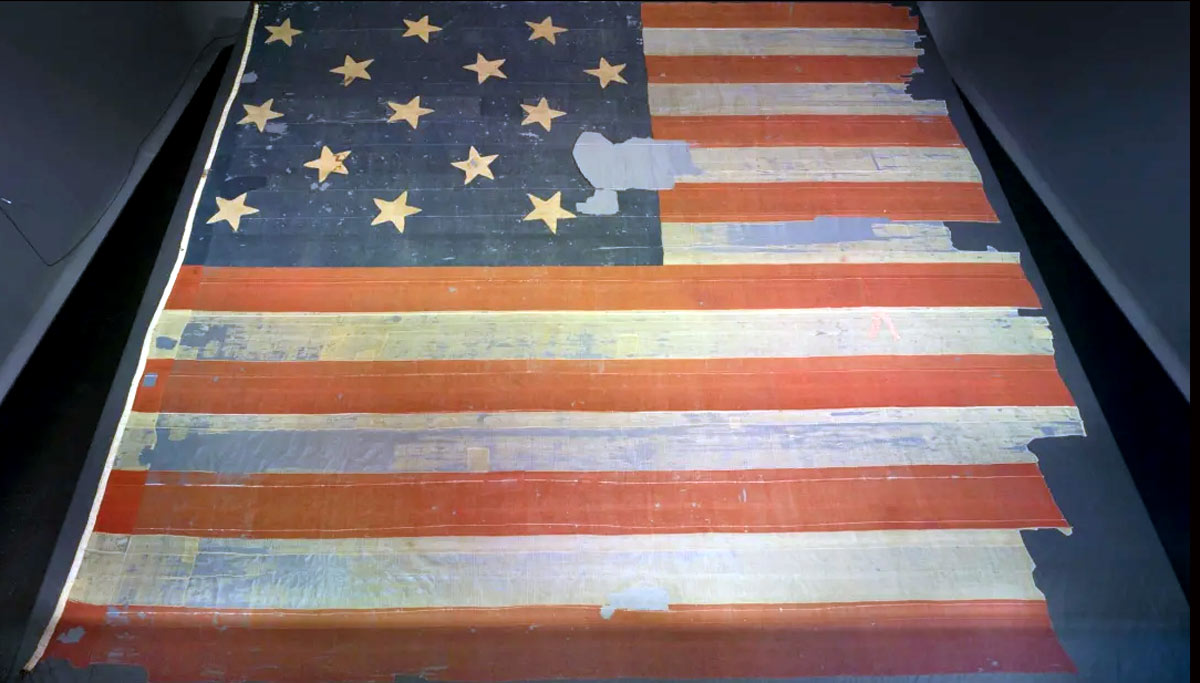
The Smithsonian’s National Museum of American History is the most obvious starting point for a deep dive into US history. Its collection includes more than a million artifacts covering everything from politics and culture to science, war, and snippets of everyday life.
Among its most celebrated exhibits is the original Star-Spangled Banner, the enormous flag that flew over Fort McHenry during the British bombardment of September 1814 and inspired the lyrics that would later become the national anthem. Other highlights include Dorothy’s actual ruby slippers from The Wizard of Oz, Julia Child’s entire Cambridge kitchen (carefully relocated and reconstructed), Lincoln’s top hat, Muhammad Ali’s boxing gloves, and the original Greensboro lunch counter, where four Black college students sparked the civil rights sit-in movement in 1960.
Like all Smithsonian museums, admission is free.
2. National Museum of African American History and Culture, Washington, DC
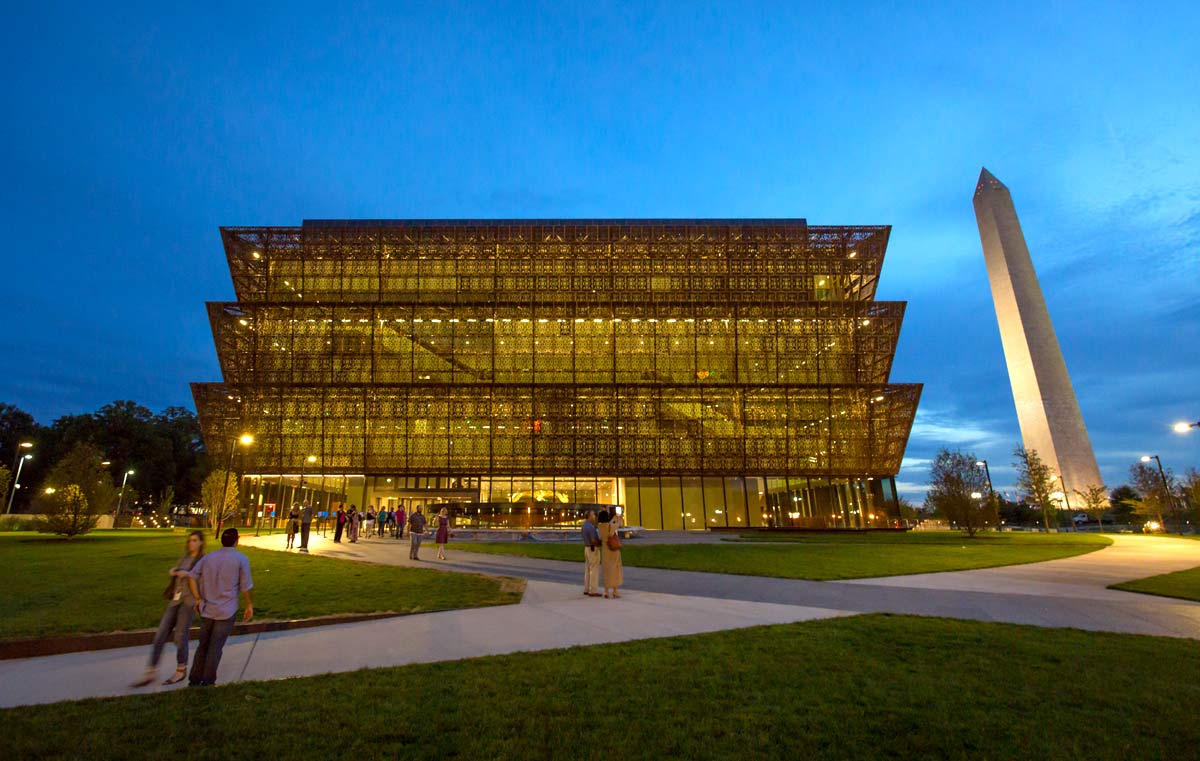
Opened on the National Mall in 2016, the National Museum of African American History and Culture is the first national museum dedicated exclusively to documenting African American history, life, and culture. Its three-tiered lattice facade (designed by Ghanaian-British architect David Adjaye) draws inspiration from Yoruba art and the ornamental ironwork created by enslaved craftspeople in the American South.
The history galleries are organized in chronological order, starting three floors below ground with the transatlantic slave trade, then moving up through emancipation, segregation, the Civil Rights Movement, and present-day life. The journey is said to have been purposely designed, descending into the darkest and hardest chapters of history first and then ascending into culture, sport, redemption, and plenty of sunlight.
The reach of the museum is impressively (if not confusingly) broad; artifacts include Harriet Tubman’s personal shawl, a segregated railway car from the Jim Crow era, Nat Turner’s Bible, Emmett Till’s original casket, and Chuck Berry’s red Cadillac.
3. The National WWII Museum, New Orleans
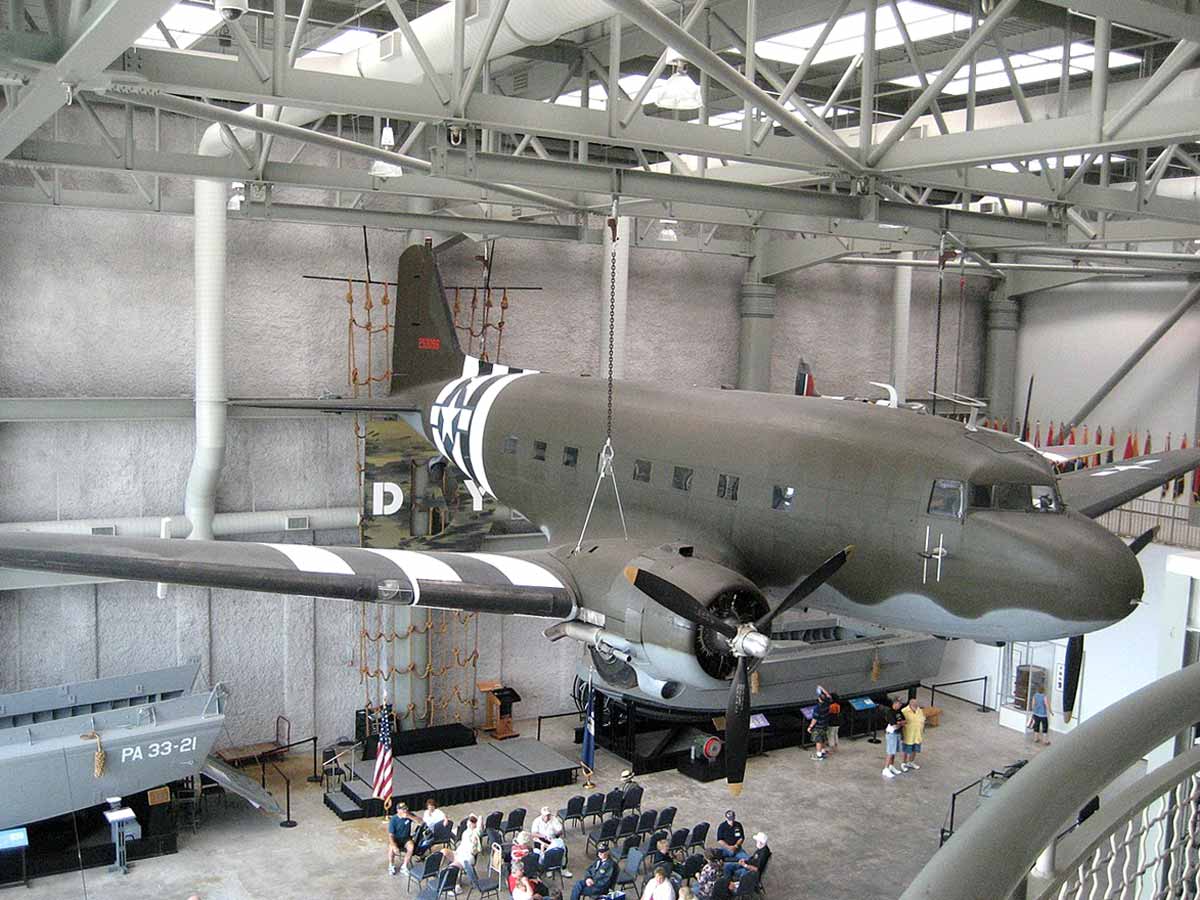
Dedicated on June 6, 2000 (the 56th anniversary of D-Day), the National WWII Museum was officially designated by Congress in 2003 as the United States’ museum of the Second World War. Its seven-acre, seven-pavilion campus in the city’s Warehouse District is consistently ranked among the very best museums for American history in the country.
Founded by the late historian Stephen Ambrose (best known for Band of Brothers), this is one of the most immersive history museums you’ll probably ever encounter. Each visitor can be handed a “dog tag” linked to a real WWII service member, and that person’s story unfolds as you move through the exhibits. It’s an optional but highly recommended experience. The Campaigns of Courage pavilion houses the Road to Berlin and Road to Tokyo galleries, both stunning walkthroughs of the European and Pacific war fronts. The newer Liberation Pavilion, opened in 2023, covers the Holocaust, postwar rebuilding, and the war’s long-term effects on civil rights, women’s equality, and international democracy.
The museum sits in New Orleans rather than DC because the city was home to Higgins Industries, which built the famous LCVP landing craft during the war, including D-Day.
4. Museum of the American Revolution, Philadelphia
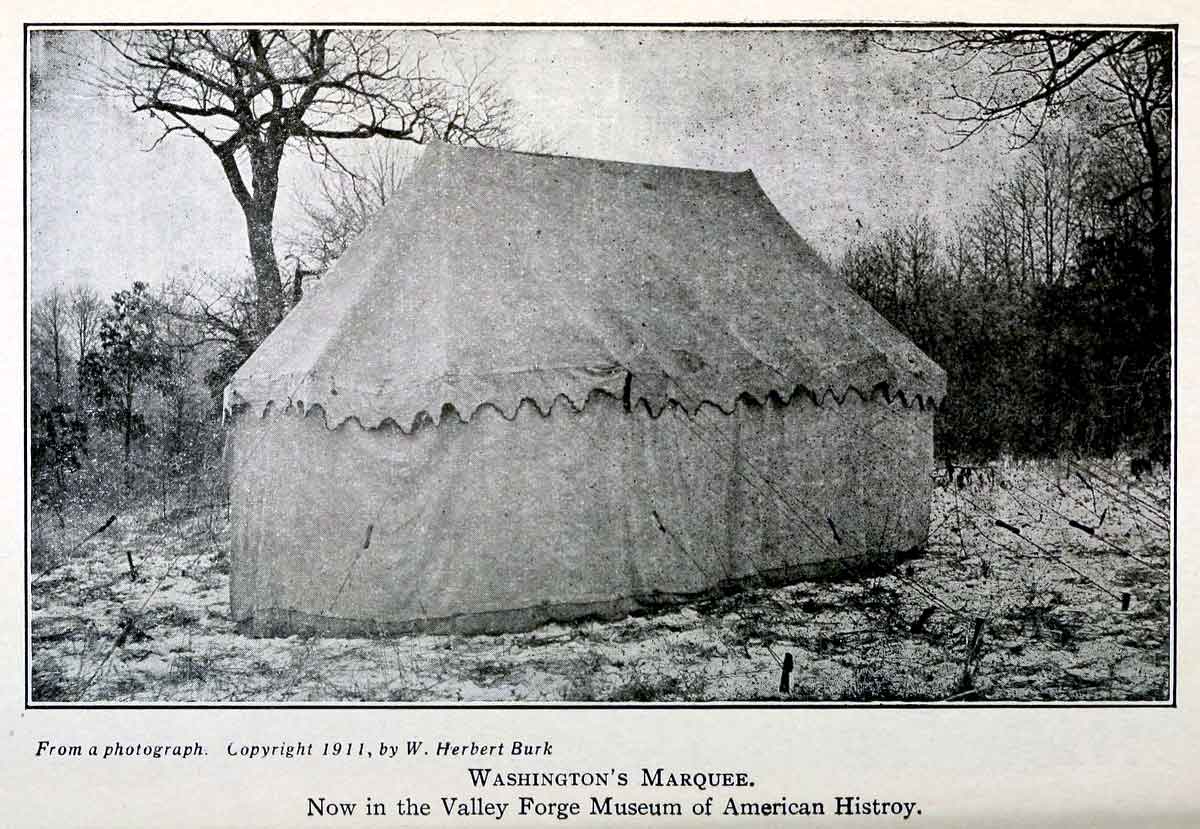
Opened in 2017, near Independence Hall, the Museum of the American Revolution tells the story of how 13 bickering British colonies became an independent nation. Its collection includes more than 3,000 artifacts, from muskets and military uniforms to pamphlets, flags, and personal diaries. The centerpiece is George Washington’s field headquarters tent, which he used extensively throughout much of the Revolutionary War.
Galleries also unfold chronologically here, through immersive theatrical scenes, including a full-scale privateer ship deck you can walk onto, and a recreation of the very first public reading of the Declaration of Independence.
Perhaps the loveliest aspect of this particular museum is that it shines a light on those voices so often left out of the standard “founding-fathers” narrative: enslaved Americans, Native nations, women, and ordinary soldiers fighting on both sides of the conflict. It is a refreshingly inclusive take on a story most of us were taught as a patriotic legend.
5. Abraham Lincoln Presidential Library and Museum, Springfield, Illinois
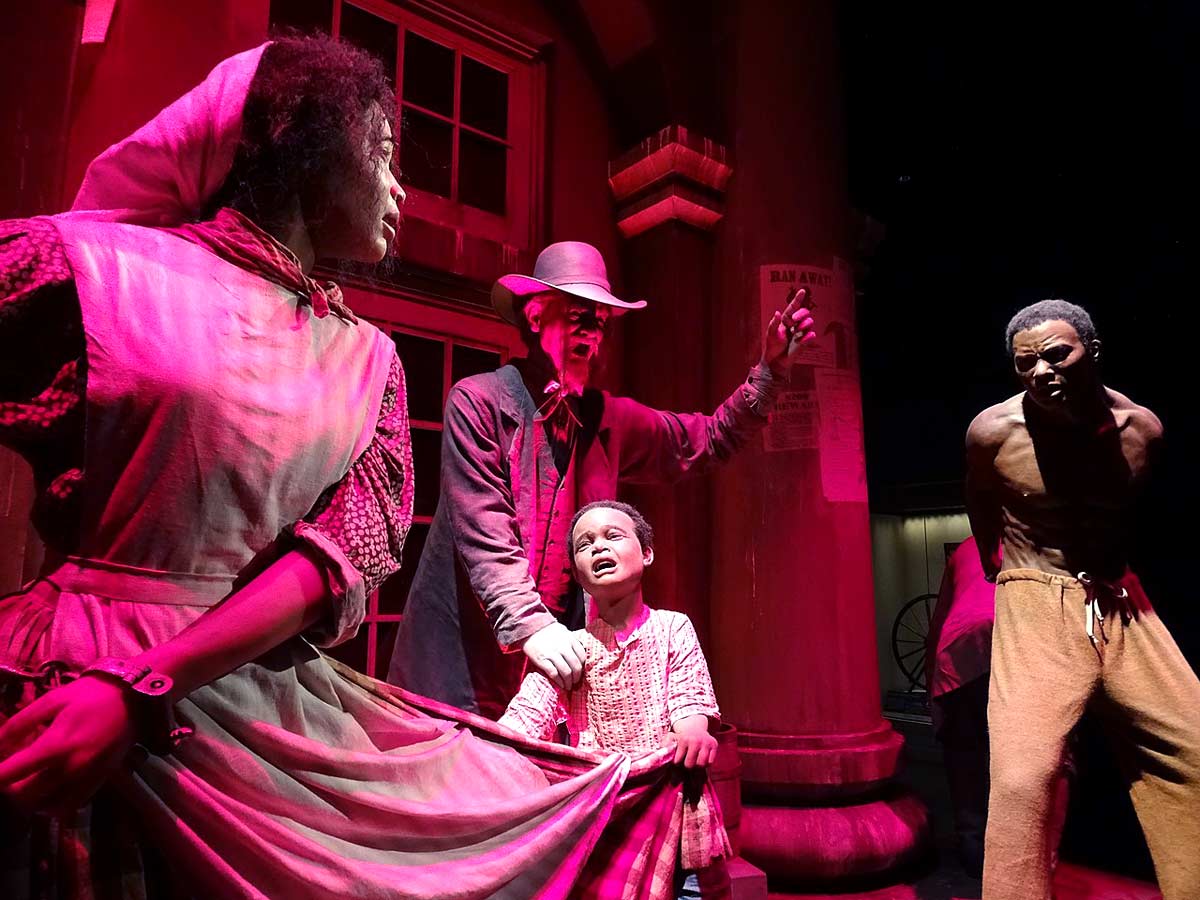
The Abraham Lincoln Presidential Library and Museum opened in 2005, in Lincoln’s adopted hometown of Springfield, Illinois, and has since become one of the most-visited presidential sites in the United States. The complex holds tens of thousands of Lincoln-related items, including rare documents connected to the Emancipation Proclamation and one of the five surviving handwritten copies of the Gettysburg Address.
Unlike most presidential libraries, which can feel a bit document-obsessed, this museum delves into immersive storytelling. Life-sized dioramas walk visitors through Lincoln’s log-cabin childhood, his early law practice, the agonizing White House years, and the final night at Ford’s Theatre.
6. National Museum of the American Indian, Washington, DC
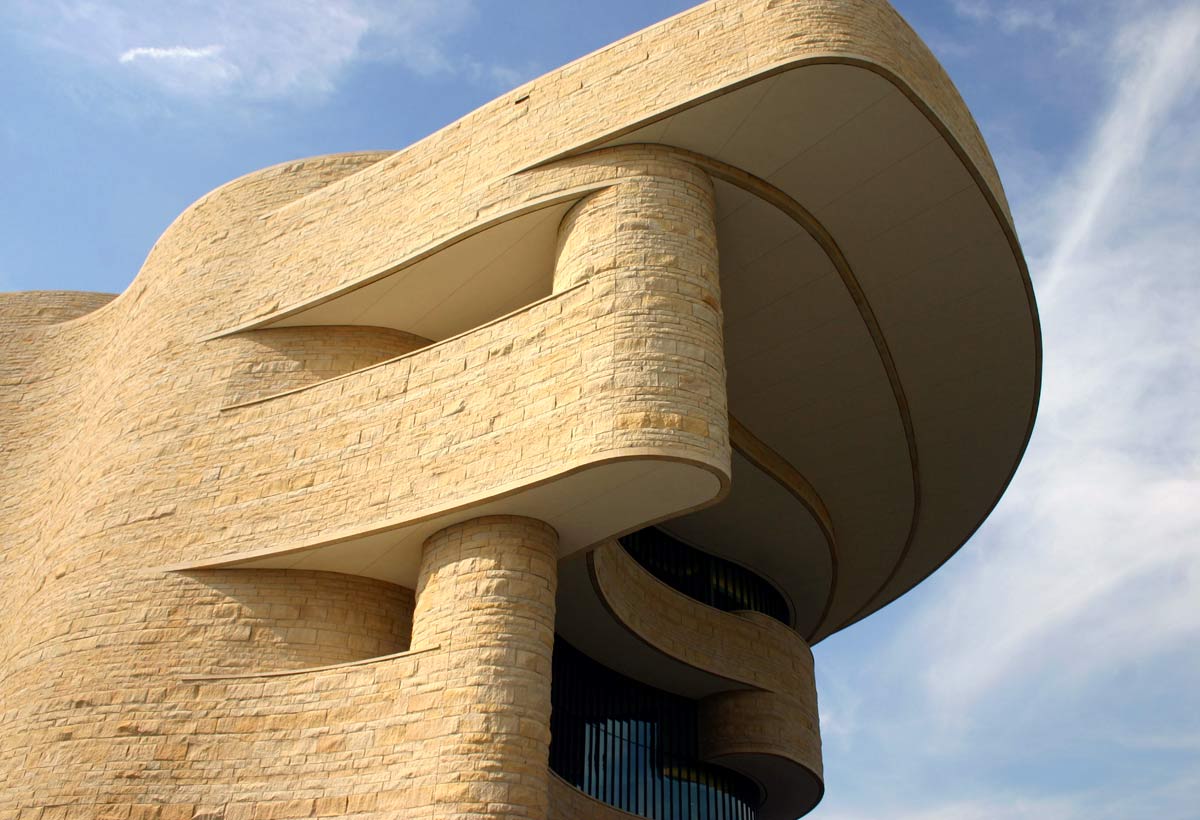
The Smithsonian’s National Museum of the American Indian opened on the National Mall in 2004 and was developed in close consultation with Indigenous communities across the country. Its curving Kasota limestone exterior is meant to echo rock formations, while the interior galleries center Indigenous voices telling their own histories (rather than outside scholars narrating on their behalf). You may not even notice the deliberate choice, but it does make a massive difference to the experience.
One standout exhibition, Americans, examines the often contradictory ways Native imagery has been absorbed into broader US culture, from sports mascots to commercial branding and coinage. Nation to Nation explores treaties and the complex legal relationship between tribal nations and the US government, while Our Universes presents cosmologies and worldviews from multiple Indigenous communities.
Don’t skip the museum’s café, Mitsitam, either: it is considered the very best place to eat anywhere on the National Mall, with regional Native dishes from across the Americas.
7. Ellis Island National Museum of Immigration, New York
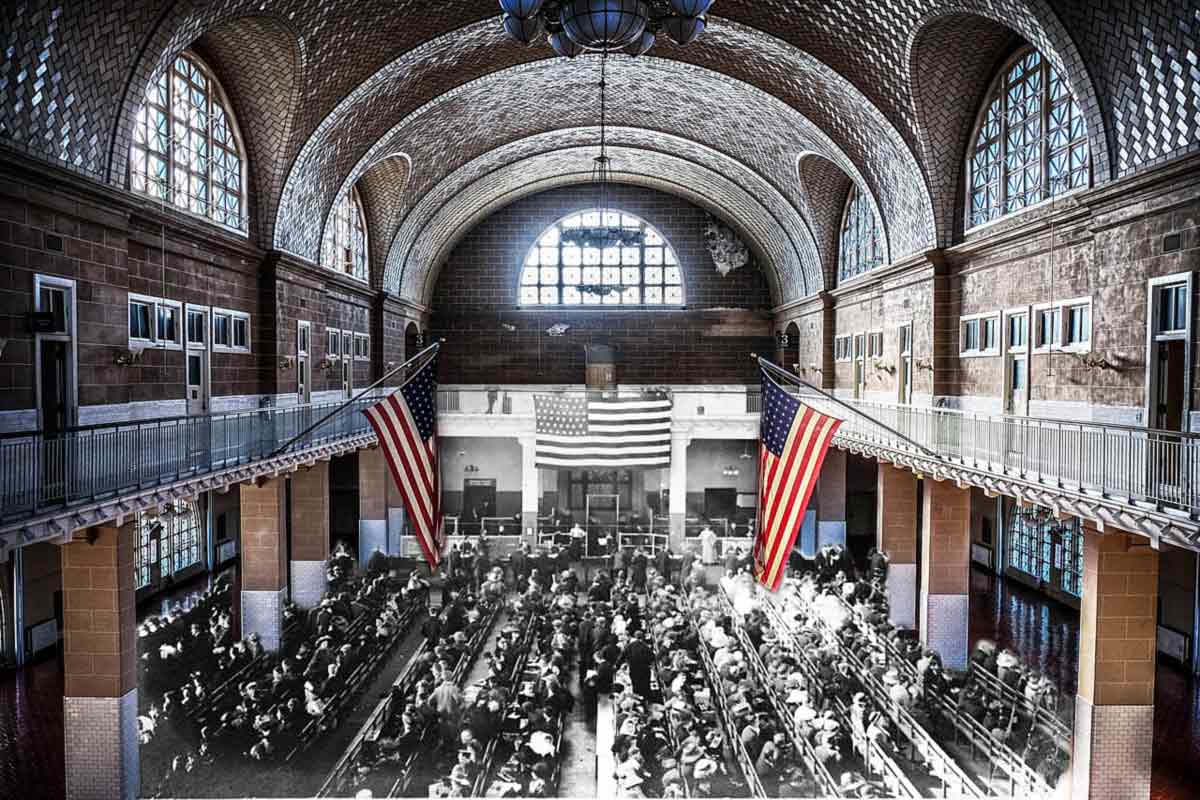
Between 1892 and 1954, around 12 million immigrants were processed through Ellis Island, the federal immigration inspection station tucked into New York Harbor. Today, the main building has been a museum since 1990, and has been run by the National Park Service.
The emotional centerpiece is the Great Hall, the vast registry room where newly arrived immigrants waited for inspection and questioning. Here, officials determined who could enter the country and who would be denied admission.
Audio installations play the recorded voices of former immigrants recalling their first hours on American soil, and the interactive American Family Immigration History Center lets visitors search original passenger records for their own ancestors (many people leave having found a great-great-grandparent listed in the manifest).
A visit is typically combined with the ferry to the Statue of Liberty, making this one of the most symbolically powerful museum experiences in the country.
While estimates vary, it’s believed that around 40% of Americans can trace at least one ancestor who passed through Ellis Island.