
Britain’s history runs deeper and more complex than most, stretching from Roman legions on Hadrian’s Wall through Saxon kings, Tudor courts, the rise of a global empire, the smoke-stacked industrial age, two world wars, and the modern Commonwealth. While finding one museum to recount the whole story is impossible, the biggest and best museums for British history divide the task rather neatly.
To each their (historical) niche, as it were.
1. The British Museum, London
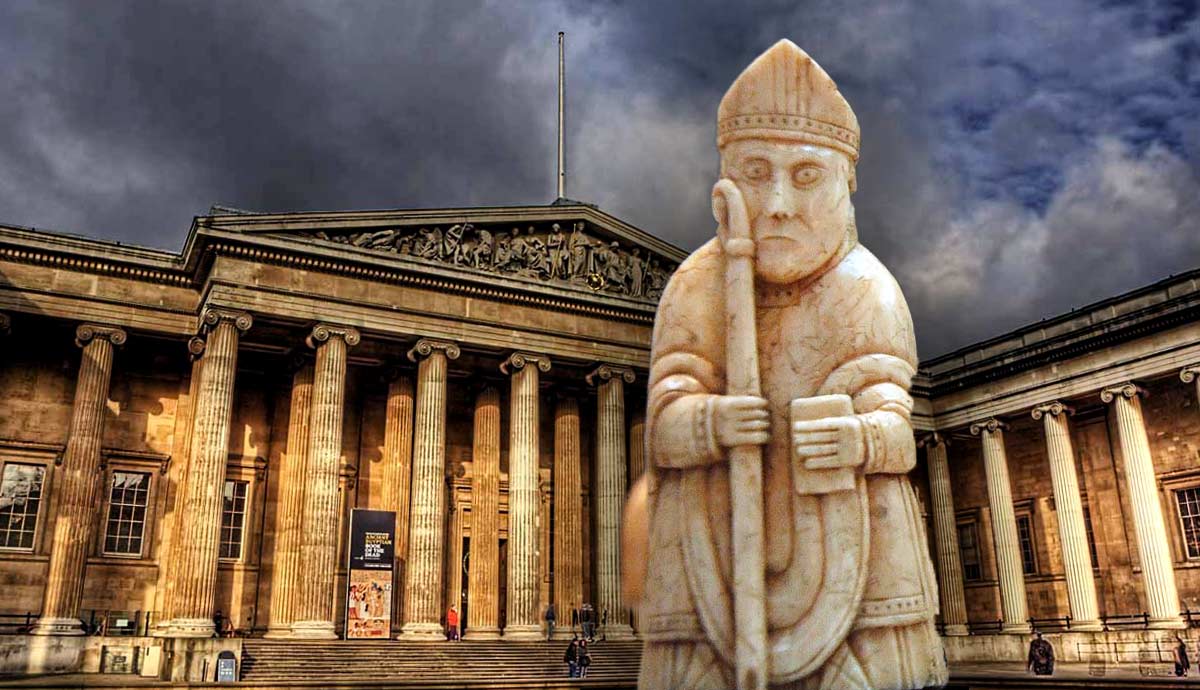
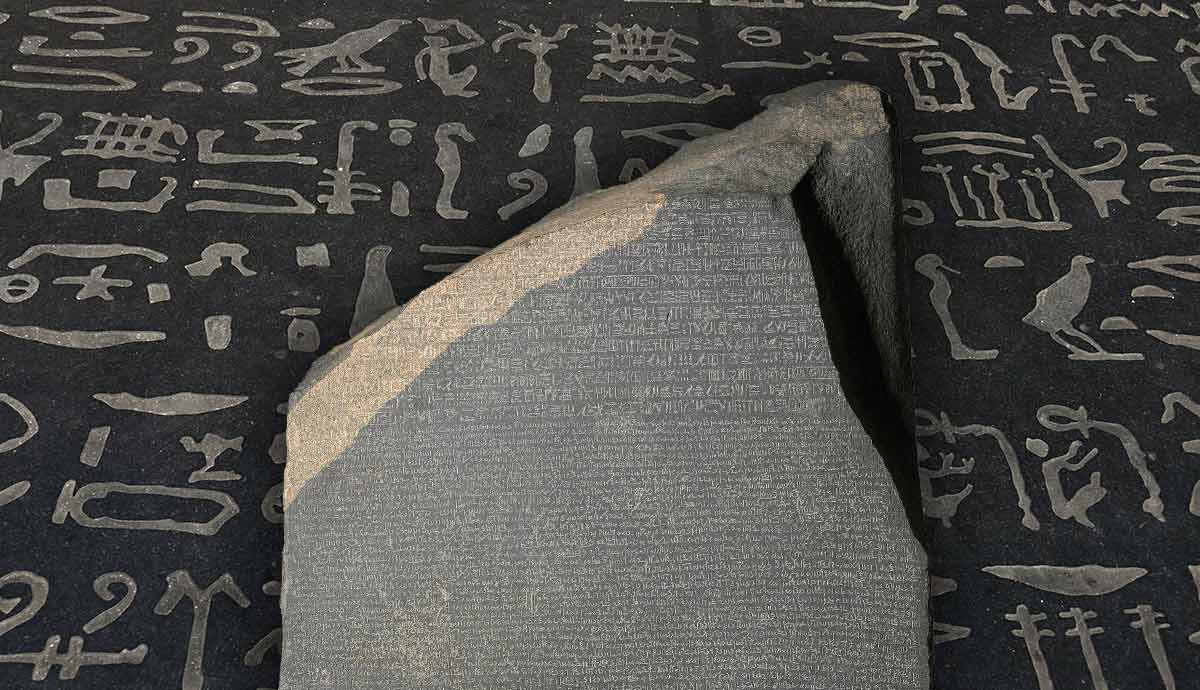
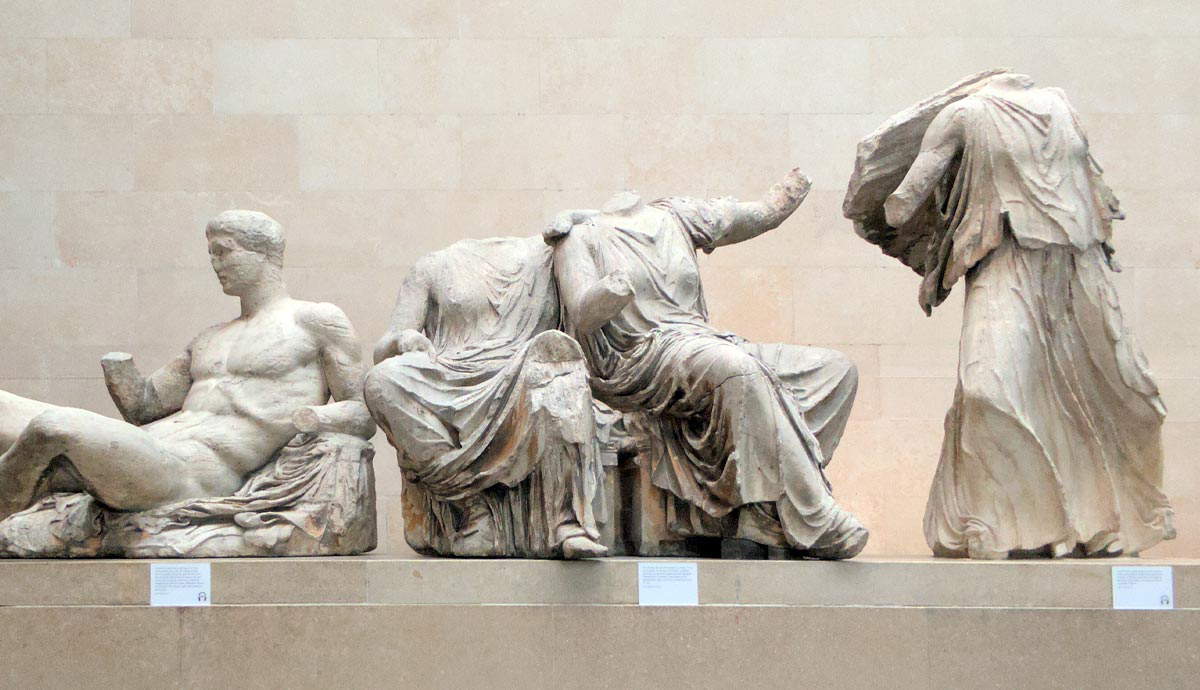
The British Museum is best known for its vast global holdings (the Rosetta Stone, the Parthenon Marbles, Egyptian mummies, and so on), but its Britain and Europe galleries are absolutely essential for understanding the island’s pre-modern past. Founded in 1753, it is widely regarded as the world’s first national public museum, remains free to enter, and houses around eight million objects, of which only a fraction are on display at any given time.
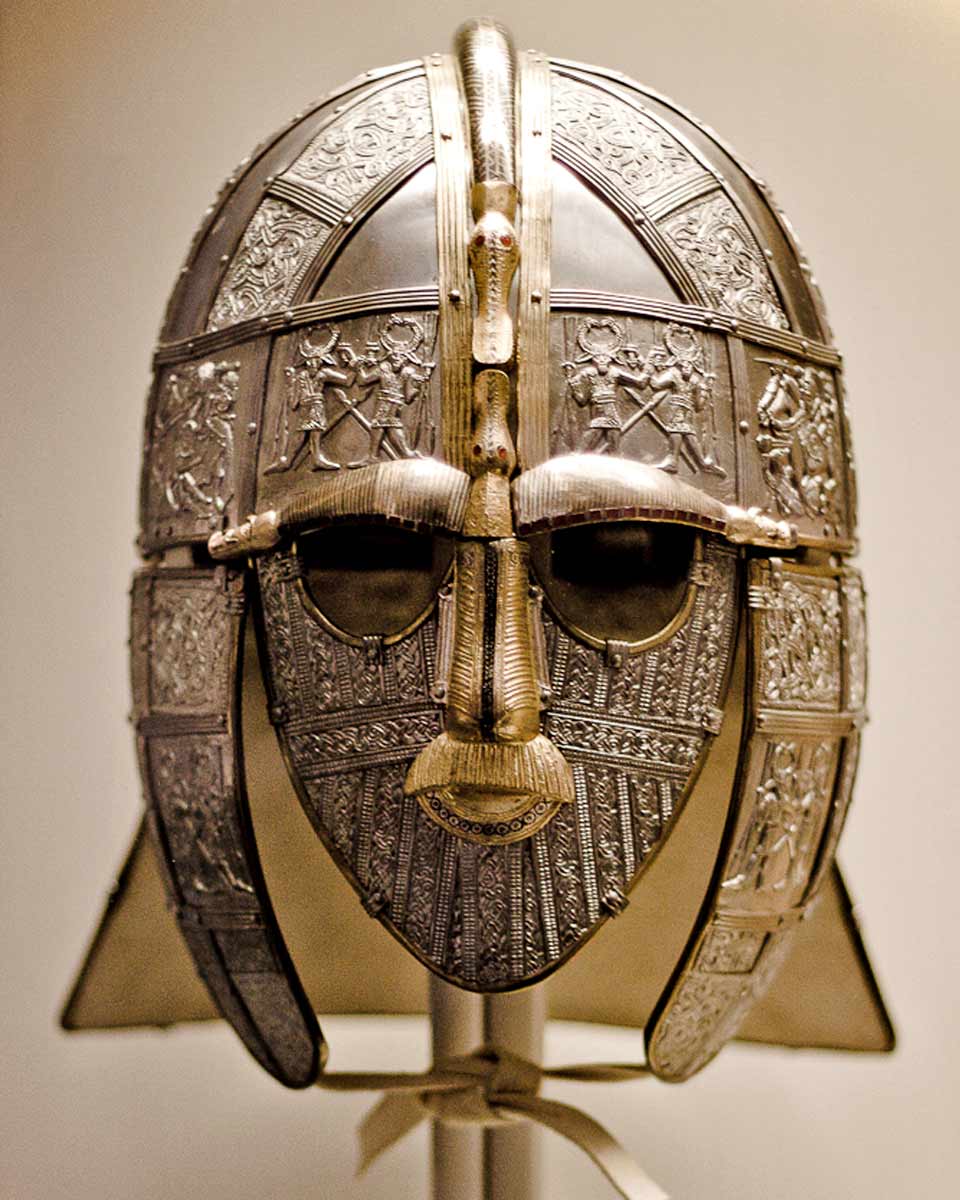
The Sutton Hoo ship burial is the focus of the early medieval galleries, with that famous iron-and-bronze helmet that significantly reshaped how historians understood Anglo-Saxon England (If you watched the lovely 2021 Netflix film The Dig, you already know the story of the unassuming local archaeologist, Basil Brown, who unearthed the burial mound on a Suffolk estate in 1939).
Nearby, you’ll find the Lewis Chessmen (12th-century Norse chess pieces found by chance on a beach on the Isle of Lewis), the Mildenhall Treasure (a stunning hoard of Roman silverware), and Lindow Man, an extraordinarily preserved (if not a little eerie) Iron Age bog body.
The Enlightenment Gallery, housed in the original 19th-century King’s Library, is also worth a look-see. It tells the story of how Britain itself gathered and classified knowledge of the wider world.
2. Tower of London, London
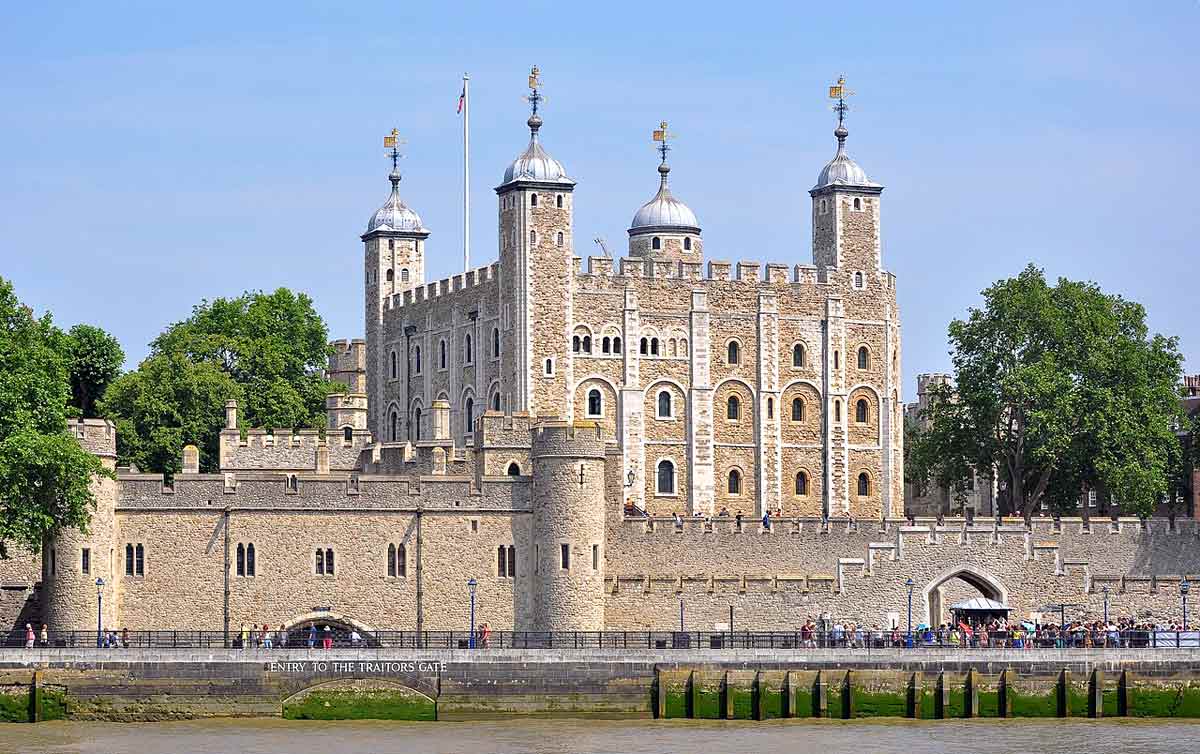
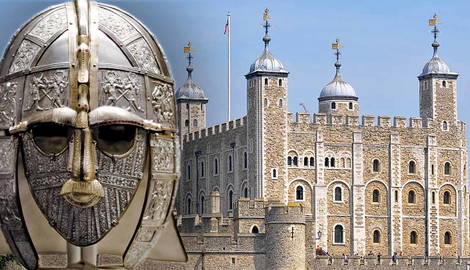
Nearly 1,000 years of royal English history are packed inside the walls of the Tower of London. William the Conqueror began building the imposing White Tower around 1078 to consolidate his control of London after the 1066 Norman Conquest, and the complex has since served countless other roles: royal residence, arsenal, mint, treasury, and most notoriously, prison and place of execution. It even housed a royal menagerie for several centuries, which included a polar bear gifted by King Haakon IV of Norway in 1252, who was reportedly let out on a long chain to fish in the Thames. (The bear, not the King.)
The Crown Jewels, displayed in the Jewel House, include the Imperial State Crown, the Sovereign’s Scepter set with the colossal 530-carat Cullinan I diamond, and the coronation spoon, the oldest surviving piece of the royal regalia, dating all the way back to the 12th century. Elsewhere in the complex, you can stand on the spot where Anne Boleyn and Catherine Howard were beheaded, peer into the Bloody Tower (where the two young Princes in the Tower mysteriously vanished in 1483), and read the desperate prayers and graffiti scratched into the walls by Tudor prisoners.
Costumed Yeoman Warders (better known as Beefeaters) lead free guided tours that are well worth jumping on. They also look after the legendary ravens, which, according to popular legend, must always be present at the Tower, or the kingdom will fall.
3. National Maritime Museum, Greenwich
No nation’s history is more entwined with the sea than Britain’s, and the National Maritime Museum tells that story better than anywhere else. Sitting at the heart of the Greenwich Maritime UNESCO World Heritage Site, the museum holds more than two million items related to naval warfare, global trade, exploration, and life at sea. Best of all, admission is free.
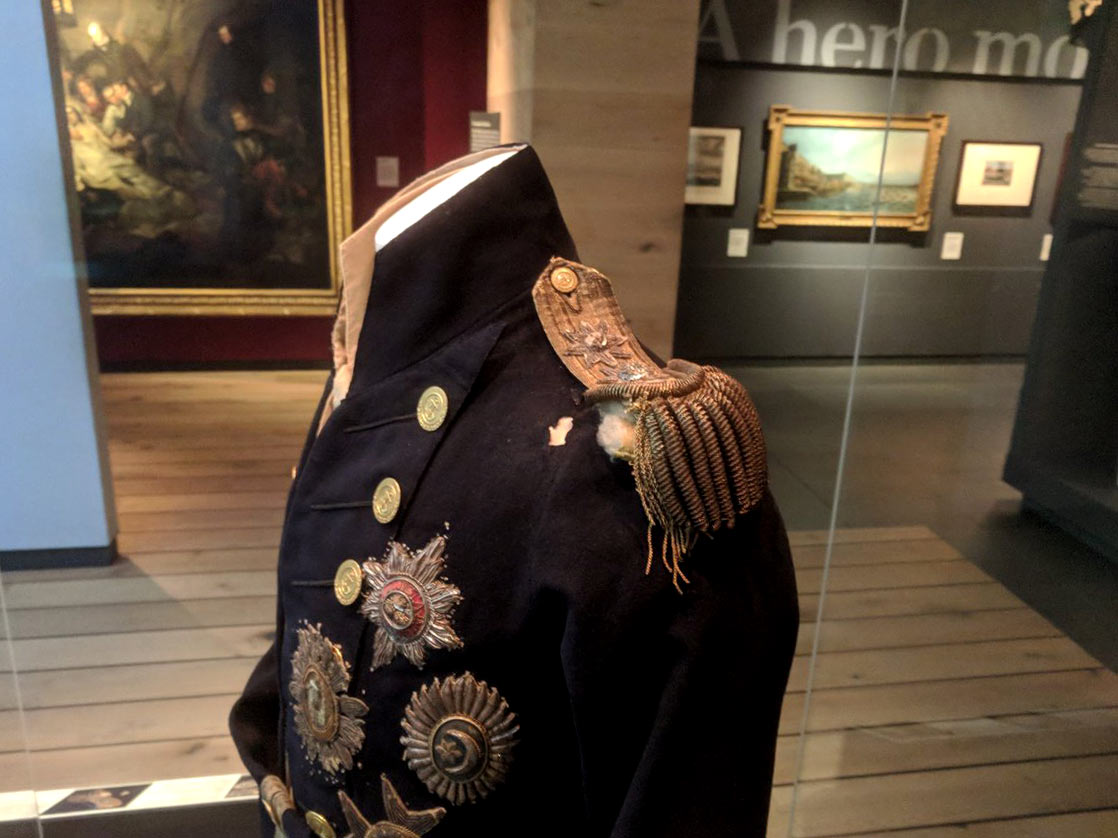
The single most moving artifact is Admiral Nelson’s actual uniform coat, complete with the small musket-ball hole that killed him at the Battle of Trafalgar in 1805. Other highlights include Tudor navigation instruments, Arctic relics from the doomed Franklin expedition (which vanished into the ice in 1845, all 129 men lost), seascape paintings by Turner and the van de Veldes, and unflinching galleries on the transatlantic slave trade and the long shadow of British colonialism.
The museum is an easy walk from the Cutty Sark tea clipper and the Royal Observatory, the site of the Prime Meridian at zero degrees longitude, the global reference line for time and navigation.
4. Imperial War Museum, London
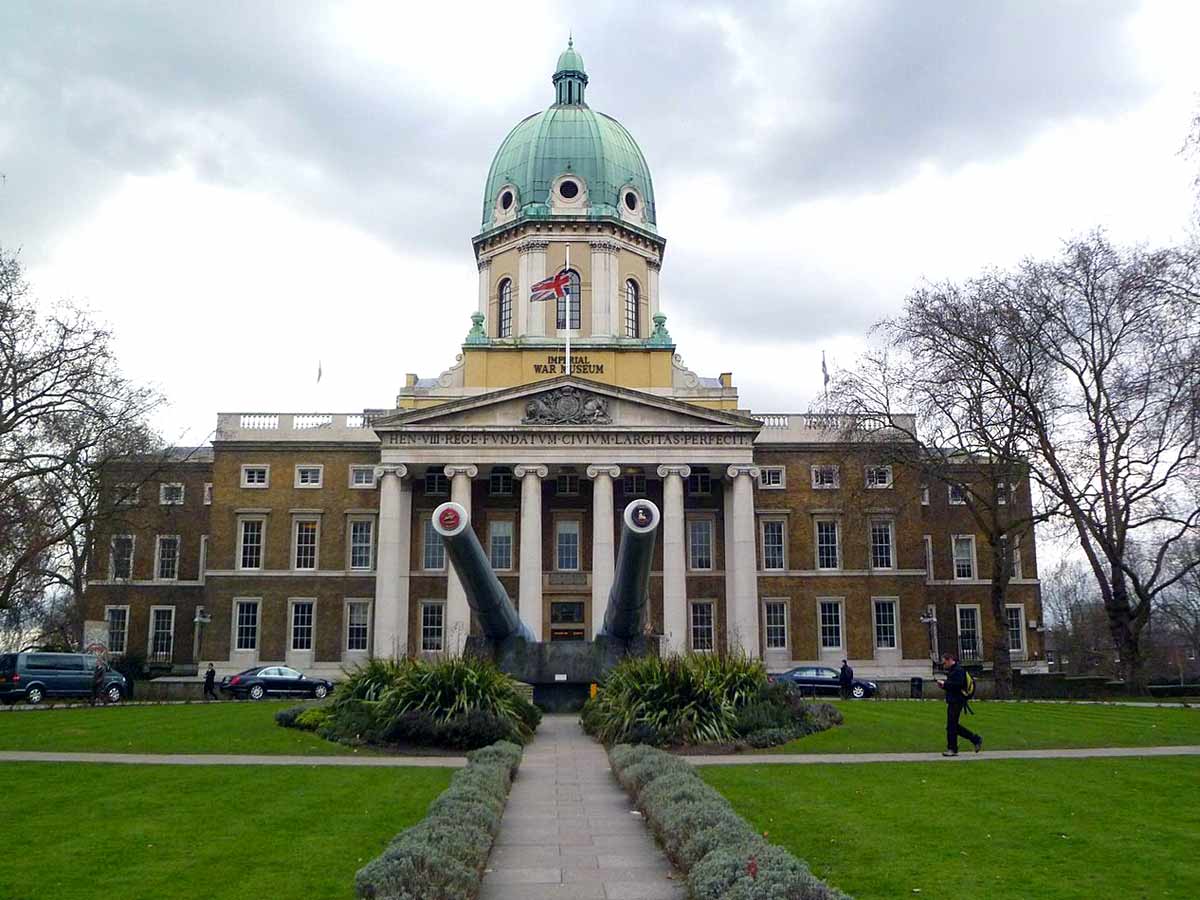
Founded in 1917, while the First World War was still very much being fought, the Imperial War Museum covers every conflict involving British and Commonwealth forces from 1914 to the present day. The flagship London site occupies the former Bethlem Royal Hospital in Southwark (yes, the very same “Bedlam” that gave the English language its byword for chaos and madness) and holds a vast collection of over 33 million items.
The soaring central atrium sets the tone, with a Spitfire, a Harrier jet, and a German V-2 rocket suspended dramatically overhead. The First World War Galleries are the most immersive telling of the conflict anywhere, walking visitors through grim trench conditions and home-front propaganda, plus tear-jerking soldiers’ letters sent home from the Somme.
Upstairs, the permanent Holocaust Galleries are internationally recognized as one of the most powerful museum exhibitions on the subject. The Secret War gallery covers British espionage and includes a working Enigma machine of the kind famously cracked at Bletchley Park.
5. Churchill War Rooms, London
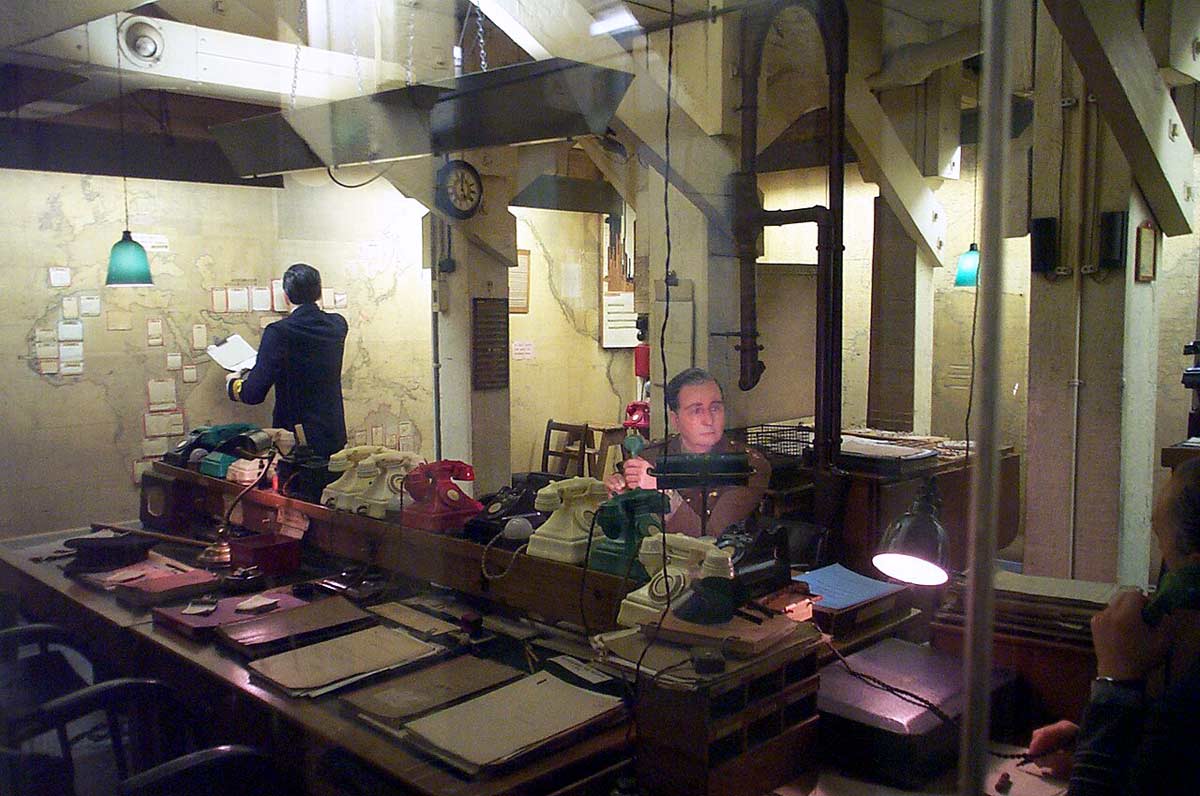
Hidden beneath the Treasury building near Whitehall, the Churchill War Rooms are the underground bunker complex where Winston Churchill and the British War Cabinet directed the Second World War. The story of the place is quite something. When Japan surrendered in August 1945, everyone walked out, the last one turned the lights off, and the rooms were simply locked up. Nobody touched them again until, decades later, the place was finally turned into a museum.
The Cabinet Room, the transatlantic telephone room, Churchill’s bedroom, and the wonderful Map Room (with its pinned wall charts still tracking Atlantic convoy movements) all remain almost exactly as they were on the day the lights were switched off.
An adjoining Churchill Museum, opened in 2005, traces his full career from young Boer War correspondent to wartime prime minister and the elder Cold War statesman who popularized the phrase “Iron Curtain” in his famous 1946 Missouri speech. Operated by Imperial War Museums, this site requires a separate paid ticket and routinely sells out, so book ahead.
6. London Museum (Docklands and New Smithfield Site)
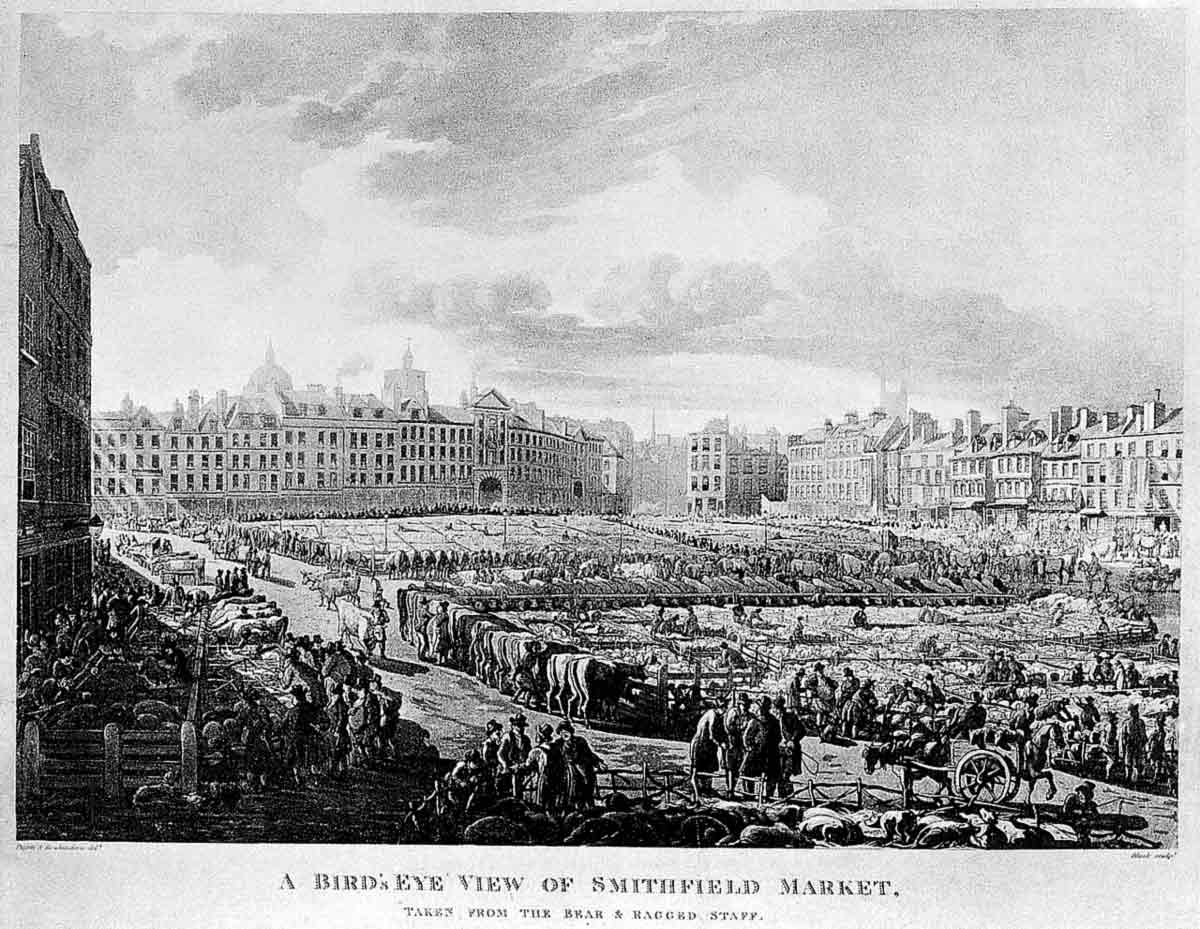
Rebranded from Museum of London in 2024, the London Museum covers a staggering 10,000 years of the capital’s history, from prehistoric settlement through Roman Londinium, medieval guilds, the Great Fire of 1666, Victorian expansion, the Blitz, and right up to the 2012 Olympics. Its main new home, in the converted Victorian buildings of Smithfield Market, is scheduled to open at the end of 2026 and will be one of the most exciting museum debuts in Europe.
In the meantime, the London Museum Docklands at Canary Wharf remains open and free to visit. It is housed in a beautiful 1802 Georgian sugar warehouse, which is no accidental choice. The museum tackles 400 years of the River Thames and London’s port head-on, including a searing gallery on the city’s role in the transatlantic slave trade that pulls absolutely no punches.
Once the Smithfield site opens, the museum will occupy 150,000 square feet of gallery space and is expected to draw over two million visitors a year.
7. National Museum of Scotland, Edinburgh
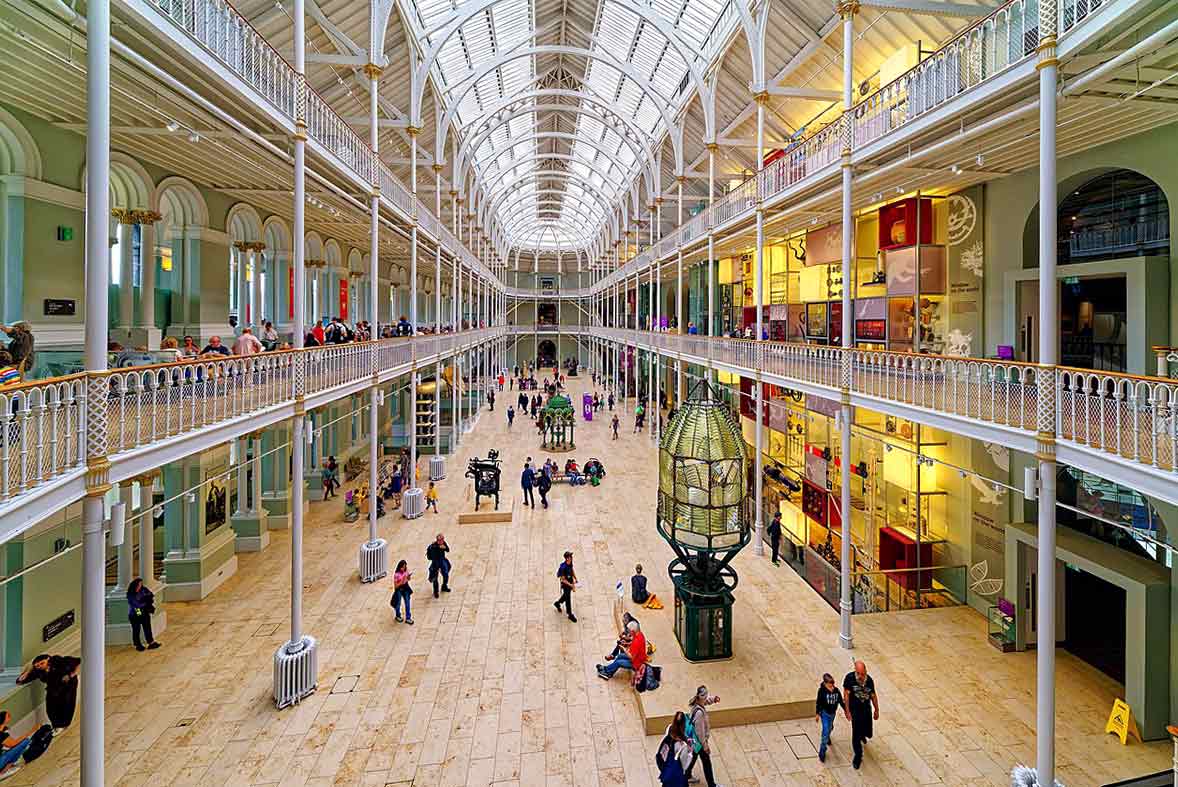
No telling of British history is complete without Scotland, and the National Museum of Scotland on Chambers Street in Edinburgh is the definitive collection. The museum is actually two buildings joined together (a stunning Victorian iron-and-glass gallery linked to a more recent sandstone modern extension) and holds more than 20,000 objects across six floors of free-to-enter galleries.
Highlights include the Lewis Chessmen that stayed in Scotland (eleven pieces, with the other 82 sitting in the British Museum down south), the Monymusk Reliquary (a small portable 8th-century shrine probably carried into the Battle of Bannockburn), Mary Queen of Scots’s silver casket, and most beloved of all, Dolly the sheep, one of the world’s first cloned mammals and now a Scottish national icon.