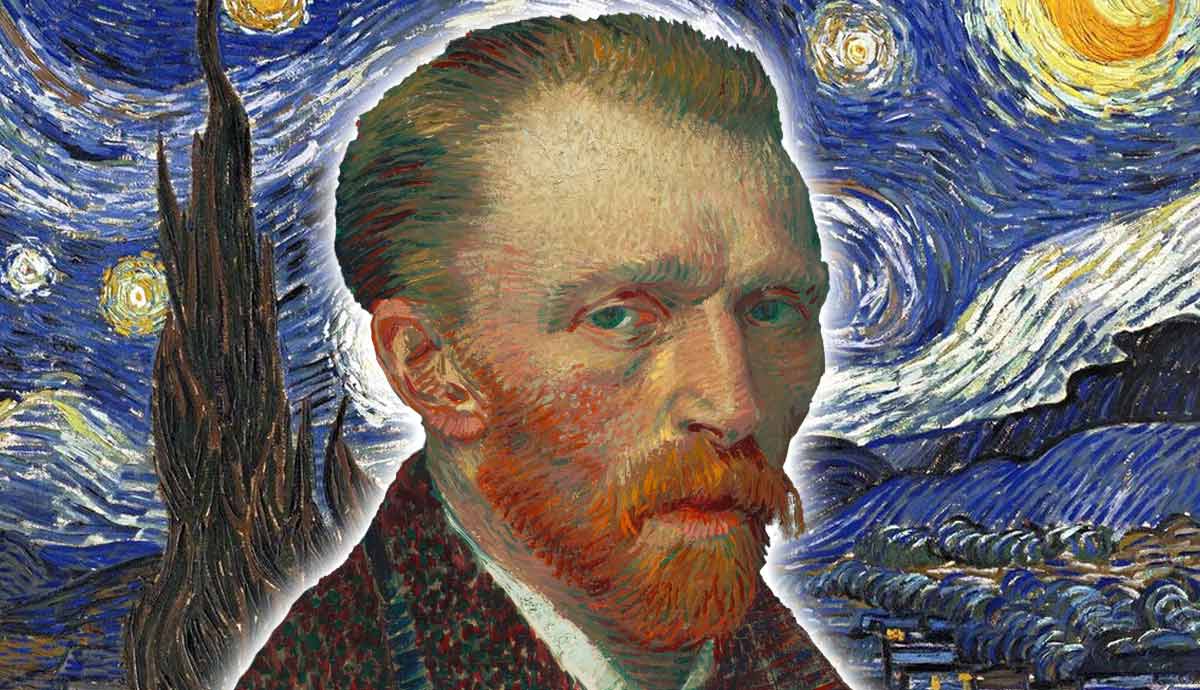
The strangest thing about Vincent Van Gogh is how much of his life he divulged. More than 600 personal letters, sent to his brother Theo, walk us through whatever was on his easel that week. The pioneer of Post-Impressionism sold next to nothing, died young, and the one canvas he privately dismissed as an overreach is now one of the most illustrious images on earth. Which leaves the practical question of where to find Van Gogh paintings, scattered as they are across two continents.
His Life in Brief
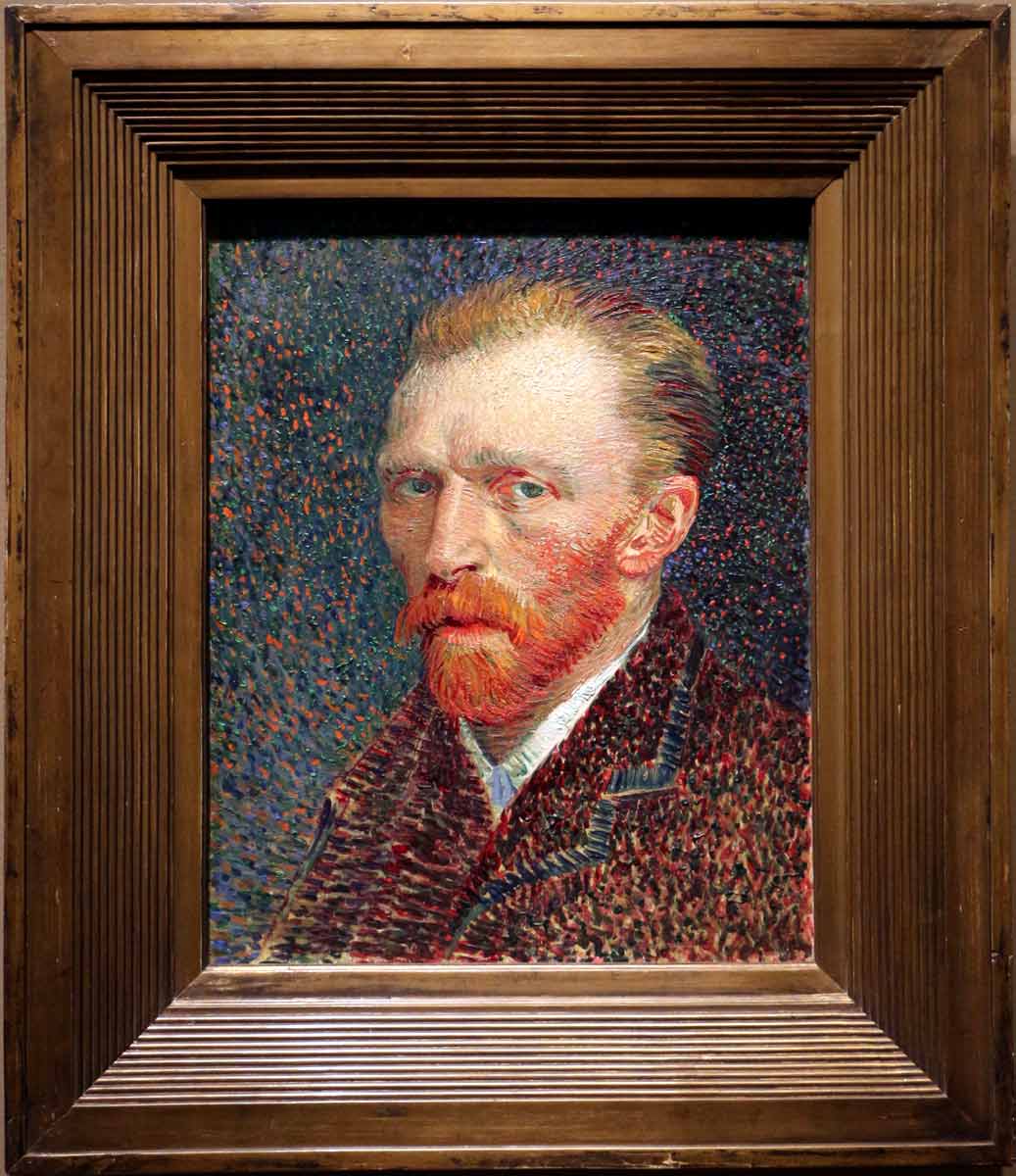
Vincent van Gogh was born in the Netherlands in 1853 and came to painting rather late, picking it up seriously only at 27. By then, he had already worked as an art dealer and a school teacher in England, and had a stint as a lay preacher who gave away most of what he owned to live among Belgian coal miners. Mostly self-taught and bankrolled by his brother Theo, young Vincent learned fast. Two years in Paris from 1886 dragged his palette out of the dark Dutch browns into something nobody who knew his early work would have even recognized. By early 1888, Van Gogh headed south to Arles, chasing the kind of light he had seen in Japanese woodblock prints.
The 14 months he spent in Arles elicited roughly 200 paintings and ended with the breakdown and that famous ear. The painter checked himself into the asylum at Saint-Rémy and kept eagerly painting in the lucid gaps between episodes, then moved to Auvers-sur-Oise the next year for what looked like the start of a recovery. Alas, it was not. Van Gogh died there 70 days later, having somehow made 75 more paintings in that time. Theo outlived him by a mere six months, and the two of them lie side by side in the village churchyard.
The fullest record of how he got from the brown to the blaze is in Amsterdam, in a museum that almost did not even happen, and might not have if one woman had not understood exactly what she was sitting on.
1. Van Gogh Museum, Amsterdam, Netherlands
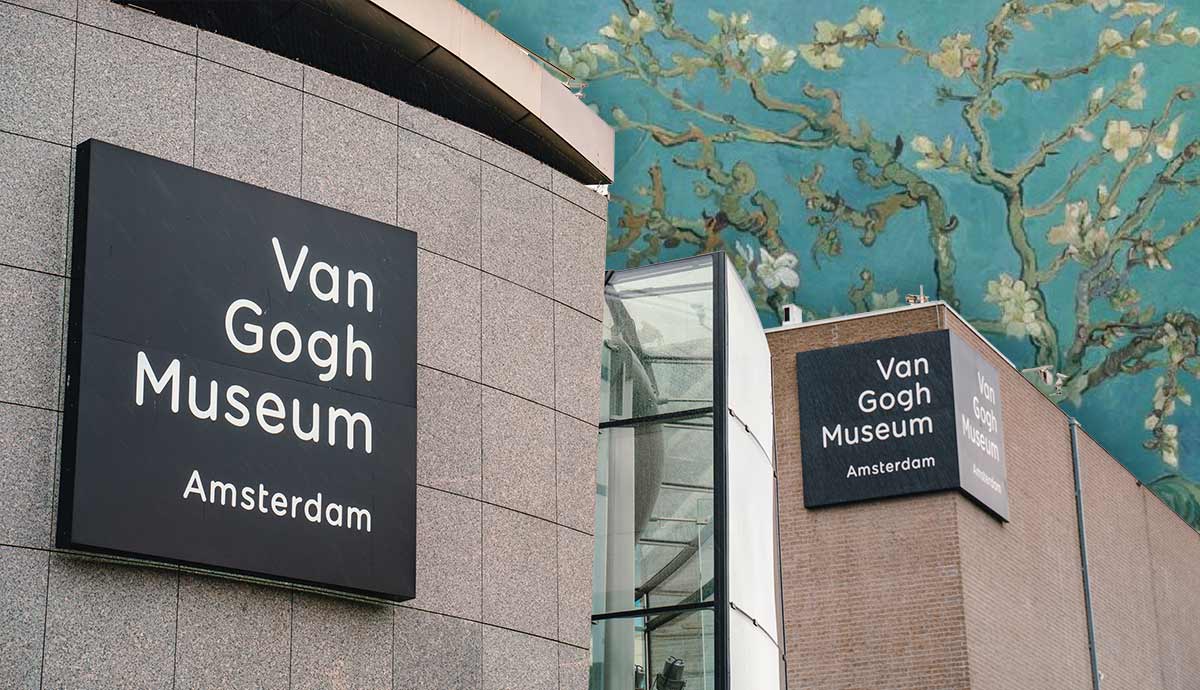
The Van Gogh Museum holds more than 200 paintings, 500 drawings, and the original Van Gogh letters, and the reason it all sits together in one place is Jo van Gogh-Bonger, Theo’s widow.
When Theo died in 1891, shortly after Vincent, Jo was left with a stack of paintings almost nobody wanted to buy, and a pile of correspondence she knew straight away was worth something. She spent the next three decades lending the work out, badgering museum directors, and talking up critics until the reputation stuck. Her name barely comes up in the usual Van Gogh story, which is a small injustice, because without her, there would probably be no museum at all.
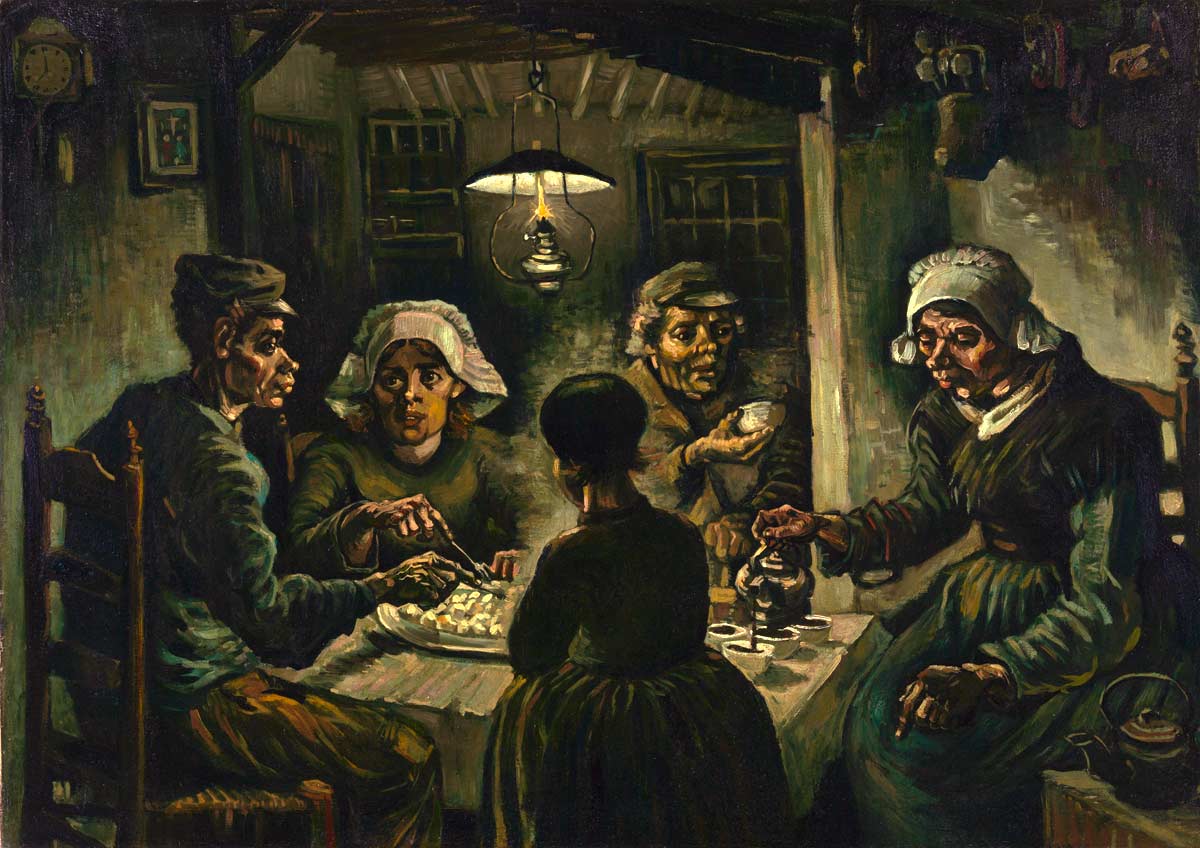
The collection runs in order, so you can more or less walk the transformation from one room to the next. At one end is The Potato Eaters (1885), made deliberately gloomy, lit by a lamp the color of wet earth. A few steps and three years on, you are standing in front of the Arles paintings, the yellows and blues delightfully bright. It is hard to believe the same hand created both.
Insider Tip: It is one of the most visited museums in Europe, so book your timed entry weeks ahead if you are going in the summer.
Paris handed him color, while Arles handed him the rest. When Van Gogh turned up there, he’d tell Theo that his painting speed was equal parts thrilling and frightening. The paintings from that first Arles summer, where his mature style finally comes into its own, are best seen in Paris.
2. Musée d’Orsay, Paris, France
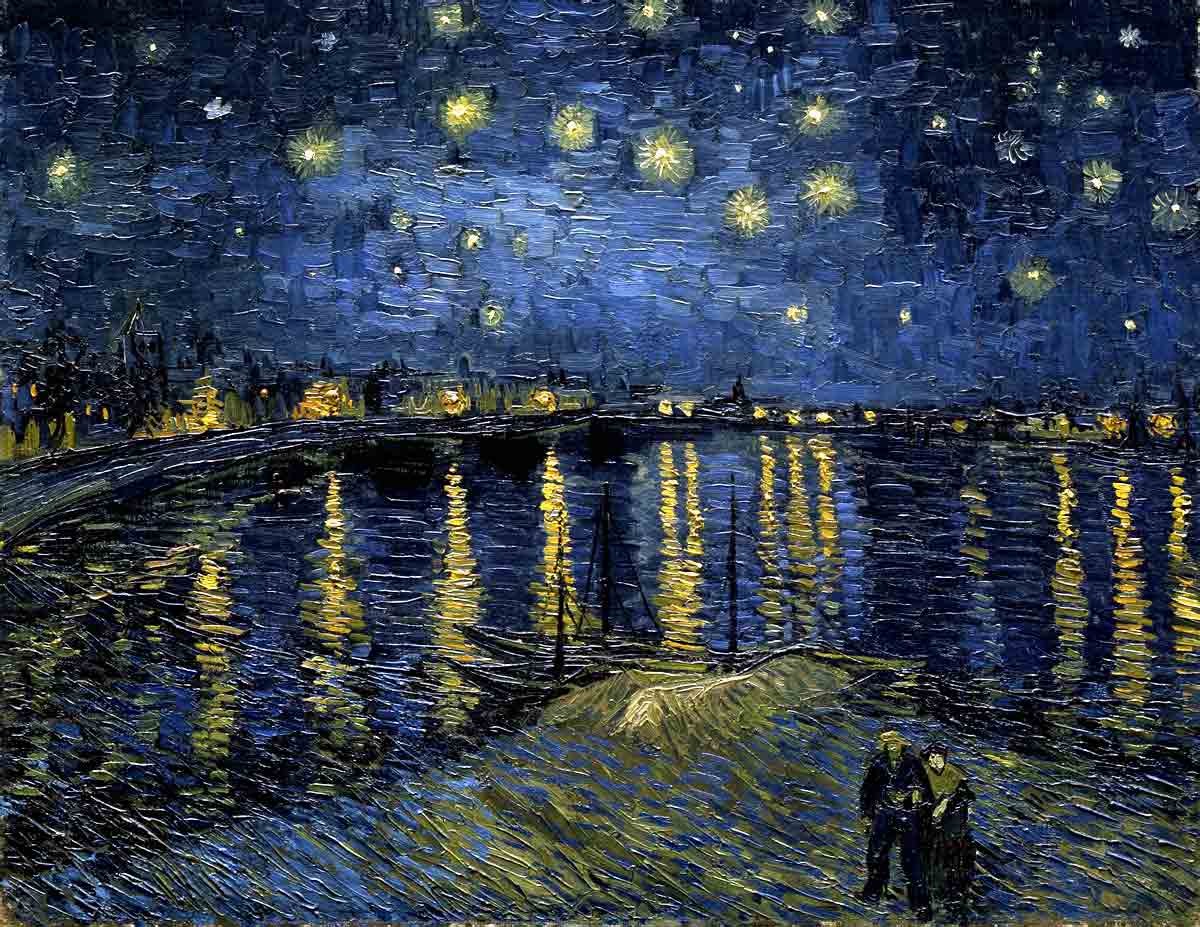
The d’Orsay has a couple of dozen Van Goghs, and the one to find first is Starry Night Over the Rhône (1888), which he painted outdoors on a balmy September night in Arles with the real stars overhead. Van Gogh wrote to Theo about it, going on about the gas lamps reflected in the water and the fact that he had painted the thing outdoors and at night, under nothing but the gas. For the painter in that period, a night out at the easel was fairly ordinary.
Upstairs, you will also find The Church at Auvers (1890), painted just weeks before he died. The building tilts slightly against the sky, and the path in front of it splits in two, both forks heading away from you. Van Gogh told his sister Wil that the church struck him as having a violet tone. She kept the letter, which is the only reason we know.
Insider Tip: The Van Gogh rooms are up on the top floor of the old railway station; the museum lives inside.
Paul Gauguin moved into the Yellow House in October 1888, the two painters meeting at the behest of Theo Van Gogh. They painted side by side for nine weeks, but the friendship curdled over an argument nobody has ever quite figured out, and it ended with Van Gogh cutting off part of his own ear. A slight overreaction, one might say. Vincent was hospitalized, then admitted himself to the asylum at Saint-Rémy, where he went on painting. One of those paintings is now, after the Mona Lisa, about the most recognized picture on the planet. In the ultimate show of imposter syndrome, Vincent thought Starry Night was a dud.
3. Museum of Modern Art, New York, USA
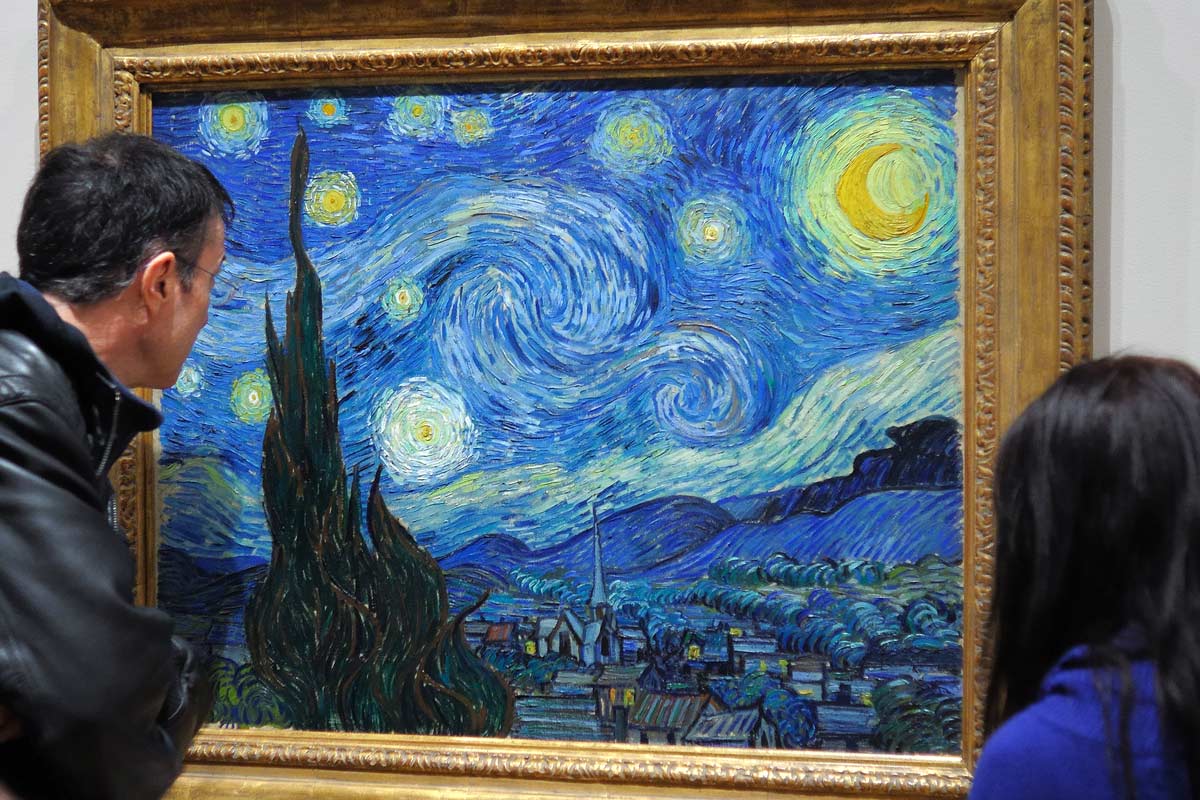
MoMA has had The Starry Night (1889) since 1941, when it came in through the Lillie P. Bliss Bequest, acquired by exchange rather than bought over a counter. Van Gogh had told Theo the painting was an exaggeration, an idea shoved further than it should have gone, and Theo was not especially keen on it either. It changed hands several times and drew little notice for years. Then MoMA got hold of it, and the reputation climbed to a height the man riddled with self-doubt would have found baffling.
Not unlike the Mona Lisa, Starry Night is smaller than many expect, measuring only around 29 by 36 inches. Those ridges and furrows of thick paint, laid down in long loaded strokes, do not show up well in any reproduction, so the surface only really works when you’re standing in front of it. The swirl in the sky is not blended at all, but built entirely out of the direction of the brushmarks. Getting close enough to see that is a completely different experience from seeing it on a tote bag.
The second-biggest Van Gogh collection on earth is not in a city at all. It is out in a forest in the Netherlands, put together almost single-handedly by a woman who backed her own eye against everyone else’s advice.
4. Kröller-Müller Museum, Otterlo, Netherlands
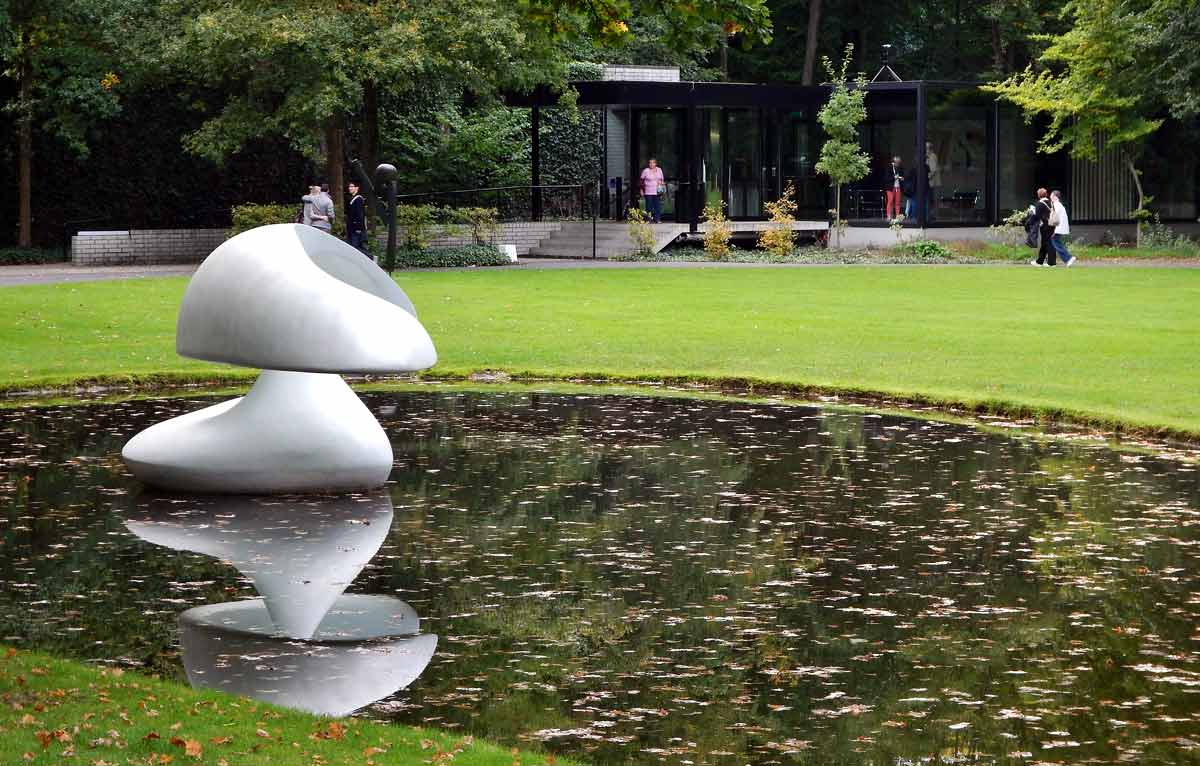
Helene Kröller-Müller began hoarding Van Gogh paintings in 1907, back when they were going cheap and the artist’s reputation was anything but stellar. Her advisors told her she was just overpaying for a nobody, but she bought close to 300 pieces over the next 20 years anyway. The museum she built for them sits deep in the woodsy Hoge Veluwe National Park, several miles from the nearest anything. It might be an odd place to find one of Van Gogh’s most famous paintings, but it somehow fits perfectly.
The painting that justifies the trek on its own is Café Terrace at Night (1888), made in Arles. It was the first time Van Gogh painted a starry sky, and he did it on the spot, outdoors in the dark, working under the gas lamps rather than from memory. He wanted to prove a night scene did not have to be done in blacks and grays, and the glow of the terrace against the deep blue does exactly that. The café is still there on the Place du Forum, trading now as the Café Van Gogh.
Insider Tip: There is a national park entry fee on top of museum admission. You can grab one of the free white park bikes to ride out to the building, which is half the fun of going.
In May 1890, Van Gogh left Saint-Rémy and went north to Auvers-sur-Oise, a village an hour out of Paris, where a doctor named Gachet had agreed to keep half an eye on him. 70 days, 75 canvases. And then, on July 27, he walked out into the fields with his gear, shot himself in the chest, made it back to the inn, and died two days later with Theo beside him. The village has barely changed since.
5. Auvers-sur-Oise, France
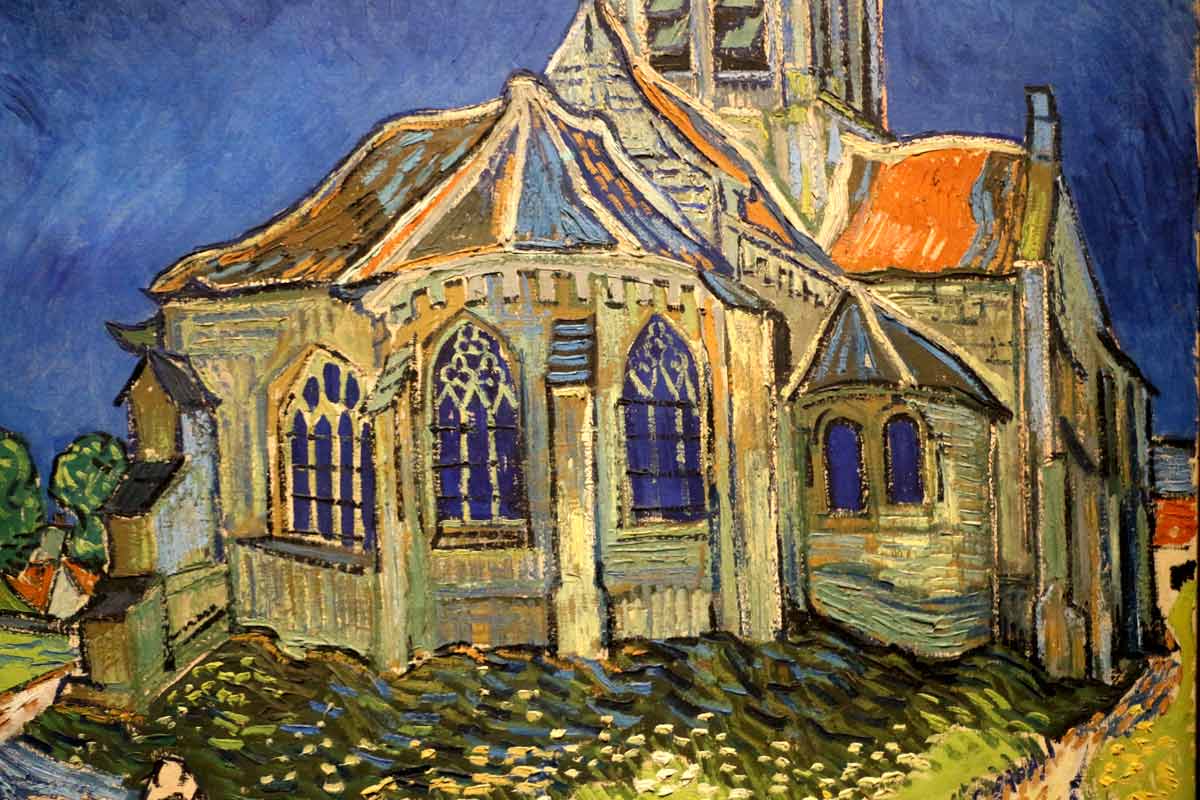
More of a pilgrimage site than a museum, quite rightly, Auvers is a must-visit for anyone who wants to get in Van Gogh’s headspace. The little church Van Gogh painted is still standing and, from the right angle, still looks like it might lean off into the sky. The Auberge Ravoux, the inn where he died, is a working restaurant now, and you can go up and see his tiny room on the top floor. Vincent and Theo are in the churchyard, side by side under the ivy, and there are nearly always fresh sunflowers on the graves.
Wheatfield with Crows hangs back in Amsterdam, and it often gets read as some kind of suicide note in paint, since it was long believed to be the last painting Van Gogh made. But he painted in the middle of July, and the Van Gogh Museum now reckons his actual final canvas was the unfinished Tree Roots. Van Gogh had written to Theo about these fields a few weeks earlier, calling them vast and troubled, but he never called the painting a goodbye, and the idea that it was his parting note doesn’t really hold up.
Insider Tip: Auvers is about 22 miles north of Paris, an easy train from Gare du Nord, changing at Pontoise. As day trips go, though, it is more intense than one might expect, so plan for an overnighter.
One of Van Gogh’s most loved paintings of all ended up in Chicago, and the way it got there has less to do with dealers circling a famous name than with a grieving husband.
6. The Art Institute of Chicago, USA
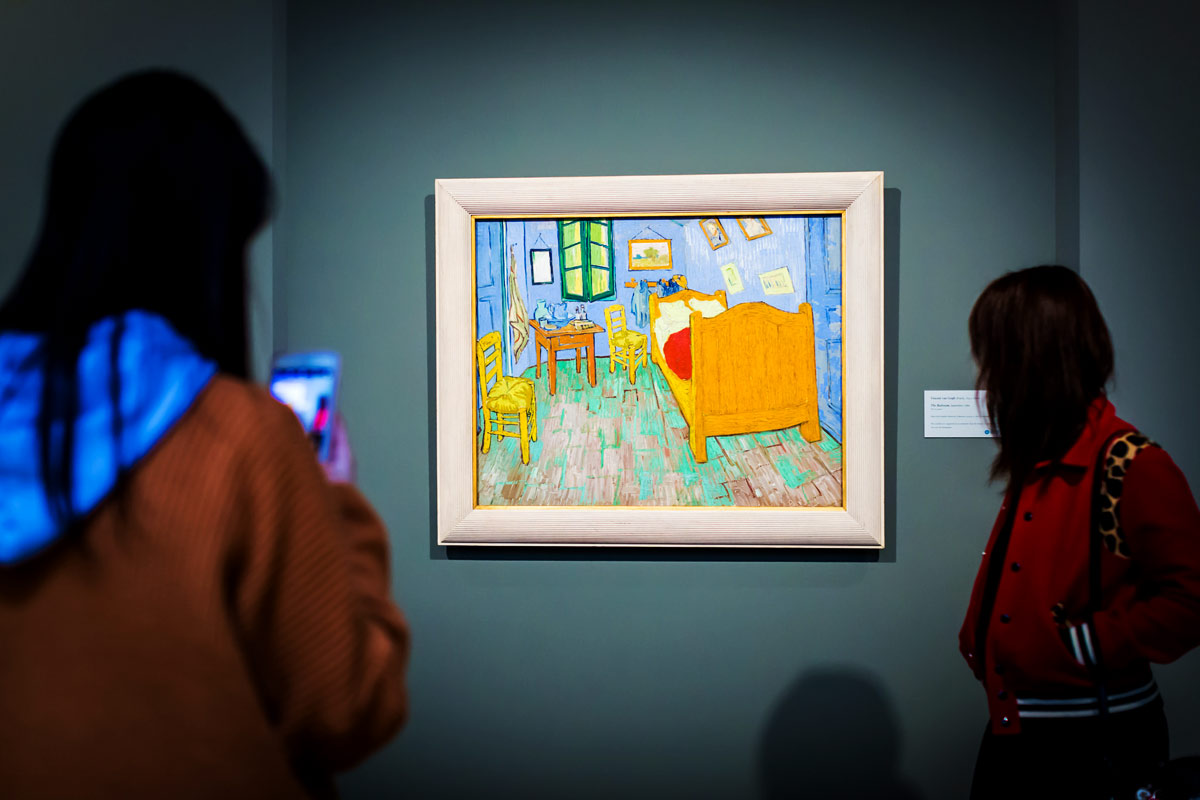
The Art Institute has The Bedroom (1889), one of three versions Van Gogh made of the same room, his own abode at the Yellow House at Arles. This is the second of the three, and he actually painted it inside the asylum at Saint-Rémy, copying the Arles original after that first canvas was water-damaged in a flood. Van Gogh told Theo he wanted the picture to feel like rest, like sleep. Everything in it, from the tipped-up perspective to the flat, unshaded color, comes straight out of his study of Japanese prints, pushed into something he could call his own. It might be the most deliberate thing he ever painted.
How it reached Chicago is a quieter story than the usual dealer intrigue. After Van Gogh’s death, the painting went to Theo, then to Jo, then through a couple of European hands before the dealer Paul Rosenberg sold it to Frederic Clay Bartlett in December 1926. Bartlett was collecting alone by then. His wife, Helen Birch Bartlett, had died of cancer the year before, and he was buying for the memorial collection he had set up in her name at the Art Institute. The Bedroom has hung there under her name ever since, next to Seurat’s Grande Jatte and Picasso’s Old Guitarist from the same gift.
Insider Tip: The Art Institute is on Michigan Avenue in the Loop. The Van Gogh and the Impressionists are up on the second floor.