
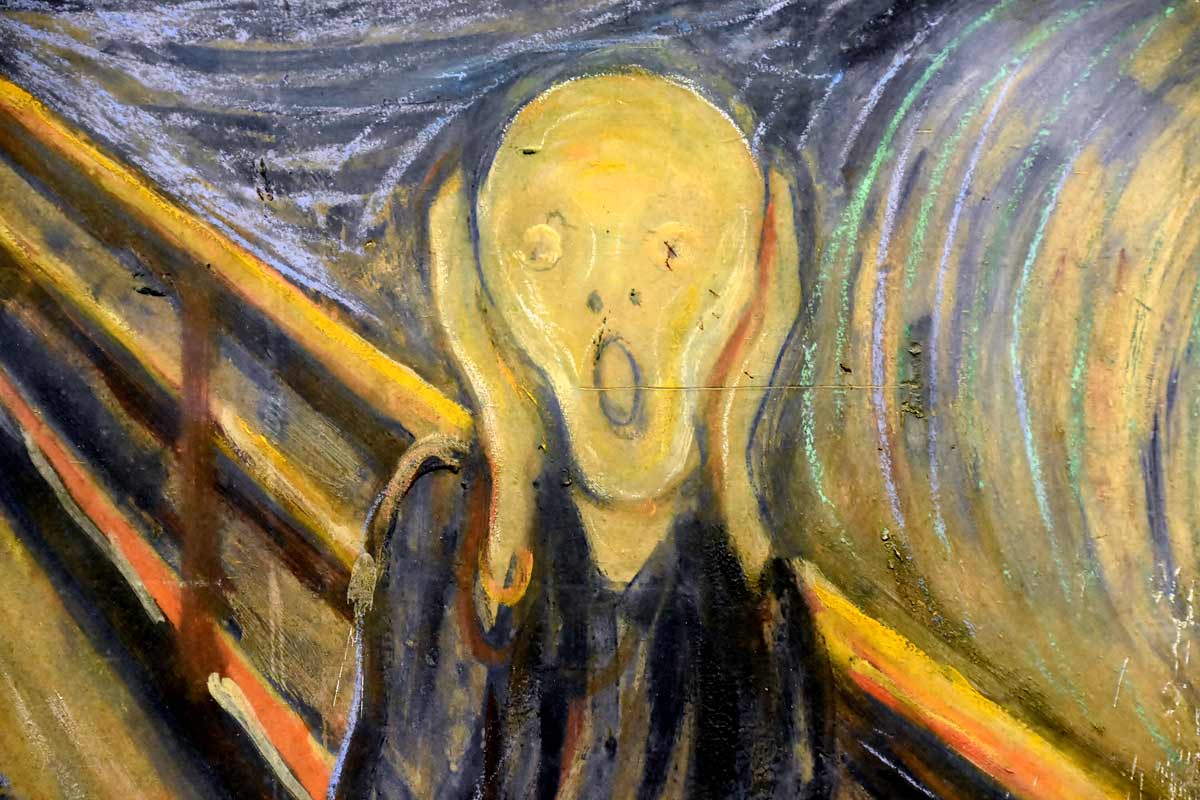
The Expressionist art movement was as explosive as it was short-lived. It emerged in Germany and Austria in the early 20th century and was a strong rejection of the “polite” kind of realism that dominated Europe at the time. Painters started loading their canvases with raw, often disturbing emotion, distorting human figures and buildings to convey feelings, all in colors that almost glowed off the canvas.
Who Were the Expressionist Leaders?
Two key groups led the German charge: Die Brücke (the Bridge), founded in Dresden in 1905, and Der Blaue Reiter (the Blue Rider), founded in Munich in 1911. Austrian Expressionism took a darker, more inward-looking turn through the likes of Egon Schiele, Oskar Kokoschka, and Richard Gerstl.
The best museums for Expressionist art are not all in Germany and Austria, perhaps surprisingly. Below, these museums are ranked not by ratings alone on platforms like Google Maps and Tripadvisor, but by the depth of their Expressionist holdings and how easy they are to visit and enjoy.
1. Lenbachhaus, Munich (Germany)
Visitor rating: 4.7 / 5

Housed in the former villa of 19th-century portrait painter Franz von Lenbach, the Lenbachhaus holds the largest collection of Blue Rider art in the world. There is a great backstory here. Most of it came from a 1957 donation by Gabriele Münter, one of the movement’s co-founders, who hid hundreds of works in her home in Murnau during the Nazi period to keep them safe from being burned or seized as “degenerate art.”
Today, the museum is rated one of the best art museums in Europe. The rooms dedicated to Kandinsky, Marc, Macke, Münter, Jawlensky, and Klee show how abstract art began to take shape. A 2013 extension by superstar architect Norman Foster doubled the exhibition space without messing with the museum’s intimate, personal feel.
2. Saint Louis Art Museum (USA)
Visitor rating: 4.7 / 5
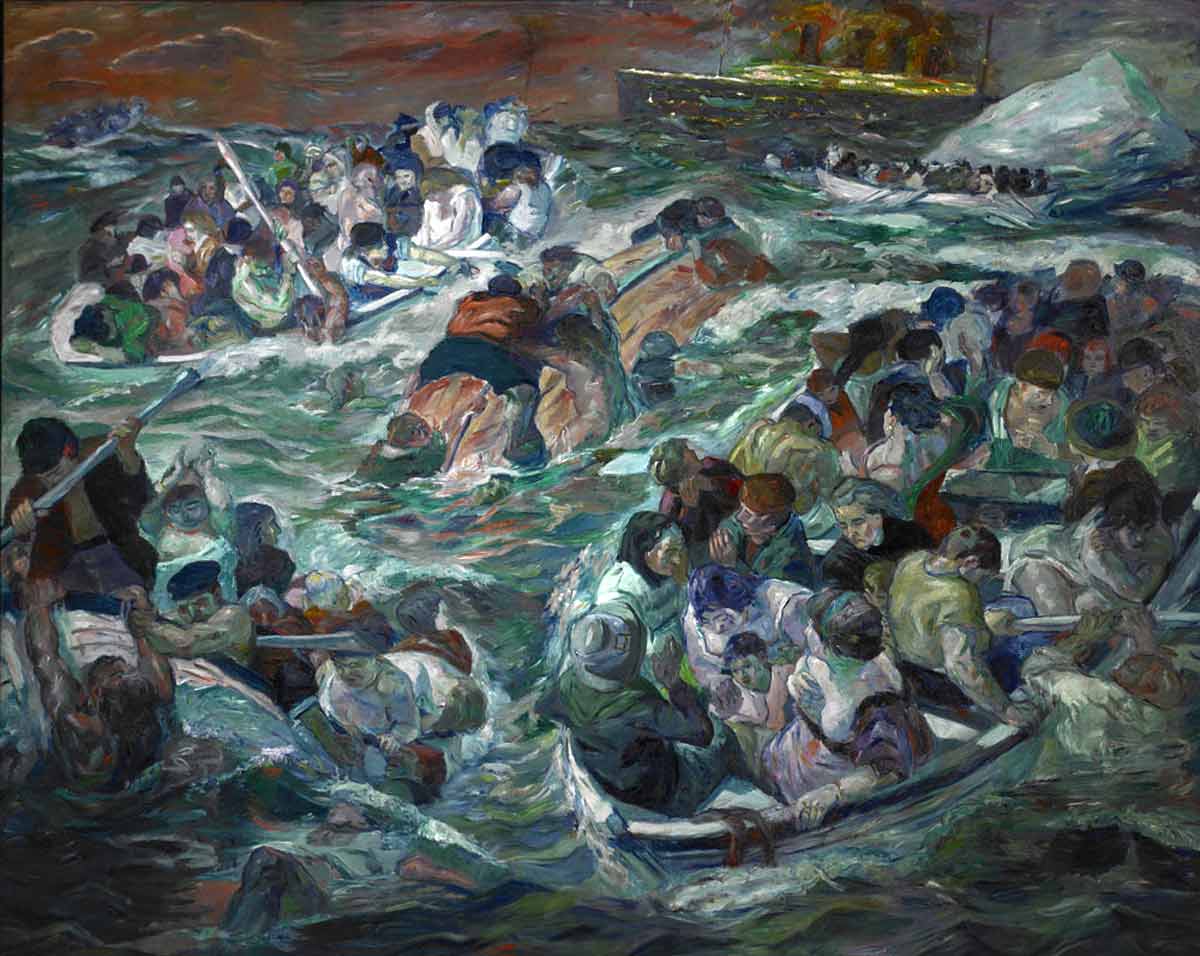
The Saint Louis Art Museum holds more than 700 German Expressionist works (one of the largest such collections anywhere in the United States), along with the world’s biggest grouping of paintings and prints by Max Beckmann. Much of it comes from collector Morton D. May, who started buying Beckmann’s work back in the 1940s when the movement was deeply unpopular in America, and prices were dirt cheap. Talk about an excellent investment.
With 48 major works by more than two dozen artists made between 1905 and 1939, the hoard covers both Die Brücke and Der Blaue Reiter, plus the New Objectivity painters who followed in their footsteps. Because most of what you see came from a single private collector, the galleries have a distinct, unified character that you rarely find in larger, more comprehensive institutions.
3. Museum Ludwig, Cologne (Germany)
Visitor rating: 4.6 / 5
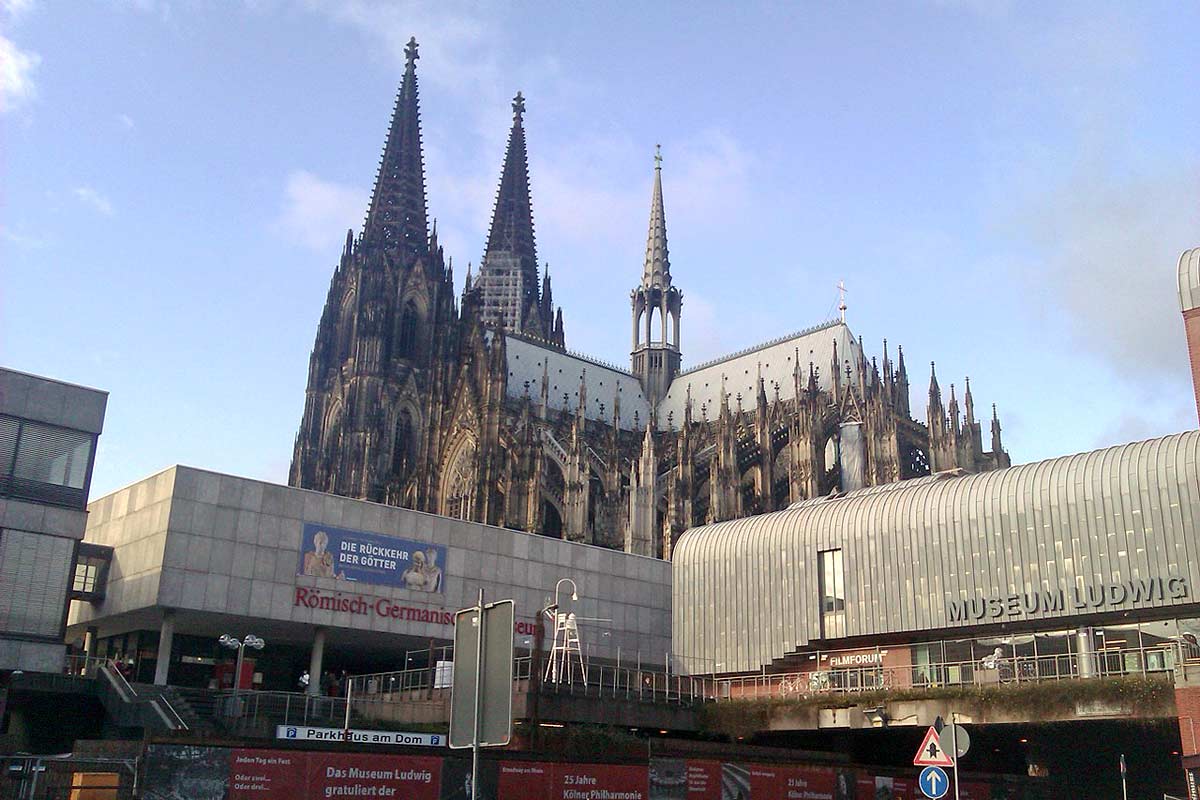
Tucked right up against the side of Cologne Cathedral, the Museum Ludwig is best known for its world-class Picasso and Pop Art collections. But its German Expressionist wing more than holds its own. Its roots go back to 1946, when local lawyer Josef Haubrich donated his collection of works by Heckel, Schmidt-Rottluff, Kirchner, Macke, Mueller, Otto Dix, and Beckmann to the city of Cologne.
The museum’s architecture is itself a stunning opposition to its Gothic neighbor: a low, angular modernist building with a zinc roof, finished in 1986. The Expressionist galleries are arranged thematically rather than chronologically, which lets you compare shared themes without being pushed through a strict timeline.
4. Museum of Modern Art (MoMA), New York (USA)
Visitor rating: 4.6 / 5
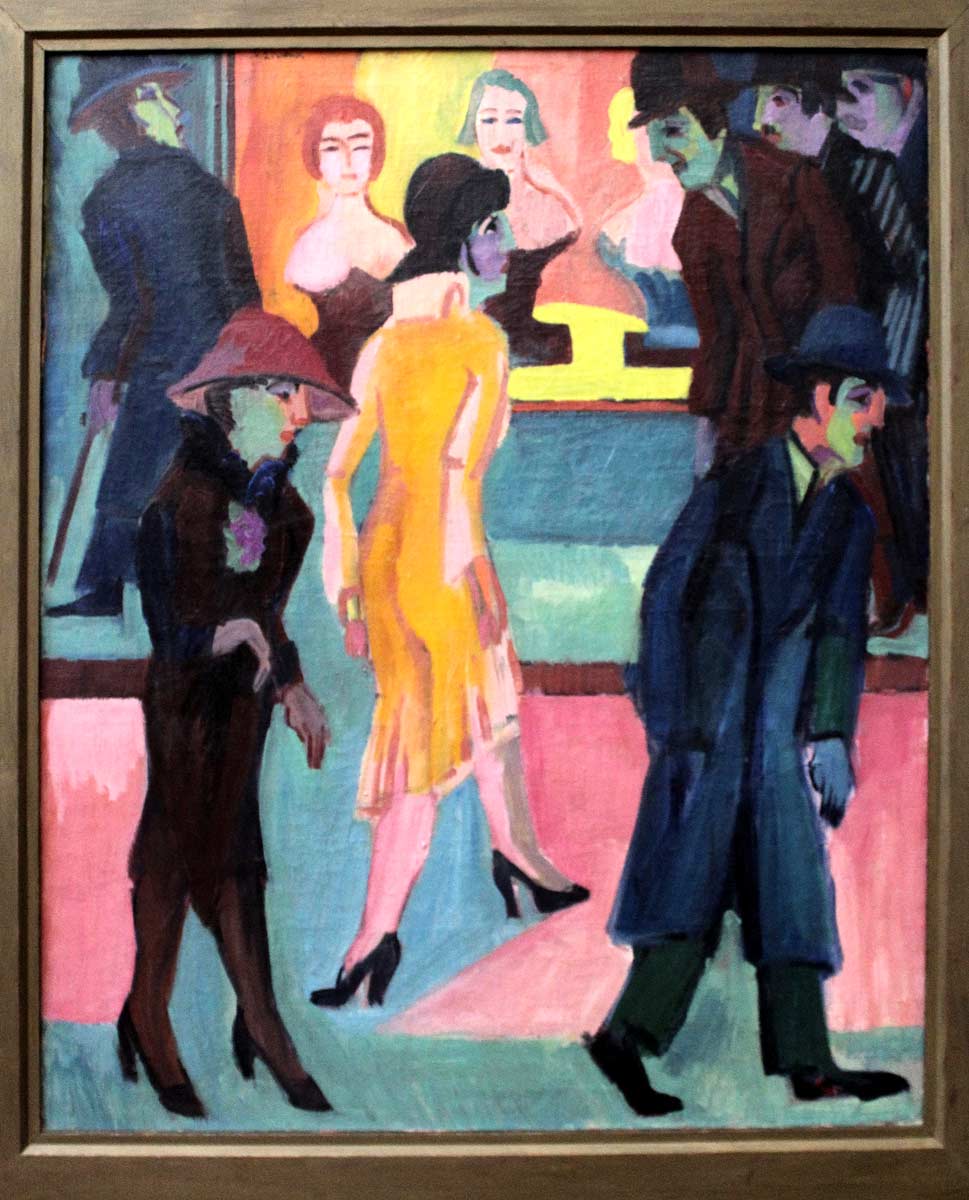
The Museum of Modern Art holds around 3,200 works of German Expressionism, including 2,800 prints, 275 drawings, and dozens of paintings, sculptures, and illustrated books. The high number of prints is no accident. Printmaking, especially woodcut, sat at the core of the movement, and artists like Kirchner and Schmidt-Rottluff produced raw, jagged woodcuts that became one of the movement’s most iconic signatures.
Kirchner’s Street scene paintings anchor the galleries, alongside Blue Rider works by Marc, Kandinsky, and Klee, plus a strong Beckmann presence that includes his Departure. MoMA’s curators place all this within the wider story of modern art, so you see Expressionism rubbing shoulders with Cubism, Fauvism, and early abstraction.
5. Leopold Museum, Vienna (Austria)
Visitor rating: 4.6 / 5
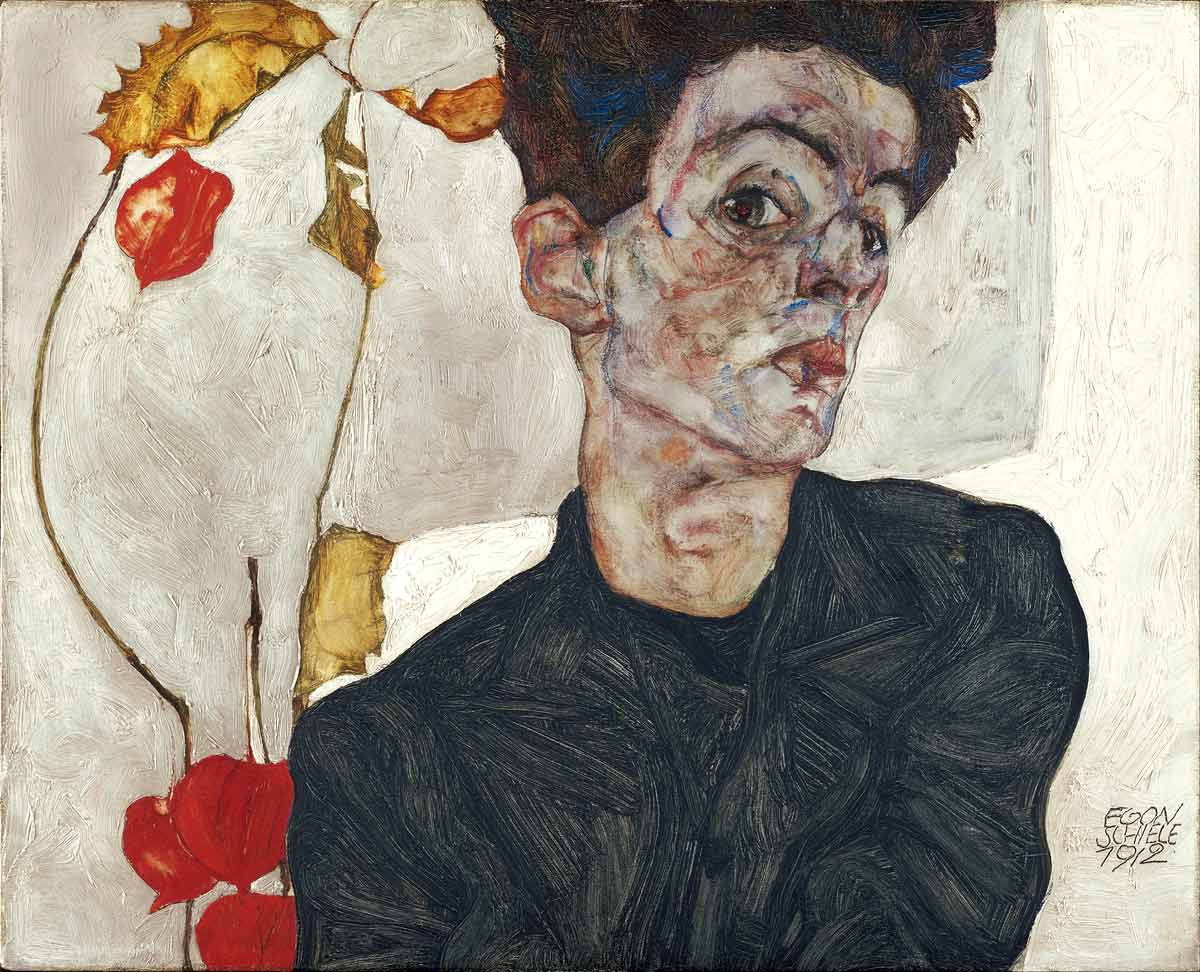
Housed in a striking white limestone cube in Vienna’s MuseumsQuartier, the Leopold Museum holds the largest Egon Schiele collection in the world: 42 paintings plus more than 180 drawings, watercolors, and prints, alongside innumerable letters and manuscripts. Like so many great art collections, this one was a labor of love, assembled over 50 years by ophthalmologist Rudolf Leopold and his wife Elisabeth. The accumulation started back in the 1950s when Schiele was still seen as a fringe figure.
The permanent exhibition Vienna 1900: Birth of Modernism places Schiele within the broader Viennese avant-garde scene: Klimt, Kokoschka, Richard Gerstl, plus the gorgeous Wiener Werkstätte designs of Josef Hoffmann and Koloman Moser.
What stands out is how different Austrian Expressionism was from its German cousin, taking a much darker, more psychologically inward approach.
6. Neue Galerie, New York (USA)
Visitor rating: 4.5 / 5
Set inside a beautiful 1914 Beaux-Arts mansion on Fifth Avenue’s Museum Mile, the Neue Galerie is devoted entirely to early 20th-century German and Austrian art and design. It was founded in 2001 by cosmetics heir Ronald Lauder and the late art dealer Serge Sabarsky, and is intentionally small with just two exhibition floors. Perfect if you’re easily distracted.
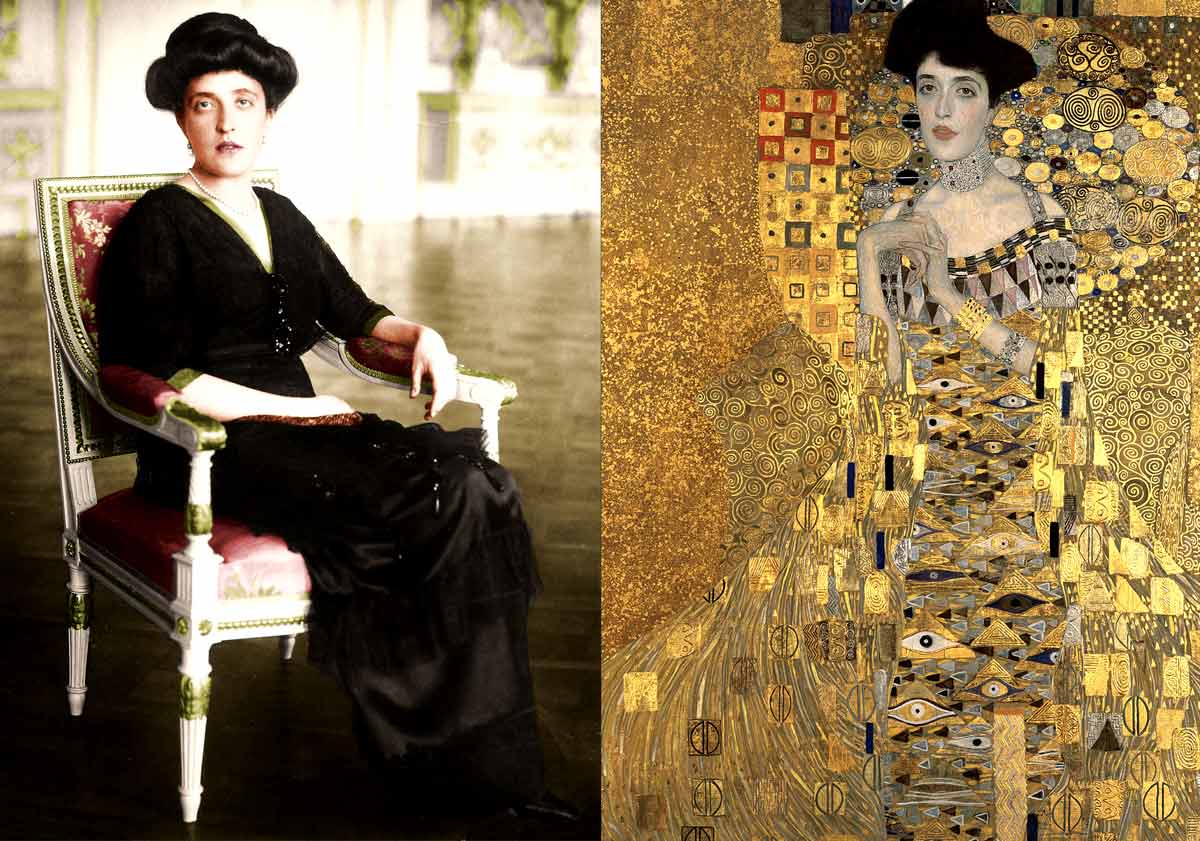
The second floor covers Austria (Klimt, Schiele, Kokoschka, plus Wiener Werkstätte decorative arts), while the third floor covers Germany, with works from Die Brücke, Der Blaue Reiter, and the Bauhaus. The main attraction is Klimt’s Portrait of Adele Bloch-Bauer I, the famous Woman in Gold, which was returned to Maria Altmann after a long legal battle and bought by Lauder in 2006. (If you’ve seen the Helen Mirren film Woman in Gold, you already know the story.)
Heads up: don’t miss Café Sabarsky on the ground floor, it serves wonderful Viennese pastries in a faithful recreation of an early 20th-century coffeehouse.
7. Brücke-Museum, Berlin (Germany)
Visitor rating: 4.4 / 5
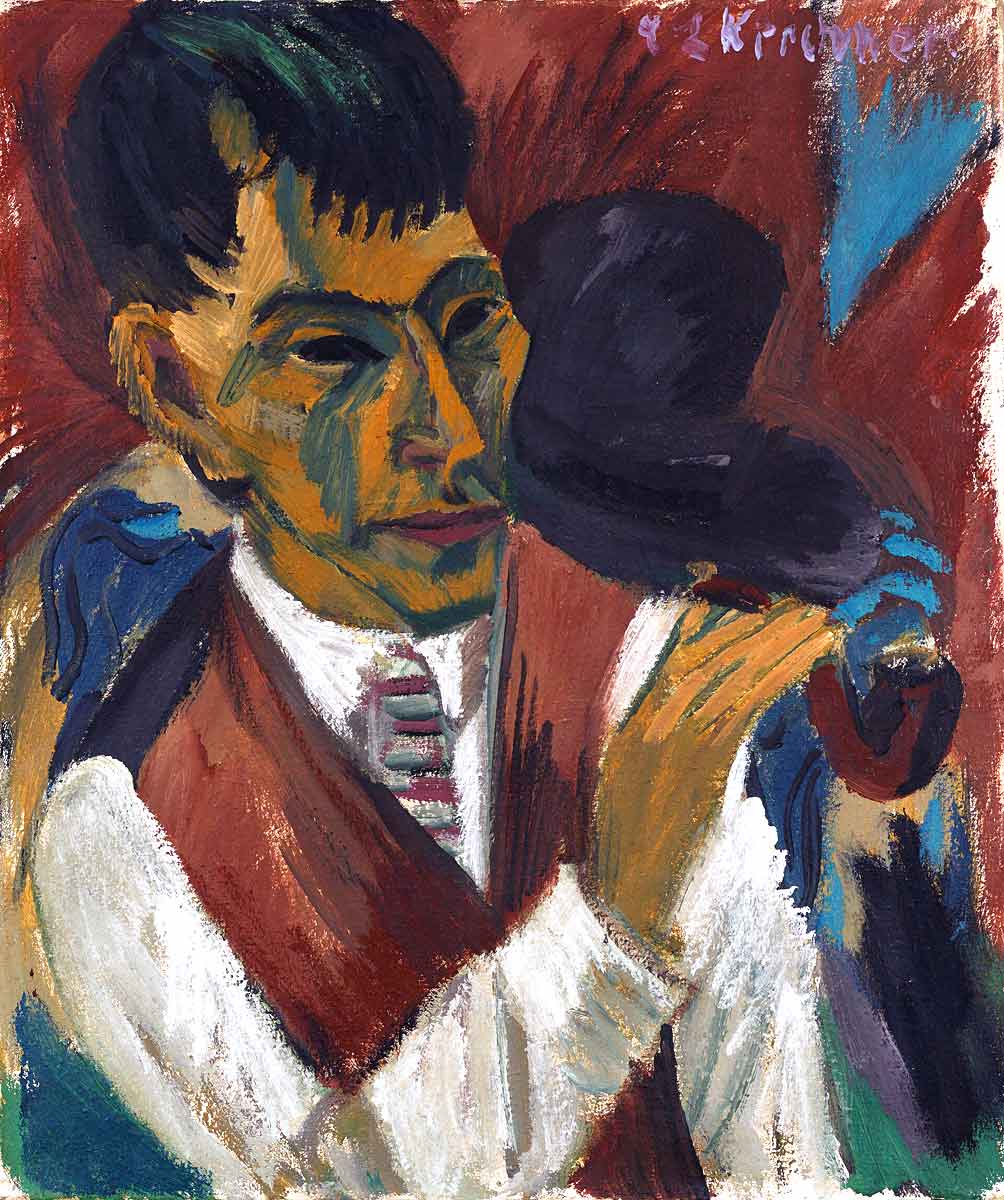
Opened in 1967 on a quiet lane at the edge of Berlin’s leafy Grunewald forest, the Brücke-Museum houses the world’s biggest collection of works by members of Die Brücke. The holdings include around 400 paintings and sculptures plus several thousand drawings, watercolors, and prints, almost all gifted to the museum by founding members Karl Schmidt-Rottluff and Erich Heckel themselves.
The building is a modest single-story modernist pavilion designed by Werner Düttmann, with four simply proportioned rooms that leave the paintings plenty of room to breathe. Because the works are fragile, the displays rotate often. The museum arguably deserves a five, but the slightly lower rating reflects the somewhat tucked-away location and the occasional disappointment when famous works happen to be off view.