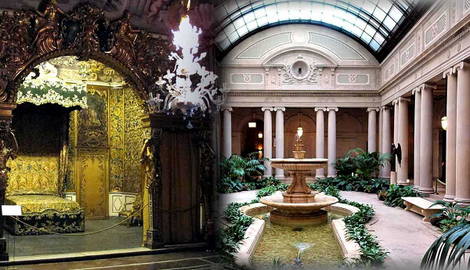

The world’s greatest museums have, in a very real sense, been ruined by their own greatness. The Louvre gets ten million visitors a year. Visit in July, and you will feel every single one of them. The seven small museums on this list are the antidote: intimate, unhurried spaces where the art has not been buried under the weight of its own reputation. Several hold collections that rival anything in Paris or London. None of them will make you line up for two hours to see a painting.
1. Musée de l’Orangerie: Paris, France
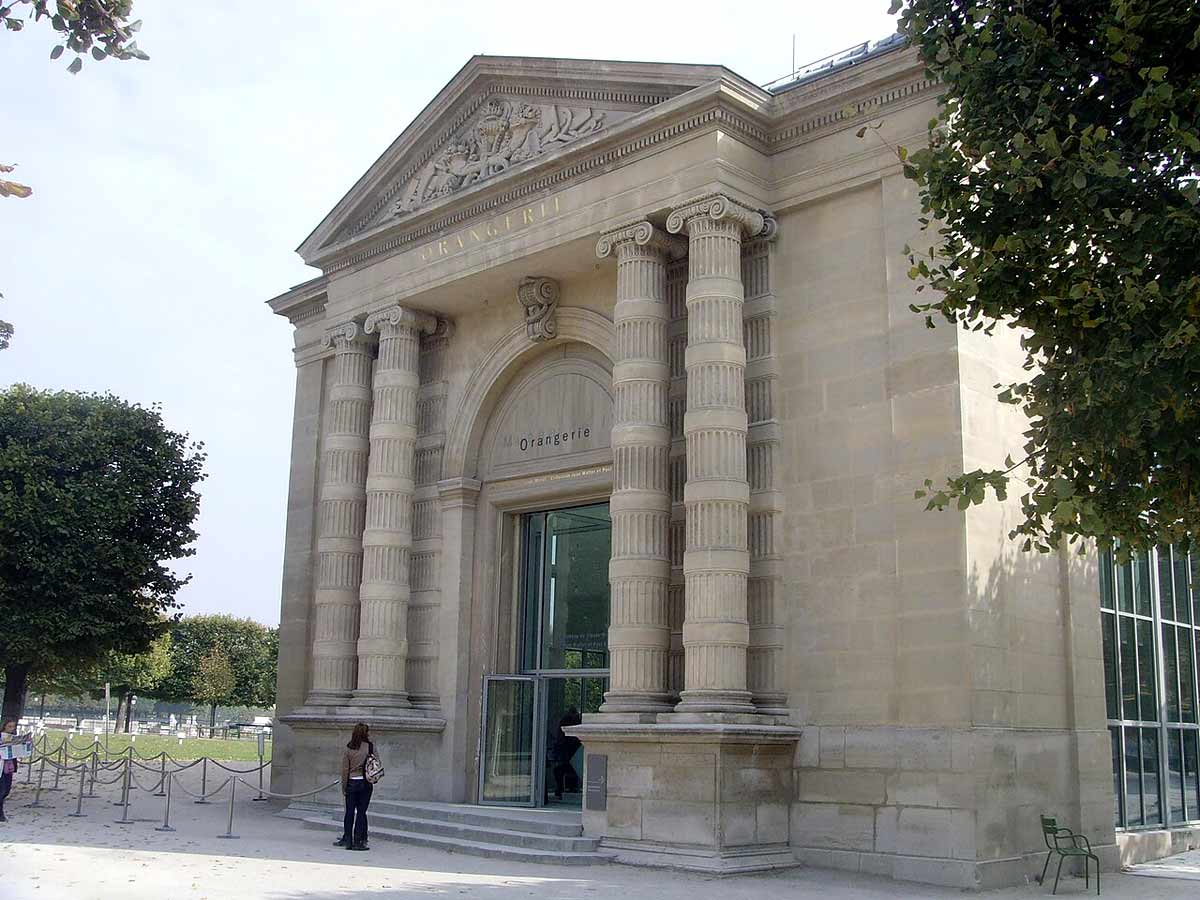
Most visitors to Paris sprint toward the Louvre and its serpentine lines, yet a short walk away in the Tuileries Garden stands one of the most profoundly affecting art experiences in the world. The Musée de l’Orangerie was originally built in 1852 as a greenhouse for the citrus trees of the Tuileries Palace. It was later adapted to fulfill a very different purpose: housing eight of Claude Monet‘s monumental Water Lilies panels. The canvases wrap around two elliptical rooms in an unbroken panorama that Monet designed himself, and were installed in 1927, just months after his death.
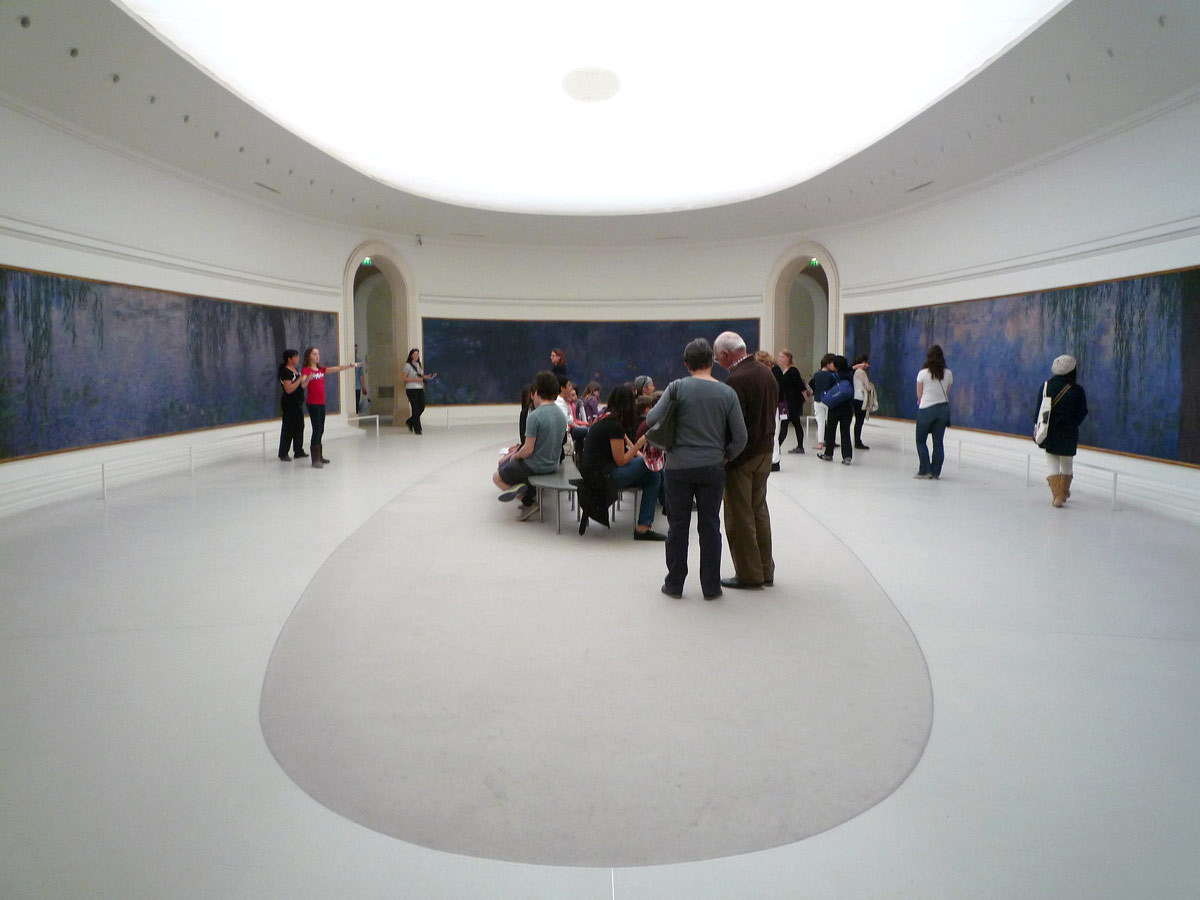
There are no ticket barriers between you and the paintings, no protective glass, and the rooms are rarely crowded. Naturally lit from overhead skylights, the rooms are sized so that standing at the center places you at the precise distance Monet intended. The effect is immersive in a way no digital reproduction could ever convey. Head downstairs, and you’ll find the Jean Walter and Paul Guillaume collection. Works by Cézanne, Renoir, Matisse, Picasso, Modigliani, and Rousseau would be headline attractions anywhere else, but here they serve almost as an afterthought to the two oval rooms upstairs.
2. The Frick Collection: New York City, USA
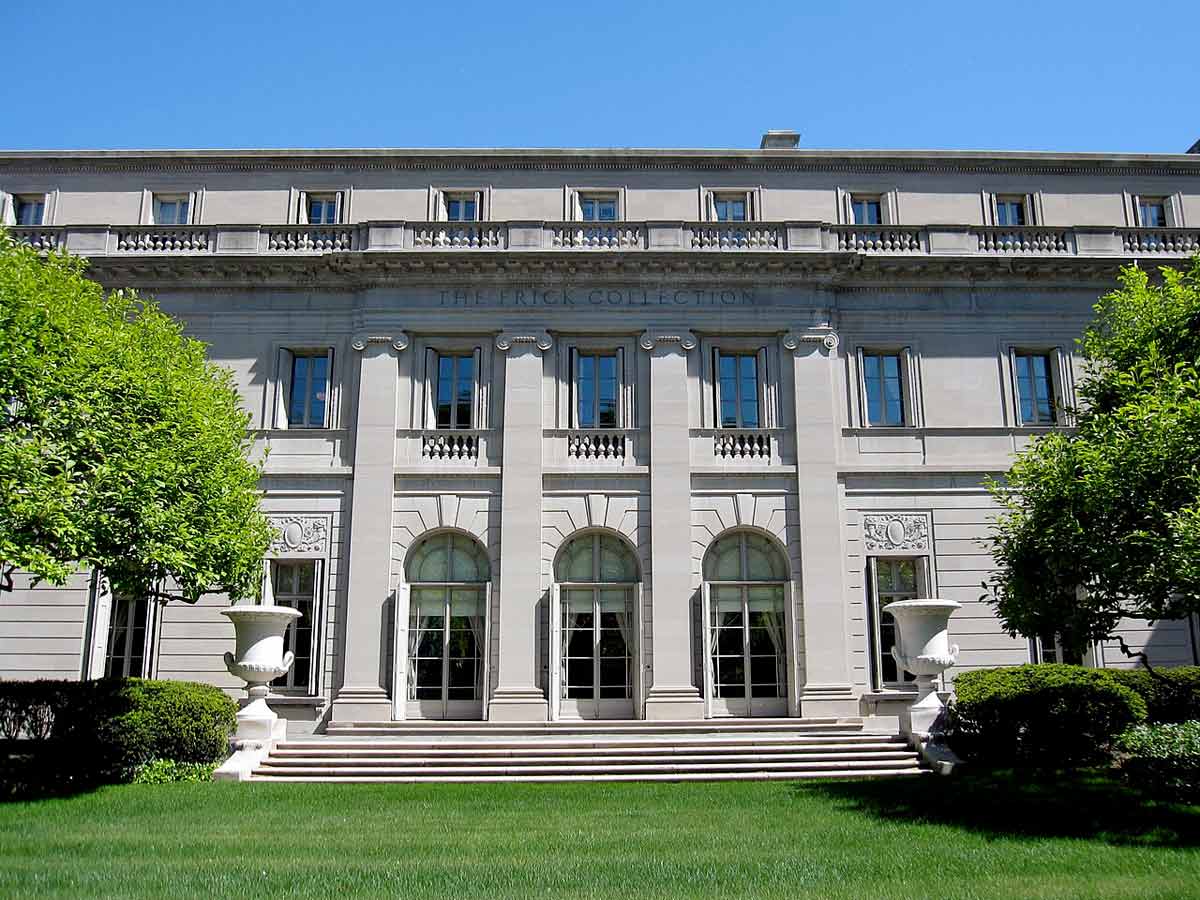
Housed in the Beaux-Arts mansion on Fifth Avenue that the coke and steel magnate Henry Clay Frick built between 1913 and 1914, the collection operates on an almost domestic scale, and that scale is what makes it so very enticing. Rather than admire Vermeer’s Officer and Laughing Girl behind velvet ropes in a crowded gallery, you’re in a cozy room where you can sit on a bench, just inches away, and study the fall of light on her white collar for as long as you please.
The intimate collection includes Holbein’s portrait of Thomas More, Rembrandt’s 1658 self-portrait, Bellini’s St. Francis in the Desert, and an El Greco that will likely stop you dead in your tracks. Amazingly, Frick never intended for these works to be trophies, but as furnishings to be lived with, and that intention is still palpable. As an FYI, The Garden Court, a glass-roofed courtyard with a fountain, is one of the most civilized places to sit in Manhattan.
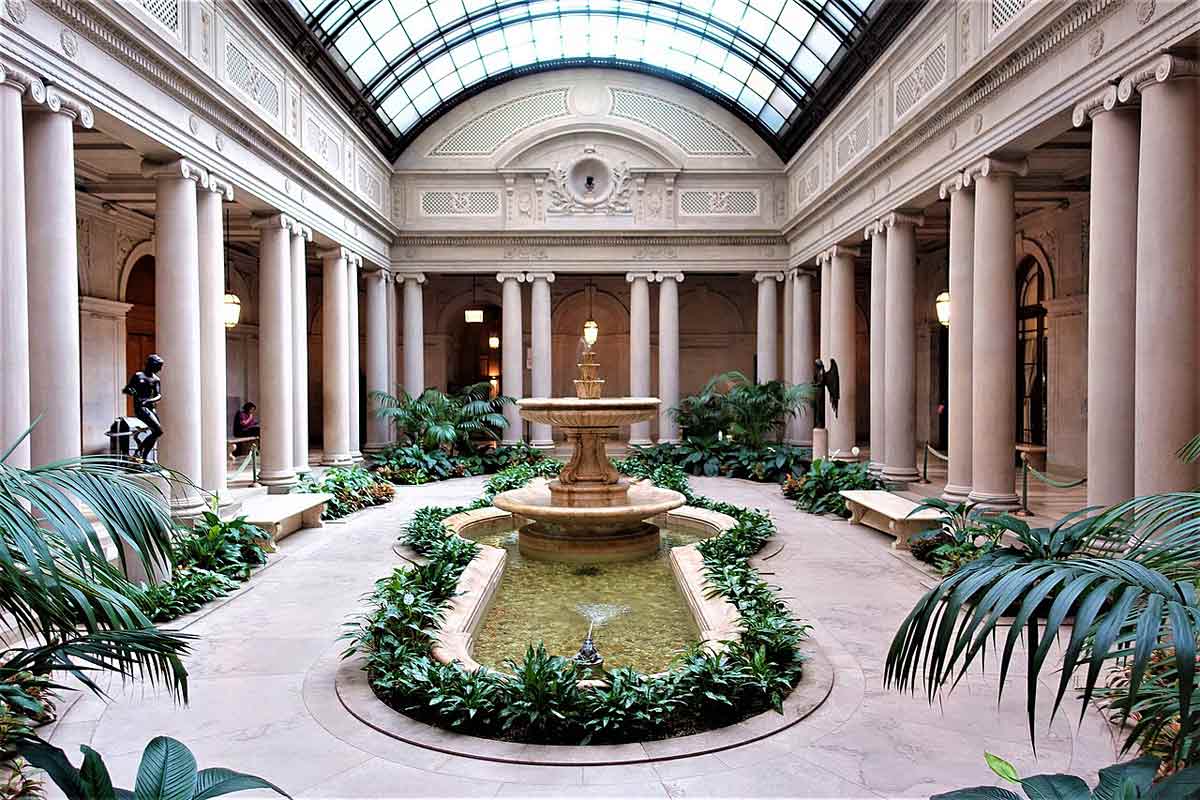
Side note: The Frick reopened its original mansion in 2025 after a staggering five-year, $220 million renovation. The restored spaces, including the newly accessible second floor, are more beautiful than ever.
3. Sir John Soane’s Museum: London, England
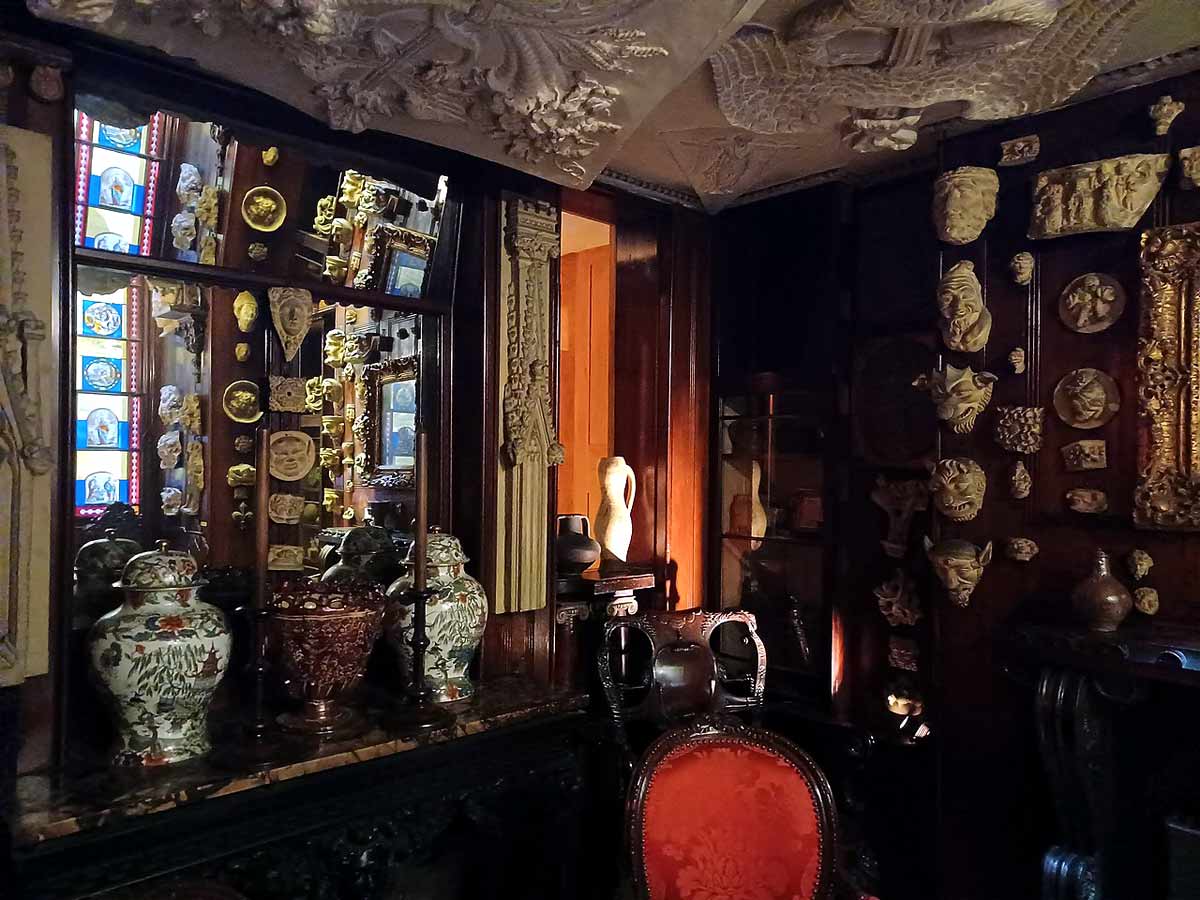
You would expect the architect of the Bank of England to live in a house of some dignity and restraint. Sir John Soane had other ideas. He spent decades turning three adjoining Georgian townhouses at Lincoln’s Inn Fields into a personal monument to curiosity, and the result is unlike anything else in London. He filled every surface, including walls, ceilings, alcoves, and secret panels, with antiquities, paintings, architectural fragments, and cork and plaster models until the rooms themselves became a kind of three-dimensional collage.
Hogarth’s complete eight-painting Rake’s Progress series is here, displayed in a picture room whose hinged wall panels fold open to reveal yet more paintings behind them. The basement holds an alabaster sarcophagus of Seti I, purchased by Soane in 1824, for £2,000 after the British Museum declined it. When the 3,000-year-old alabaster vault arrived, Soane threw a three-day party attended by hundreds of guests.
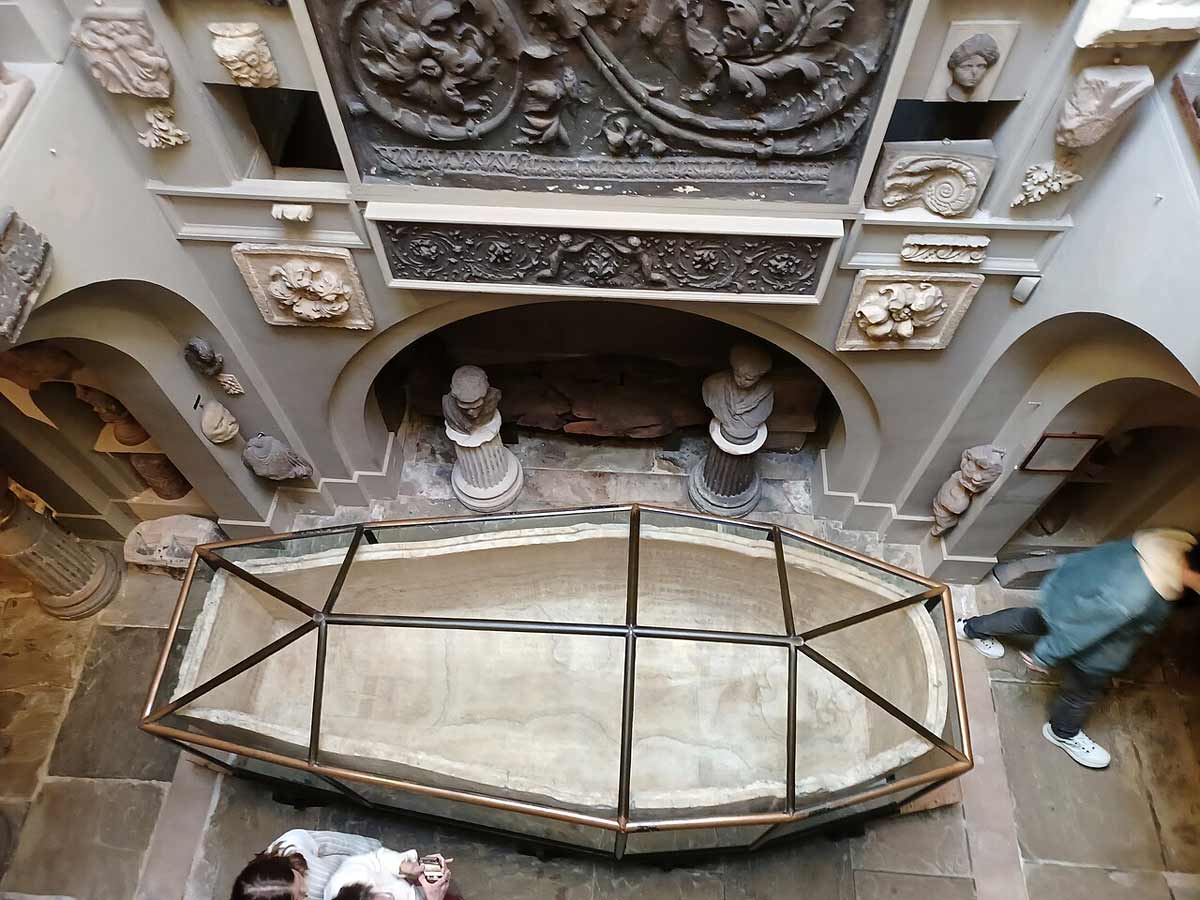
The lighting throughout the house is theatrical genius, with mirrors and colored glass casting light on every packed surface.
Insider tip: Admission is free at this small museum, but numbers are limited. Go early, take your time, and open every door you are permitted to open.
4. Museo Nazionale di Palazzo Mansi: Lucca, Italy
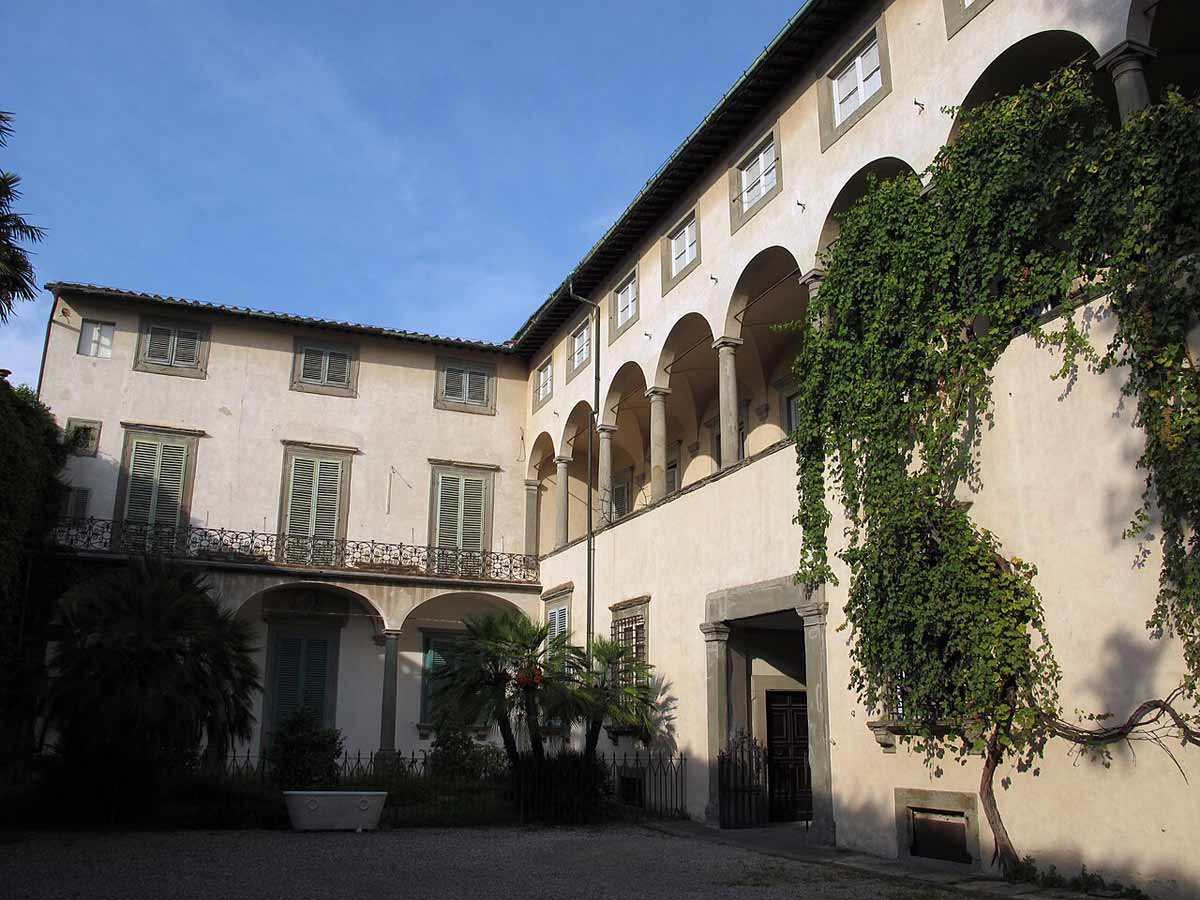
Lucca is already a secret that most tourists flying into Pisa never discover. Of those who do make it inside this walled Tuscan city, many will still miss the Palazzo Mansi altogether, and that is entirely their loss. The palace is a 17th-century aristocratic residence preserved almost completely intact, including its extraordinary suite of state rooms hung with silk brocade, its gilded alcove bedroom (said to be one of the finest examples of Baroque interior design in Italy), and a pinacoteca whose collection punches far above the city’s size.
The picture gallery holds Pontormo, Tintoretto, Veronese, and a Bronzino portrait that would cause a sensation in Florence. The tapestries are Flemish, and the furniture is original.
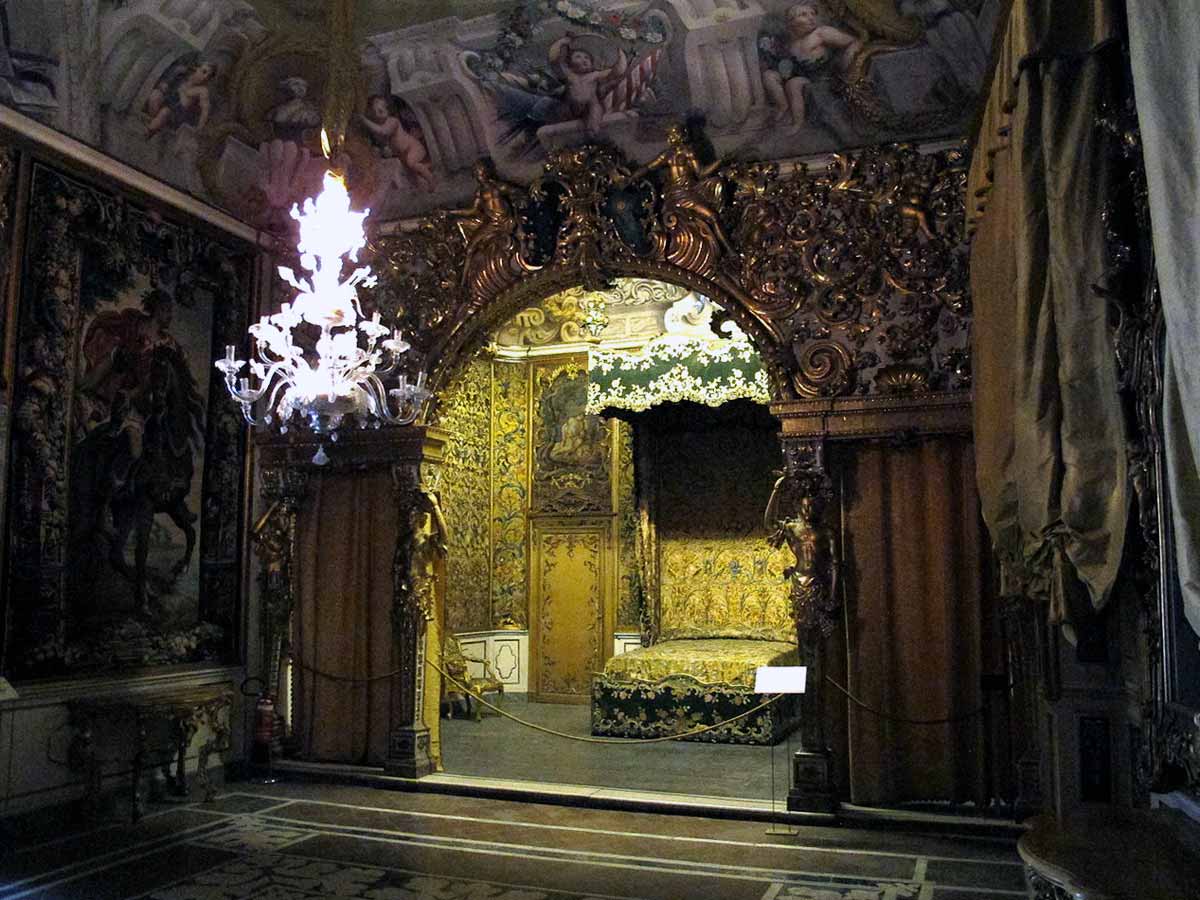
Standing alone in a frescoed ballroom that took thirty years to decorate, in a city whose very streets have barely changed since the 1700s, produces a specific kind of vertigo: the head-spinning sense that history has not been reconstructed here; it simply never left.
5. The Menil Collection: Houston, Texas, USA
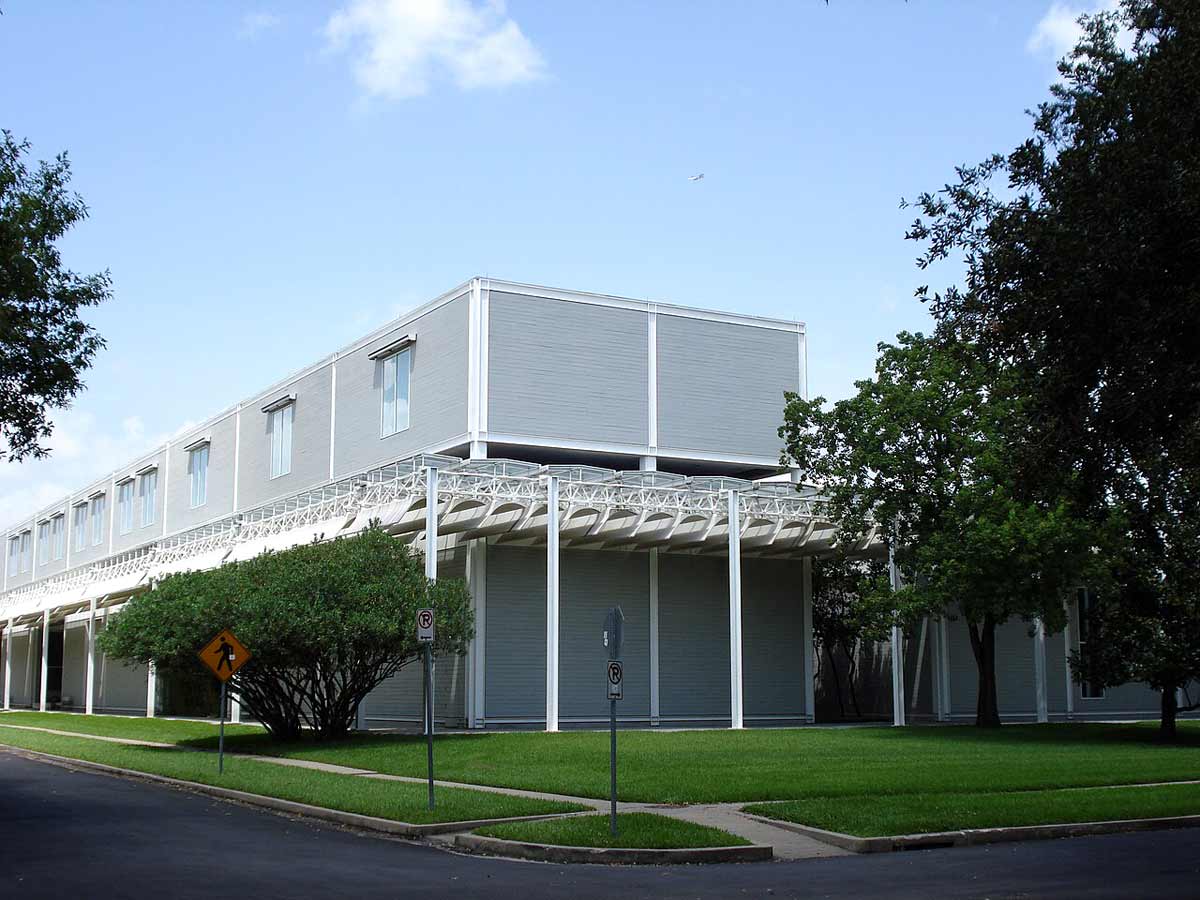
Built by the philanthropists John and Dominique de Menil and opened in 1987 in a Renzo Piano building specifically engineered to filter the fierce Texas light into something gentle and even, the Menil houses one of the greatest private art collections ever assembled. Admission is permanently free.
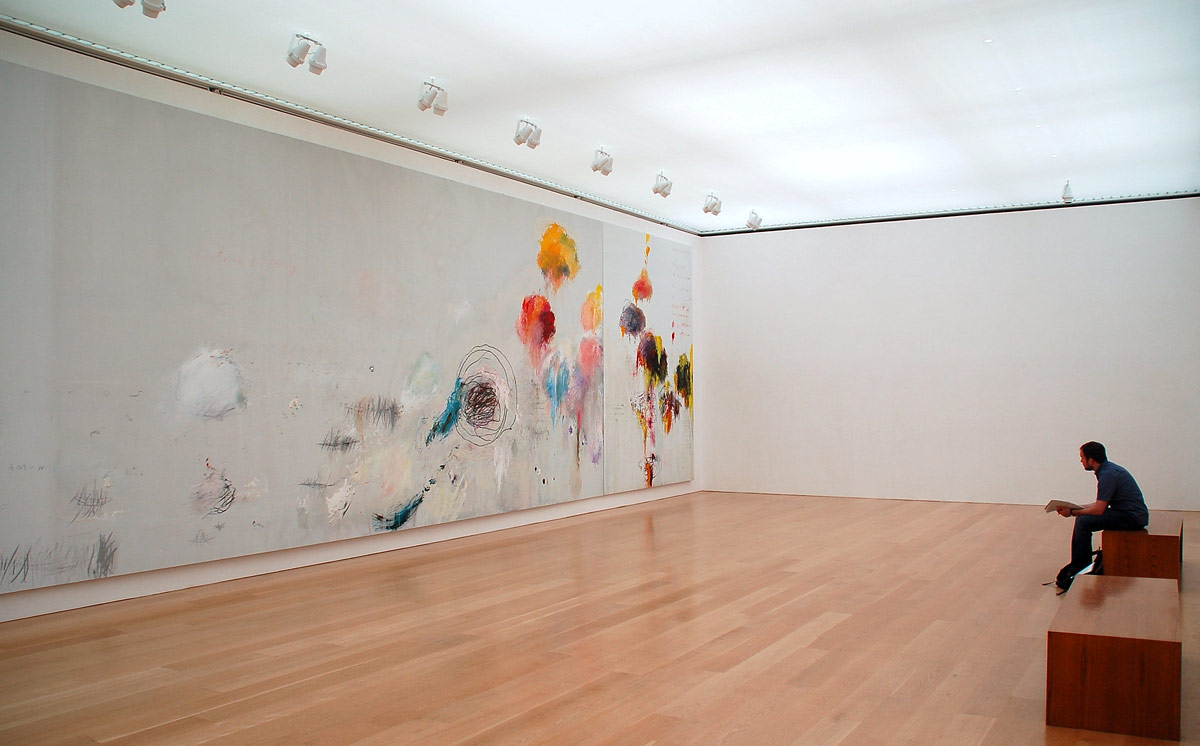
The collection is genuinely strange but in the best sense. Paleolithic bone tools sit near Surrealist objects because the de Menils saw no real fundamental distinction between them. A dedicated Cy Twombly Gallery occupies a separate Renzo Piano building on the same campus.
The Rothko Chapel, a short walk away, is a non-denominational meditative space containing fourteen large paintings that may be the most powerful room of abstract art in existence. The surrounding neighborhood of bungalows, live oaks, and street-side art installations has been shaped by the Menil’s presence for decades.
6. Museo Soumaya: Mexico City, Mexico (But Not the One You’ve Heard Of)
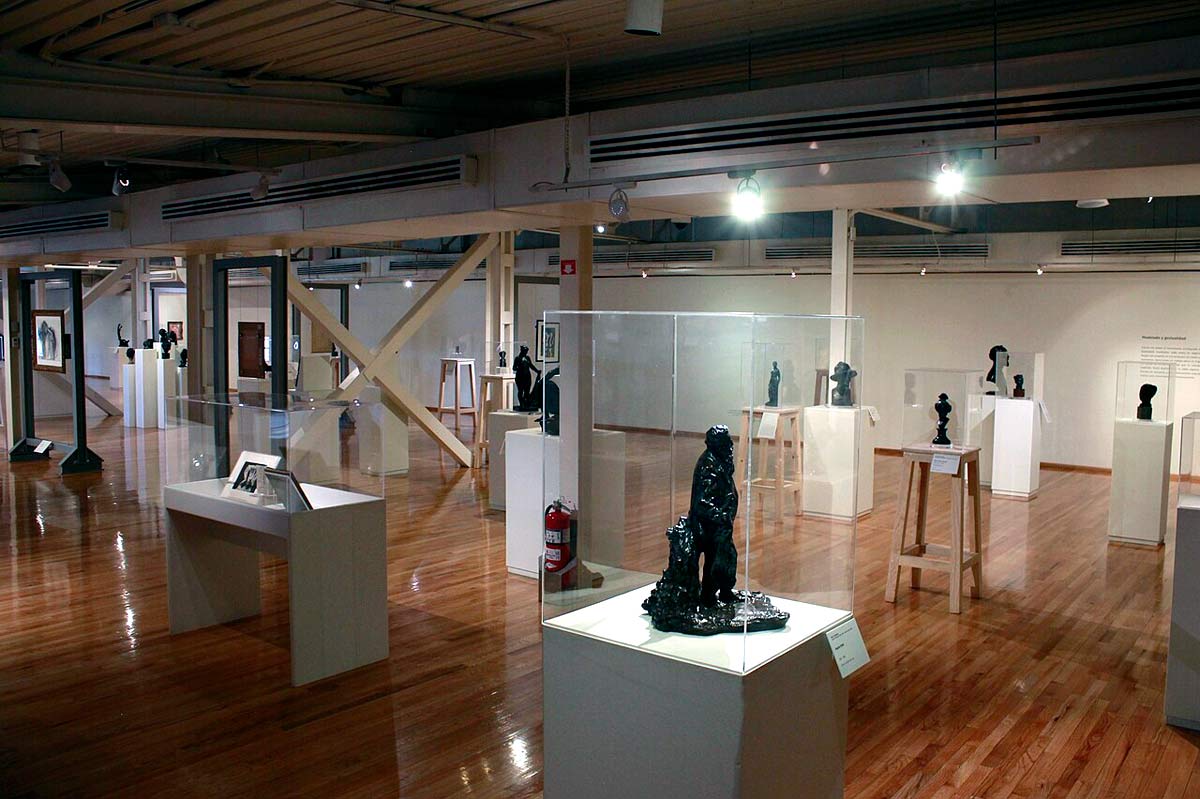
OK, hear this out: everyone mentions the Soumaya at Plaza Carso. You know, the gleaming aluminum-tiled tower designed by Fernando Romero. Yet far fewer people know that the original Museo Soumaya, still operating in the Plaza Loreto neighborhood, is an entirely different experience. It’s smaller, quirkier, and in many ways, much more rewarding.
The art collection gathered by billionaire Carlos Slim is eccentric in ways that major museum acquisitions rarely permit. There are works by the circle of Leonardo and Michelangelo alongside an astonishing hoard of European decorative arts, including Limoges enamels, Vienna porcelain, religious retablos, and Mexican colonial silverwork.
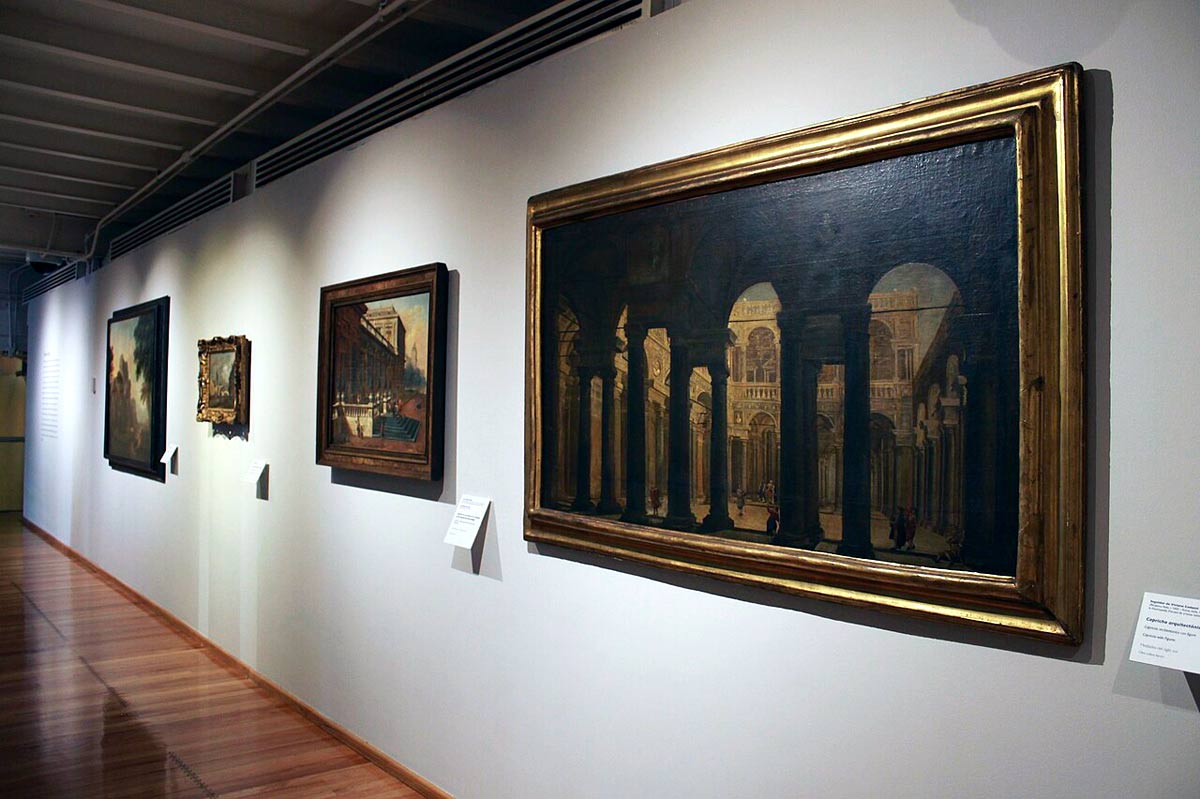
The philosophy seems to have been acquired for pure love rather than any kind of curatorial coherence, which gives the Plaza Loreto building an almost cabinet-of-curiosities vibe.
7. The Wallace Collection: London, England
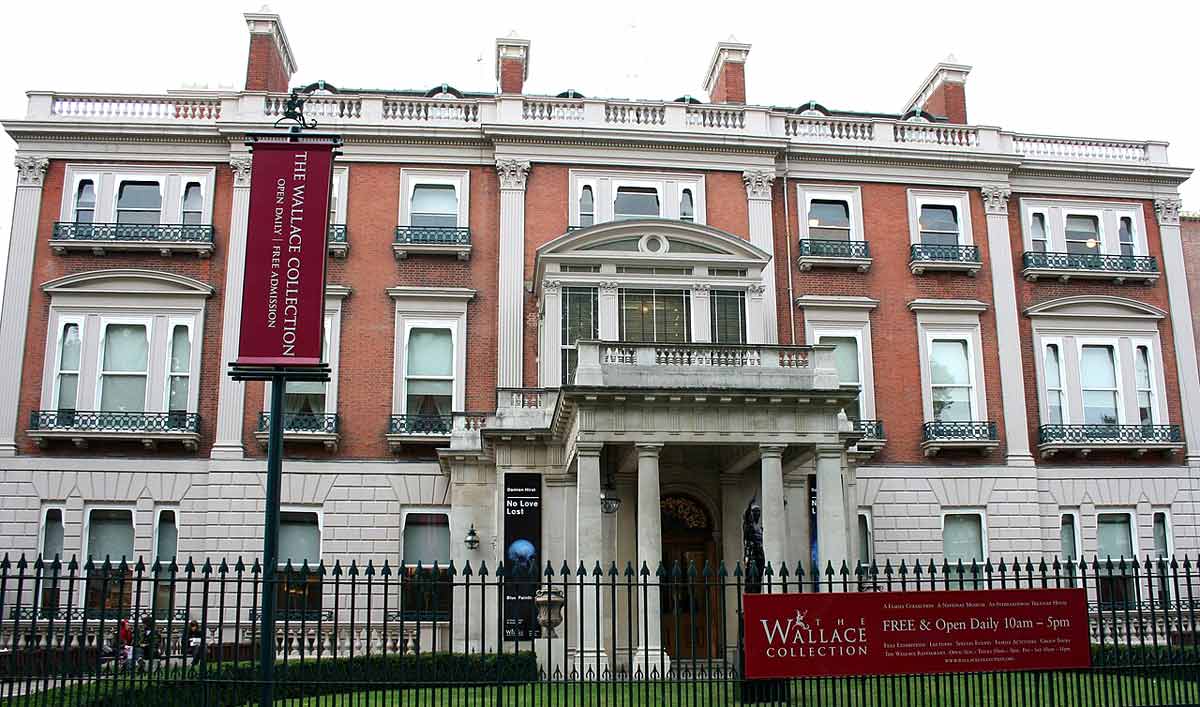
The fourth Marquess of Hertford and his son, Sir Richard Wallace, spent the 19th century on a shopping spree. With almost unhinged thoroughness, they snapped up the finest French 18th-century decorative arts, armor, old master paintings, and Sèvres porcelain they could lay their hands on. The result, bequeathed to the British nation in 1897, is a collection that would be the envy of any country, and it is free to admire.
Frans Hals’s The Laughing Cavalier is here. So is Fragonard’s The Swing, one of the defining images of Rococo excess, hanging in a room whose furniture and objects are of equal grandeur. The armory is the finest in Britain, and the Great Gallery on the second floor contains Velázquez, Rubens, Titian, and Rembrandt in concentrated splendor.
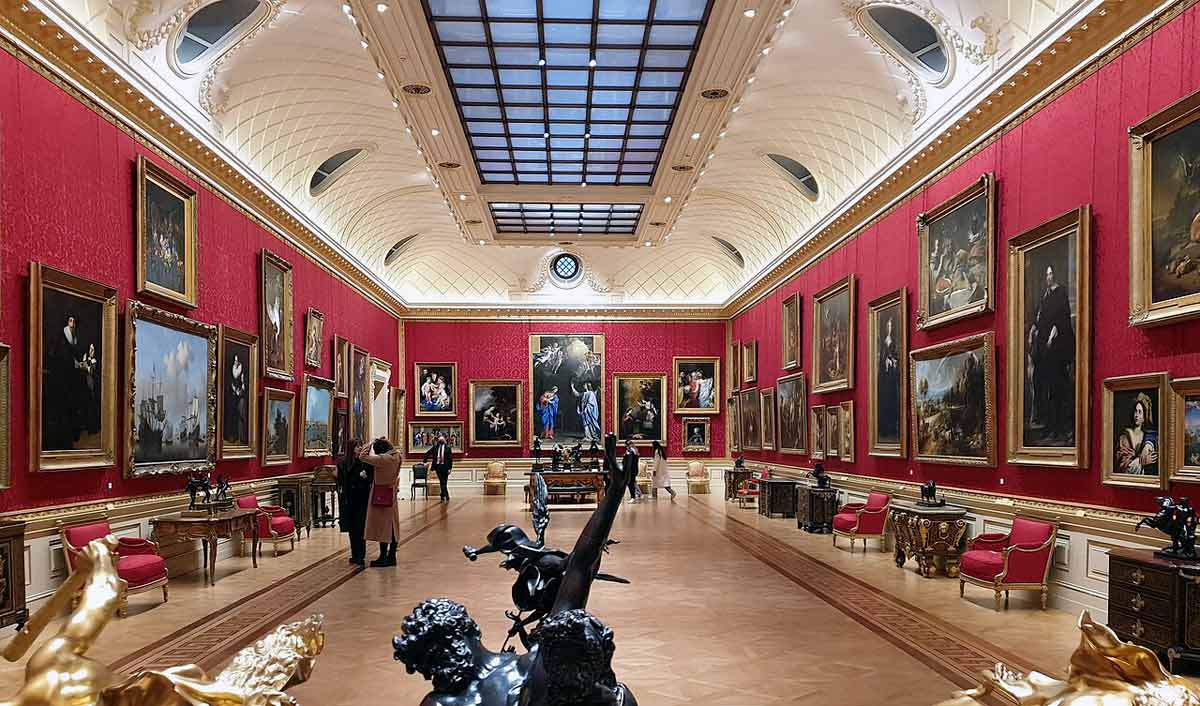
Throw a dart blindfolded in the Wallace Collection, and you’ll undoubtedly hit a masterpiece of some kind.
Yet the small museum operates at a surprisingly human scale. The rooms were designed for everyday living, not crowd management. Visit on a quiet Tuesday morning, stand alone in front of Poussin’s A Dance to the Music of Time, and you will feel, as the fourth Marquess must have, that it belongs entirely to you.