
Partly thanks to James Cameron’s epic blockbuster Titanic, whether knowingly or unknowingly, most film viewers are familiar with the concept of the Birkenhead Drill. In times of danger, the Birkenhead Drill is more commonly referred to as the policy of women and children first. The procedure was most notably carried out at the sinking of the RMS Titanic in 1912, and was recreated on the big screen 85 years later. The system is designed to prioritise the safety of women and children over that of men.
HMS Birkenhead: The Namesake of the Code
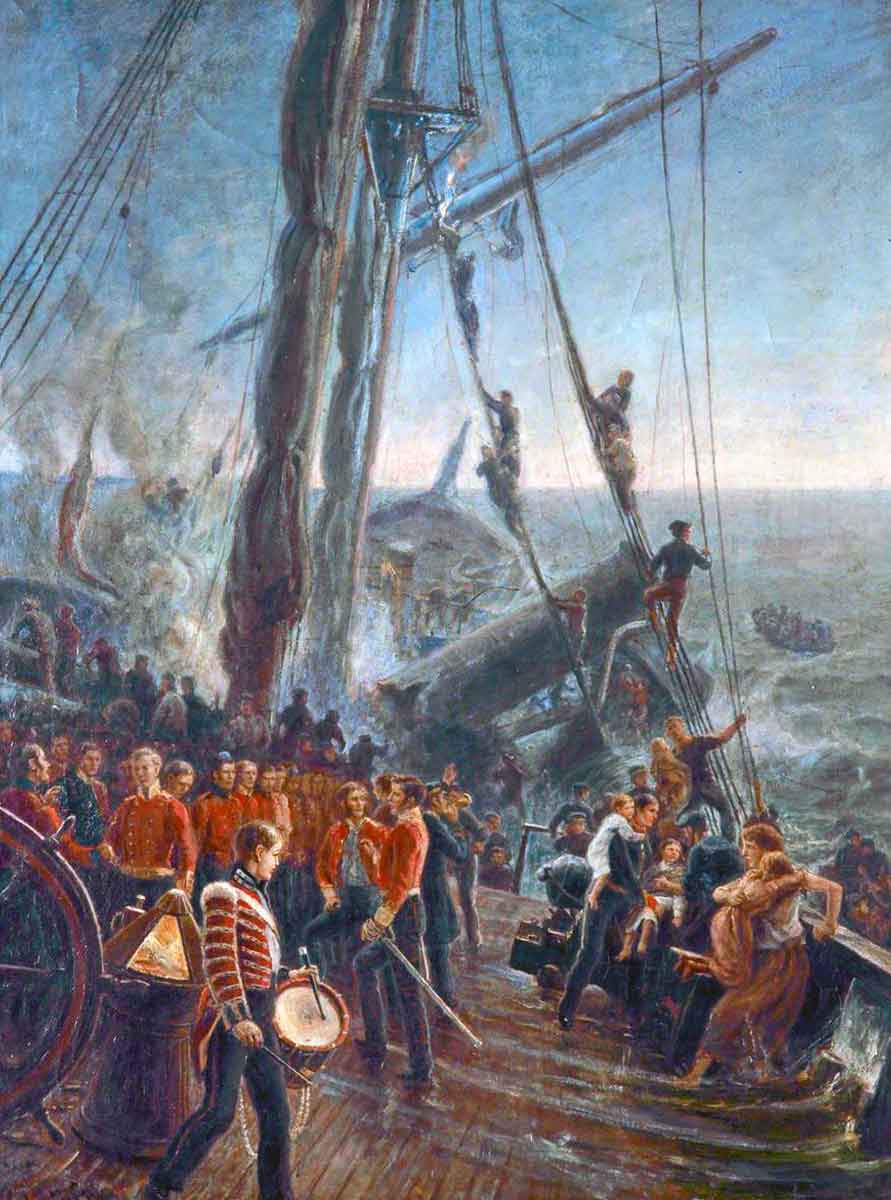
Why has the concept of “women and children first” been labelled the Birkenhead Drill? It was named after the ship on which one of the earliest known instances of the protocol was carried out. This ship was HMS Birkenhead, also commonly referred to as HMS Troopship Birkenhead or the Steam Frigate Birkenhead.
While transporting a selection of troops and civilians to Algoa Bay in South Africa, HMS Birkenhead was wrecked on February 26, 1852, at a location named Danger Point, around 87 miles from Cape Town.
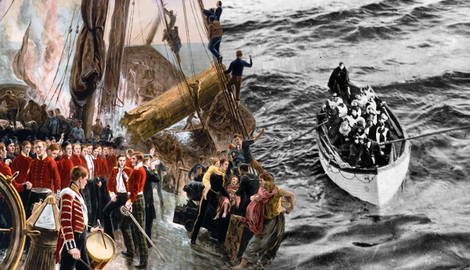
Just like in many other cases of notable disasters at sea, there was an insufficient number of lifeboats available aboard the ship. Of the estimated 643 lives on board, only 193 were saved. On the suggestion of the captain, the soldiers and male civilians agreed to stand aside while the few serviceable lifeboats were filled with women and children only. Thanks to their calm and dignified behavior, relatively little panic ensued.
As far as the crew of HMS Birkenhead was concerned, this evacuation had gone to plan. Although around 400 people perished, not a single woman or child was harmed. The inquest that was conducted following the shipwreck concluded that there was no single person to blame for the disaster.
The sinking of HMS Birkenhead was immortalized in Rudyard Kipling’s poem of 1893, named Soldier an’ Sailor Too, in which he retells the tale of the shipwreck and praises the courage of all aboard.
The Birkenhead Drill on the RMS Titanic
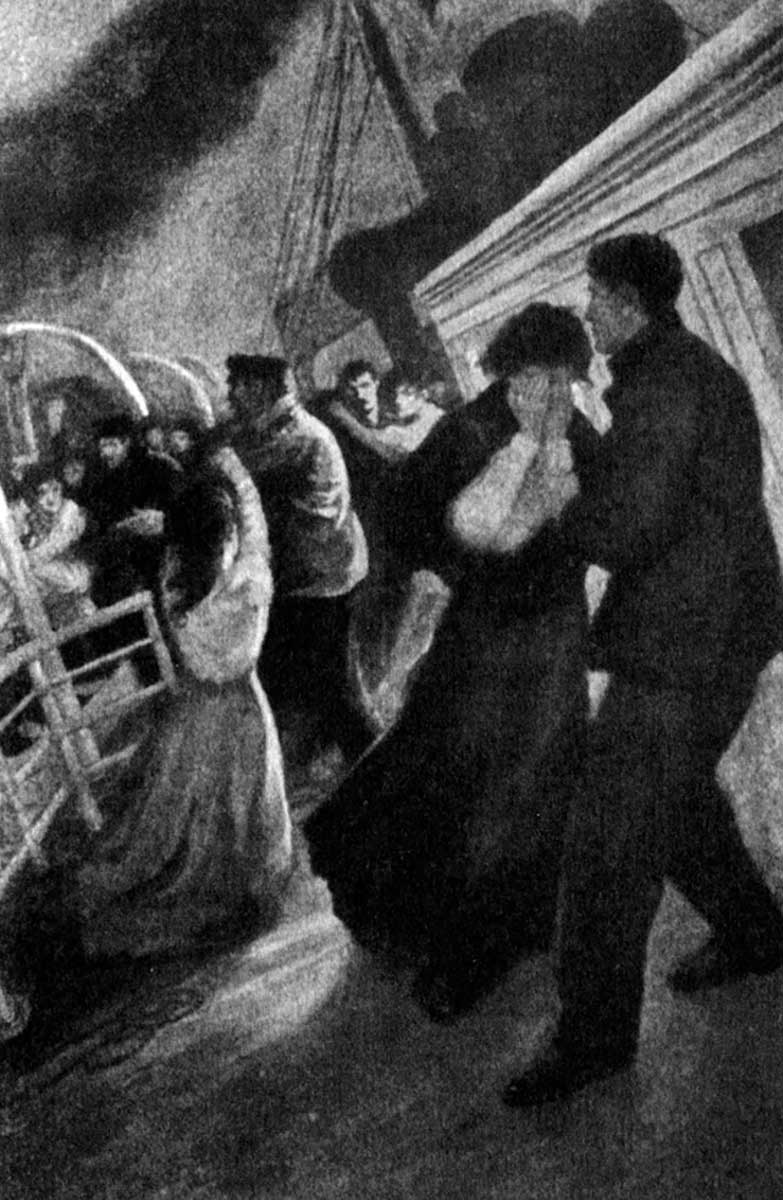
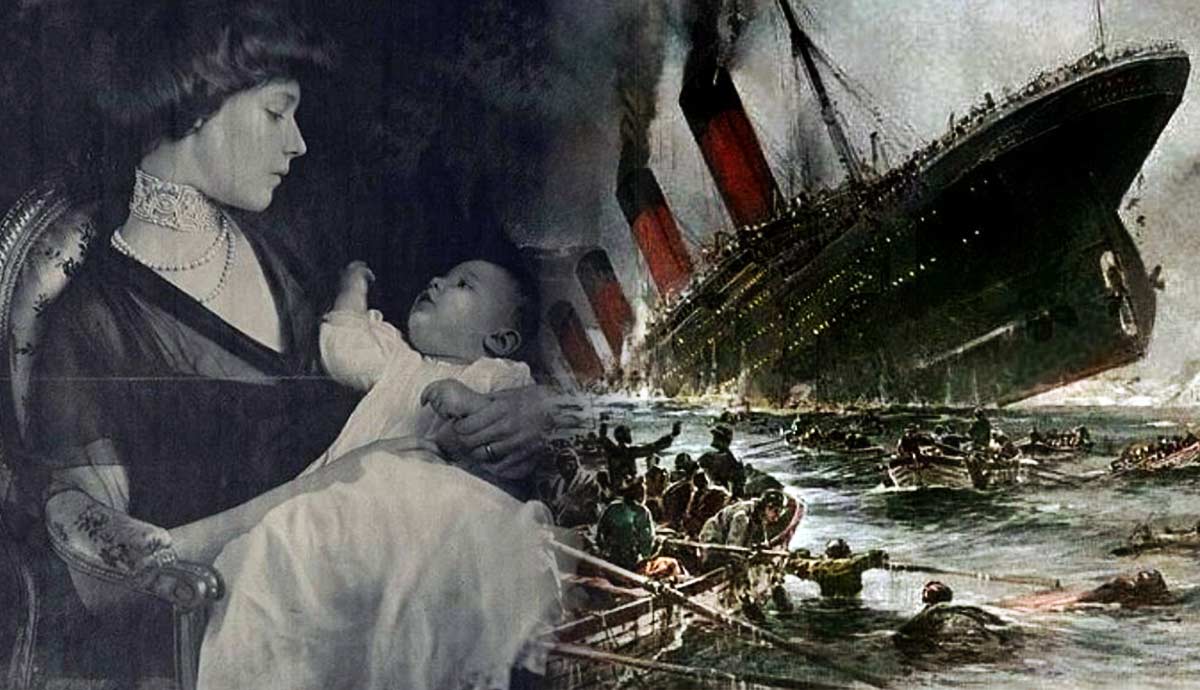
When it hit an iceberg in 1912, around 2,200 people were aboard the RMS Titanic. The ship was equipped with an insufficient total of 20 lifeboats: 14 regular lifeboats, four collapsible lifeboats, and two wooden cutters. When combined, they could accommodate 1,178 people. That’s just a little over half of the passengers and crew.
The designs for the Titanic had originally featured enough lifeboats for everyone, but unfortunately, this plan was changed for cosmetic purposes, on the basis that the deck looked too cluttered.
The only other available safety precaution came in the form of lifejackets. Although over 3,000 lifejackets were present on the Titanic, they did little to save lives. For those who entered the water, the lifejacket may have prevented drowning, but it would have done nothing to protect them from the cold, and most of these souls would have perished within minutes.
Unbelievably, despite the fact that half the people on the ship were left without an escape in the event of an emergency, the Titanic was not only compliant with the maritime safety regulations of its era, but even exceeded them. This is because the law based the mandatory number of lifeboats on the gross register tonnage of a ship, rather than the number of guests on board.
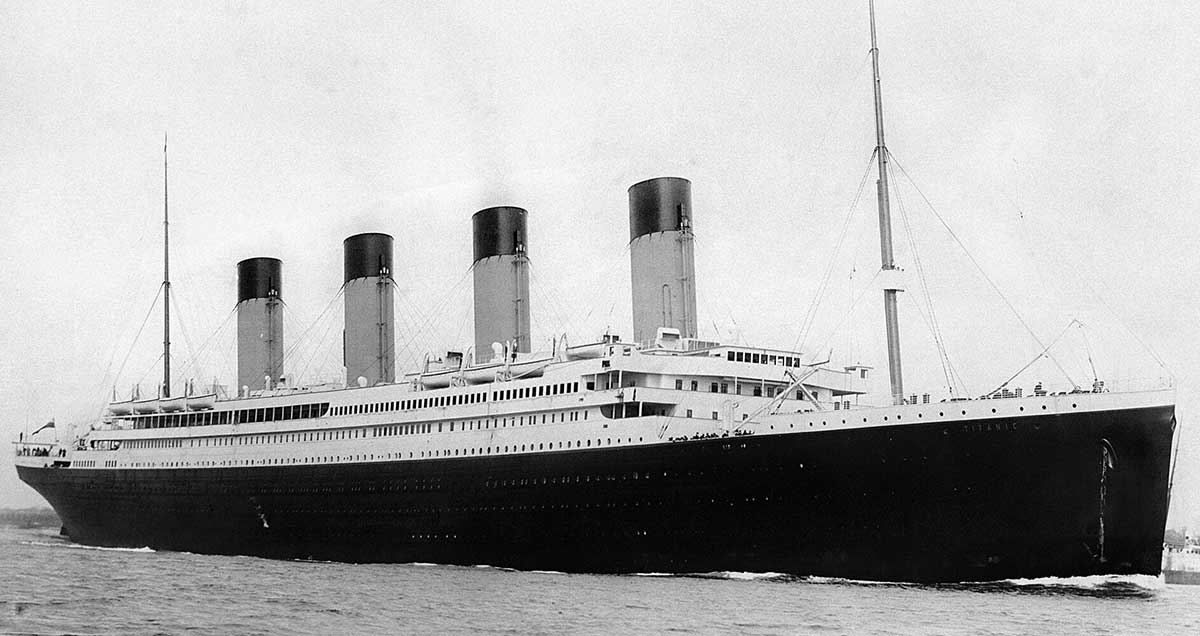
Of the 20 available lifeboats, only 18 were actually launched before the sinking, and of those 18 that rowed away, most only carried a small fraction of their capacity. In total, 706 lives were saved by the lifeboats, and over 1,500 people were lost.
When it came to efficiently loading each lifeboat, one of the main problems was the Birkenhead Drill. For two hours and 40 minutes, while the Titanic struggled to stay afloat, the Birkenhead Drill proved to be a hindrance rather than a help.
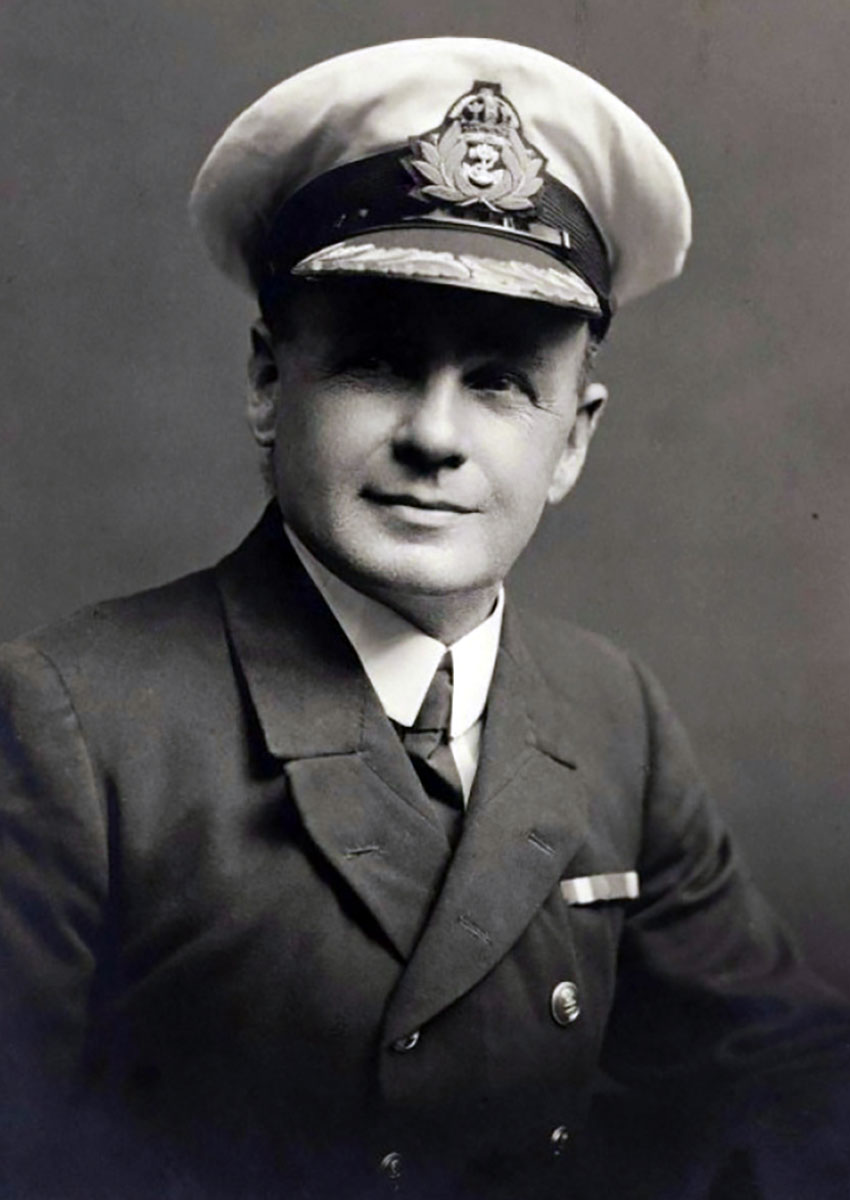
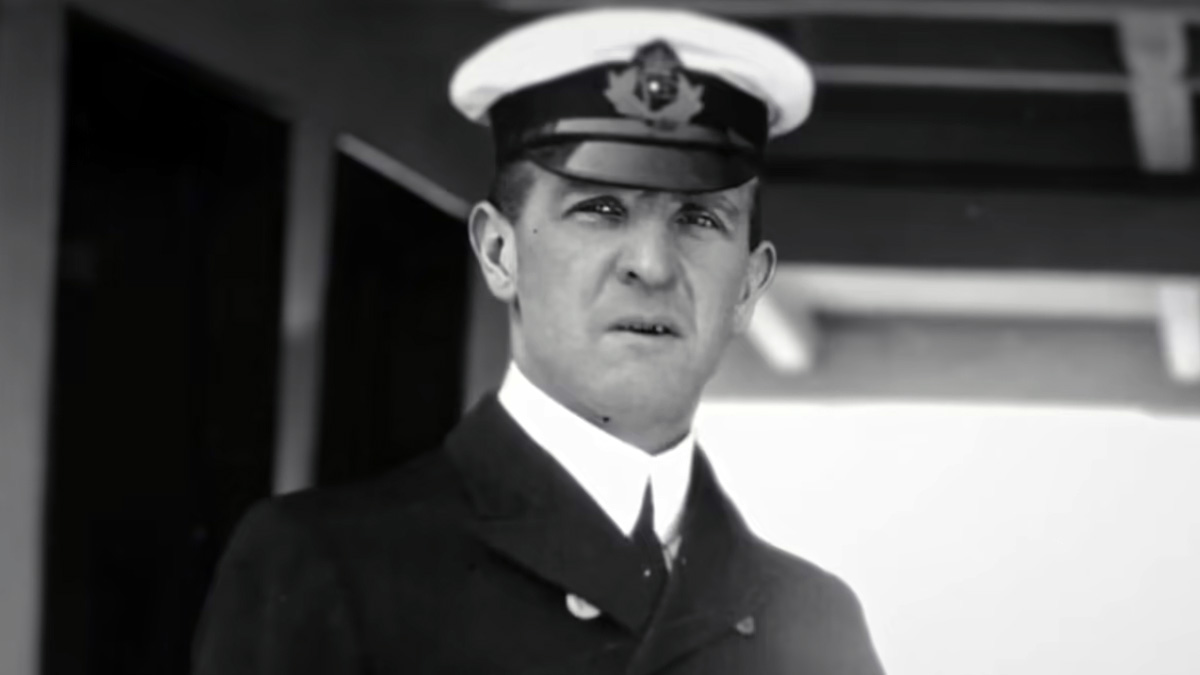
According to the account of Second Officer Charles Lightoller, he was the one who initially suggested the idea to Captain Smith, who agreed. Having had their orders from the captain, the first and second officers took charge of the two sides of the vessel. First Officer William McMaster Murdoch took the starboard, and Second Officer Charles Lightoller took the port. Each officer had been instructed to load the boats with the Birkenhead Drill in full force. The only problem was that they had interpreted the meaning of the Drill very differently.
To William Murdoch, women and children should be first on the lifeboats. To Charles Lightoller, women and children only should be placed on the lifeboats. Whilst William Murdoch admitted some men, Charles Lightoller admitted none.
The Birkenhead Drill on RMS Titanic: Four Major Problems
The implementation of the Birkenhead Drill on the Titanic was not particularly successful. There were four major problems that it presented.
1. Terrified Women
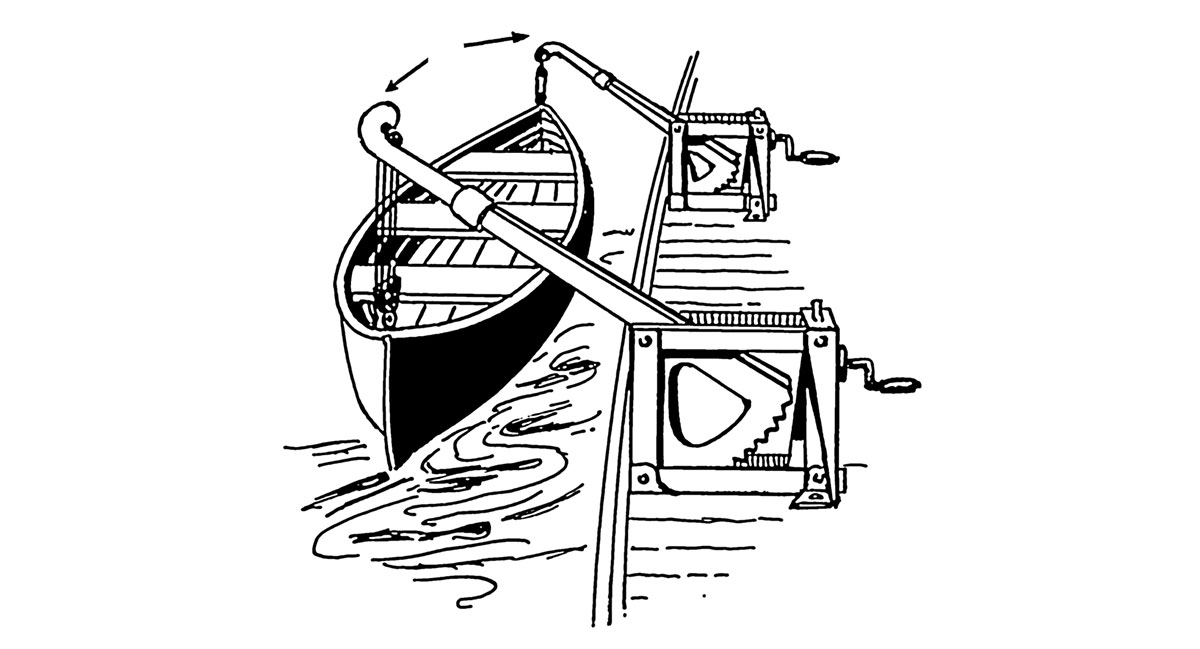
On that fateful night, the reality was that women and children were utterly terrified at the prospect of an evacuation. This wasn’t necessarily due to the fact that their ship was sinking. For at least an hour, first-class passengers in particular were told that there was absolutely nothing to worry about, but that they should put on a lifejacket and board a lifeboat as a precaution. People of this era were accustomed to accepting the word of authority, and this simple reassurance would have been enough.
At first, people were not particularly anxious about the prospect of a sinking, for after all, the ship was famously unsinkable. It was only when they could see the evidence for themselves that panic began to ensue.
Many women were simply apprehensive about entering the lifeboats themselves. The prospect would have been both surreal and unnerving. These women, many of whom had known little hardship in life, had been dragged out of bed, provided with a lifejacket, directed onto the deck, and informed that they would be required to leave their husbands and be rowed away into the darkness.
First, there was the task of stepping into the boat, which would be dangling above the cold, deathly waters. Next, there was the reality of being taken an unspecified distance away from the safety not only of the ship, but of the familiar men in their lives.
Women would also have been accustomed to the comfort of men who would supposedly be capable of looking after them, so leaving with only one male attendant would also have been off-putting.
Due to fear and the assumption that the safer option was to remain in the arms of their husbands, many women rejected their one hope of survival.
2. Reluctant Women
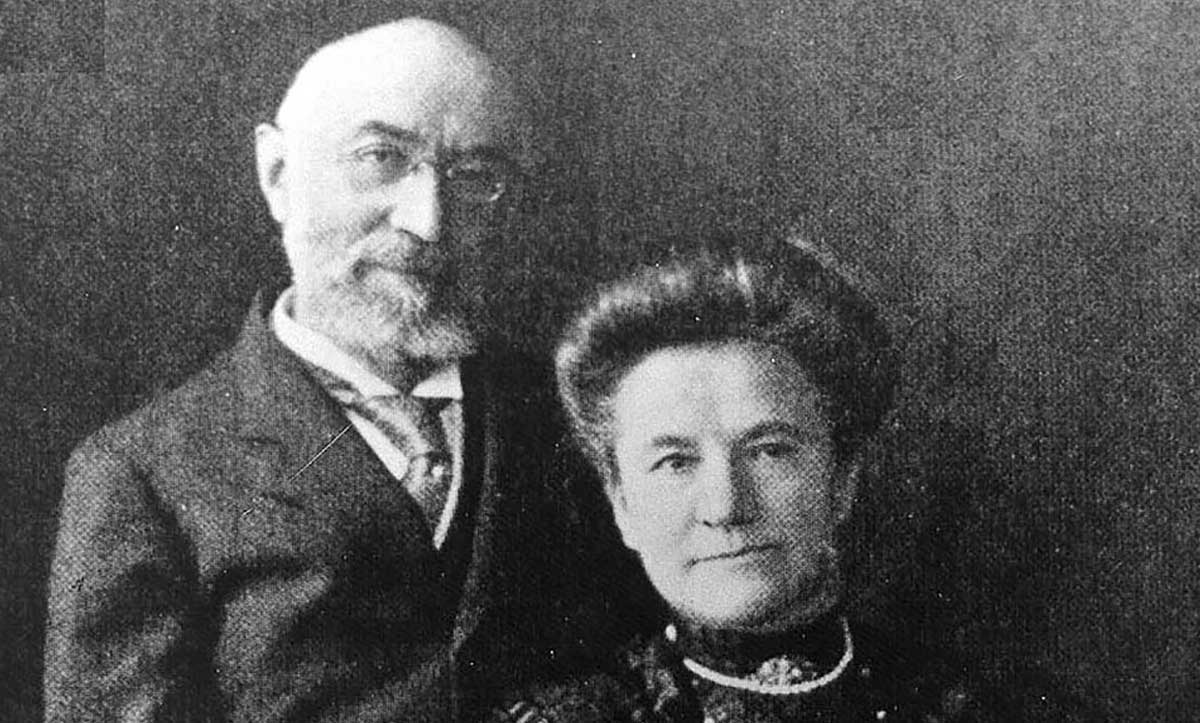
On a similar theme, there were many women who would not enter a lifeboat because they simply would not leave their husbands behind. After it had become apparent that the Titanic was actually going to sink, this second problem suddenly became more prevalent than the previous. Although women had been scared to leave the comfort of the ship, entering a tiny lifeboat suddenly became the safer option.
However, what also became apparent was that everyone who remained aboard would drown or freeze, and if they rowed away, they would not see their husband again.
So it happened that, even towards the end of those two and a half hours, there were a few women who clung to the ones they loved and refused to leave. We can all recall that memorable scene when Rose (Kate Winslet) abandoned her lifeboat to reunite with Jack (Leonardo DiCaprio).
This may seem a dramatic overplaying of events, but this was the reality for real-life couples who could not face the idea of life without each other.
Notably, passengers Isador and Ida Straus both perished on the Titanic, after Ida refused to leave her husband behind. Eyewitness accounts tell us that they stood on the deck hand in hand in the moments before the sinking.
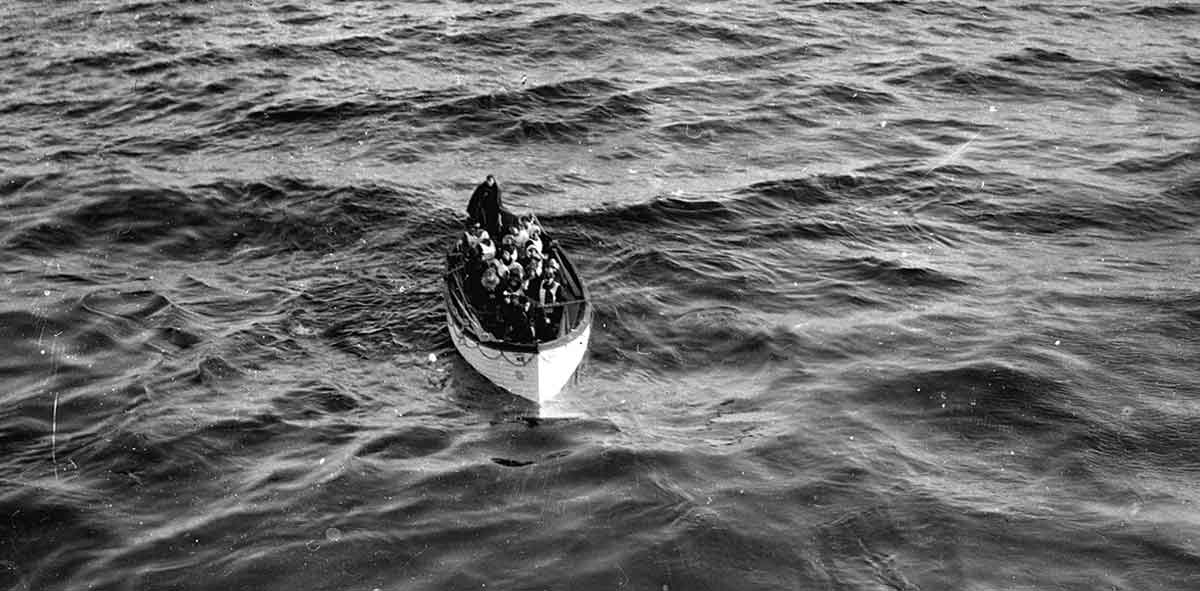
Another woman, reportedly from the second-class section of the ship, claimed that she had entered a lifeboat with her only daughter, leaving her husband standing on the deck. She confessed that she wished she could have been like the women who had stayed, and went as far as to suggest that if she had not had a daughter to care for, she would have preferred to die with her spouse.
Whether women would not leave due to fear, or due to love of their husband, their reluctance posed two huge problems: firstly, time pressure. Reluctant women not only had to be reassured and convinced to leave, but had to say their goodbyes to the men in their lives.
Secondly, and most importantly, the lifeboats did not reach capacity before they left. Lifeboat No.1, for example, was designed to hold 40 people. It left the Titanic with only twelve.
3. Uneven Chances
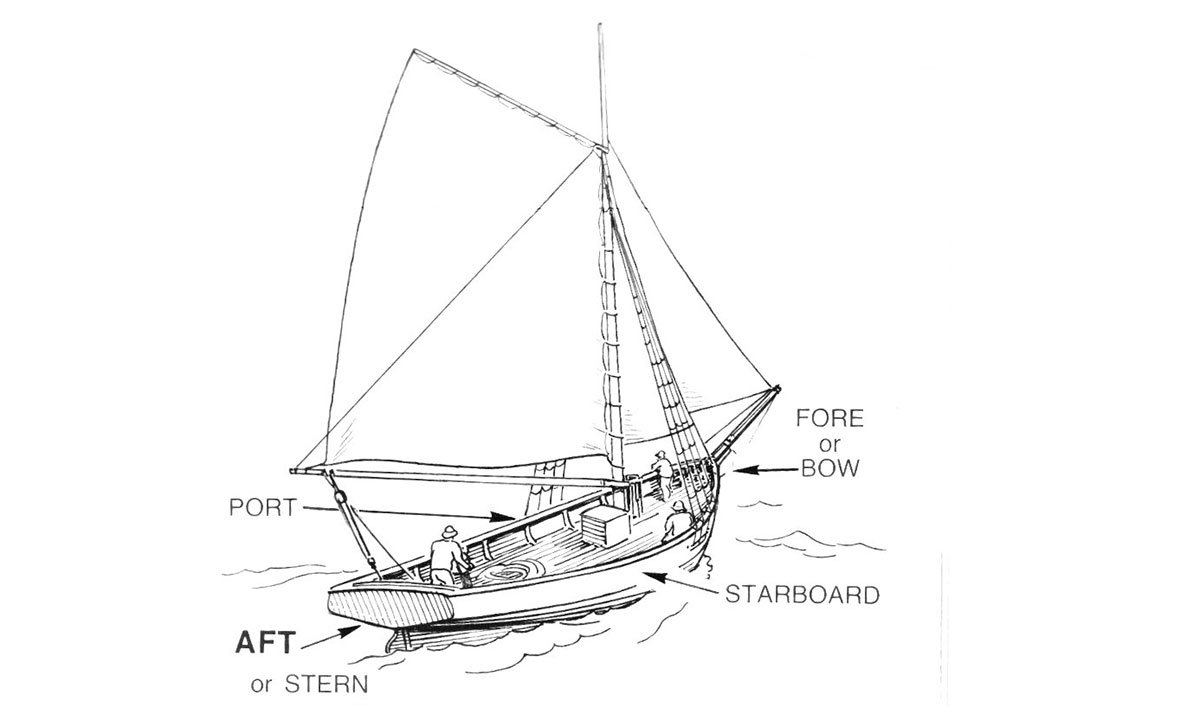
Whether or not married couples survived the Titanic depended largely on which side of the ship they chose. Men and women hoping to depart together on the port side would have received a very different reception from those on the starboard. As previously mentioned, Charles Lightoller (port side) would actively and even aggressively prevent men from attempting an escape. William Murdoch (starboard side), on the other hand, would admit men if there were no women and children waiting at that present moment. This inequality was a major problem aboard the Titanic that night, for some men and women on the starboard side remained aboard in the belief that they’d receive the same treatment anywhere.
Having had no joy on the starboard side, a handful of lucky couples caught wind of what was going on. There are reports that some gained dual access to a lifeboat by simply moving to the port.
It should be noted that neither Murdoch nor Lightoller was wrong (although most naturally assume Murdoch to be more reasonable and Lightoller to be unnecessarily strict). Both men were doing what they genuinely believed to be right.
4. The Toll on Young Men
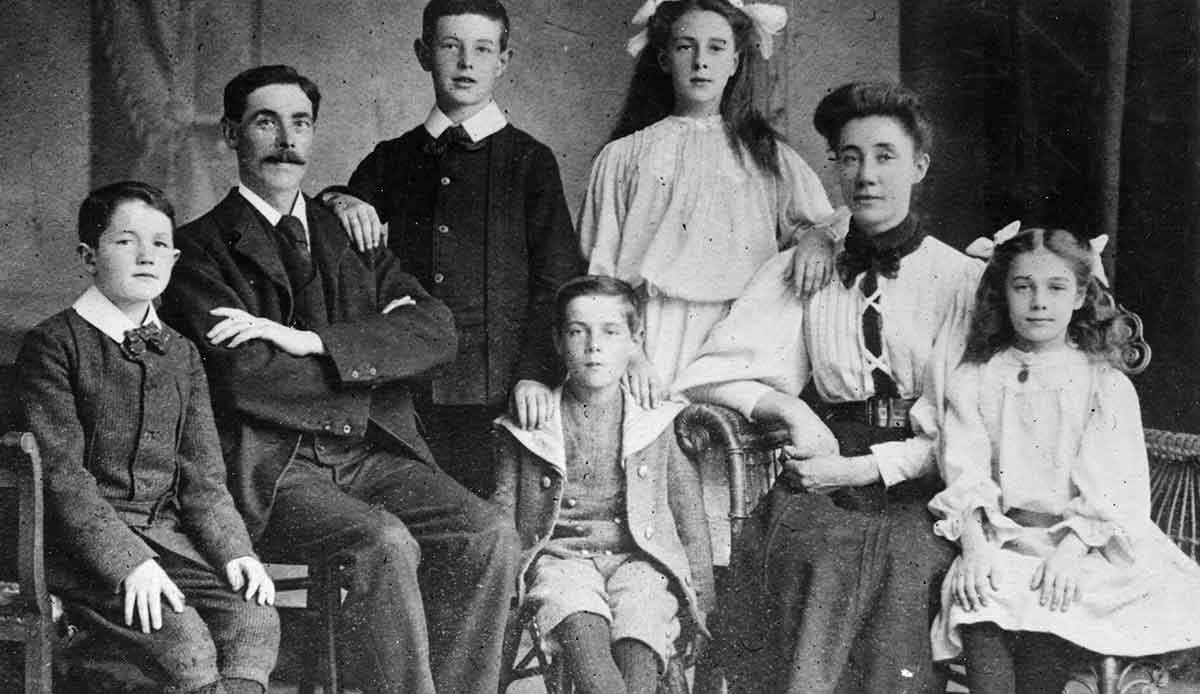
Another problem with the Birkenhead Drill was that there was a very fine line between who was considered an adult and who was considered a child. Many male teenagers, perhaps as young as 16 or 17, were thought mature enough to be considered adults.
One such boy attempted to enter Lifeboat No.14 as it was being lowered into the water. Whether or not he entered it is unclear, but we know that he was either forcibly stopped or removed. Struggling to regain his place, the boy was reportedly threatened at gunpoint by Officer Lowe.
How can it possibly be ethical that teenage boys should be denied a place in a lifeboat when the majority of them were leaving only half full?
The Birkenhead Drill in the 19th and 20th Centuries
We know that the Birkenhead Drill was not always successful. But was it also unpopular? How did the majority of men feel about being excluded from evacuation?
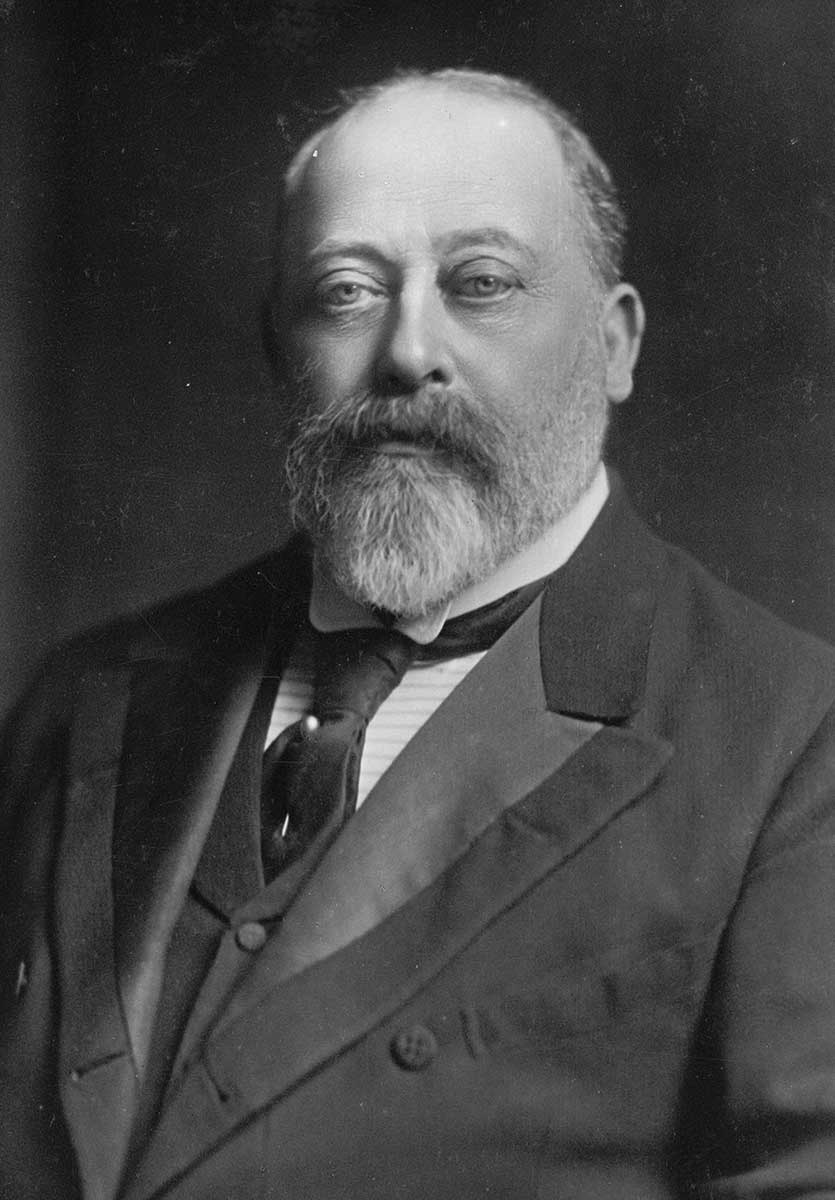
To men of the Edwardian and Victorian eras, the idea of “women and children first,” was not only an acknowledged social construct but also a masculine ideal. Women possessed an almost childlike status during this period; they were seen as innocent, delicate, and something that must be cared for.
To any civilian man, letting a woman perish while saving yourself would have been viewed as the greatest dishonor; 20 percent of Titanic survivors were male, and some of the most prominent men were met with contempt.
For example, the White Star chairman Bruce Ismay, who was rowed from the scene in the safety of collapsible lifeboat C, was labelled a coward for saving himself.
The Birkenhead Drill in the 21st Century

Some may speculate that attitudes of the 21st century are somewhat different. In a modern situation of life or death, what would happen if men were purposely excluded from rescue operations? There have been countless examples of bravery and self-sacrifice over the centuries, most notably from wartime stories and tales of tragedy, but how willingly would such chivalric gestures be carried out in the 21st century? And how willingly would they be accepted?
Generous persons of either sex may find it within themselves to give their place to a defenseless child, but would the same be done for an unknown lady?
Theoretically, where sea travel is concerned, this should no longer be an issue. Ships are now required by international law to provide enough lifeboats for every single person on board. Regulations state that lifesaving vessels must accommodate 125% of the ship’s capacity, the extra percent being assigned to cater to any potential mishaps when loading. These mandatory vessels come in the form of either lifeboats or inflatable rafts, and each is stocked with food, water and communication devices.
There is not currently (and there never has been) any legal basis for the idea of women and children first. It was simply considered a motto of the sea. Instead, all passengers are now helped to safety through a highly organized, intricately planned, and repeatedly practiced process of evacuation.
Is the Birkenhead Drill Ethical?
We have learned from the case of the RMS Titanic that the Birkenhead Drill was not always successful. But was it ever ethical? Well, some interesting facts and figures may help us to come to a conclusion.
When it comes to shipwrecks, men are more likely to survive without help from authority or the use of lifesaving equipment. Male persons have a survival rate of 34.5 percent. On the other hand (and this will be an unpopular fact to many), the same survey shows that women were far less likely to be able to fend for themselves. Only 17.9 percent of women survive a shipwreck or similar disaster. This study also shows that crew members are more likely to survive than passengers. Statistically, the male crew members were best placed to save themselves.
Maritime expert Robert Ashdown explained that even in modern-day evacuations, people turn out to be surprisingly willing to help the most vulnerable people first. These include those who are elderly, injured, or very young.
The question of whether or not the Birkenhead Drill is ethical is left for each individual to decide.