
Socrates, Plato, and Aristotle represent important benchmarks in ancient philosophy. Plato and Aristotle wrote books on metaphysics, epistemology, ethics, politics, and aesthetics. But Socrates valued the spoken word. He influenced many philosophers through the method of dialogue, engaging in conversation with his followers, challenging them to think critically and not to trust any knowledge being proposed. Let’s take a look at the Socratic method.
The Socratic Method of Dialogue
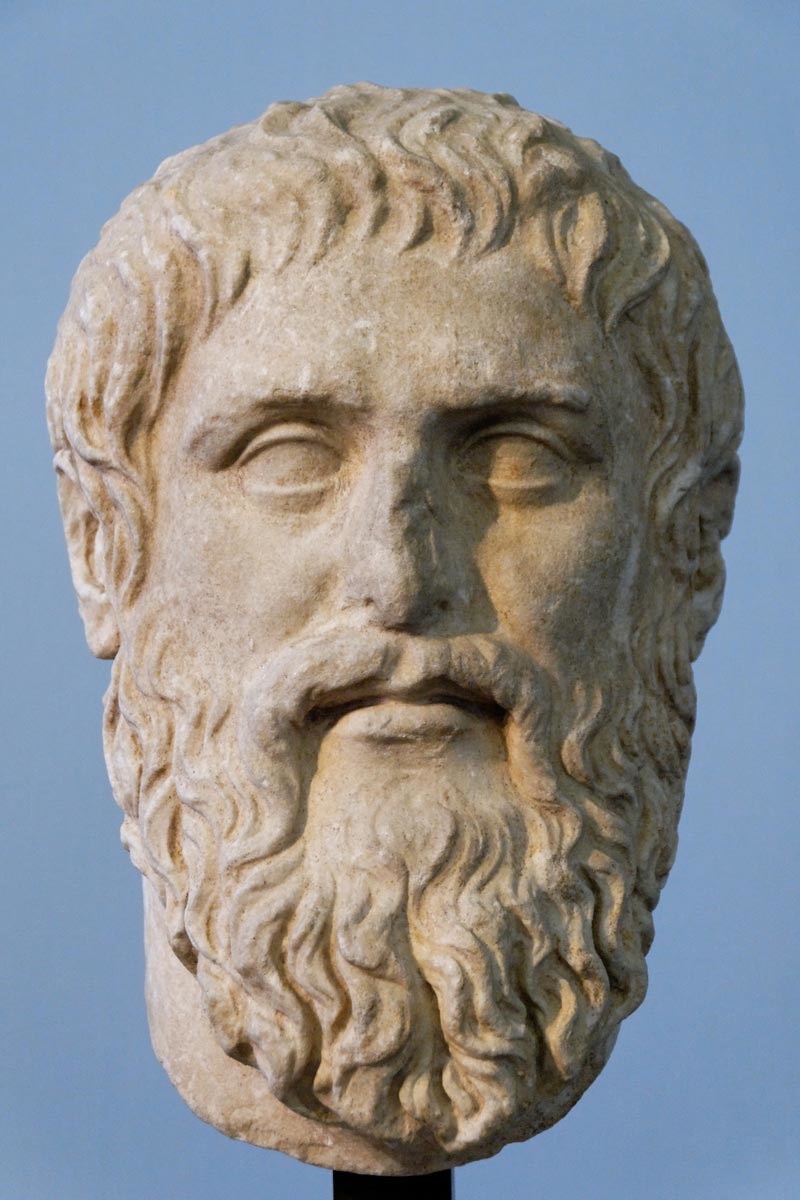
According to Socrates, it’s not important what we know, but how we came to know it. This led him to invent the method of dialogue. The method was Socrates’ central and defining philosophy. Although he himself did not write anything of his own and did not present the method of dialogue himself, we nevertheless learn about it from the works of other philosophers, especially the works of Plato and Xenophon.
In Plato’s early philosophy, Socrates is an authentic character, and Plato fully presents his original thoughts; in later works, he presents his ideas through the character of Socrates. But, if we analyze Plato’s and Xenophon’s works, we will conclude that the Socratic method of dialogue consists of two key steps. The first step is called irony, and it is the first step toward true knowledge. Irony in the method of dialogue consists in getting the interlocutor to admit that he thinks he knows, but he knows nothing. If we delve into the works of Plato, we will notice that this is the first step that Socrates applies in the interaction with his interlocutors. First, almost every interlocutor with whom Socrates speaks comes forward with his own understanding and presents knowledge that he thinks is true.
According to Socrates, such knowledge is an illusion because it is not an authentic, personal, and critical opinion directly from the interlocutor, but rather, to a large extent, that knowledge is shaped under the influence of previously accepted social understandings. Therefore, through questioning, or rather through dialogue, he leads the interlocutor to admit that he does not actually know the answer to his question. When the interlocutor admits that he does not know anything, then he is one step closer to true knowledge.
The Birth of Knowledge
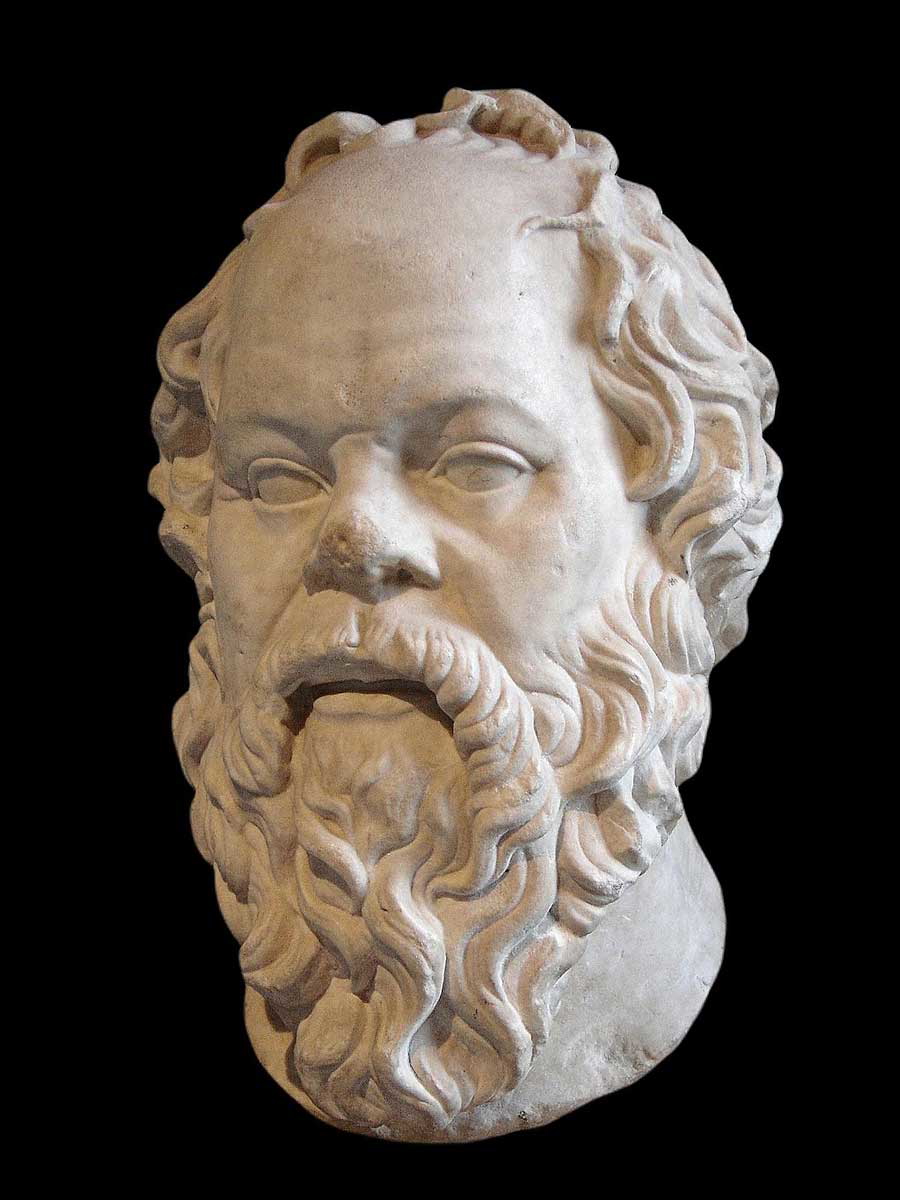
The second step of Socrates’ method of dialogue is called maieutics. The term “maieutic” comes from the Greek word “maieutikos,” which means midwife. The reason it is called maieutic is that this step is where knowledge is actually born. Only when the interlocutor admits that he knows nothing through the first step, can the knowledge he is seeking be born, that is, the maieutics be reached.
This step, unlike the first, consists of two additional sub-stages. The first stage is the epagogic stage. In this stage, the terms and concepts are defined with the interlocutor. We can notice this in the dialogues that Socrates led with his “students.” The dialogue between Socrates and Thrasymachus in “The Republic” when they discuss justice serves as a testament to this. In order to develop a discussion on the topics of law and justice, Socrates first proposes that they define what justice is. Thrasymachus, in response to the question, says: “Justice is nothing other than the advantage of the stronger.”
But Socrates disagrees with this formulation and challenges his argument by giving examples that contradict it. Eventually, Thrasymachus gets frustrated and is forced to change his definition of justice. Ultimately, however, Thrasymachus becomes frustrated and falls silent, leaving the dialogue in a state of deadlock (aporia) without reaching a definitive conclusion on justice.
The final stage of maieutics and of the entire Socratic method of dialogue is arriving at a universal definition. In this stage, Socrates compares the term that he has previously defined with his interlocutor with other terms, in order to formulate it correctly. Finally, only when the interlocutor passes through this stage does the birth of knowledge occur in the individual.
Socrates’ Ethics
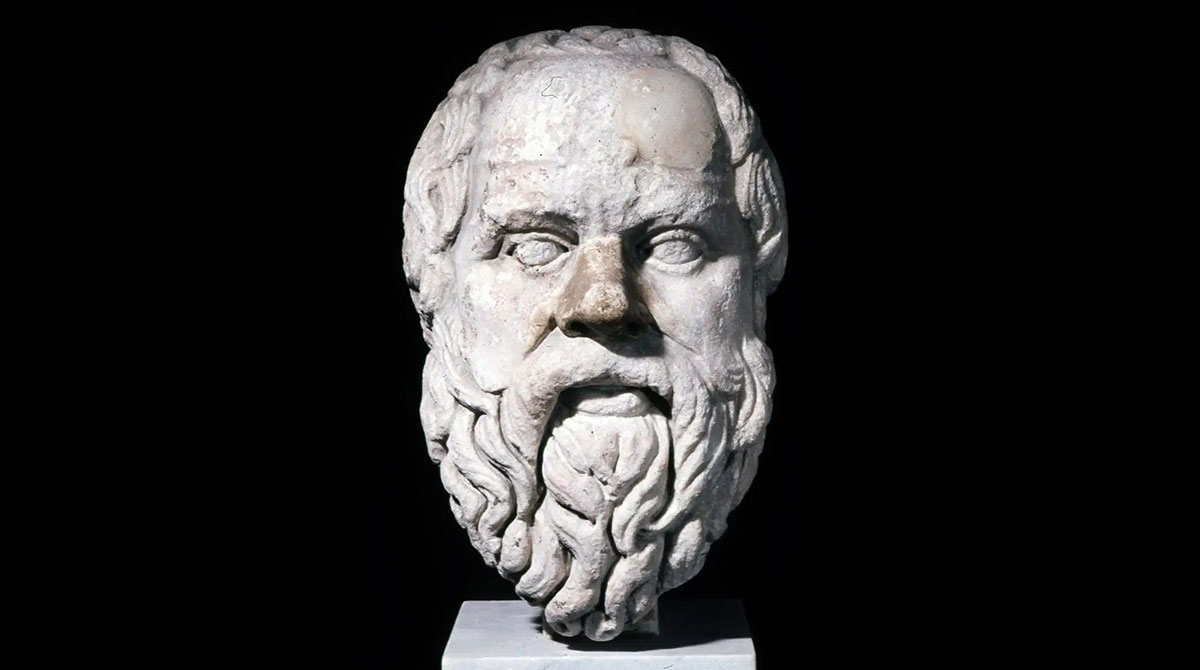
From this brief overview of the Socratic method of dialogue, we can conclude that Socrates places particular emphasis on knowledge. This is because, according to him, knowledge is one of the highest values in life. Therefore, we can say that knowledge occupies a central place in his philosophy. This is especially true when it comes to his ethics.
Although Socrates did not build his own ontology, epistemology, or aesthetics, his philosophy still has methodology, pedagogy, and ethics. His methodology and pedagogy are partially developed through the method of dialogue itself, because Socrates considers the method of dialogue to be the true method of learning and education that all individuals should utilize, especially children.
On the other hand, the method of dialogue is connected to his ethics because, according to him, knowledge is the highest value in life that we should all strive for. Therefore, according to Socrates, knowledge is equal to the good, or rather, the idea of the good. In this way, he equates knowledge and goodness, saying that one does evil acts because one does not know what is good. Hence, evil, according to Socrates, is equal to ignorance, which is the opposite of knowledge. Therefore, we can conclude that Socratic ethics is enlightening and intellectualistic because he himself associates knowledge with the method of dialogue, critical thinking, and goodness as a value equated (or equal) to knowledge.
The Athenian Accusation
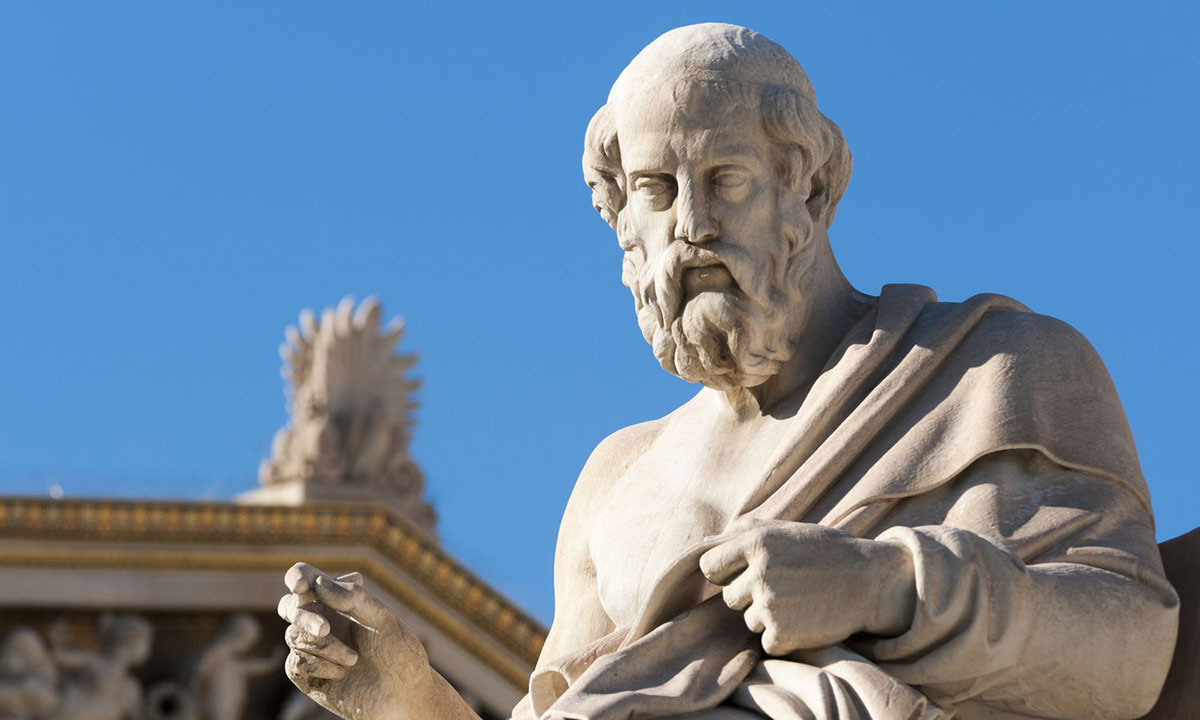
Socrates’ method of dialogue, along with his entire philosophy, is a key moment in ancient philosophy. His philosophy positions itself as a boundary between the previous way of thinking and philosophizing and the new way, for which Socrates is directly responsible. He was a key figure in encouraging critical thinking and moving away from dogmatic thinking. Socrates not only transformed philosophy, giving it a new form, but also influenced the daily lives of the Athenians. However, not all Athenians were satisfied with his teachings. That is why they came forward with various accusations against Socrates.
Therefore, the Athenians appointed three representatives to lead the charges against Socrates, known as the kategoroi, people who made the charges on behalf of the entire society. Thus, they appointed Anytus, Meletus, and Lycon: Anytus, on behalf of the craftsmen and politicians, Meletus, on behalf of the poets, and Lycon, on behalf of the orators and rhetoricians.
Their accusation consisted of two main arguments. Their first argument was that Socrates does not believe in the Gods that the Athenians believe in. They said that he introduces new demonic beings as Gods and, in doing so, corrupts the youth in Athens. Their second charge was that Socrates is unjust and presumptuous because he examines what is under the earth and what is in the heavens, making the worse better and the better worse, teaching others the same thing. This applied directly to his method of dialogue because Socrates, with his suggestive method of questioning, led the Athenians to come to knowledge for themselves. Because of these charges, Socrates was arrested.
Socrates’ Defense
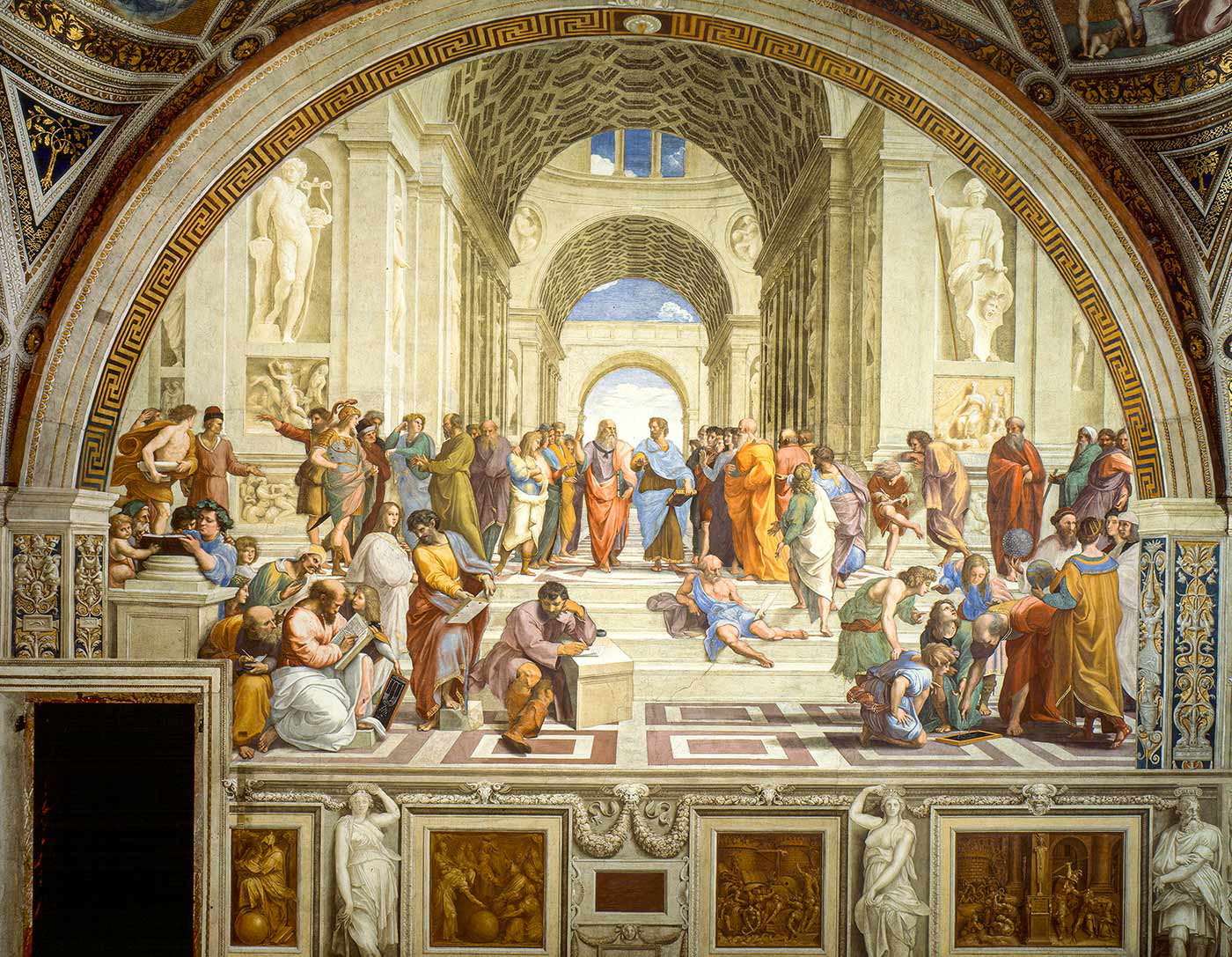
We learn about Socrates’ defense mainly from Plato’s works “Apology of Socrates” and “Crito.” In “Apology of Socrates,” Plato recounts Socrates’ defense in detail before the court in Athens. In response to the first charge that he does not believe in the Gods and introduces new demonic beings, Socrates said that he believes in daimonion, who are perceived by him as a divine force. To the second accusation that he examines what is under the earth and what is in the heavens, Socrates replied that he was probably being confused with Anaxagoras, who elaborated on detailed metaphysics in his philosophy.
Socrates said that those who thought he could make the good evil, and vice versa, confused him with the Sophists. The Sophists are the ones who did this because they presented themselves as the ultimate orators and rhetoricians, believing that it is not what you say that matters but the way you say it. Therefore, Socrates said that the Sophists were the ones corrupting the Athenian youth, not him. However, his defense did not prove to be sufficient and satisfactory before the Athenian court, and so he was executed by drinking a lethal dose of hemlock.
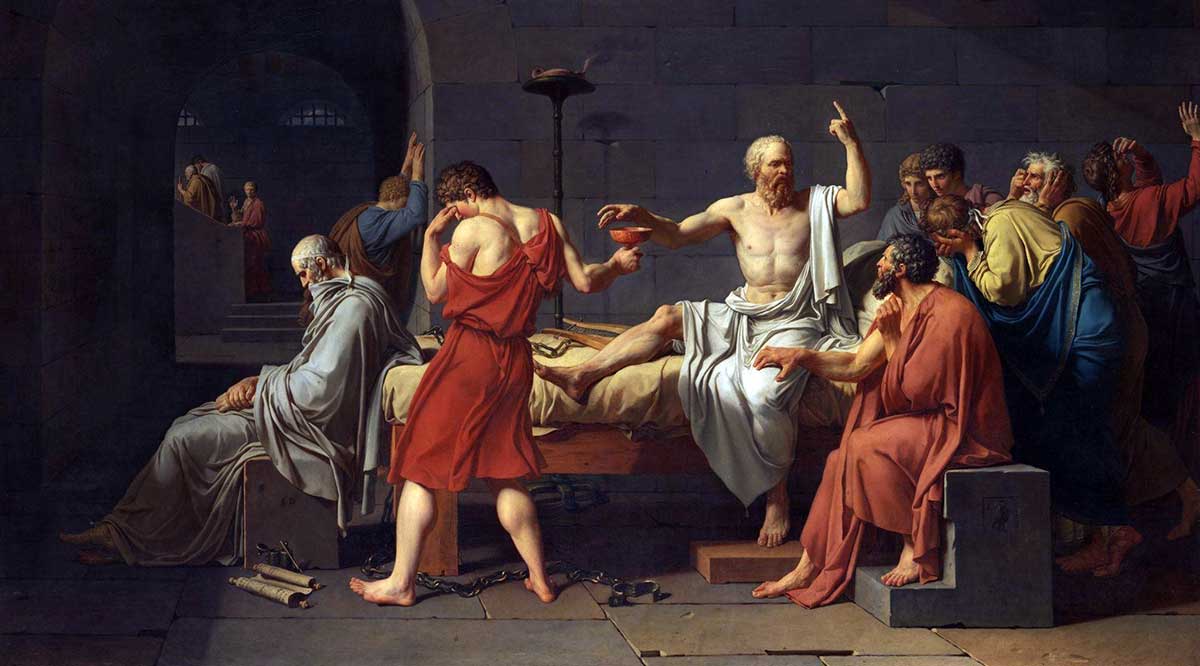
In “Crito,” Plato tells the story of the last conversation that Socrates had with his friend Crito. Crito entered the prison where Socrates was being held at dawn by bribing the guards. When he found Socrates, he told him that he could also use a bribe to help him escape. Crito told him that the two of them were friends and, therefore, he felt a responsibility to help him, as friends always help each other. However, Socrates did not accept Crito’s proposal.
In response, Socrates told Crito that the verdict is law, and he cannot break the law because the state laws are his parents. On the other hand, Socrates also pointed out that he cannot go to another city because the children there, whom he teaches in Athens, will be foreigners. Finally, Socrates also told Crito that if he escaped, he would be punished severely in the afterlife for not respecting the law.