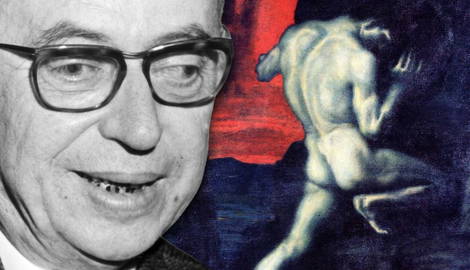

Existentialism is one of the most influential philosophical movements of the 20th century. Because of that, it acquired a large following that adopted the existentialist point of view into their philosophy. However, among existential thinkers, Jean-Paul Sartre is probably the best known. His philosophy completely shaped the way of existential thinking to the point that it is considered the philosophy of existentialism as a whole. He found a way to make his whole philosophy coherent and connected his metaphysical point of view with his existential framework.
Who Was Jean-Paul Sartre?
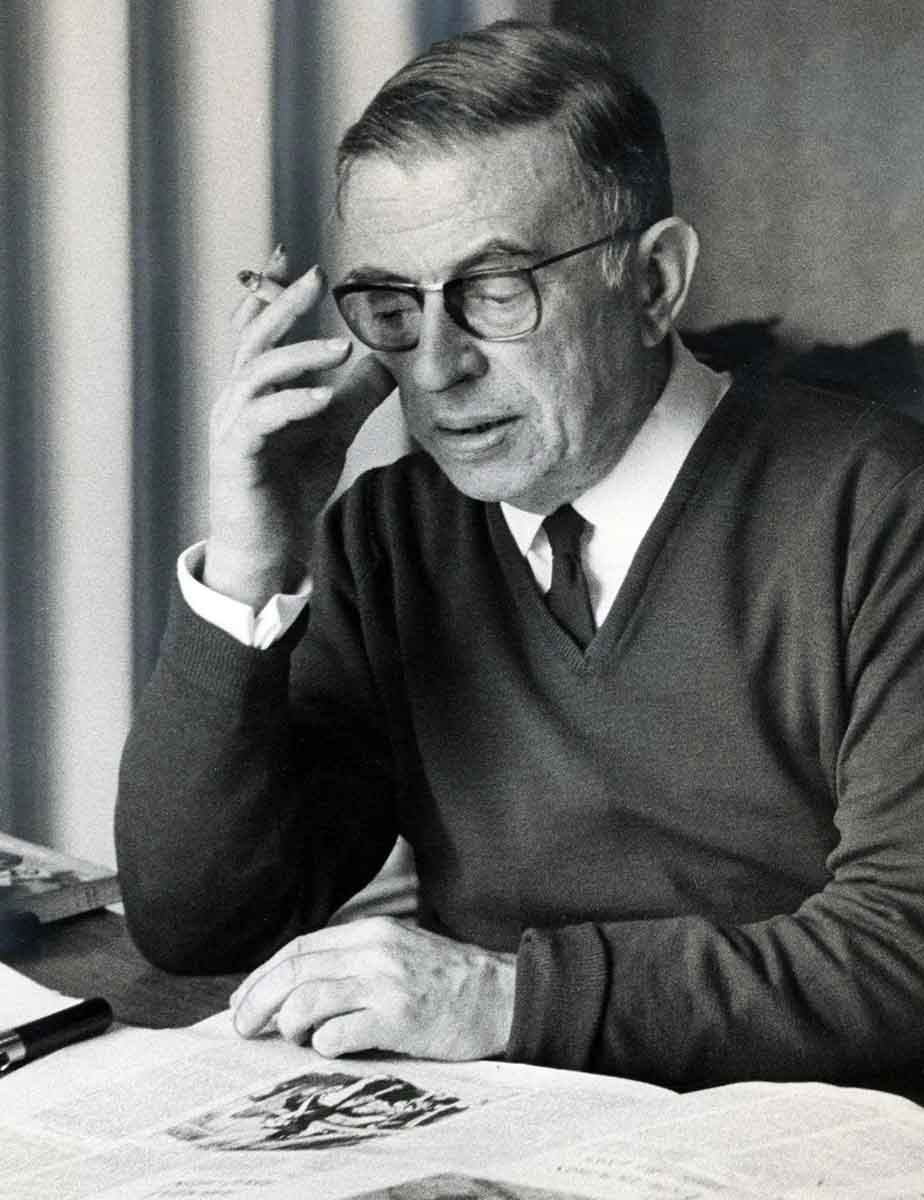
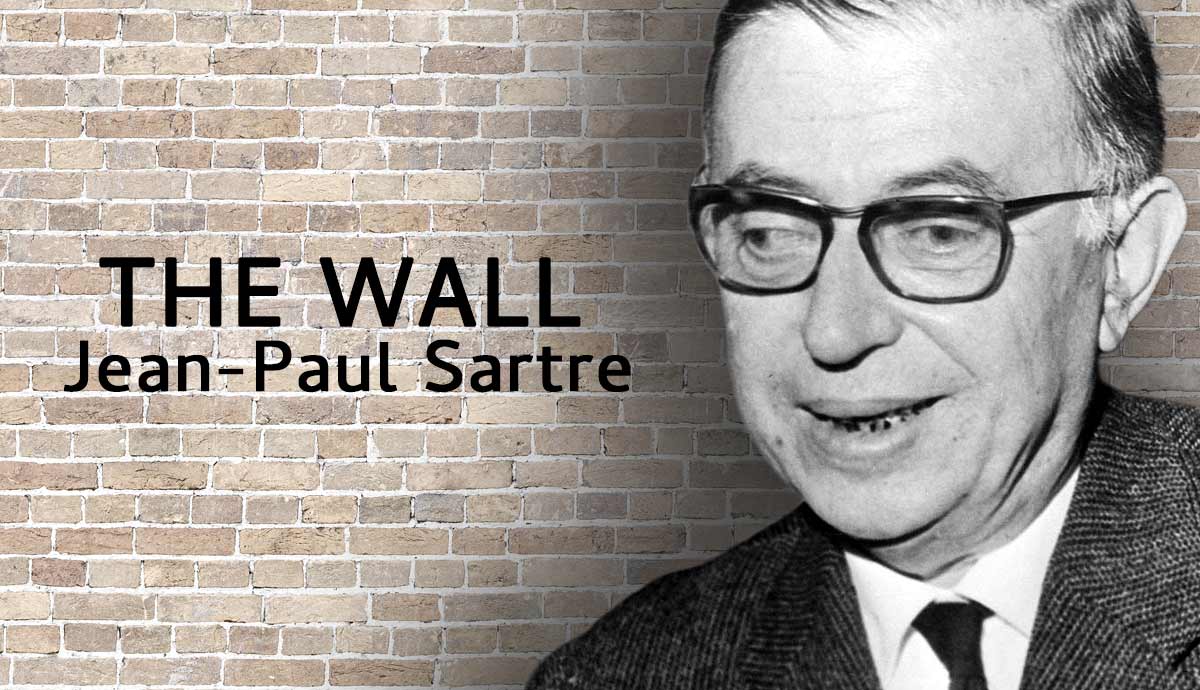
Jean-Paul Sartre (1905–1980) was a French writer, playwright, novelist, political activist, and a well-known public intellectual. He was born in 1905 in Paris, France, and was an exceptional student during his university years. He studied at École Normale Supérieure, where he met many other prominent thinkers and intellectuals.
During World War II, Sartre served in the French army, but he was captured by the German forces in 1940. He spent about nine months as a prisoner. After the war, Sartre became an important public figure for speaking loudly about political and social issues related to war. This is how he became a Marxist, and how he helped shape French intellectual life throughout his lectures, essays, and treatises.
In 1964, he was awarded the Nobel Prize in Literature. However, he declined the award by saying that a writer should not allow himself to be turned into an institution. He died in 1980 in Paris.
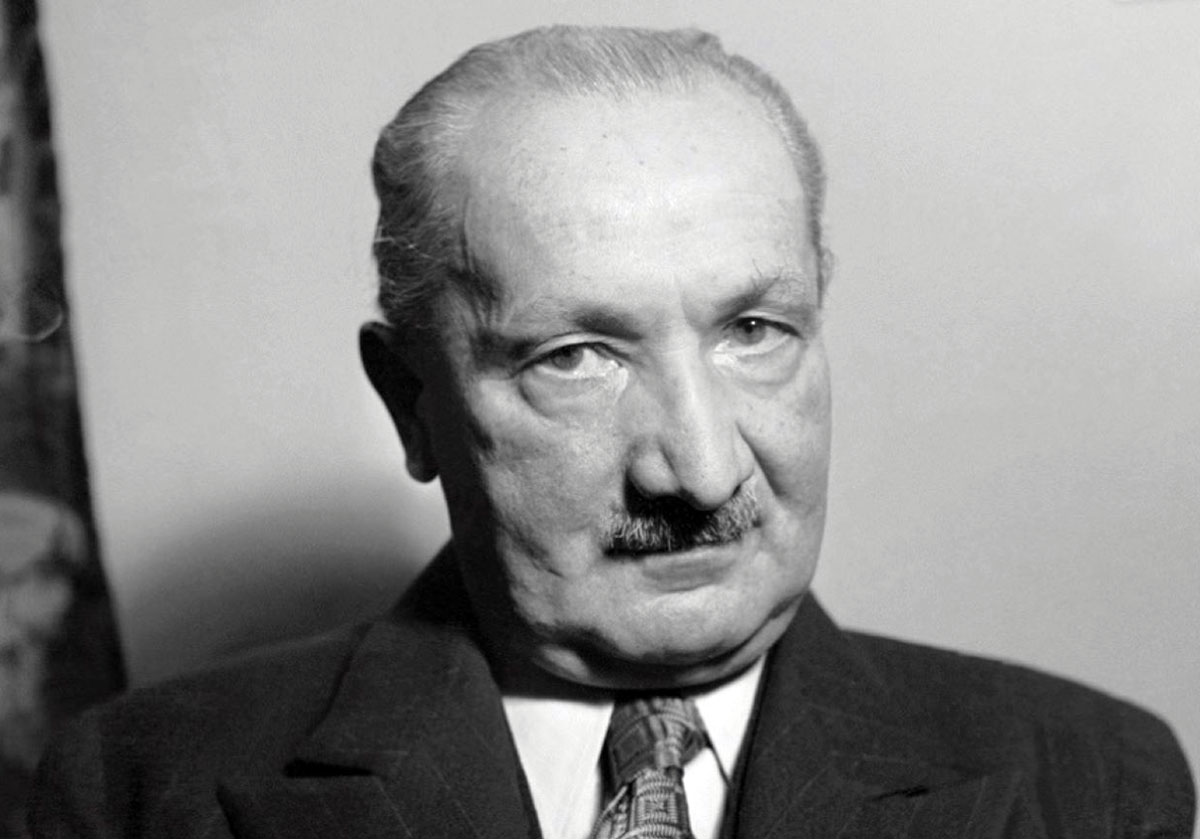
Sartre was greatly influenced by the philosophy of Martin Heidegger and his most important work Being and Time. It was actually because of Being and Time that Sartre came up with a philosophy of his own, and as a result, Being and Nothingness was born—Sartre’s most important work. Another important book from Sartre is his famous essay Existentialism is a Humanism, which was initially a public lecture that served as a popular introduction to existentialism. Sartre also wrote fiction, and his most famous work is Nausea, a novel that outlines his worldview.
Metaphysics
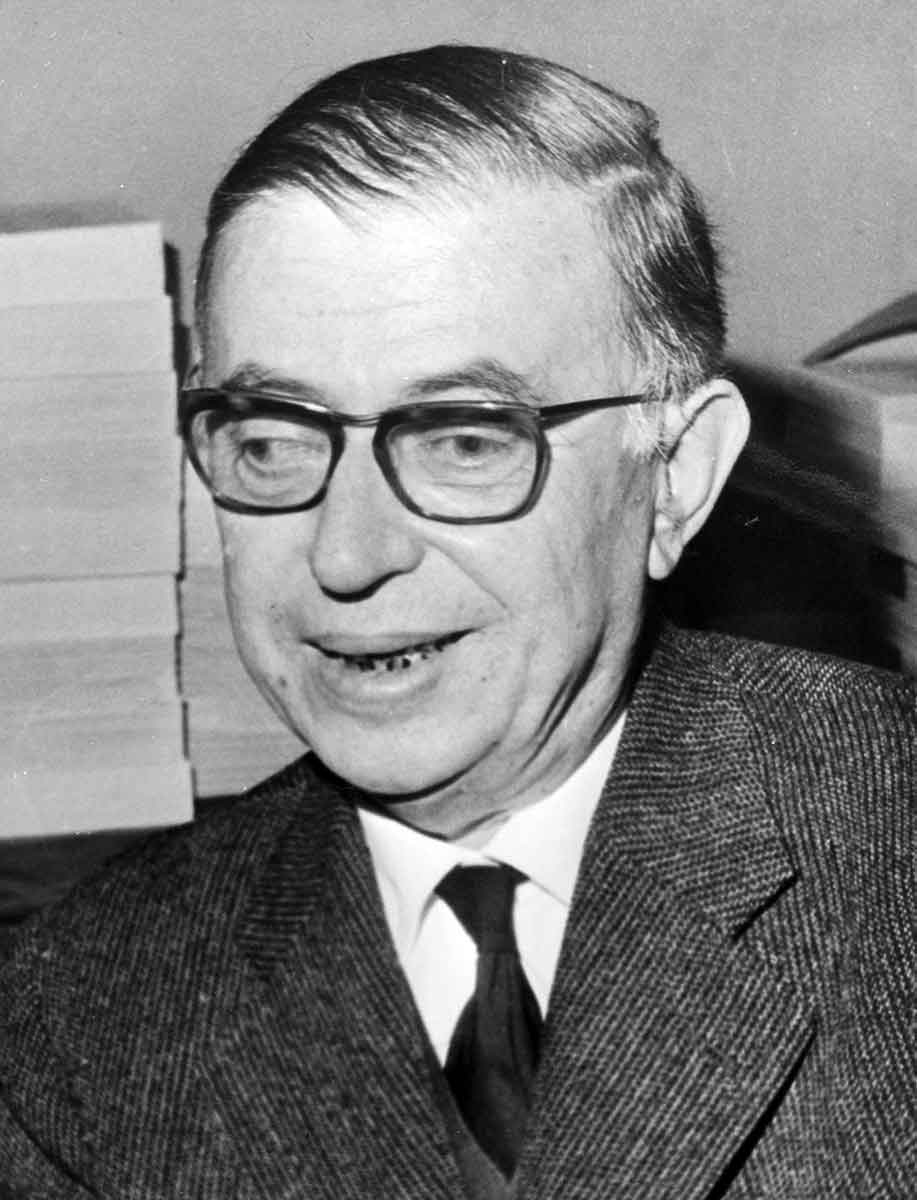
The already mentioned Being and Nothingness contains not only Sartre’s existential point of view but also his metaphysics, phenomenology of consciousness, his views on freedom and responsibility, as well as the ethical implications that arise from his metaphysical point of view. First and foremost, it’s important to review his metaphysics because it’s where his philosophy begins.
Sartre starts off by explaining why he rejects the notion of dualism between phenomenon and noumenon (the way things appear to us and the way they are in themselves). This distinction was established by the famous German philosopher Immanuel Kant. Many of the philosophers who followed him have adopted his worldview, including Arthur Schopenhauer and Edmund Husserl, the father of phenomenology.
Sartre started off as a phenomenologist and used the phenomenological method to build his existential framework. While Husserl pioneered phenomenology by rejecting Kant’s dualism to focus entirely on the phenomenon, Sartre sought to rescue this method from Husserl’s later idealism, formulating his own realistic existential framework. He thought that the representation of the phenomena was clear and absolute. The being, the thing-in-itself (or the noumenon, as Kant called it), is not unrecognizable, but simply non-existent, says Sartre. The representations are the only reality. That way, we can perceive the world as an infinite series of finite representations.
After rejecting this dualism, Sartre introduced us to his distinction between the unconscious beings (being-in-itself) and the conscious beings (being-for-itself). The being-in-itself is fixated; it doesn’t have the ability to change and is not conscious of itself. On the other hand, the being-for-itself is conscious of its consciousness, but as such, it is incomplete and not actualized.
What Is the Human Being?
At first glance, this distinction seems a bit confusing, and it’s almost inevitable not to ask ourselves what Sartre meant by it. What kind of beings did he have in mind? And most importantly, what is the human being? Because of that, it’s necessary to explore the distinction further.
As mentioned, according to Sartre, the being-in-itself is fixated, it does not have the ability to change or transform, and it is not conscious of itself. An example of that would be a random object in the world or perhaps a tree. The tree’s existence is completely defined by what it is as an object. It lacks the ability to change or the ability to create its own being because it’s already defined and determined and is therefore not conscious of itself.
On the other hand, the being-for-itself is conscious of its consciousness, but as such, it is incomplete and not actualized. The being-for-itself is the human being, said Sartre. The human being is completely missing the defining characteristic that makes him a human being. That’s why he has to create himself. Instead of simply existing, as the tree does, man has to actualize his own being. If we are to define the defining characteristic of the human being, we can only say that its defining characteristic is actually the nothingness that he creates himself from.
That is why Sartre says that a human being is in a constant search for their meaning and purpose in life. Contrary to an object that is defined by its physicality and given a meaning from the start of its existence, the human being has to find the meaning himself and thus, define himself.
The Search for Meaning
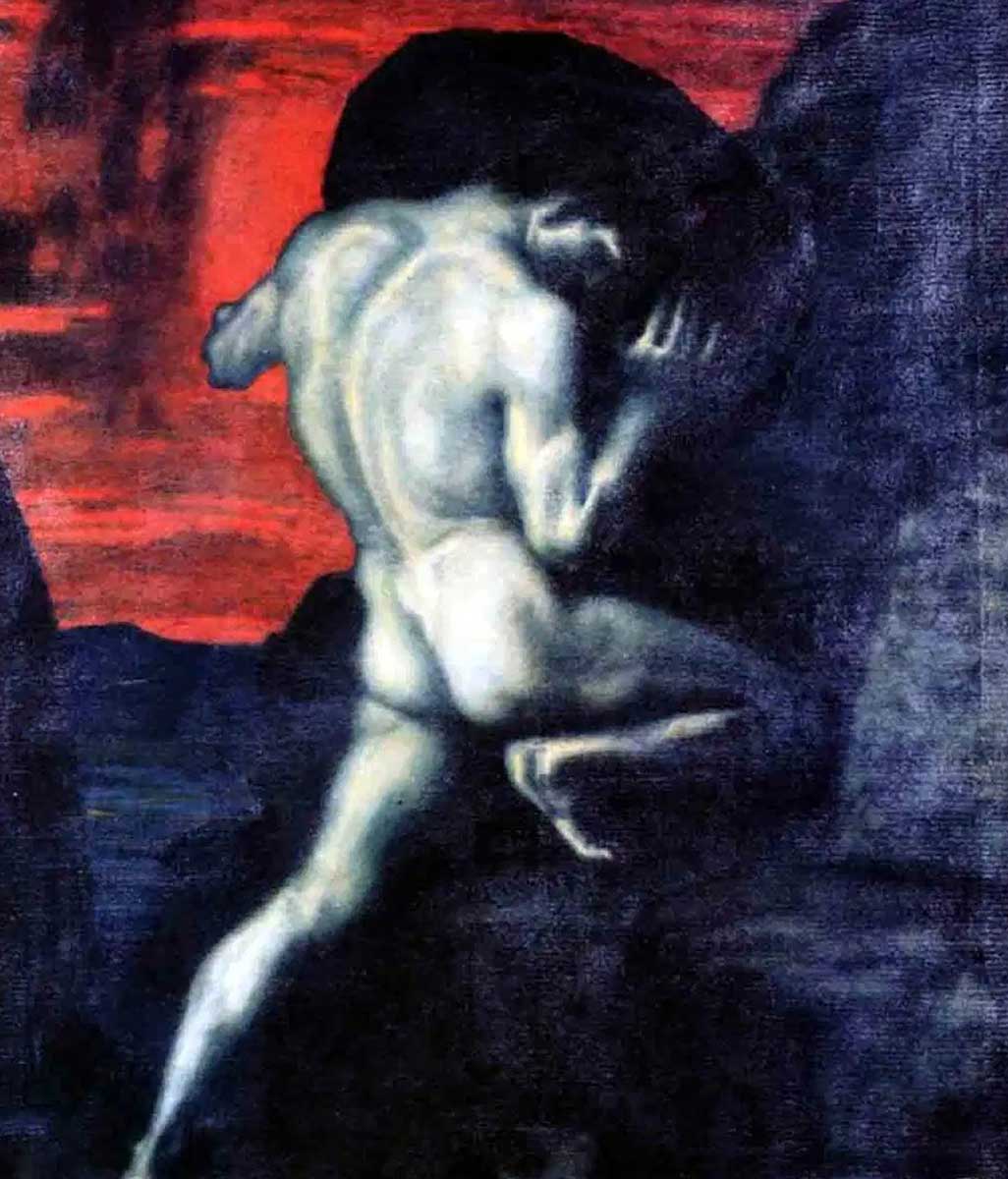
Sartre states that human beings gain meaning and purpose for their own existence only through their constant search for meaning in the unknown future. In other words, man is not such as someone might describe him now, at a certain given moment. For example, if he’s a teacher, he’s not a teacher in the same way as a rock is a rock. Man is never an essence, regardless of how much he strives for self-determination. The way that he views his past and pictures his future is a series of choices.
That’s why Sartre said that man is always presented with choices in front of him, and it’s what causes him anxiety and makes his existence hard. He has to create himself by giving meaning to things or taking meaning from them during his search. Additionally, Sartre also thought that throughout his search for meaning, the human being is never successful in finding his meaning and purpose. Instead, the human being almost always recognizes that which he is not: he is not a being-in-itself. So, it’s only through his own consciousness of what he isn’t that the human being becomes what it truly is: nothingness, completely free in the world. That is why Sartre concludes that the human being (being-for-itself) sees the world through that which is missing.
This is where Sartre’s existential philosophy comes into play, with his constant search for meaning and his inability to define himself throughout his lifetime. That is how Sartre developed his whole existential worldview. And as we can see, it stems from his beginning metaphysical positions, particularly his distinction between being-in-itself and being-for-itself.
Existentialism Is a Humanism
Now that we have sketched out Sartre’s metaphysical positions, it’s important to elaborate a bit more on his existential point of view. The best approach to do that is through an analysis of his essay Existentialism is a Humanism. As mentioned, this essay was originally a public lecture that was later published as an essay, and it often serves as an introduction to Sartre’s existentialism.
The first important idea that Sartre explores in this essay is that existence precedes essence. This is the core idea of Sartre’s existentialism as it closely relates to his metaphysics. Unlike objects in the world, a human being has no pre-given essence or purpose. Therefore, humans first exist, then, through actions and choices, define themselves, which is what Sartre meant by saying that existence precedes essence.
Sartre’s second important idea in this text is that Man is condemned to be free. Since there is no God or predetermined essence, as Sartre said, we are radically free. However, regardless of how good this may sound at first, we have to remember that freedom also brings responsibility because we must take ownership of our choices. Sartre also emphasized that even not choosing anything is also a choice. Therefore, everything that we do in life is making choices. Furthermore, Sartre also thought that we are not responsible for ourselves alone. Making a decision or choosing something is not as simple as we might think, because choosing for oneself is choosing for all humankind.
What Did Sartre Say About Anxiety and Despair?
But responsibility is not the only burden that humans have to carry because of their freedom. Another important piece of baggage that freedom and responsibility carry along are difficult feelings and emotions like anguish, anxiety, abandonment, and despair. These existential moods arise from the confrontation with freedom, said Sartre.
We feel anguish because we know that our choices shape humanity, but at the same time, there is no objective guide for how to act in the world. This creates a sense of hopelessness, and we are stuck with anguish throughout our lives. We feel abandoned because we’re aware that there’s no such thing as absolute moral laws or objectively given meaning or purpose. Finally, we carry the feeling of despair because we realize we can’t control everything. We can only control our own will and actions. However, even though these burdens carry a certain baggage, Sartre emphasized that these were not reasons for pessimism. Instead, he thought they should serve as motivation to live authentically.
Authenticity is another important idea that Sartre wrote about and he often compared it to a concept that he called Bad Faith. Bad faith is lying to yourself to avoid facing the truth about your freedom and responsibility. It’s only when we’re fully honest and decent with ourselves and the world around us that we can truly be authentic to ourselves.