During the reign of King Cyrus the Great, the Persians carved out a massive empire. From its source in modern-day Iran, the empire stretched as far east as India and as far west as the Balkans. To keep such a large and diverse empire under Persian control, it was necessary that information could be carried across its territory quickly and efficiently. Cyrus innovated a new messenger system that relied on sending messengers along a Royal Road with established waystations to pick up fresh horses, take on supplies, or even pass an urgent message onto a fresh rider. This cut royal communication times in the Persian empire to a third of the previous time, and established a precedent copied across the world.
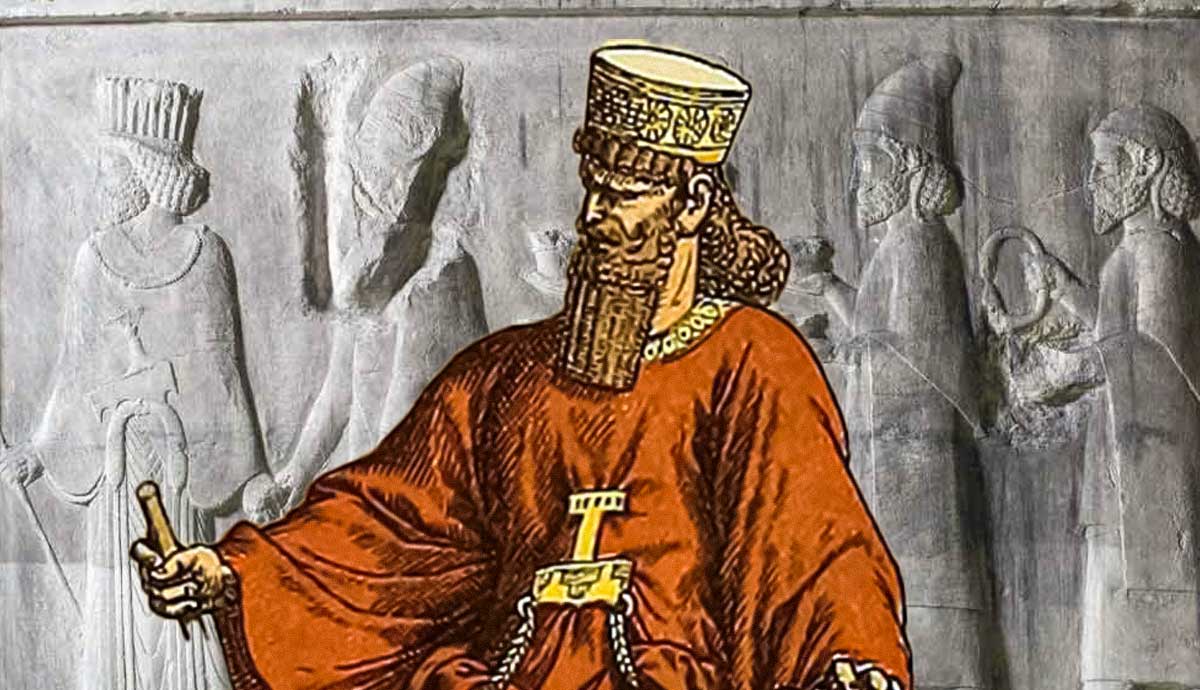
Meet Cyrus the Great
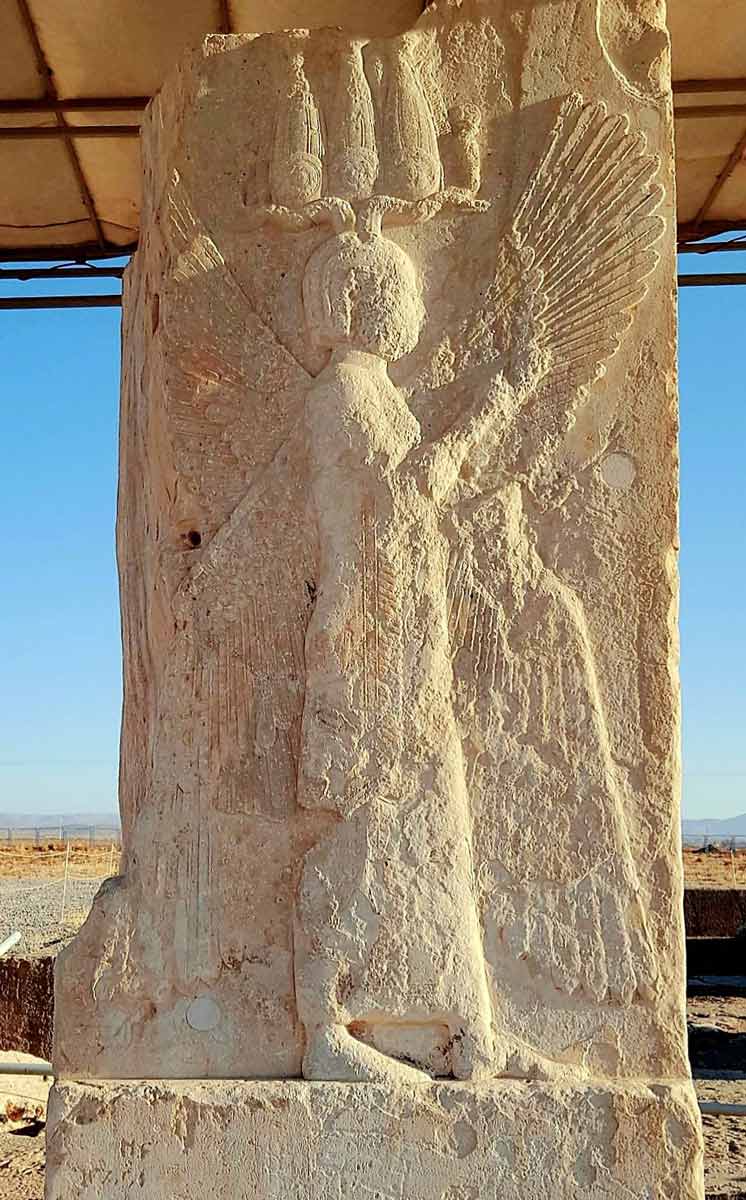
When Cyrus the Great became the leader of the Mede empire, his first step was to consolidate his power over the various clans on the Iranian plateau, founding the Achaemenid Dynasty. Once secure in his power base, he began a series of conquests that brought more of the Near East under his control. By the time of his death, Cyrus’ empire stretched from Anatolia in the west to India in the East, including the Levant, Armenia, parts of the Arabian Peninsula, and extending as far north as Kazakhstan. These conquests made the Persian Empire the largest in the ancient world. It contained diverse ethnic and cultural groups, now under the rule of the King of Kings.
Cyrus was not only a military leader but a man of astute vision. Dynamic in his leadership, he was surprisingly tolerant of defeated foes, allowing conquered peoples to maintain their own cultural traditions and religious beliefs, incorporating some of their ideas into the mainstream Persian culture. He knew that such a large territory would require careful management to prevent rebellions and make governing as efficient as possible. Not bound by tradition, he was happy to adopt foreign ideas and innovate.
The Royal Road
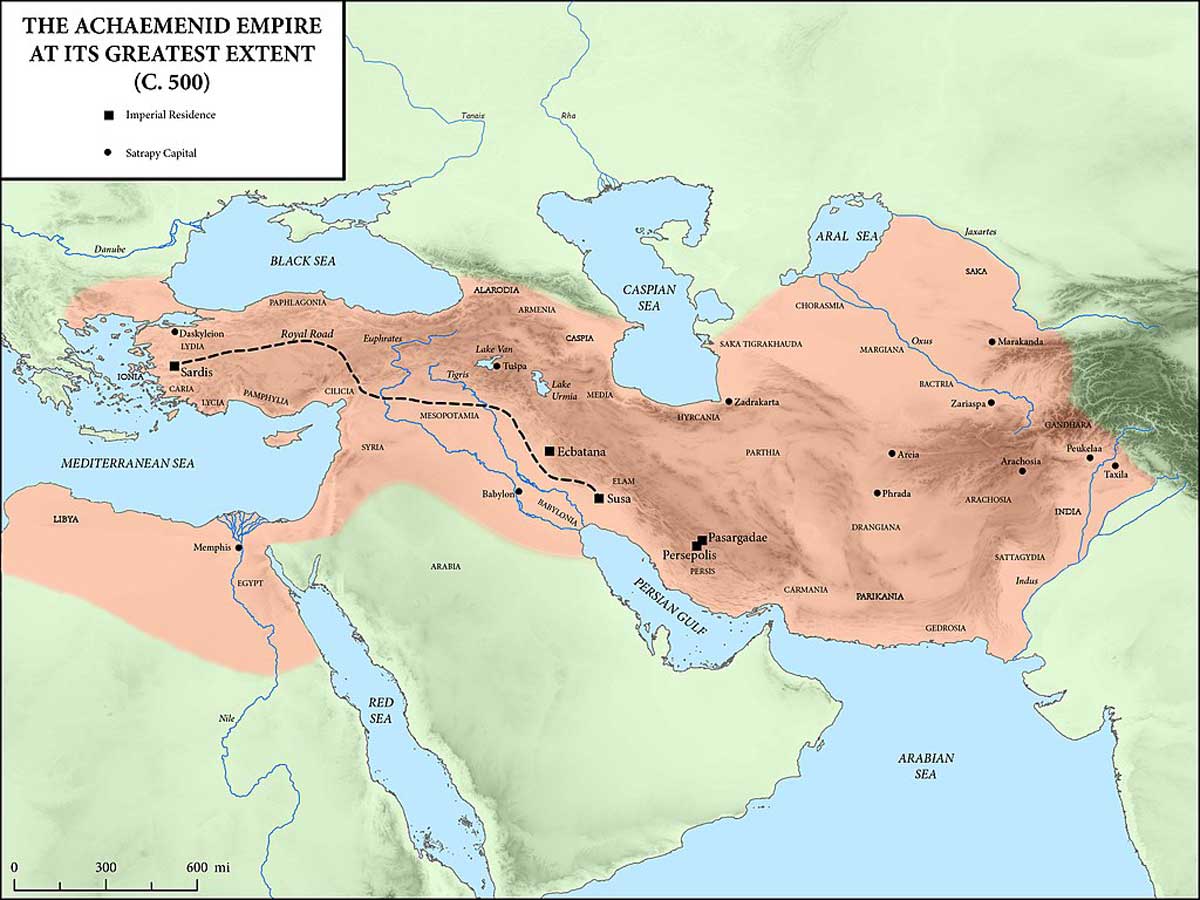
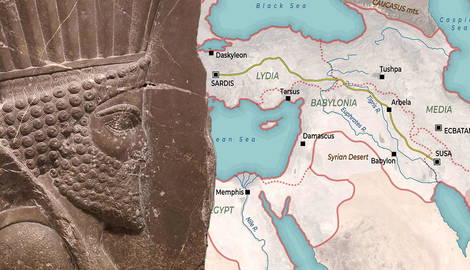
One of Cyrus’ most important innovations was the Royal Road. Roadways made by monarchs in the region were nothing new. Assyrian kings had a network of roads across their lands. In fact, much of the Royal Road was probably made from segments of the old Assyrian pathways. The major difference was the scale of the Royal Road. It stretched from the city of Susa, in the south of modern-day Iran near the Persian Gulf, to Sardis, located in modern-day Turkey near the Aegean Sea. It covered a total distance of 1,677 miles, though it is important to note that the road did not travel in a straight line between the two cities. The road traveled due east for a stretch, then turned sharply south, then east again, repeating this several times. It has been speculated that this was to take advantage of the older Assyrian roads in the region.
Under normal circumstances, a person on foot can travel the length of this road in about three months, provided they aren’t in any particular hurry. However, Cyrus knew that timely information was the key to his success. With this in mind, he devised a solution that would greatly expedite travel time.
The Angarium
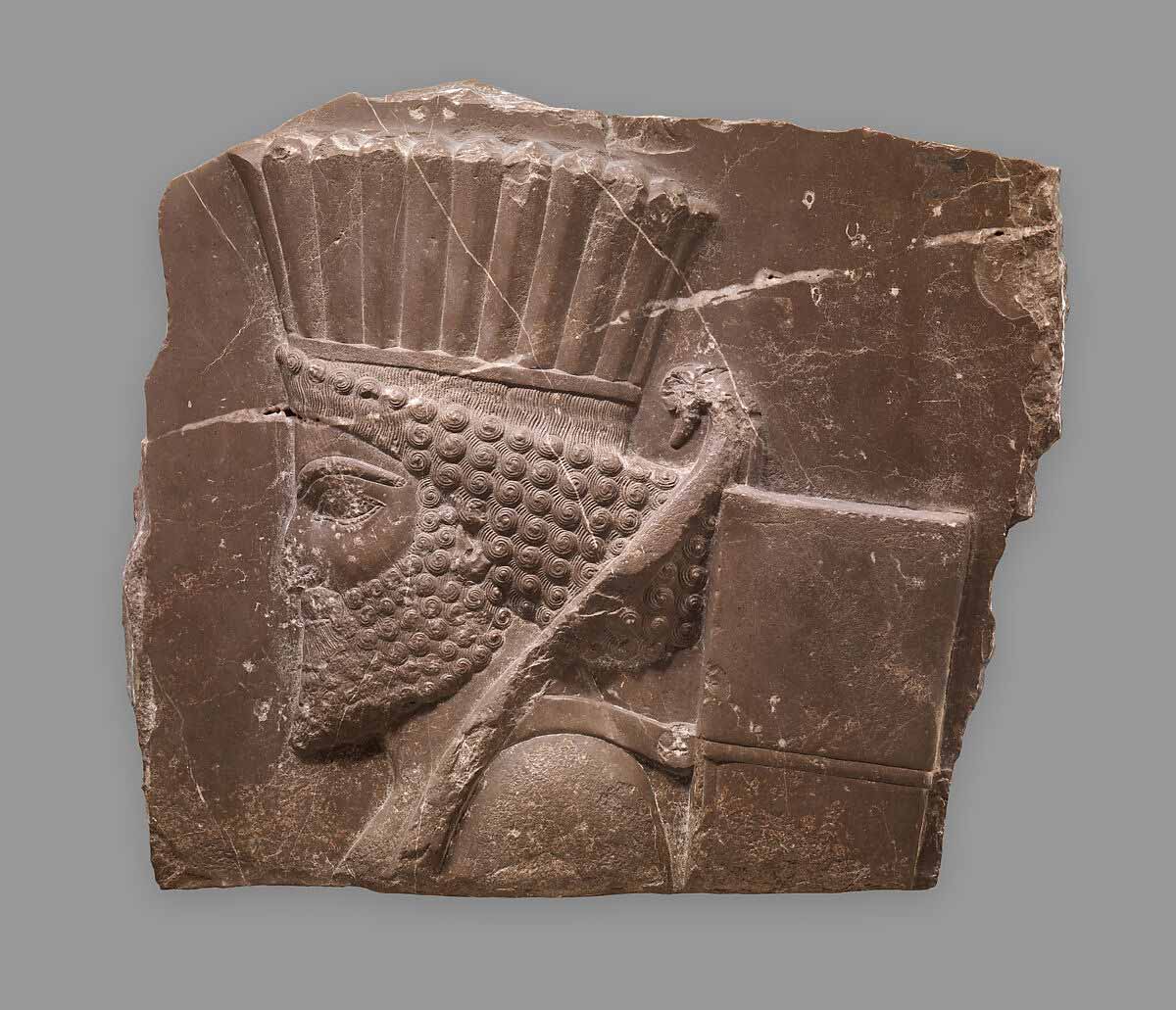
Enter the Angarium. This is the Latinized version of the Greek word angaros, or messenger, though the Persians called the system the Chapar Khaneh, or Courier House. Regardless of the name, the system was as simple as it was revolutionary. All along the Royal Road were way-stations. At each of these locations, a messenger could exchange horses for fresh steeds, pick up provisions, and get some much-needed rest. By having these services already available, the courier did not have to waste time allowing his horse to rest before continuing on his journey or spend valuable time searching for food, water, or shelter.
These couriers exclusively served the Persian king, so they were single-minded in their task. When a courier stopped at a station, he could simply exchange his tired horse for a fresh mount, gather extra food and water, and be on his way again at full speed in a matter of minutes. Following a well-maintained road also meant no time lost to navigation. They also often worked in relays, with the initial messenger passing on the message to a fresh horse and rider while he rested.
Under ideal conditions, a message could travel from Susa to Sardis in about nine days, one-tenth the time it would normally take on foot. This rapid communication allowed the Persian kings to be informed of emergencies in their realm quickly and respond rapidly. The relay system implemented by Cyrus was improved by his successor Darius the Great, allowing the Persians to govern their large territory with a degree of efficiency unheard of up to that point. Other roads were also built, giving the King of Kings great control over his realm.
Imitation
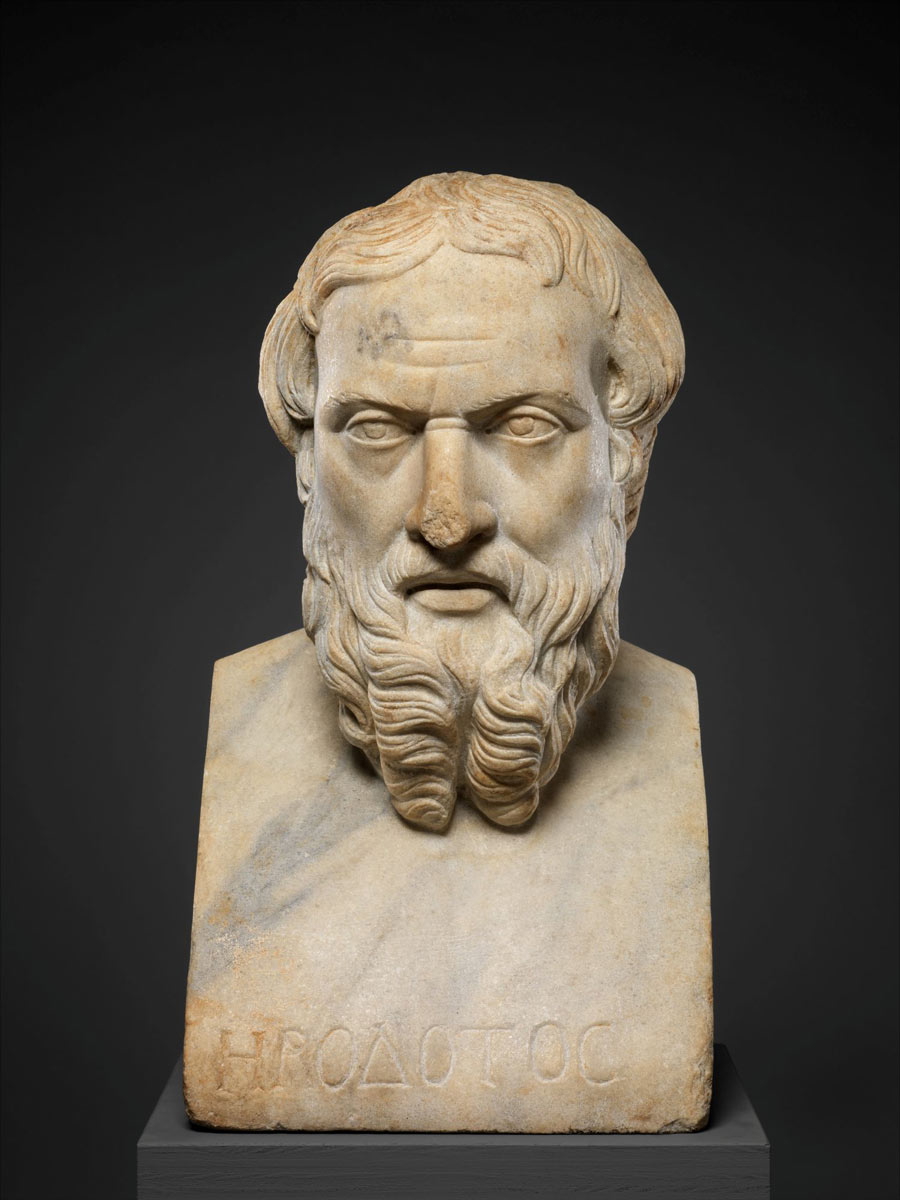
Herodotus, in his Histories, wrote extensively about the Chapar Khaneh. He described the number of stations, claiming 111, and acknowledged the safety a traveler could find along the roadway. He also praised the messengers themselves, stating that they follow a very regimented procedure for delivering and relaying messages and that “neither snow nor rain nor heat nor darkness of night prevents them from accomplishing each one the task proposed to him, with the very utmost speed.” The roadway itself was so effective that it would eventually be incorporated into the Silk Road that connected China to Europe.
Other cultures emulated the Persian model. Rome built a vast network of roads that connected its empire, many of which are still in use today. They also established the cursus publicus, a system of mail and message delivery that helped facilitate communication within the realm of the Caesars. It initially worked on the same relay system as the Persians, with a series of messengers relaying the parcels. This later changed to a single courier, probably to ensure his trustworthiness. This system outlasted the empire itself, with evidence that the Visigoths in Italy continued to use the system. Other systems based on this were established by the Byzantine Empire, and similar systems were used throughout medieval Europe and the Middle East.
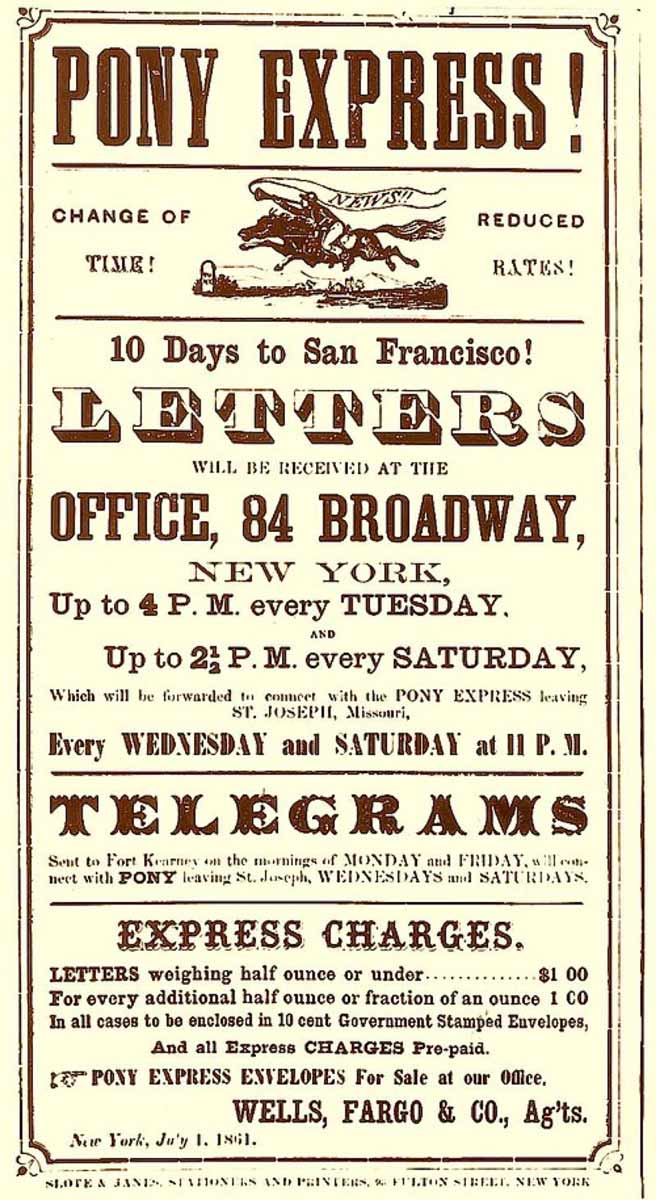
Millennia later and a continent away, the Pony Express in the United States operated on the same principle. Express riders traveled from outpost to outpost across the untamed American West, handing off messages to fresh riders at specific points. It was hoped that the rapid communication would help open up the frontier and keep the new state of California connected with the rest of the country. It was an initial success, and mail could be brought from Missouri to California in about ten days. Though it was effective, it was an outdated concept almost at its inception. Shortly after being set up, the first transcontinental telegraph was completed, making the Pony Express redundant. In October 1861 it shut down just 18 months after being established.
The Modern Legacy

With modern technology, such as automobiles and aircraft, the Persian idea of relaying messages is no longer needed, but that does not mean it still does not have an important legacy. As one of the first mail delivery systems, it set the benchmark for all subsequent postal services. The Chapar Khaneh became the inspiration, if not the model for, message delivery around the ancient and medieval world.
Perhaps the most important aspect of the legacy was the determination and dedication to duty displayed by the Persian messengers themselves. As Herodotus states, “neither snow nor rain nor heat nor darkness of night prevents from accomplishing each one the task proposed to him, with the very utmost speed.”
Inspired by these words, the James A Farley Post Office building in New York City is inscribed with the motto “Neither snow nor rain nor heat nor gloom of night stays these couriers from the swift completion of their appointed rounds.” The words emphasize the commitment to quality service, dedication to duty, and the willingness to endure hardship to deliver vital messages and parcels to the American people. It is not an official motto of the United States Postal Service, but it still captures the spirit of their mindset, and is a creed of modern postal workers living thousands of years after their Persian counterparts.
Of course, the USPS readily acknowledges that there may be delays in mail delivery due to inclement weather, but it’s the thought that counts.