
Dadaism and Surrealism were a direct reaction to the political and social landscape of the early 20th century and war-torn Europe, as World War I unleashed unimaginable horrors to the average citizen. According to Hans Richter, Dadaism could be defined simply as “an artistic revolt against art.” This rejection of tradition and the status quo stands as a threat to authoritarianism.
Safe Haven, Free Expression, and Dada’s Beginnings
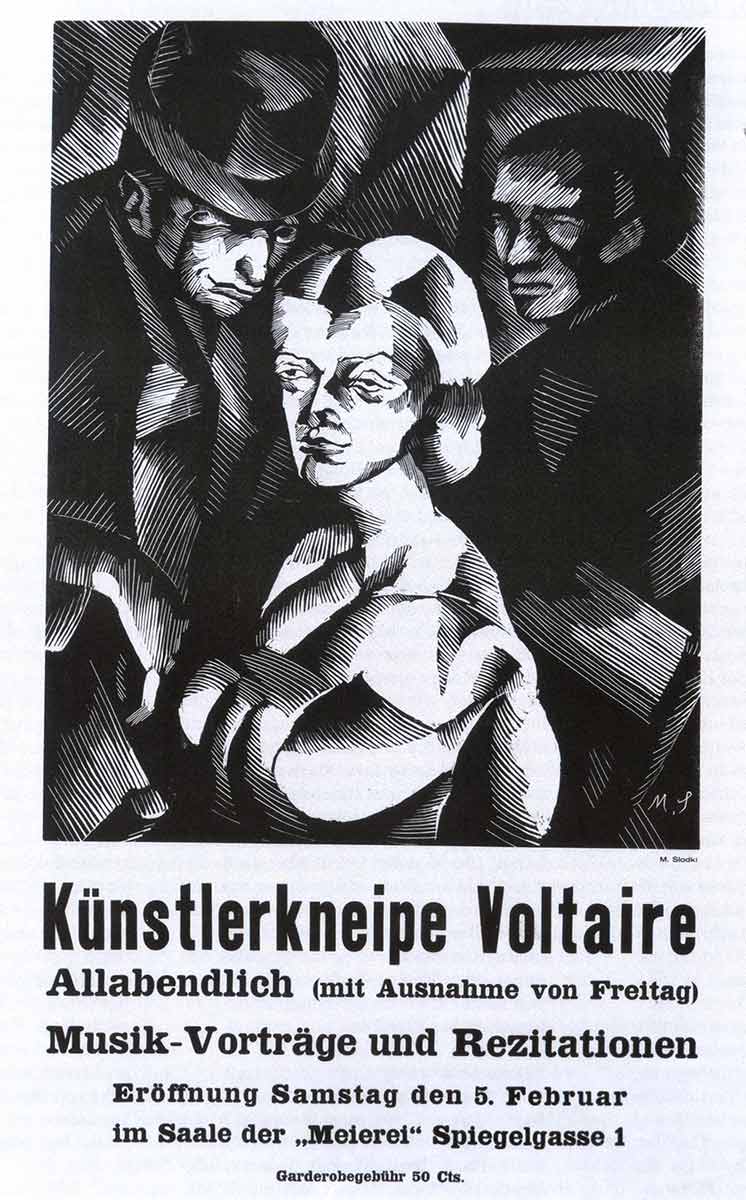
Dadaism as an art form challenged the existing norms of the art world through the deliberate use of absurdity, sound, and literary techniques. One of the founders of the movement, Hugo Ball, found himself in the very particular atmosphere of Zurich, Switzerland, Europe’s neutral ground during the Great War. Nationalism and the slaughter of World War I pushed many artists, free-thinkers, poets, and anarchists either underground or toward the very few safe havens left. In Zurich, at the Cabaret Voltaire, Dadaists read poetry, played instruments, sang, and even did performance art, which often involved destroying the art they displayed. The inherent nihilism of the Dada movement was a direct response to the meaninglessness of life and society that the artists saw as breaking apart around them.
The Cult of Tradition, Rejection of Modernism, and Treasonous Disagreement
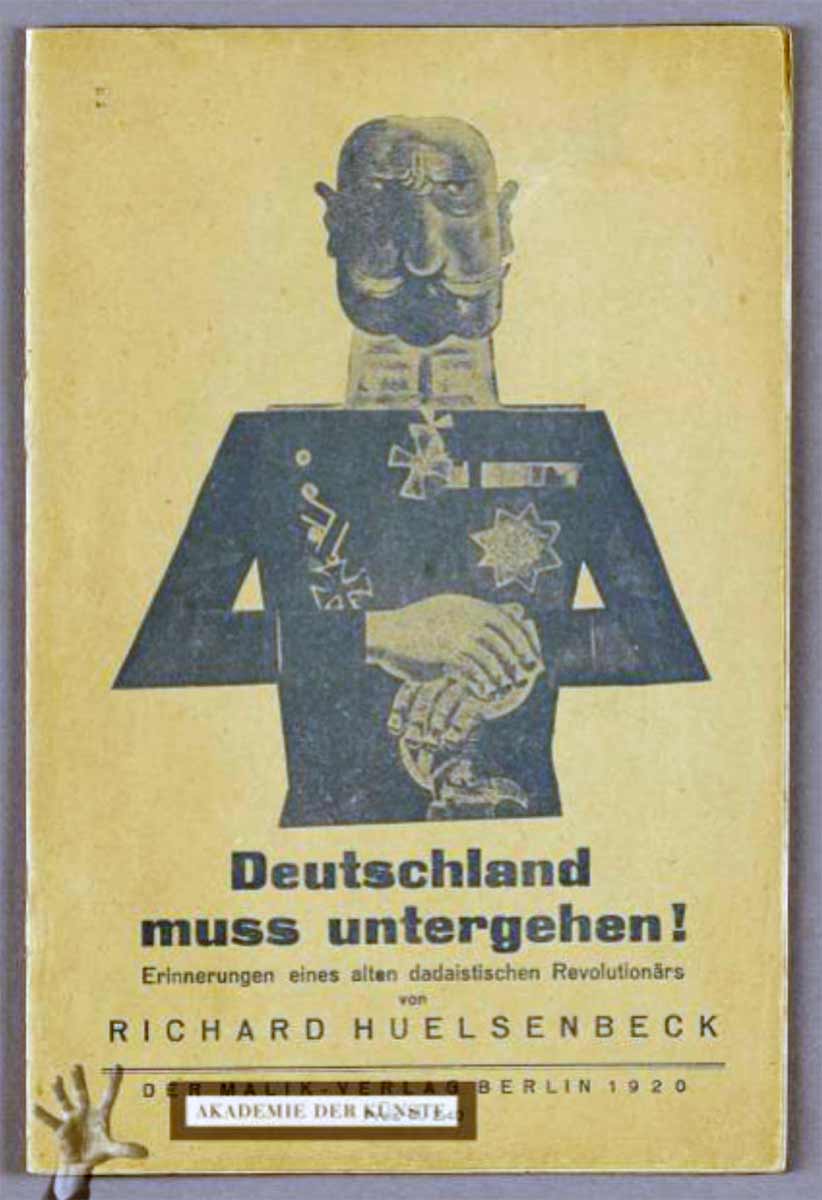
The cult of tradition, rejection of modernism, and the idea that disagreement is treason are all examples of the ways fascism seeks to hive-mind the thinking of the masses in order to consolidate their power structures. It is a way to keep the mind engaged away from critical thinking or looking too closely at the shaky foundations of the systems they implement. Anything that deviates from what is considered traditional is shamed and silenced. Modernist thought is by definition a break from the status quo theories of life, society, religion, art, any and all elements civilization is built upon. This calls back to tradition, but is further the fascist’s attempt to define what is and is not considered depraved, disgusting. In modern theory, Umberto Eco states that this is called “irrationalism,” a break away from logical thinking while emphasizing intuition and faith to be the truest form of fact-checking.
Any thinking that pushes against what has already been established, as an exercise to understand concepts to their fullest degree, is dangerous. That thinking encourages critical thought, which must be discouraged and silenced. Eco states that “disagreement [is a] way to improve knowledge,” and by silencing this disagreement, fact remains stagnant and able to be molded by the despots in power. In authoritarian regimes, modern art is something seen as tasteless; it goes against common sensibilities; it is gross, disgusting to even look at. This reaction to art sets a baseline morality for society and culture, helping the regime seize control. Dadaism, Surrealism, and the modern art movements that emerged through the end of the century challenged traditional art and the way we think about examining it, which in turn challenged fascism as a concept.
Art as a Representation for Dehumanization and Oppression
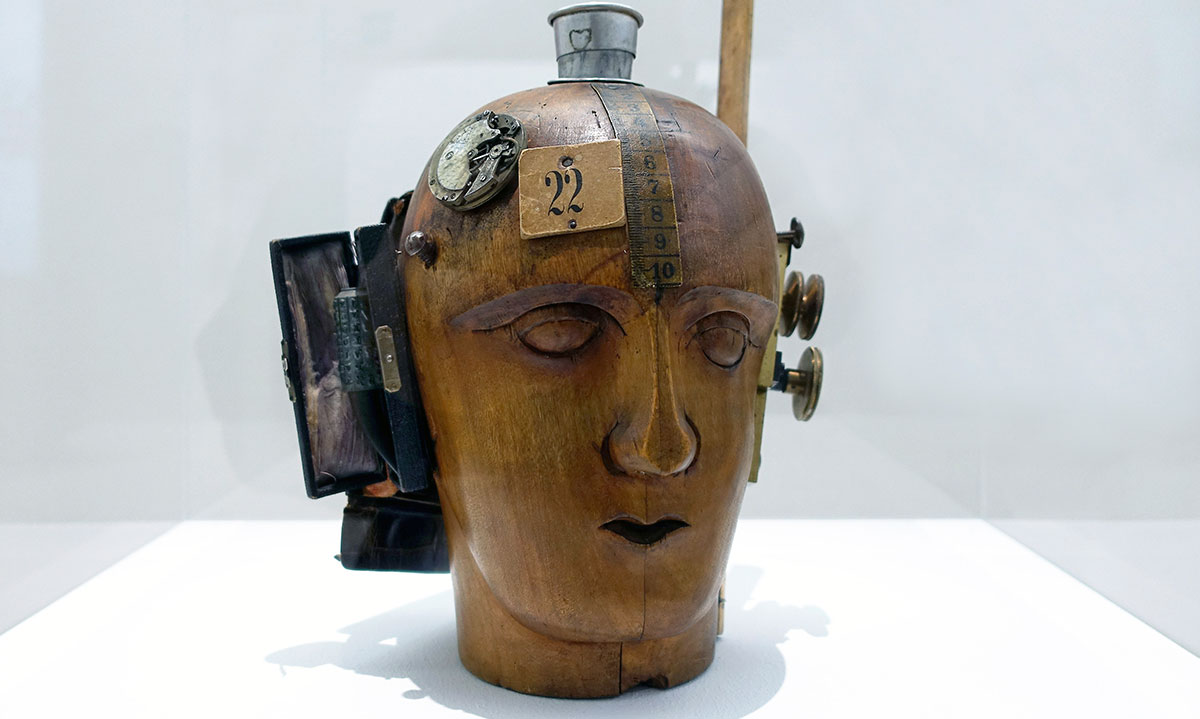
The dehumanization and emotional effects arising during wartime and the emergence of early 20th-century fascism were a powerful force for artistic expression that can be seen in how the human body is represented. The human body is often conflated with machinery, an expression that makes sense with the technological advancements and cruelty displayed on the European battlefields. In Hugo Ball’s Flight Out of Time, his stark statement on the view of war on humankind after he witnessed the invasion of Belgium stands as a turning point in his disillusionment with society:
“The war is based on a crass error. Men have been mistaken for machines. Machines, not men, should be decimated. At some future date, when only the machines march, things will be better. Then everyone will be right to rejoice when they all demolish each other.”
Ball’s direct reaction to the war leads him to Dada. Artists used the human form as inspiration and canvas, defiling, shaping, and recreating elements to illustrate the toll and disfigurement the body endures. Dadaist Hans Richter, in the introduction to his history of the movement titled Art and Anti-Art, states that one of the main purposes Dada artists sought to achieve was to “arouse…the bourgeoisie to rage.” It was a movement that sought to get a reaction. It was a coping mechanism, giving artists space to explore the tragedies and inhumane acts surrounding them on all fronts.
Giving Meaning to a Nonsensical World

As Dadaism had no unifying set of characteristics, it allowed artists to do almost anything and everything. Dadaism was nihilistic in its philosophy: whatever was created was to be destroyed. The object artwork is a good example of the creation from destruction into creation cycle. Marcel Duchamp, closely associated with the Dada movement, began to produce artwork collections known as “Readymades,” often found objects like tires, postcards, and what could be considered trash. As Dada art was made to bring meaning and dissipate, Readymades both solidified the idea that art can be anything and especially subversive or controversial, and that objects can and should return to their base forms.
Such a movement with this ideology, however, is inherently unstable, and tends to collapse inward. In the case of Dadaism, many of its artists found a new home in the newly emerging Surrealism. The theories of Sigmund Freud about dreams and the unconscious inspired artists to further explore the tenuous atmosphere around them. It allowed for new subject matter, and the art that defines the movement emerged, such as Dalí’s melting clocks, Magritte’s apple heads, and Man Ray’s photography.
Unconscious Imagery and Creativity as a Threat
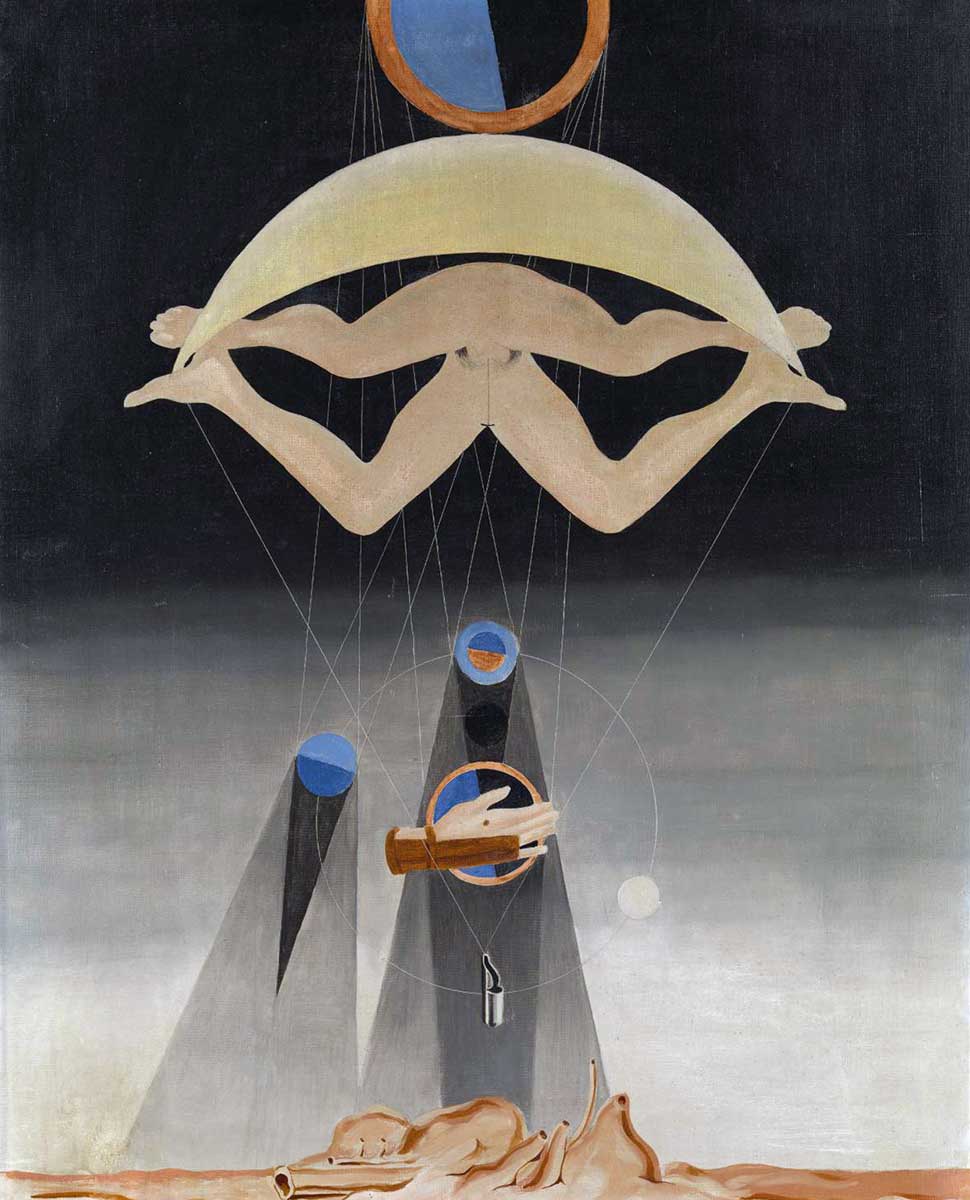
Having found its beginnings in radical thought, as Dada had, Surrealism also pushed boundaries and gave visuals to what had, up to that point, been unconscious imagery. Above all, the movement highly encouraged creative exploration. Dadaism and Surrealism, as a whole, were movements that questioned authority. Artists and anarchists who questioned and disagreed with traditional power structures were a threat, but by suppressing political and artistic disagreement, authorities unintentionally gave artists more inspiration and a reason to fight back.
Will There Be a New Dadaism?
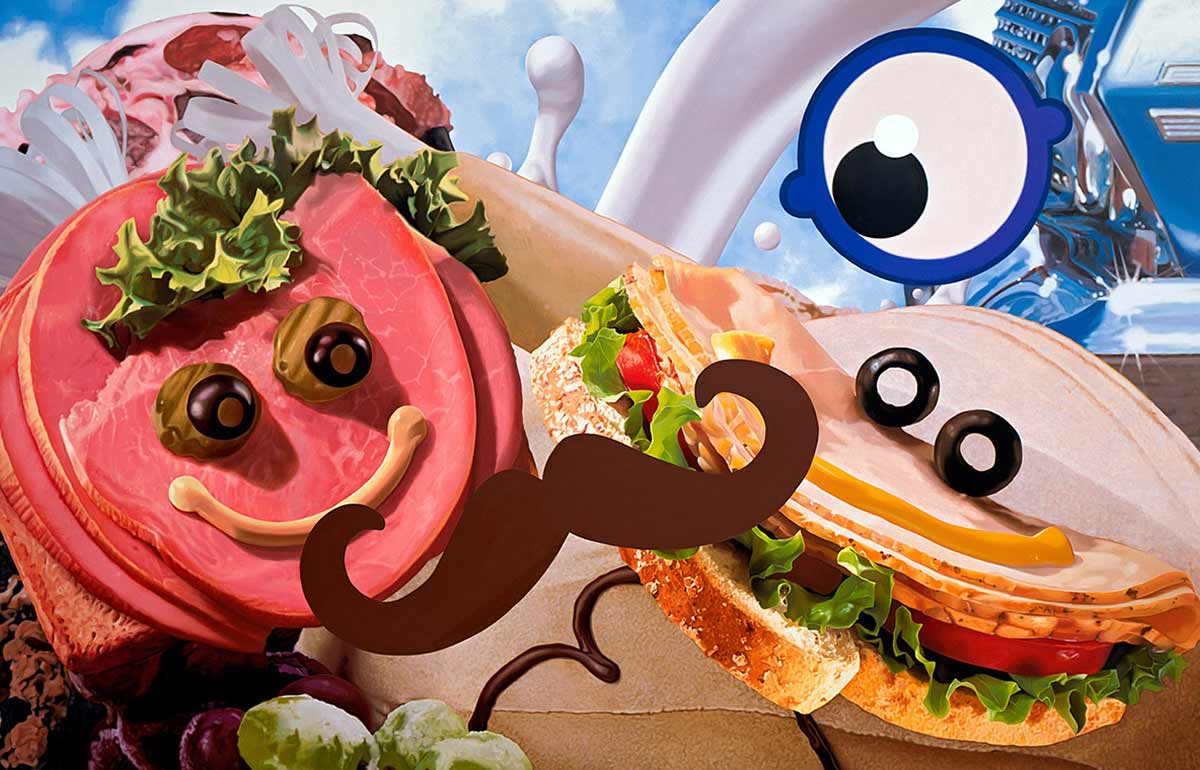
Art is an act of direct expression, a visualization of inner thoughts and ideas made for the world to see. In times of intense global stress, dehumanization, and systematic oppression, artists sought to create meaning and purpose where there initially wasn’t any and, at the same time, convey that such actions being perpetrated were innately meaningless and unnecessary. When there is a need to fight against despots who seek to quash any and all deviation from societal norms and tradition, artists, academics, and anarchists are often the first to pick up the reins. The 21st century brings about a new flavor of authoritarianism, neo-Nazism, and a desperate cling to tradition and old thought; as the world changes, so too does the ideology behind established systems. The art that will come about could be glorious and deliciously absurd.