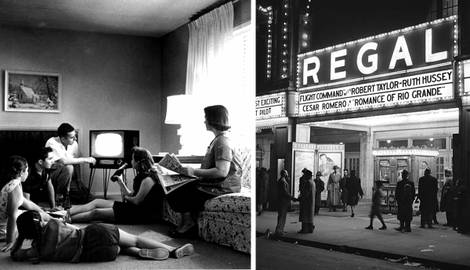

The teenage audience was crucial for reshaping post-war American culture in the 1950s as they attempted to tackle declining theater audiences. There were two causes for this decline: one, the collapse of the old studio system, which was a method of film production, distribution, and exhibition; and two, the rise of television, which provided Americans with a free form of entertainment from their living room. Theaters quickly became places for social gatherings for the emergent youth culture, prompting Hollywood to target teenage audiences with a new generation of films.
The Post-War Economic Boom Births the Modern Teenager
Prior to the 1950s, movies were a mass medium of choice for a large multigenerational audience that included children, teenagers, young couples, housewives, workers, and the elderly. Movies were a universal form of entertainment and a familial activity for the whole family.
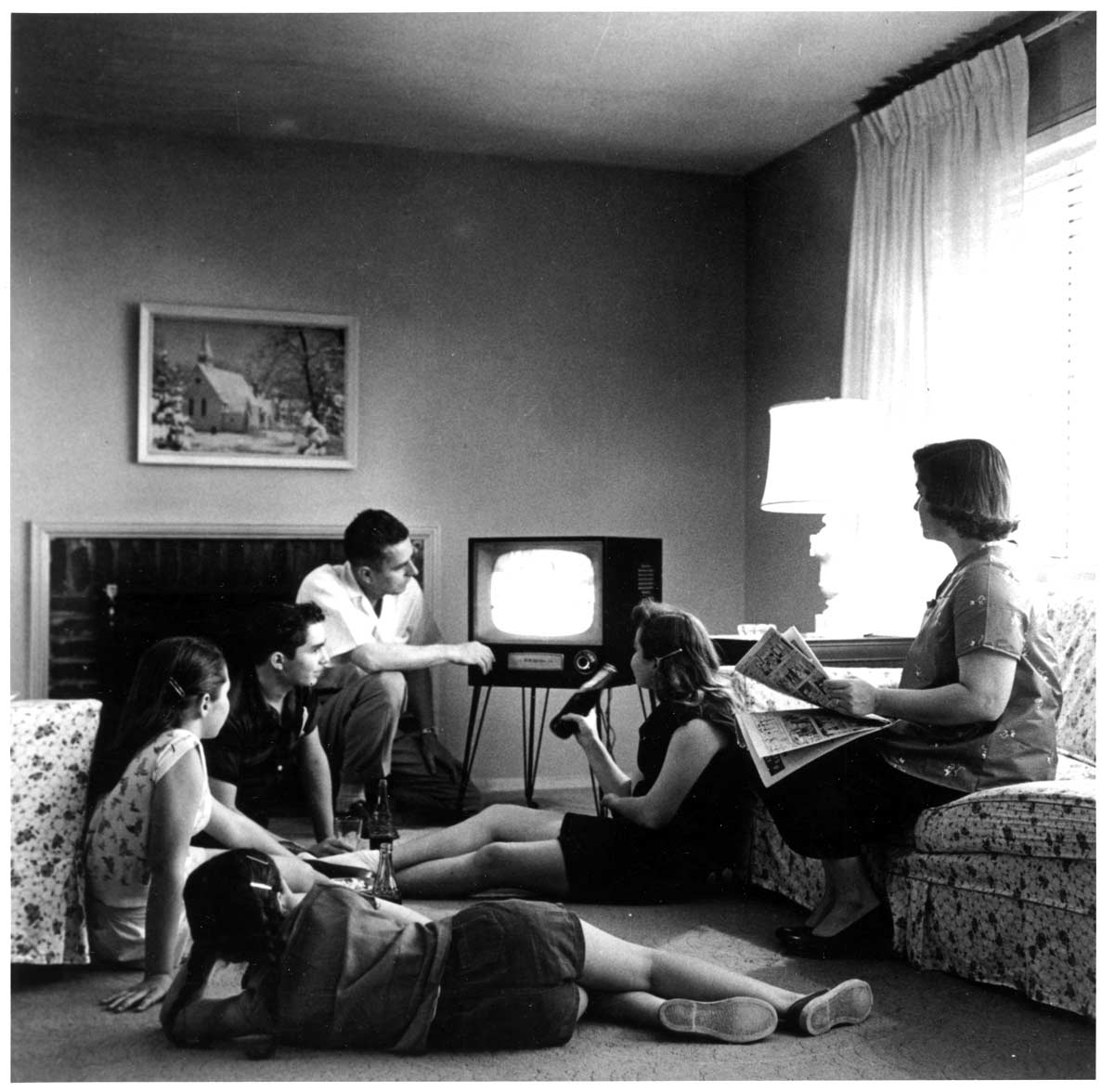
Post-war suburbanization and the rise of television caused a drop in theater audiences. Following the end of World War II, millions of Americans moved into newly built suburbs and embraced a home-focused lifestyle. Concurrently, television ownership expanded rapidly. Families started spending more time at home, and as a result, theater audiences dropped by over 50 percent between 1949 and 1959.
To tackle this, filmmakers focused their attention on the one group that still actively went to the theater in large numbers: teenagers. Teenagers became both the market films were aimed at and the appealing content, thanks to the emerging youth culture, such as fast-paced rock ‘n’ roll music, drag racing, and high school discontent. The post-WWII youth of the 1950s were unlike previous generations of Americans. There were more of them. They had more money. They were more aware of themselves as teenagers.
Filmmakers capitalized on the emerging youth culture by mixing these exploitation items to create hybrid films. This created a new subgenre of teen film: the juvenile delinquency film. Two notable examples were Richard Brooks’ 1955 Blackboard Jungle and Nicholas Ray’s 1955 Rebel Without a Cause. Both films portrayed youth as a social problem that endangered themselves, others, and social order. Other than generating substantial profits, these films proved to have strong resonance with the nation’s young. By the end of World War II, the term “teenager” was in standard use to describe both social status and chronological age.
How the Demise of the Studio System Empowered Viewers
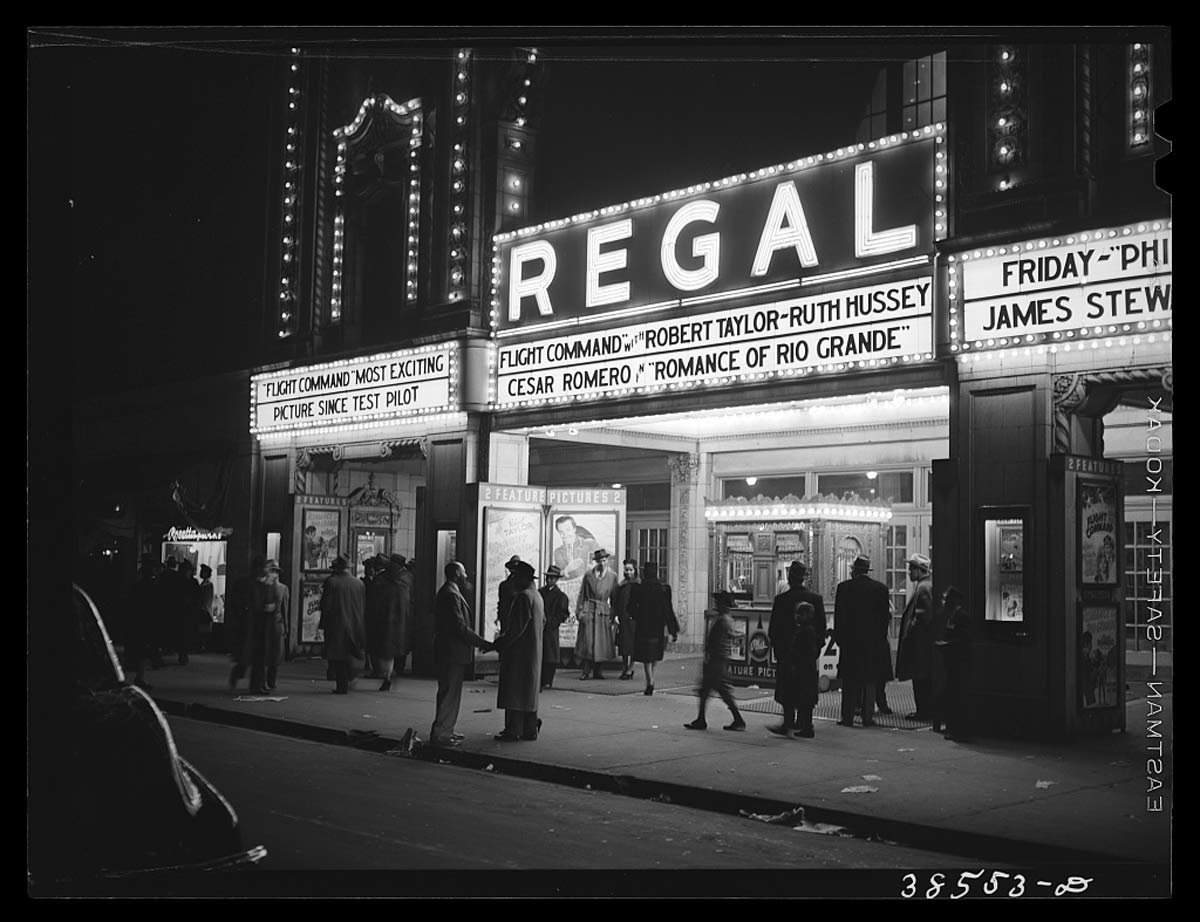
The collapse of the old studio system began with the Paramount Decree of 1948. In the antitrust case United States versus Paramount Pictures, Inc., the Supreme Court ordered the major Hollywood studios to divest themselves of their theater chains and prohibited anti-competitive practices such as block booking. Paramount Pictures was the primary defendant, as they were the largest studio. However, all of the Big Five major studios were named: Metro-Goldwyn-Mayer, Warner Bros. Pictures, 20th Century Fox, and RKO Pictures.
These major film studios owned the monopoly on the majority of theaters across the nation. Since they also controlled almost every aspect of production, distribution, and exhibition, they could guarantee screen time and have substantial control over what Americans were watching at the theater, regardless of audience demands.
When the Paramount Decree was enforced, independent theater owners had the autonomy to choose which films they wanted to play individually rather than studio packages. Instead, exhibitors based programming on local demand and audience taste. Since studios had to persuade audiences to purchase tickets, producers started paying closer attention to who was attending movies and what their tastes were.
A second ruling followed in 1952. The Miracle Decision brought the First Amendment protection to films, which weakened the legal basis for film censorship and opened the door for a wider range of moral issues to be portrayed on the screen. Filmmakers could explore more controversial themes, such as juvenile delinquency and rebellion. This attracted teenage audiences as they were able to view more adult content than what was available on television.
Drive-In Theaters Provided the Ultimate Escape From Parental Oversight
Juvenile delinquency was a common topic of exploitation films. The cause of juvenile delinquency was initially linked to a poor socio-economic background. If poverty were the cause, the affluent culture of post-war 1950s America should have been free from delinquency. It was not. Vandalism and standoffish behavior were a consistent problem in the movie theaters teenagers frequented, especially for ushers and attendants.
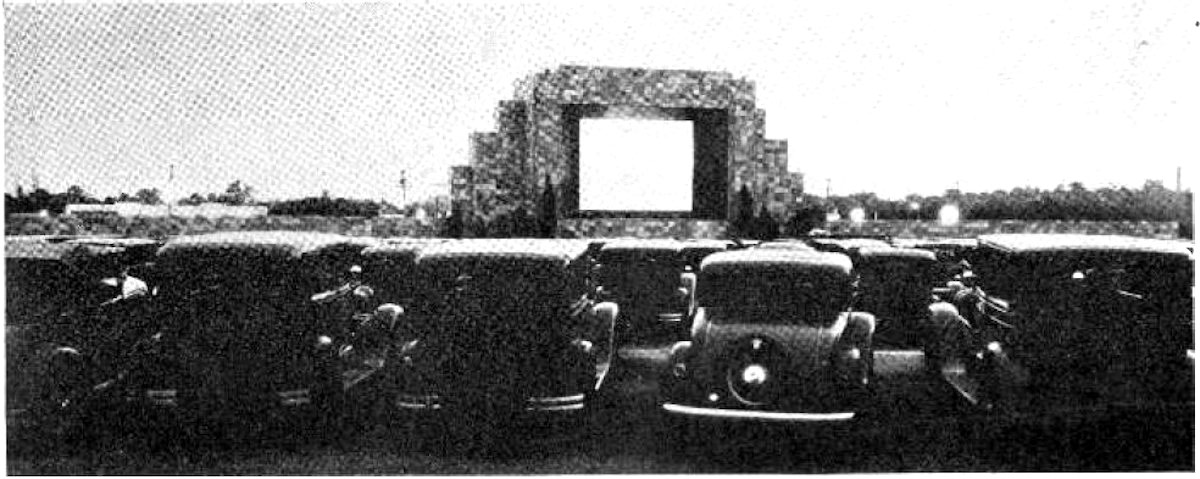
The 1950s delinquent films focused on rebellion and resentment. They subsequently shaped an independent youth subculture while facing oppression from overbearing and authoritative parents. By the early 1950s, thousands of drive-in movie theaters appeared across the United States. Unlike traditional indoor theaters, the drive-in was a different social environment. Any public disciplines that existed inside movie theaters, such as the conventions of ushers, seating arrangements, and proximity to adult audiences, were gone. The drive-in placed viewers inside their own vehicles. For teenagers and young couples specifically, this created a space for privacy and independence, away from parental supervision.
The drive-in theater quickly became associated with youth culture. Exhibitors increasingly sought films that appealed to teenage tastes and trends, rather than family-friendly films. This created a lucrative market for exploitation films, specifically low-budget horror, science fiction, and beach party films.
The 1957 double feature of Gene Fowler Jr.’s I Was a Teenage Werewolf and Edward L. Cahn’s Invasion of the Saucer Men is one of the earliest and most successful attempts to merge the juvenile delinquency genre with science fiction and horror. I Was a Teenage Werewolf was the first time a rock ‘n’ roll song featured in a horror movie, further reflecting the growing influence of youth culture on the evolution of Hollywood cinema.
Rejecting Hollywood Glamor for Post-War Realism and Foreign Cinema
The end of World War II caused a transition in American culture that reshaped audience expectations of cinema. Returning veterans retained the experiences of trauma, disillusionment, and moral ambiguity that did not pair well with the usual optimism of classical Hollywood filmmaking. The escapism of screwball comedies, musicals, and melodramas no longer resonated in the same way it once had with a generation returning from World War II who were facing anxieties revolving around the Cold War.
While the geopolitical landscape shifted toward the threat of nuclear war, so too did attitudes toward Hollywood’s established formulas. Consequently, Hollywood began adapting to these changes. Film Noir began to emerge during the war as the clearest expression of this shift.
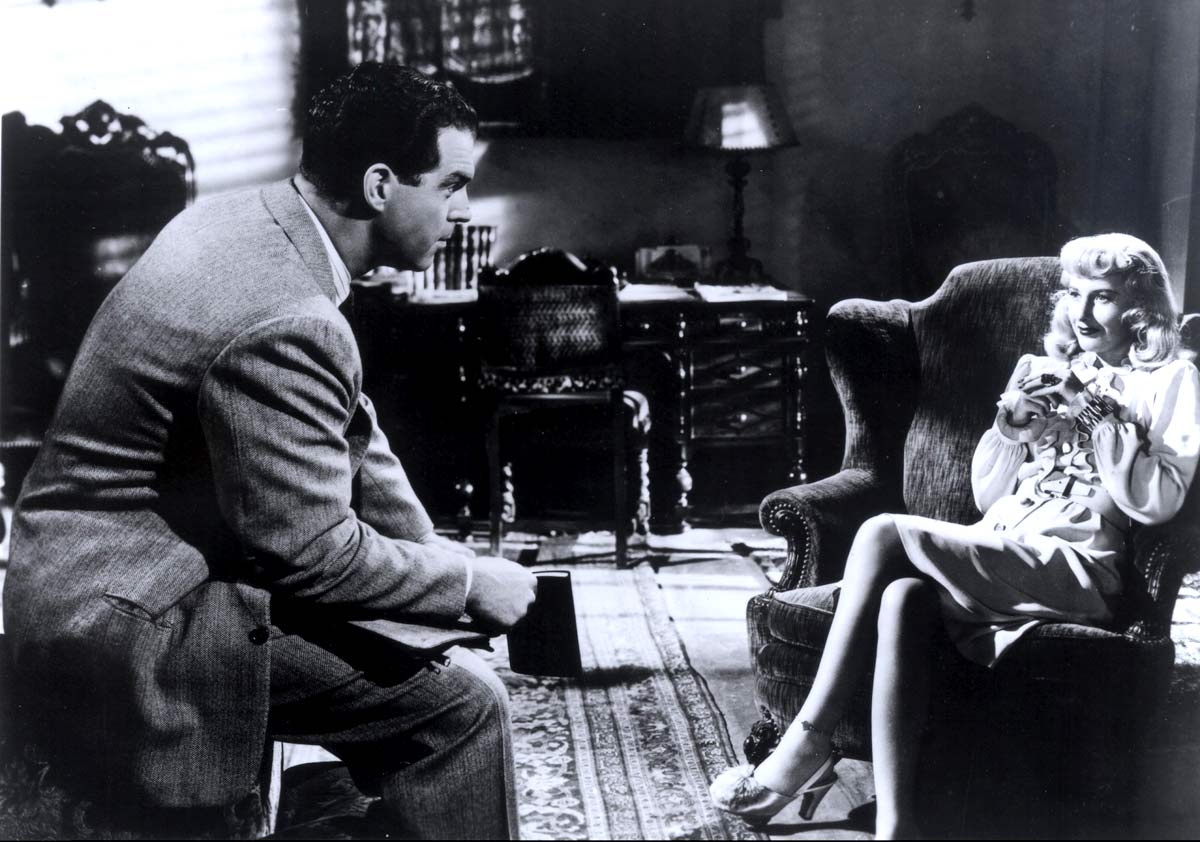
Film Noir is rooted in cynicism, moral ambiguity, and stark lighting design. Themes of fatalism, alienation, and existential dread were mirrored in the genre’s archetypal characters, including the antihero, femme fatale, and corrupt authority. These themes reflected a generation altered by global warfare.
The visual style of Film Noir is heavily influenced by German Expressionism. Films such as Fritz Lang’s 1945 Scarlet Street and Billy Wilder’s 1944 Double Indemnity were central in shaping Film Noir’s aesthetic. Together, these films replaced moral clarity with ambiguity and psychological tension.
American audiences gained access to Italian Neorealism and early French New Wave cinema through independent art houses. Directors such as Roberto Rossellini and Vittorio De Sica presented authentic depictions of everyday struggles that contrasted sharply with Hollywood’s moral restrictions under the American Hays Motion Picture Production Code. These foreign films intensified pressure on Hollywood to move toward greater realism and thematic freedom.
The Baby Boom Generation Ignited the New Hollywood Revolution
The post-war evolution of Hollywood cinema did not end with the rise of teenagers and teenage audiences in the 1950s. Rather, it laid the essential groundwork for a greater structural shift in the following decades. Baby Boomers born immediately after World War II grew up in a media environment already shaped by films targeted toward youth, suburban leisure culture, and the increasing commercial importance of teenage consumers.
So, by the time Baby Boomers reached adolescence in the 1960s, they were already a part of a culture that recognized teenagers as a distinct identity with their own tastes and influence.
As Baby Boomers matured against the backdrop of the Vietnam War, they rejected the polished moral certainty of the studio era. Instead, they responded to films depicted by rebellion, ambiguity, and anti-establishment sentiment.
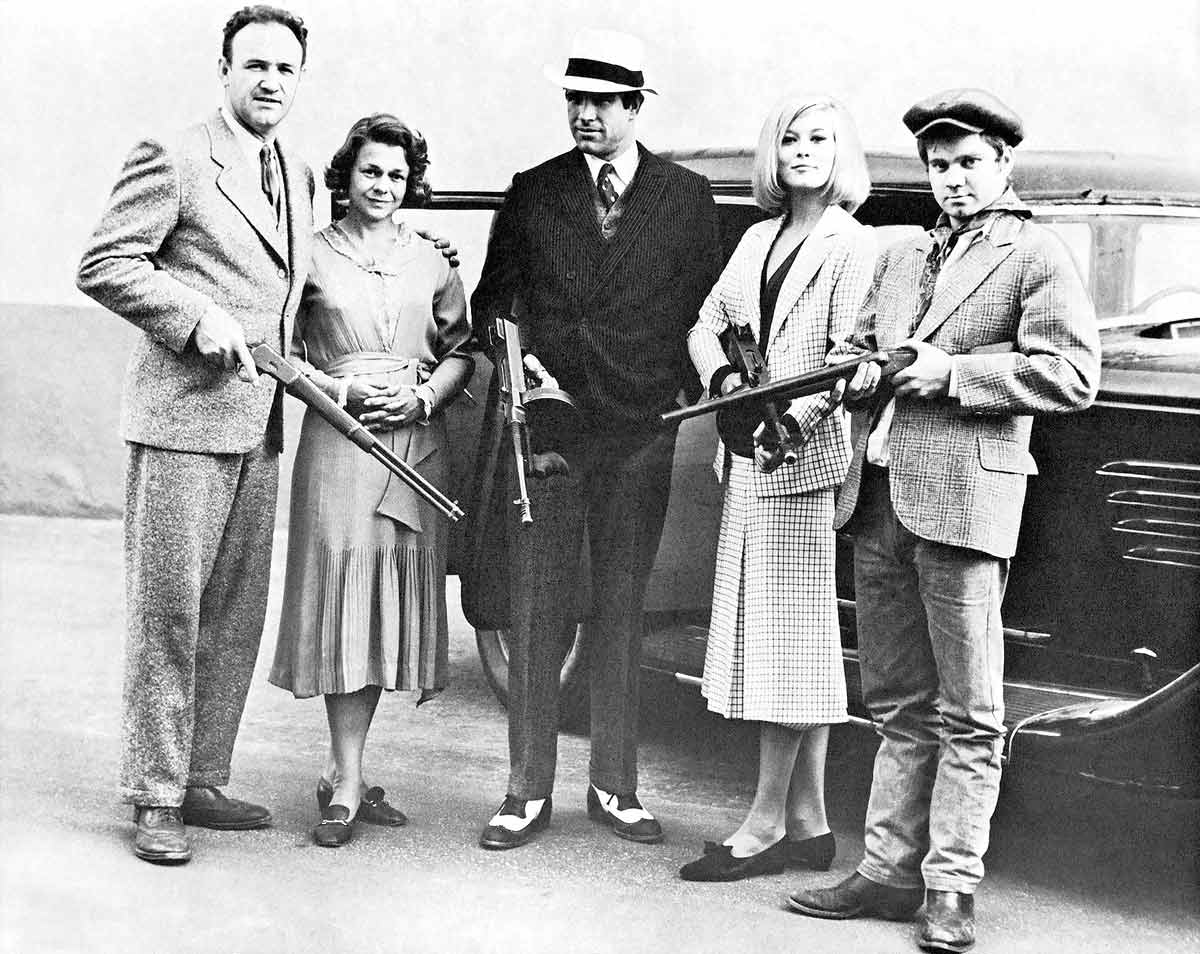
This was solidified in landmark films, such as Arthur Penn’s 1967 Bonnie and Clyde and Dennis Hopper’s 1969 Easy Rider. Bonnie and Clyde became one of the highest-grossing films of 1967. It is regarded as one of the first films of the New Hollywood era, breaking many cinematic taboos that resonated with the counterculture. In turn, this prompted filmmakers to be more open in depicting sex and violence in their films. Easy Rider became a landmark counterculture film due to how it tackled tensions toward adolescents in the 1960s, specifically the rise of the hippie movement, drug use, and communal lifestyle.
Thus, New Hollywood emerged. Studios abandoned universal family appeal in favor of targeted filmmaking by recognizing that audiences were no longer homogeneous but segmented by age, ideology, and lifestyle. The foundation of the modern blockbuster, particularly demographic targeting and production influenced by audiences, can be traced back to the post-World War II restructuring of Hollywood cinema in 1945, when filmmakers first recognized the cultural influences of teenagers.