
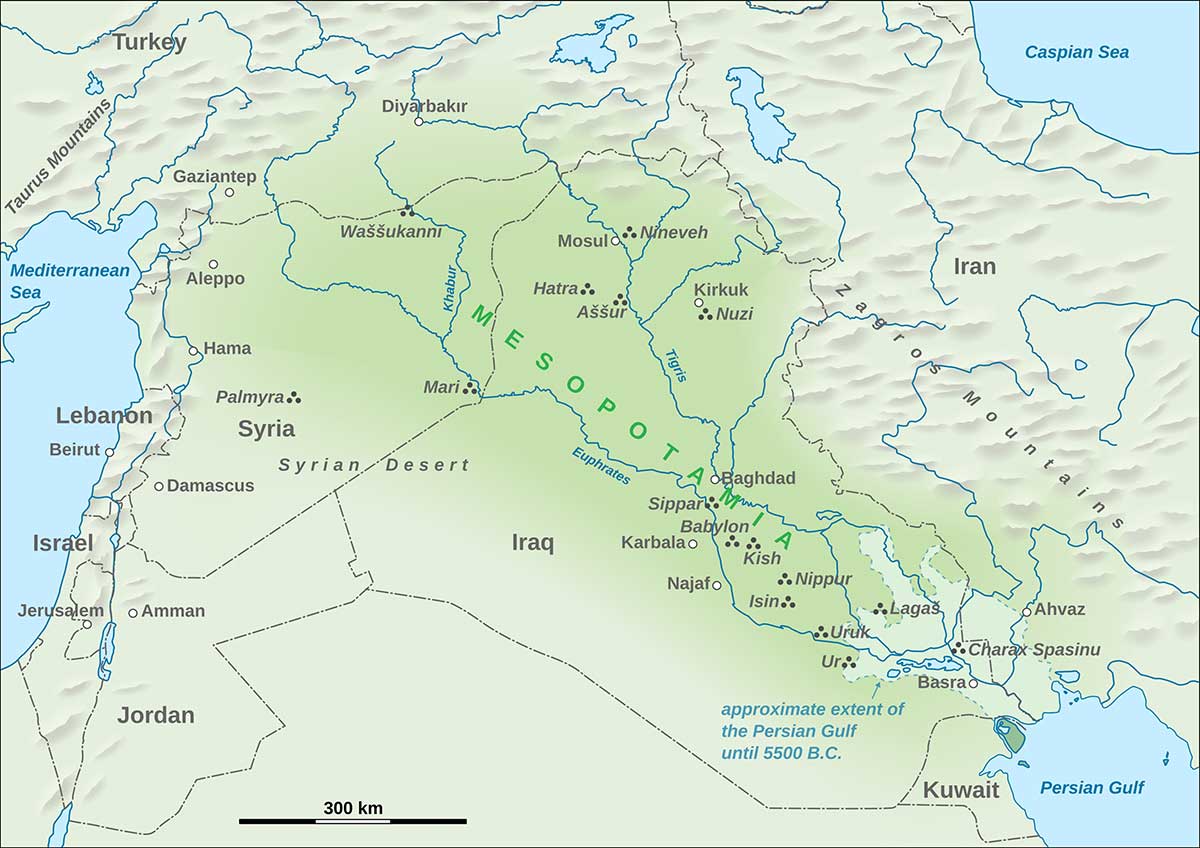
Over 6,000 years ago, along the banks of the mighty Tigris and Euphrates Rivers, civilization took its first teetering steps towards glory. Mesopotamia, within the Fertile Crescent that stretched from these rivers to Egypt, has been called the Cradle of Civilization for good reason. It was here that the Sumerian culture flourished, followed by the Akkadians, the Babylonians, and the Assyrians, all intriguing societies in their own right. And all were nourished by the geography of the land and the rich soil it provided.
This geography and the vicissitudes of the rivers shaped daily life, demanding co-operation on a massive scale, and fostering the birth of civilization. From kings and gods to the merchants, farmers, and laborers, all had their role to play.
A Sumerian Foundation for Daily Life
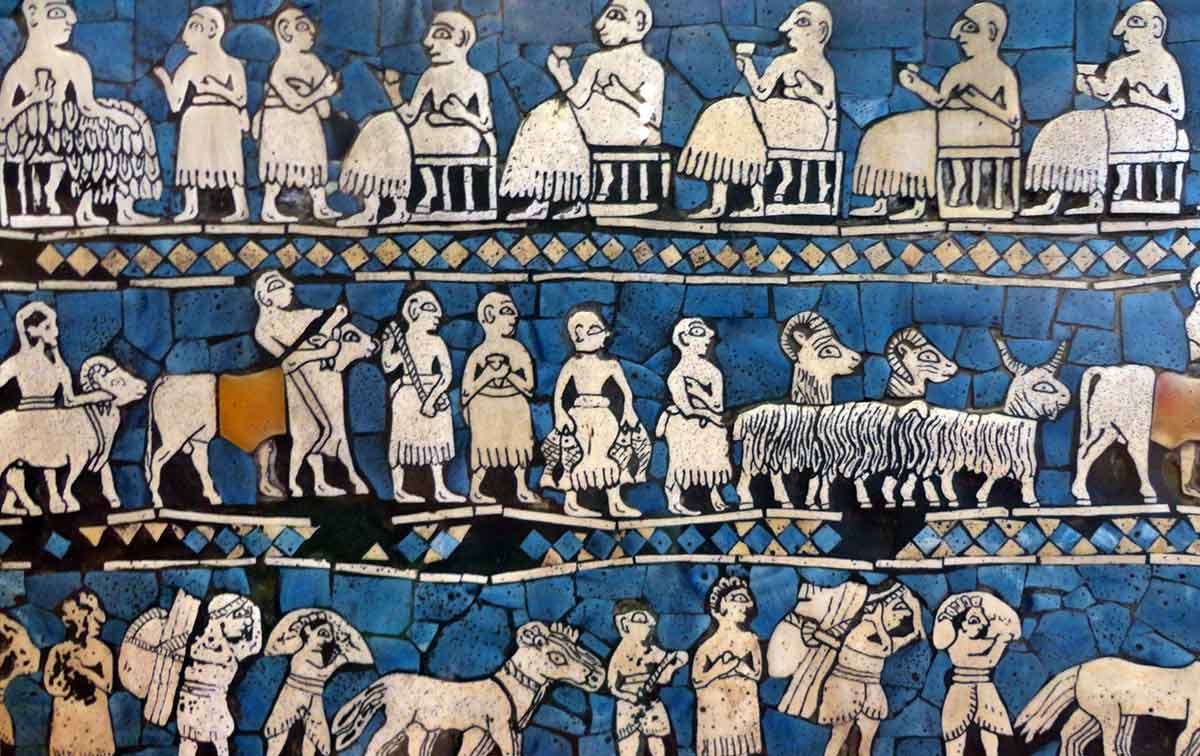
The origin of the Sumerians is a debated topic, but by the Late Chalcolithic Era, they had established several city-states in Lower Mesopotamia, which continued to grow and evolve into the Bronze Age. No longer small settlements, these cities had centralized governments, organized religion, access to developed trade networks, and social hierarchies that reflected the move from Neolithic settlements to fully fledged civilizations.
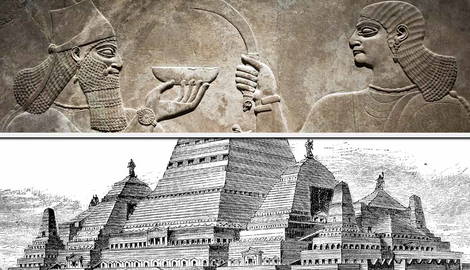
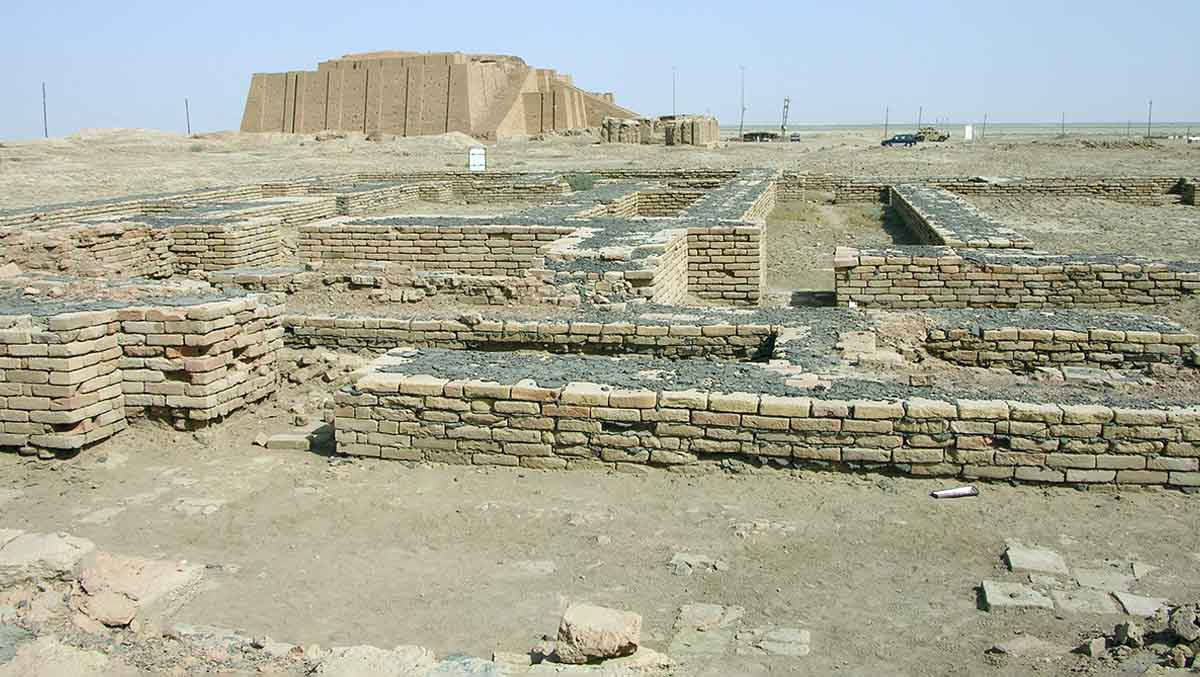
These Sumerian cities followed similar themes in their culture and construction. At the center of each city was a ziggurat, a huge pyramidal temple dedicated to the city’s patron god or goddess. Surrounding each ziggurat was a large complex that housed the city’s priests and religious elite. Temples also served as banks and conducted trade, providing valuable services to the city’s residents, in addition to their religious endeavors.
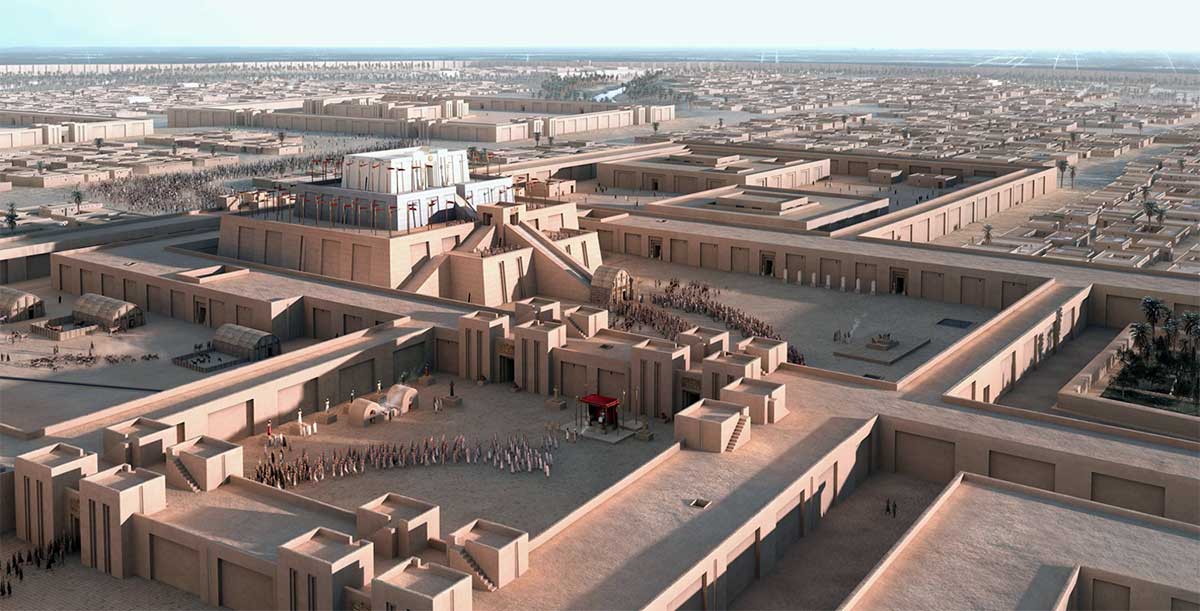
The urban sprawl around the city center was organic, with narrow, winding streets and mud-brick houses that frequently shared walls, often several feet thick to protect against the heat. Houses were designed with several rooms surrounding a central courtyard, while the roof was flat and saw frequent use as a living space. The tops of the buildings could be used for anything from sleeping to storage, to a space to perform religious functions, or any other number of activities. Outside the city walls, houses were constructed of reeds and mud brick, and usually housed the city’s farmers who needed to be close to the river and their irrigated farmlands.
Social Class
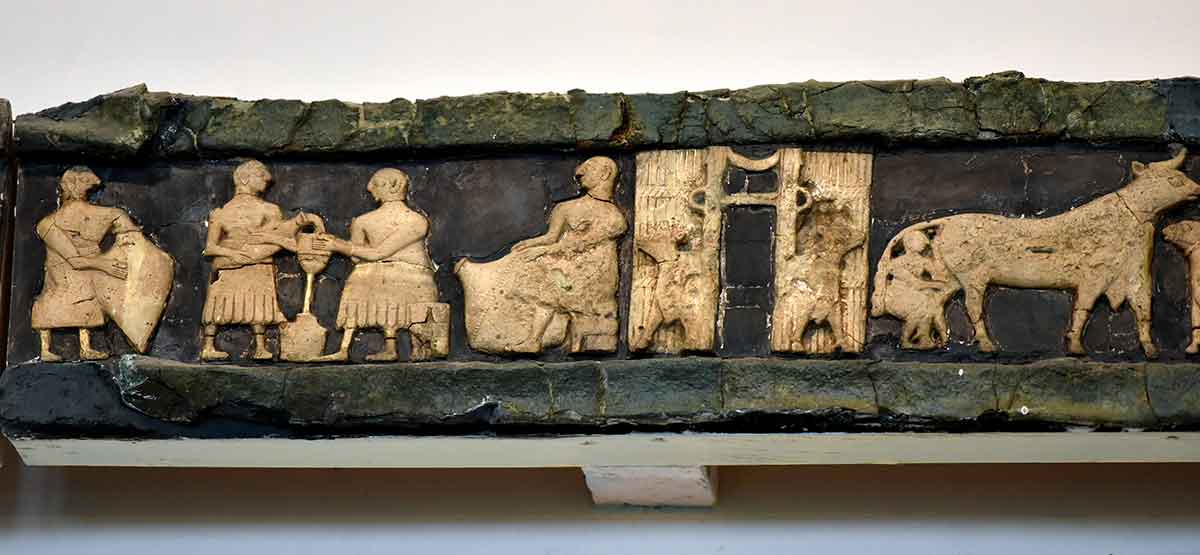
Like merchants and craftsmen, farmers were free citizens, along with priests, kings, nobles, and landowners, while slaves were considered property, but could marry a free person. In the Old Babylonian era, the Code of Hammurabi (1755-1750 BC) made provision for three strata of social class and indicated a cultural continuity of Sumerian norms.
An Awīlum (in Akkadian) was a member of the noble elite. This class was subdivided into varying degrees of nobility and was subject to different applications of the law, as was the case with the muškēnum (commoner) class. At the bottom of the social hierarchy were slaves. Classified as wardum/amtum (male/female slave).
Of prime significance in the treatment of social class, the Code of Hammurabi indicates that not all were equal before the law, and different classes received different fines and punishments. One thing that is familiar, however, is the application of the presumption of innocence. People were considered innocent until proven guilty by legal process.
Fields and Markets
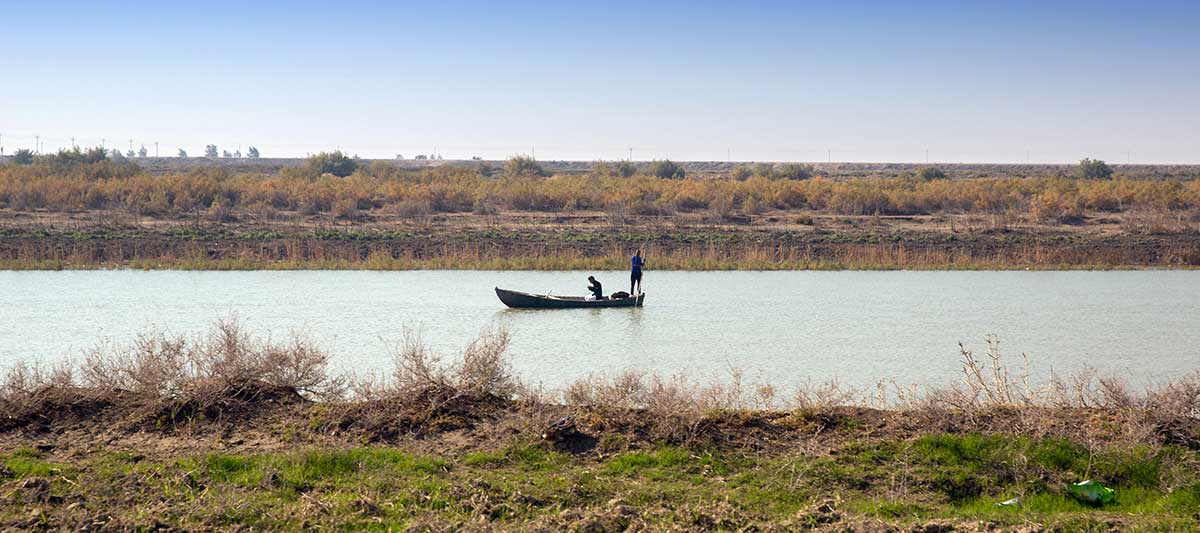
Farming was the most crucial ingredient of Mesopotamian civilization, and it is highly likely that most people were farmers. Canals for irrigation were built, especially in the south, where there is lower rainfall. These irrigation canals required constant maintenance, and were hallmarks of Sumer and Akkad (and later, Babylonia), while the Assyrians, who emerged to the north, had more reliable rainfall, mitigating the need for such extensive irrigation systems. Barley was the main crop, supported by emmer wheat and spelt. Date palms were also cultivated, along with a number of vegetables and fruits. Around 3000 BC, the plough was invented, greatly improving the agricultural output.
Sheep, goats, and cattle were kept, while chickens were introduced from the east in the second millennium BC, evolving from an exotic import to a widely farmed animal around 1000 BC. Donkeys appeared in the fourth millennium BC, while domesticated horses came later during the second millennium BC. The earliest evidence of beekeeping dates back to around the 8th century BC, and replaced the gathering of honey and wax from wild sources. Dogs were also common, and hunting dogs were especially valued.
Serving many functions, the temple and its associated complex played a central role in the lives of the people living in Mesopotamia. It was not just a religious center, but an academic, industrial, and commercial sector all in one. Here, goods were manufactured, stored, and distributed, while most trade happened in and around markets near quays, city gates, important streets, and even from people’s homes. To maintain order, markets were regulated and controlled by supervisors.
Another important part of the economic dynamic was the skilled labor provided by artisans and those rendering services. Potters, metalsmiths, jewelers, stonemasons and sculptors, weavers, and woodworkers all added their products to the market, while a host of service jobs existed. Scribes, priests, accountants, engineers, merchants, doctors, teachers, musicians, builders, tavern keepers, brewers, and soldiers were all common professions in ancient Mesopotamia.
Home Life
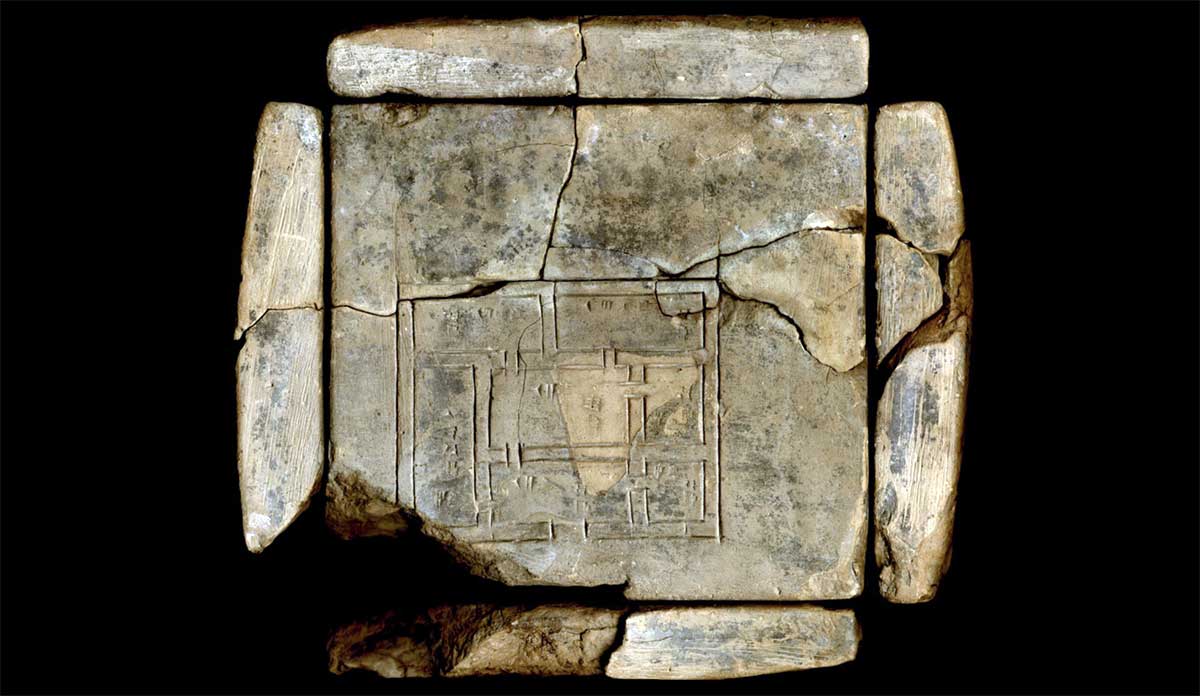
Houses, like other buildings in ancient Mesopotamia, were built using clay, reeds, and mud bricks. In a region that didn’t have much in the way of wood or suitable stone, this was the most pragmatic choice for construction. Mudbrick buildings kept interiors cool in summer and warm in winter. They were durable, easy to maintain, and relatively simple to produce.
Culture and family life in ancient Mesopotamia were undeniably patriarchal. The father, or eldest male, was the head of the household, and his power in this regard was absolute. Marriage was an arranged and contractual affair that involved bride-payments, dowries, and the signing of legal documents. As was to be expected, the marriage was patriarchal too, and women were expected to fulfill household duties. Leaving the house to engage in business without the blessing of the husband was grounds for divorce. If she could bear no children, the husband could file for divorce, but had to repay the dowry. Adulterous women were subject to divorce and death by drowning. Women, however, did have legal recourse and could challenge divorces if they were unjust.
In addition to household duties, women in ancient Mesopotamia often filled roles as weavers, nurses, midwives, and brewers, and some owned successful businesses or managed estates. For widows, the best recourse was sometimes to remarry, although some had enough property to live autonomously. A select few women had a relatively privileged role as high priestesses.
Food and Drink

Barley bread was the most important food in ancient Mesopotamia, but it was supplemented by many other foods and drinks. Bread, of course, was important, and there were hundreds of recipes with many different ingredients. Lentils, chickpeas, shallots, eggplants, turnips, and many other vegetables were made into stews, often including meat and milk as extra ingredients. Milk could also be turned into cheese, and there is evidence of many different cheeses from ancient Mesopotamian cultures.
The prevalence of barley also meant that ale was available, and the ancient Mesopotamians brewed it every day and consumed it in significant quantities. There were many different types of ale, such as black ale, spelt ale, clarified ale, red ale, and light ale.
Fruit and nuts were also on offer, and the Mesopotamian diet included pomegranates, figs, apples, pears, pistachios, and most importantly, dates, which grew in abundance.
Fashion
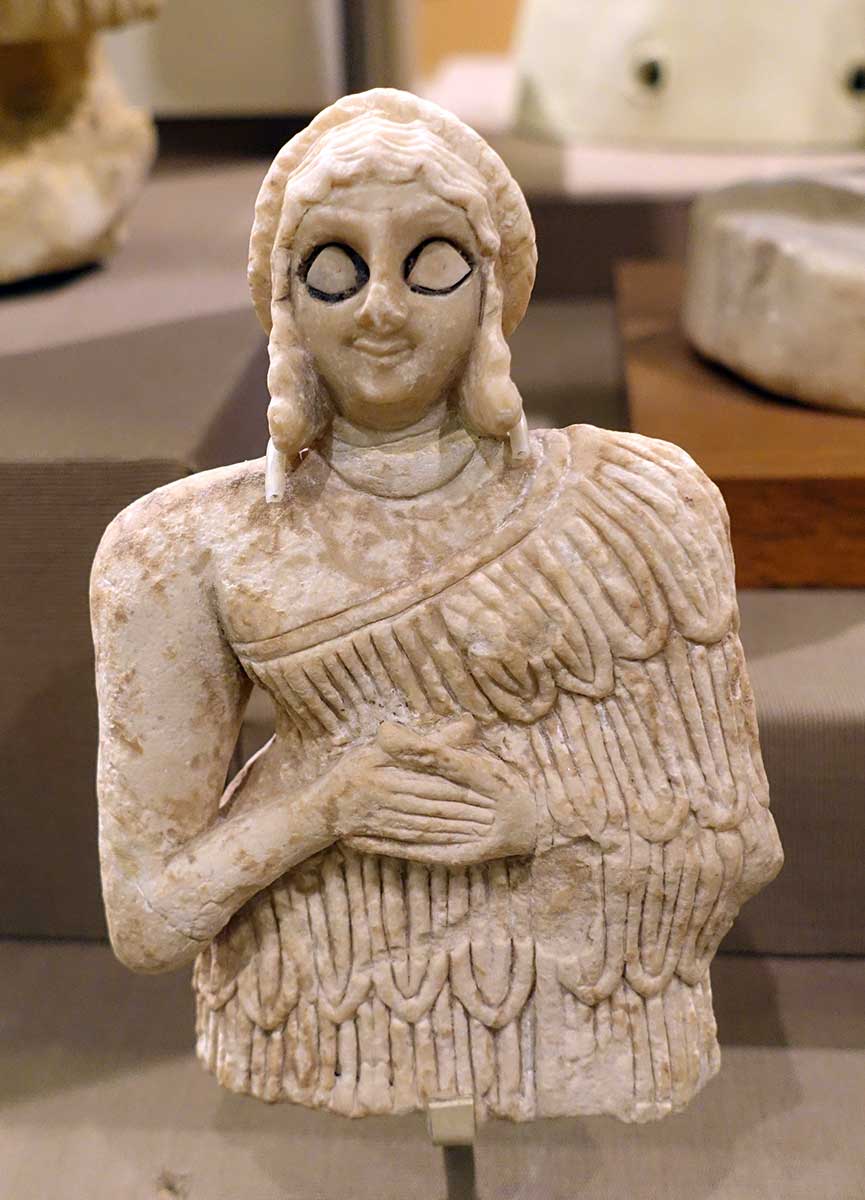
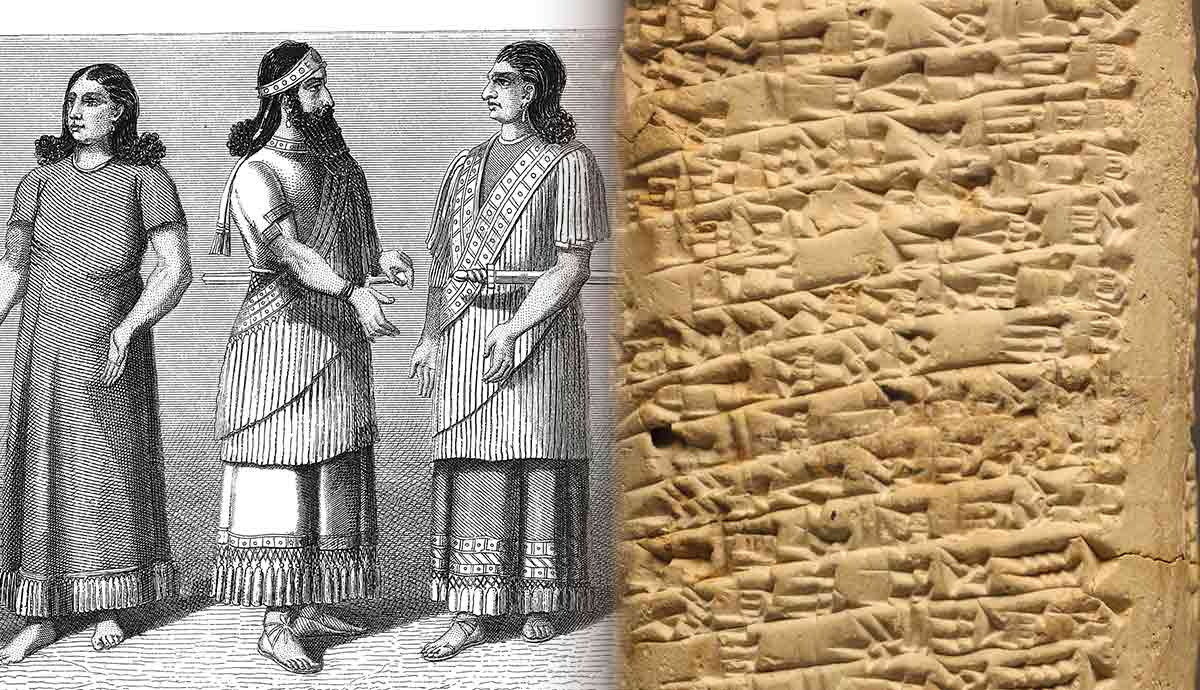
Clothing was an indicator of wealth, social status, and occupation. The complexity of ancient Mesopotamian culture was reflected in how members of society dressed. There were trends that evolved and exemplified many different contexts, from social occasions to pragmatic work clothes to everyday comfort.
In the early Sumerian era, loincloths of leather or woven reeds were used before the evolution of skirts made of sheepskin, which were worn by both men and women. The skin was turned inside, and the wool on the outside was combed into decorative tufts. These kaunakes (as later Greeks called them) evolved in the mid-third millennium to be made of woven wool, but the tufts were added as decoration. Depictions in the Sumerian period often show men with bare torsos, and women with a wrap that went over the shoulder. The length of the kaunakes denoted status in society, with longer versions being associated with the upper classes. Broad belts were also used to hold the shawls in place.
Over time, especially in the Akkadian period onwards, men and women wore tunics as undergarments, with a rectangular shawl draped over the body. Men usually had their right arm bare and unencumbered for practical reasons, while women’s styles were more modest. Tassels and fringes were common, and in the Babylonian and Assyrian periods, the designs became more elaborate.
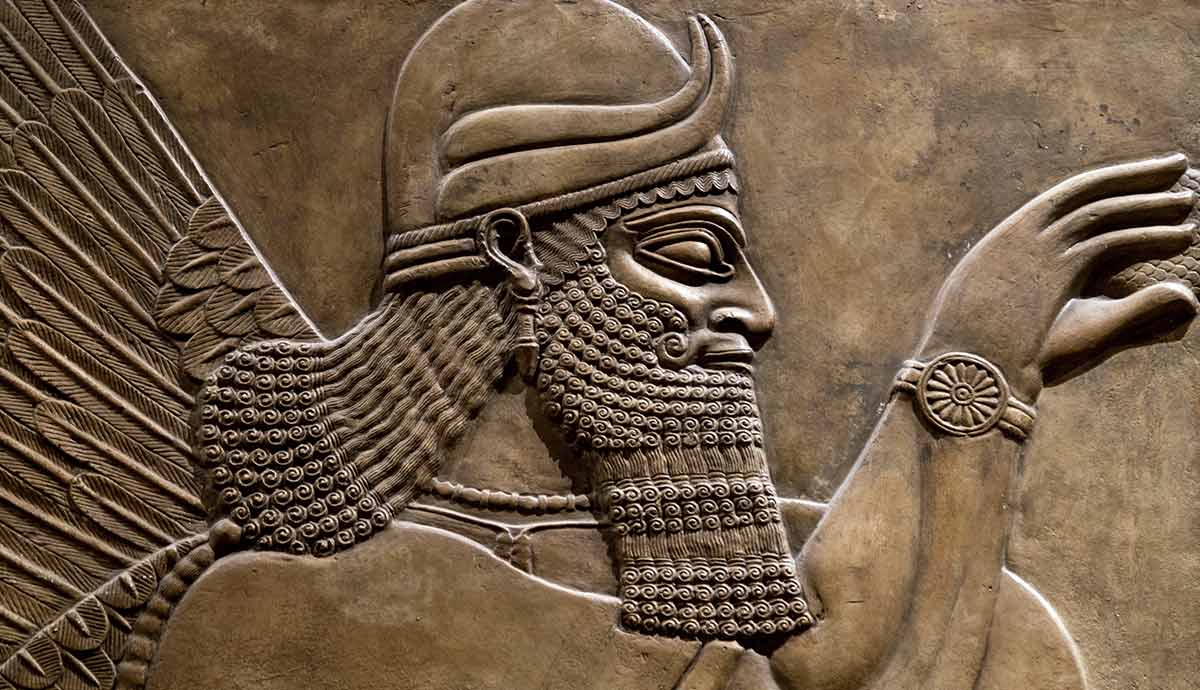
For underwear, men wore loincloths, and women wore a short skirt. Wigs were common, and both genders wore jewelry. Simple sandals made from leather or fabric were worn. Art from the time clearly shows there was a preference for men to have styled beards.
Education, Arts and Entertainment
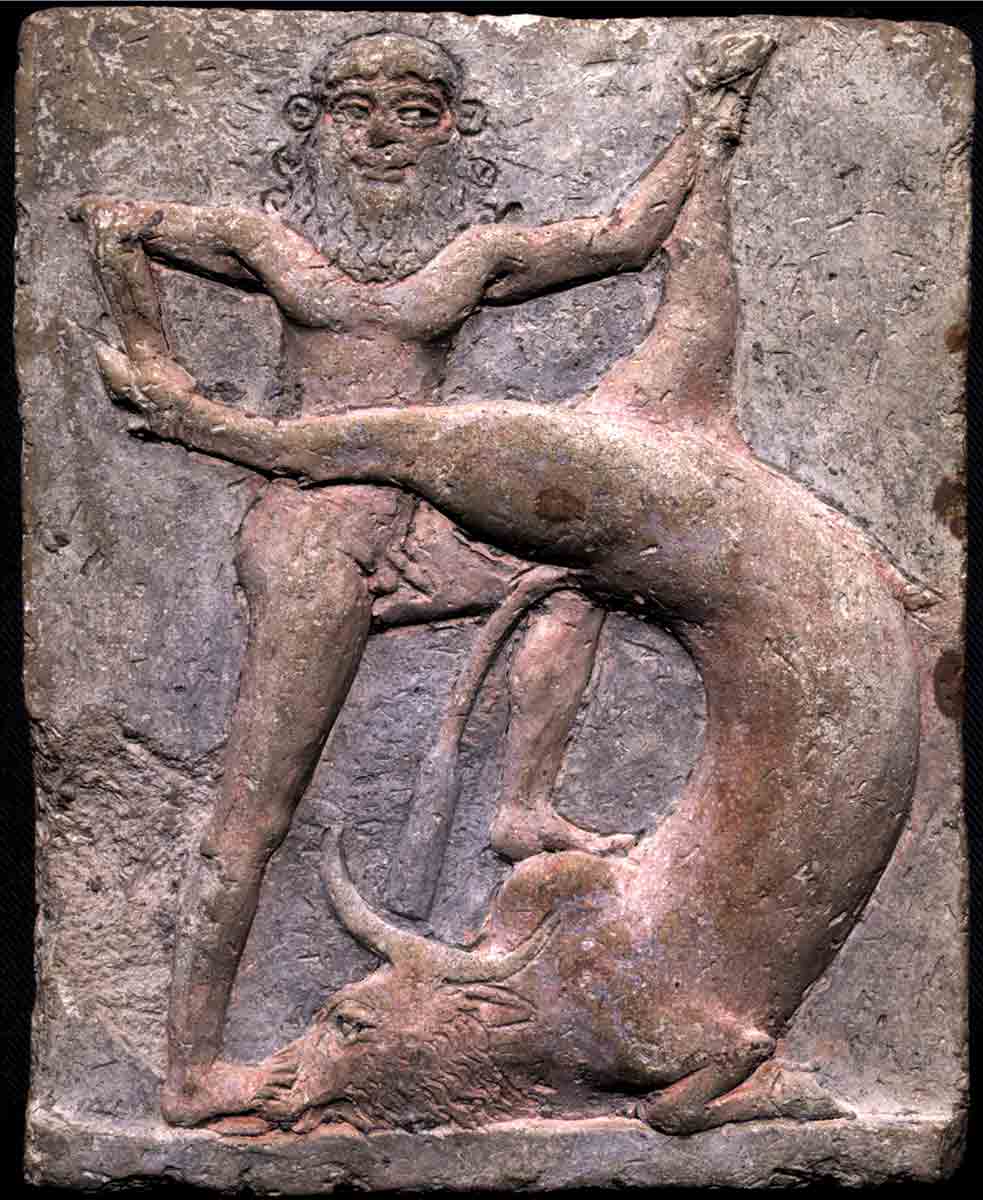
Touching on the realm of the divine, the will of the gods played a significant part in daily life and occupied a place in the minds of ancient Mesopotamians. Each city had a patron god who needed to be appeased and worshiped at the central ziggurat and temple complex. There were also many household gods, and each home had its own shrine dedicated to a deity.
Education was an exclusive privilege that only the wealthy elite could afford. The edubba (school) was almost exclusively male, but women were allowed to attend and formed a small minority. Of note was the fact that slaves were often sent to the edubba to gain skills such as writing, which might be needed in the service to their master. The core of the curriculum was mastering the complex cuneiform system.
Dancing and music were common sights and sounds in ancient Mesopotamia, with people participating in festivals that provided entertainment across the social strata. Meanwhile, boxing and wrestling were popular sports. A form of polo was also played with men sitting on the shoulders of other men instead of horses!
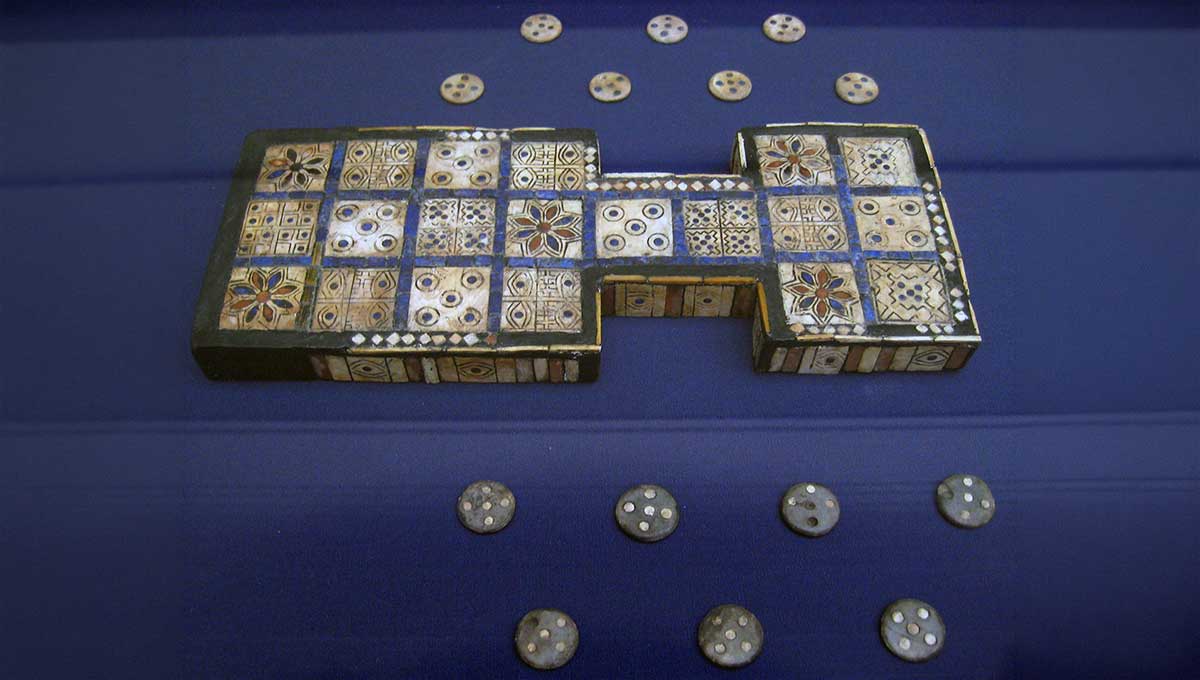
For quieter relaxation, board games were also played. Among them was the Royal Game of Ur, an immensely popular strategy/race game which included the use of dice and moving pieces on a board containing 20 squares. A similar game called The Game of Twenty was played from around 1500 BC to 300 BC. Along with the many games, gambling was a prominent feature.
The society of Mesopotamia was not single and monolithic. It comprised a variety of cultures over many millennia. Styles and trends evolved and shifted, but were connected by common threads that united these people. Some of those threads were the land and its geography, shaped by the Tigris and Euphrates, which played such a vital part in the lives of the people who made their homes in the Cradle of Civilization thousands of years ago.