
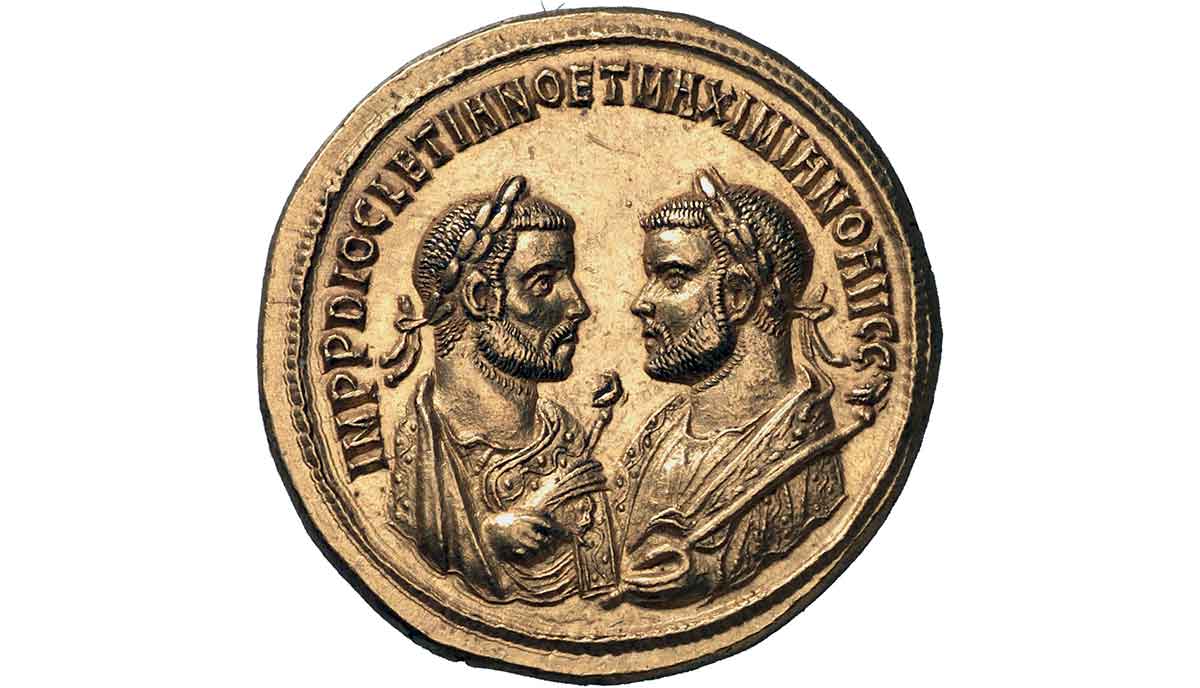
Diocletian completely changed the Roman Eastern frontier, making it a bulwark against the eastern rivals of the Romans: the Sasanians and their Arab allies. By doing so, he had a tremendous impact on Roman imperial history, particularly in the relations between the Romans and their eastern neighbors.
Diocletian and the Return to a Position of Power on the Eastern Frontier
Following the succession of multiple “soldier-emperors,” the Crisis of the Third Century brought the Roman Empire to the brink of collapse through a series of military, economic, and political trials. It also left the Roman Empire in a position of weakness on almost all of its frontiers. To counter this, the emperor Diocletian established the Tetrarchy and reformed the military and political administration as well as the economy.
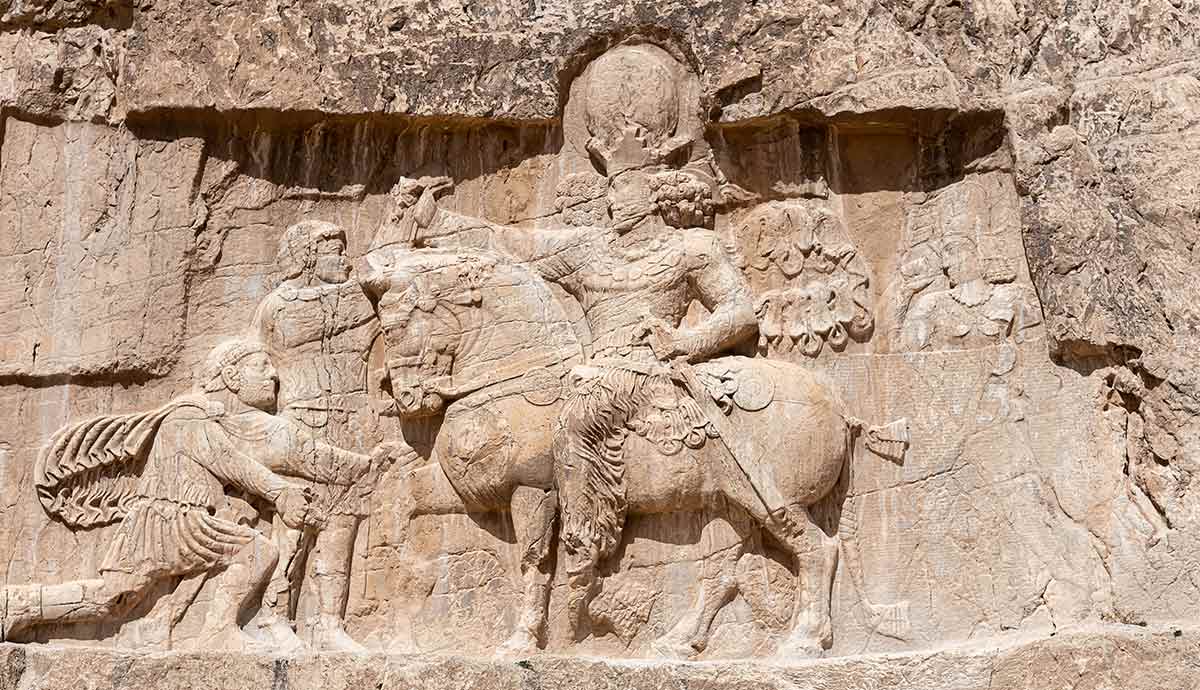
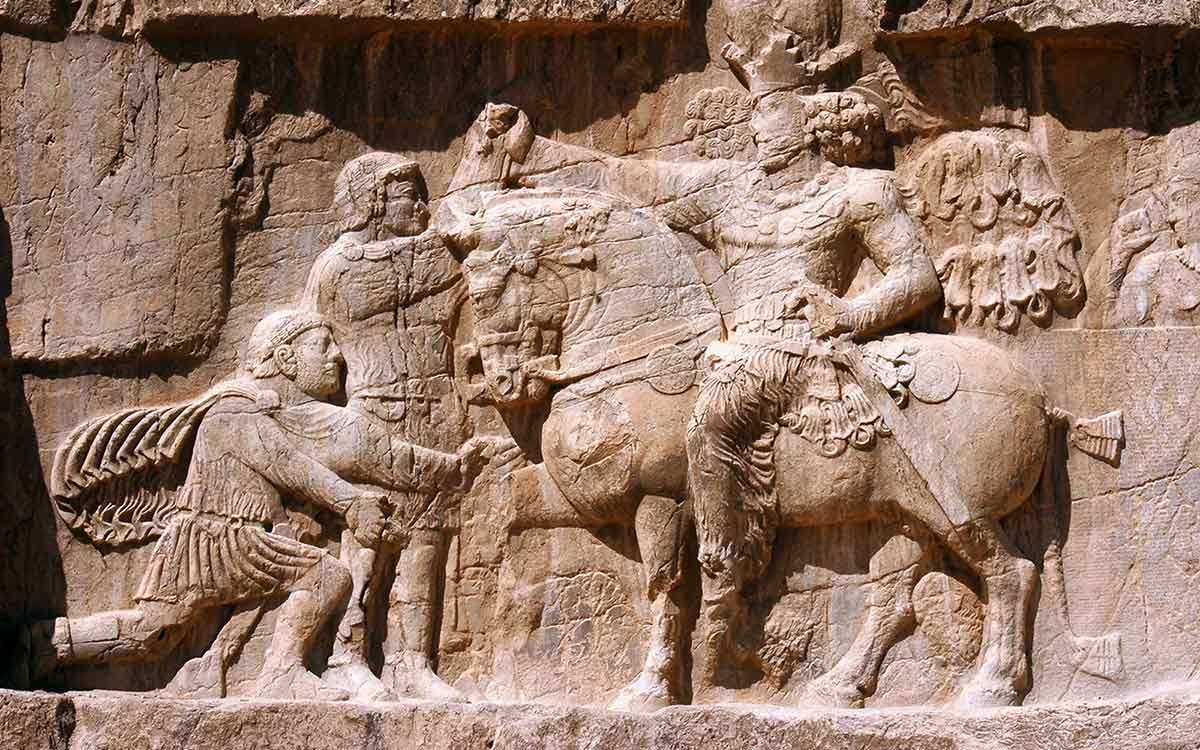
On the Eastern frontier, Diocletian and his Caesar, Galerius, vanquished the Persians in 298, and, with the Treaty of Nisibis, gave the Romans the edge against their eastern rival, the Sasanians, who had inflicted a series of defeats on the Romans throughout the third century.
The treaty itself having been lost, we only know about it from some fragments in Peter the Patrician’s work, a Byzantine historian who lived in the 6th century AD. This treaty supposedly forced the Sasanians to cede territories and to recognize the river Tigris as the new frontier between the two empires. This was a significant victory for the Romans, because they gained some territories and their frontier was moved from the river Euphrates to the river Tigris.
The military strategy of Diocletian on his eastern frontier did not aim to extend the Roman Empire further into Sasanian territory, but rather to recuperate lost Roman territories that had been conquered by Septimius Severus at the beginning of the 3rd century, before the military and political upheavals. The territories gained by the treaty gave the Romans an easier frontier to defend.
Military Reforms of Diocletian
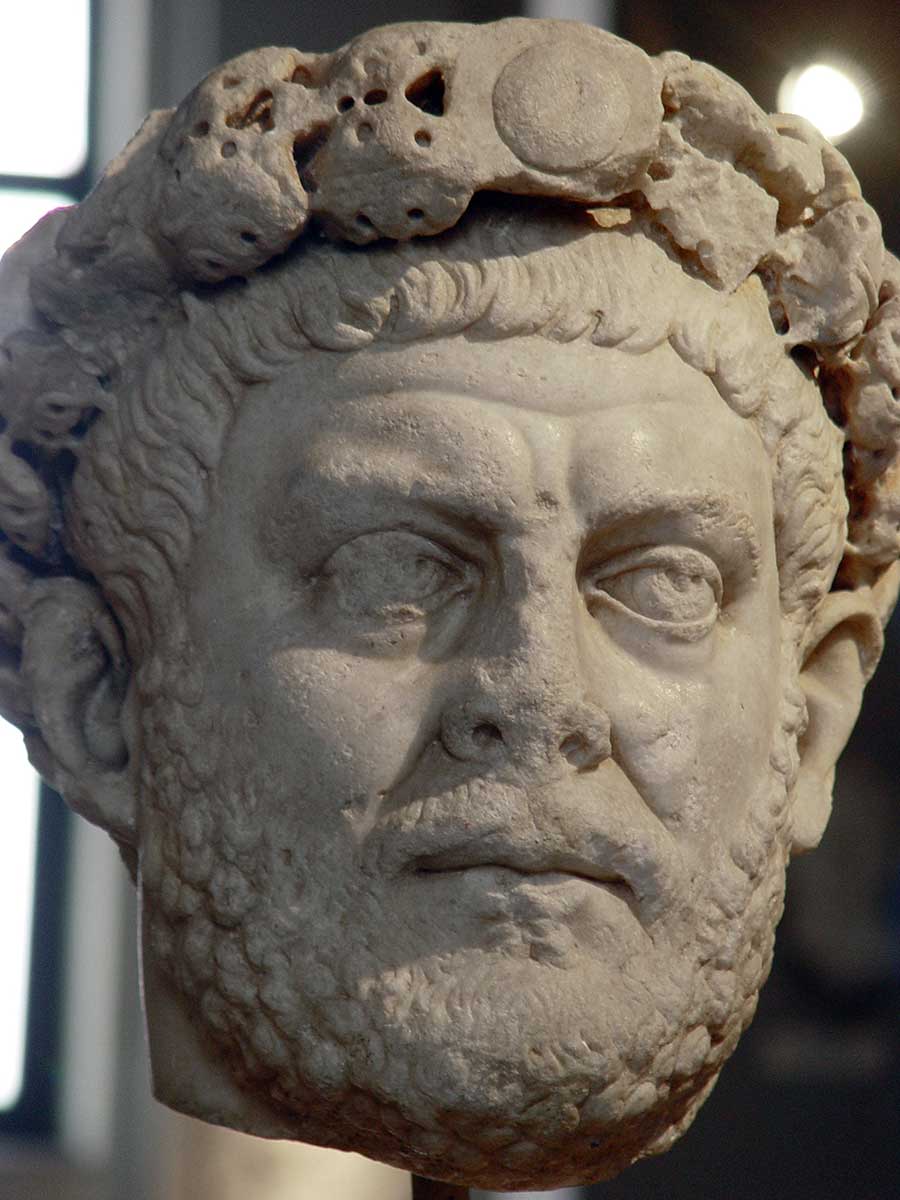
Diocletian’s reign was a decisive moment, and he was an important reformer. Already in the first half of the 3rd century, the old Roman defensive strategy, which consisted of a linear defense all around the frontiers, was pushed to its limits, and cracks started forming because of external pressure.
Diocletian decided to solve these problems and to stop enemies at the frontiers, without letting them pillage the Roman countryside.
For this, he greatly expanded the number of legions (while reducing the number of soldiers per legion) and added more cavalry forces for the defense of the empire.
Historians do not all agree as to the scale of these reforms, but some say the Roman army passed from between 300,000 and 400,000 to more than 500,000 soldiers during Diocletian’s reign. Each “augustus” and “caesar” (senior and junior emperor) had their own mobile army, to better respond to frontier problems.
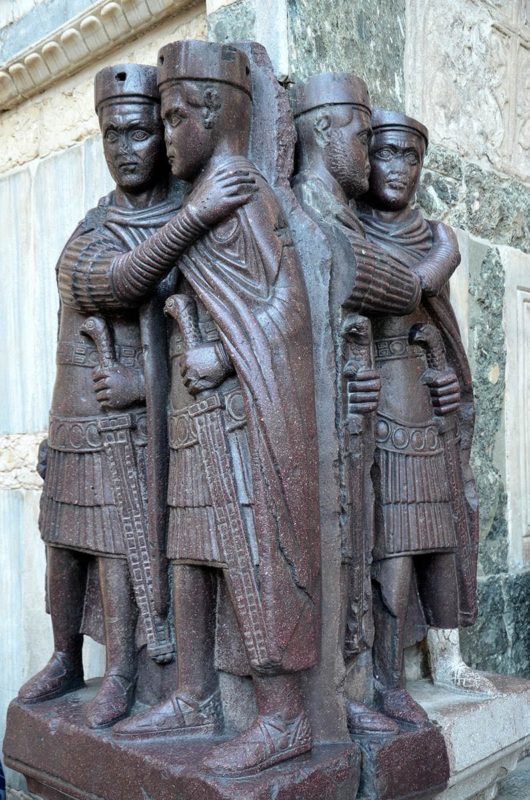
Diocletian also removed the military power of provincial governors to give it to the new duces, who each commanded an army of limitanei, which allowed them to better react to enemy incursions.
The division of the Roman army between limitanei and comitatenses has created lots of debates among historians. Some of them, like Edward Luttwak, suppose that limitanei were half peasants, half soldiers who were perceived as bad fighters and who had been given land to defend the frontiers. This does not seem to have been the case. Benjamin Isaac proved that these soldiers were not peasants but were only soldiers under the command of a duke and were close to the frontiers, which differed from the comitatenses, who were under the command of the magistri militum.
Infantry stayed the basic unit of the Roman army and was not completely replaced by cavalry, as has often been said.
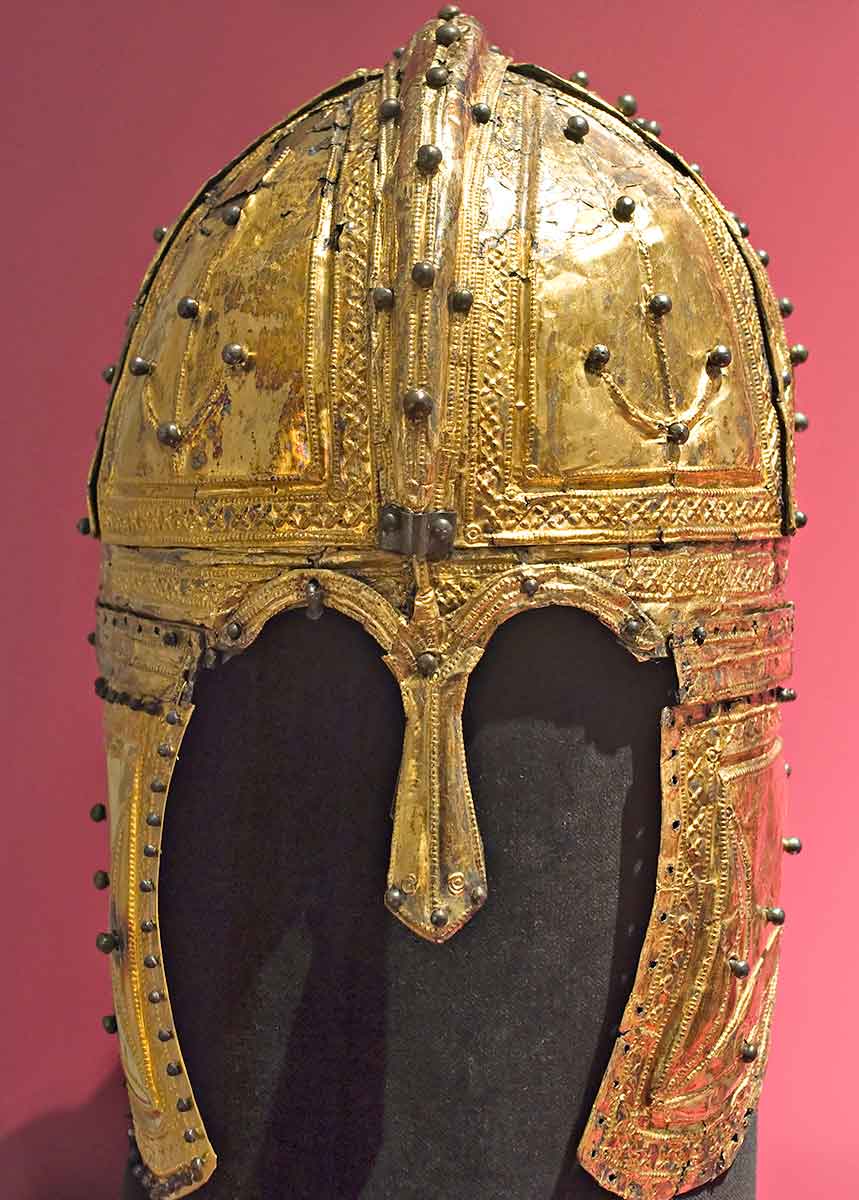
These reforms succeeded in limiting the damage inflicted on civilians and cities. The cavalry, which was now divided into alae, cohortes, and equites, served as a mobile force that could be an almost immediate help against enemy incursions, before the comitatenses, the real backbone of the defense, could arrive. These were placed further from the frontiers, often in cities. They were greatly helped by the limitanei in frontier fortifications.
This entire strategy was preventive. Diocletian, by his military reforms, wished to stop the external threats at the frontiers, which were now constituted of in-depth defenses.
Military Architecture Under the Tetrarchy
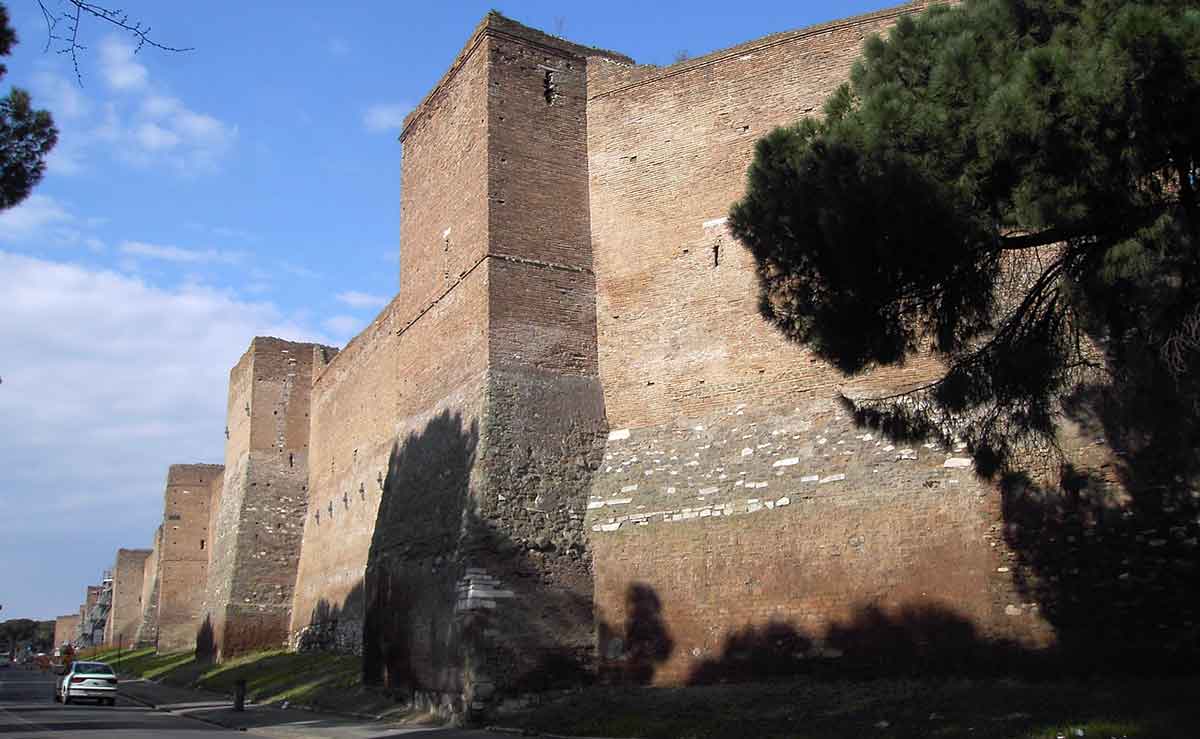
Greatly expanding the Roman army was not sufficient. Diocletian undertook a massive defensive program, constructing fortifications and forts all around the Roman Empire, most notably on the Eastern frontier. These structures were for the most part missing, because earlier emperors had used a system of defense based on dissuasion and not fortifications.
Towards the end of antiquity, and particularly in Diocletian’s reign, the defensive character of the new structures became more and more pronounced. The walls and the ditches became taller and larger. The Romans were beginning to face more and more enemies capable of effectively besieging fortified places. Therefore, the Roman authorities changed the structure of their camps and their forts.
We see during this period fortified towers sticking out of the Roman defenses, and the internal plans of the camps changed. There seemed to be less and less uniformity between camps and fortifications, like in the early empire.
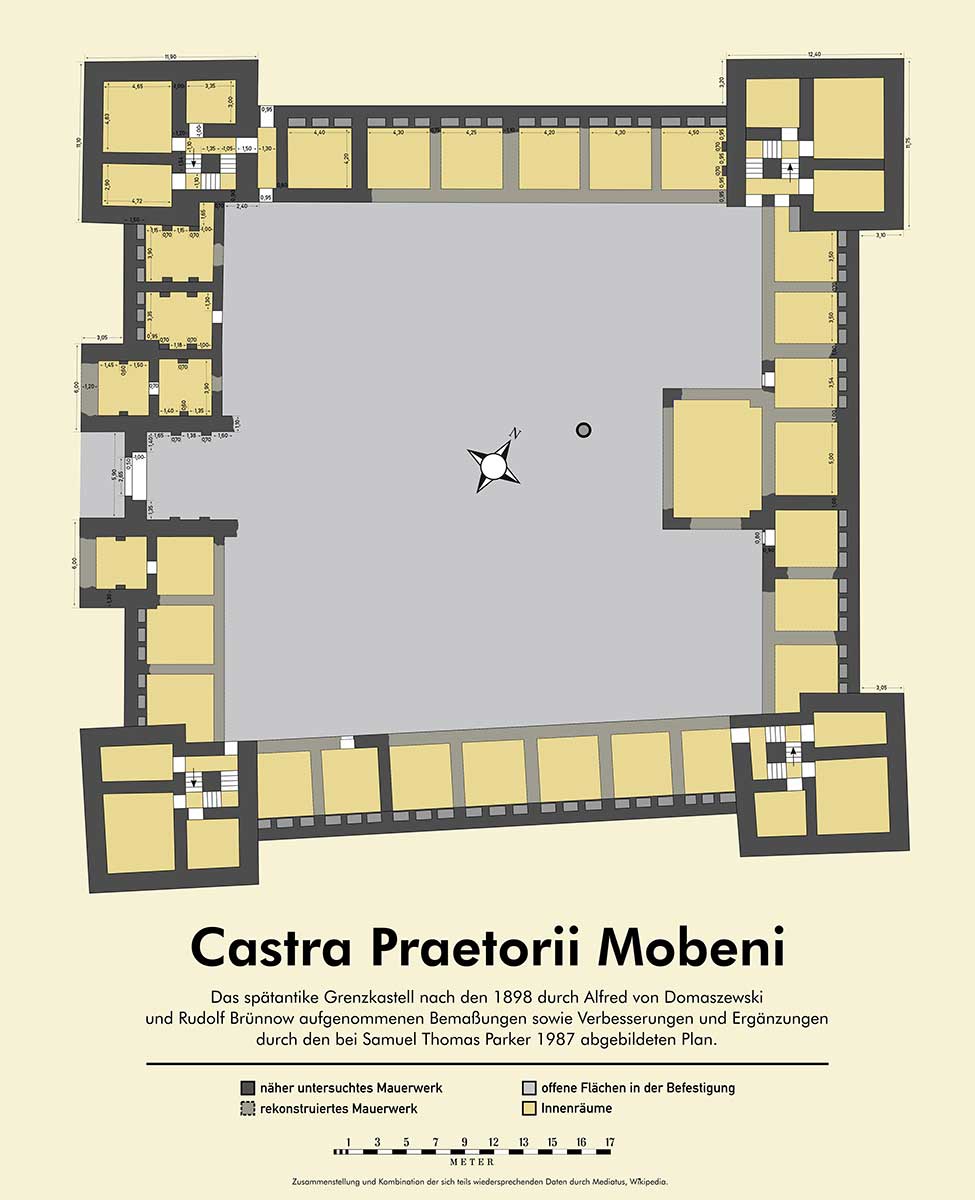
The size of forts also changed, probably in correlation to the reduction in size of the garrisons. These forts were not capable of completely blocking enemy incursions, but they were useful in order to immobilize enemies, which gave time for Roman reinforcements to come and fight them.
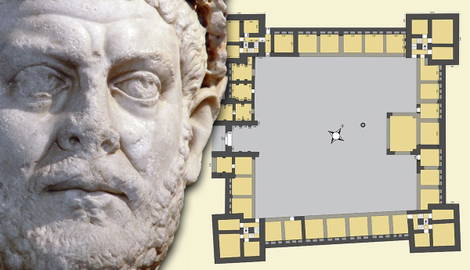
Also, the size of these fortifications could potentially impress and dissuade enemies from attacking the Roman Empire. Some historians talk of an “off-the-shelf” plan, which shows the importance and the interest the Roman authorities had in the defense of their frontiers. Historians often use the term quadriburgium, which was never used in antiquity, to describe the square fortifications with big towers sticking out of the walls at the corners and near the gates.
These would have been constructed under the Tetrarchy and allowed Diocletian and the Romans to implement their new in-depth defense system to potentially stop enemy incursions.
Roman Eastern Frontier Under Diocletian
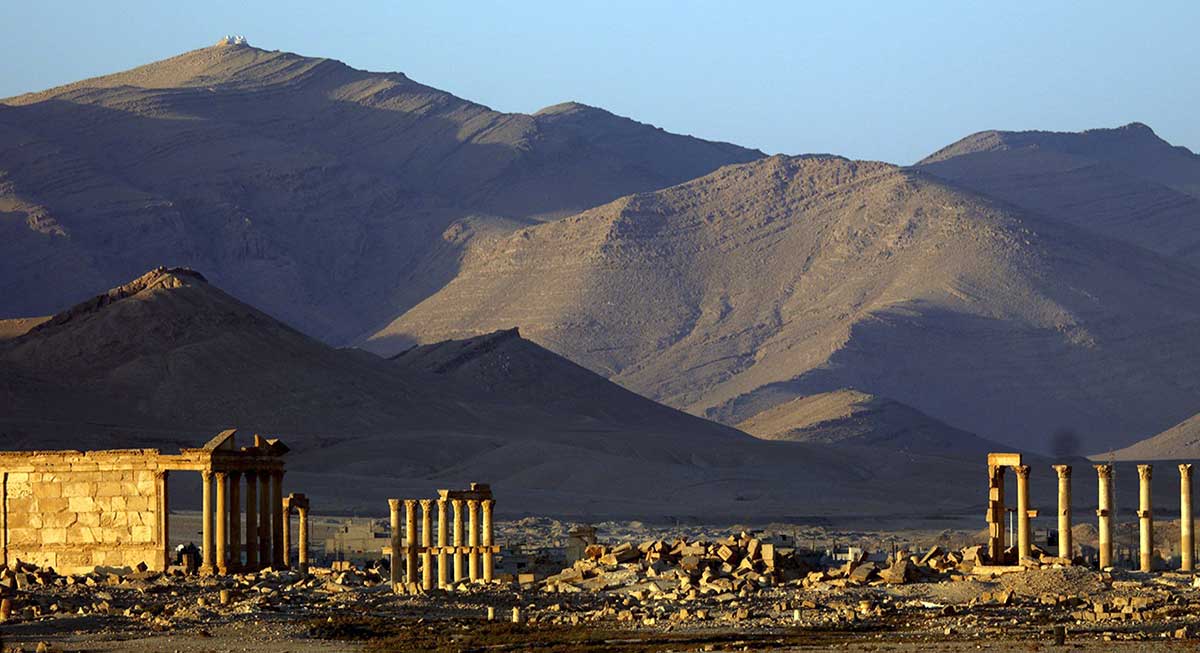
After Palmyra’s destruction at the hands of the Emperor Aurelian in 273, the Eastern frontier was almost defenseless against Persian and Arab attacks. Therefore, Diocletian built the Strata Diocletiana, a military road filled with fortifications and watchtowers and 360 km (223 miles) long from the River Euphrates to the north of the Roman province of Arabia, to defend the Eastern frontier. The Strata Diocletiana started at Sura, then passed by Palmyra and Damascus before finishing at Azraq, around 150 km (93 miles) south-east of Bosra.
Further south, Diocletian renovated and expanded the fortifications and towers on the Via Traiana Nova, a military road built by Trajan in the 2nd century AD when he annexed the Nabataean Kingdom. This military road started at Bosra and continued until Aqaba. This created a new system which connected the Euphrates River to the Red Sea. This road was supposedly built to defend the Roman East from nomadic incursions in the South and Sasanian attacks in the North.
Despite its name, the Strata Diocletiana was more of a network of roads and used some pre-existent forts from the Severian and the Nabataean eras. Among these fortifications, there were three legionary fortresses: one at Sura, one at Oresa, and one at Palmyra.
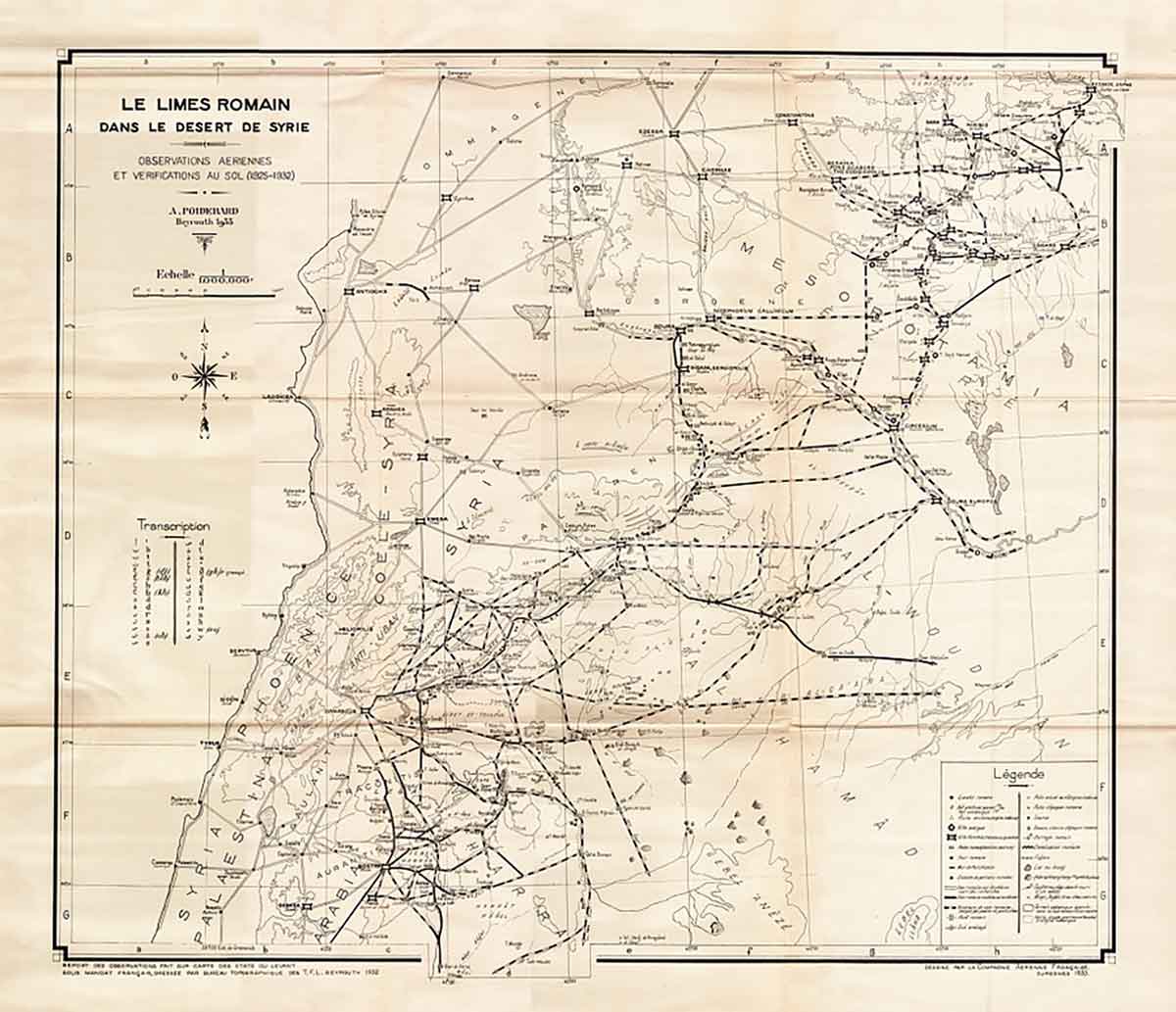
Between Palmyra and Damascus, the main road was surrounded by forts at intervals of 20-25 km (12-16 miles), where a source of water could be found. This section of the Strata Diocletiana is often called the “Way of the Khans,” because these fortifications resembled the structures built by the Muslims along the road of the pilgrimage to Mecca.
The Notitia Dignitatum, an administrative list from the 4th century AD, shows that the forts along the Strata Diocletiana were still occupied by Roman soldiers in the 5th century AD, despite some claims that these structures would have been abandoned by this time.
These defenses were eventually abandoned for the most part, because of a change in the Roman Eastern defensive strategy. Towards the end of the 5th Century AD and the beginning of the 6th, the Eastern Roman authorities gave their Arab allies the responsibility of defending the southern portion of the Eastern frontier.
Effects and Consequences of Diocletian’s Reign
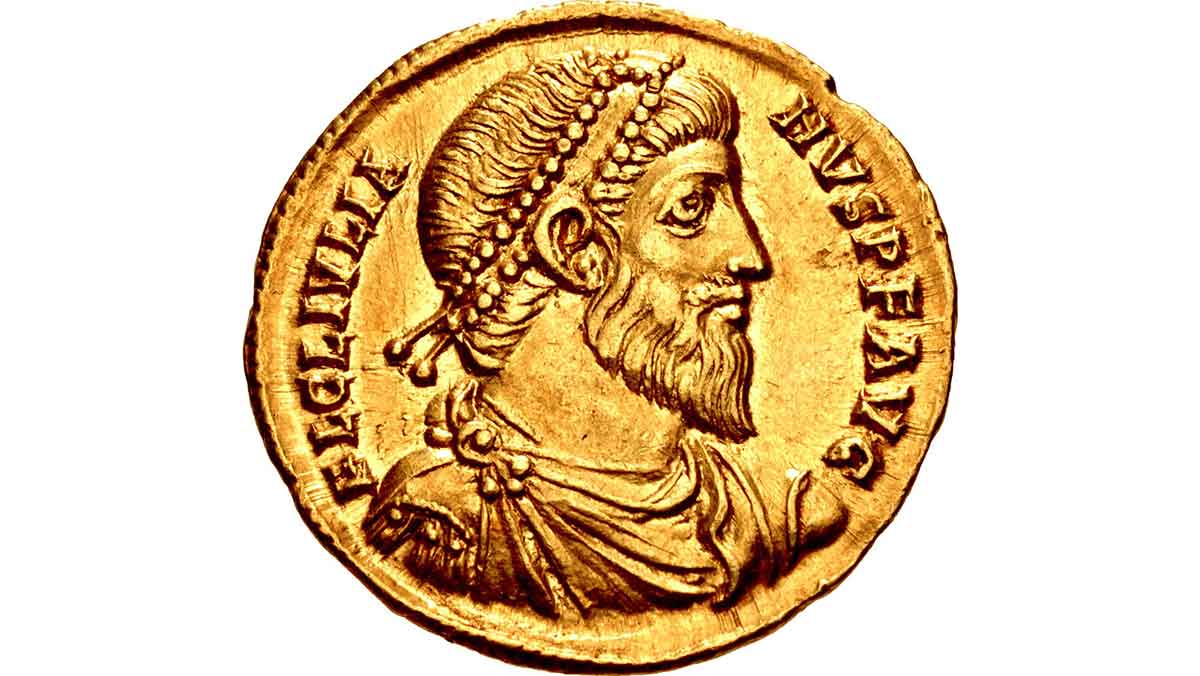
The division of armies instituted by Diocletian limited the Roman capacity to conduct grand offensives in enemy territory. Also, the cost of maintaining the new Roman army and the fortifications forced the emperors to avoid long campaigns in enemy territory, which were perceived as very costly. The Roman emperor Julian is the exception, as he invaded the Sasanian empire in 363, but his failure in this expedition demonstrated the new reality to the Romans: that aggressive wars had become superfluous. The Romans now concentrated on defending their own empire and their frontiers and tried blocking enemy incursions into their territory.
The construction of the Strata Diocletiana and the different fortifications on their Eastern frontier allowed the Roman authorities to establish a fixed defense following the defeat and destruction of Palmyra by Aurelian.
After Diocletian, wars and battles between the Romans and the Sasanians moved further north, in Mesopotamia. This does not mean that the Tetrarchic defenses were useless. Quite the contrary, they show that Diocletian’s plan worked well and that they kept enemies from invading the southern portion of the Eastern frontier.