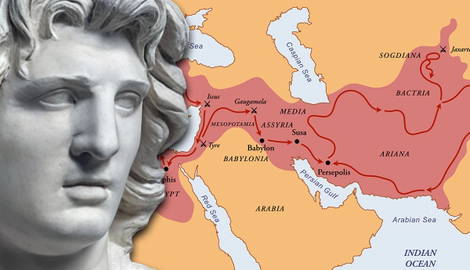

When Alexander the Great crossed the Hellespont into Asia, his public objective was to avenge the Greeks for the invasion by Persia a century earlier. Yet when he conquered Persia and ascended to the throne of the largest empire the world had ever seen, Alexander insisted on pushing further east, until his army forced him to turn back. What was his motivation to pursue unending conquest? Was it the long shadow of his father Philip II, an “Achilles Complex,” a belief in his own divinity, or personal pothos? It was probably a combination of all four.
An Inherited War: A Pan-Hellenic Crusade
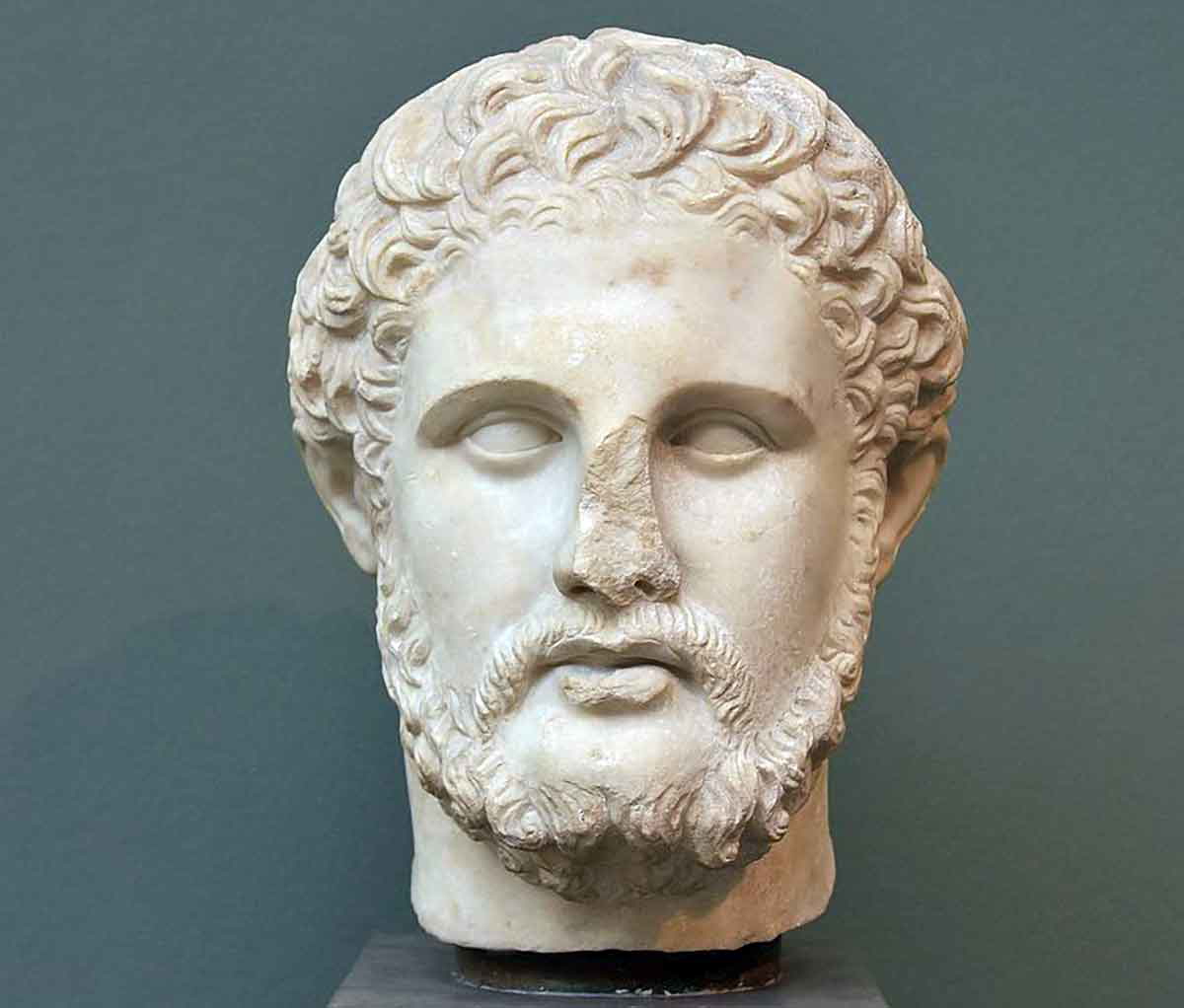
When Philip II died, Alexander inherited a Macedon entirely shaped by his father. Philip had unified warring Macedonian tribes, reformed the army, conquered the Balkan tribes, and subdued the independent Greek states. Macedon’s reputation rested on Philip’s shoulders. With him dead, his son Alexander had to prove that he was worthy of his father’s legacy.
Alexander was not unchallenged. A powerful political opponent was Attalus, the uncle of Philip’s last wife, Cleopatra Eurydice, and one of Philip’s most trusted generals. Philip was already planning a Persian campaign, and Attalus had been sent to Asia with an advance army to await the combined Macedonian and Greek army. Not only that, but Greek states were beginning to revolt against Macedonian rule.
Alexander sent an officer, Hecataeus, with a force to Asia Minor with explicit orders to capture Attalus alive or, more realistically, execute him before he could turn his advance army against the new king. Meanwhile, Alexander marched on Greece. He tried diplomacy to bring the Greek cities back under control, but when it failed, he proved himself as ruthless as his father by destroying Thebes. He then had the Greeks vote for him to lead the campaign against Persia. The Greeks were then obliged to serve in the Macedonian army to support the Pan-Hellenic crusade they had voted for.
In the Shadow of Philip: The Drive for Superiority
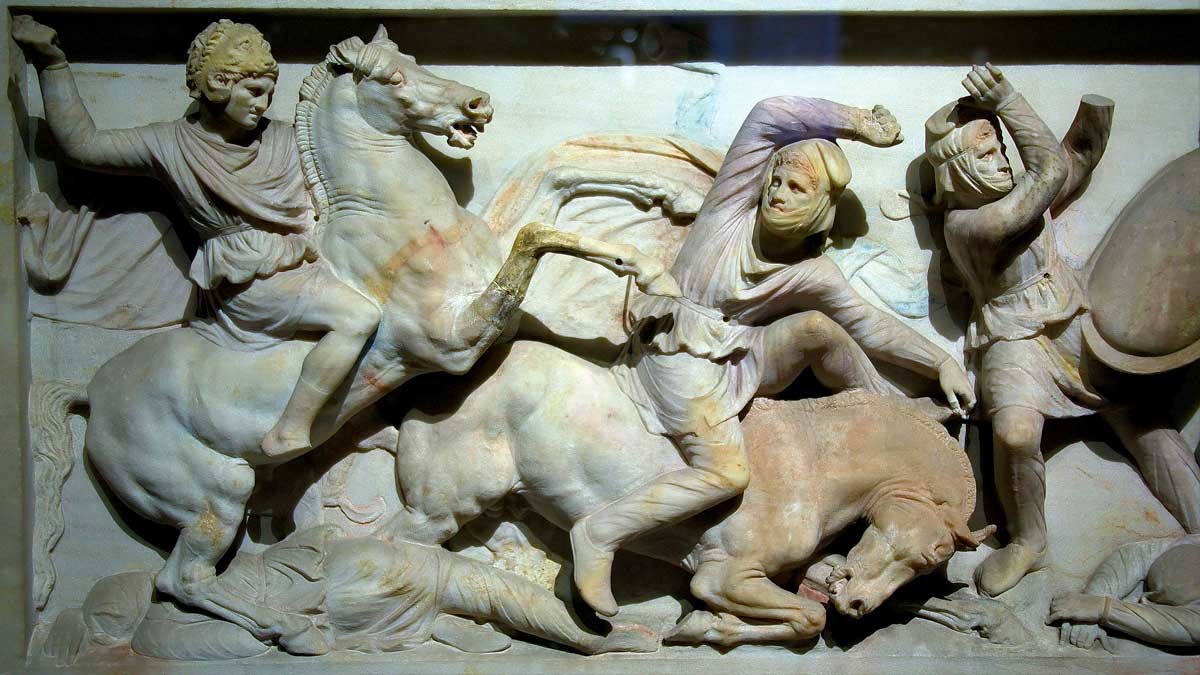
While Alexander the Great is famed for having spread Greek culture throughout the Near East and as far as India, he was not, strictly speaking, a Greek. Despite the close connections between Greece and Macedon, Alexander was, above all, a Macedonian king. His style of kingship must be understood through the martial lens of Macedonian culture.
Macedonian kingship was centered on the Argead dynasty, but legitimacy required recognition by the army and nobility, and the ability to defeat rival claimants. The kings were expected to win battles, host feasts, and share spoils. Philip embodied this ideal, and the Macedonians had no reason to doubt his capacity. But then he was assassinated, and the 20-year-old Alexander had to step into his role.
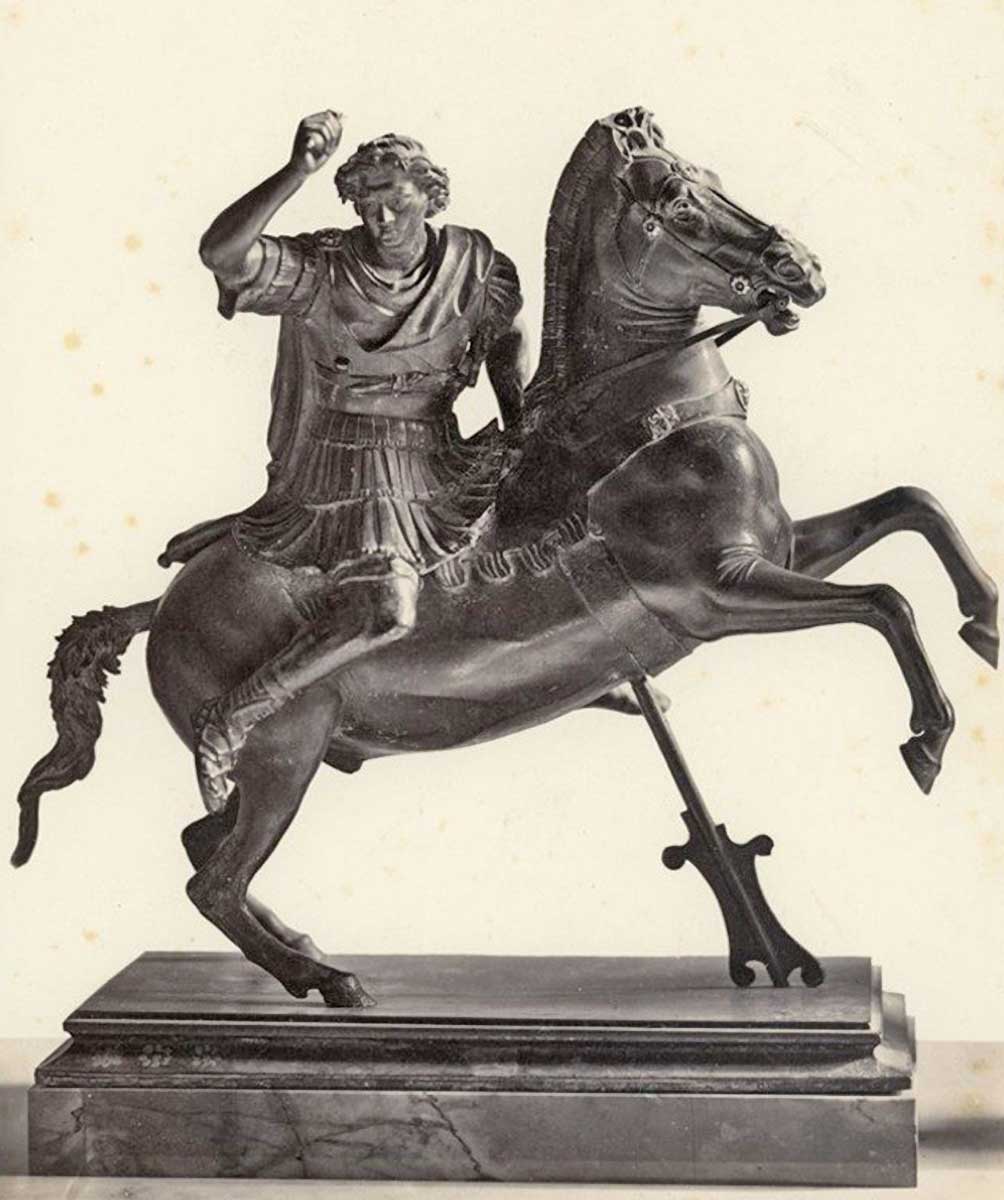
Alexander’s immediate successes against the Greeks proved his competence as a king, and by continuing his father’s invasion of Persia, he showed that the era of Macedonian dominance was just beginning. Each new victory brought with it further confirmation of Alexander’s right to rule.
The ideal king was also the ideal warrior, someone who shared in the dangers of the army and fought the enemy from the front lines. Through conquest, Alexander demonstrated his strength and courage. When he conquered Persepolis, the seat of power in the Persian empire, the right of conquest meant that Alexander could present himself as the new king of Persia. The small kingdom of Macedon had overthrown the world’s largest empire, and Alexander had surpassed his father’s reputation.
King of Asia and the Known World
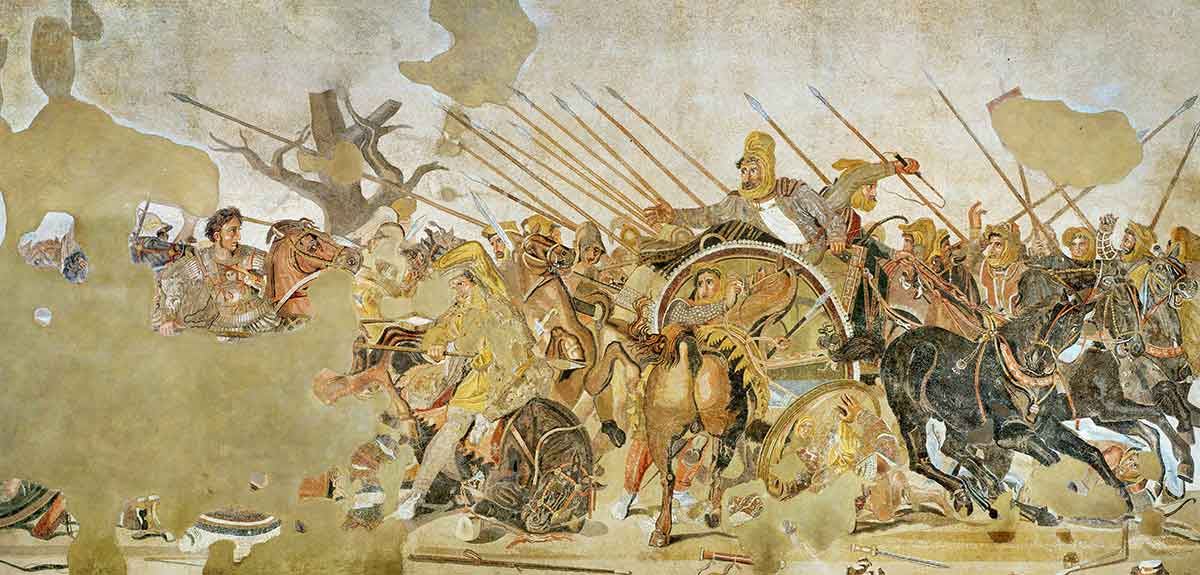
When Alexander captured Persepolis, he initially preserved the palace complex. He remained there for several months, suggesting that he intended to use it as a ceremonial or political center. He had even begun appointing Persian nobles to political offices. However, whether by impulsive drunkenness or a calculated act of political revenge, Alexander burned the palace down.
A few months later, in 330 BC, the Persian king Darius was dead, betrayed by his own people, and Alexander was the undisputed ruler of Asia. The question now was whether to return to Macedon or bring the resisting Persian territories to heel. Alexander really had no choice. Allowing rebels to run free would show weakness and open the door to challenges. When Darius’ assassin Bessus claimed kingship of Bactria, Alexander had to put him down. He continued east into Bactria, entering into a feedback loop of conquest and resistance.
Since Alexander claimed the title of King of Asia, it encouraged him to view all peoples, not just in Persia but even those further east, as his subjects. This included the Indians, known through mythic tradition by the labors of Heracles and the conquests of Dionysus. Alexander could thus justify continuing his conquests in the East.
The Achilles Complex: Living the Iliad
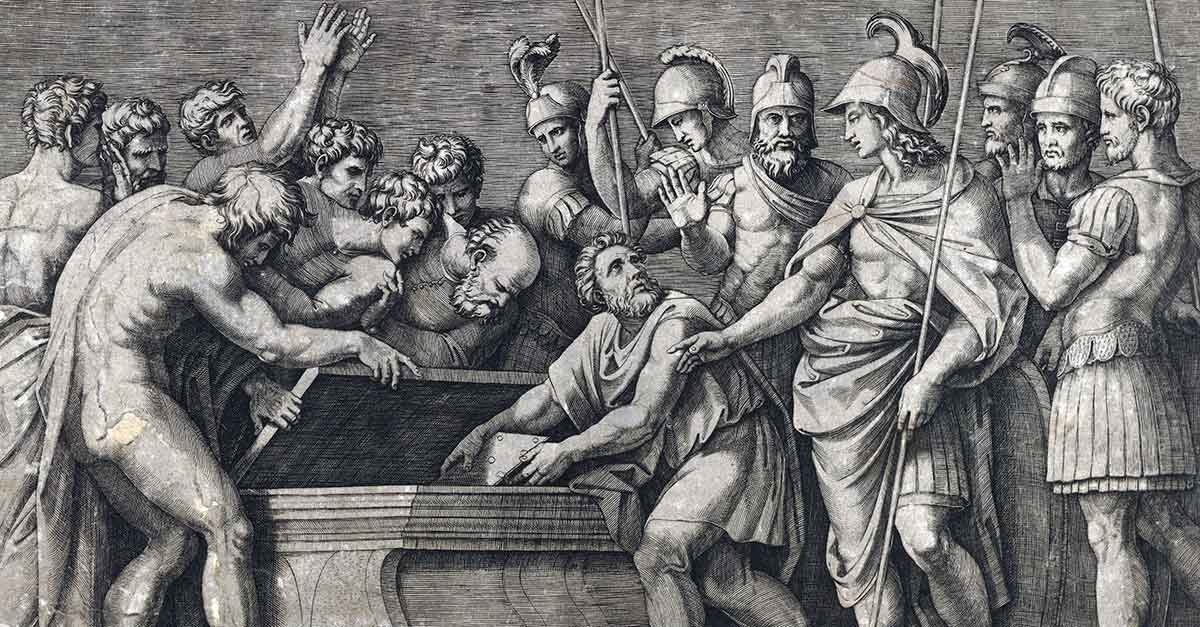
Alexander modeled himself after ancient heroes, from whom he claimed descent. Through his father, he was a descendant of Heracles, and through his mother, Olympias, the Homeric hero Achilles.
According to biographies, Alexander had been taught the lessons of the Homeric heroes by Aristotle. Plutarch wrote that he slept with a copy of Homer’s Iliad, annotated by Aristotle, under his pillow. To say he was influenced by the Greek heroic tradition would be an understatement.
Alexander was raised in a culture that highly valued arete, honor, and the heroic model for this quality was Achilles. The first thing Alexander did when he arrived in Asia was to visit Troy. There he crowned Achilles’ tomb and exchanged his weapons and armor for those of Achilles, supposedly preserved from the Trojan War. Presenting himself in this way was more than political theater; it was a way of presenting a model for his rule that people could understand.
The Quest for Divinity: In the Footsteps of the Gods
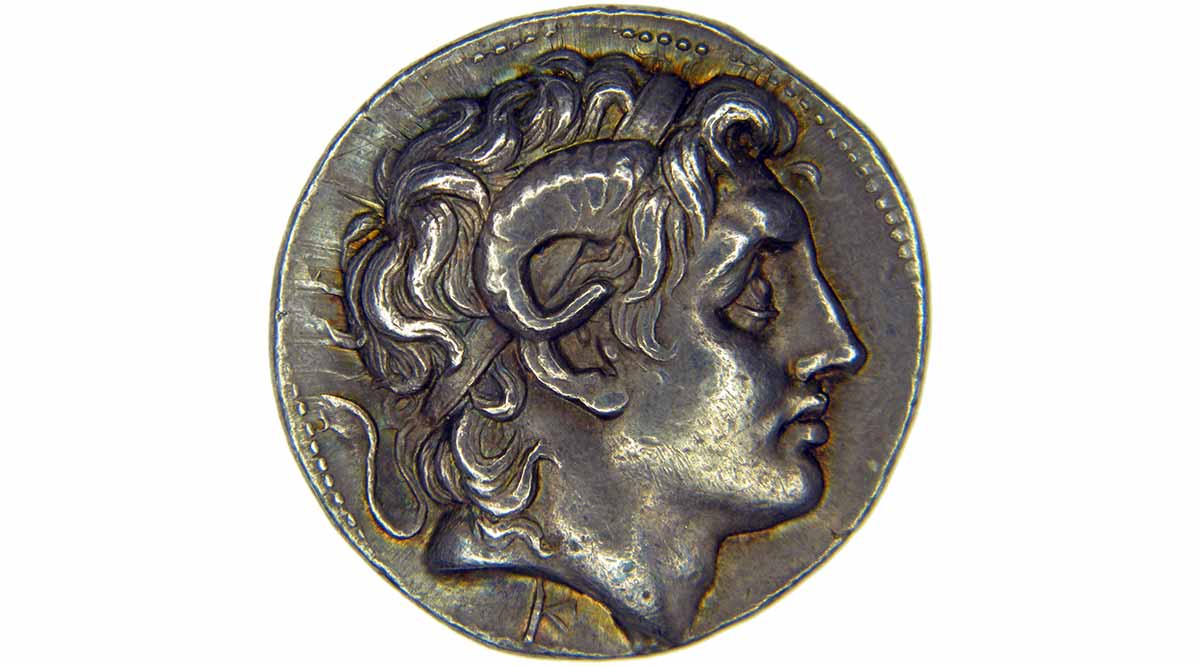
As models for conquest, Heracles and Dionysus served where Achilles could not. Both had famously traveled East and left their marks on the land and people, placing those lands within Greek mythic tradition. As part of the Argead dynasty, Alexander’s emulation of Heracles both reinforced his family lineage and rationalized his conquests.
Arrian recorded that Alexander’s decision to visit the oracle at Siwa was influenced by his desire to follow in the footsteps of Heracles. This visit to the oracle has been seen as a turning point in Alexander’s attitude toward himself and his rule. Sources disagree on what he asked and what he was told, but the oracle likely strengthened his association with Zeus-Ammon and his divine legitimacy to rule. There is debate over whether this gave Alexander a “god complex,” but we must remain cautious of this assumption, as the relationship between kings and gods was seen differently in the ancient world. Most kings claimed descent from the divine.
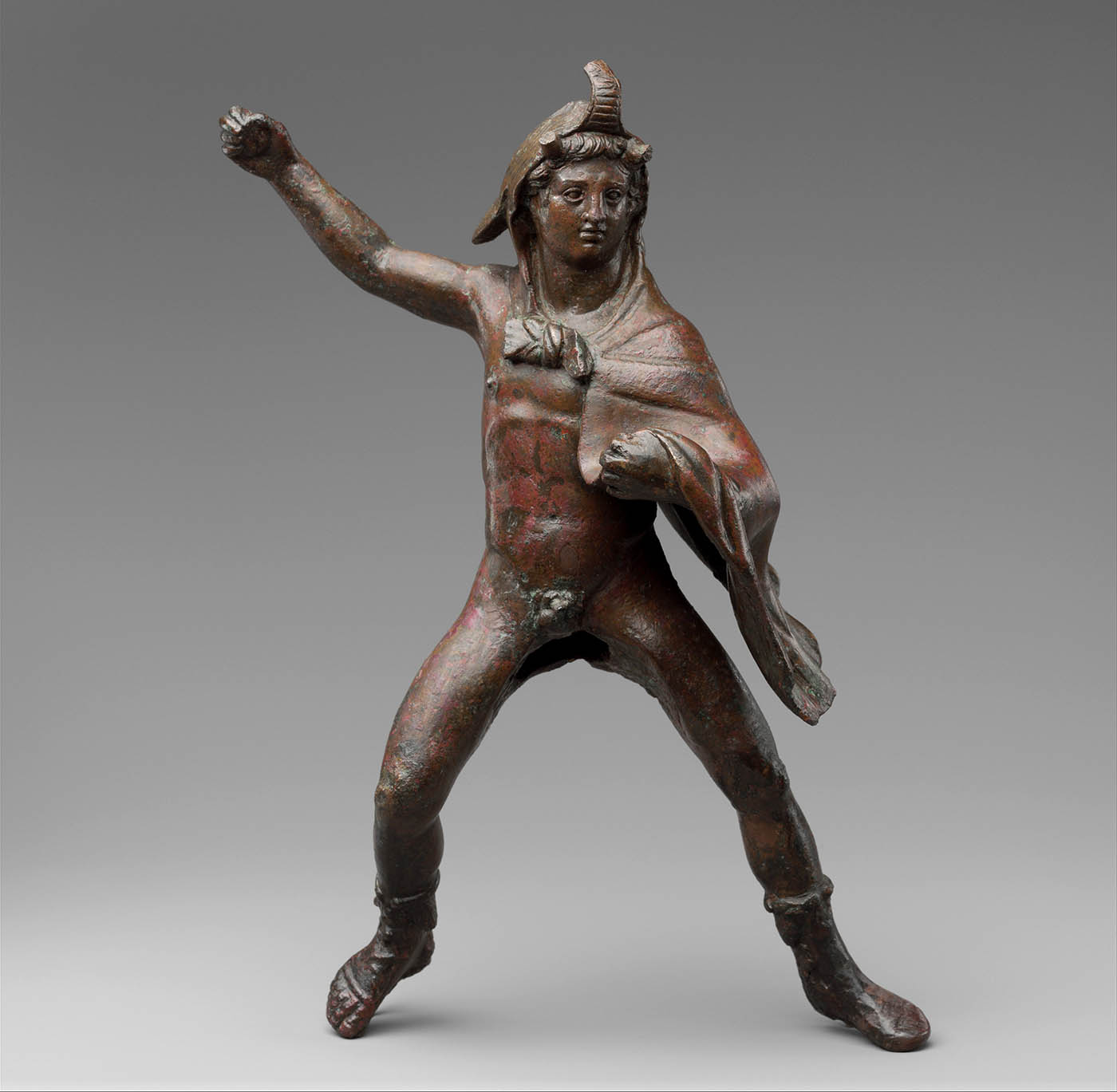
Dionysus was an important symbol during his campaigns in India. Alexander’s court was looking for traces of the god’s passage. The Macedonians believed they had traveled further than the god, but when they crossed into India, they came to the city of Nysa, which claimed to have been founded by the god.
The locals likely knew of Alexander and the Greek tradition concerning Dionysus and sought to secure favorable treatment from the Macedonian king by associating their local gods with Dionysus. It is also possible that the association with Dionysus was a later invention by Alexandrian historians who wanted to deify Alexander by associating his accomplishments with those of a god.
Pothos: The Insatiable Longing
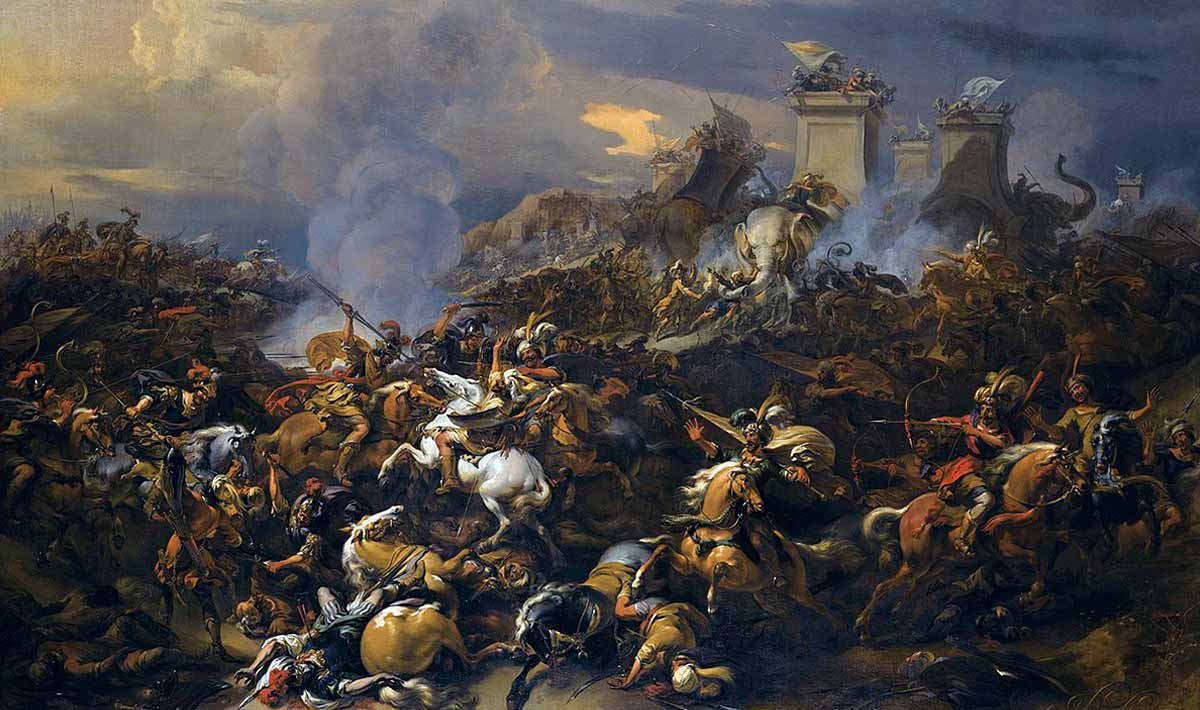
Having traveled further than Heracles and further than Dionysus, Alexander had extended the limits of Greek influence in the world. But there was still one mythical boundary to obtain: Okeanos, a body of water that surrounded the world. The historians record that by the time Alexander reached the Hyphasis River, his goal had become to create an empire that spanned to the edge of the world. He intended to cross the Hyphasis River, but the Macedonian army refused to go any further east.
This event has sometimes been called a mutiny, but there was no attempt to overthrow Alexander, nor was there dissatisfaction with the structure of military leadership. It was more like a strike, which forced Alexander to abandon his ambitions.
Alexander saw the army’s refusal to continue as a humiliating defeat for his imperial ambition. He declared he would advance anyway with anyone willing to join him. When there were no volunteers, he retired to his tent for three days. He then offered sacrifices to cross the river, but the omens were unfavorable. This can be viewed as a desire to continue despite the army’s refusal, or a way of saving face by showing that he was not yielding to the soldiers but to the gods.
Katabasis: The Return
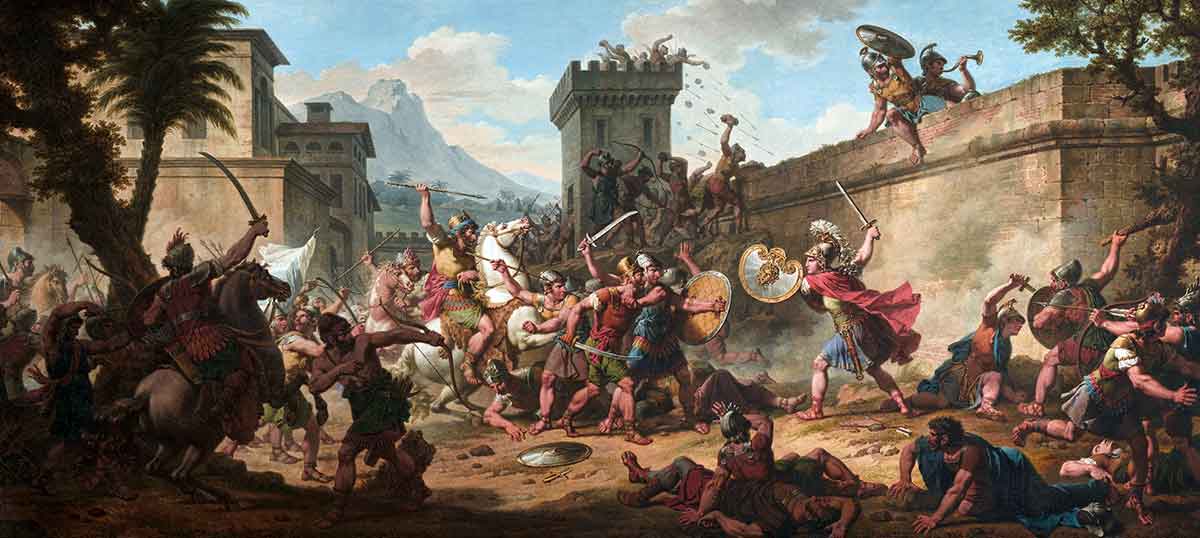
The refusal of the army to progress any further can be viewed as Alexander’s first real defeat. He returned the way they had come back to the Hydaspes River, where ships were being constructed. Alexander had learned that the river converged with the Indus and then emptied into the Great Sea, offering him not only a convenient way out of India that avoided crossing back over harsh terrain, but also another way of attaining his goal of reaching Okeanos. Once he reached the Indian Ocean, Alexander divided his forces. He sent a contingent to sail west along the coast and another by a safer inland route, while he took an army through the Gedrosian Desert.
It’s been argued that he took this route to reassert his authority over the army. Yet heading south had strategic importance. Discovering sea routes that connected his empire would aid in stabilizing the region and offer staging points for potential future campaigns.
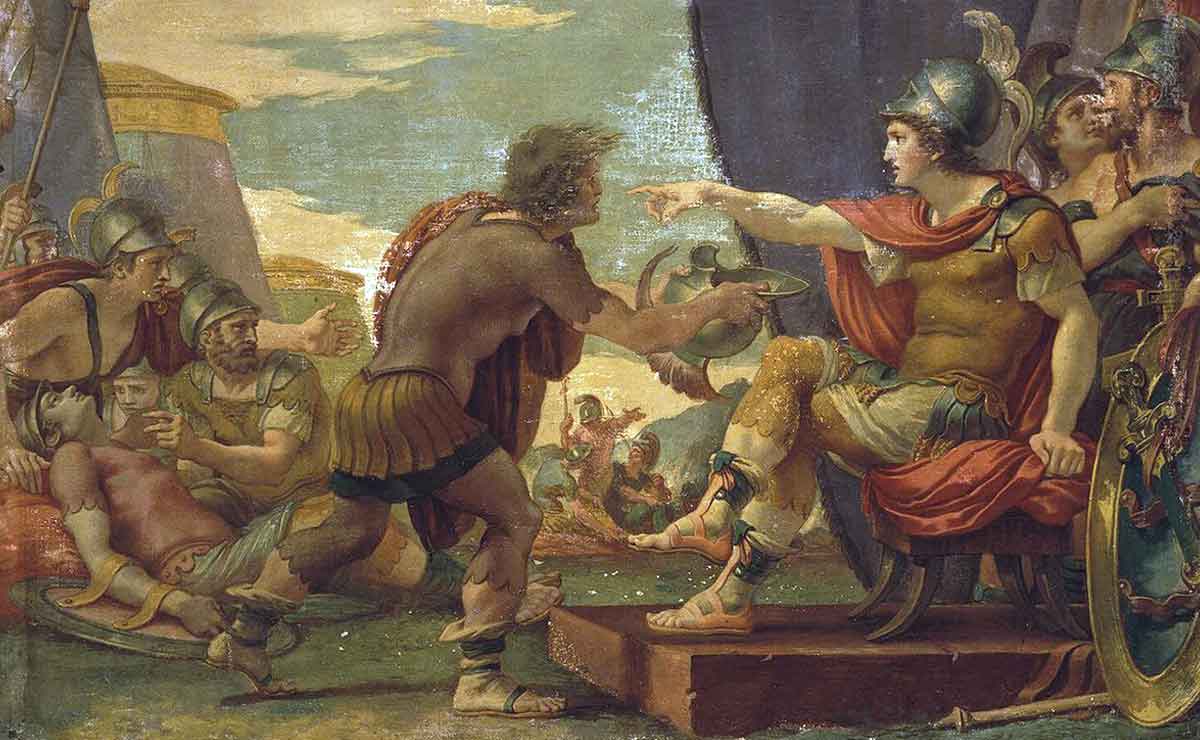
The decision to travel through the Gedrosian Desert was also heavily influenced by Alexander’s desire to surpass mythical and historical precedents. The mythical Assyrian Queen Semiramis had purportedly crossed the desert, but at the cost of her entire army. The founder of the Persian Empire, Cyrus the Great, had also attempted to cross the region, but failed.
Alexander marched through the desert to prepare the way for the fleet by digging wells and finding safe places to harbor. However, the desert proved to be the greatest trial in Alexander’s Asian campaigns. Heat and dehydration claimed the lives of many in his army, starvation many more. Flash floods washed away camps and baggage trains. The sudden boon of water for men dying of thirst made some drink to excess. It took 60 days to cross the desert and reach the better-supplied Carmania.
The Man Who Could Not Stop
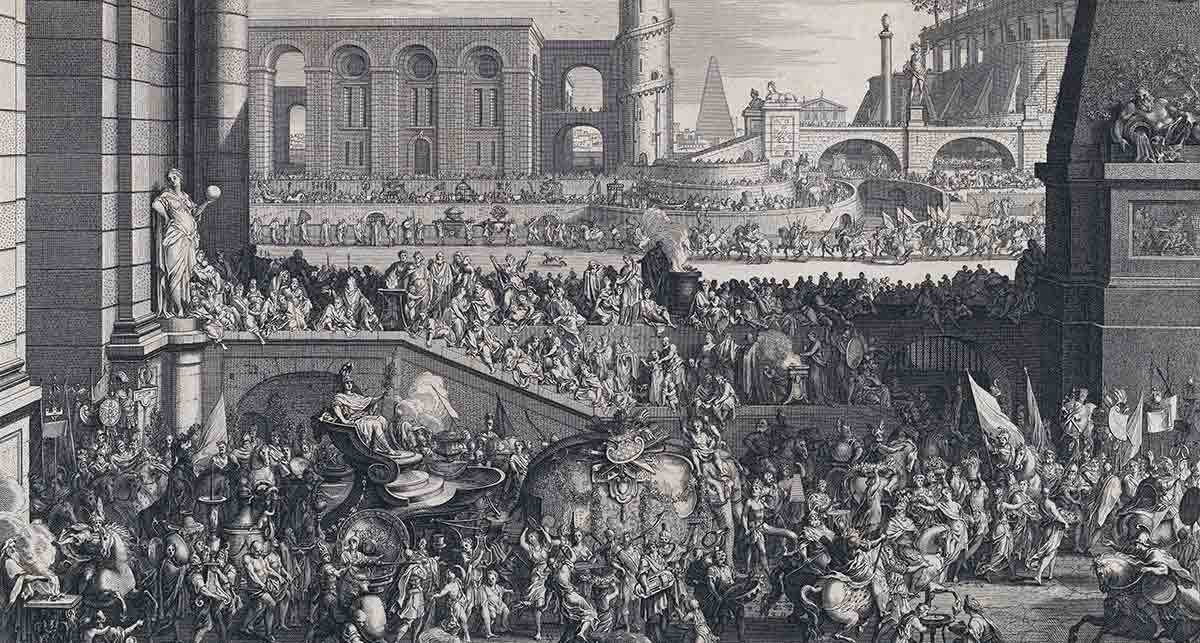
Alexander spent the following 18 months stabilizing his empire, but the desire to expand was still strong. In 323 BC, Alexander had made preparations for an invasion of Arabia. Arrian states that this plan was partly due to Alexander’s anger at the Arabs because they had not acknowledged his rule over Asia, and because subjugating Arabia would extend his control around the entire Persian Gulf. Diodorus suggests that Alexander also had plans for western campaigns against Italy and Carthage.
Alexander never had the opportunity to pursue further conquests. In June 323 BC, Alexander died of an illness. Without Alexander, the Macedonian empire fractured. He left no adult heirs, and there was no plan of succession. His generals divided the empire among themselves, creating the Hellenistic kingdoms.
Alexander’s desire to conquer the world should not be seen as the ambition of a man convinced of his own divinity. Instead, it was a goal that grew out of the expectations of kingship and repeated military victories. Every victory brought with it new frontiers, new rivals, and new titles. With each came the demand for further action. Alexander the Great defeated the largest empire in the world, explored further than gods and demigods, and came to embody the ideal warrior king for centuries to come.
Sources
- Anson, E. M. (2013). Alexander the Great: Themes and Issues. Bloomsbury Academic.
- Arrian. (2010). The Landmark Arrian: The Campaigns of Alexander (P. Mensch, Trans.; J. Romm, Ed.). Pantheon Books.
- Bosworth, A. B. (1988). Conquest and Empire: The Reign of Alexander the Great. Cambridge University Press.
- Bosworth, A. B. (1996). Alexander and the East: The Tragedy of Triumph. Clarendon Press.
- Cartledge, P. (2005). Alexander the Great: The Hunt for a New Past. Vintage Books.
- Heckel, W. (2020). In the Path of Conquest: Resistance to Alexander the Great. Oxford University Press.