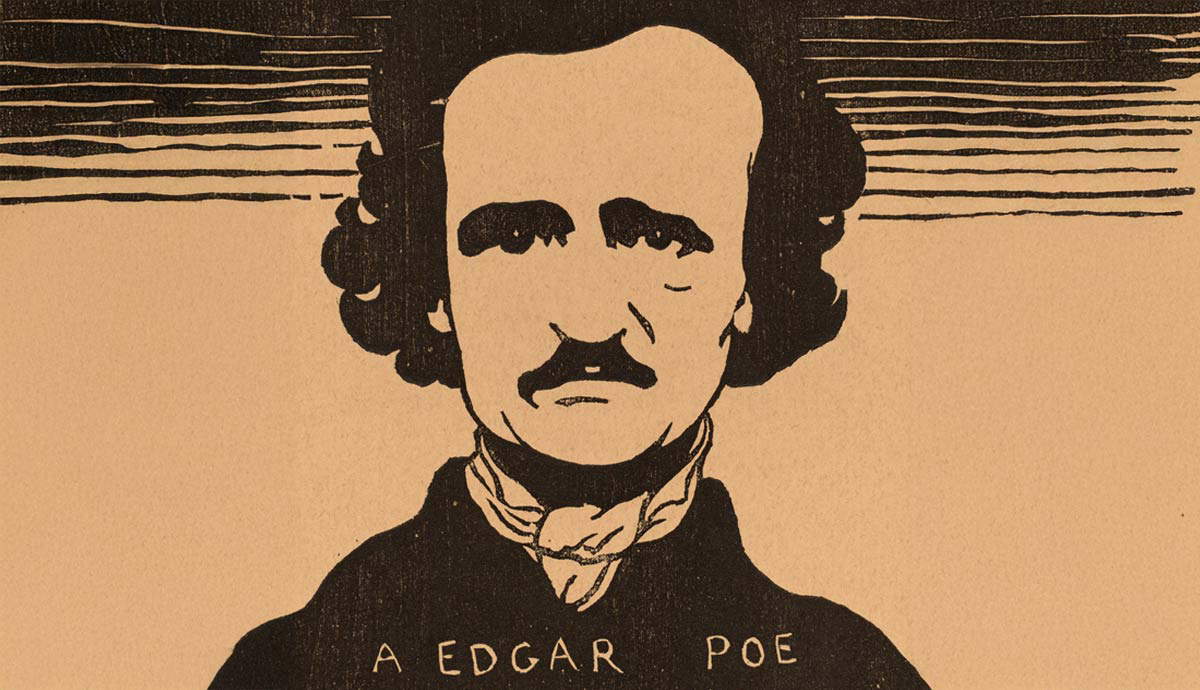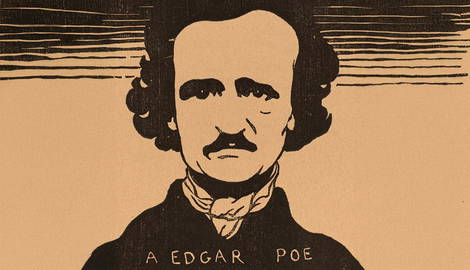

Few writers have shaped modern horror and mystery as profoundly as Edgar Allan Poe. Best known for his macabre and mysterious tales, Poe helped pioneer detective fiction and psychological horror while crafting some of the most haunting poems in American literature.
Born in 1809—the same year as Abraham Lincoln and Charles Darwin—Poe was a talented writer and editor with a keen interest in science, literature, and language. Although he is often remembered for dark Gothic stories, his work ranged widely in style and subject. The following four works offer an ideal introduction to the imagination and influence of the master of the macabre.
Why Should You Read Edgar Allan Poe?
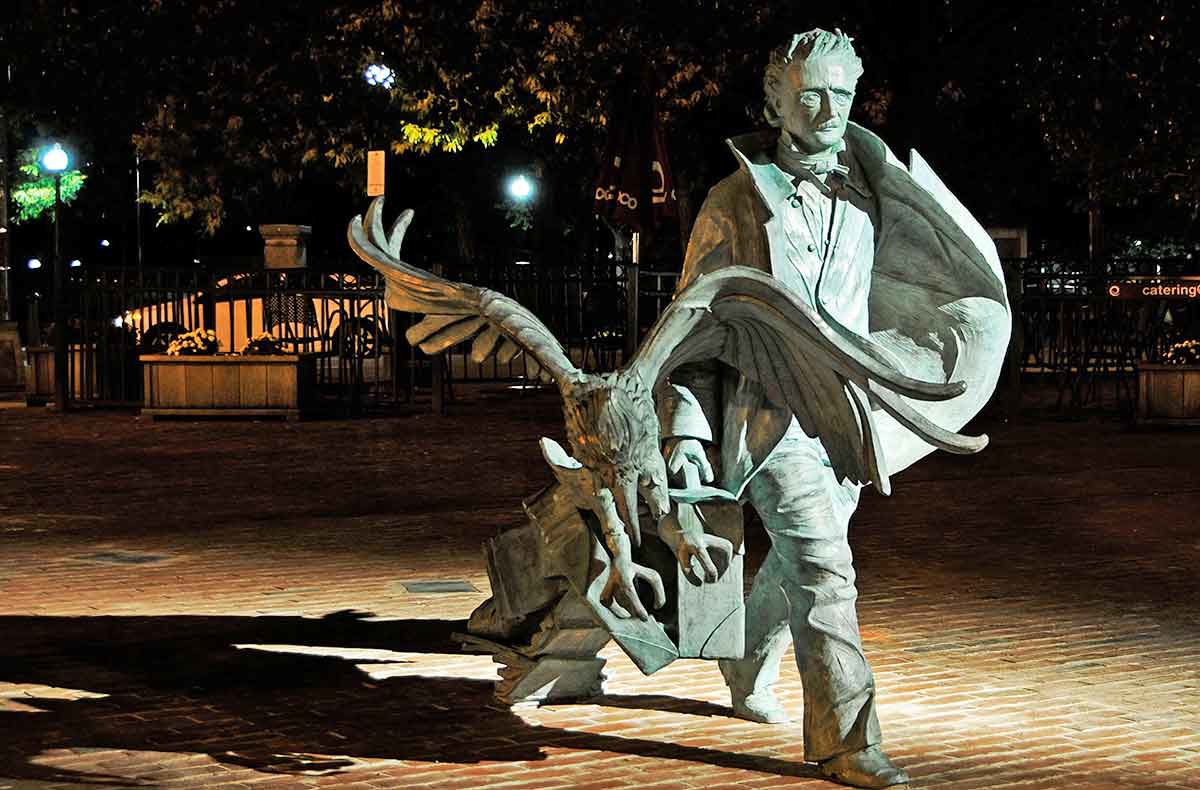
Edgar Allan Poe was a versatile writer and editor, but the macabre elements of his Gothic horror stories often overshadow the full range of his work. Here are a few reasons why his writing is still worth reading today:
- He wrote more than horror stories.
Poe experimented with satire, science, and detective fiction. In Some Words with a Mummy, an awakened mummy argues that his ancient civilization already achieved what modern scholars claim as progress. Poe is also credited with inventing the detective story through his character Auguste C. Dupin, who later influenced Arthur Conan Doyle’s detective Sherlock Holmes. - His poems are hauntingly beautiful.
Poe’s poems are miniature worlds filled with atmosphere, imagery, and lyricism. He reaches deep into the human experience and pours emotion into his verse. - His stories can be read in one sitting.
Poe believed a story should be read in a single sitting to savor the experience in a measured dose. His stories are short, but every word carries weight and works together to deliver a punch. - He understood that being human is complex.
Poe’s stories often highlight human flaws and darker impulses. Many can be read as small lessons about morality and the forces that shape human behavior.
1. The Narrative of Arthur Gordon Pym of Nantucket (1838)
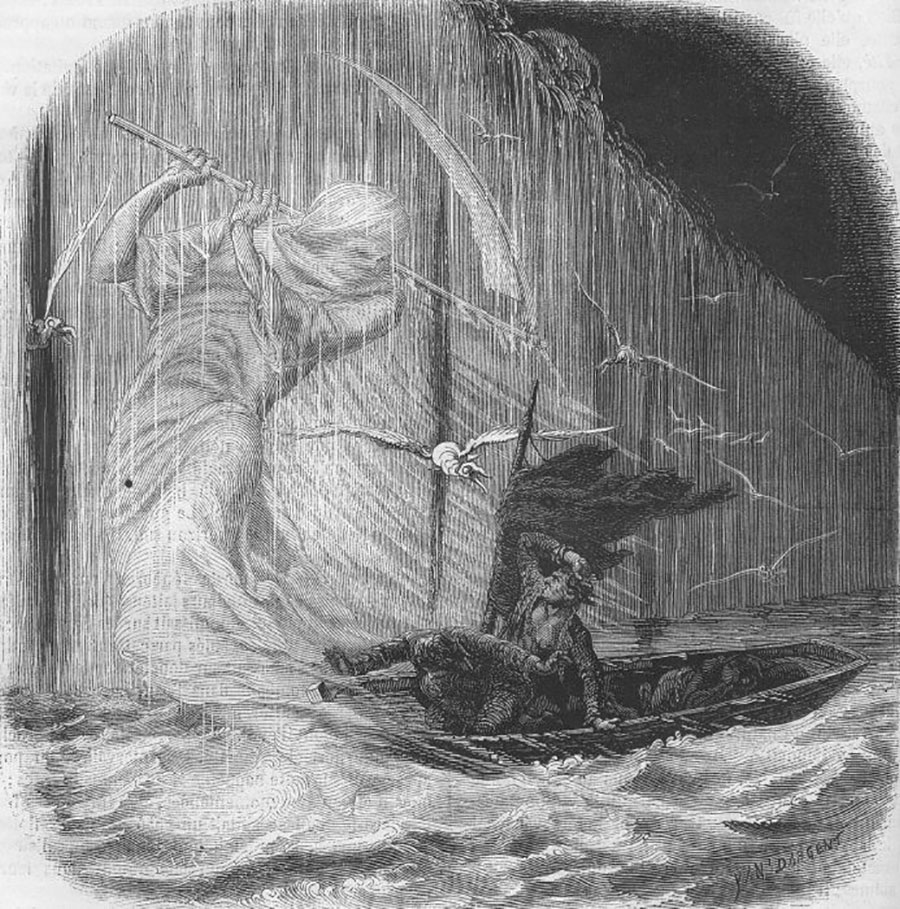
Edgar Allan Poe wrote The Narrative of Arthur Gordon Pym of Nantucket at a time when his short stories were not bringing him much success. The novel—his only complete one—allowed him to demonstrate his range as a writer. Although it was not warmly received by critics, it remains an important work in Poe’s development.
The story follows Arthur Gordon Pym’s increasingly surreal adventures at sea. After sneaking aboard his friend Augustus’s father’s ship, the Grampus, as a stowaway, Pym becomes caught in a violent mutiny that leaves only a handful of survivors. With the help of the mysterious sailor Dirk Peters, the survivors briefly regain control of the ship but soon face starvation, storms, and desperate choices.
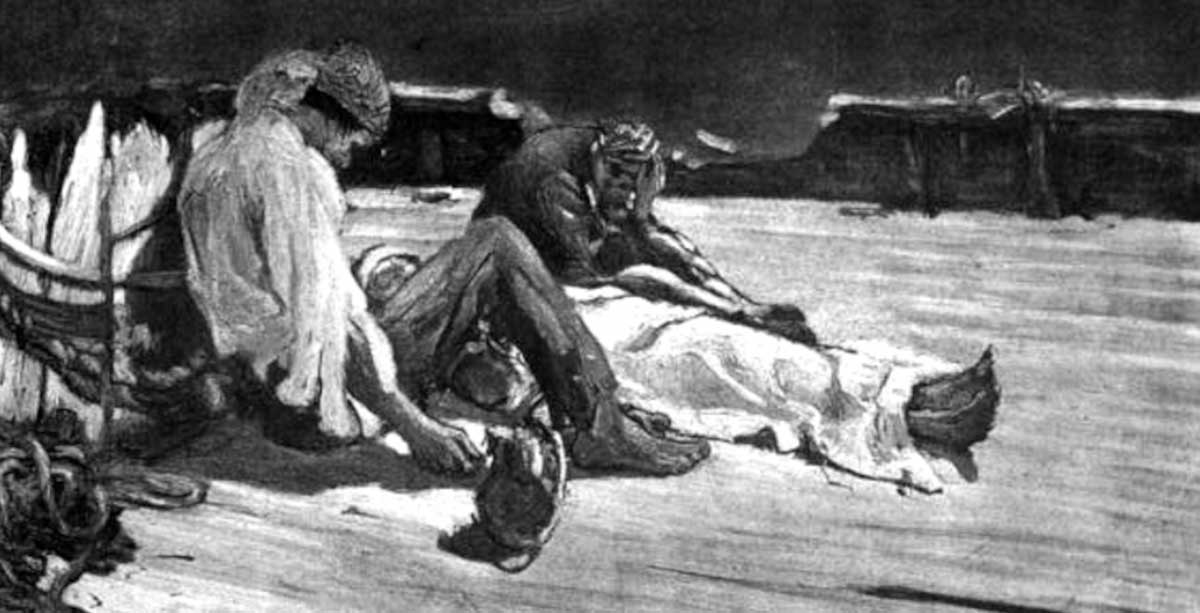
After being rescued by the crew of the Jane Guy, Pym and Peters continue their voyage southward, exploring remote islands and strange landscapes. Their journey eventually leads them toward the South Pole, where they encounter eerie phenomena—milky waters, drifting ash, and thick mist.
The novel ends abruptly when a mysterious white figure appears before them, leaving readers with one of the most enigmatic endings in American literature. In a postscript, Poe’s fictional editors claim that Pym was lost in an accident before completing his narrative, adding to the story’s enduring mystery.
2. The Fall of the House of Usher (1839)
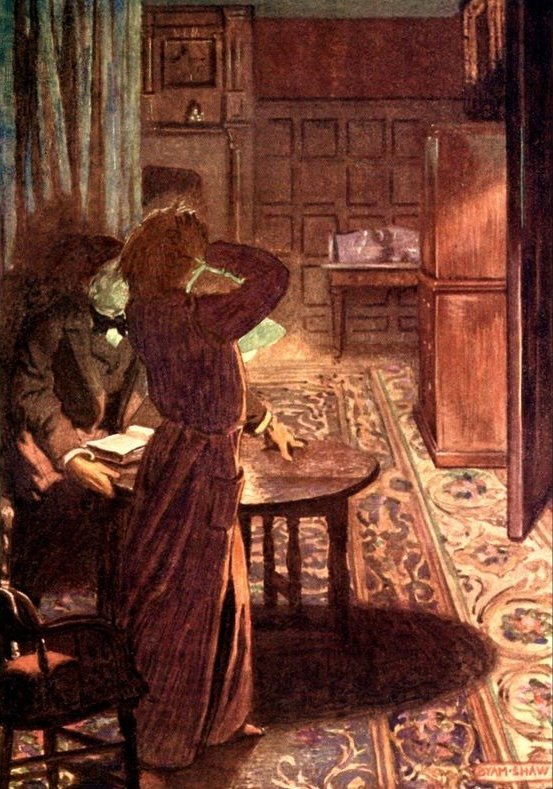
The Fall of the House of Usher is one of Poe’s most famous works, alongside The Black Cat and The Tell-Tale Heart. The story follows an unnamed narrator who visits his sick friend, Roderick Usher, at the family’s remote mansion. Roderick believes the house is alive and that its fate is tied to his own.
When Roderick’s sister Madeline is believed dead and entombed beneath the house, strange events soon unfold. On a stormy night, the twin siblings are reunited in a deadly climax: Madeline collapses on Roderick, killing them both, and the narrator flees as the mansion splits and sinks into the surrounding waters.
Scholars have long debated the story’s meanings. The mansion may symbolize a fractured psyche, Roderick and Madeline represent dual aspects of a single identity, or the tale may hint at vampirism or occult practices. Some even interpret Egyptian mythology in which Madeline embodies Osiris and Roderick Isis, reflecting a close, almost consanguineous bond.
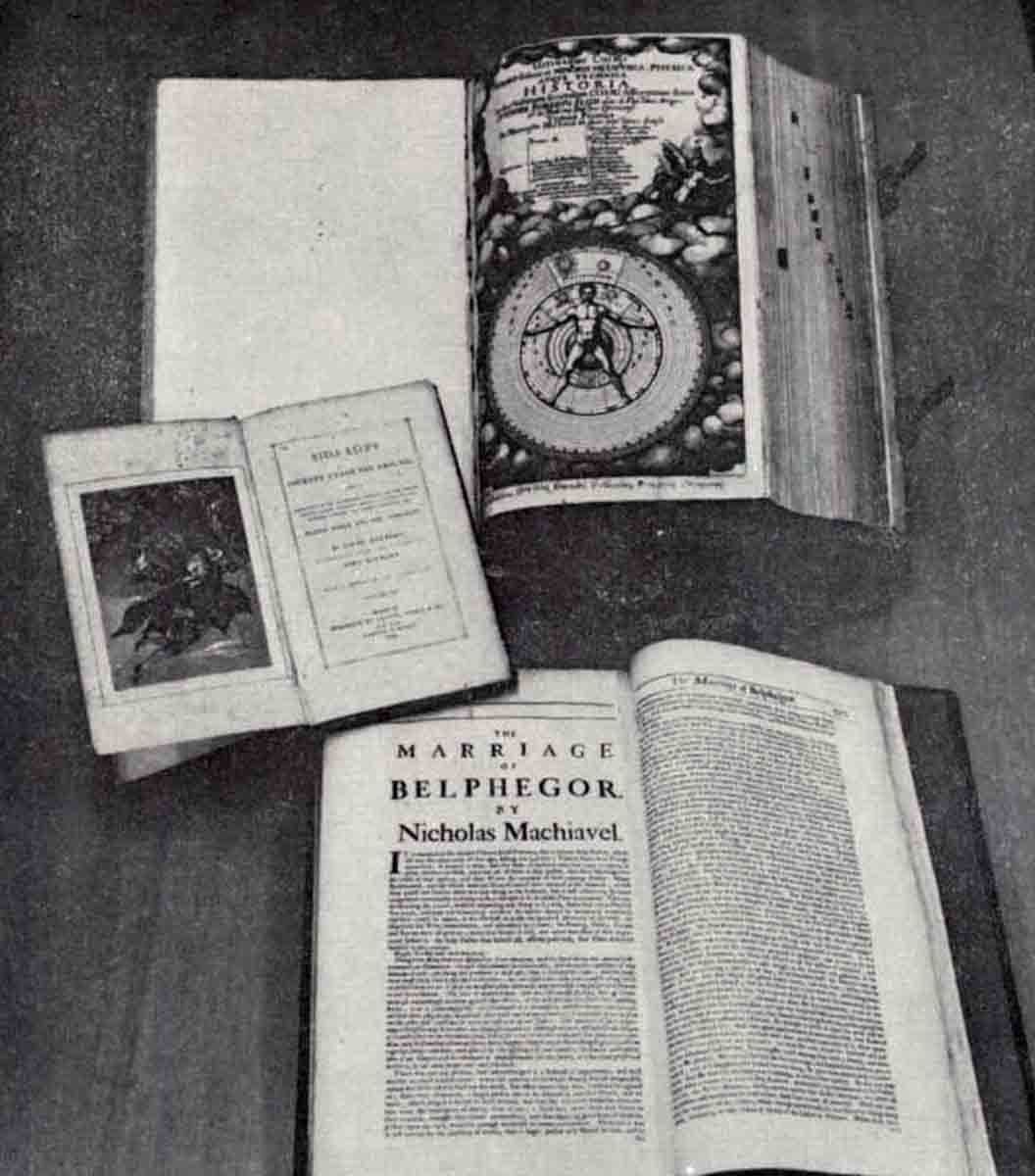
Roderick’s bizarre library—full of real, obscure works on the occult, science, and philosophy—underscores Poe’s erudition. Professor Thomas Olive Mabbott noted that these texts reveal Poe’s genuine knowledge in a field where he was often dismissed as quackish.
The story’s enduring appeal lies in its ambiguity. Modern adaptations, like Mike Flanagan’s Netflix series, weave Usher together with other Poe tales, celebrating its dark, cautionary power. Scholars still debate: did Poe intend a straightforward story, or a masterpiece meant to defy interpretation?
3. The Raven (1845)
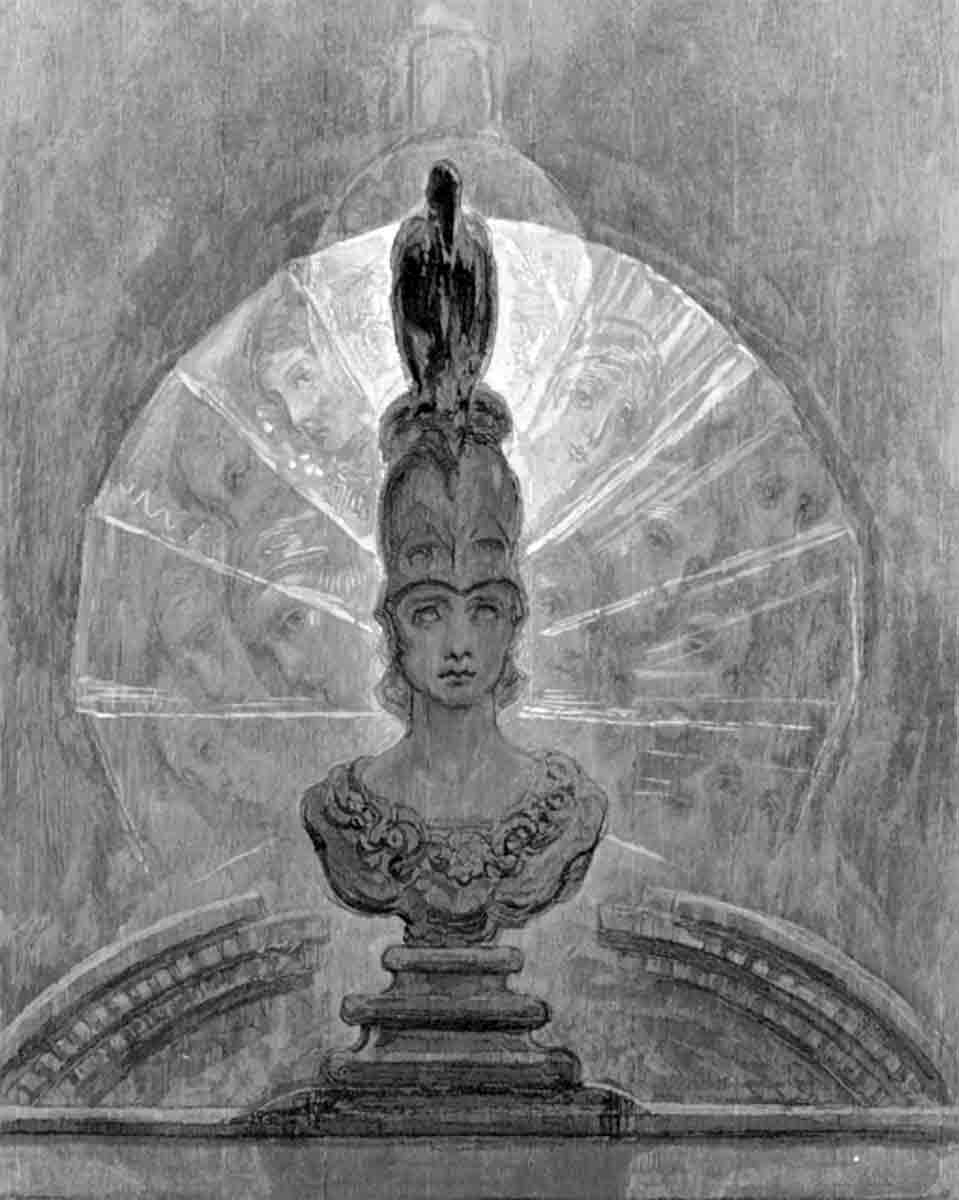
Although The Raven catapulted Edgar Allan Poe to national prominence and became a household name, it did not bring him much financial success. The poem is often praised for its musical, highly stylized language and its supernatural, melancholic atmosphere. It tells the story of a scholar mourning the loss of his beloved Lenore, whose encounter with a raven marks his slow descent into madness and despair.
Poe used the poem in his essay The Philosophy of Composition (1846) to illustrate his theories of writing. He emphasized the importance of a story’s length, the unity of effect, and the logical planning of each detail. According to Poe, “the death of a beautiful woman” is the ultimate poetic topic, and he crafted The Raven around this principle. Every element—from the stormy night to the raven’s perch on a bust of Pallas, goddess of wisdom—was deliberately chosen to heighten the poem’s mood and meaning.
Poe also intended the poem to appeal to both popular and critical tastes. Its careful structure, symbolic imagery, and repeated refrain “Nevermore” illustrate the narrator’s fixation on loss and inability to move forward. The raven becomes a powerful symbol of grief, memory, and obsession, haunting the narrator and reminding him of his endless sorrow.
The Raven has inspired countless artists, from Gustave Doré’s final illustrations in 1883 to modern references in popular culture, including The Simpsons. Its blend of dark lyricism, narrative tension, and philosophical depth ensures its enduring place in literary history.
4. Some Words with a Mummy (1845)
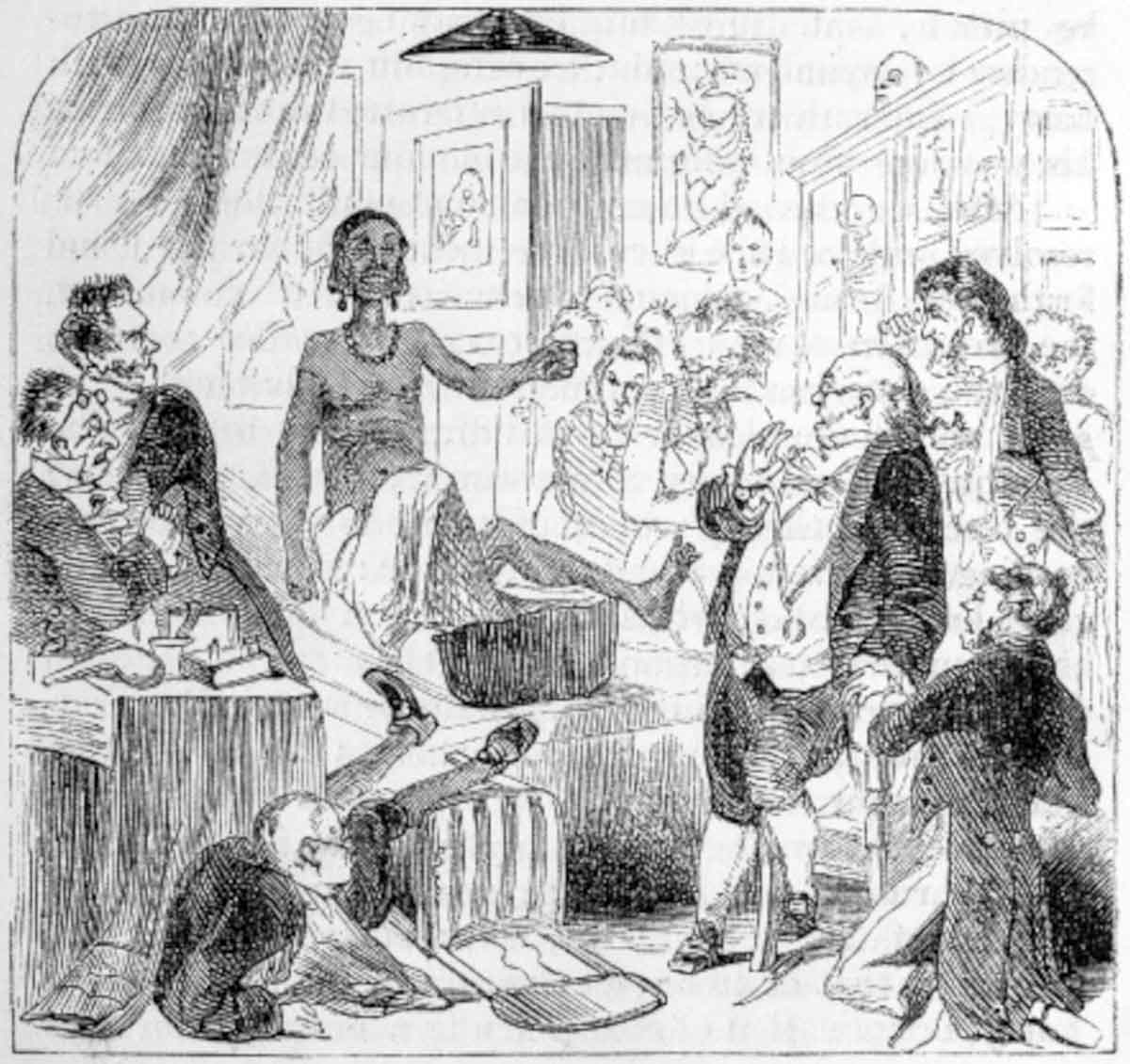
Some Words with a Mummy is a satirical short story that critiques the Egyptomania craze of Victorian England and, to a lesser extent, the United States. With most knowledge of Egypt limited to art, architecture, and literature, the culture was shrouded in exoticism, mysticism, and fanciful myths. Poe lampoons these misconceptions while exploring human arrogance and cultural superiority.
The story follows an unnamed narrator who, after a dinner of Welsh rabbit and stout, witnesses the unwrapping of a perfectly preserved mummy, Allamistakeo, at Doctor Ponnoner’s home. When the men apply electricity to examine him, the mummy awakens and quickly asserts his superiority over modern humans. He mocks their monotheism, their belief in progress, and even shares his own views on human creation through spontaneous generation.
Despite his intellectual dominance, Allamistakeo finally admits defeat when confronted with the men’s knowledge of manufactured lozenges and pills. The encounter leaves the narrator uncertain whether he dreamed the episode or truly conversed with a mummy. Disillusioned with his own time, he whimsically resolves to be embalmed like an ancient Egyptian, to witness humanity’s future advancements.
Poe blends humor, satire, and philosophical reflection in this short story, making it both an entertaining tale and a sharp commentary on human pride, curiosity, and the allure of the past.
Edgar Allan Poe’s Legacy
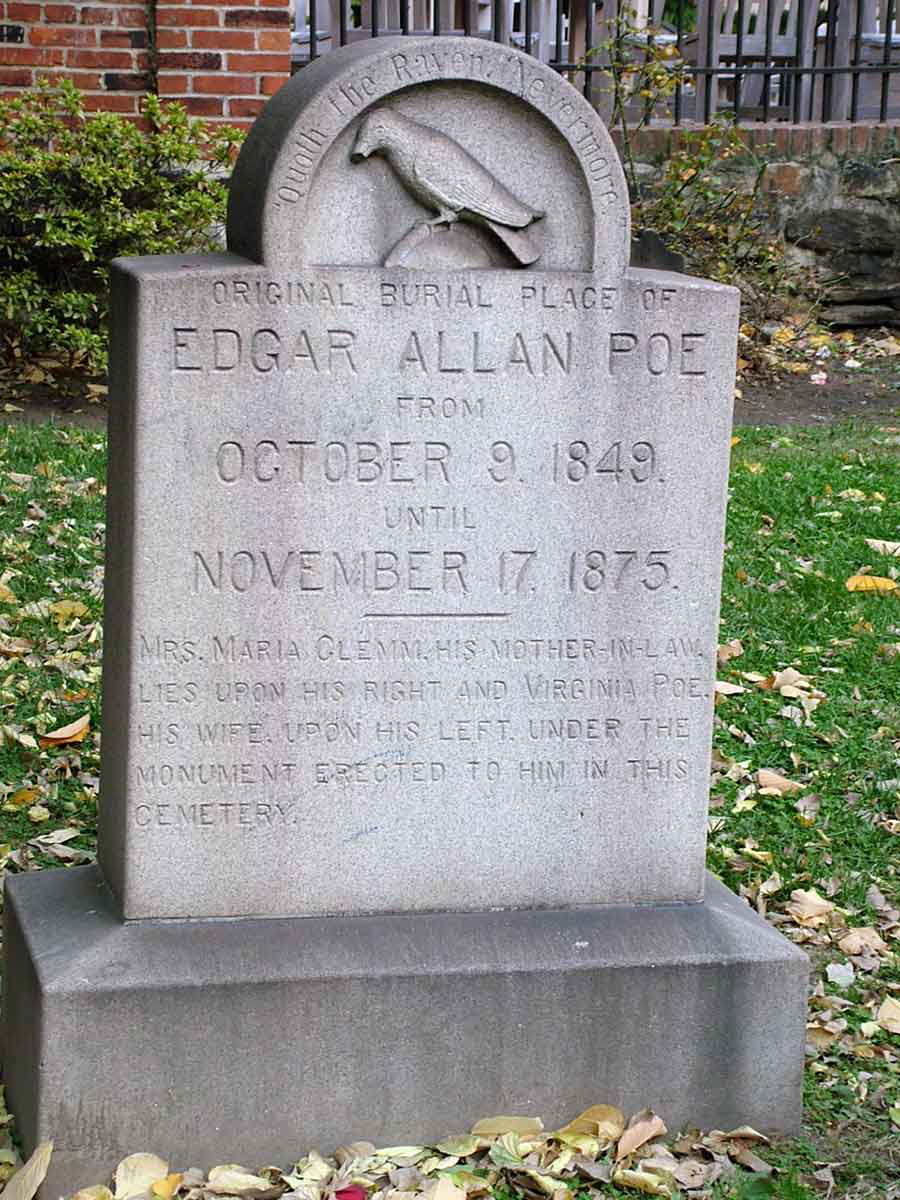
It is unfair to label Poe simply as depressed or brooding. He suffered tremendous losses—his mother, Eliza Poe, and his wife, Virginia Clemm, died of consumption, and his childhood under John Allan was often difficult. He also faced money troubles and literary enemies, the most notorious being Rufus Griswold, whose vicious obituary damaged Poe’s reputation for years.
We should remember Edgar Allan Poe for his literary legacy, his brilliant mind, and his insight into the human condition—its good and evil. As one journalist remarked, “Mr. Poe is not merely a man of science—not merely a poet—not merely a man of letters. He is all combined; and perhaps he is something more…”