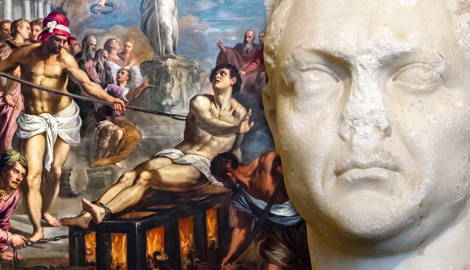

For much of the Christian Church’s history, the Papacy has been an office sought by many members of the clergy. But in the 3rd century, accepting the “keys to the kingdom” meant almost certain death, with up to three-fourths of those who ascended to the papal throne dying in all sorts of horrendous ways at the hands of Roman authorities. While many emperors are responsible for ordering the deaths of popes, Emperor Valerian has the distinction of murdering more popes than any other.
The Rising Prestige of the Christian Church
From the time of its inception, the early Christian Church operated underground, hoping to escape the attention of the Roman authorities. Because Christians refused to honor the gods or sacrifice to the emperor, they were viewed as a threat to the “pax deorum” (peace of the gods) and were at best rebuffed and ostracized from Roman society or, at worst, subject to periodic violence and persecution.
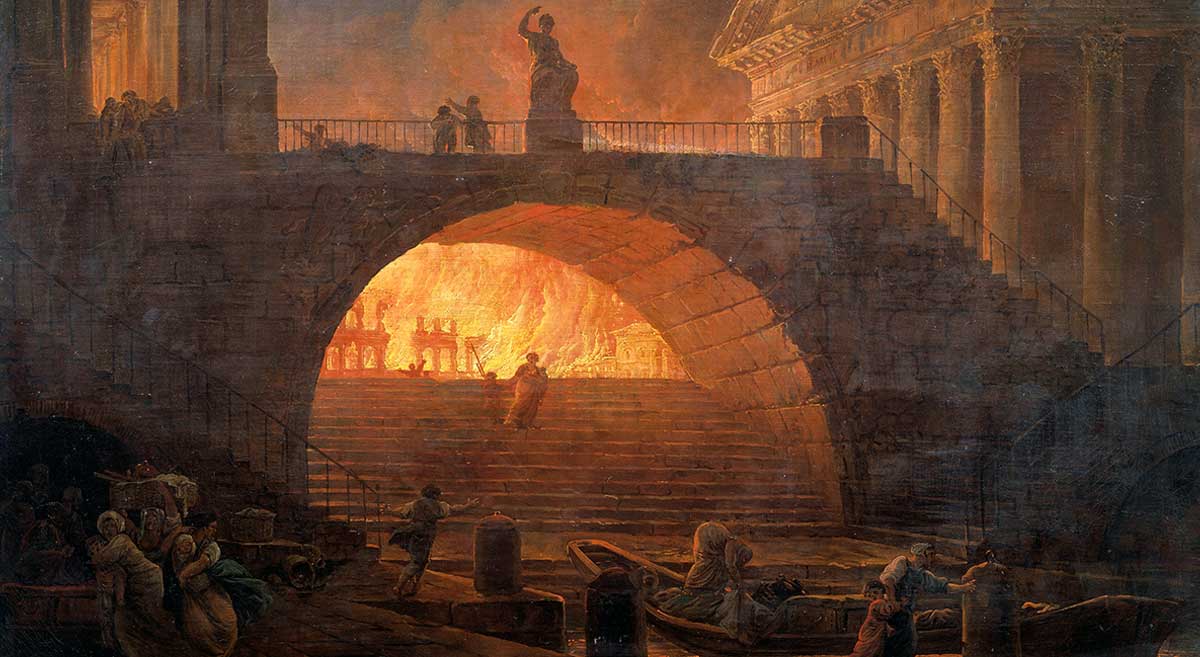
The first and perhaps most famous example was initiated by Emperor Nero in AD 64 following the Great Fire of Rome, but even if they weren’t the targets of outright violence, most early practitioners preferred to worship in secret.
By the 3rd century, things had begun to change. While Christians were still a minority group, three hundred years of steady growth and integration into Roman society had resulted in many members of the faith rising to high office or accruing enough wealth to begin emerging from the shadows. For the first time, dedicated churches began to appear across the Roman world, and while this helped propagate the church, the raised profile meant reprisals were more likely, especially in times of heightened strain. And there were few periods of Roman history more strained than the Third Century Crisis.
Christians Bear the Blame for the Third Century Crisis
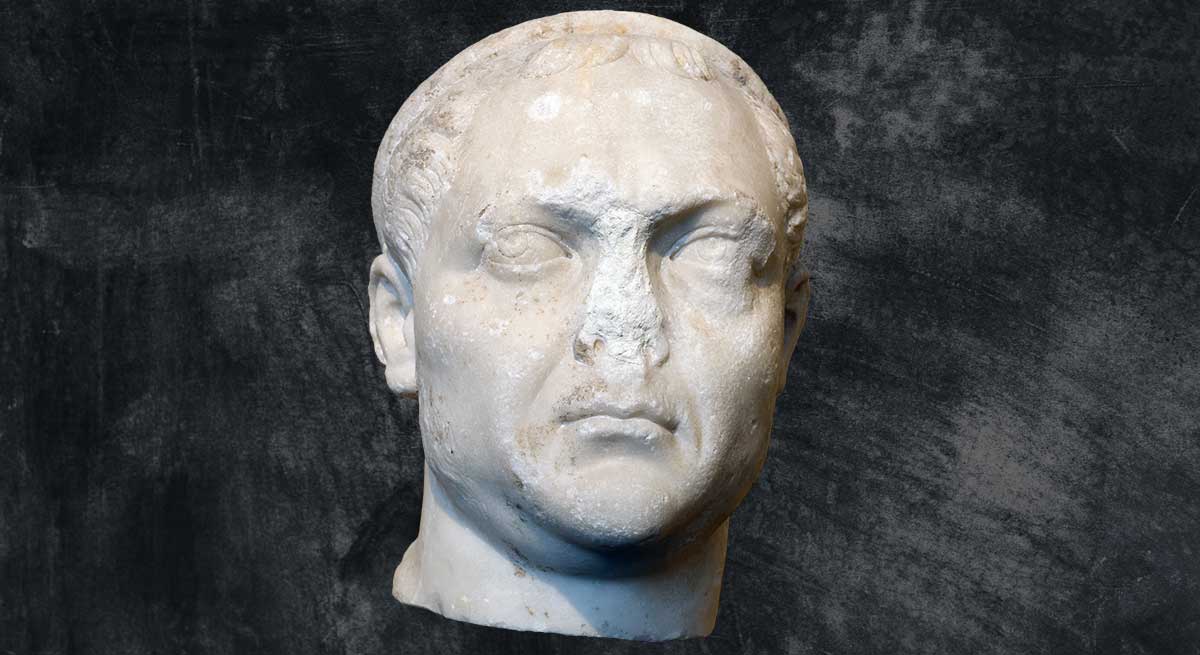
At the same time the Church was on the rise, Rome began one of its most significant periods of decline known as the Third Century Crisis. The reasons for this decline were many, with the Sassanids pressing the empire’s borders while internal power struggles sapped whatever strength remained. Starting with the murder of Emperor Alexander Severus in AD 235, this 50-year period of Roman history saw 26 emperors, including a short period of rule by an emperor named Valerian.
Coming to power as a result of a murder plot instigated by the soldiers of his predecessor, Valerian was of noble blood and a general, so when the army declared for him in 253, the Senate readily acquiesced.
Valerian quickly appointed his son Gallienus as his Augustus, or successor, and set about trying to stabilize the empire, but the problems proved so difficult to overcome that he also looked for scapegoats, focusing much of his ire on the Christian community.
Valerian Perpetuates Religious Violence
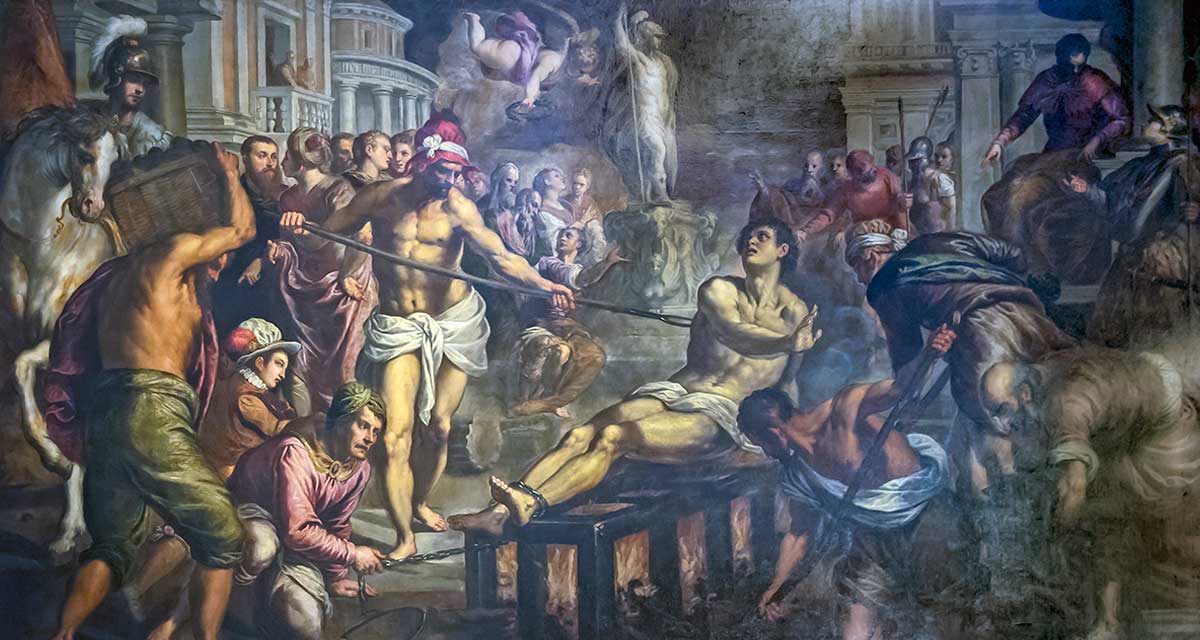
While Valerian sought to consolidate his power in turbulent times, the Christian church was also dealing with its own internal issues caused by persecution. From 235 to 257, the years preceding Valerian’s rule, the persecution of Christians was rampant and resulted in the deaths of many church leaders.
Emperor Decius decreed that all inhabitants of the empire, with the exception of Jews, must sacrifice to the Imperial cult, resulting in the martyrdom of Pope Fabian when he refused to engage in idolatry.
Emperor Trebonianus Gallus banished Pope Cornelius from Rome and sent him to the Roman port of Civitavecchia, where he died from the harsh environment or possibly from beheading at the order of the emperor, depending on who you believe.
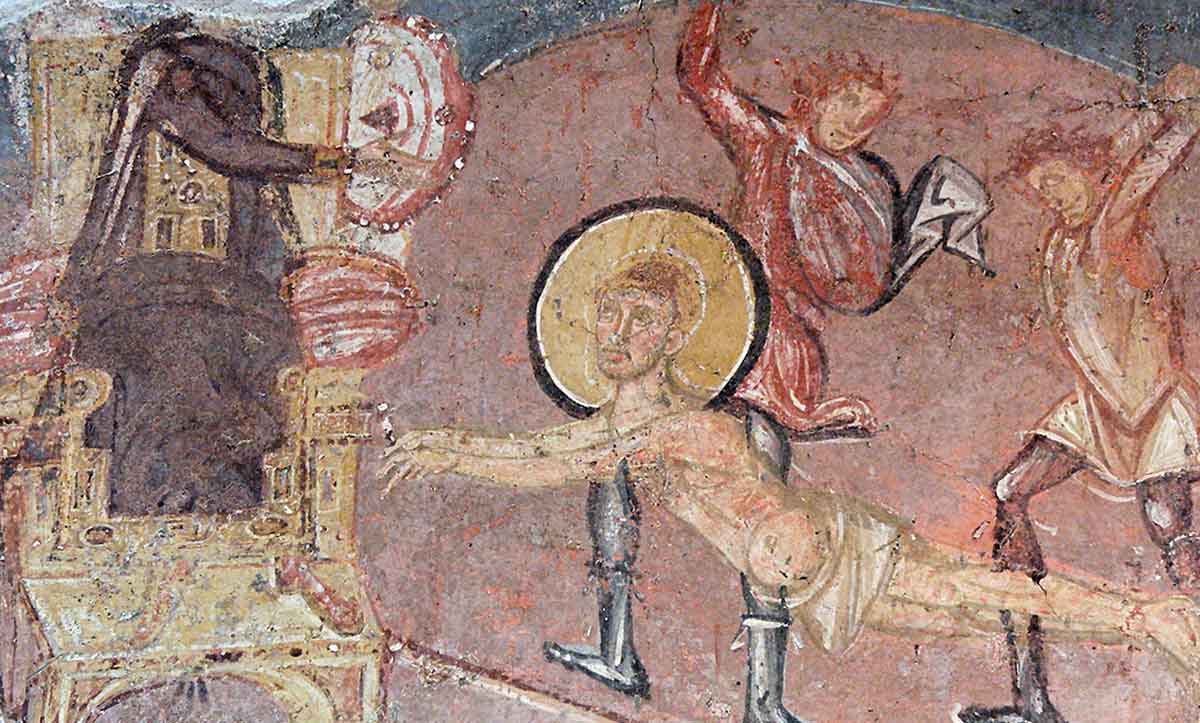
This legacy of violence was inherited and perpetuated by Valerian, who saw Christians and their growing power as convenient scapegoats for the problems of the empire. While away in the east fighting to secure the border from incursions by the Persian emperor Shapur, he sent two letters in 257 and 258 ordering the Senate to persecute Christians.
The first letter demanded the Christian clergy sacrifice to the Roman gods or risk banishment. It forbade gatherings or visiting cemeteries, and many leaders of the church found themselves living out the brutal realities of “damnatio ad metalla,” or condemnation to the mines.
The goal of this edict was not to fully extinguish the Christian faith, but to bring it in line during this time of imperial emergency. While this definitely complicated the day-to-day life of Christians, it didn’t result in greater violence, at least at first.
In the years following this first edict, Valerian and his army endured setback after setback in their campaign. Not only did he need additional funds to continue to prosecute his war, but he needed to reestablish his power, so he doubled down on his persecution of Christians. The second letter, sent the following year, was much more brutal.
Any Christian members of the Roman Senate or civil officers were directed to worship the Roman gods openly. Those who refused risked losing their title and property or being enslaved, and those who continued to resist could face execution. And nobody was safe, least of all those at the top of the Church hierarchy.
St. Stephen Suffers the Wrath of Rome
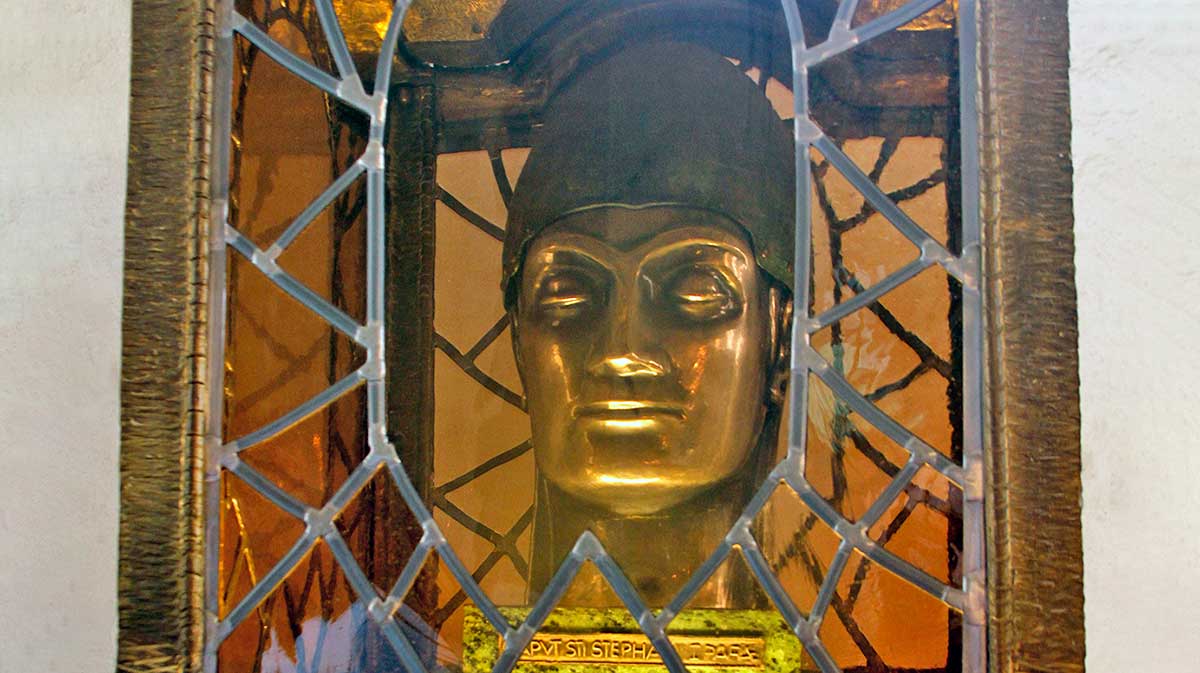
In AD 257-8, when Valerian issued his second edict, the bishop of Rome was a citizen of noble birth who took the name Stephen I. While accounts sometimes conflate him with his successor, tradition holds that he suffered one of the most gruesome deaths ever exacted on a pope. In the middle of Mass, while sitting on the papal throne, Stephen was beheaded by men enforcing the will of Valerian. While the evidence of this atrocity is minimal aside from a reliquary that is purported to hold the severed head of the pope, the story falls in line with substantiated persecutions ordered by Valerian.
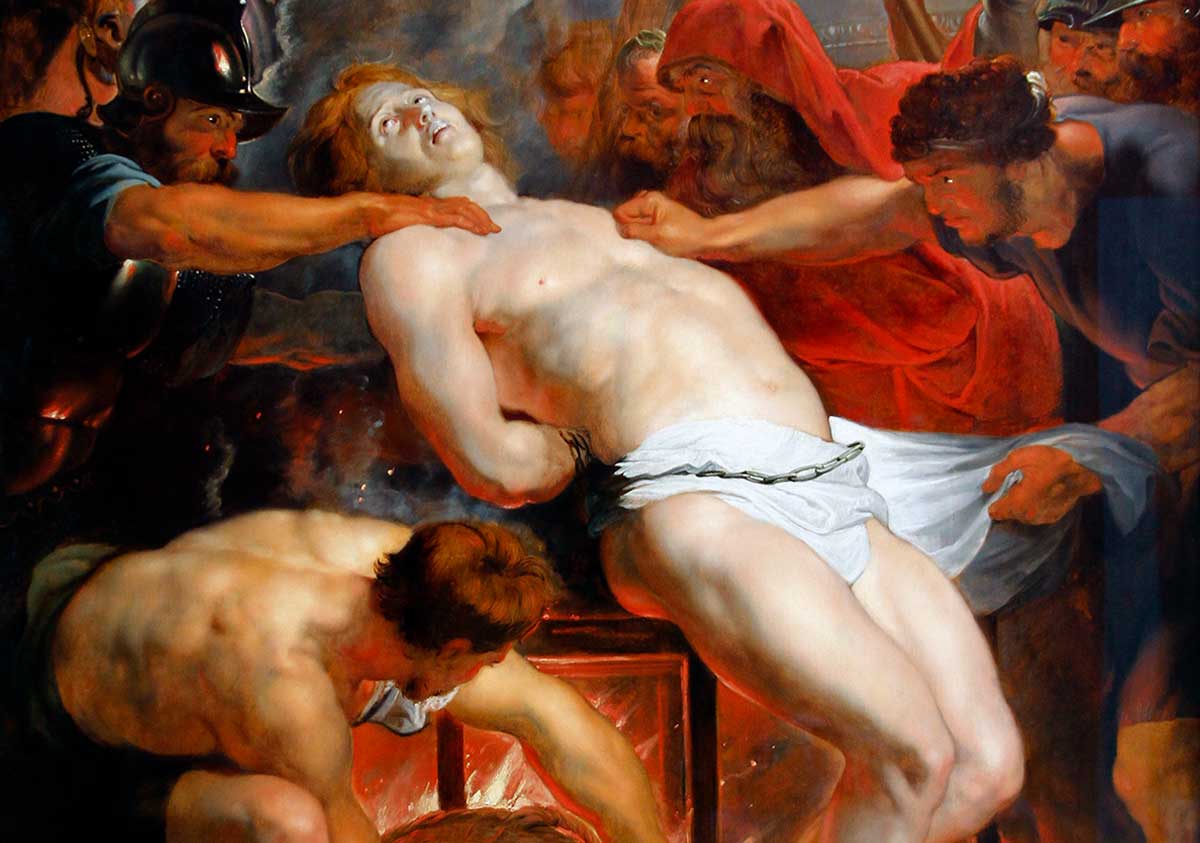
Additional victims of these twin edicts included Saint Denis of Paris, Saint Lawrence (who served as archdeacon in Rome and was well known for acts of charity and distributing alms to the poor), and all seven of the deacons of Rome.
While these men weren’t popes themselves, their high standing in the Church meant that many of them had the potential to eventually become the successor to Saint Peter. But alongside the seven deacons of Rome who were captured was an even higher-value target.
Sixtus and Valerian Meet Their Maker
As the storm of violence continued to claim clergy, a new pope was elected to succeed Stephan I. Named Sixtus II, he was obviously a high-value target but refused to forsake his duties and continued to conduct Mass and lead gatherings, even in cemeteries in defiance of Valerian’s edict.
The Romans didn’t waste any time in tracking him down, and when they finally caught up to him on August 6th, 258, he was celebrating the liturgy in the Catacombs of Callixtus and, upon being discovered, was executed that same day.
But the death of Sixtus marked the beginning of the end for Valerian’s reign of terror. Just two years later, Valerian and his army were defeated by the Persians at the Battle of Edessa, and the emperor himself was taken captive. The Persian emperor Shapur wasted little time making a fool of Valerian, using him as a footstool when mounting his horse.
When Valerian tried to offer his captor a ransom for his freedom, the emperor decided that he had humiliated his prisoner enough and decided to end his torment by either forcing him to drink molten gold or flaying him alive.
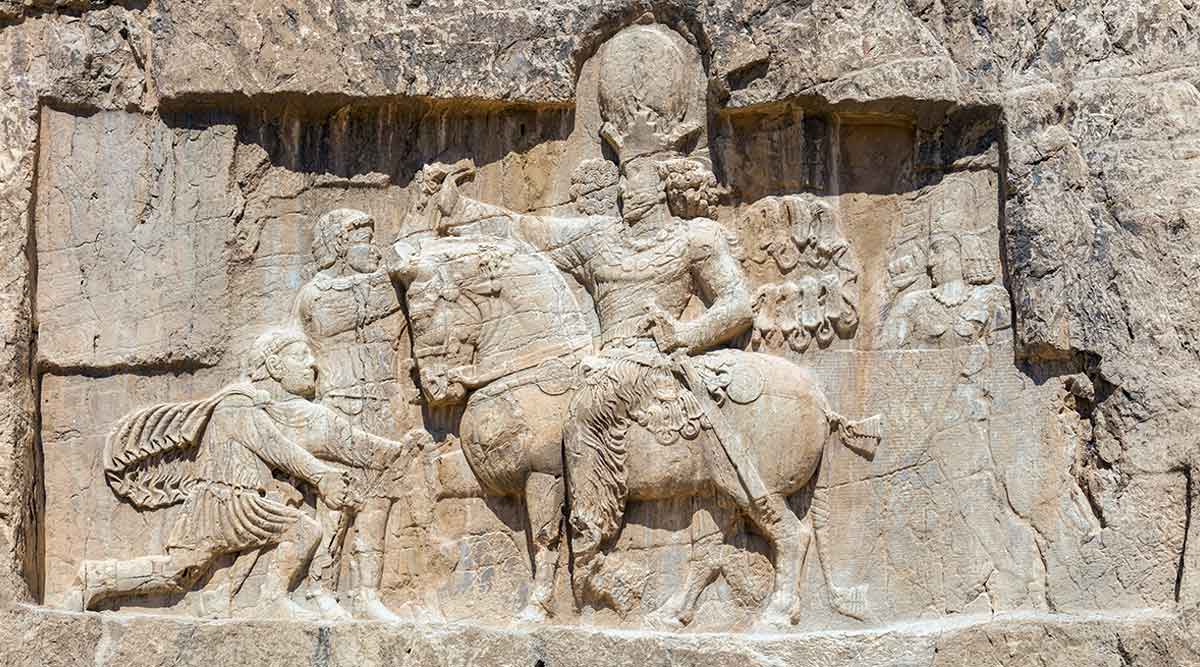
While this makes for a great story, the tale comes from a book written nearly 60 years after his death called On the Deaths of the Persecutors, written by a Christian author who had every reason to demonize Valerian and his Persian captors, both of whom had used their power to kill his brothers and sisters in Christ.
Scholars continue to debate the actual fate of Valerian to this day, but what is not debated is that once the emperor had died, the persecutions he authored with his letters ended soon after, when his successor and son Gallienus immediately reversed his father’s edicts, ordering tolerance and restoring property. This period of 40 years of relative peace was known as “the little peace” and allowed the Church and its leadership some breathing room.
The emperor wrote his own edict guaranteeing them safety to reopen their churches and the safety of leaders who had previously been in hiding, including the successor to the slain Sixtus II: Pope Dionysius.
While Valerian was one of the harshest persecutors of Roman Christians, he would not be the last. In 284, the emperor Diocletian would rise to power and build upon the policies of Valerian to outlaw Christianity altogether, tearing down churches and nearly eradicating it from the empire. The position of Christians within the empire was never truly secure until the emperor Constantine the Great came to power and decriminalized Christianity once and for all.