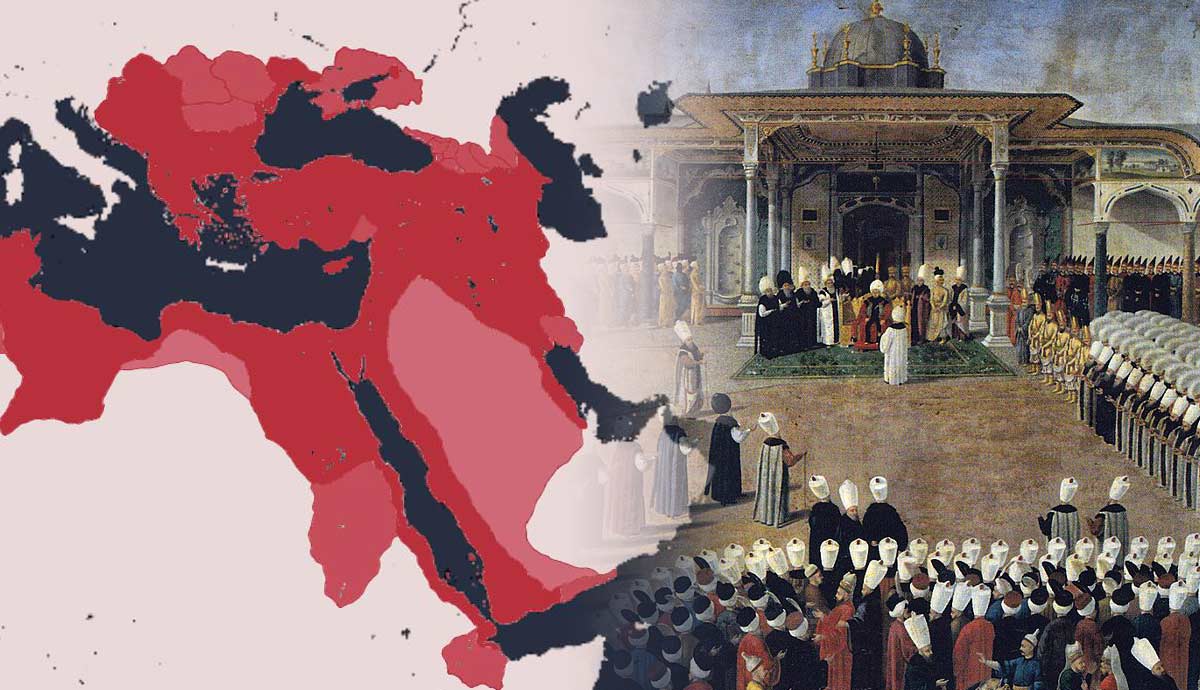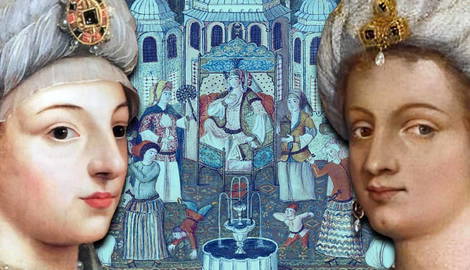
Throughout Ottoman history, women across Eastern Europe and the Balkans were thrust into the turbulent politics of the Ottoman imperial court. Many were enslaved and sold into the harem. Others were diplomatic bargains by kingdoms desperate to avoid an Ottoman invasion. These women learned how to navigate, consolidate, and even wield power. While some served as steadfast advisors for legendary sultans like Mehmed II, others overturned centuries of custom and ruled as queen mothers and regents, transforming the harem into the heart of imperial power.
How Mara Branović Bridged the Christian and Ottoman Worlds (c. 1417/1420–1487)
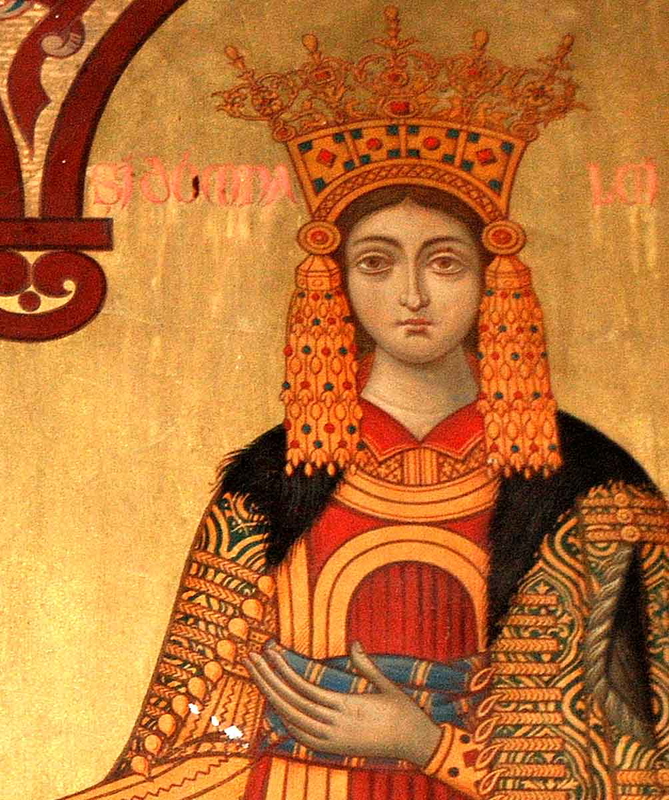
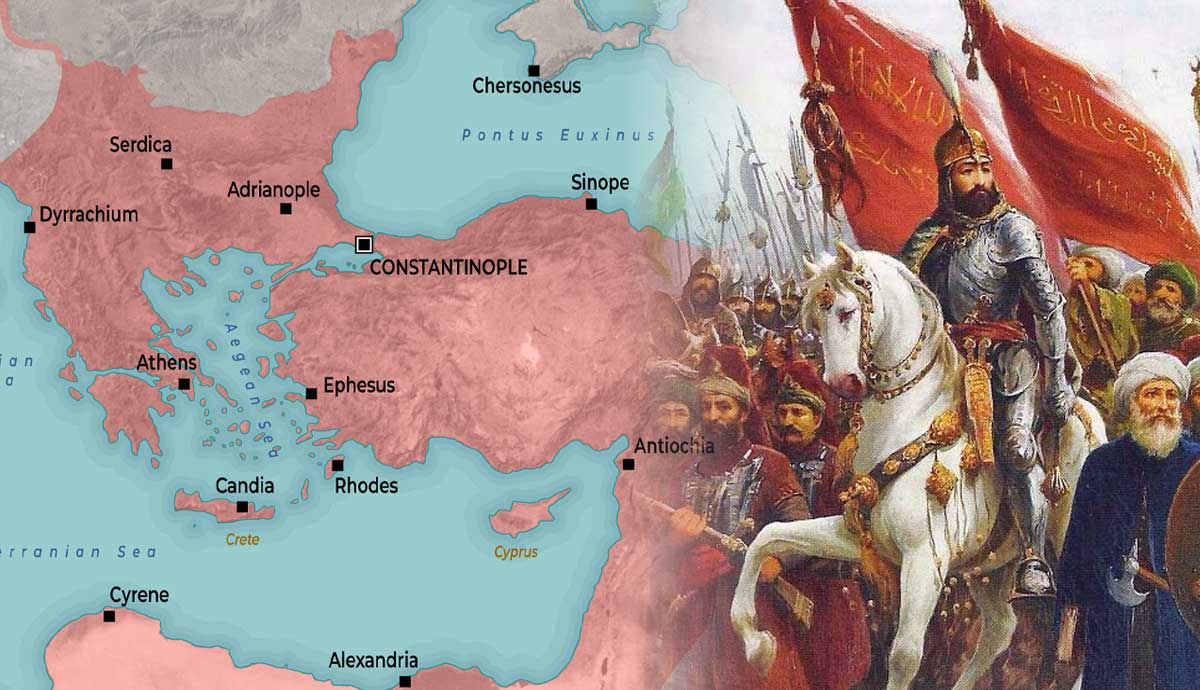
Daughter of the Despot of Serbia, Mara was married to Sultan Murad II in 1435/6 to stave off an Ottoman invasion and raids. While she bore the sultan no children, Mara became a crucial maternal figure, advisor, and supporter of Murad’s son, Mehmed II. Despite her Orthodox faith, Mara supported Mehmed’s mythic defeat of the Eastern Roman Empire as the Conqueror of Constantinople in 1453.
Mara served as a key ambassador and diplomatic advisor for Mehmed’s expanding Islamic Empire. She appeased Christian Europe to legitimize his rule and quelled threats of a Crusade. She also became Mehmed’s main intermediary with the Republic of Venice and the Kingdom of Hungary, brokering key trade agreements to integrate and legitimize the empire’s place as a dominating European force.
Hürrem Sultan and the Legal Revolution That Made Her Empress (c. 1505/1507–1558)
Enslaved from the former Kingdom of Poland, present-day Ukraine, Hürrem captured the heart of Suleiman I. His love for her forever changed Ottoman succession, gender, and reproductive politics. He refused to take any other lovers and invented a new position to raise her status to the Haseki Sultan, chief consort. Hürrem further enraged his court by marrying Suleiman in 1533/34, becoming the first concubine to marry a sultan.
Her unprecedented rise garnered a mix of respect, jealousy, hate, and fear. Regardless, Hürrem ushered in the empire’s golden age as Suleiman’s co-ruler and most trusted advisor. She brokered peace with neighboring Eastern European kingdoms. Hürrem also invested an unprecedented amount in local charity and philanthropy. She founded soup kitchens, water systems, public schools, and baths across the empire. Most famously, she created the Haseki Sultan Complex that cared for disabled, poor, sick, and pregnant women.
Nurbanu Sultan and the Rise of the Harem Power Brokers (c. 1525–1583)
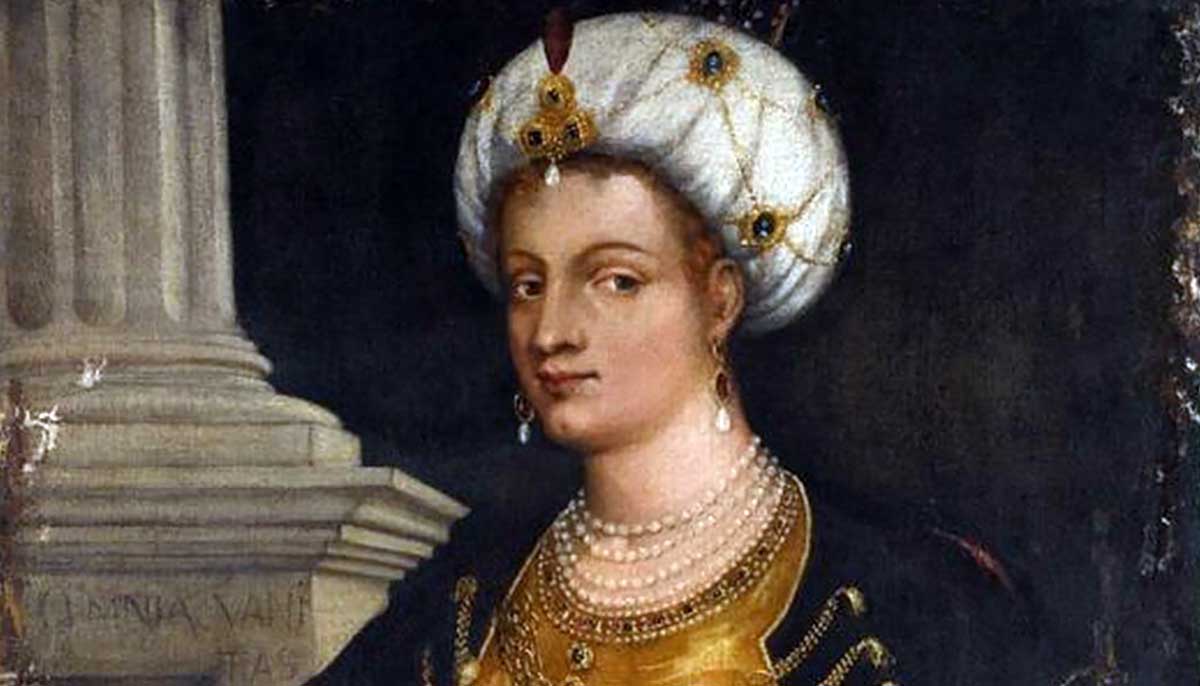
From either Venetian, Greek, or Jewish origins, Nurbanu rose to political power as the most beloved concubine and Haseki Sultan of Selim II. Within the harem, she cultivated an intensive network of supporters among religious figures, grand viziers, diplomats, and politicians. When Selim died unexpectedly in 1574, she froze and hid his corpse until her son could return and claim the throne. Elevated to the position of valide sultan, Queen Mother, Nurbanu exercised an unprecedented amount of authority over the Ottoman Empire until her death.
Her will influenced all Murad III’s decisions regarding politics, political appointments, and marriage. She oversaw Ottoman diplomacy and even developed a friendship with Catherine de Medici. Her vice grip on the imperial harem is often credited for ushering in the most dominant chapters of the Sultanate of Women. For the next century, mothers, concubines, and brides fought and ruled the empire from the harem over increasingly weak, paranoid, and mentally ill sultans.
Safiye Sultan’s Global Network of Spies, Foreign Trade, and Imperial Intrigue (c. 1550–1619)
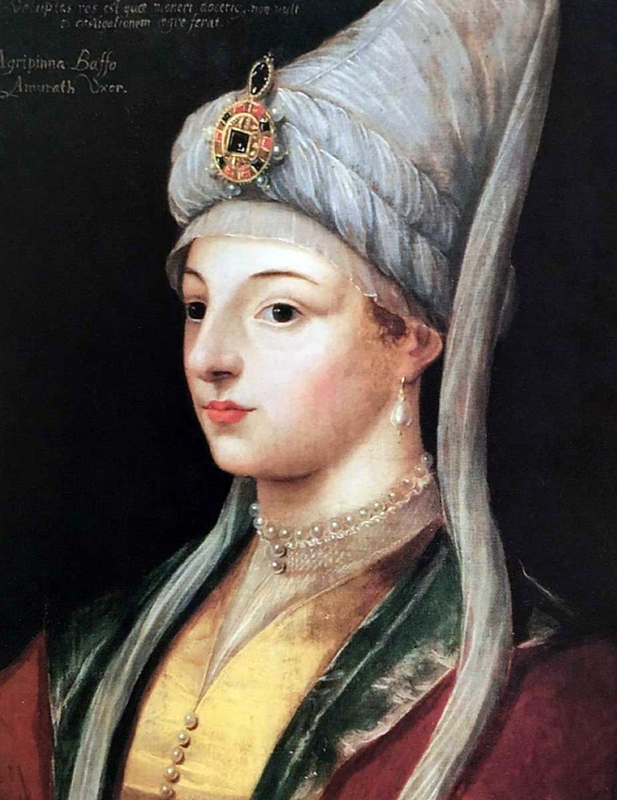
From present-day Northern Albania, Safiye was sold into the imperial harem at the age of 13. Becoming Nurbanu’s greatest challenger, Safiye was exiled until Nurbanu’s passing. Afterward, Safiye returned to court as Murad’s chief consort. While Murad was distracted fathering 100 children, Safiye consolidated power and became one of the wealthiest and most powerful women in Ottoman history.
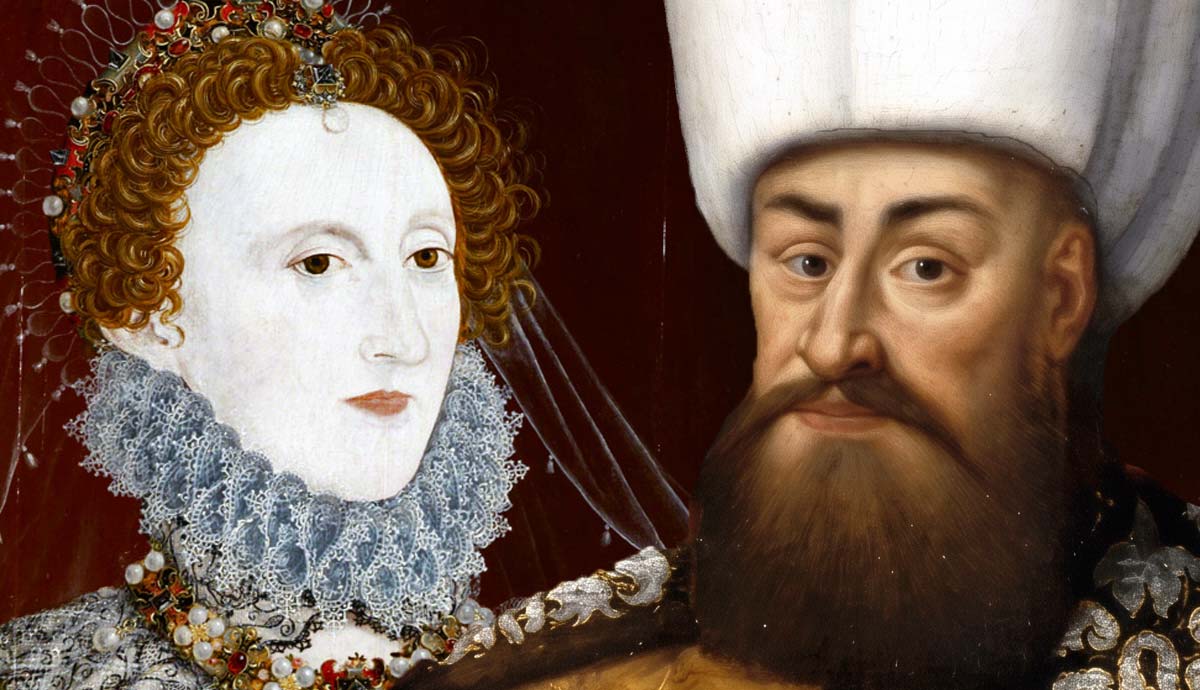
After Murad’s death, Safiye became the new valide sultan. She established international networks of spies and allies, and developed strong relations with Venice and Elizabeth I of England. Appointments, dismissals, and even executions ran through her approval. To maintain her power, she even orchestrated the execution of her own grandson, Şehzade Mahmud, in 1603. However, her tenure overlapped with periods of extreme instability and revolt. Safiye became the main scapegoat for all internal failings of the empire and was removed from power by her grandson, Ahmed I, in 1604.
Kösem Sultan’s 45-Year Dominance as the Empire’s First Female Regent (c. 1589–1651)
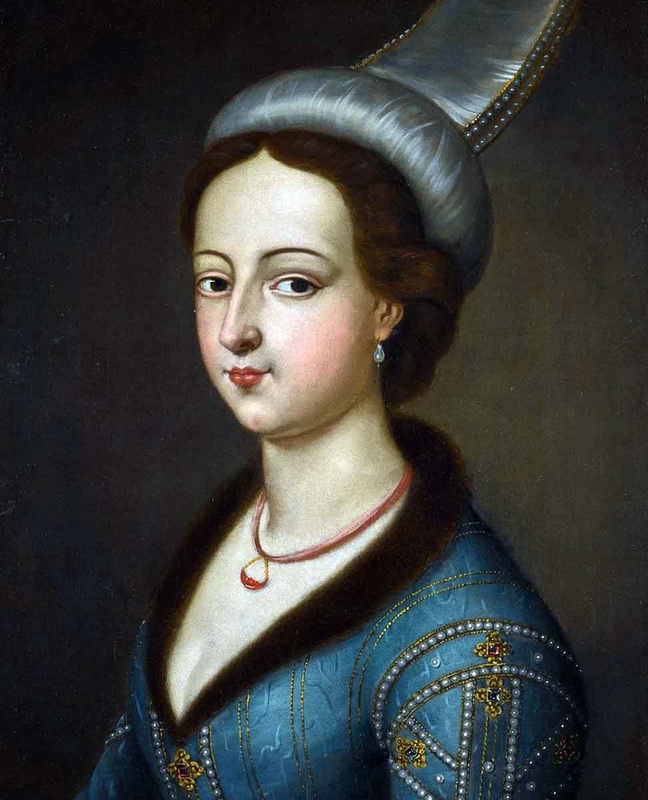
Kösem Sultan amassed more sovereignty than any previous valide or Haseki Sultan. Either Greek, Bosnian, or Circassian, Kösem became the chief consort of Ahmed I by the age of 15. After his death, she became the empire’s first female regent, commanding the janissaries, military leadership, court officials, religious leaders, and the harem. Her political rule spanned more than 45 years, during periods of extreme poverty, inflation, plague, military defeats, and bitter harem rivalries.
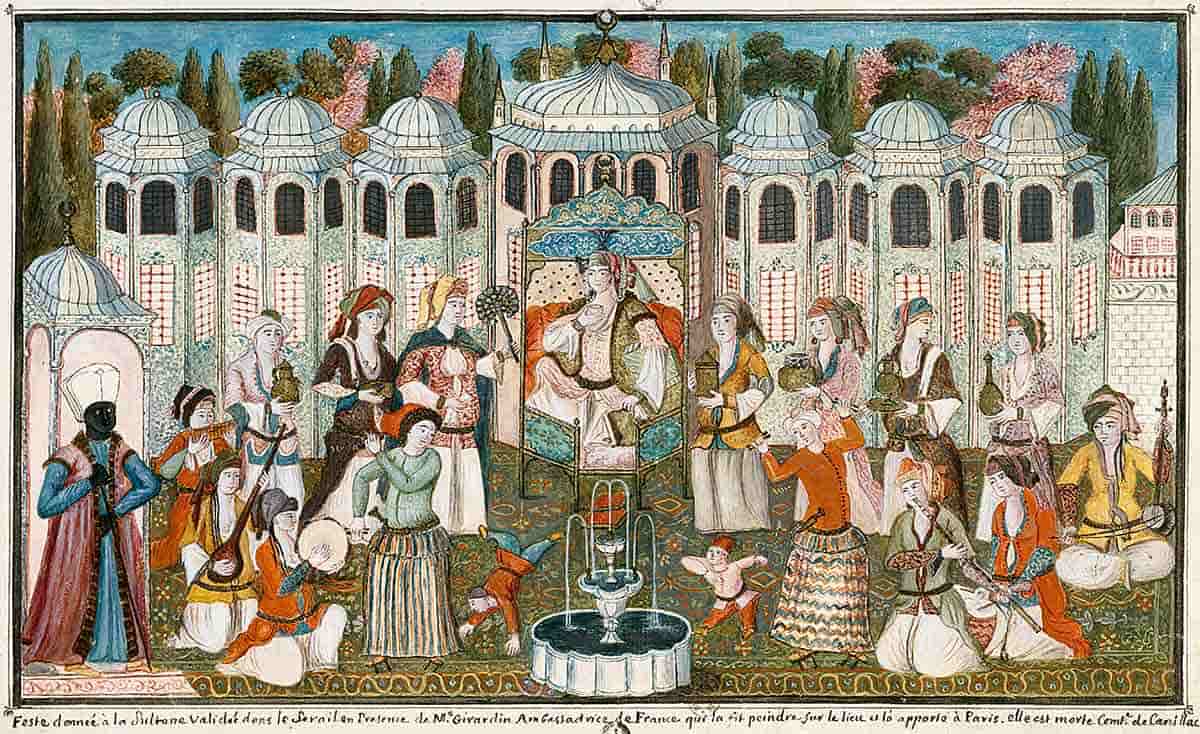
However, her controversial reign was marred by the evident decline of the Ottoman Empire, exacerbated by mentally unstable, erratic, sex-crazed, and paranoid sultans. She even deposed her own son Ibrahim the Mad and approved his strangulation to maintain order.
Kösem also invested in expansive networks of charities, schools, mosques, and liberated her female slaves by often providing their dowries to secure advantageous marriages. Kösem’s reign was ended by her own daughter-in-law. Hatice Turhan, the new valide sultan, had Kösem strangled in 1651 to protect her young son’s reign.