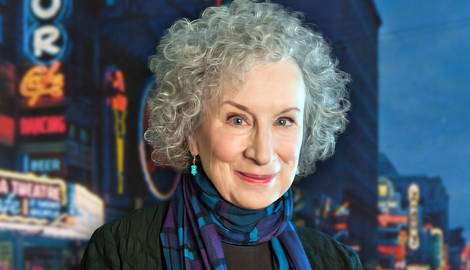

Canadian literature is shaped by extraordinary women whose voices redefine our understanding of place, identity, and belonging. From Montreal’s quiet tensions to the Pacific Northwest’s rain-soaked edges, these five female Canadian authors offer stories that linger long after you finish reading. Here’s why their work matters, and why they deserve a spot on your bookshelf.
1. Mavis Gallant: Montreal Stories by a Montreal Author
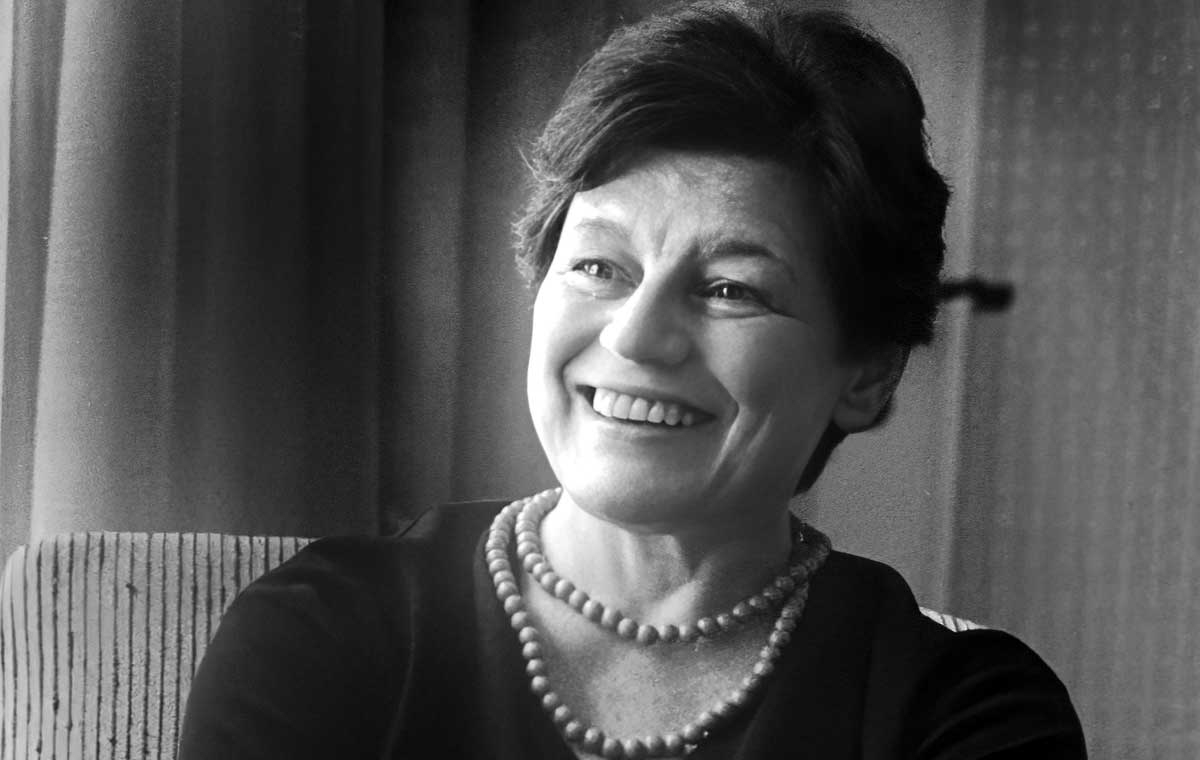
To grasp the beauty of Mavis Gallant’s (1922–2014) prose, one needs only read this short paragraph from Voices Lost in Snow, one of her most powerful short stories: “Two persons descend the street, stepping carefully. The child, reminded every day to keep her hands still, gesticulates wildly – there is the flesh of a red mitten. I will never overtake this pair. Their voices are lost in snow.”
Voices Lost in Snow introduces us to a world where “dark riddles filled the corners of life because no enlightenment was thought required.” Linnet Muir, growing up with an absent mother, tries to understand what happened to her father, and how and where he died.
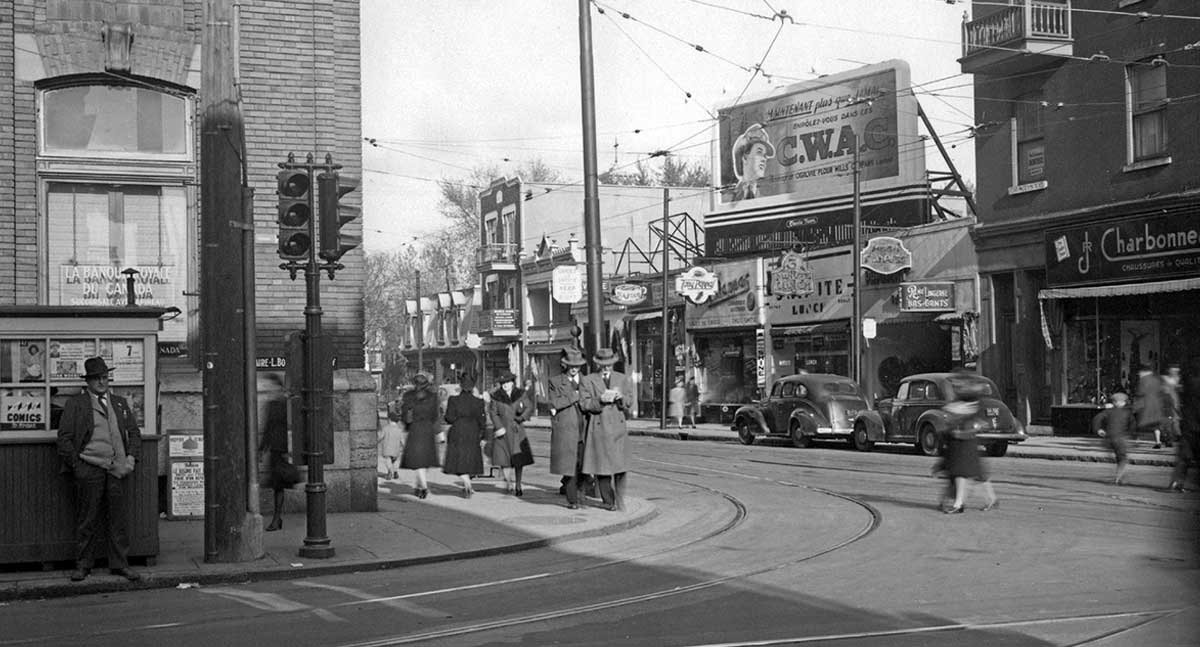
Few other authors have described Montreal as powerfully as Gallant did in her (partly autobiographical) collection of short stories, Montreal Stories. As simple as its title is, it is a gateway to a complex world that Gallant observed while growing up in the city.
Gallant, who was an expatriate in Paris for most of her life, is now recognized as one of the best Canadian short-story writers of the 20th century. She portrayed Montreal—with its unique blend of American and British influences, as well as English Protestants and French Catholics—especially vividly in her work.
2. Alice Munro: Lives of Girls and Women From Ontario
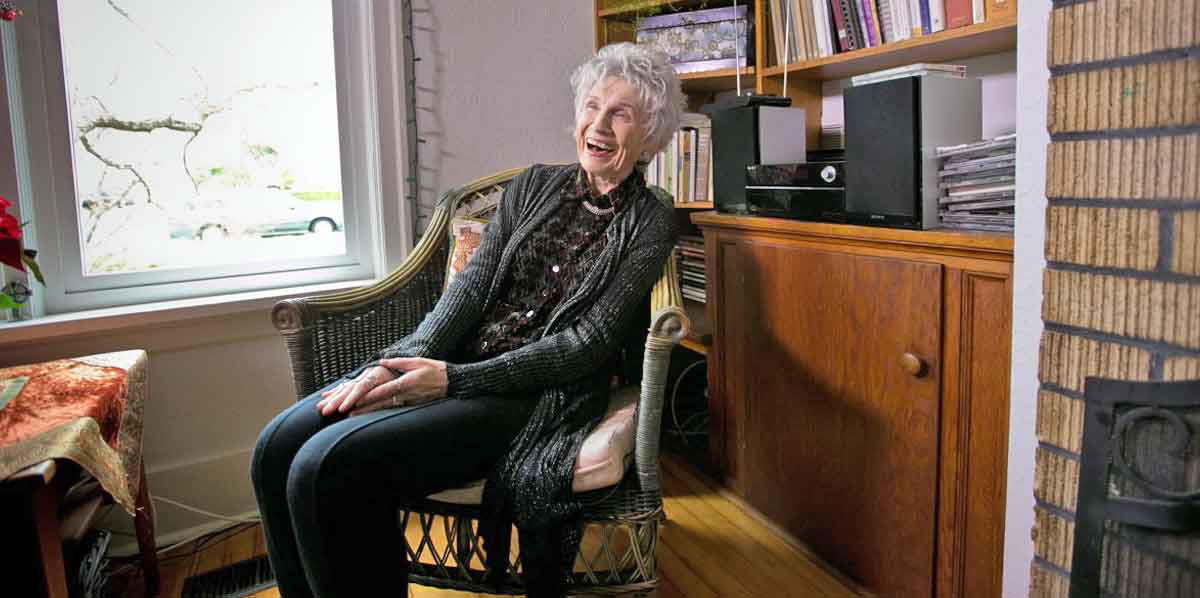
If Gallant is the voice of bilingual Québec, Alice Munro is that of Ontario. Most of her stories are set in Huron County, in southwestern Ontario, where she was born and raised. Lives of Girls and Women (1971), for instance, chronicles the life of Del Jordan from childhood to adolescence in the town of Jubilee. The book also follows Del’s mother, Ada; her father; her aunts; and her steadfast Uncle Craigh, as well as the misfits and drunks living on Flat Roads.
Underlying the lives of the people of Jubilee is the contrast between the town and its surroundings, the contrast between two worlds, a division that constantly urges Del to decide which world to embrace. Although Lives of Girls and Women certainly has the structure of a Bildungsroman and some autobiographical elements (Huron County is one of the most obvious), it is, above all, a multifaceted portrayal of human life and the inner workings of small towns.
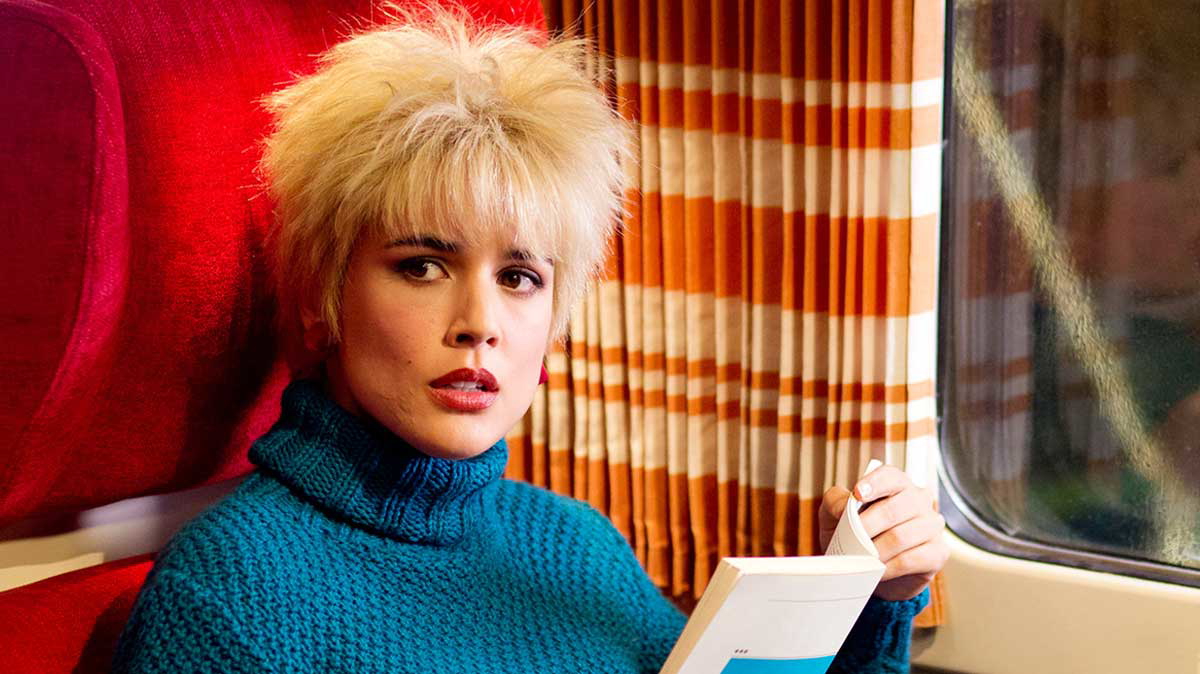
A recipient of the 2013 Nobel Prize in Literature, Munro is widely regarded as a remarkable observer of human life and behavior. This quality is evident in all of her collections of short stories.
3. Leanne Betasamosake Simpson: The “Salmon People”
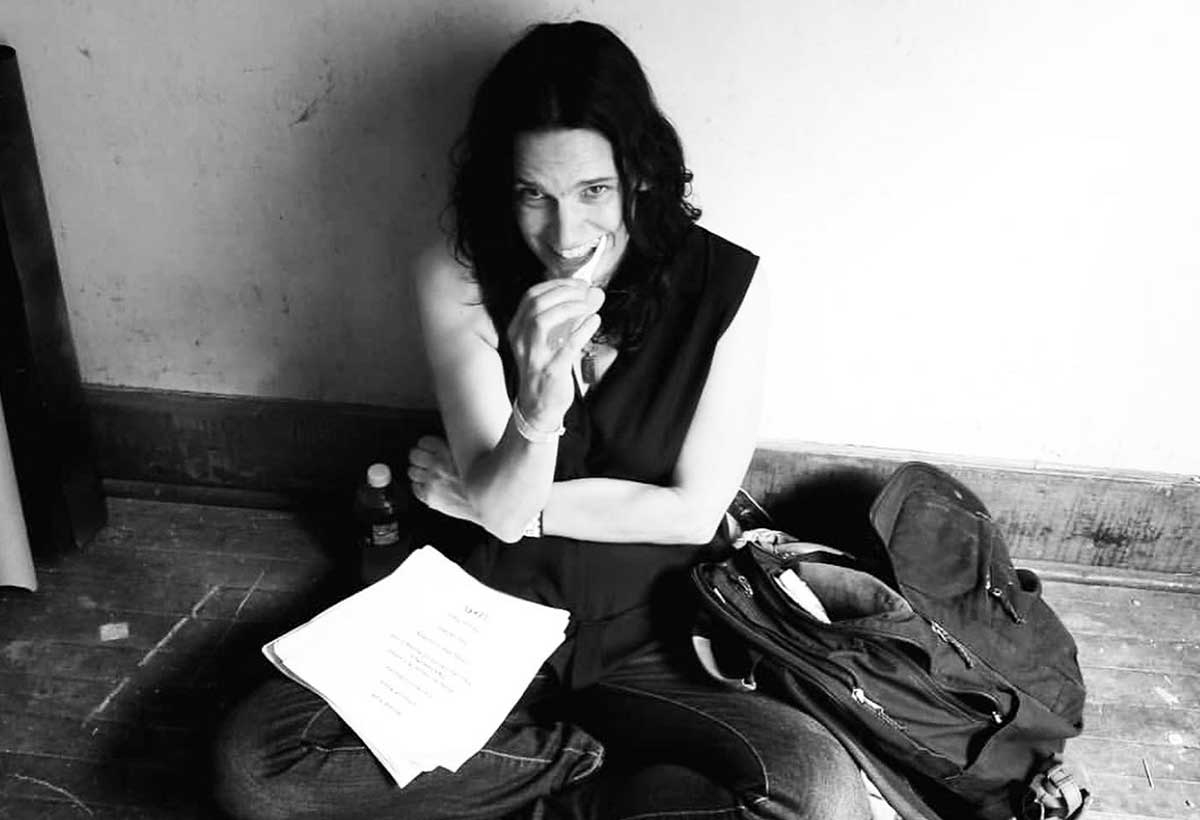
Leanne Betasamosake Simpson, a Mississauga Nishnaabeg, was born and raised in Wingham, Ontario. The past and its implications on the present are a delicate balance at the heart of Simpson’s work. Simpson, with her knife-sharp prose, catapults the reader into the long-overlooked world of Indigenous Canadians.
Of Mississauga and Scottish ancestry, Simpson is a member of the Anishinabek Nation. Her ancestors, the “Salmon people,” have occupied the northern shore of Lake Ontario since time immemorial.
Simpson favors evocative titles that bridge Indigenous and non-Indigenous experiences. Her acclaimed debut, Islands of Decolonial Love (2013), was followed by This Accident of Being Lost (2017), a collection of short stories and songs in which colonialism continually collides with characters’ Indigenous identities and legacies.
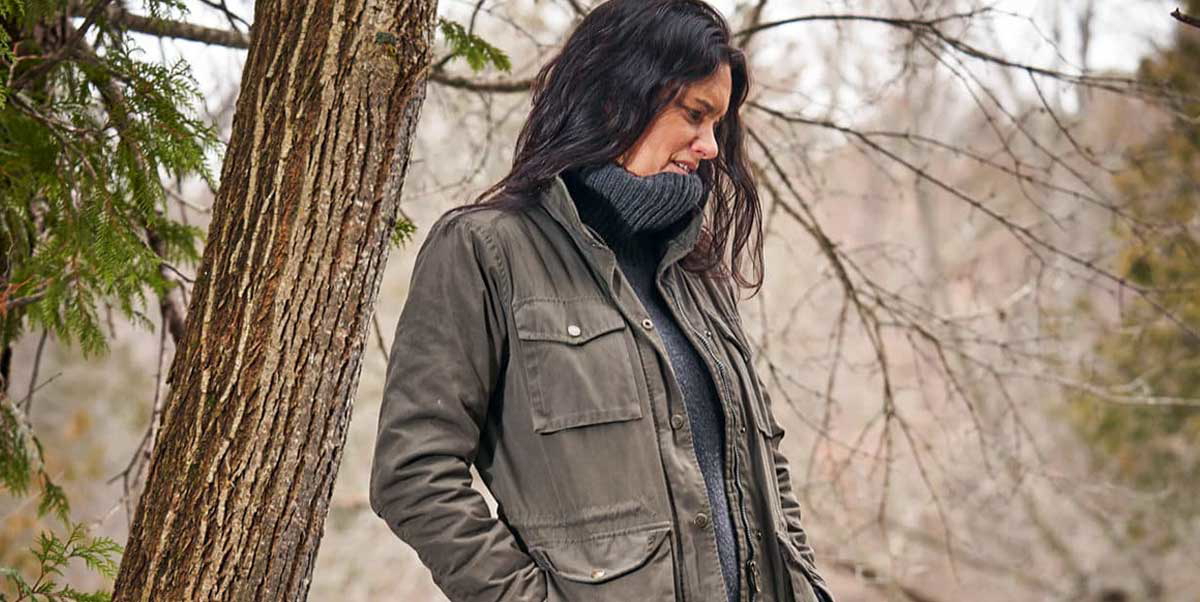
What does it mean to be an Indigenous Canadian citizen in a society like that of North America, which for centuries has portrayed First Nations in stereotypical ways, belittling their cultures and skills? This question surfaces in Simpson’s story “Doing the Right Thing,” where the protagonist, an Indigenous woman, attends a firearms class taught by a non-Indigenous instructor she describes as the “living, breathing stereotype of the white man.”
A writer, storyteller, musician, and performer, Simpson moves fluidly across genres. “How to Steal a Canoe” is both a poem and a song that honors the strength of Indigenous women. Colonial dispossession, she shows, is inseparable from colonial violence toward Indigenous bodies. Kwe, the protagonist of “Doing the Right Thing,” embodies the foundations of Indigenous resurgence.
4. Carleigh Baker: Bad Endings in British Columbia
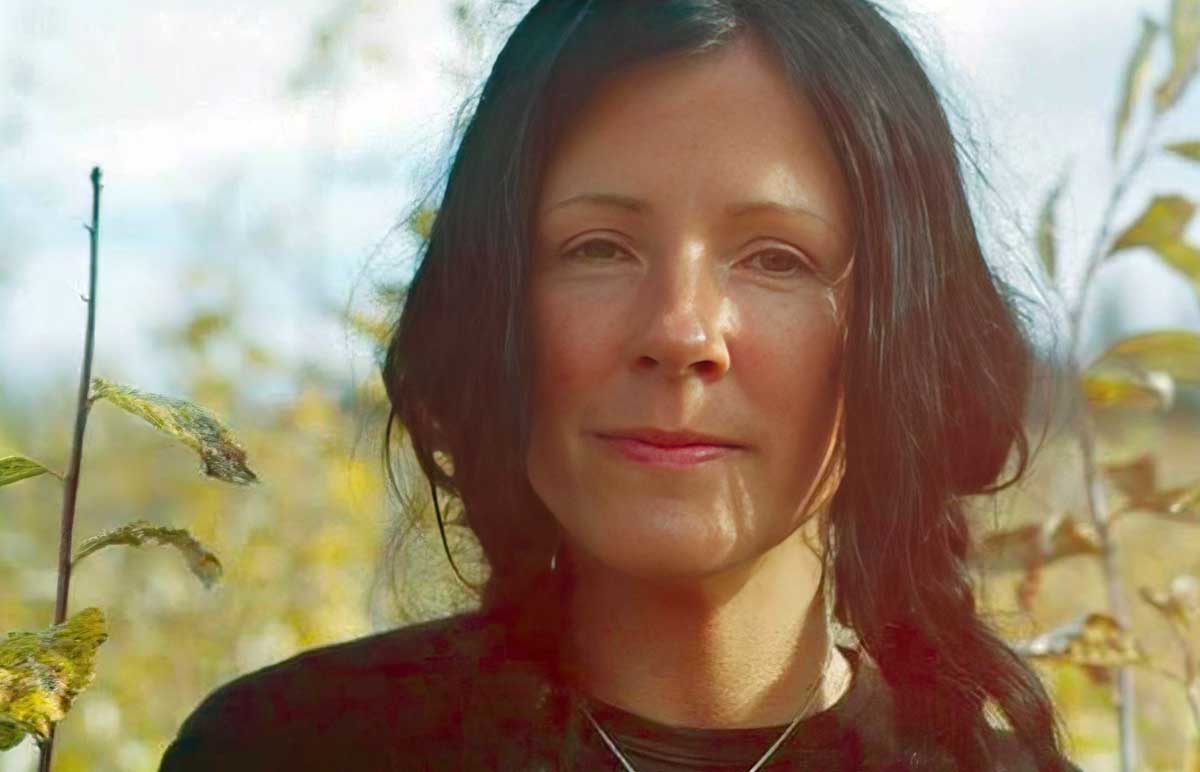
Carleigh Baker was born and raised in British Columbia, on the ancestral lands of the Stó:lō people. She is of Cree-Métis and Icelandic descent.
Bad Endings, Baker’s debut collection of short stories, opens with a quotation from Vancouver writer Lee Maracle: “Fish is the hub of all our memories.” The lives of Baker’s characters are deeply influenced by and geographically linked to British Columbia’s freezing rains and lush forests. Yet, there is something universal and extremely human about them that transcends time and place.
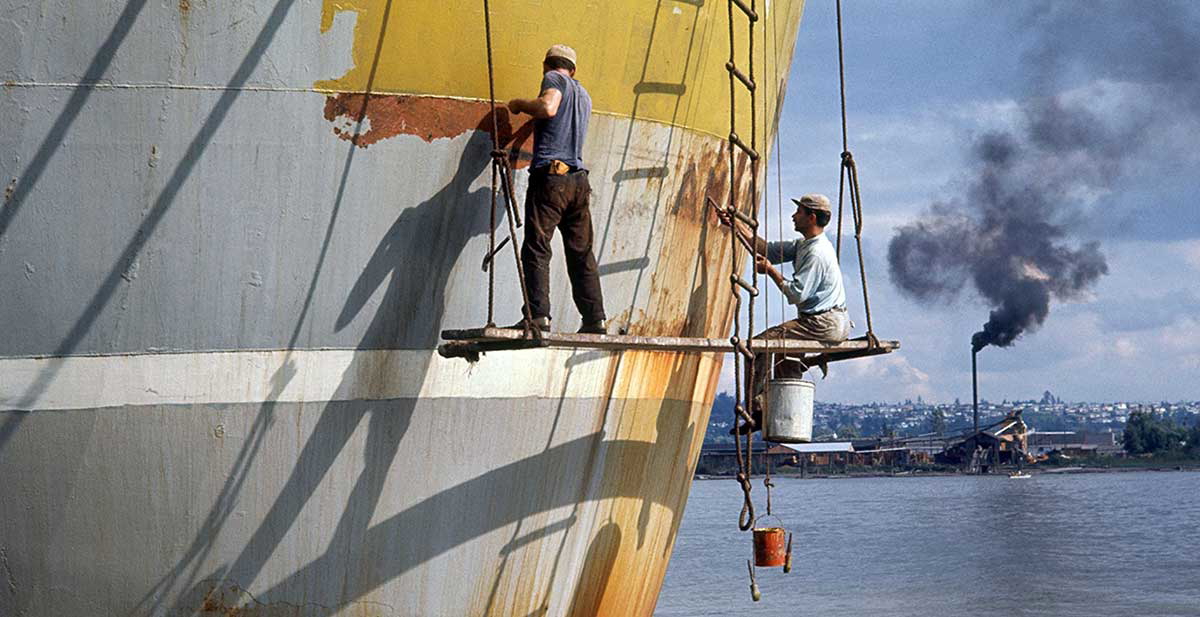
The world Baker describes is one we all know and can relate to. The first story in Bad Endings, “War of Attrition,” begins with an ending: “My marriage is ending and it’s my fault. In the other room, Andrew is snoring. I’m on the couch.” Eventually, the woman gets up and makes coffee. Indeed, many of Baker’s characters find solace in manual labor. It is a universal means of survival even as their lives fall apart.
In an interview, Baker described Bad Endings as autobiographical. She said, “My mom always used to say to me, ‘You’re bad at endings, you don’t end things when you should, and you’re bad at knowing when something is over.’” Who hasn’t, at least once in their life?
5. Margaret Atwood: The Journals of Susanna Moodie
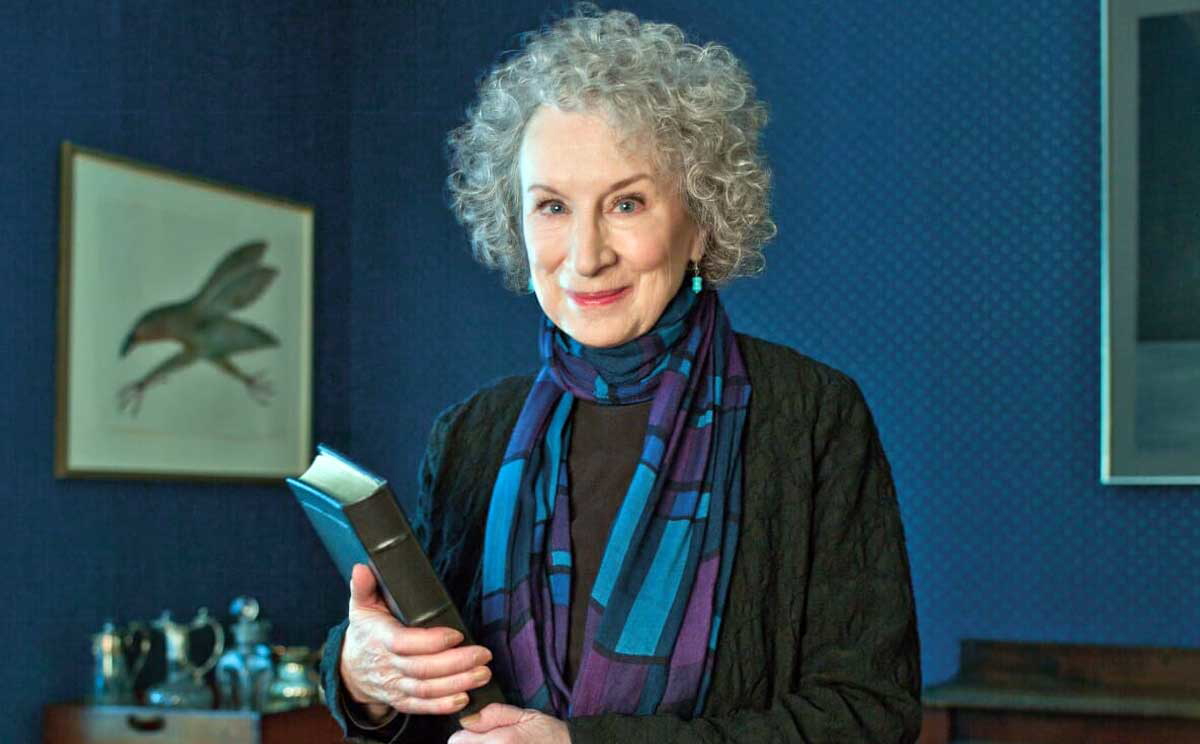
From 1961’s Double Persephone to 2019’s The Testaments, Margaret Atwood’s work has shaped the Canadian literary landscape for over six decades. For many, Atwood is the voice of Canadian identity, articulating national fears and aspirations in an uncompromising way. Alongside her poetry, Atwood’s global influence is anchored by The Handmaid’s Tale. The 1985 dystopian novel is a touchstone of contemporary feminist literature.
Interestingly, Atwood treats displacement as a key to understanding Canada itself. She examines it from the perspective of immigrants who left their homelands for Canada in the 18th and 19th centuries.
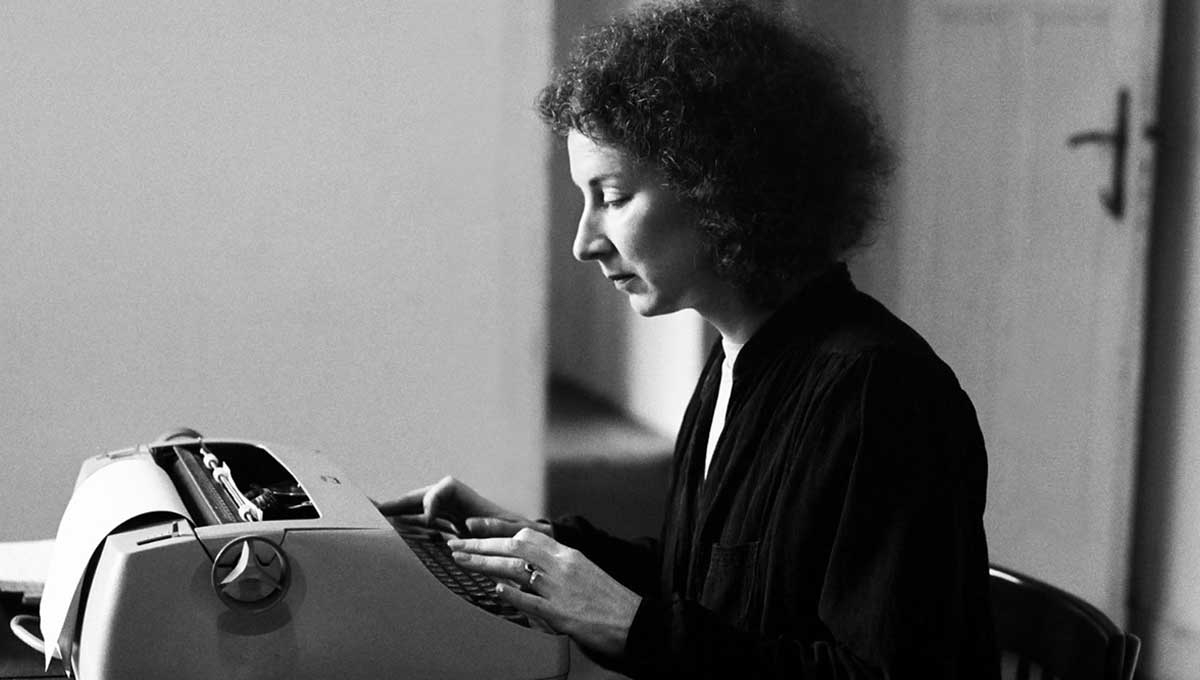
From 1961’s Double Persephone to 2019’s The Testaments, Margaret Atwood has shaped the Canadian literary landscape for more than six decades. For many, she is the defining voice of Canadian identity, articulating national fears and aspirations with characteristic precision. Alongside her poetry, Atwood’s global influence is anchored by The Handmaid’s Tale, the 1985 dystopian classic that remains one of the world’s most recognizable works by a Canadian author.
Atwood often approaches Canadian identity through the lens of displacement, especially the experiences of immigrants who left Europe for Canada in the 18th and 19th centuries.
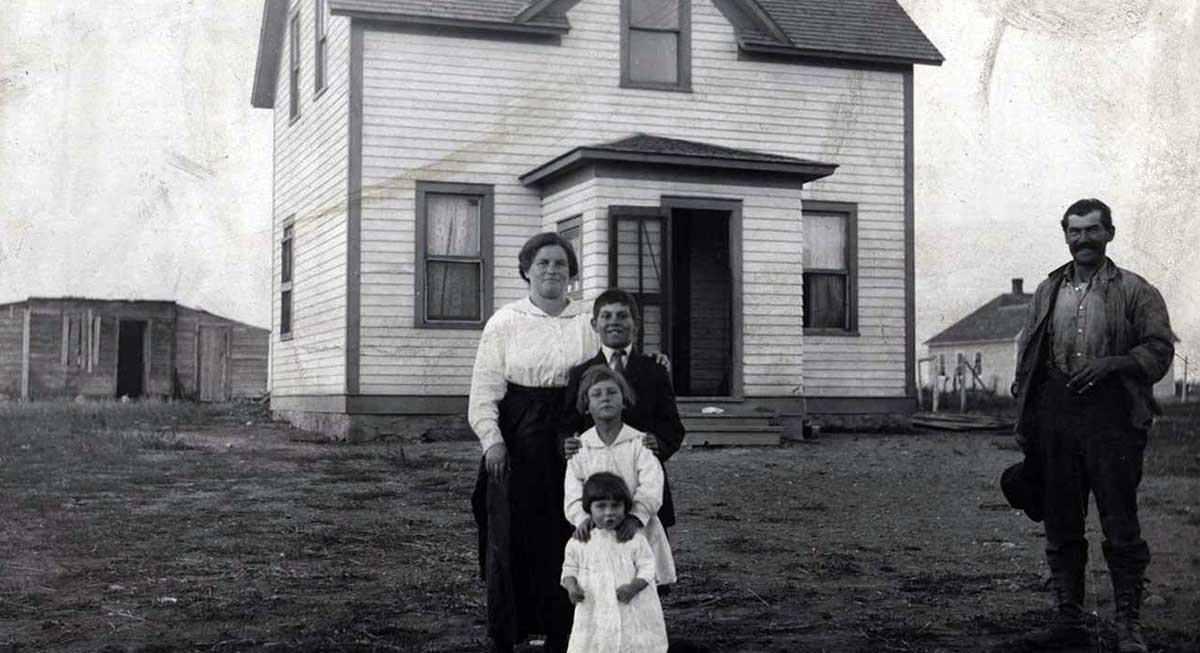
One of her most compelling explorations of this theme centers on Susanna Moodie, a British immigrant who settled in Upper Canada. Moodie documented her experience in Roughing It in the Bush (1852), a foundational text in Canadian literature.
More than a century later, Atwood reimagined Moodie’s voice in The Journals of Susanna Moodie (1970). This poetry collection traces Moodie’s first encounters with the Canadian landscape and the emotional shifts that accompany them. Atwood distills themes of fear, longing, dislocation, and the uneasy process of adapting to a strange land—core elements of the immigrant experience.
Atwood’s poetic reconstruction of Moodie’s life reveals the tension, beauty, and contradictions embedded in the Canadian experience. Alongside Gallant, Munro, Simpson, and Baker, she forms part of a constellation of writers who describe and expand what Canada means.