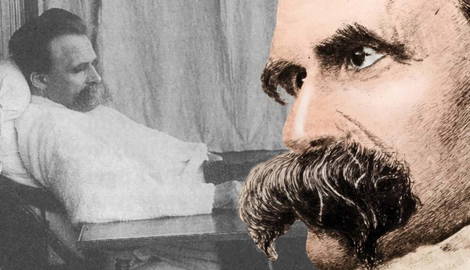
1888 was a productive year for German philosopher Friedrich Nietzsche. He managed to complete Twilight of the Idols, Antichrist, and Ecce Homo. Nietzsche was always an enigmatic writer, but these works were particularly eccentric. A year later, he suffered a complete mental breakdown that resulted in two stays in psychiatric facilities. Little is actually known about Nietzsche’s mental health and, in particular, how his health affected his work. In this article, we look at how much store we ought to place in Nietzsche’s health in our reception of these works.
How Chronic Illness Forced Nietzsche to Quit His Professorship
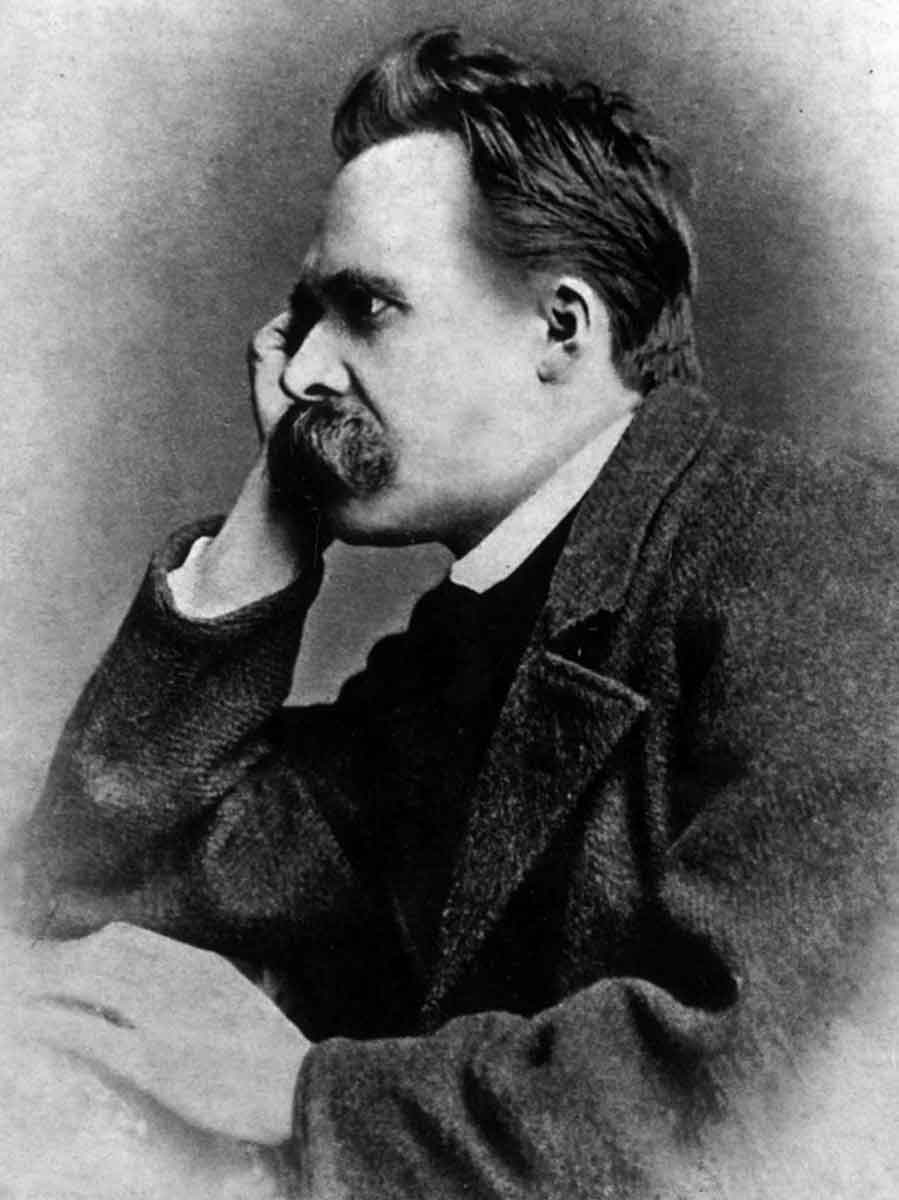
In 1869, at the age of 24, Friedrich Nietzsche was appointed professor of philology at the University of Basel, Switzerland. It was an extraordinarily young age to become a tenured professor. The previous year, he had met and become friends with the German composer Richard Wagner and his wife, Cosima. In 1870, he presented Cosima with a gift of a manuscript he had written that, with Wagner’s encouragement, he would later publish as The Birth of Tragedy.
The Birth of Tragedy (1872) was not well received by his academic contemporaries. Today, the text is read and appreciated by Nietzsche scholars and philosophers but remains an odd work of classical philology. After this, Nietzsche published a series of essays, some of which were collected under the title Untimely Meditations (1873-1876). His next publication was Human, All too Human, a collection of aphorisms released in 1878. It was the last piece of work Nietzsche would do while still a professor at Basel.
He had always suffered with headaches and stomach problems, but towards the end of the 1870s things got so bad Nietzsche could no longer work at the university. He did not stop writing, however, and carried on working as an independent philosopher. Between 1879 and 1888, he produced almost a book a year.
These included some of his most famous work, such as Daybreak (1881), The Gay Science (1882), Thus Spoke Zarathustra (1883-1885), Beyond Good and Evil (1886), On the Genealogy of Morality (1887), Twilight of the Idols (1888), The Antichrist (1888), and Ecce Homo (1888).
In 1889, Nietzsche experienced a mental breakdown from which he never recovered. He lived for another ten years, under the care of psychiatric doctors and his sister. The cause and true nature of his illness – and how it affected his work – is still a hotly debated and controversial issue today.
Nietzsche’s Mental Collapse in Turin
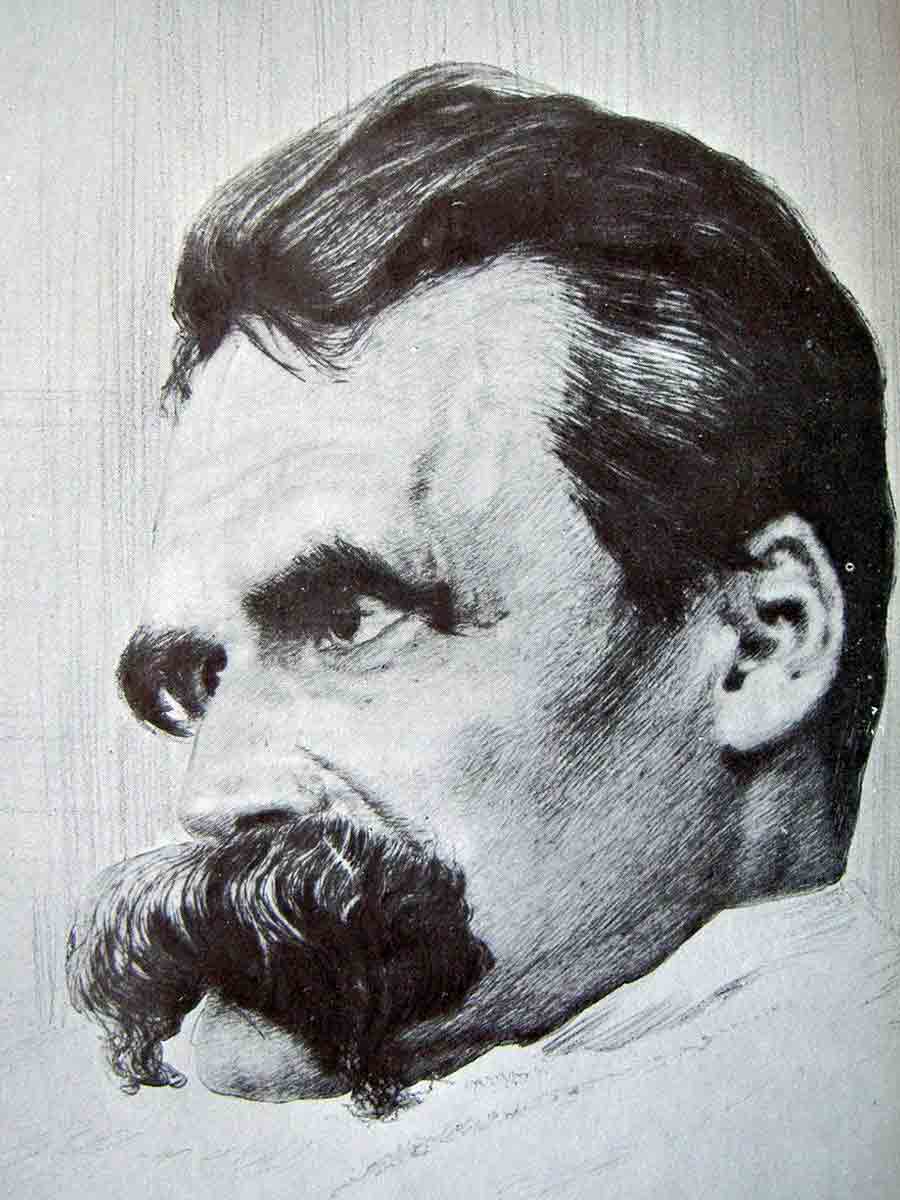
Nietzsche arrived in the large northern Italian city of Turin in 1888. By all accounts he enjoyed his brief time living there. Even his notoriously bad migraines seemed to have eased. It was also a productive period for Nietzsche during which he worked on the manuscripts of Twilight of the Idols, The Antichrist, and Ecce Homo. However, the good times were not to last.
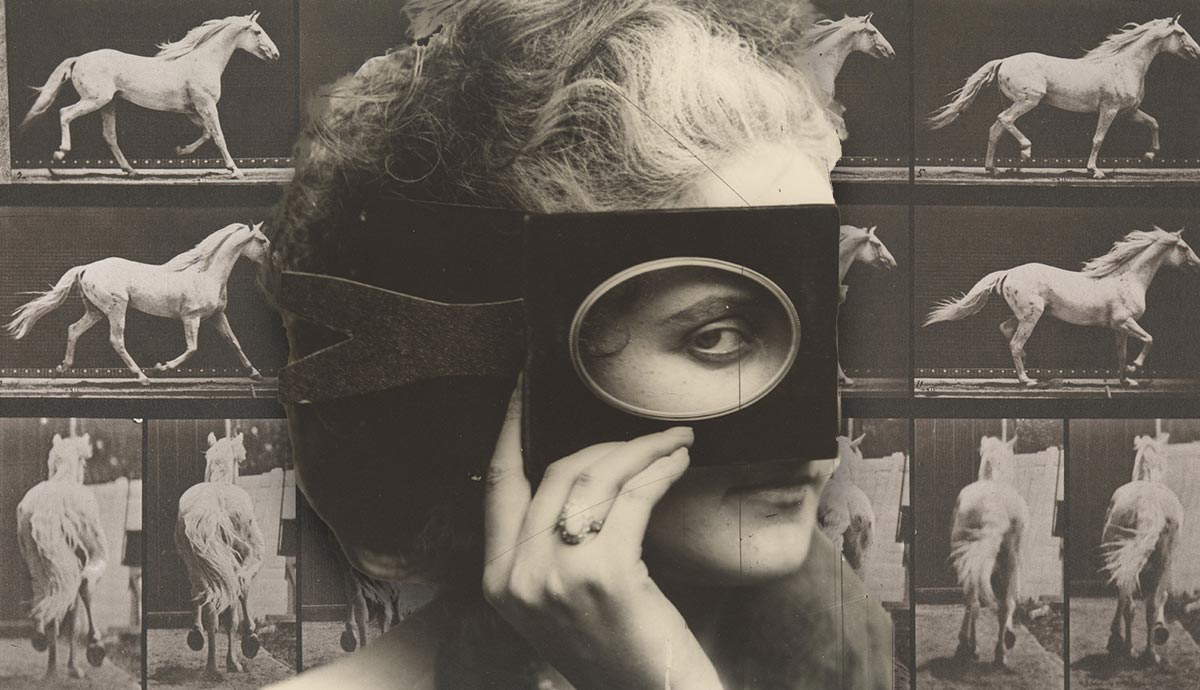
The story goes that on January 3rd, 1889, while out on one of his daily walks, Nietzsche came across a man brutally whipping a horse. Shocked by the violence, he ran between man and horse, and throwing his arms around the animal’s neck began to sob uncontrollably. He then collapsed.
As Nietzsche lay in the street, he supposedly began whispering ‘Richard my friend’ over and over again. After he was taken home, he spent the next forty-eight hours lying catatonic on a couch.
This story is now famous, but how much of it is actually true?
It is certainly true that in 1889 Nietzsche suffered from a complete mental collapse that required hospitalization. His good friend Franz Overbeck, a man with whom Nietzsche had maintained continuous correspondence for years, arrived in Turin shortly after Nietzsche’s breakdown and helped arrange treatment in a psychiatric clinic in Basel. But Overbeck came to Turin after he and others had received bizarre letters from Nietzsche, so bizarre as to merit a trip to Italy to check on his friend. There was no mention of the incident of the whipped horse at the time.
Indeed, the first accounts of Nietzsche attempting to stop a man beating a horse came eleven years after the supposed incident. Had the incident actually occurred, we would expect it to have been discussed in correspondence between Nietzsche’s friends, family and doctors.
How Should We Understand Nietzsche’s Mental Health?
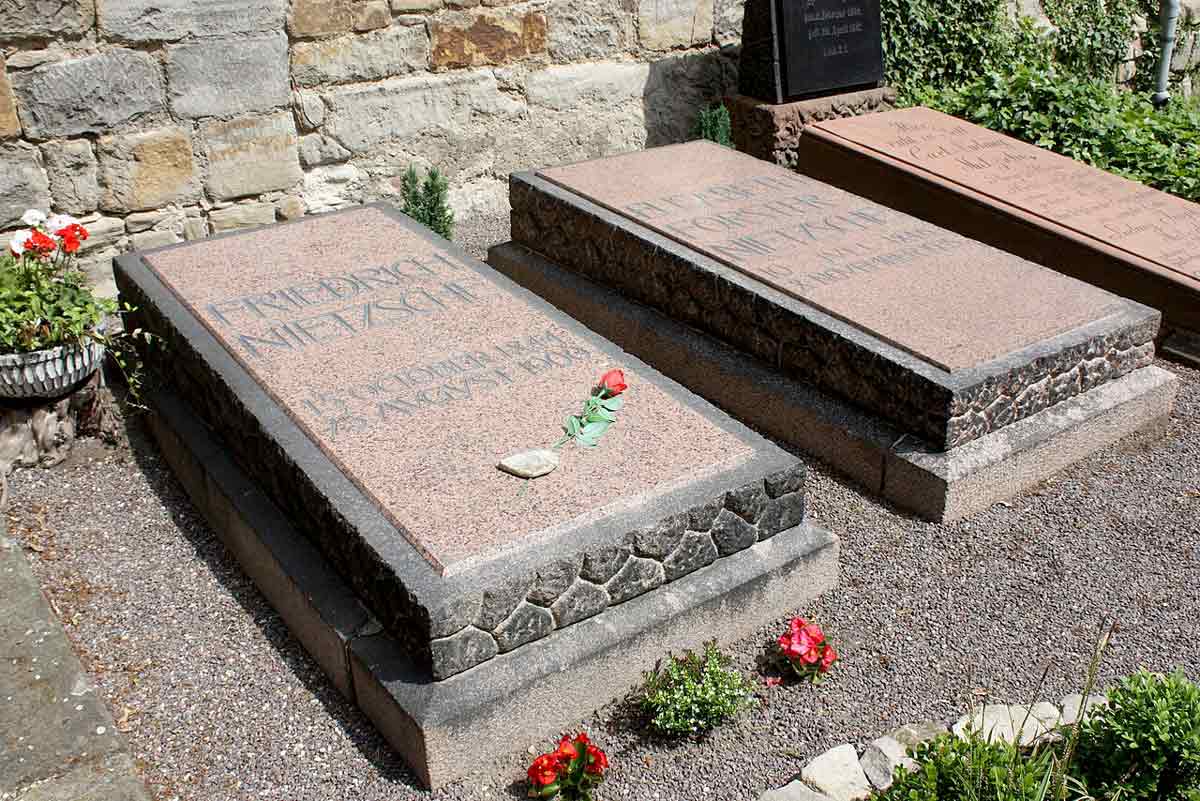
In 1914, long after Nietzsche’s death in 1900, his medical records were stolen. They detailed his condition and behavior while he was a patient in a mental institute in Jena. Fifteen years later these records were published in a German newspaper.
How Nietzsche’s private medical history came to be public information is a convoluted story, but thanks to what today would be a scandalous data protection failure, we know a great deal about his illness. Perhaps, more than we ought to know.
Graphic details of a philosopher’s mental illness during a time of acute crisis and occurring a year after his last publications serve little purpose in helping us understand his work. The same goes for attempts to try and diagnose Nietzsche’s condition after the fact and attempts to work out the cause(s) of his illness.
Doubtless, it is useful in historical studies of clinical psychiatry to consider whether or not Nietzsche’s mental illness was a product of syphilis (unlikely), an inherited condition passed down from his father (also unlikely), or a brain cancer (quite likely). However, these speculations do little to help us deal philosophically with his texts.
Should we then ignore Nietzsche’s mental illness as irrelevant to philosophical inquiry?
There are question marks hanging over how much store those interested in Nietzsche’s philosophical works should put in the state of his mind in the last years of his life. Indeed, even those with an interest in biographical details of a thinker’s life might not find too much value in his unproductive final years. However, Nietzsche scholars cannot totally ignore the impact his mental health problems have on the reception of his work.
Two things ought to concern us: the possible influence of Nietzsche’s deteriorating mental health on his philosophical output and the publication of texts after his mental collapse.
The Effect of Nietzsche’s Mental Health on His Work
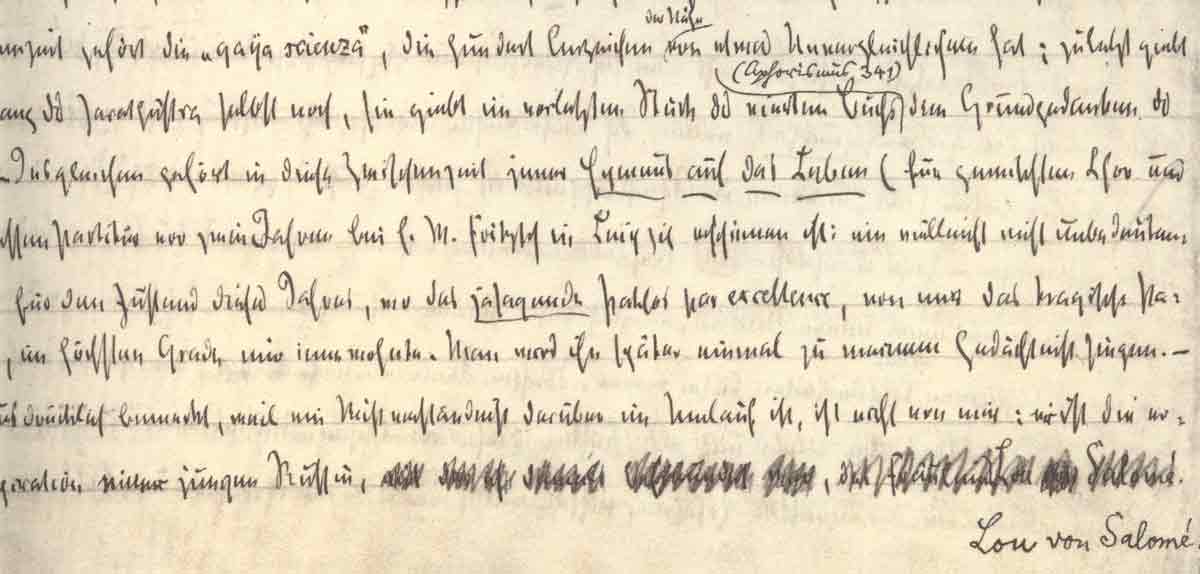
The fact that we actually know little about Nietzsche’s mental health means that it is difficult to gauge how much of his work might have been affected or influenced by his condition.
One theory concerning Nietzsche’s mental health is that he experienced a brief episode in 1889 in which he suffered a psychotic break that was followed by a debilitating physical illness which robbed him of rational thought. On this view, Nietzsche’s “madness” lasted about a year, beginning around the time of his collapse in Turin, and resulted in two stays in a psychiatric hospital. His later problems were caused by his physical health.
A second theory is that Nietzsche always had health problems, mental and physical, from which he suffered to varying degrees and that it was towards end of his life that his psychological problems became unmanageable.
Which of the two we find more convincing has an important impact on how we receive Nietzsche’s philosophical work.
If he was prone to psychological unbalance throughout his life (perhaps caused by physical illness), then we can expect this to have influenced his writing. And, if it is true that his mental health deteriorated over time, his latter work should be more greatly affected. However, if Nietzsche’s psychosis first occurred in January 1889, then his work prior to that would not be affected by his illness.
There is no question that at some point towards the final decade of Nietzsche’s life he suffered from severe mental illness. It was during this period that he wrote his so-called “Madness Letters.” These letters contained bizarre content and were signed “Dionysus” and “The Crucified One.” The problem is that there is similarly strange material in Nietzsche’s last works.
Should we dismiss these as the product of a mind divorced from reality?
Difficult Passages in Nietzsche’s Work (of Which There Are Many)
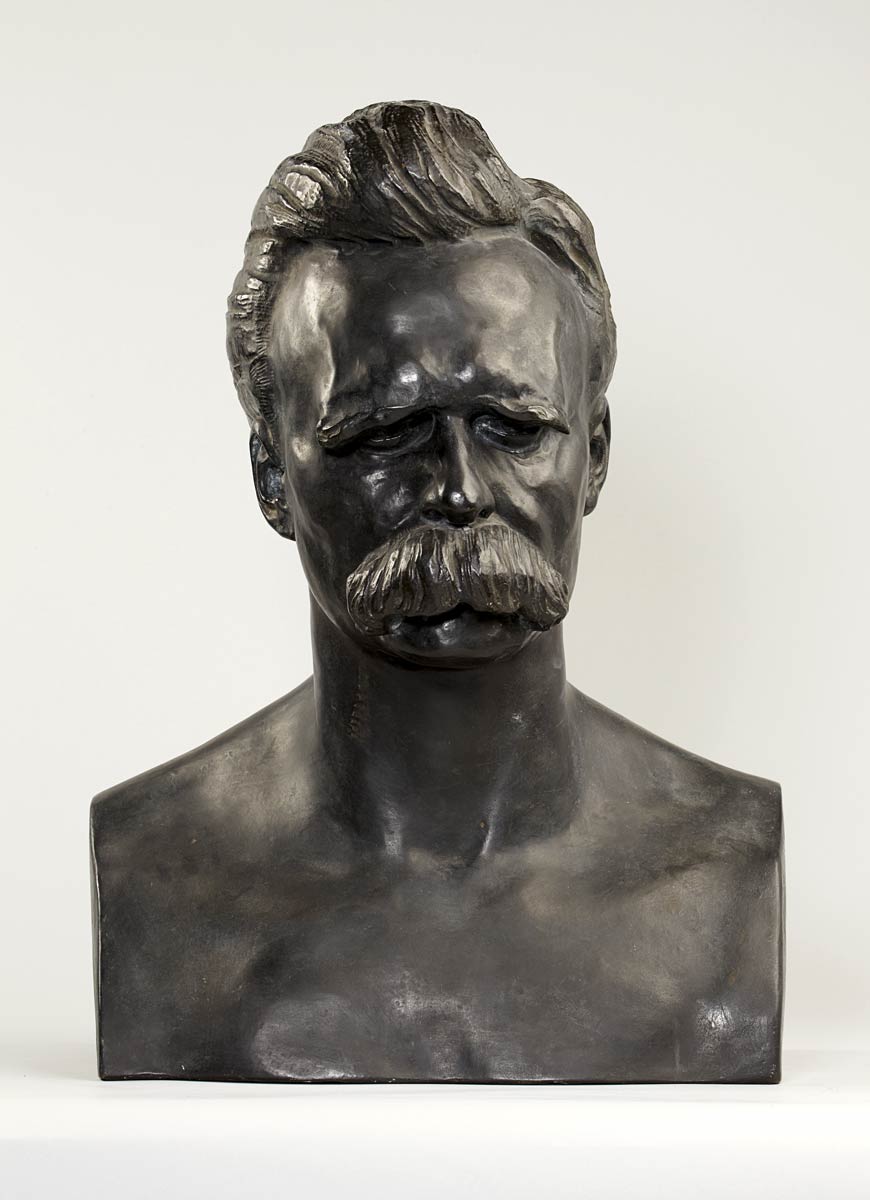
Consider the following passage taken from Ecce Homo, Nietzsche’s philosophical memoir written a year before his mental collapse. It is from a chapter entitled ‘Why I am so clever’ on the subject of hot drinks.
No snacking, no coffee: coffee darkens things. Tea is only good in the morning. Small quantities, but strong; tea is very bad for you and will make you sick all day if it is even a little too weak. Everyone has their own standards here, sometimes between the narrowest and most delicate boundaries. In a very agaçante climate you should not start with tea: you should start an hour earlier with a cup of thick, oil-free cocoa. – Sit as little as possible; do not believe any idea that was not conceived while moving around outside, – with your muscles in a celebratory mode as well. All prejudices come from the intestines. – Sitting down – I have said it before – is a true sin against the Holy Spirit.
What is Nietzsche trying to say here? It is hard to tell if he is genuinely talking about how to take tea (for some reason) or making a philosophical point.
There are two things we must be cognizant of when considering the impact of Nietzsche’s illnesses on his philosophy.
Firstly, we should be careful not to ignore the fact that illness can inform a person’s philosophical understanding of the world. It would be a mistake to dismiss all of Nietzsche’s later philosophy as nothing but the product of a disturbed mind, even if he was mentally ill at the time. Insights are insights no matter their origins.
But at the same time, it is crucial that we do not glamorize or downplay the enormous toll that illness can take or read more into ‘poetical’ madness than there actually is.
Nietzsche’s Work Published After His Mental Collapse
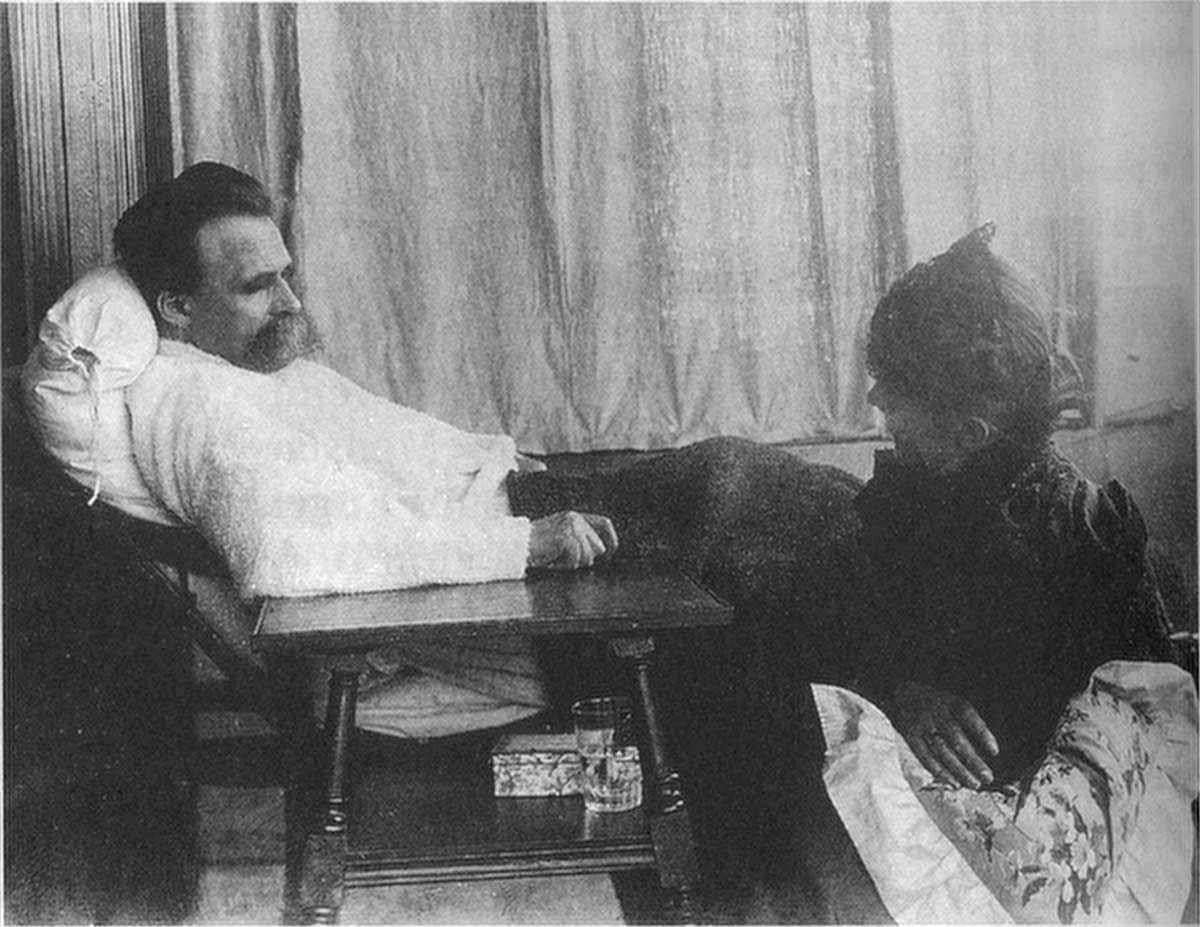
Nietzsche spent from 1893 to the end of his life under the care of his sister. Elizabeth Förster-Nietzsche is a controversial character.
Before coming to look after her brother, she had been married to Bernhard Förster, a far-right activist and antisemite. Together they had attempted to create a settlement in Paraguay for like-minded Aryan supremacists. The plan failed, and Förster eventually took his own life. For a while, Elizabeth tried to run the settlement but returned home when she heard her brother was ill.
With Nietzsche entirely incapable of managing his affairs, something had to be done about his recently completed texts and works in progress. His friends Franz Overbeck and Peter Gast chose to withhold publication of The Antichrist and Ecce Homo due to their shocking content. Elizabeth compiled The Will to Power from Nietzsche’s unpublished notes and writings.
There is much controversy over the place of The Will to Power in Nietzsche’s official canon. Firstly, he did not write the book himself, but more importantly, Elizabeth has been accused of changing and editing the text to make Nietzsche’s work appear to support her own racist and antisemitic views.
In recent times, however, some critics have argued that the changes she made were not motivated by a political agenda but by an effort to avoid embarrassment over some of the things Nietzsche had written.
It is a fact that Nietzsche’s ideas were distorted and he was for a time unfairly associated with Nazism. Adolf Hitler was purportedly a fan, thanks largely to Elizabeth’s efforts. When she died in 1935, Hitler even attended her funeral. Whether or not Nietzsche’s sister was motivated by far-right political beliefs or merely to promote her brother’s work as widely as possible, we must take her involvement into account when assessing Nietzsche’s The Will to Power.
Nietzsche’s Death
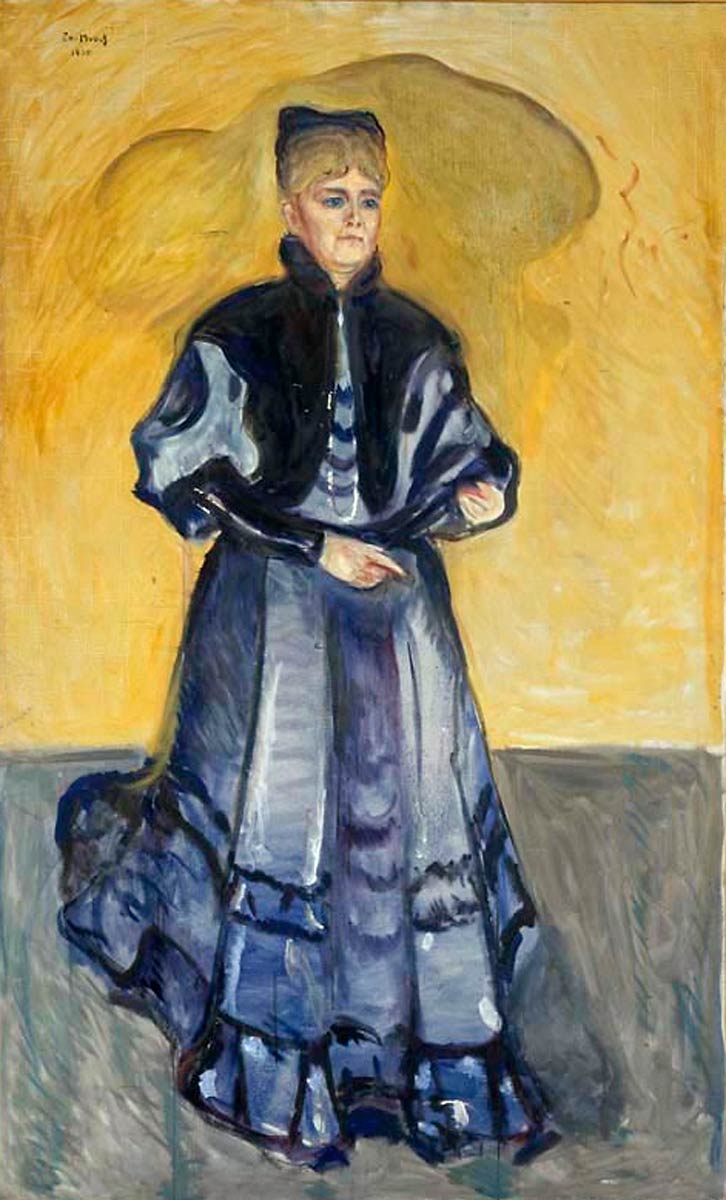
In the last two years of his life, Nietzsche suffered strokes that left him partially paralyzed and unable to talk. In August 1900, he went down with pneumonia and suffered another stroke. Nietzsche died on August 25th, aged fifty-five.
In our reception of Nietzsche’s final works, in particular The Will to Power, we must take his final tragic years into consideration, but only in the fact that he was not in a position to approve or disapprove of their publication. Here the role played by his sister and carergiver, Elizabeth, must be taken into consideration.
However, there seems little reason for concern that his previous texts were negatively affected by his mental health problems.
His last two works seem strange, but we saw that even his first published work, The Birth of Tragedy, was considered odd by his contemporaries. But it is also clearly lucid, and its author obviously knows what he is attempting to achieve. Later in his life, Nietzsche came to regret the tone of the work, but he stood by the ideas expressed within.
Publication of his last works, Antichrist and Ecce Homo, was delayed by friends who knew Nietzsche and his philosophy extremely well. However, this was due to the shocking subject matter rather than doubts about the author’s sanity. In addition, both texts rely upon arguments and polemics Nietzsche had previously worked through years previously before apparently suffering from mental health issues.
Finally, it is worth mentioning that even if Nietzsche did suffer from mental health issues during the writing of any of his works, this ought not to affect too strongly our reception of them. Nietzsche acknowledged his physical health as contributing to his understanding; his mental health probably contributed too.