
As much of the world moved towards a more progressive future in the latter half of the 20th century, the question of homosexuality and same-sex marriages became an obvious talking point. And while massive strides were made, it wasn’t until the 21st century that the first country legally recognized same-sex marriages.
Since then, 37 other countries (as of October 2026) have recognized full rights in this regard. But which ones paved the way?
The Prelude to Equality and Denmark’s 1989 Landmark Step
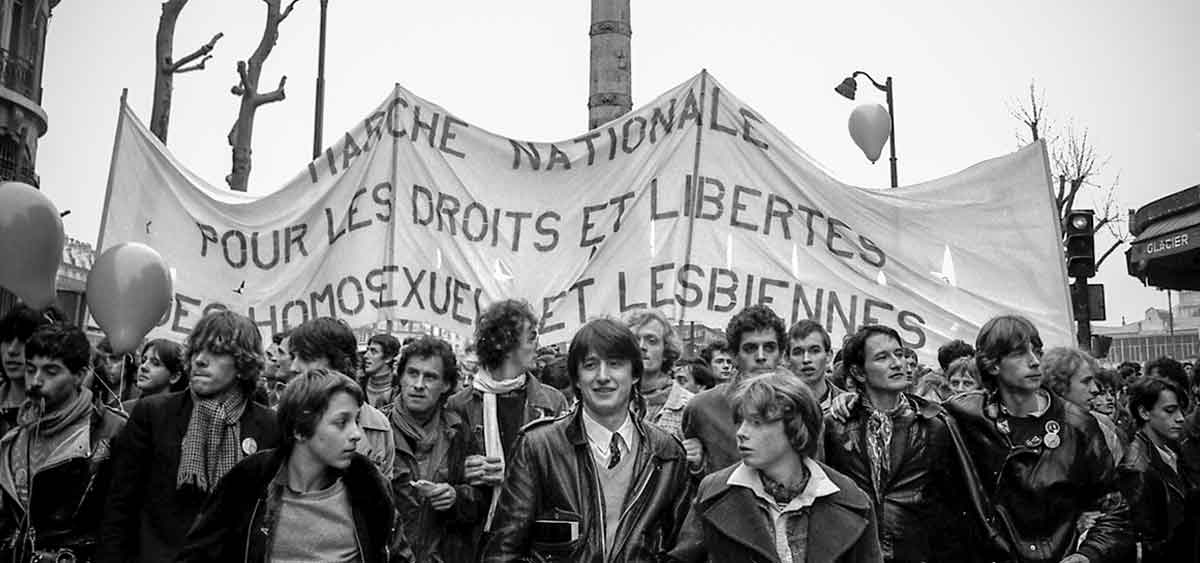
The path to full recognition of same-sex marriages did not happen in a vacuum. It was preceded by decades of legal work that paved the way. In many jurisdictions, there were civil partnerships before legal marriage rights. While these carry legal weight similar to marriages, they are not recognized in all jurisdictions, especially not at an international level. The main difference is that marriage gives the option of involving religious or spiritual aspects and has more recognition from the perspective of culture and tradition.
Denmark was the first country to take the step by legalizing civil partnerships between same-sex couples. This law came into effect on October 1, 1989, and further amendments to the law over the years expanded to include adoption rights and the ability to care for children. Denmark, however, was not the first country to recognize full marriage rights.
The Netherlands Shatters the Legal Ceiling in 2001
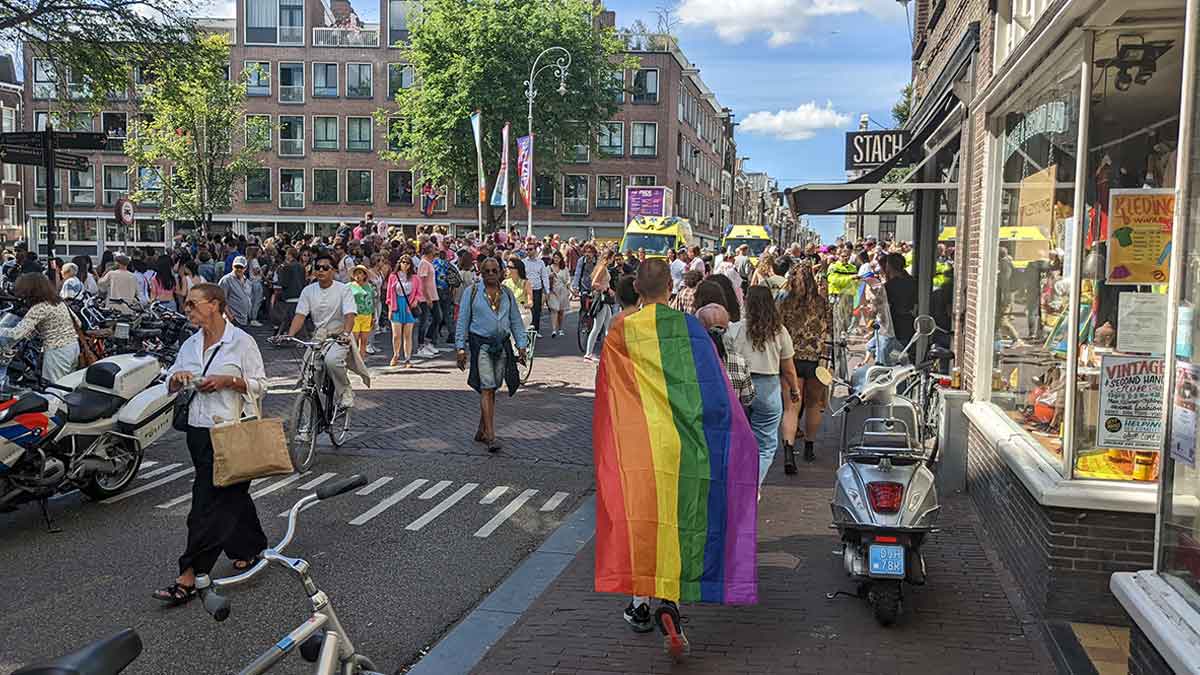
Given the progressive nature of this country, it is unsurprising that the Netherlands was the first to legalize same-sex marriages. It came after almost two decades of pressure, with some municipalities even threatening to stop opposite-sex marriages unless same-sex marriages were recognized.
In late 2000, the issue was voted on in parliament, and support was solid, with the conservative bloc as only a small minority opposing it. The law came into effect on April 1, 2001, and was followed by a wave of same-sex marriages.
Support for the law in the Netherlands continues to be high. A poll in 2023 showed that 89% were in favor of same-sex marriages being legal, while only 10% opposed it. 1% were undecided.
Belgium and Spain Expand Marriage Rights Across Europe
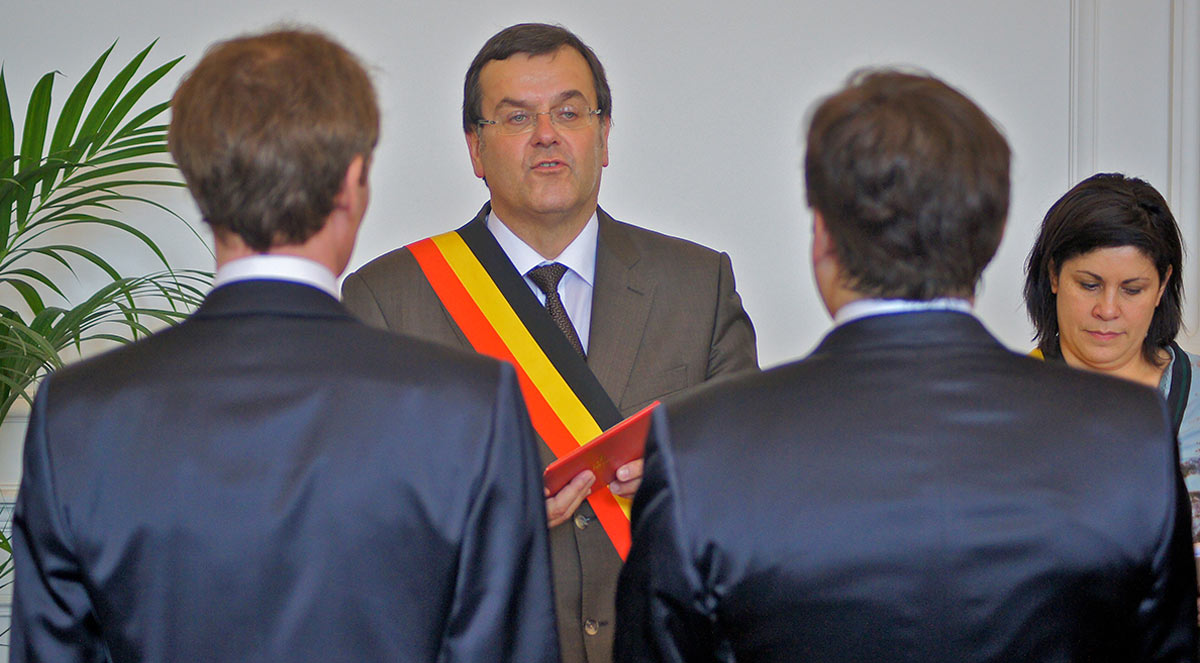
Following the example of the Netherlands, much of the rest of Europe was ripe for change. Neighboring Belgium became the second country to legalize same-sex marriage, with its law coming into effect on June 1, 2003.
Exhibiting a disconnect between official Vatican doctrine and the attitudes of the local laity, many Catholic-dominant countries have actually been at the forefront of recognizing marriage equality. Spain was the third country to recognize same-sex marriage. In 2004, the government, led by José Luis Rodríguez Zapatero of the Socialist Workers’ Party, led a successful campaign, and since July 3, 2005, same-sex marriage has been legal, with full adoption rights.
17 days later, a landmark victory would be scored across the Atlantic.
Canada and South Africa Take the Movement Global
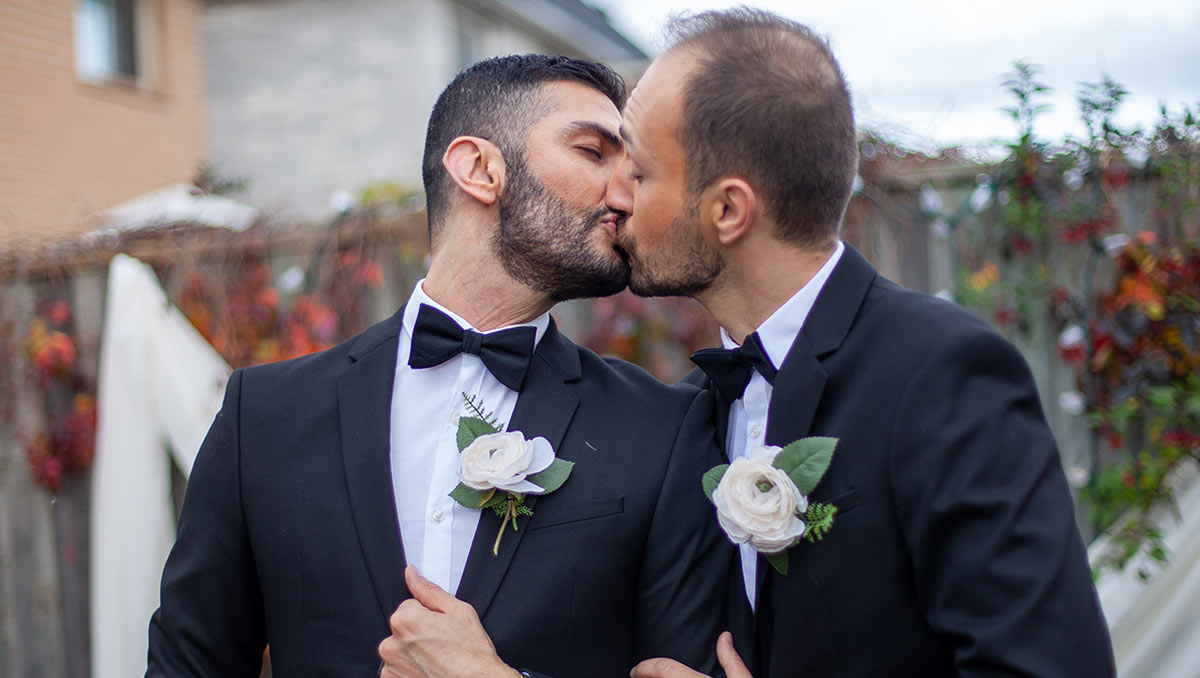
Canada became the fourth country to legalize same-sex marriages nationwide, despite the fact that several provinces and territories had already introduced it. The Civil Marriage Act came into effect on July 20, 2005, and extended the law across the entire country.
In the following year, South Africa became the fifth country to legalize same-sex marriage, and the first, and to this date, only, country in Africa to do so. On a continent where, in many countries, homosexuality is punishable by prison time, and in some places, even death, South Africa’s case is unique.
The history of South Africa is one of severe inequality and state-enforced disenfranchisement. By 1994, the apartheid regime had been completely dismantled, and in 1996 a new constitution was adopted which guaranteed equality before the law for all regardless of race, religion, or sexual orientation. In 2005, the Constitutional Court brought the issue to light and ordered Parliament to fully recognize same-sex marriages within one year.
The government complied, and on November 30, 2006, South Africa joined a group of nations that was still very small at the time.

Since then, the movement has continued unabated. Norway and Sweden followed suit, while individual states within the US began passing their own laws before same-sex marriage was recognized nationwide in 2015. At the time of writing, 38 countries recognize same-sex marriage, with the latest addition being Thailand.