The Hôtel des Invalides in Paris was founded by King Louis XIV as a soldiers’ retirement home. While it continues to serve this function to the present day, the complex is also home to the Museum of the French Army as well as two churches. The Dome Church of the Invalides, originally Louis XIV’s Royal Chapel, is best known as the location of Napoleon’s tomb. However, the Dome Church and the adjacent Cathedral of Saint-Louis-des-Invalides serve as the final resting place for dozens of famous French soldiers besides Napoleon himself.
1. Henri de La Tour d’Auvergne, Viscount of Turenne
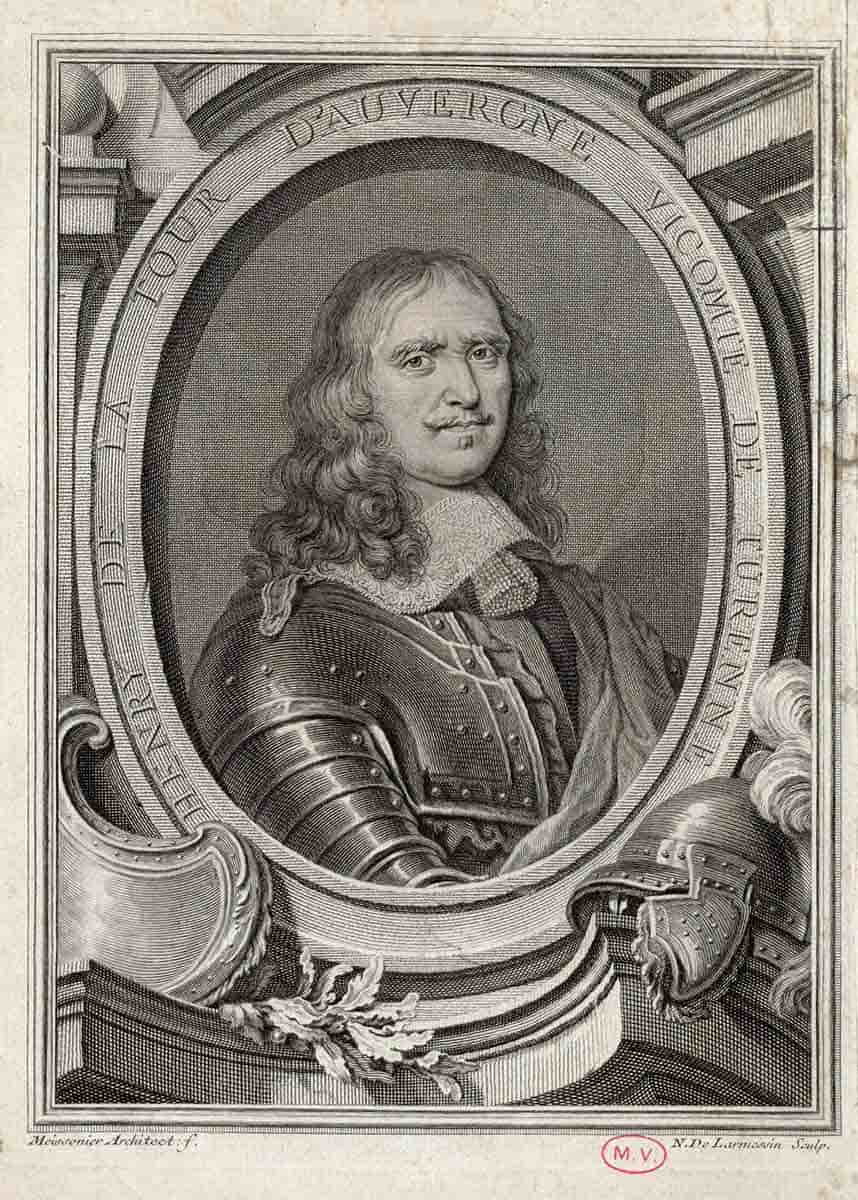
Henri de la Tour d’Auvergne, Viscount of Turenne, was born in 1611 into a distinguished French noble family. His father, the Duke of Bouillon, was a Marshal of France, and his mother, Elizabeth, was the daughter of William the Silent, Prince of Orange, who launched the Dutch revolt against the Spanish Habsburgs in 1568.
As a Huguenot, Turenne began his military career in Dutch service and became a captain in 1626 at the age of 15. He transferred to the French Army as a colonel in 1630 and distinguished himself at the siege of La Mothe in the Duchy of Lorraine in 1634. Following the French intervention in the Thirty Years War, Turenne successfully relieved Turin in 1640 and conquered Roussillon, Spain, in 1642.
After being promoted to Marshal of France in 1643, Turenne led a key flank attack against the Bavarians at the Battle of Freiburg in August 1644, gaining the strategic initiative for the capture of Philippsburg from Imperial forces. His invasion of Bavaria in 1646, alongside Carl Gustaf Wrangel’s Swedish forces, forced Bavaria to make peace.
While the Peace of Westphalia ended the Thirty Years War in 1648, the policies of King Louis XIV’s regent, Cardinal Mazarin, provoked a civil war in France known as the Fronde. In 1649, Turenne joined the rebellion but reconciled with Mazarin in 1651 and commanded the Royal Army’s efforts to suppress the rebels, who were allied to Spain. He recaptured Paris in 1652, and in 1654, he defeated a large Spanish army besieging Arras. Turenne’s victory at the Battle of the Dunes on June 14, 1658, near Dunkirk paved the way for the end of the Franco-Spanish War (1635-1659).
After Louis XIV assumed control of the government following Mazarin’s death in 1661, Turenne was promoted to Marshal General of France. During the latter third of the 17th century, French policy was determined by Louis XIV’s efforts to gain control of the Spanish inheritance following the expected death of the sickly King Charles II of Spain. In 1667, Turenne’s army overran the Spanish Netherlands, though Louis was forced to give up most of his gains after the Dutch and English sided with Spain against France.
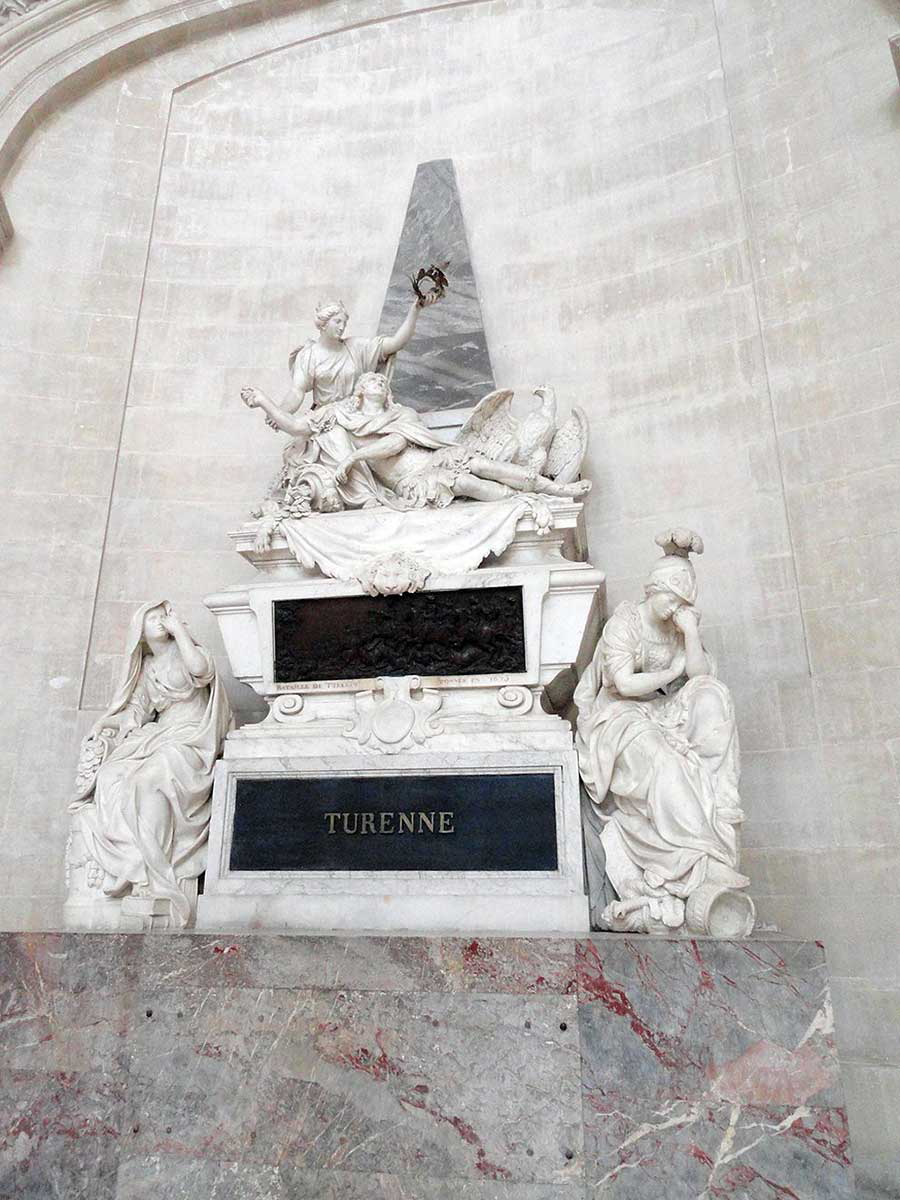
In 1672, France went to war with the Netherlands. Turenne reached Amsterdam before his progress was checked by the opening of the dikes and the flooding of the surrounding countryside. Following back-and-forth campaigns in 1673 and 1674 against Imperial forces around the Rhineland, Turenne was killed by a cannonball at the Battle of Salzbach on July 27, 1675, at the age of 64. He was initially buried at the Basilica of Saint-Denis, but in 1800, Napoleon transferred his remains to the Invalides.
2. Sébastien Le Prestre, Marquis of Vauban
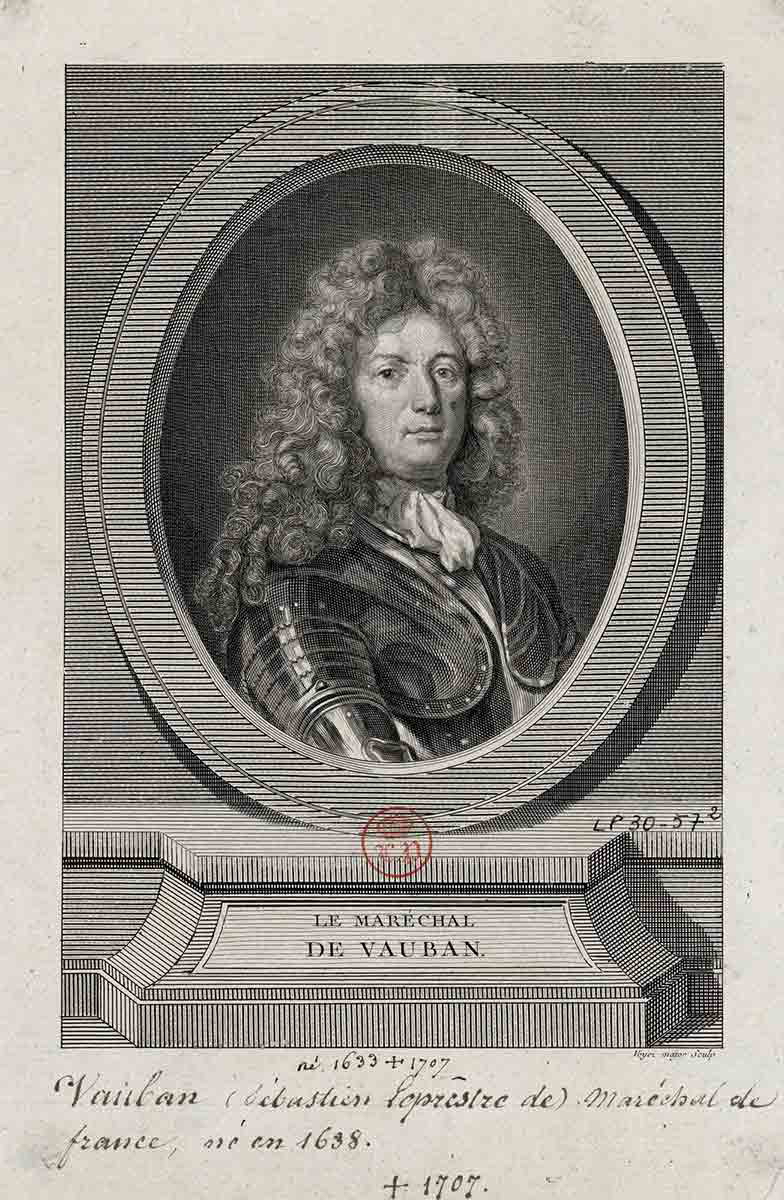
Sébastien Le Prestre, Marquis de Vauban, is widely regarded as one of the greatest military engineers in history. Born in 1633, Vauban began his military career fighting in the Fronde rebellion against Louis XIV but joined the Royalist Army after being captured in battle. He was recognized as a skilled engineer, and in 1655, he was appointed Royal Engineer.
As a result of the Franco-Spanish War of 1635-1659 and other conflicts in the Low Countries, France acquired a number of towns in Flanders, including Dunkirk and Lille. Vauban was responsible for fortifying these towns, and he did so by constructing trace italienne (Italian-style) star fortresses. These types of fortifications first appeared in 15th-century Italy as a response to developments in artillery technology. The low profiles were more resistant to cannon shots, and the angular bastions eliminated any blind spots for the garrison, exposing attackers to interlocking fields of fire.
Vauban was appointed Commissioner General of Fortifications in 1677, and during his career, he was responsible for the design and construction of over 300 sets of fortifications. Twelve groups of Vauban’s fortifications in France were collectively added to the UNESCO World Heritage List in 2008.
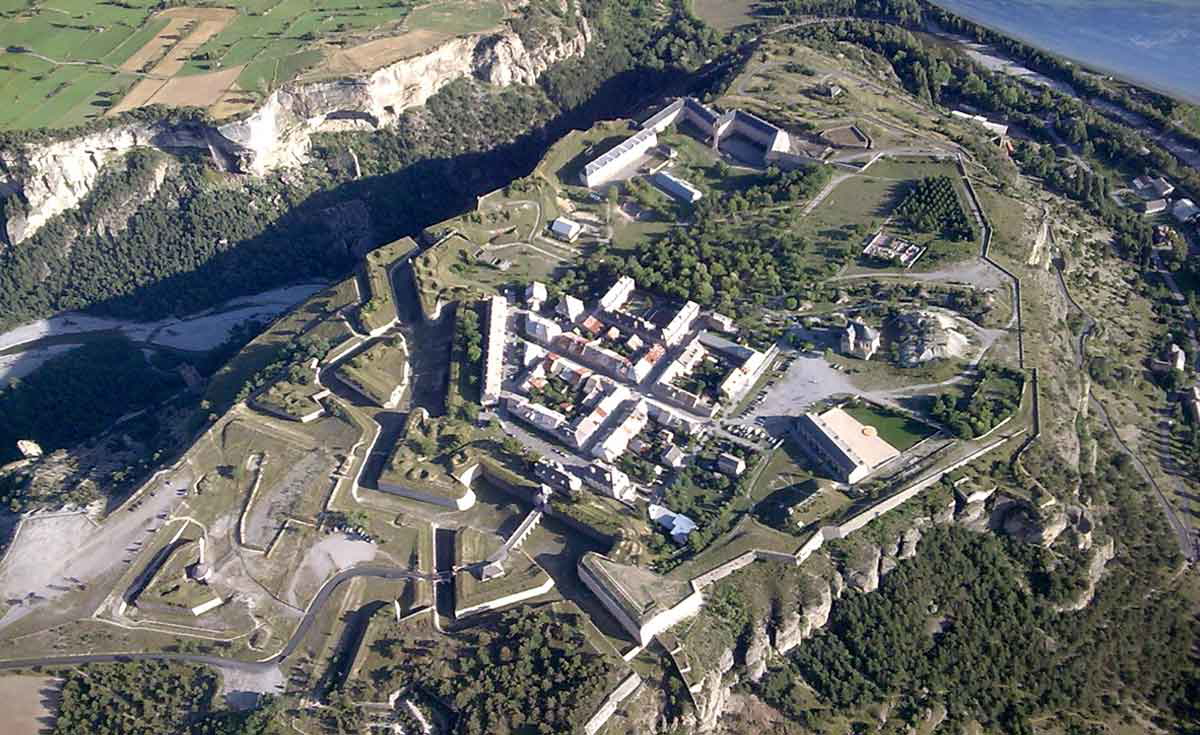
While Vauban is best known for the construction of fortifications, he was also an accomplished siege leader. In June 1673, he supervised the successful siege of Maastricht during the Franco-Dutch War (1672-1678), and in June 1684, he secured the capitulation of Luxembourg from the Spanish garrison. Vauban refortified Luxembourg and turned the city into a formidable fortress nicknamed the Gibraltar of the North.
During the War of the Spanish Succession, the English commander, the Duke of Marlborough, preferred to defeat French armies on the field rather than resort to costly sieges of Vauban’s fortresses. However, despite Marlborough’s great victories at Blenheim in 1704 and Ramillies in 1706, Vauban’s chain of border fortresses helped secure the French frontier and prevented an invasion of France. He was made Marshal of France in 1703 and died in 1707. He was buried near his estate at Bazoches. After his grave was destroyed during the French Revolutionary Wars, in 1808, Napoleon ordered his heart to be reburied in the Dome Church of Les Invalides.
3. Claude Joseph Rouget de Lisle
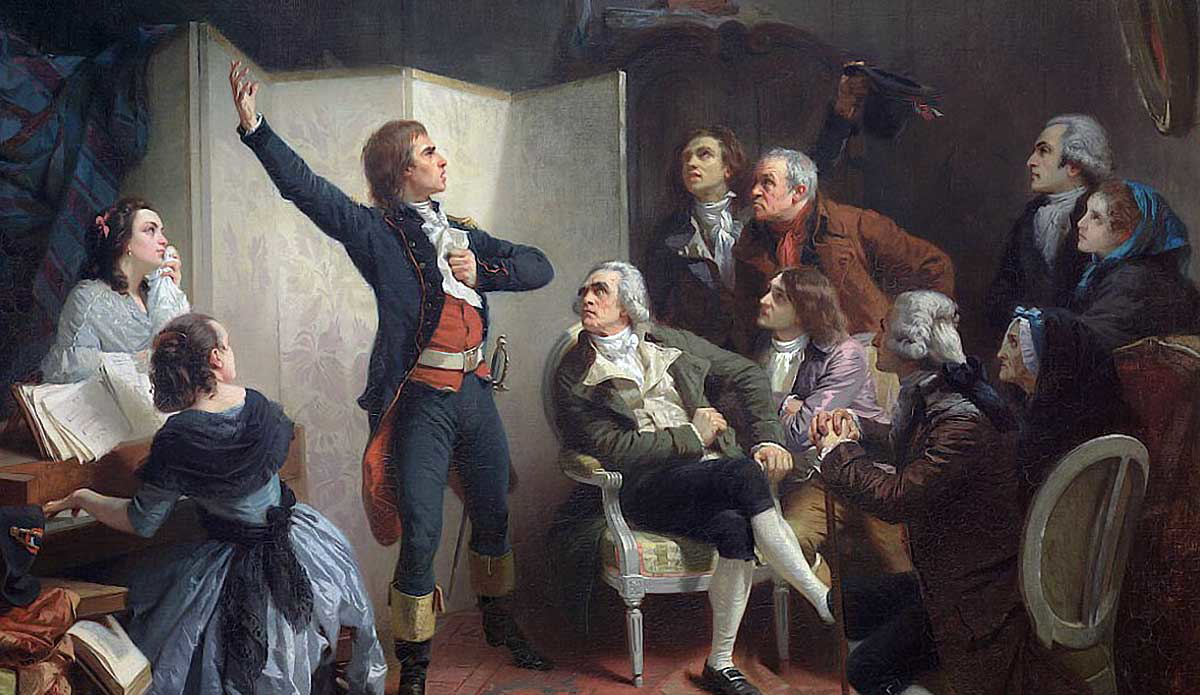
Although he served in the French Army for a decade between 1784 and 1793, Claude Joseph Rouget de Lisle is not known for any exploits on the battlefield but rather as the composer and writer of La Marseillaise, the French national anthem.
Despite his fame as the composer of the famous revolutionary anthem, Rouget de Lisle was actually a royalist. Born at Lons-le-Saunier in eastern France, Rouget de Lisle was a captain stationed in Strasbourg in April 1792 when the War of the First Coalition broke out. At this point, King Louis XVI was still a constitutional monarch, though he was effectively under house arrest in the Palace of the Tuileries.
Rouget de Lisle was a musician of some ability. On April 25, 1792, he was asked by the Mayor of Strasbourg to compose a song to rally the men of the Army of the Rhine, who were defending France’s eastern frontier from invasion. He duly wrote the words and music to The Battle Song for the Army of the Rhine and dedicated it to its commander, Marshal Nicolas Luckner.
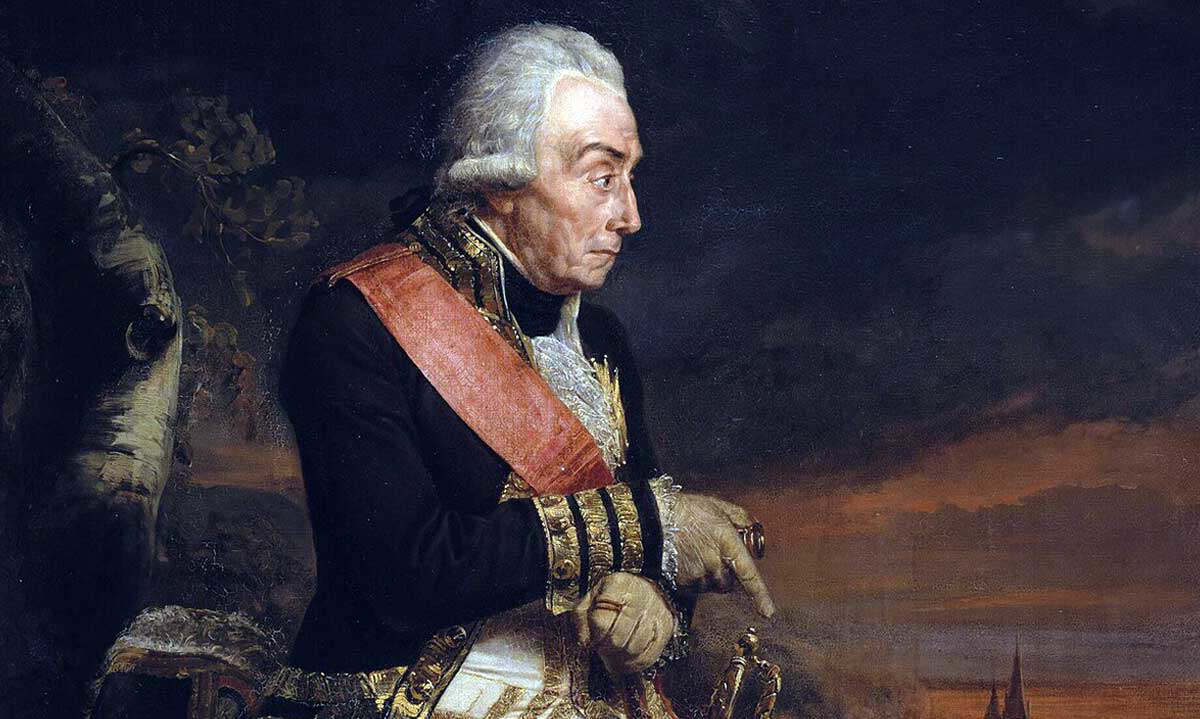
The stirring song soon spread around the country and became particularly popular among revolutionary soldiers from Marseille. A battalion of Marseille volunteers who participated in the storming of the Tuileries of August 10, 1792, to overthrow the constitutional monarchy popularized the song in Paris, inspiring the name La Marseillaise.
Rouget de Lisle refused to swear an oath of loyalty to the new republican government and was dismissed from service in 1793. Since La Marseillaise came to be associated with revolutionary bloodletting, Napoleon Bonaparte asked Rouget de Lisle to write a new anthem in 1800, but his Chant des combats was not popular. The anthem Vive le roi, composed for the restoration of Louis XVIII in 1815, also proved a flop. Rouget de Lisle died in 1836 at Choisy-le-Roi near Paris. In July 1915, his remains were transferred to the vault below the Church of Saint-Louis-des-Invalides, known as the Governors’ Crypt, since 28 governors of the Invalides were buried there.
4. Dominique-Jean Larrey
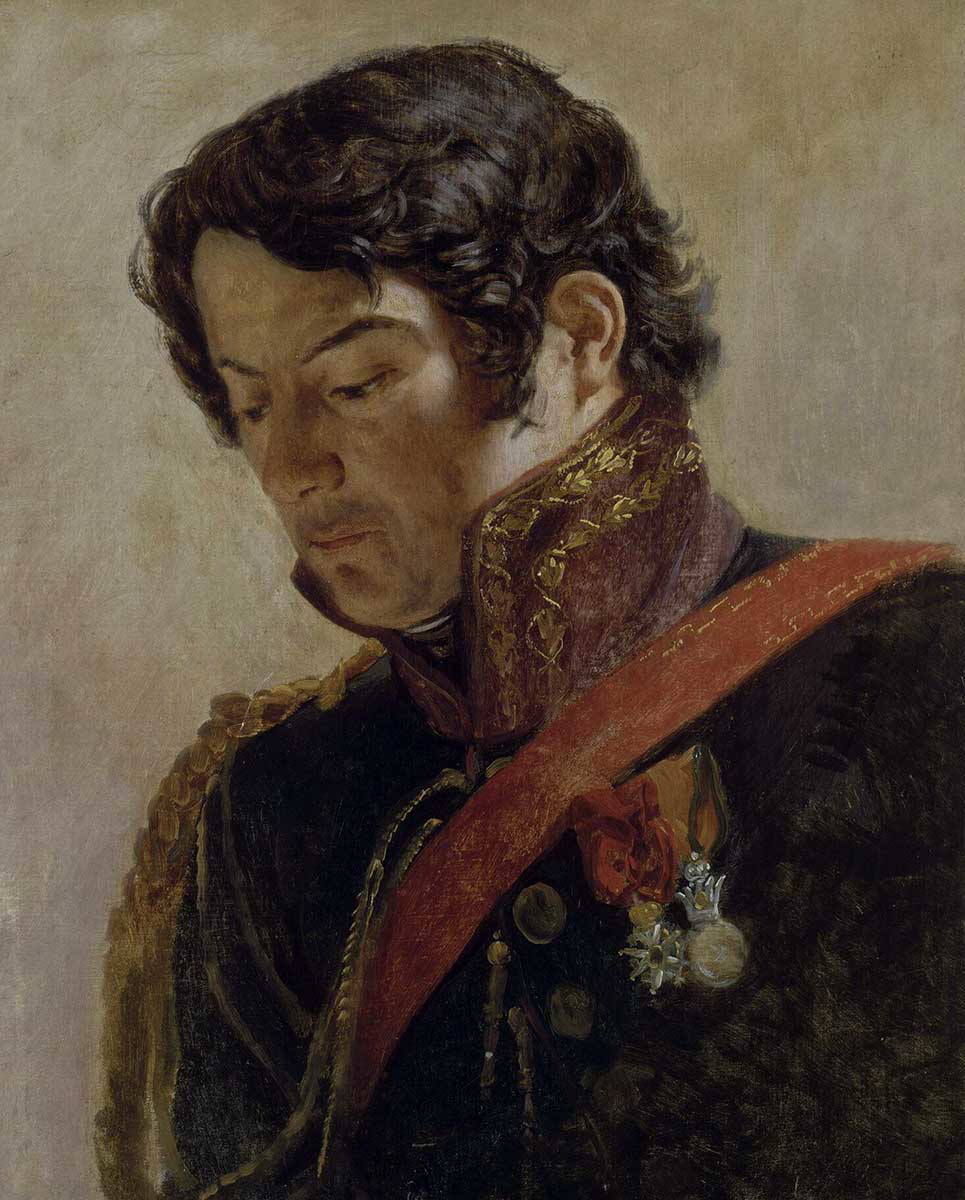
Aside from the Tomb of Napoleon Bonaparte, Les Invalides serves as a resting place for a host of Napoleonic marshals and officers. Among these is Dominique-Jean Larrey, the pioneering military surgeon. Born in 1766, Larrey served in the French Army during the War of the First Coalition, during which he pioneered the use of “flying ambulances,” light horse-drawn carriages that enabled medical staff to treat wounded soldiers on the spot and evacuate them quickly. He also pioneered the concept of triage by prioritizing the treatment of soldiers based on the extent of their injuries rather than military rank or nationality.
After meeting Napoleon for the first time in 1794, Larrey was appointed surgeon-in-chief of Napoleon’s Army of Italy in 1796 and accompanied him to Egypt in 1798. Although he was invited to return to France with Napoleon in 1799, he stayed behind with the army that had been left under the command of Jean-Baptiste Kléber. Following Kléber’s assassination in June 1800, he embalmed the general’s body and returned it to France for burial.
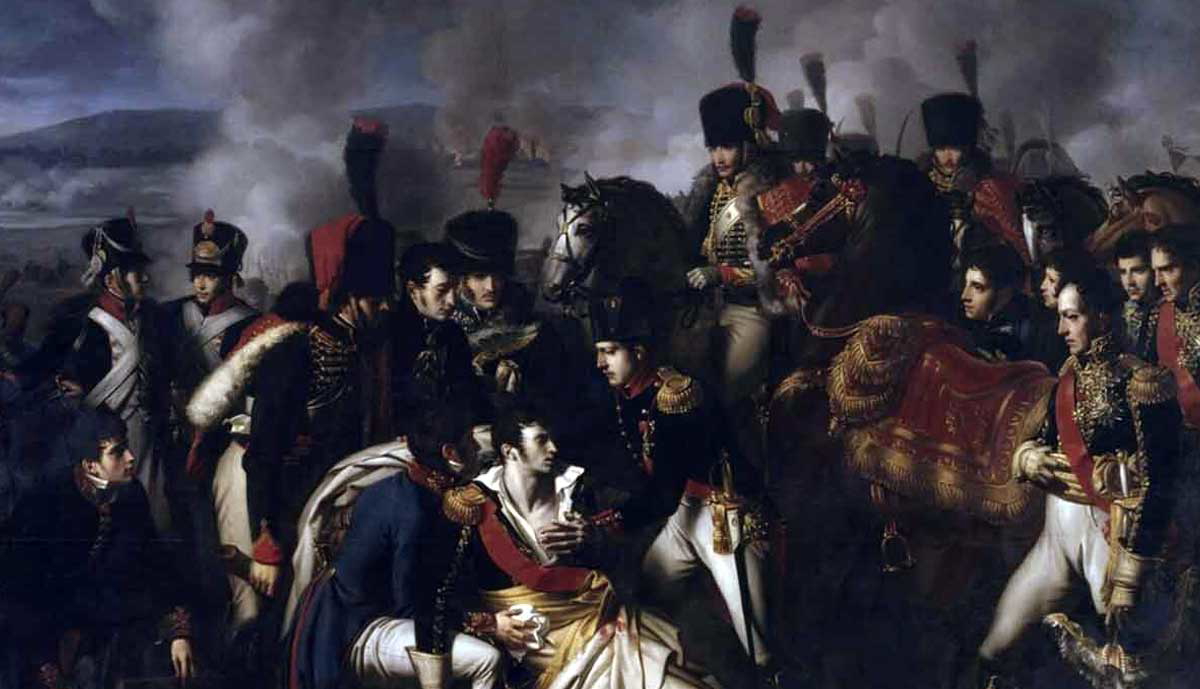
After returning to France, Larrey accompanied the army throughout the Napoleonic Wars. He often exposed himself to enemy fire to retrieve wounded soldiers from the field, earning the respect of his own men and of enemy commanders. At the Battle of Aspern-Essling in 1809, he amputated the leg of his close friend Marshal Jean Lannes but was unable to save the marshal’s life.
During Napoleon’s Russian campaign in 1812, Larrey performed wonders during the bloody Battle of Borodino. During the Battle of the Berezina, he avoided being stranded on the eastern bank when soldiers carried him over their heads over a weakening bridge. Three years later, he was wounded at Waterloo and taken prisoner by Prussian troops. His life was saved by a German soldier who recognized him and brought him to Field Marshal Blücher. Larrey had saved the life of Blücher’s son at the Battle of Dresden in 1813, and the Prussian commander treated him as an honored guest and allowed him to return to France.
Larrey continued to serve in the French Army after Napoleon’s second abdication, and in 1830, he was appointed medical director at Les Invalides by King Louis Philippe I. He died in Lyon in 1842 and was initially buried at the Père-Lachaise Cemetery in Paris. One hundred fifty years later, his remains were transferred to Les Invalides in December 1992.
5. Patrice de MacMahon
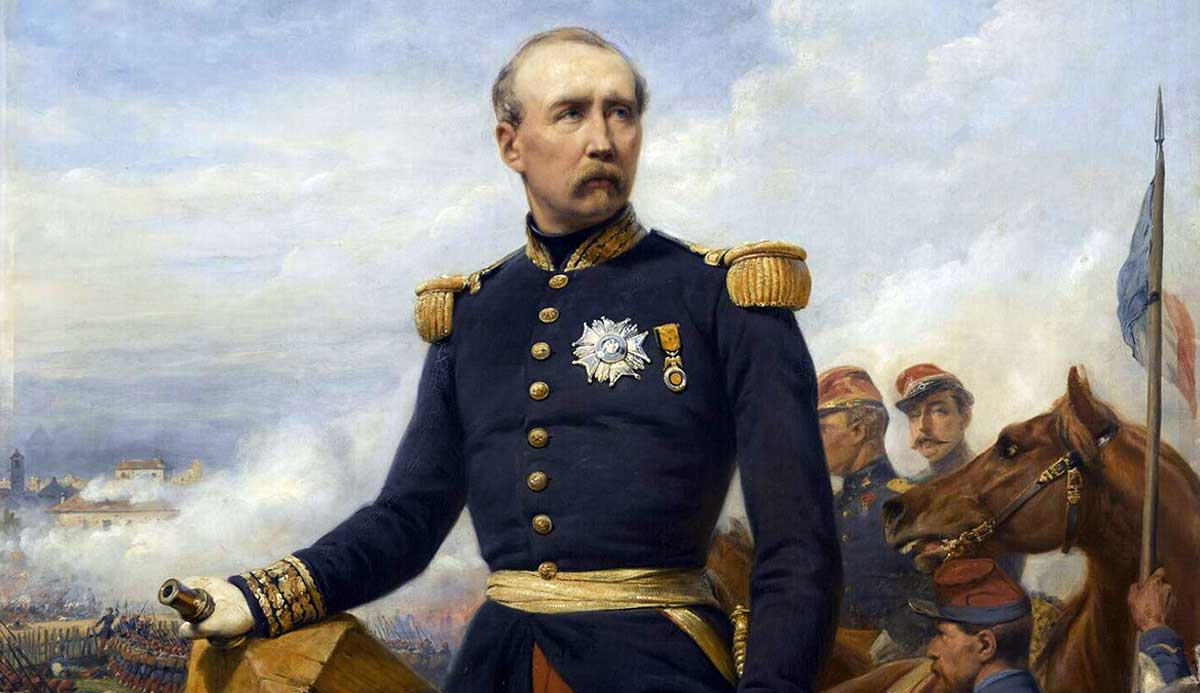
The descendant of an Irish noble family who had lost their land during the Cromwellian confiscations, Patrice de MacMahon’s military and political career spanned over five decades. After spending much of the 1830s and 1840s serving in Algeria, he was promoted to General of Division in 1852 and given command of the 1st Infantry Division during the Crimean War, where in September 1855, he captured the Malakoff Redoubt during the Siege of Sevastopol.
After briefly returning to Algeria, MacMahon accompanied Emperor Napoleon III’s army to Italy in 1859 to support the cause of Italian independence from the Austrian Empire. At the Battle of Magenta on June 4, MacMahon led the decisive attack that forced the Austrians to retreat. MacMahon was created Marshal and received the title of Duke of Magenta.
After six years as Governor-General of Algeria between 1864 and 1870, MacMahon resigned from the office and returned to France. During the Franco-Prussian War, he was given command of the 130,000-strong Army of Châlons formed to relieve the siege of Metz. After being joined by Napoleon III, MacMahon was defeated at Sedan on September 1 and fell into Prussian captivity alongside the emperor.
After returning to France in March 1871, President Adolphe Thiers appointed MacMahon to lead the Army of Versailles, which crushed the Paris Commune. In 1873, MacMahon was elected president by royalist and conservative deputies in the National Assembly seeking to restore the Bourbon monarchy. He governed effectively for a few years but struggled after the left-wing Republicans won the 1877 elections and resigned in 1879. He died in October 1895 and was buried at Les Invalides.
6. Ferdinand Foch
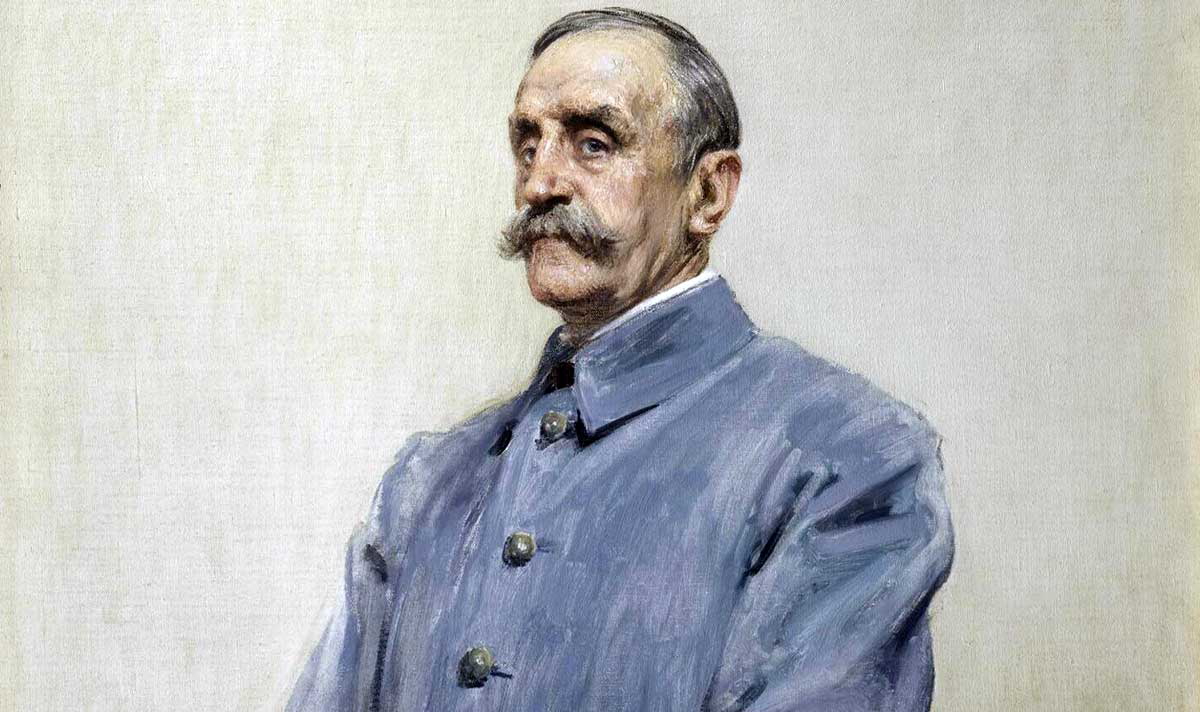
One of the most famous French soldiers of the 20th century, Ferdinand Foch is best known for his leadership during the First World War as Supreme Allied Commander in 1918. Born in October 1851, Foch became a noted military theorist at the turn of the 20th century while serving as an instructor at the French War College.
Inspired by the campaigns of Napoleon and Prussian general Herman von Moltke and the theories of Carl von Clausewitz, Foch promoted the concept of the offensive in French military doctrine. In the years before World War I, Foch’s ideas inspired Plan XVII of the French Army, which envisaged an eastern offensive to retake Alsace and Lorraine in the event of a German invasion. Upon the outbreak of war in August 1914, Foch commanded XX Corps of the French Army in Lorraine but was forced to retreat.
Although his reputation suffered after the failure of the eastern offensives, he was transferred to the north and led a successful counterattack at Châlons on September 12 to stop the German advance during the First Battle of the Marne. He was then appointed assistant commander-in-chief to Joseph Joffre with responsibility for the Northern sector, which involved liaising with British forces during the Race to the Sea. After successfully holding off the Germans at Ypres, Foch led offensives at Artois in 1915 and the Somme in 1916. He was criticized for his aggressive tactics, which resulted in heavy losses without much gain and temporarily fell out of favor.
In May 1917, when General Philippe Pétain was appointed commander-in-chief, Foch was made Chief of the General Staff. As a result of heavy losses suffered by the French Army, Foch pursued a more defensive approach, counting on the arrival of General Pershing’s American Expeditionary Force to make the difference on the Western Front.
In late March 1918, the German Army launched its spring offensive in an attempt to win the war before American forces could effectively be mobilized on the Western Front. Foch was soon given the responsibility of coordinating between Allied armies and forming a common reserve to respond to a potential breakthrough of the Allied line. On account of these responsibilities, in April 1918, he was formally recognized as Supreme Allied Commander.
As the German offensive ran out of steam, Foch launched a successful counterattack at the Marne in July, for which he was promoted to Marshal of France in August. In conjunction with British commander Sir Douglas Haig, Foch planned the Hundred Days Offensive that led to Germany’s final defeat on November 11, 1918.
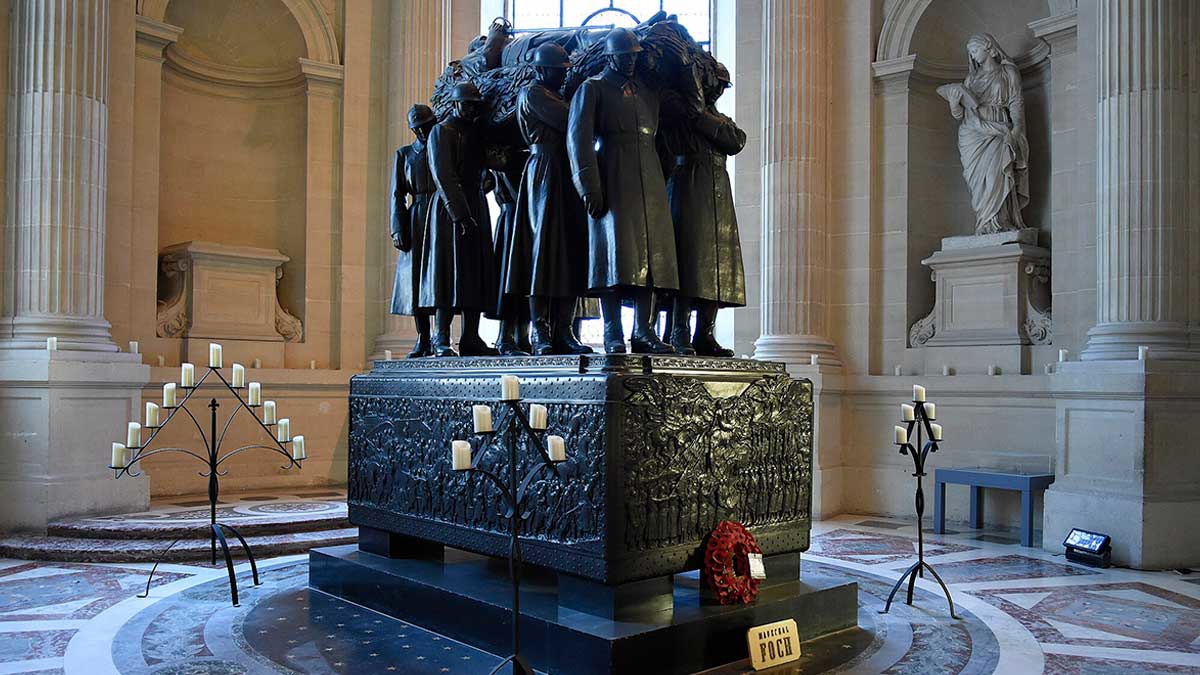
After the war, Foch favored imposing harsh peace terms on Germany and believed the Treaty of Versailles was too lenient. He retired from the French Army in 1923 and died in March 1929 at the age of 77. He was given a grand funeral and buried at Les Invalides. His remains were initially placed in the Governors’ Crypt but later transferred to a grand tomb sculpted by Paul Landowski in St. Ambrose’s Chapel in the dome church.