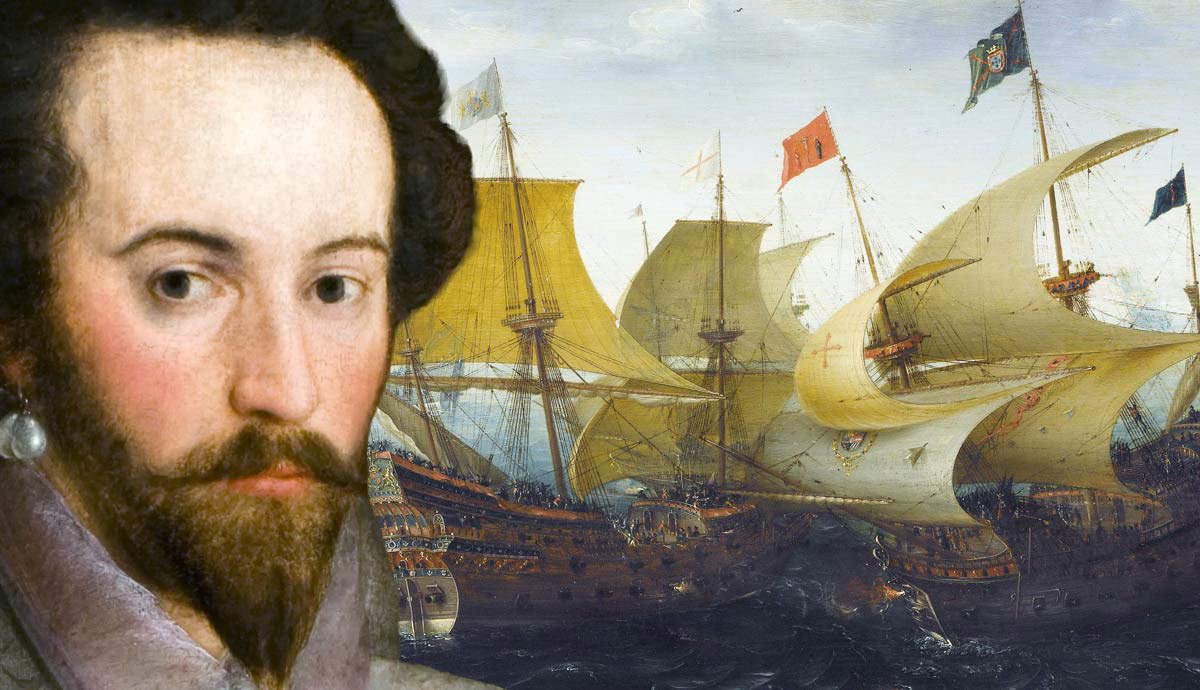

During the Golden Age of Piracy, from about 1650 to 1730, pirates roamed much of the world’s seas, stealing valuable cargo from merchant ships. Pirates were generally successful against poorly armed merchants, but some were exceptional tacticians and found even greater success.
How Many Ships Did an Average Pirate Captain Actually Capture?

As a baseline, when a sailor was elected as a pirate captain (a common occurrence), he would lead the crew in an attempt to close in on a merchant vessel, raise a flag identifying themselves as pirates, and capture and loot the ship of any cargo. Most pirate captains only managed to accomplish this feat a few times, at best. Piracy was a high-risk profession, and very few were able to make it a long-term lifestyle.
Black Bart: The Pirate Who Looted Over 400 Ships

Bartholomew “Black Bart” Roberts was probably the most successful pirate, capturing over 400 ships in his lifetime. At first, he was a sailor kidnapped by pirates, but a change of heart a short time later elevated him to the captain of his ship following the death of pirate captain Howell Davis, who had captured Bart.
Black Bart would go on from 1719-1722 to terrorize ports throughout the Atlantic Ocean, capturing over 400 vessels. One of his earliest was an almost accidental – and daring – capture of a Portuguese treasure ship transporting gold from the Americas to Portugal. It was part of a 42-ship fleet, and Bart and his crew captured one ship and learned which ship held the most treasure. They went on to capture the richest ship in the fleet and escape with a large amount of treasure.
Which Pirate Commanded the Largest Fleet in History?
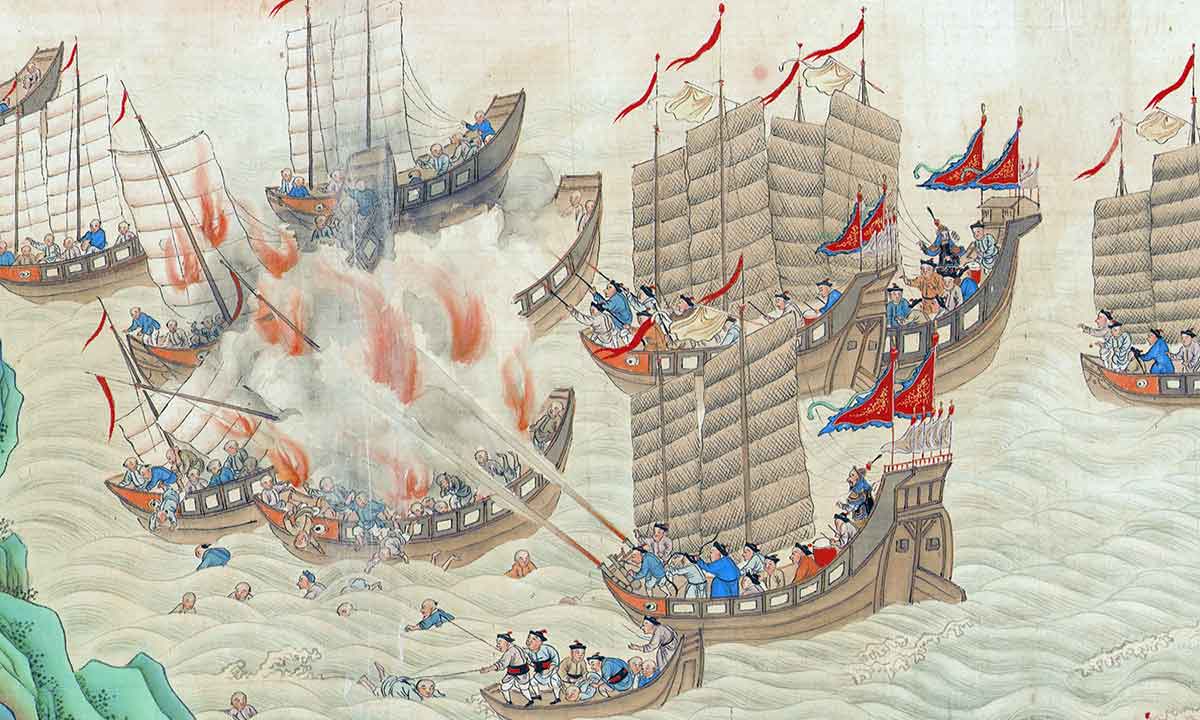
Probably the largest pirate fleet under one person was the fleet under the control of the woman pirate Zheng Yi Sao from 1801-1810. At its peak, the organization boasted over 1200 ships and 80,000 crew members, operating in a tightly controlled enterprise with what could be described as near-modern corporate accounting standards.
With tight accounting and high standards for her “employees,” Zheng Yi Sao was able to control a vast empire of pirate operations which, at times, rivaled the navies she fought against in the South China Sea, including China and Portugal. Zheng Yi Sao, even though she eventually surrendered and disbanded her network, was a rare pirate allowed to retire and die of old age with much of her captured wealth.
The $100 Million Heist: History’s Most Successful Act of Piracy
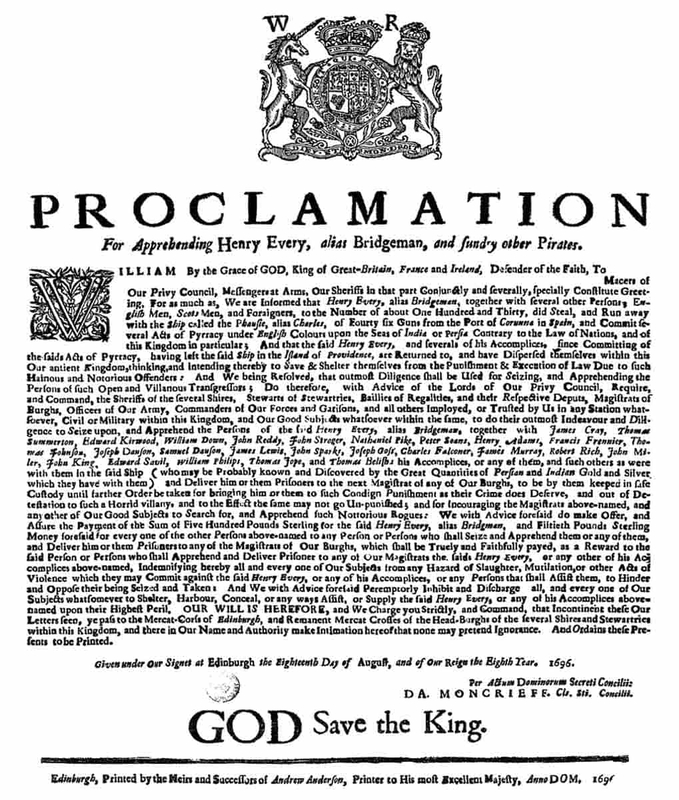
During the Golden Age of Piracy, even though the capture of merchant vessels was common, one incident rises above all the others. On September 7, 1695, Henry Avery (or Every) and the pirate crew of the Fancy and a few other ships attacked an Indian flotilla in the Straits of Bab-el-Mandeb between Yemen and Djibouti. The flotilla had at least two ships known to be large, dangerous, and laden with treasure – the Fateh Muhammed and the Ganj-i-Sawai. Avery and his crew captured and looted both ships, coming away with a modern value of over $100 million in gold, silver, and jewels.
This raid on the Indian ships is likely the most valuable act of piracy ever and resulted in what may be the first worldwide manhunt, and severely damaged relations between India and England. Henry Avery would go on to evade capture and disappear from history less than a year later with much of his wealth. Unlike most pirates, and despite a rich reward for his capture, Avery appears to have escaped, retiring with his piratical gains.