The Hagia Sophia, or Great Church, was intended from its inception to be the heart of Constantinople. When the emperor Constantine made what is now known as Istanbul his capital, he made it the center of the changing Roman world. Sitting at the crossroads where East meets West, it was destined to have a volatile history. No monument in the city better reflects that history than the Hagia Sophia.
Originally built as an imperial monument to the Roman Empire’s new religion, as the city changed hands over the centuries, the Hagia Sophia was an Orthodox Church, a Catholic Basilica, an Islamic Mosque, and a secular museum. With new ideas literally layered on top of old in its architecture, the Hagia Sophia has often been called a palimpsest of world history. This status was recognized in 1985 when it became a UNESCO World Heritage Site. However, in the eyes of many, this was undermined when the Hagia Sophia again became an active mosque in 2020.
Discover the complex and sometimes controversial history of the Hagia Sophia.
The Architectural Genesis of the Hagia Sophia
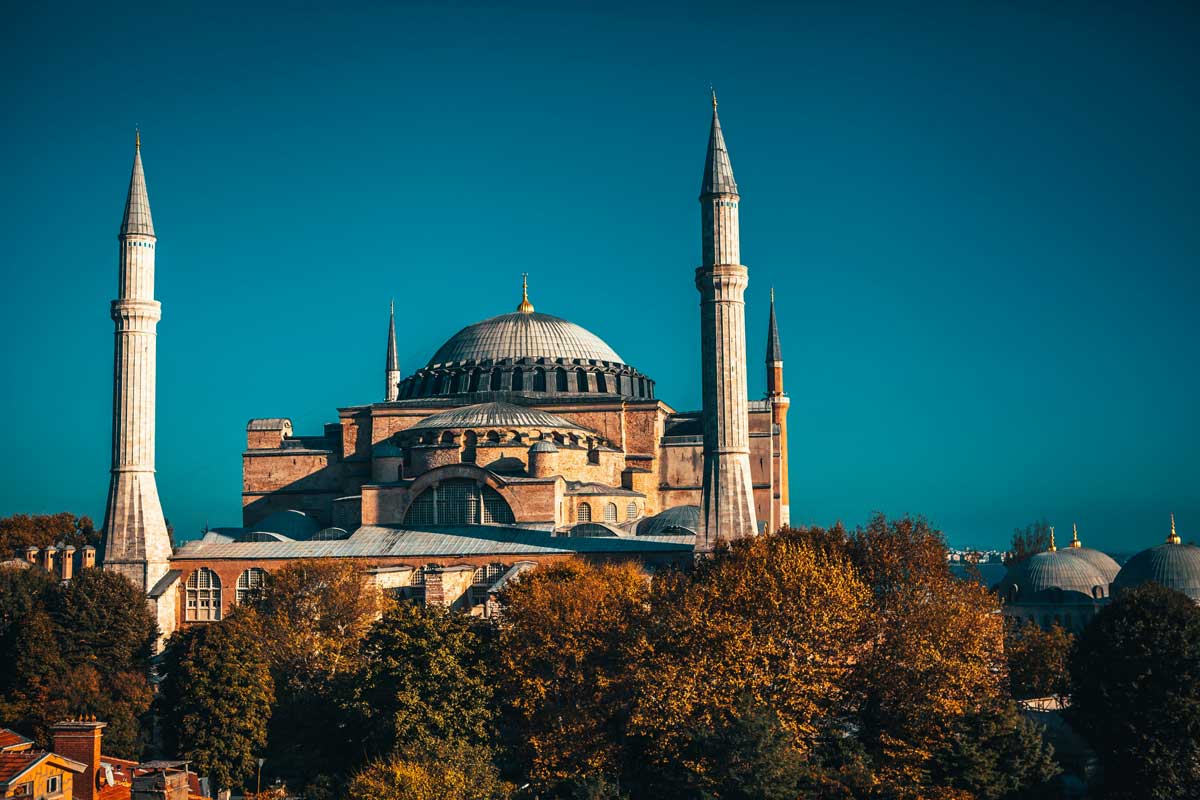
The foundations of the Hagia Sophia that still stand today were laid by the emperor Justinian I in the 6th century. But he was building on holy ground.
“Pre-History” of the Hagia Sophia
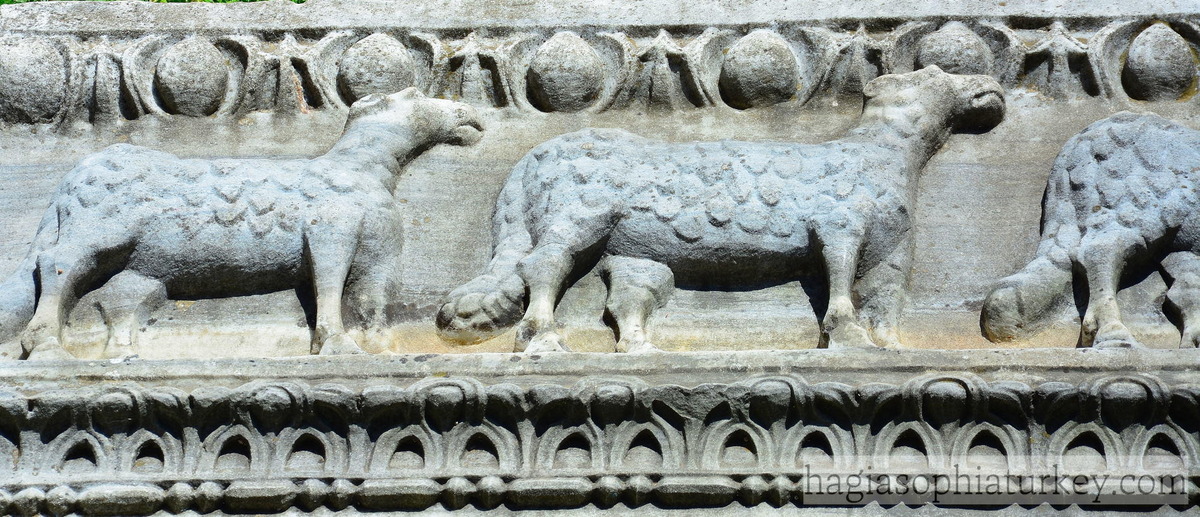
When Constantine the Great decided to establish his new capital Constantinople on the site of Byzantium, he soon commissioned the city’s first church. The Hagia Irene (Holy Peace) was a Roman-style basilica built on the site of an existing temple, probably dedicated to Aphrodite. He reportedly began construction of a larger church, the Hagia Sophia (Great Church), right next door. He died before it was complete, leaving the task to his son Constantius II, who combined the two churches into a single complex.
This Hagia Sophia had a wooden roof, which contributed to its burning to the ground during riots following the exile of John Chrysostom in AD 404. The emperor Theodosius II rebuilt the church in AD 415. Both the Hagia Irene and the Hagia Sophia were then largely destroyed during the violent Nika Riots of AD 532.
Engineering a Miracle in the 6th Century
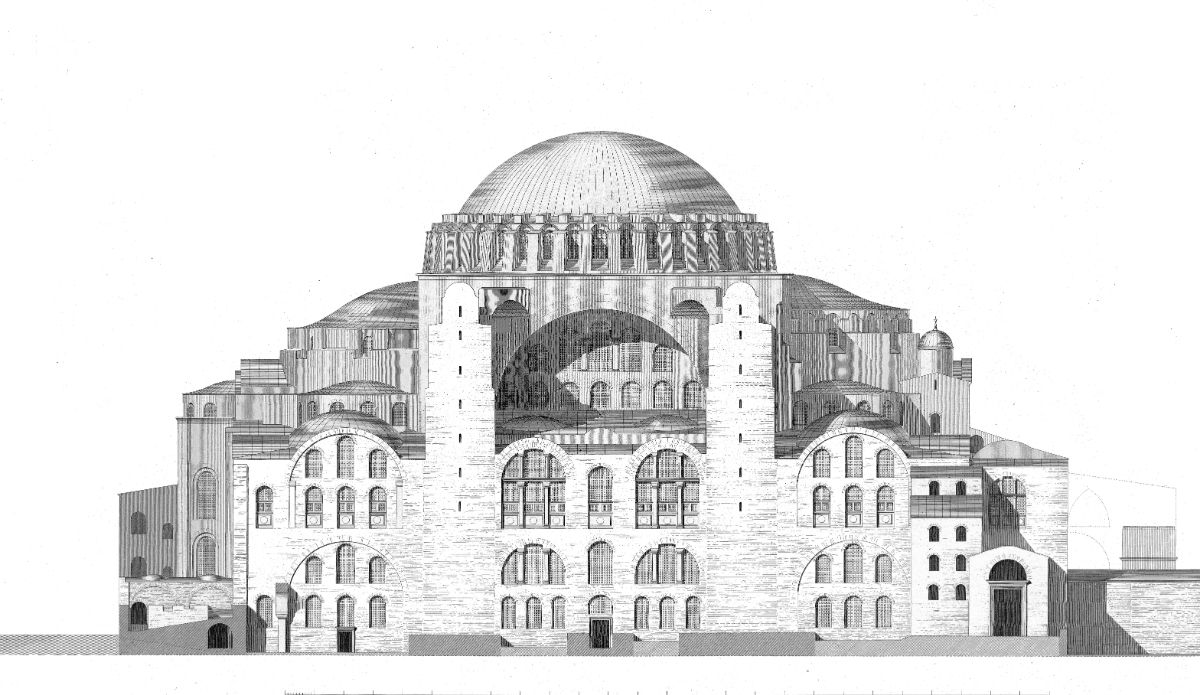
It was only a few weeks after the destruction of the second Hagia Sophia that Justinian inaugurated construction on his new structure, which would be the largest church in the world for 500 years. Reportedly, when Justinian walked into the completed church in AD 537, he pronounced, “Solomon, I have surpassed thee,” referring to the legendary grand temple of the Jewish king.
The two temples were fundamentally different in their designs. The Temple of Solomon, reportedly built in the 10th century BC, was constructed as a dwelling place for the Presence of God. As such, it had a dark and windowless interior, and only the High Priest could access the inner sanctum.
Justinian’s church was a public space designed to represent the cosmos. To that end, it was constructed with an enormous round dome roof. The roof sat on a square base, so the architects innovatively used pendentives, the triangular segments of the sphere, to transition the weight of the circular dome to the four massive piers that supported it. This allowed the walls beneath the dome to be hollowed out with 40 windows at the base of the dome, making the dome appear as though it is floating. This became the standard blueprint for Byzantine architecture and Orthodox churches for the next 1,000 years.
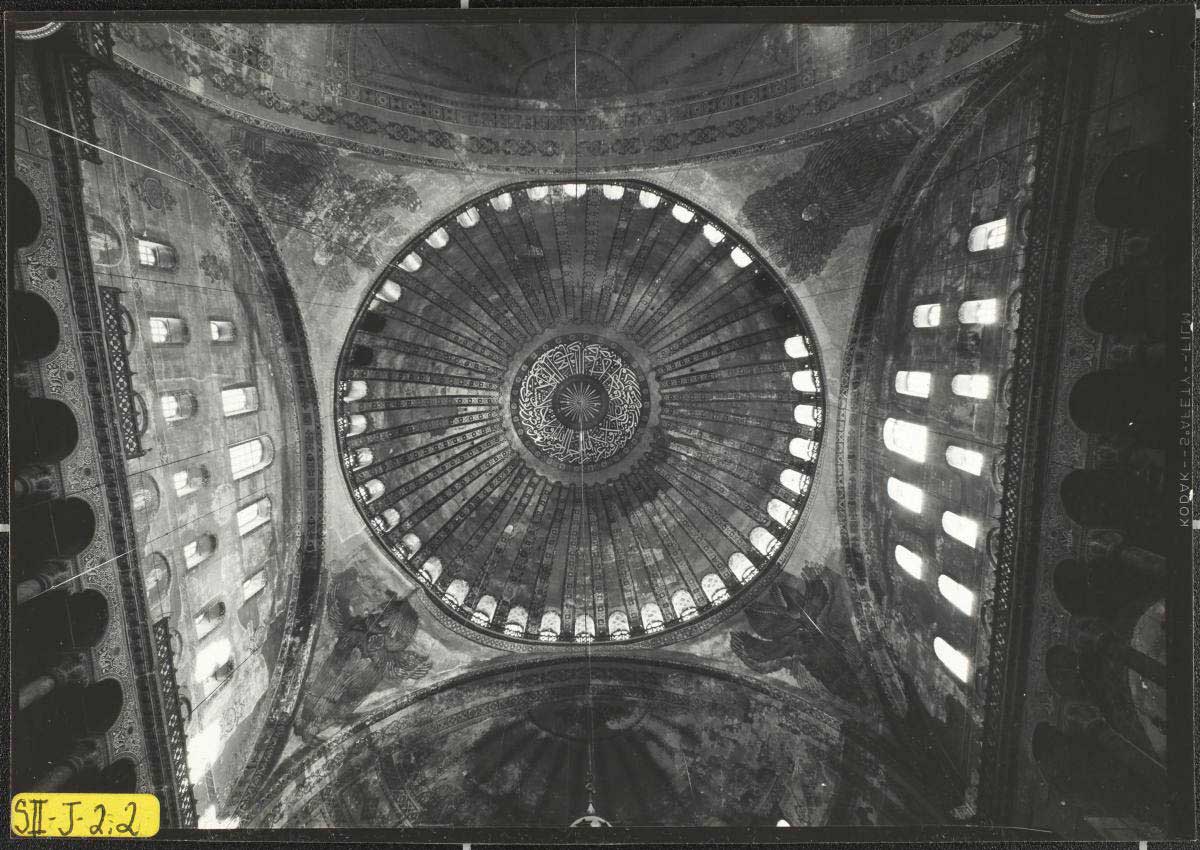
This was a challenging design feat, and the original dome was too flat and collapsed during a series of earthquakes in AD 558. It had to be rebuilt as a deeper sphere. That dome is still standing, measuring 55.6 meters in height and between 31.2 and 32.4 meters in diameter, as it is not a perfect sphere.
The exterior of the building was originally covered with marble veneer, which, together with gilded decoration, would have shimmered in the sun, much like the Egyptian pyramids. The interior would have been colorful, with a sea of polychrome marble in purple, green, yellow, and blue. The entire ceiling was covered in gold-leaf glass tesserae, which would have shimmered like a sun. Decorative preferences at the time meant that there were no figurative decorations showing saints or biblical scenes.
The Influence of Anthemius of Tralles and Isidoros of Miletus
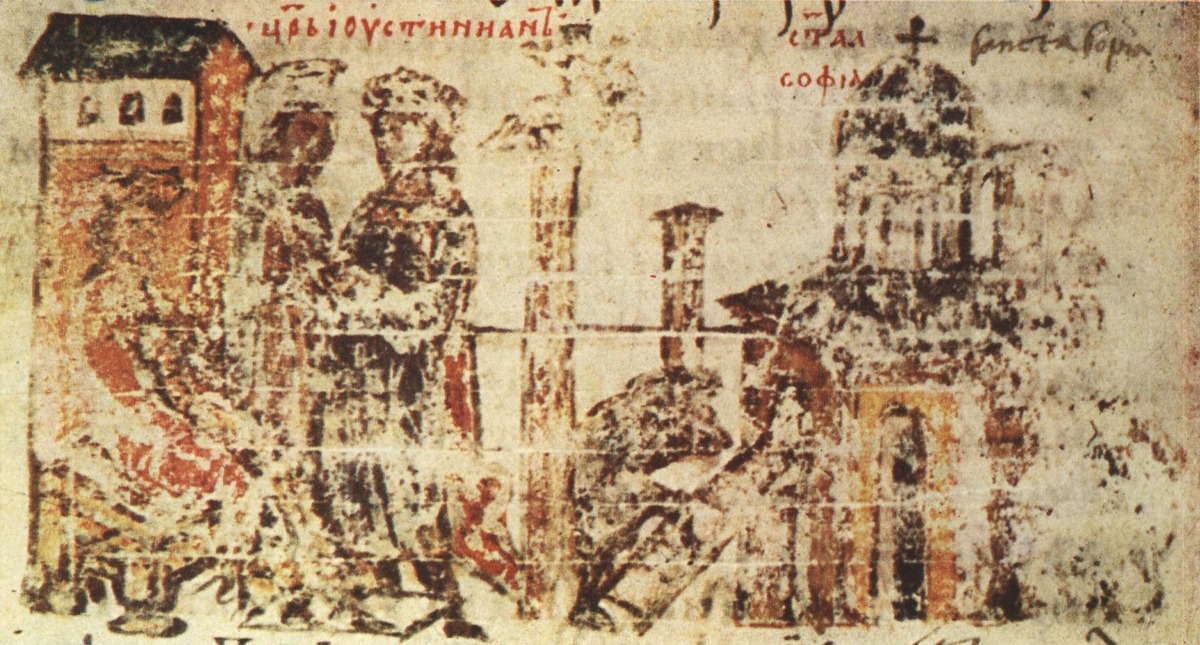
Justinian’s vision was made possible by his two chosen architects, the mathematician Anthemius of Tralles and the geometer and engineer Isidore of Miletus. This was a risky and radical decision, as rather than being experienced builders, they were theoreticians. They may also have had “pagan” attitudes.
Tradition suggests that both men were associated with the school of the pagan philosopher Ammonius of Alexandria. They may have built the church as a temple to the supreme Neoplatonist deity. They were certainly influenced by the philosophical idea that mathematics is the language of God. This led them to push beyond practical Roman ideas of concrete buildings with thick walls, to create new, complex geometric designs that captured the language of the divine.
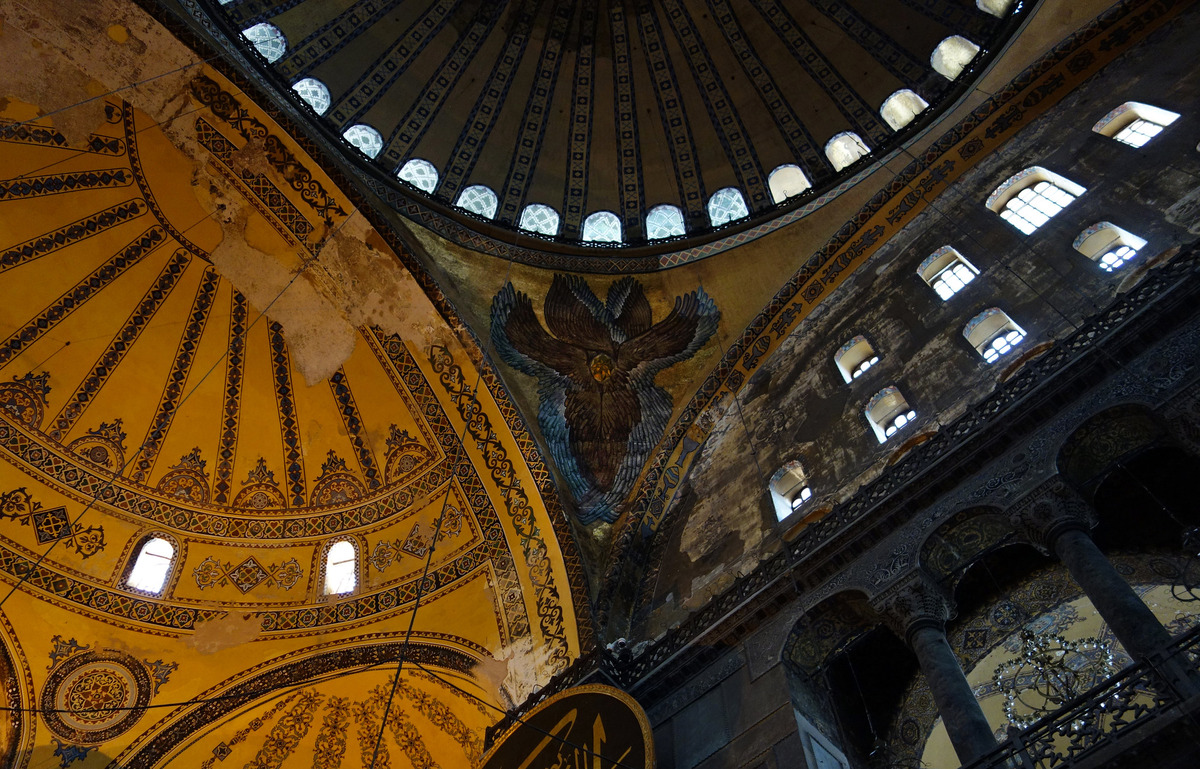
Anthemius was also an expert in acoustics, which fed into the building’s design. Chants hang in the air for ten to twelve seconds after they are complete, echoing around the space. This led to the invention of the Byzantine Chant, a slower style of music that took full advantage of that echo.
Of course, the pair of scholars did little actual construction work. Records suggest that, in addition to 100 master builders, two teams of 5,000 men worked in competition on the left and right sides of the church in a tactic to speed up the building process. The original construction took five years, ten months, and four days. It is estimated to have cost one year’s worth of tax revenue for the entire Byzantine Empire.
A Timeline of Transformation Through the Centuries
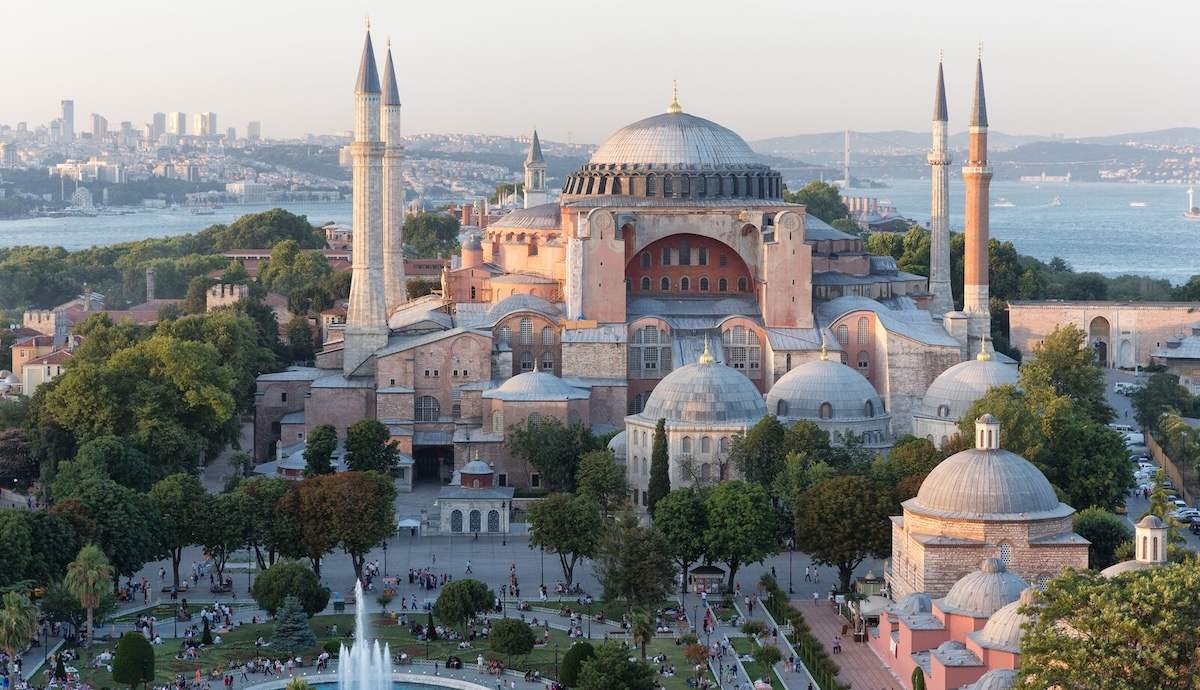
As the central place of faith in Constantinople, the Hagia Sophia adapted and transitioned as the city was constantly repositioned in world politics. It would transition from an imperial basilica to an Orthodox church to a Catholic cathedral and an Ottoman Mosque.
From Imperial Basilica to Orthodox Cathedral
Following its inauguration, the Hagia Sophia became the principal church of the capital of the Christian Byzantine Empire. It was the seat of the Patriarchate of Constantinople, which crowned many Byzantine emperors within the walls of the Hagia Sophia. Christian relics were moved there as the holiest place in the Empire. But the church was not untouchable.
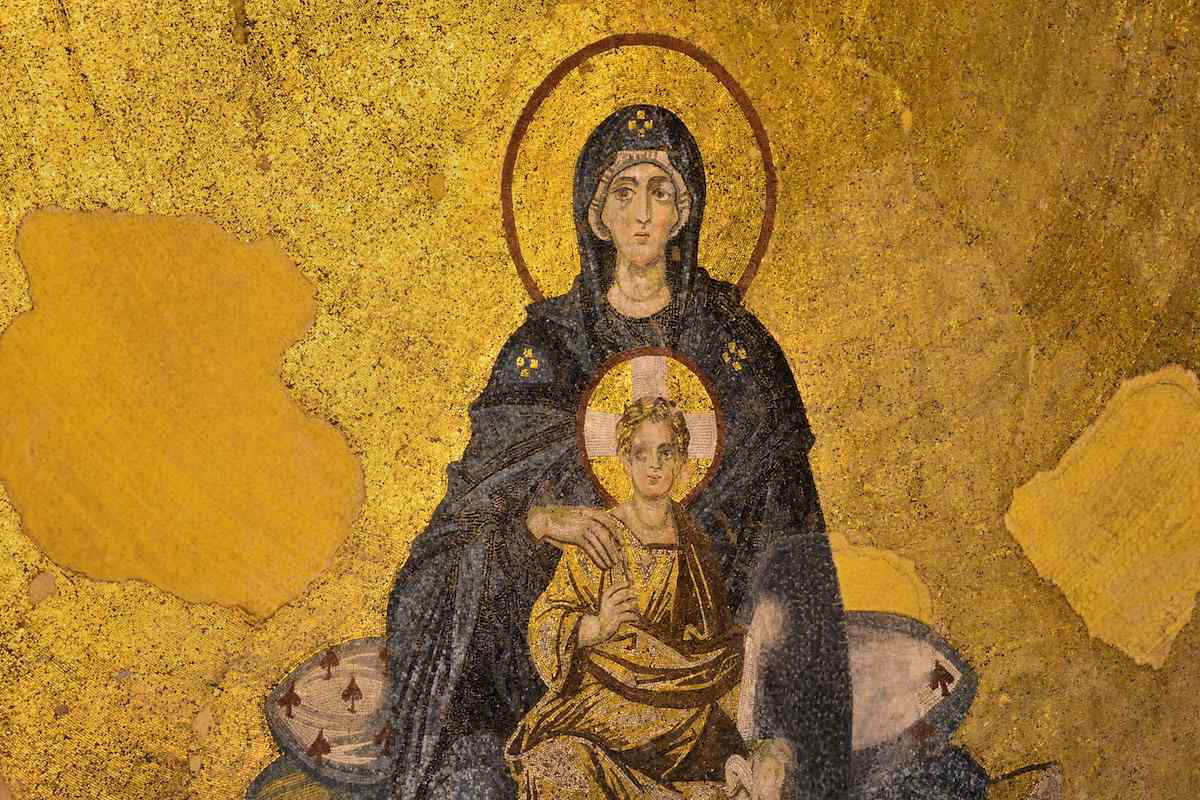
In 726, Emperor Leo the Isaurian issued edicts banning the veneration of images, ushering in a period of Byzantine iconoclasm. This saw many religious images and statues removed from the Hagia Sophia. The damage caused was then magnified by a great fire in 859 and an earthquake in 869. But the church was always repaired. Later, in the 9th century, figurative mosaics were also added to the building, including the Virgin Mary on a solid gold background in the apse, Christ Pantocrator in the center of the dome looking down, and eight massive six-winged angels in the pendentives.
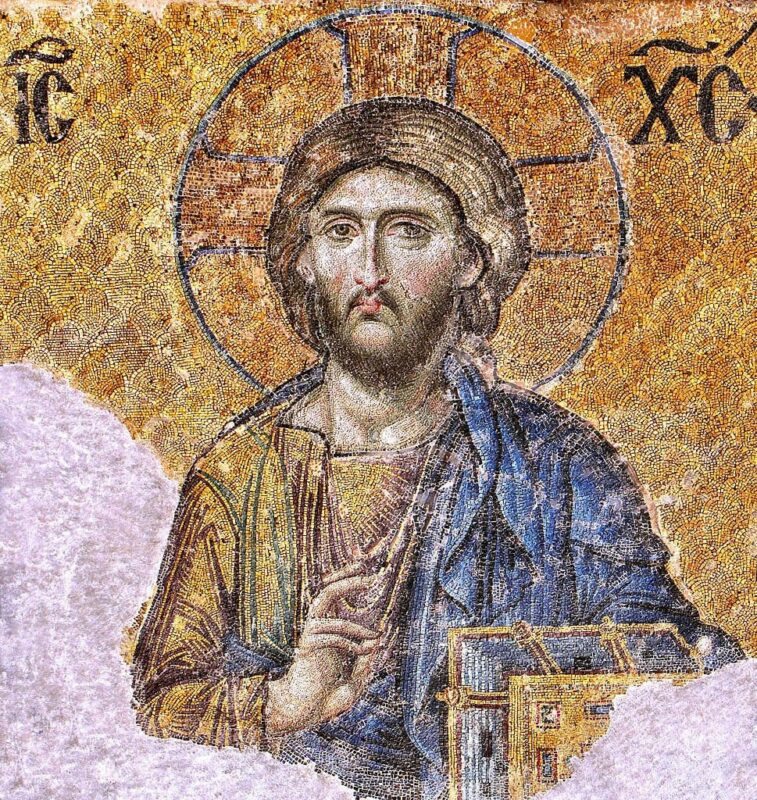
In 1054, the relationship between the Pope in Rome and the Patriarch in Constantinople had been contentious for centuries. There were theological issues, such as the nature of the Holy Spirit and the use of unleavened bread for the Eucharist, and political tensions, as the Pope claimed universal jurisdiction. This came to a head on July 16, 1054, when a Cardinal sent from Rome entered the Hagia Sophia and placed a Bull of Excommunication on the High Altar.
The Patriarch at the time then issued his own Bull of Excommunication to Rome, resulting in the Great Schism, dividing the Christian world into the Roman Catholic West and the Orthodox East. This made the Hagia Sophia the most important church of the new Orthodox religion.
The 1204 Transformation and the Impact of the Fourth Crusade
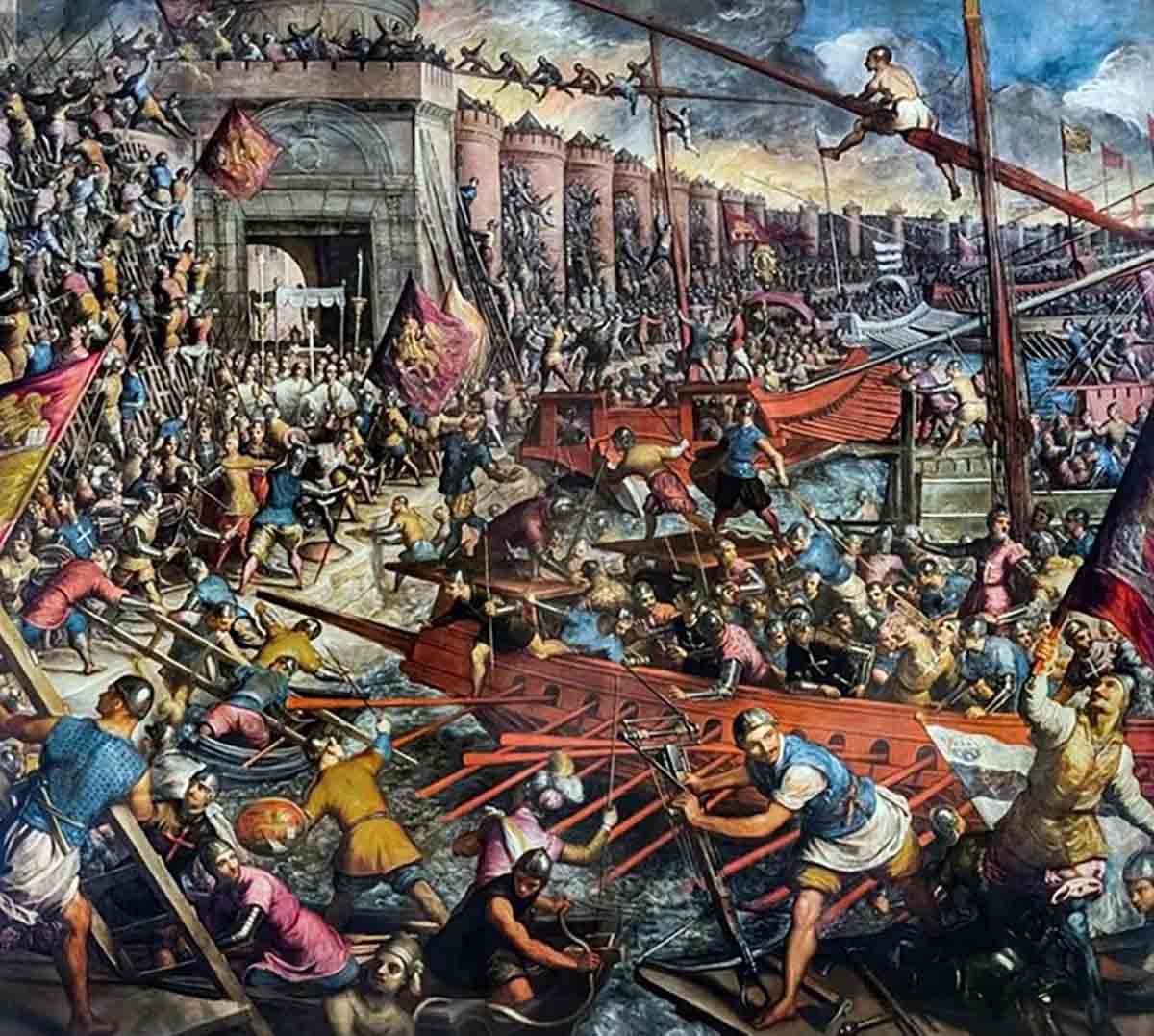
Revenge for their act of counter-excommunication was probably one of the main motivations for the Crusaders of the Fourth Crusade, sacking Constantinople in 1204. The Crusaders caused considerable damage to the Hagia Sophia, probably more as robbers than religious zealots. They hauled away the gold High Altar and even brought horses into the church to help them carry away loot. Relics, such as pieces of the True Cross and the Shroud of Turin, were sent to churches in the West. Observers described the church as thoroughly contaminated by sacrilege.
The Crusaders occupied Constantinople for the next 50 years, making the Hagia Sophia into a Catholic cathedral. This meant some minor structural changes, such as replacing the ornate Orthodox altar with a simpler Latin altar and making space for things like the Tomb of the Doge of Venice, who had masterminded the attack on Constantinople. They also generally neglected the upkeep of the Hagia Sophia, letting parts fall into disrepair. For example, roof leaks caused water damage to the gold mosaics. Structural shifts also saw the supporting walls start leaning further outward.
When the Byzantines retook Constantinople in 1261, the Hagia Sophia was in a poor state. Repairs were conducted piecemeal as finances allowed over the following two centuries.
Conversion to an Ottoman Mosque in 1453
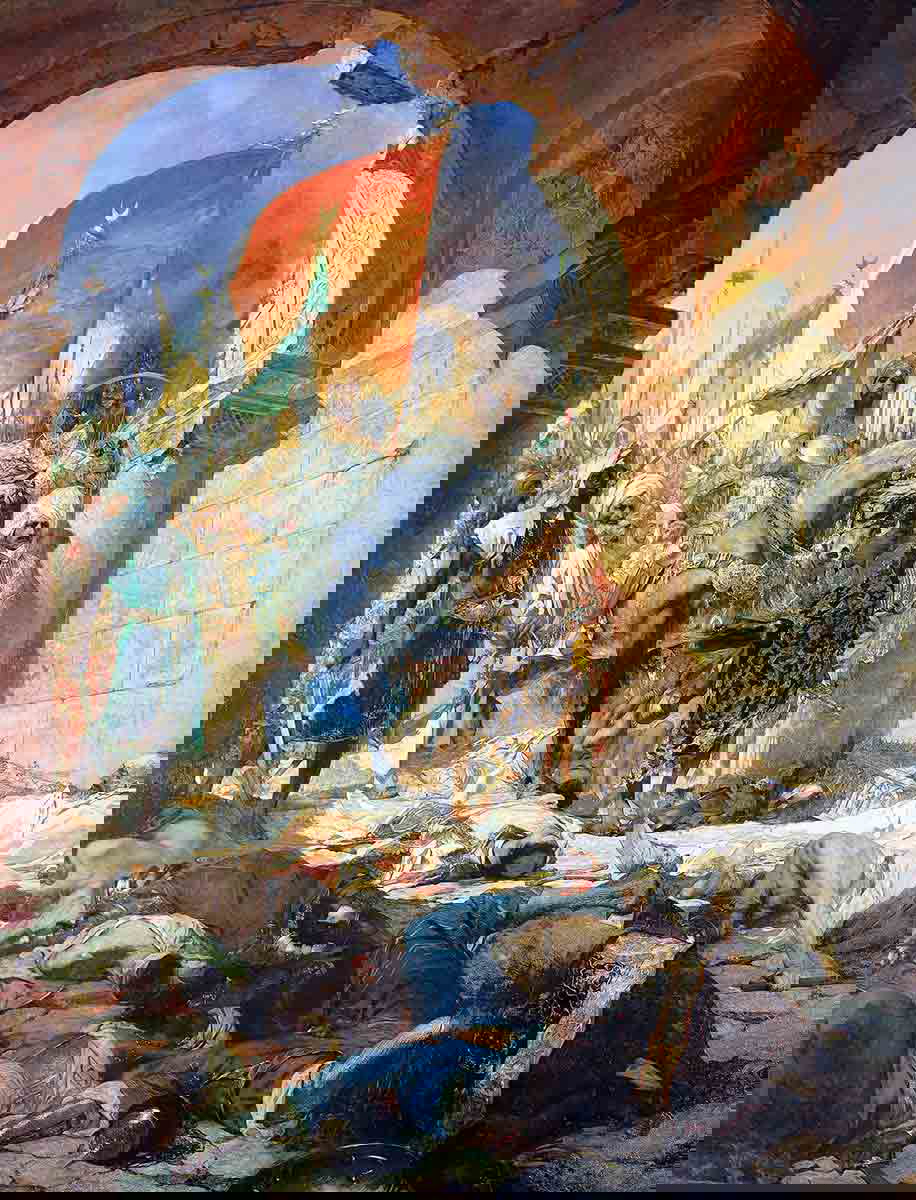
When Constantinople was under siege again in 1453, this time by the Ottomans, many people reportedly saw a large flame of fire issuing forth from the top windows of the Hagia Sophia. The fire encircled the entire neck of the church for a long time, and then gathered into a single, powerful flame that shot up into the heavens and disappeared. This was interpreted as an omen of the Holy Spirit abandoning Constantinople.
When Sultan Mehmed II entered Constantinople a week later, on May 29, 1453, he went directly to the Constantinople landmark. For him, it represented the old Roman Empire, which he had conquered. Nevertheless, he forbade the destruction of anything in the Hagia Sophia and ordered it turned into a mosque.
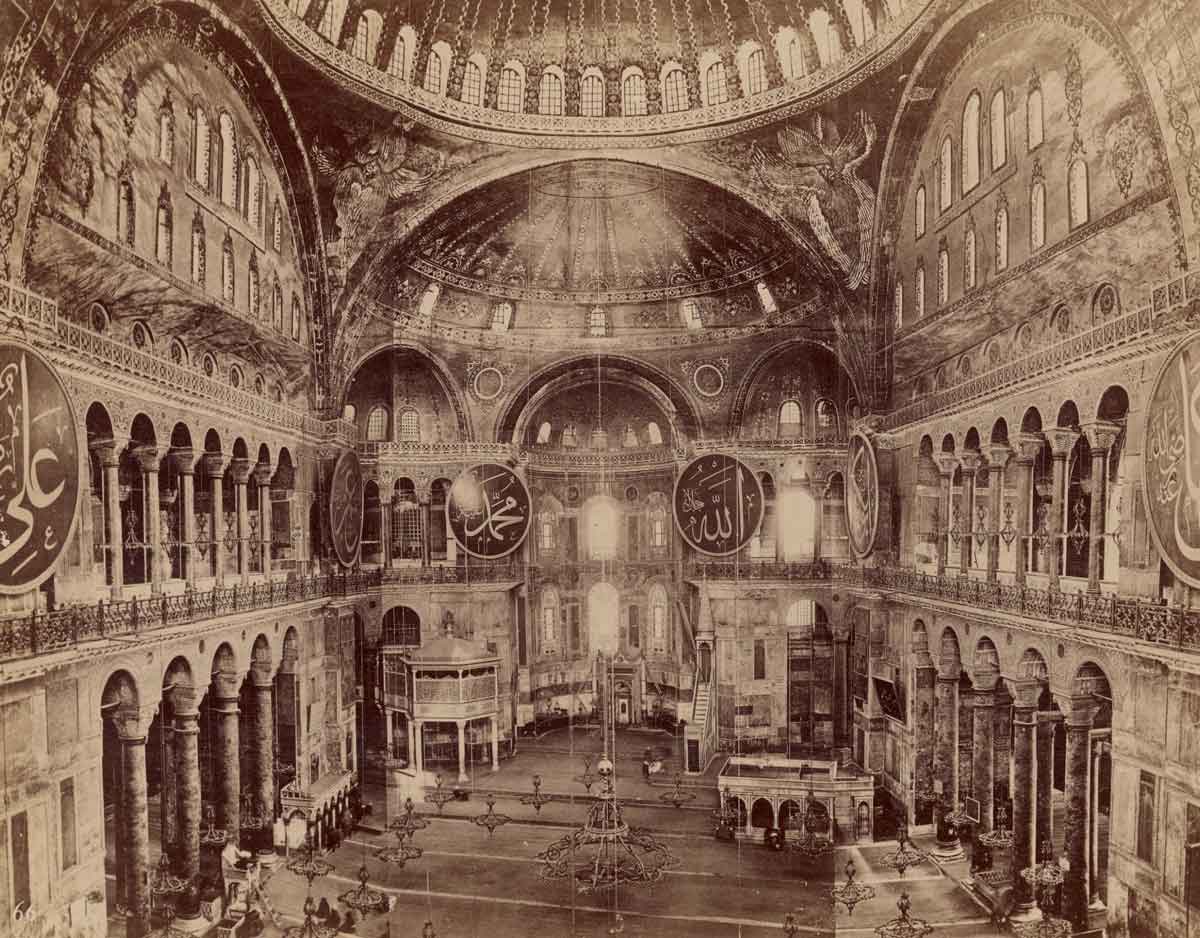
This saw a prayer niche installed in the apse to indicate the direction of Mecca for prayers. Minarets were added to aid in the call for prayer and give the structure a more Islamic character. Christian symbols, such as the altar and iconostasis, were removed. Many of the mosaics were originally left, as travelers as late as the 16th century reported seeing the mosaic of the Virgin Mary. However, they were gradually covered with plaster and lime, which had the effect of preserving the mosaics. They also saved the collapsing structure from falling over by adding external buttresses to brace the building. All this meant that while the Hagia Sophia was transformed, it was also preserved in a recognizable form.
The Secular Era and the UNESCO Status
When Turkey gained independence in the early 20th century, Constantinople, now Istanbul, became the capital of a majority-Muslim but secular state, leading to a further repositioning of the Hagia Sophia on the international stage.
Ataturk and the Birth of the Hagia Sophia Museum
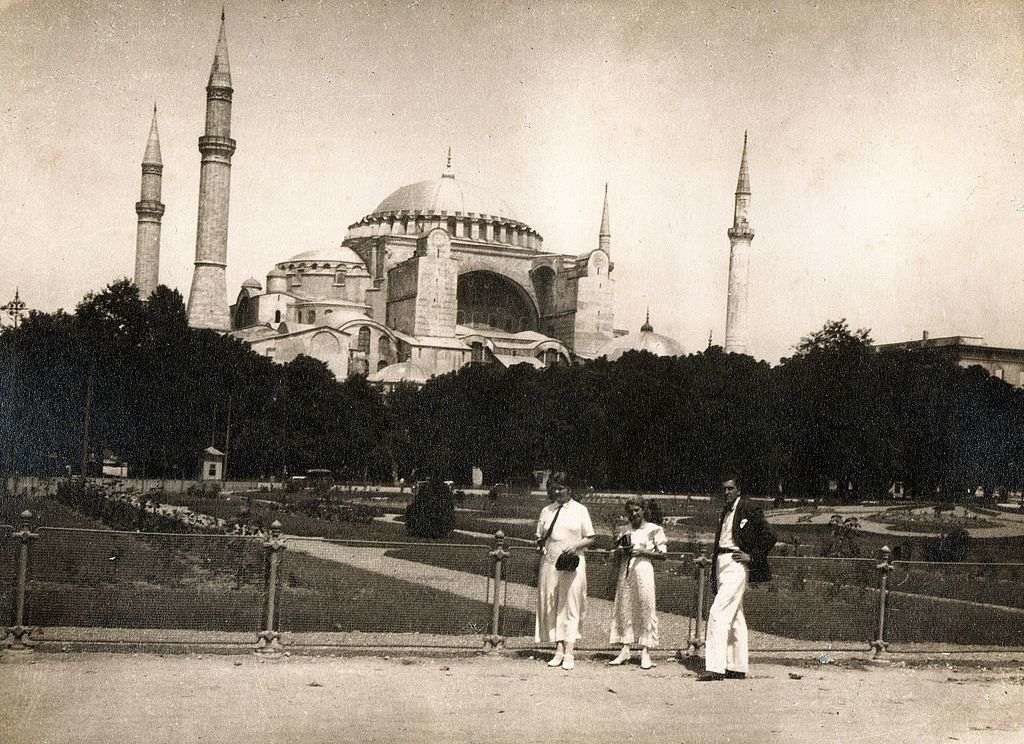
When the Republic of Turkey was founded in 1923, Mustafa Kemal Atatürk implemented a secular government based on the French system, officially removing Islam as the state religion in 1928. As an extension of this policy, in 1934, Atatürk declared that the Hagia Sophia belonged to all of humanity and world history rather than a single religion, and it was converted into a museum.
The plaster coverings were removed to reveal the preserved Christian mosaics, which sat alongside the Islamic calligraphic disks that remained in place, creating a space that reflected pluralism. This was a strategic diplomatic move that showed the West that Turkey intended to be a modern, inclusive, and cooperative neighbor.
Balancing Universal Heritage with Modern Political Identity
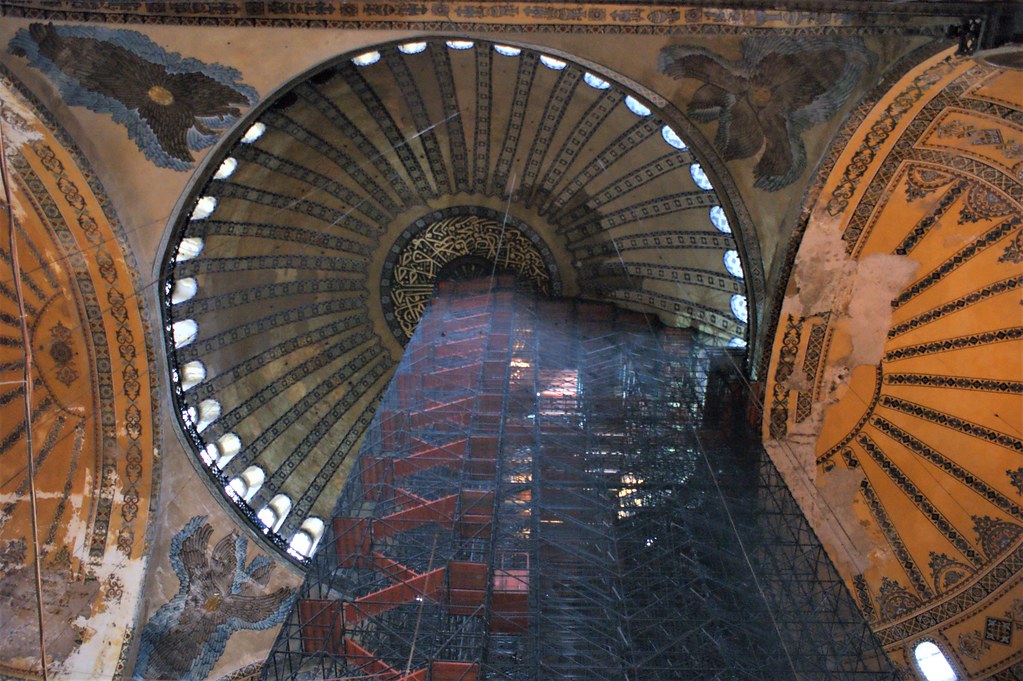
In 1985, the Hagia Sophia was declared a UNESCO World Heritage Site, recognizing its outstanding universal value that transcends national borders. This obliges the Turkish government to maintain the building while making as few changes as possible. It also expands the possibility for international teams to work on restoration projects.
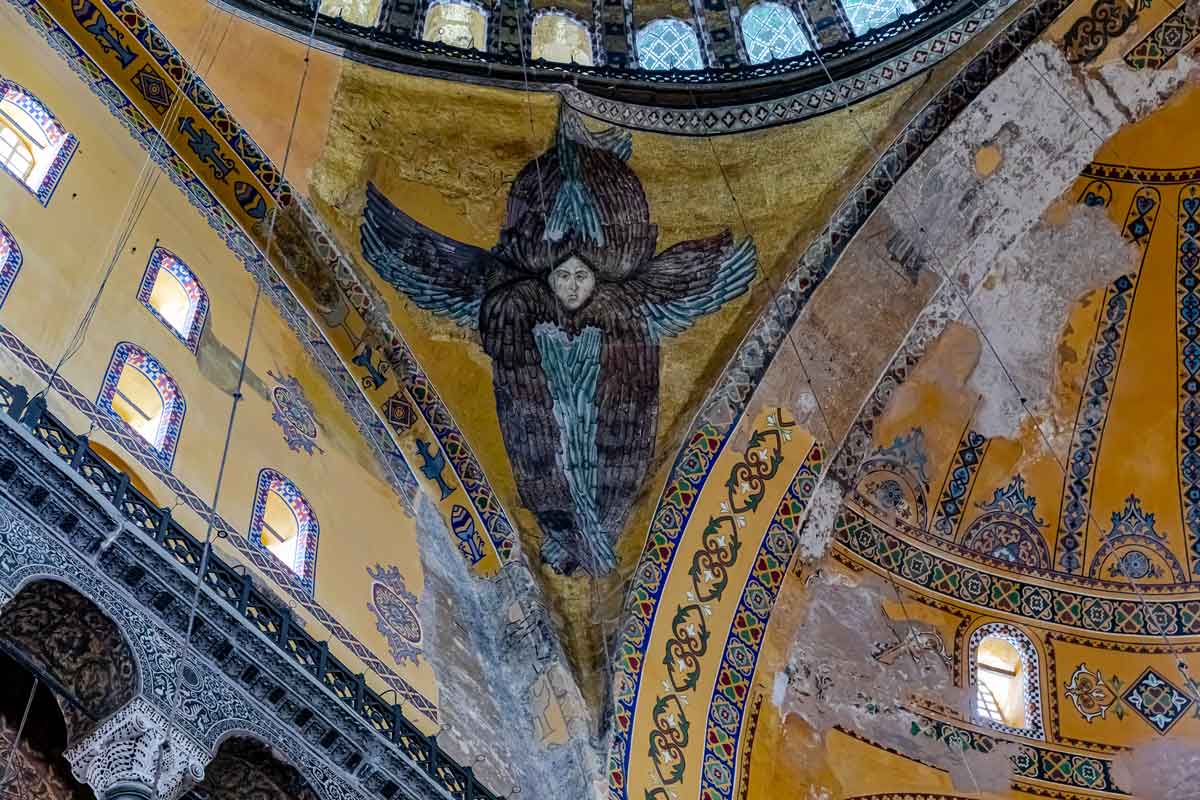
This resulted in a major dome stabilization project that ran from 1993 to 2010, which is why most modern photos of the Hagia Sophia contain scaffolding. There have also been projects to restore and preserve the original mosaics. This saw the faces of one of the six-winged angels, called a Seraphim, in 2009. The 19th-century calligraphy disks have also been meticulously cleaned.
Why the Hagia Sophia Remains a Global Flashpoint
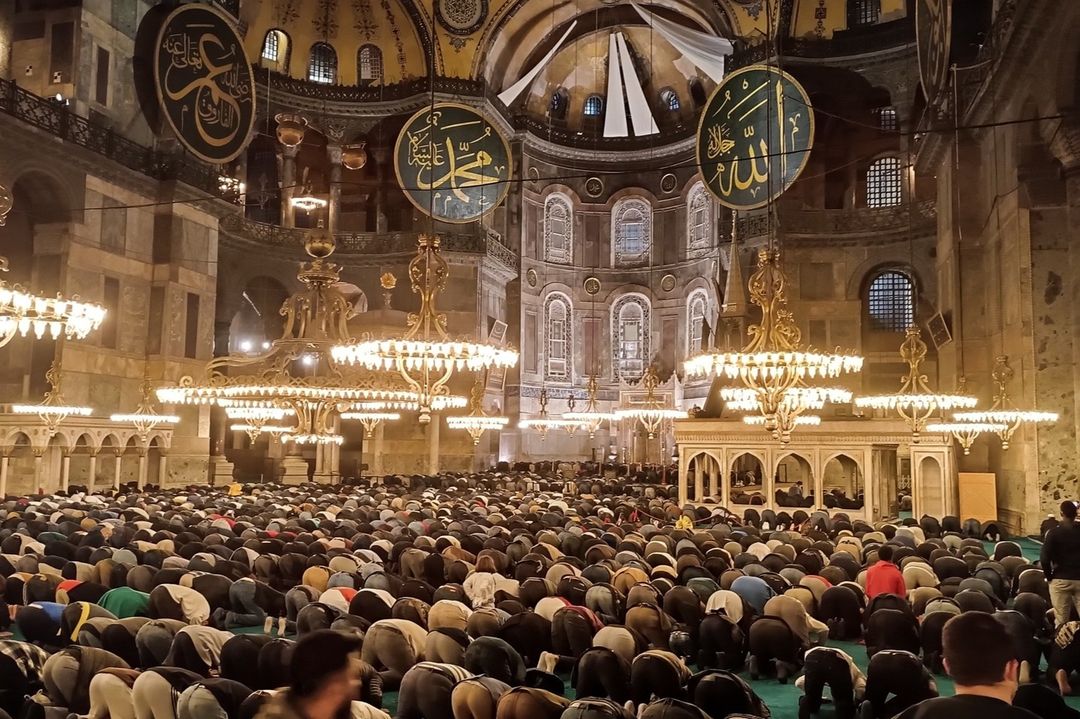
But the Hagia Sophia’s history of transformation continues. In July 2020, a Turkish court annulled the 1934 decree that made the Hagia Sophia a museum, stating that in 1453, Sultan Mehmed II established the Hagia Sophia as a mosque until the end of time. The ruling also emphasized that Turkey has the sovereign right to determine the status of its own monuments.
Subsequently, the Hagia Sophia is again an active mosque. Still obliged to maintain the building, this has seen automated curtains installed to cover the Christian mosaics. They are closed during daily Islamic prayers and are uncovered for tourists who visit at other times.
Interestingly, while the Hagia Sophia has always been a major driver of Turkish tourism, the number of annual visitors has almost doubled since 2020, to almost seven million per year, as there are no longer fees for worshippers. The transition is clearly welcomed by many, but the move has also been criticized as undermining the spirit of universal importance and shared history that the UNESCO listing embodies. There are also significant concerns about wear and tear of the building, with as many as 50,000 worshippers visiting each day. The Turkish government is actively spending on conservation measures.
While the future of the Hagia Sophia remains uncertain, what is clear is that it continues to be an important palimpsest that reflects the complex history of a part of the world where East meets West.