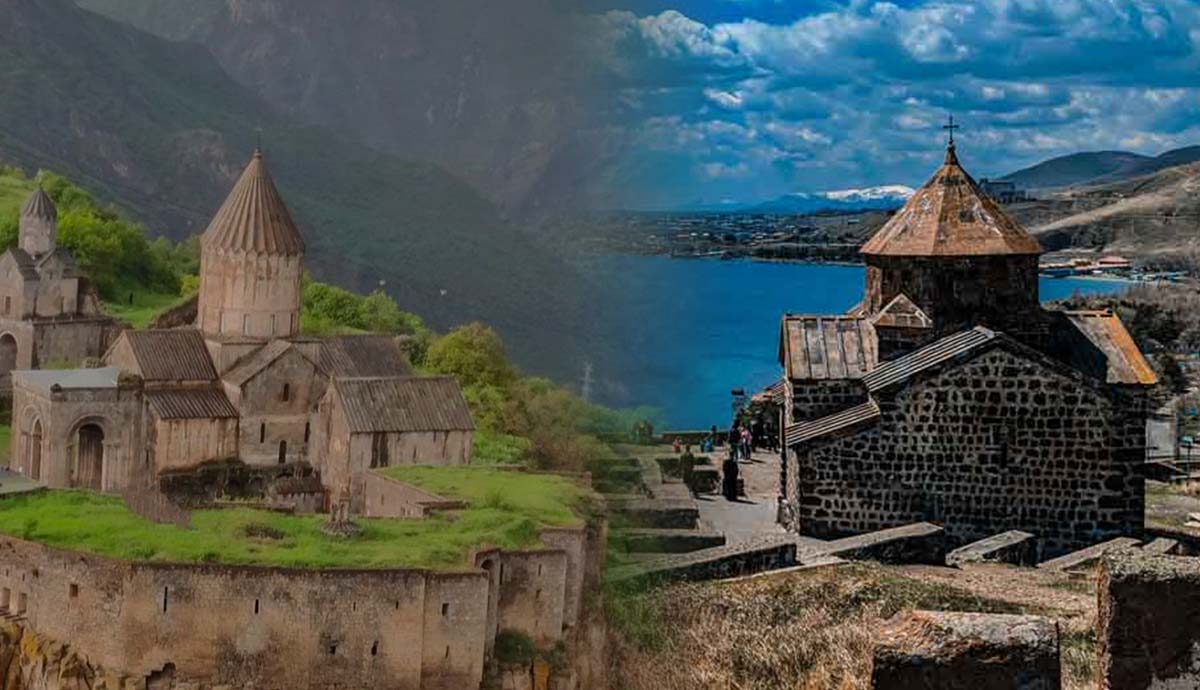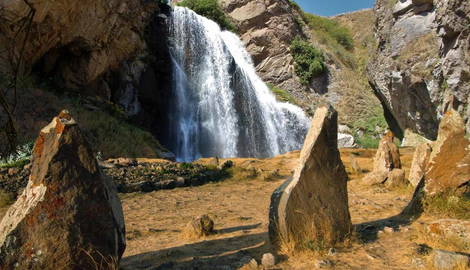
High in Armenia’s Shirak Province is Hartashen, a village seemingly forgotten by time. The town is surrounded by jagged ridges and sweeping horizons, and just beyond it is an avenue of megaliths, a prehistoric monument almost entirely unknown outside the region. The stones have been standing here, in neat rows, for 3,000-4,000 years, although who hauled them here, and for what purposes, remains a mystery. While fans of archaeology will cherish visiting Hartashen, the stunning scenery is also gorgeous enough to lure nature lovers and explorers alike.
About the Highlands of Shirak
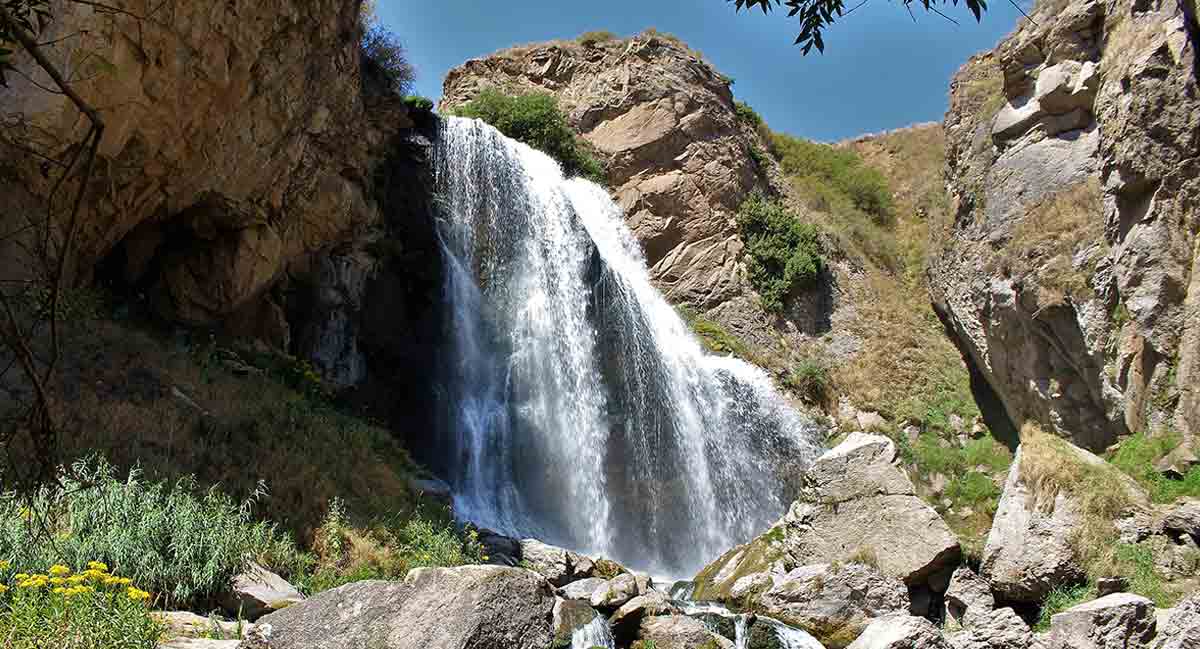
Shirak is a land of open plains and volcanic uplands, where horizons stretch for miles. The megaliths sit on one of these ridges, just a short walk from Hartashen, past farming fields and grazing animals. At about 6,900 feet (2,100 m) above sea level, the air is crisp and clean, and the horizons wide. The setting is a massive part of what makes a visit so rewarding. While much is said and lauded of Georgia‘s highlights, Armenia’s gems, especially its monasteries, tend to fly well below the tourist radar. Yet the appeal is the same: expansive open views, few tourists, a fascinating history, and a sense that little has changed over millennia.
To delve deeper into the culture of Shirak, you can easily couple a visit to the megaliths with a stop at Gyumri, Armenia’s second city, or the nearby town of Artik with its historic churches built from dark tuff stone. These will give you a much broader overview of what this province and its people are all about.
Armenia’s Avenue of Stones
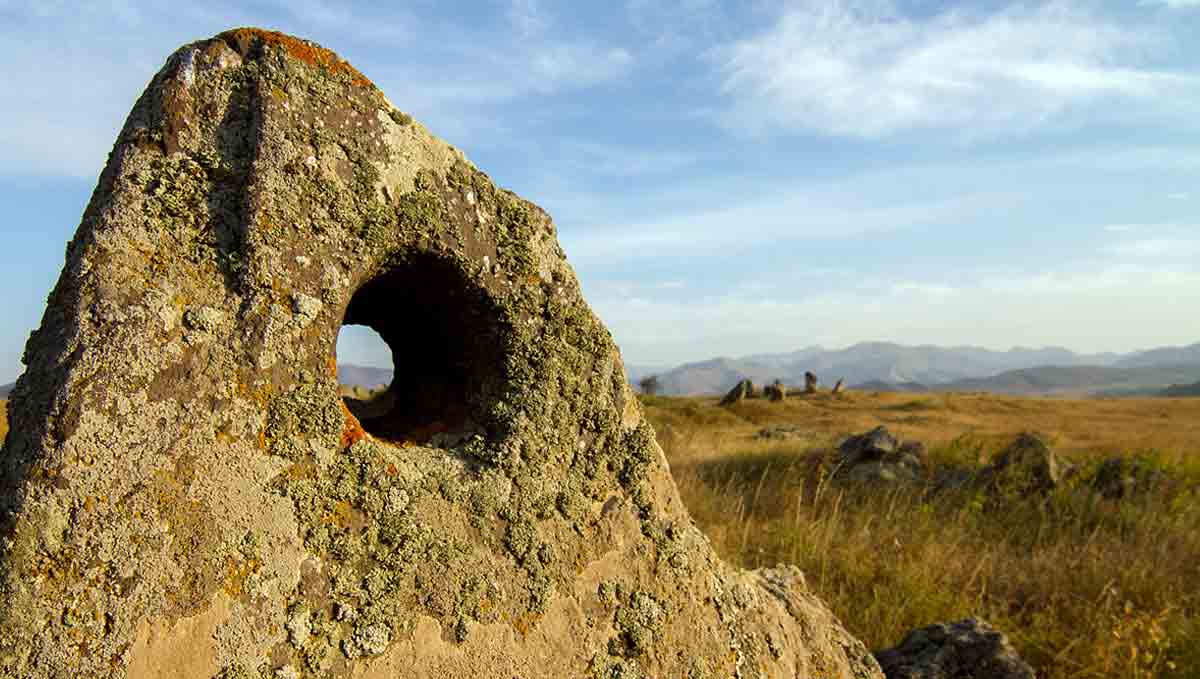
The megaliths rise from the horizons and form three somewhat uneven rows of basalt, angled with surprising precision. Some stand upright to this day, while others have toppled or are threatening to. The erosion up here, over time, must have been considerable. Yet there’s no denying the stones mark a path…to somewhere.
Some experts suggest that they were aligned with the sun or stars (isn’t that the usual default answer?) while others believe they marked ceremonies or burial sites. The deliberate placement is unmistakable, yet the lack of information (including any kind of trail or info boards) makes the whole site all the more enigmatic.
Who Built Them and What Were Their Beliefs?
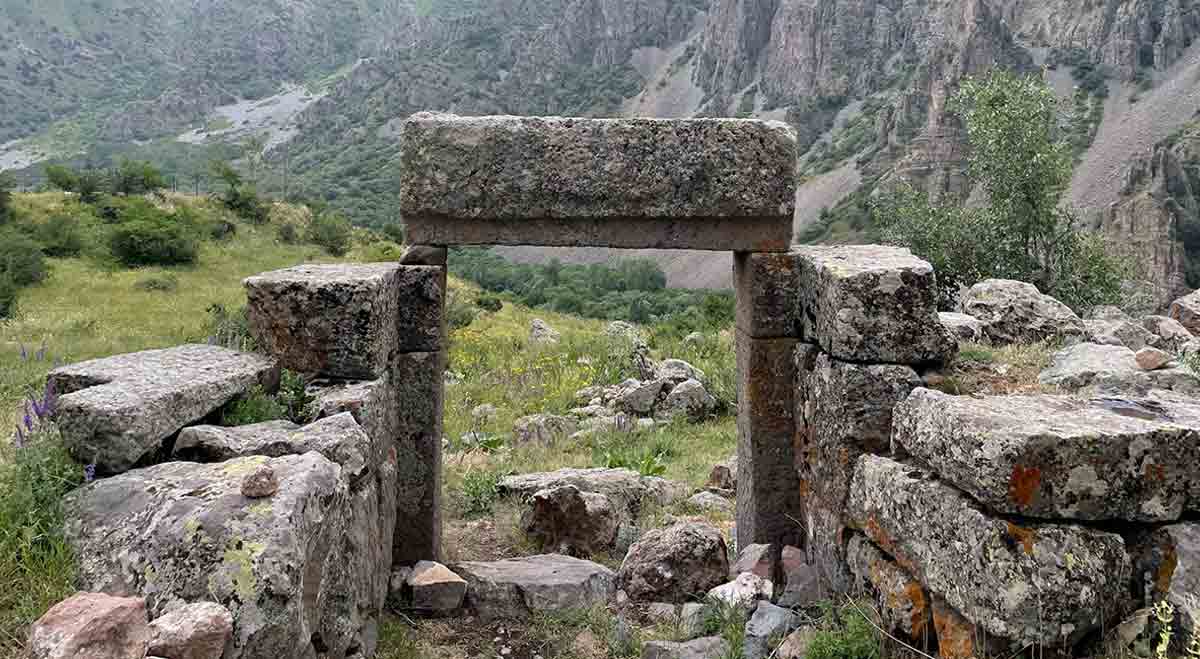
The Hartashen megalithic stones have been dated back to the Bronze Age, around 2000 to 1500 BCE. From what is known of Armenia’s highland communities back then, people were industrious and ingenious, building fortresses, carving petroglyphs, and shaping landscapes for ritualistic purposes.
It would have taken much effort and planning to move the enormous basalt blocks seen at Hartashen, so it is likely that teams were organized to haul the stones uphill on wooden sledges, then set them upright using ropes and levers. Some experts have suggested their orientation points to the solstices, perhaps hinting at an interest in astronomy. Others see them as more likely linked to spiritual worship instead. Whatever the case, they certainly reveal both determination and imagination among people intent on reshaping their environment thousands of years ago.
There’s something quite beautiful about admiring a megalithic stone knowing it was placed there for some reason, but not knowing what that is.
What Was Daily Life Like in Bronze Age Armenia?
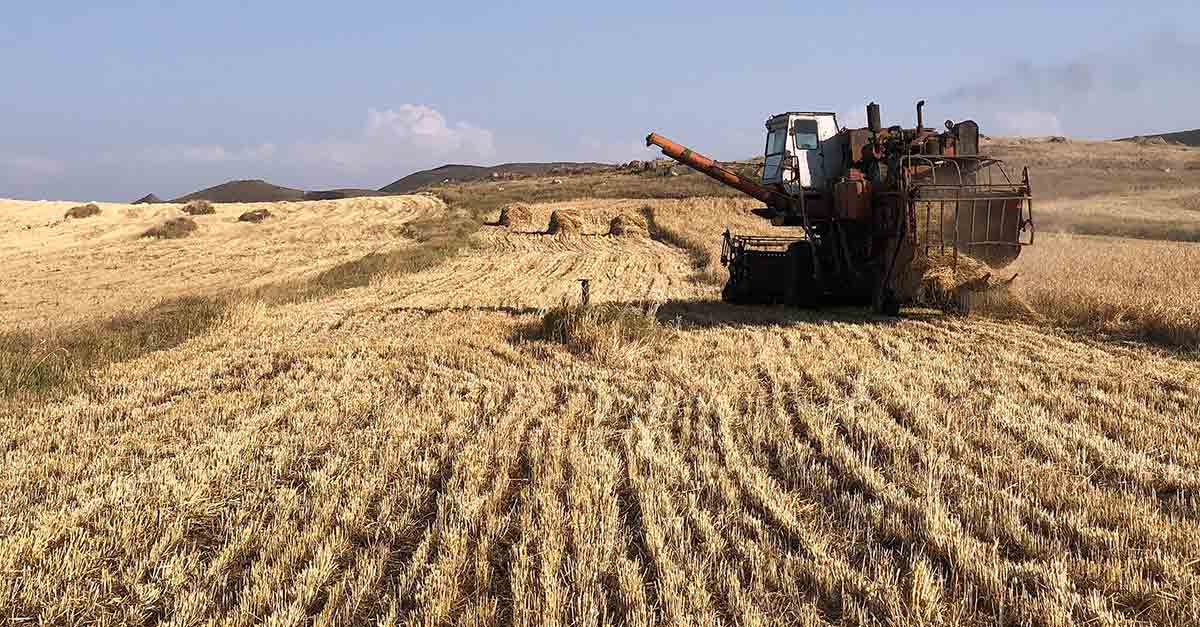
To better understand the Hartashen megaliths, it may be helpful to picture the people who built them. Communities at the time were involved in farming and herding, living in stone houses or some kind of temporary shelters scattered across the highlands. They grew barley and wheat, kept sheep and goats, and followed the flow of the seasons much as people did almost everywhere on Earth. Summer meant shepherding animals up mountain pastures, while winter pushed families and their animals down into the warmer and more sheltered valleys. Meals were relatively simple but sustaining, with dairy products, bread, and meat being the main staples. Evidence has shown all these were preserved in the summer for sustenance in the leaner winter months.
The seasonal cycles of life were believed to have been marked by ritualistic gatherings, so Hartashen was likely a place where families came together to mark time, honor ancestors, or watch the sunrise at key points of the year.
Archaeological Mysteries
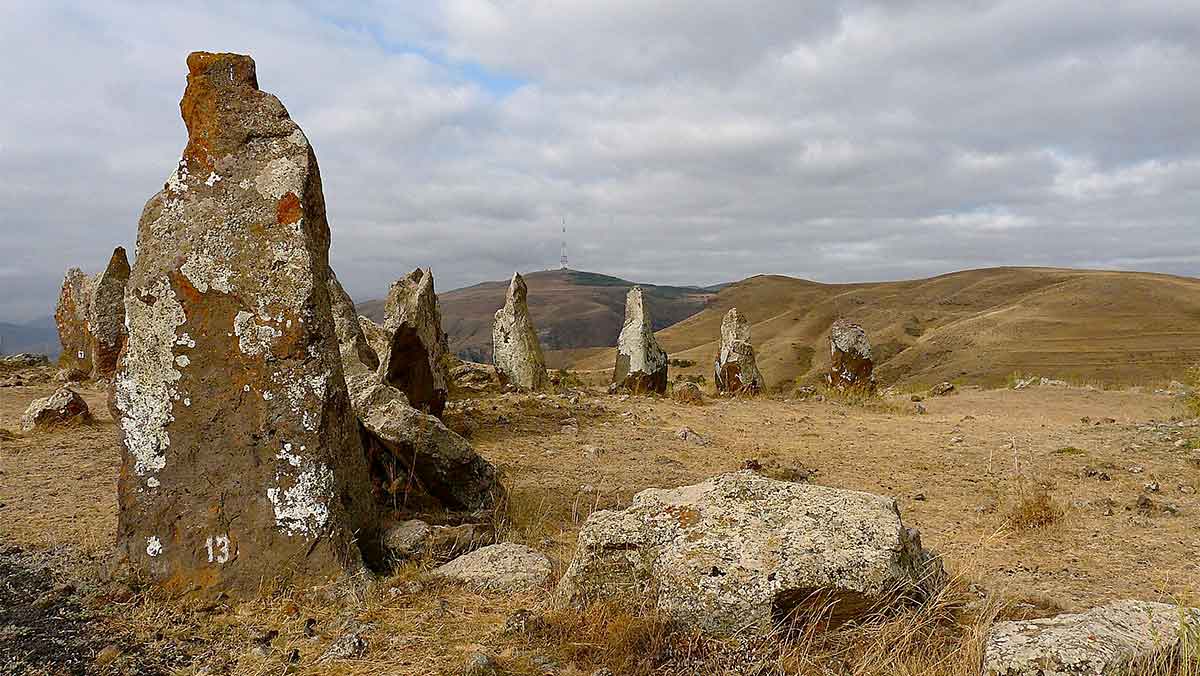
Compared to European or even Pre-Columbian megalithic sites, Hartashen remains lightly studied. Unlike monuments such as Stonehenge, the site here has never been reconstructed or heavily excavated, so what you see is raw, original, and still an open riddle. During the Soviet Era, archaeological studies primarily focused on larger and more prominent fortresses and urban remains, leaving smaller ritual landscapes in the empire’s forgotten corners far less explored.
Even today, if you don’t ask a local to at least point you in the right direction, you could easily miss the ridge since there are no marked paths or info panels. Although this is definitely part of the charm (with some intrepid foreign hikers literally stumbling upon the site accidentally), arranging an informative guide from nearby Gyumri can really enrich your experience.
Luckily, Hartashen is not the only megalithic site in Armenia, and comparisons to other sites can help shed light on the stones’ purpose.
On the southern end of Armenia lies Zorats Karer, a much more prominent megalithic site, where rows of upright stones pierce the sky. Higher in the mountains are the Ughtasar petroglyphs, where images of hunters, animals, and abstract motifs were carved into rock at over 10,000 feet (3,000 m) in altitude. Together, they can easily be seen to create a prehistoric landscape where art, ritual, and astronomy intersected, although exactly why is still anyone’s guess.
While the lack of tourist infrastructure at Hartashen can be a bit disheartening, it is actually a bonus for intrepid explorers. The experience of walking among these sites today is closer to what early travelers must have felt when they stumbled upon ancient stones without guidebooks or crowds.
Decline and Preservation
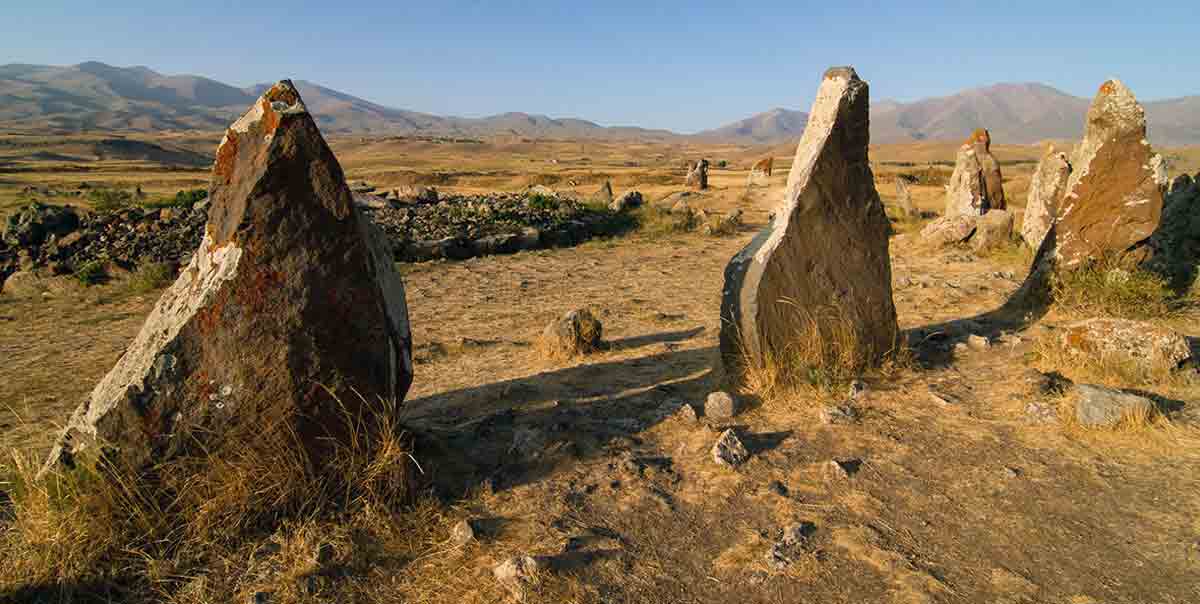
Like most ancient monuments, the megaliths of Hartashen have weathered centuries of exposure and the impact of grazing animals, and it shows. Ancient stones in other parts of Armenia have been taken for roadwork or building projects, but Hartashen’s relative obscurity has so far spared it. Locals take pride in showing visitors the way, and Armenian heritage groups have called for more protection. For now, the site remains open, and you are free to walk among the stones as long as you tread carefully.
Travel to Hartashen
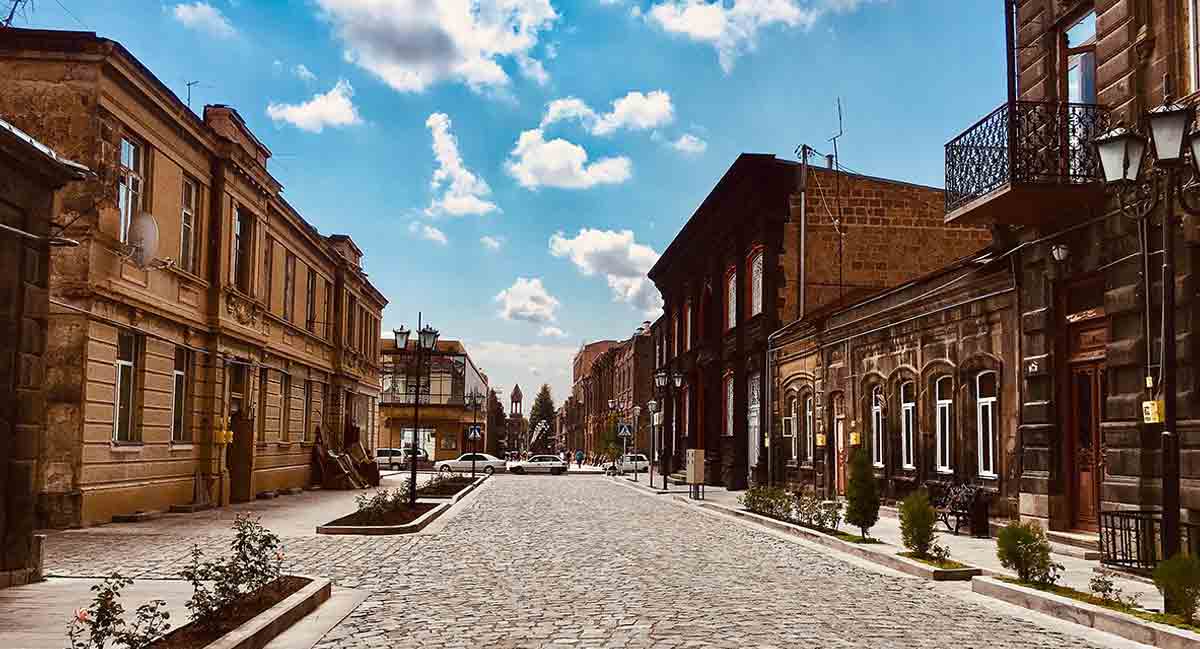
Reaching Hartashen is relatively straightforward once you reach Gyumri. A drive of under an hour brings you to the village, and from there a short walk leads up to the ridge. Up here, there is no ideal time to visit, as each season delivers its own bit of magic. Spring brings wildflowers and lingering snow, summer fills the valleys with color, autumn glows golden and red, and winter wraps the ridge in an eerie, white silence.