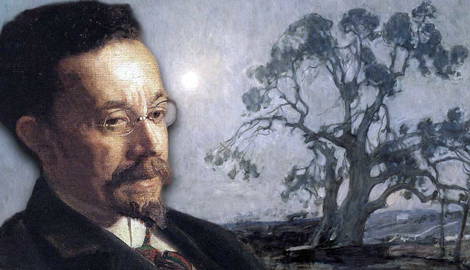

Henry Ossawa Tanner, the son of prominent abolitionists and vocal equal rights advocates, was one of the most influential American artists and the first African American painter to gain worldwide recognition. Still, his life in his native Philadelphia was full of racial prejudice and discrimination. As a painter, Tanner was known for his religious scenes, inspired by his father’s Christian upbringing. Read on to learn more about Henry Ossawa Tanner, his life, and his art.
1. Henry Ossawa Tanner Grew Up in a Politically Active Family
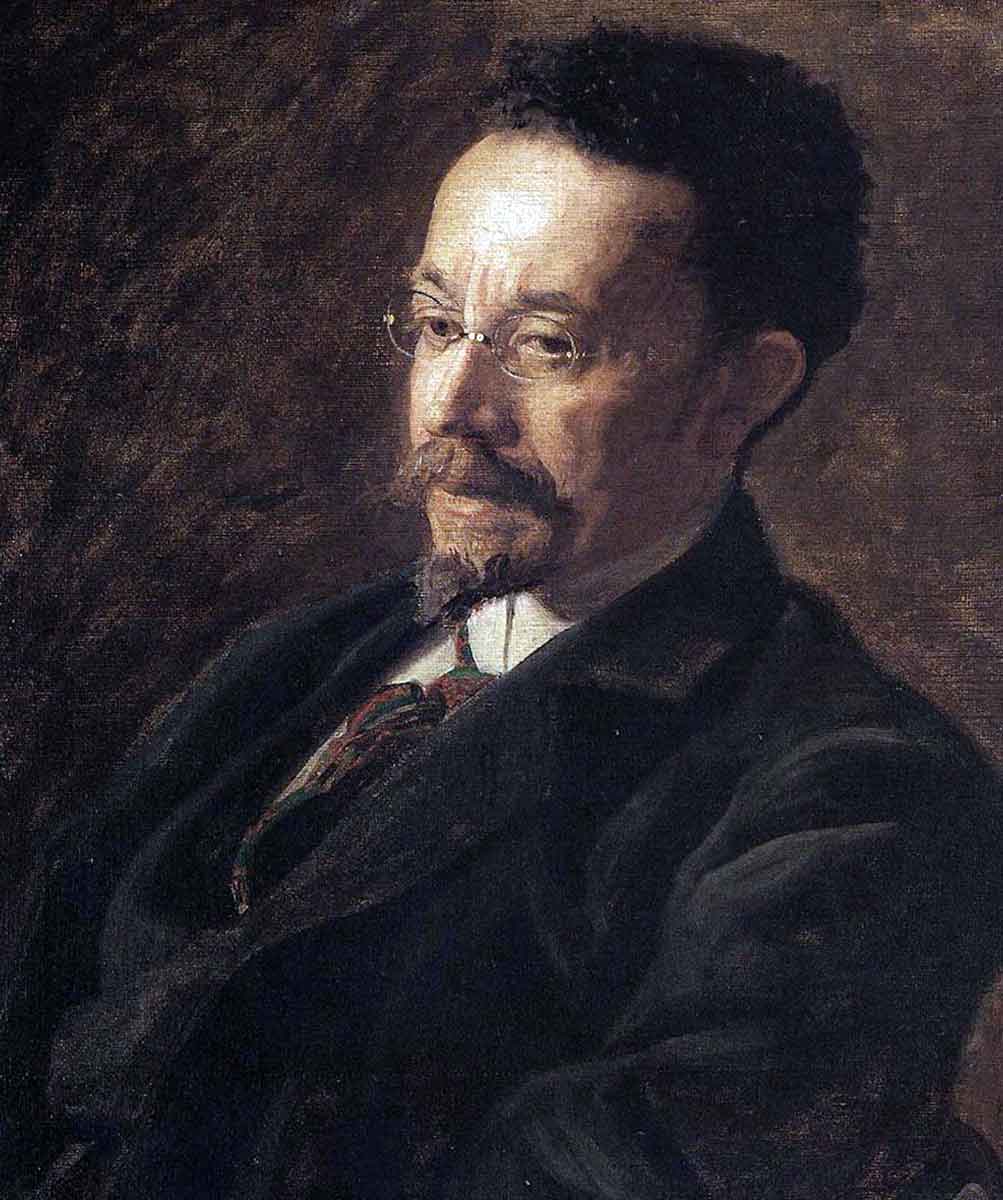
Henry Ossawa Tanner was born in 1859 in Pennsylvania in a rather unconventional family with a complex and remarkable history. One of the earliest public records concerning his father, Bishop Benjamin Tucker Tanner, was the court record of a lawsuit he initiated against a white man who assaulted him for refusing to move into a designated space for Black citizens during a public lecture. Benjamin Tanner received a college education and worked as a barber before becoming a pastor and a vocal abolitionist.
The artist’s mother Sarah Elizabeth Tanner was born to an enslaved mother who managed to free her children by contacting the Underground Railroad agents and leaving them to the Pennsylvania Abolitionist Society members. After marrying Benjamin Tanner, she became a homemaker, a missionary, and a church school teacher. By all accounts, the Tanner family had a tender and loving relationship and managed to raise seven children.
2. He Was Named After a Famous Abolitionist
Henry Ossawa Tanner was the oldest of all the Tanner siblings. His middle name Ossawa was a tribute to the famous abolitionist John Brown of Osawatomie, one of the first white anti-slavery activists to adopt militant methods of resistance. Brown helped countless enslaved men and women escape into safety and was executed for attempting to arm a large group of slaves and incite a revolt. Tanner’s understanding of his own racial identity, the biases, and the cultural contexts were formed by his parents’ activism and experience. Surprisingly, raised surrounded by stories about social injustice, struggle, and resistance, Tanner did not inherit a militant temperament and confrontational spirit. He was timid and shy, deeply upset by every racially-biased disturbance he had to endure.
3. He Studied at the Most Progressive Art School
The Tanner family encouraged their children to obtain quality education to their liking regardless of their gender. For instance, Henry Ossawa Tanner’s sister Halle Tanner Dillon Johnson studied in a medical college and became the first woman to be a licensed physician in Alabama. In Henry’s case, his interest in art revealed itself quite early and was equally supported by his family and his father’s friends. Robert Douglass Jr., an artist and a member of the Douglass abolitionist family, was one of Tanner’s earliest creative influences. For a while, he taught himself to paint at home, as no practicing painter wanted to take a Black student as an apprentice. After a while, he was accepted into the Pennsylvania Academy of Fine Arts where he was the only student of color.
Overwhelmed by the experience of racism and the obstacles on his way to a proper career, Henry Ossawa Tanner saved money to move to Europe. Initially, he was heading to Rome, but after a layover in Paris he became so impressed by the city that he decided to stay. There, he enrolled in the Academie Julian, the most prestigious and progressive private school of the time. Unlike traditional conservative institutions, Academie Julian welcomed foreigners and accepted women, fostering a climate of creative freedom and experimentation. Apart from Tanner, notable alumni include John Singer Sargent, Marcel Duchamp, Henri Matisse, and many others.
4. He Subverted Racial Stereotypes Through His Art
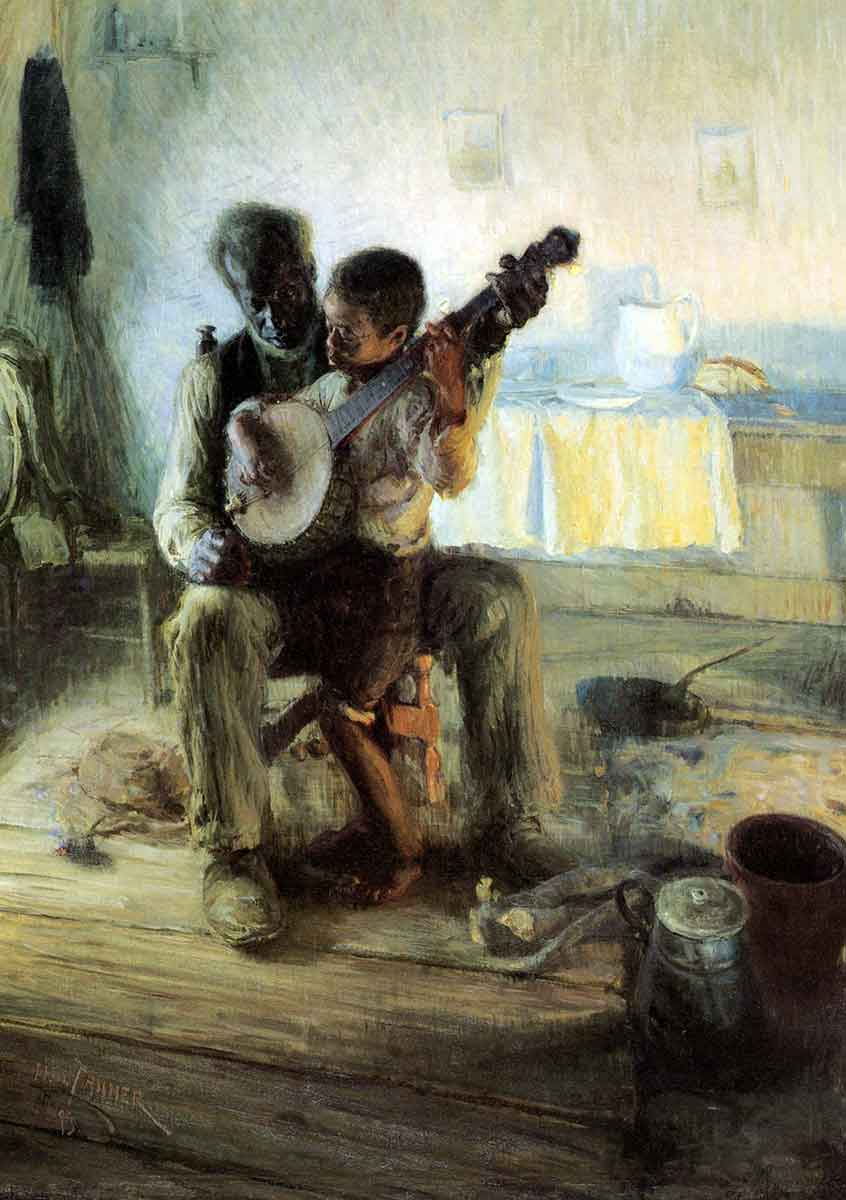
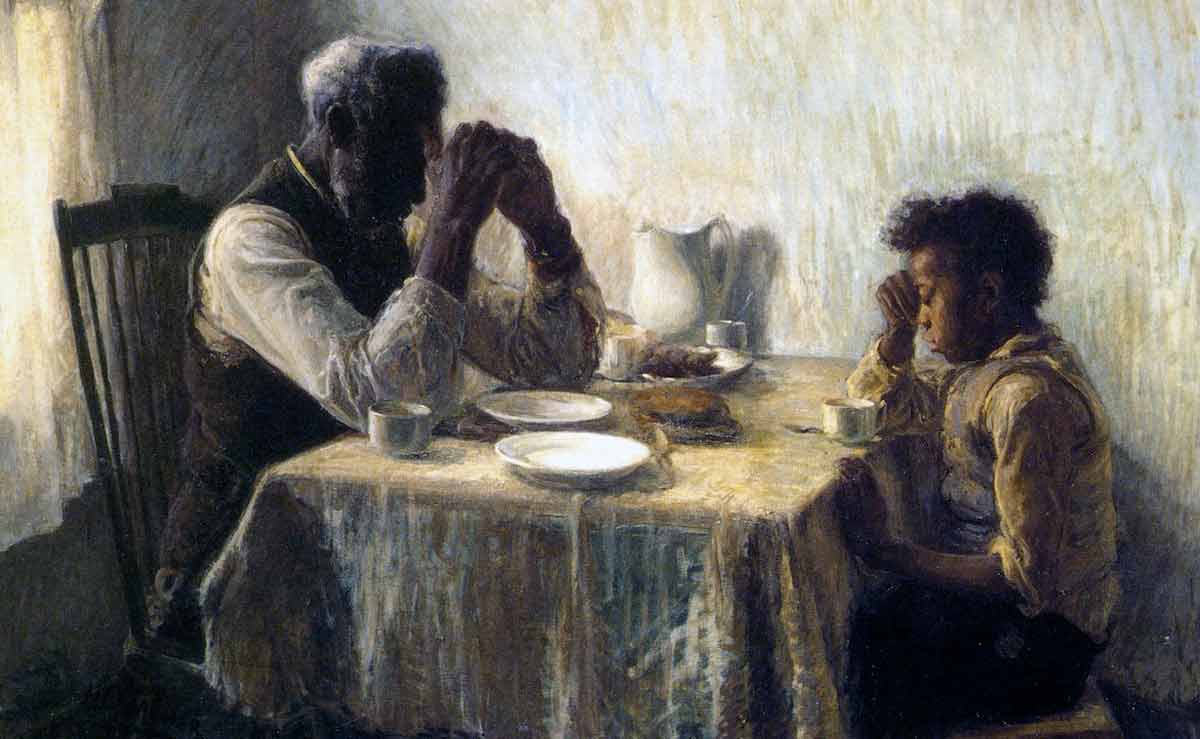
One of the most significant innovations in Tanner’s work was his treatment of African American characters and the narratives surrounding them. In the majority of artworks of his era, dark-skinned figures were depicted as exotic curiosities, servants to privileged white figures, or as ridiculous caricatures. As an African American artist who managed to make his voice heard, Tanner presented heartwarming images of family love and tenderness accompanied by scenes showing poverty and struggle. The compassion, empathy, and love conveyed by Tanner through the paintings instantly devalued all racial prejudices.
5. He Became Famous in Paris
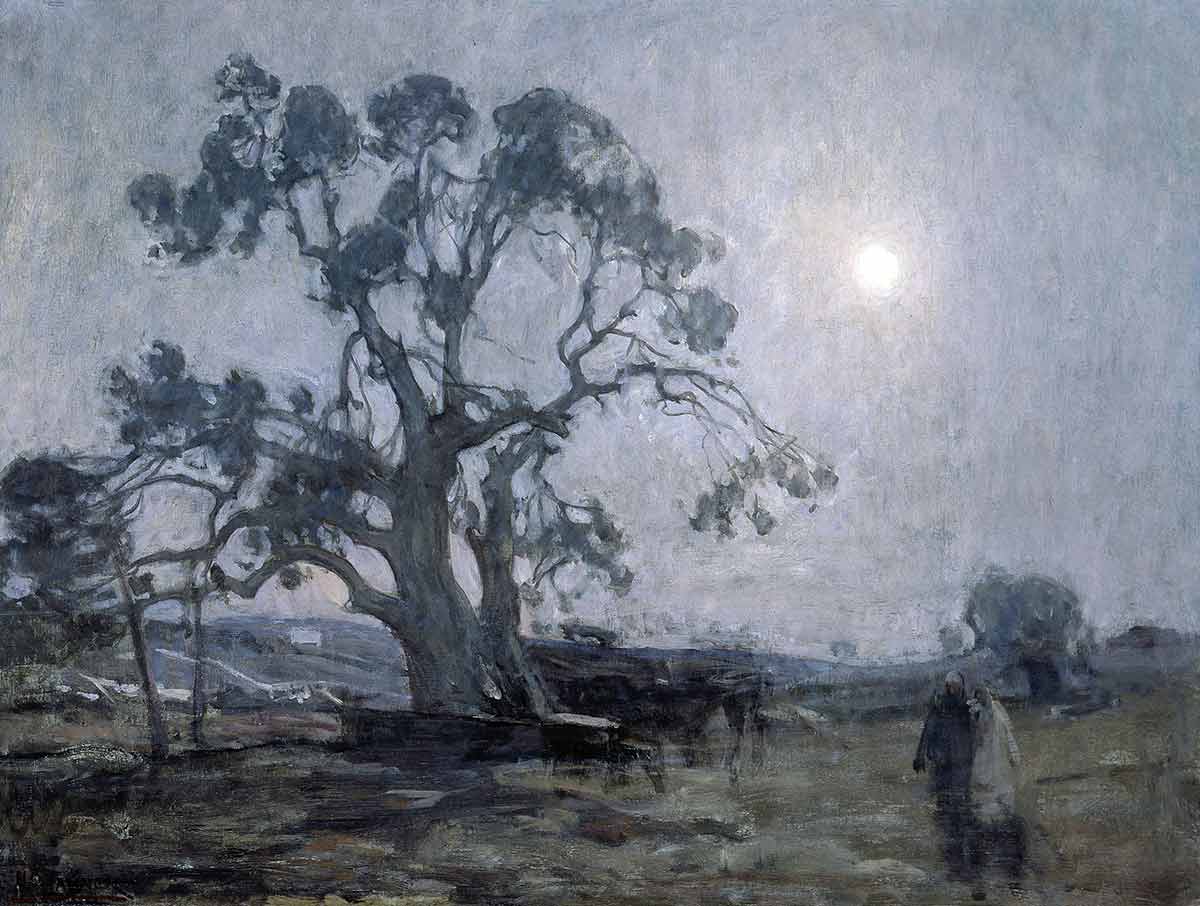
With a twist of bitter irony, as a distinctively American artist, Henry Ossawa Tanner had to leave his home and move overseas to be truly appreciated as a painter. In Paris, he was not forced to take racially designated places and was welcome in artists’ colonies, art shows, and studios. Although his race was specified in publications and exhibitions, Tanner was valued primarily as a painter, and not as a creative curiosity among his race. His paintings were accepted to the prestigious Salon, and his skilled use of color and composition was noted in the press.
Tanner’s success in Europe led to his subsequent recognition at home. He was invited to write his own biographical entries for several publications on American art and African American artists. Still, in many American sources, he was labeled as an expatriate artist, transformed by his adopted French culture into a figure neither fully American nor entirely European. In Paris, he was influenced by Gustave Courbet and the Realists, as well as other significant art movements of his era.
6. Henry Ossawa Tanner Painted Biblical Scenes

Tanner’s focus on religious scenes upset some of his supporters who believed that an African American artist who managed to achieve success had an obligation to focus on subject matter related to his race. They believed Tanner had to compensate for the absence of other African American voices on the art scene. However, the artist’s expressive and aesthetic interests were clearly not limited to racial identity and political struggle. For Tanner, Christian upbringing and ideas were equally important elements of his identity and creativity.
7. He Traveled to the Middle East to Better Understand His Subject Matter
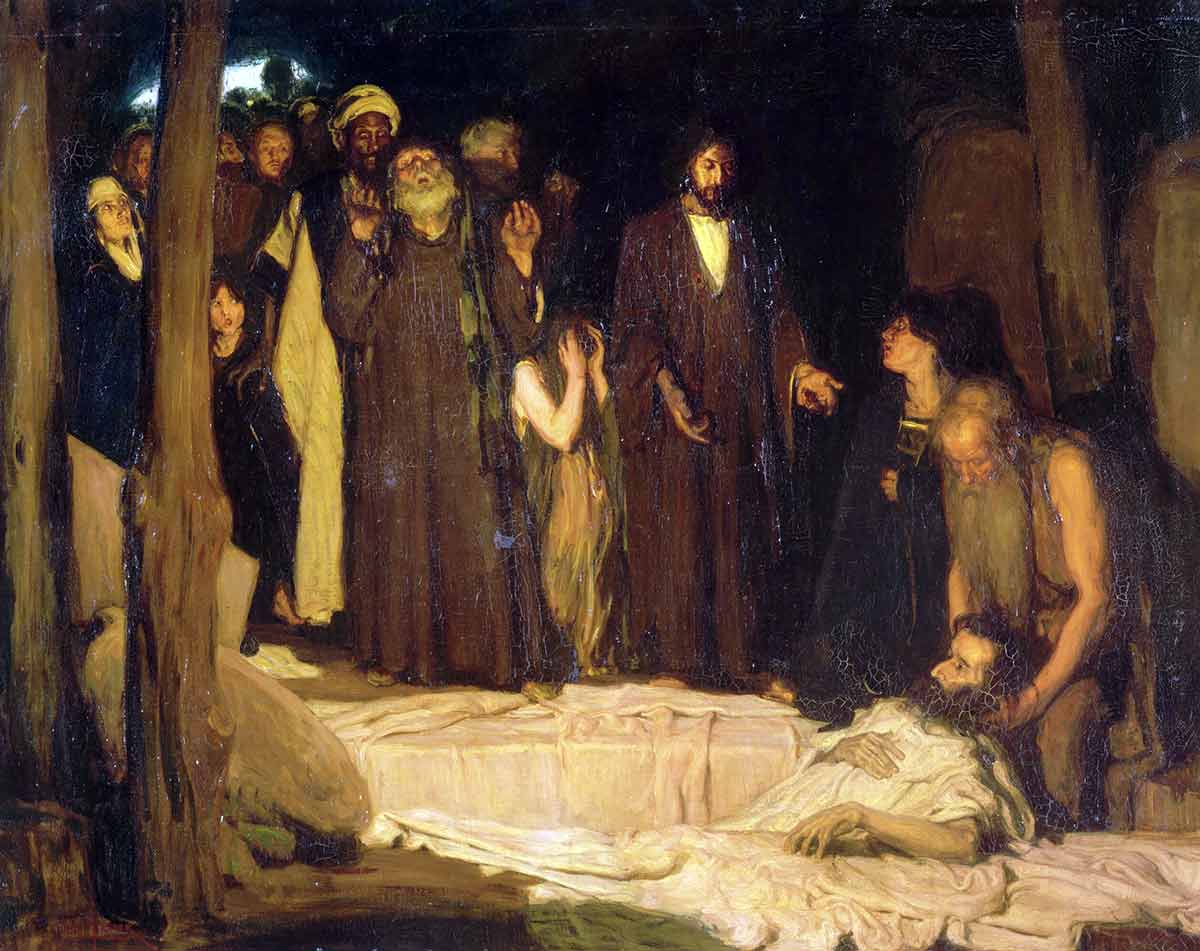
As a painter of Biblical scenes who spent most of his life in the West, Tanner lacked understanding of the places where the Biblical events unfolded. To understand the setting better, he extensively traveled through the Middle East and North Africa, traveling through Palestine with a tent to sleep in. Such experiences allowed him to study nature and the light in the places that were so crucial for his faith. Unlike many other artists of his era who traveled to the East, Tanner was much less taken by the exotic Orientalist aesthetic than by the light and color of the streets and natural scenes.
8. He Married a Swedish Opera Singer
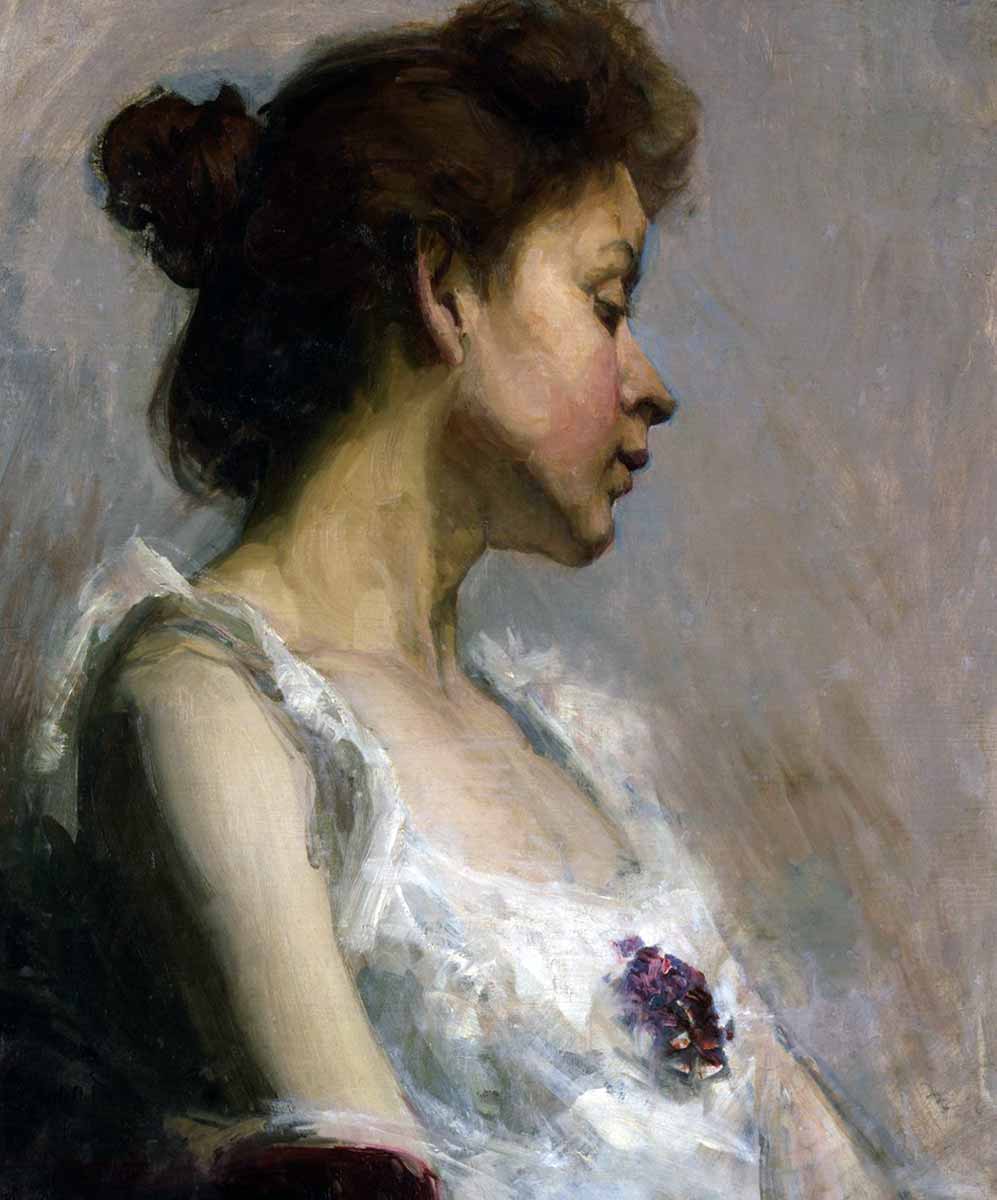
In 1898, Tanner met a Swedish-American opera singer Jessie Olsson while on a trip to Barbizon, the village famous for giving its name to an artistic school of landscape painters. The attraction was almost immediate and mutual, and just a year later, the couple was married. In Europe, the interracial nature of their marriage was of little concern to locals, while back home in the US, socialites and some of Olssen’s former friends were appalled by her decision to marry a Black man, even a talented one. Still, parents from both sides supported the union, which was a happy one. Jessie was proud of her husband’s career and frequently appeared as a model in his paintings.
9. Henry Ossawa Tanner Championed Other African American Artists
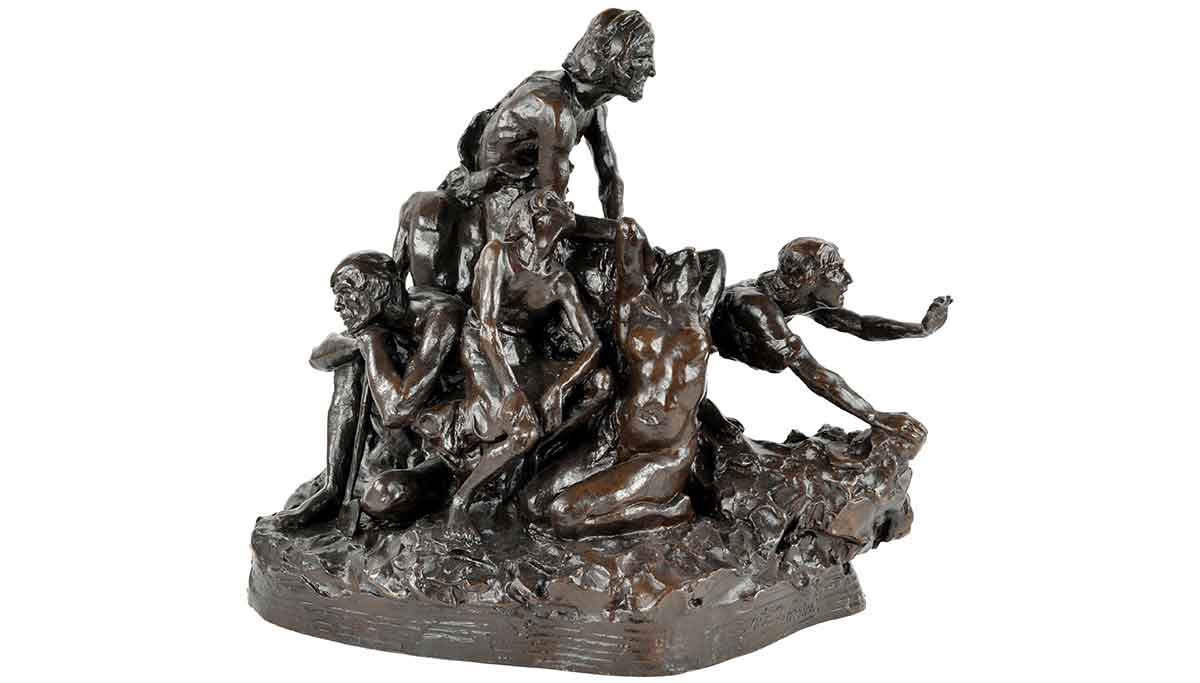
As an accomplished American artist in Europe, Henry Ossawa Tanner played an important role in helping other young African American artists settle in Paris. One of his most famous proteges was Meta Vaux Warrick Fuller, the aspiring sculptor and a niece of Tanner’s close friend. Fuller created Symbolist sculptures inspired by both horror stories she loved as a child and the daily experiences of African Americans. Despite coming from an affluent family, she was familiar with the struggles and dangers her generation faced, including the lynchings and the debilitating labor.
Tanner was appalled to learn that the American Women’s Club, who previously promised to accommodate Fuller, rejected her upon arrival because she was Black. He arranged for accommodation at his own expense and introduced Fuller to the local artistic community. One of the famous artists who supported Fuller and helped her achieve success was Auguste Rodin, who admired her work and promoted it among art collectors.