
Installation art became prominent in the 1970s with the development of conceptual art. It is a relatively new artistic medium that is nonetheless currently one of the most popular ones. It challenged traditional museum formats by turning entire spaces into artistic experiences and directly intruding into the viewers’ personal space. Read on to learn six facts about the confronting and transforming power of installation art.
1. Installation is Situation

Instead of showing the viewers a slice of life or artistic fantasy through a limited space of a picture frame, installation art models situations and physical contexts that could be either relatable to the viewer or completely unfamiliar to them. Installations transform museum spaces and shape viewers’ perception directly, with little to no need for mediation from curators.

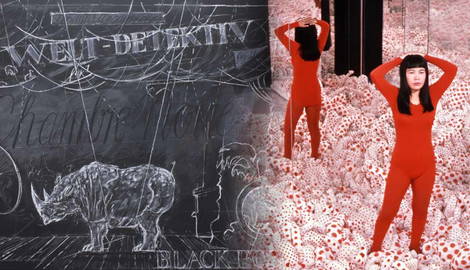
The direct confrontational impact of installation art presented a challenge to museums in the early years of the medium’s existence. At first, they were not ready for the transformed boundaries between art and its viewers, as well as the interactivity that many installations implied. Some installation artists directly questioned the authority of museums by creating works that dissected the curatorial processes. One of the most outstanding yet unfairly ignored artists who worked with the installation and the concept of museums was Belgian conceptual artist Marcel Broodthaers. His installation Museum of Modern Art, Department of Eagles both reconstructed and questioned the logic behind museum displays, collection arrangements, and the conceptual apparatus of the museum industry.
2. Installation and Environment Art Are Not the Same

Art terms, at times, can be confusing, and that confusion applies to installation as well. One of the most liberally applied terms, which is mistaken for installation, is environment. Although today this term is used a lot less than before, it was originally coined by Allan Kaprow, the artist credited for “inventing” the format of installation. While writing about environments created by the paintings of Jackson Pollock, Kaprow referred to them as creations that completely immersed the viewer, creating all-encompassing spaces of total works of art. The most famous case of environments is the Infinity Rooms of Yayoi Kusama. While all environments qualify as installations, not all installations are environments. While installations transform the existing space, environments create a space of their own, completely modeling viewers’ perception within these spaces.

As a three-dimensional medium, installation art sometimes gets confused with sculpture. Sculpture is a carved, molded, or otherwise modeled fragment of material that exists either in one piece or in a uniform sculptural group. Sculptures present the unity of material, technique, and overall impression. Installations, however, usually incorporate numerous materials and creative methods, and can rely on sensory, olfactory, and sound impressions as well as the visual ones.
3. Installation Questions the Limits of Art

Installation art is not contained by the limits of a painting frame, a sculpted pedestal, or a glass vitrine. It confronts the viewer directly, intruding into their physical reality and personal space. The viewer cannot remain detached or emotionally absent, as the narrative is unfolding in their immediate presence, demanding action and response. Some installations are interactive and leave their audiences certain freedom to engage and express themselves. For instance, the environmental installations by Olafur Eliasson explore the viewers’ emotional and physical responses by exposing them to natural elements, recreated within exhibition spaces. Given most installations’ complexity, they often require viewers to move around them, exploring and discovering new aspects.
4. Not All Artists Make Their Own Installations

Although some artists have enough skills and materials to produce or manage their installations using their own hands, many of them use the help of assistants or even hire construction crews. Today, there are businesses that work with artists who need to manufacture, install, and uninstall installations. Such work begins with a concept presented by the artist. The design and construction teams come up with the technical realization of the artistic idea and make sure that the result has the effect intended by the artist.
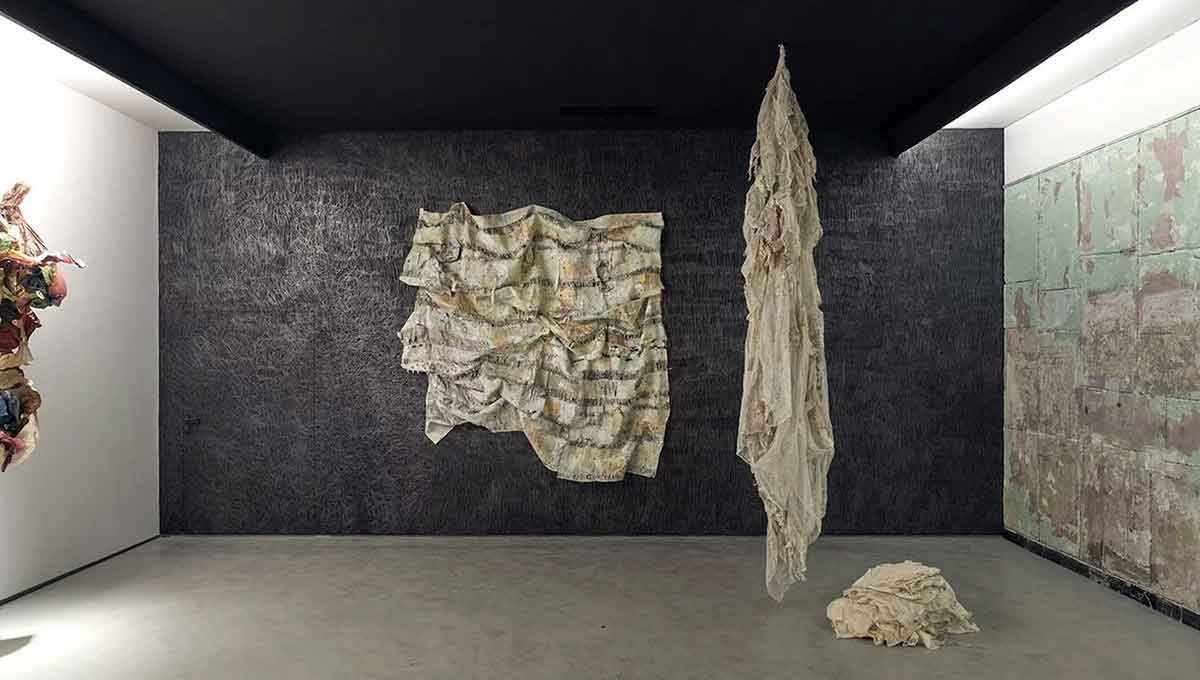
Many installations are too complex and multi-dimensional to be created and assembled by a single artist. During the 2024 Venice Biennale, artist Eduardo Cardozo, represented in the national pavilion of Uruguay, presented an installation that consisted, among other things, of the plaster wall of Cardozo’s Montevideo studio. The process of cutting, transporting, and then implanting the layer of paint-stained plaster onto a Venetian wall was impossible to perform by Cardozo on his own. However, the professional team effort made the project possible, turning a wall into a powerful exploration of the nature of migration and the concept of otherness.
5. Installations Are Hard to Collect
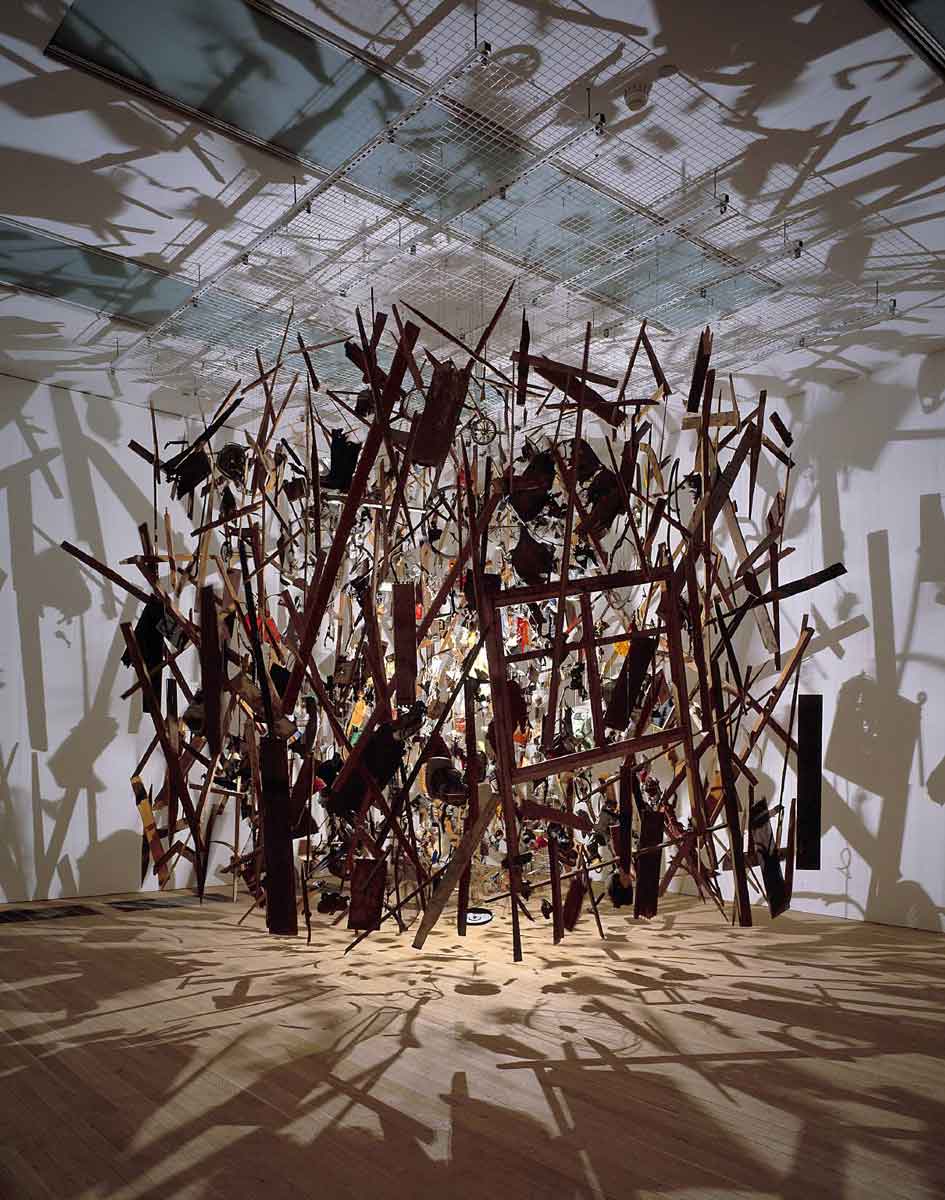
One of the key features of installation art in its early years was its inherent opposition to the commodity-driven predatory nature of the art market. A traditional painting executed by a famous artist can be purchased and proudly displayed in someone’s living room, with the sole purpose of gathering praise from guests appreciating the exquisite taste and financial well-being of the owner. Alternatively, it could be tucked away in a storage room or a safe, used not as a piece to be appreciated, but as a safe investment of funds.
In its early days, installation art decisively spoke against such practices. Large-scale compositions of assorted and often perishable objects could hardly fit into a room. Moreover, many installations required specific dimensions and characteristics of space to transform. Some works were site-specific, meaning that they lost at least part of their aesthetic and symbolic value after being taken out of their intended context.
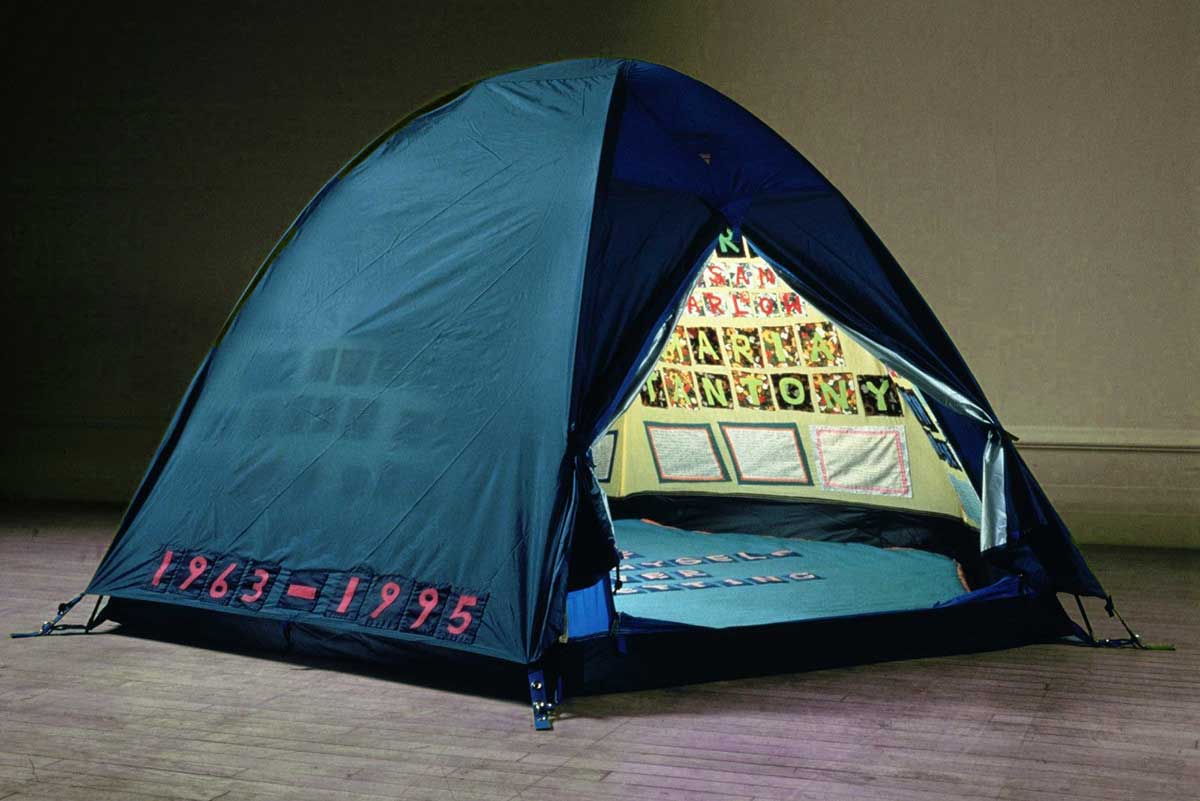
All these aspects at the beginning made installation art a non-collectible artistic medium that for a while existed outside of the conventional art market, just like performances and happenings. However, the ever-expanding market nonetheless found a way of appropriating and profiting from installation art. Today, even large-scale installations can be bought and sold. In most cases, they are hidden in storage and loaned for exhibitions in museums.
Such is the case with Tracey Emin’s Everyone I Have Ever Slept With. The famous installation documenting the artist’s history of emotional intimacy and connections, both sexual and platonic, belonged to the collection of Charles Saatchi, one of the most famous and influential figures of the global art market. In 2004, the work was destroyed during a warehouse fire. Despite pleas from Saatchi, Emin refused to recreate it, stating that it would be an entirely different work devoid of its original context.
6. Site-Specific Installation Art Offers a Radically New Interaction With Space and Time

Many famous installations are site-specific, meaning that they are created for a specific physical and contextual environment. Taken out of their “native” environments, site-specific works of art either cease to exist or lose at least part of their intended meanings. Some art historians argue that most art, if not all, was site-specific throughout history, citing artwork commissions for churches, institutions, and private residences. Others insist that installation art offers unprecedented opportunities for connecting an artwork to the time and space it inhabits.
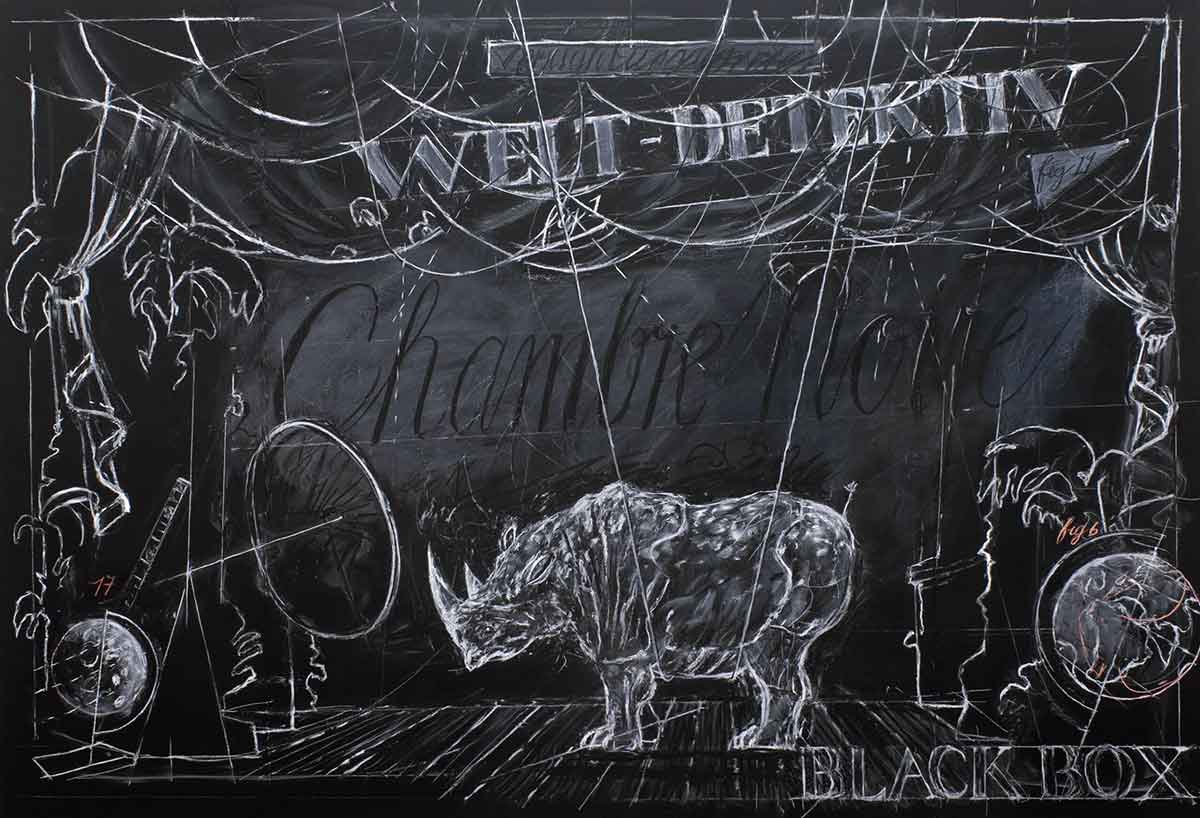
The now-classic 2005 installation Black Box/Chambre Noire by the famous South African artist William Kentridge was specifically designed for the German branch of the Guggenheim Museum, which was active in Berlin until 2013. Kentridge’s installation, a mechanized model theater, recounted the horrors and violence of the German colonial presence in Southwest Africa, including the 1904 massacre of the Herero people, widely considered the first genocide of the 20th century. The issue of site specificity came into play in the context of the museum building. The Deutsche Guggenheim was located on the ground floor of the Deutsche Bank headquarters, the institution that was responsible for all financial operations concerning German colonial presence and foreign trade at the time.