
The famous Post-Impressionist Paul Gauguin has become one of the most polarizing figures in art history in recent decades. Despite his undoubted artistic significance, many details of his biography and character make his art hard to digest and appreciate for many art lovers and even historians. Read on to learn more about the difficult aspects of Paul Gauguin’s biography and art.
1. Paul Gauguin Abandoned His Family and Abused His Friends

Paul Gauguin’s story is usually told like this: he was born in Paris to a family of a French-Spanish family, he lost his father before turning two, and he spent his childhood in Peru. He served in the French Navy and traveled the world. After the service, he decided to make a career as a stockbroker but failed due to an 1882 stock market crash. After a few years of unsuccessful attempts to build a new business, he abandoned it all and escaped to Tahiti, where he became a full-time artist. His artistic innovation was recognized only after his death.
However, such stories usually fail to mention that Gauguin did not run off to French Polynesia from nowhere. After losing his job, he was a burden carried by his wife, Mette-Sophie Gatt, who at the same time had to raise their five children. Gauguin’s love for drinking and brawling and disregard for conventional means of work made it hard for her to bear. Gauguin’s sudden escape to Tahiti included neither his family nor ways to support their existence.
To be fair, being a terrible family member is not entirely unusual for famous artists. Pablo Picasso was an absent and abusive father, and Tamara de Lempicka used her young daughter as a social tool to strike up conversations with potential lovers. Still, the issue of parental neglect and irresponsibility adds more details to the way these artists interacted with the world and others.
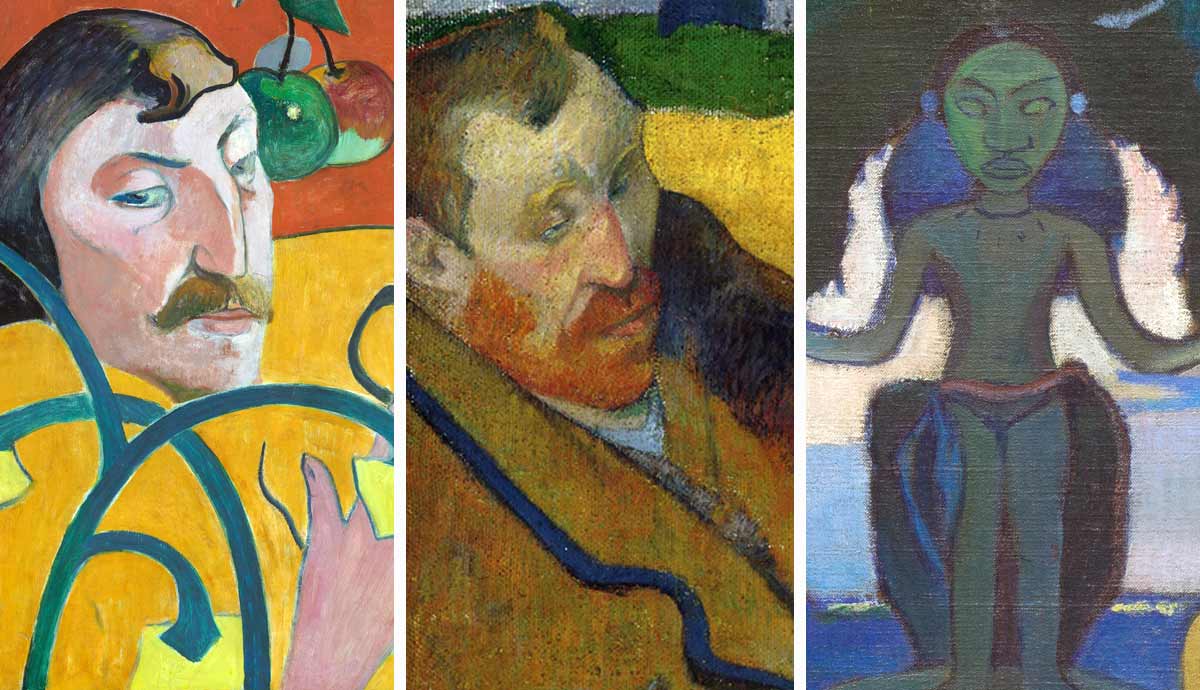
Gauguin was known to be a violent and manipulative bully with pity for no one but himself. Most art historians believe that he was the cause of Vincent van Gogh’s 1888 mental breakdown, which resulted in the Dutch painter chopping part of his ear. Van Gogh, who initially admired Gauguin and even painted his famous Sunflowers to decorate his room, never saw him again, although the two sent each other letters for a while. Gauguin explained his violent temper by being a true savage—a primitive being unspoiled by civilization, who maintained his primal instincts and pure sincere impulses. That purity did not stop him from exploiting and scamming his friends, such as poor Émile Schuffenecker, a talented painter who saw Gauguin as his artistic guru. Gauguin’s understanding of such status was that Schuffenecker was obliged to fund his drinking habits and loan him money on demand.
2. His Version of Tahiti Never Existed
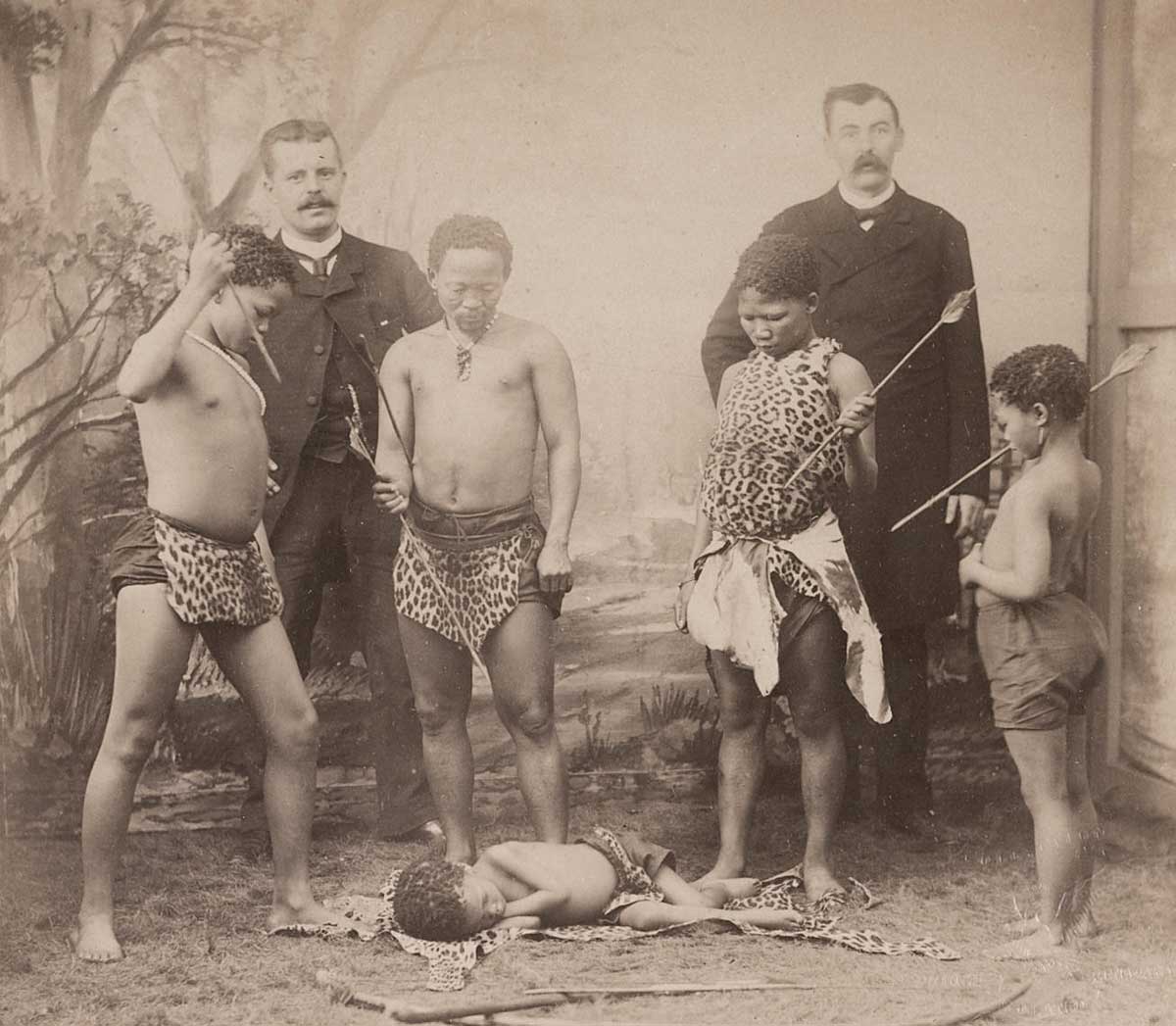
When Gauguin first arrived in Tahiti, he was offended to find that the utopian image he built in his mind hardly corresponded to reality. In his paintings and writings, Gauguin mentioned that instead of expected nudity, he saw long, high-necked dresses put on local women by the Catholic church, mercilessly spreading its influence. He noticed and condemned the traumas inflicted by colonialism yet eagerly used them for his own benefit. Moreover, the pre-colonial ideal for which the artist strived never existed in its own turn. Gauguin’s image of Tahiti was based not on the actual life and culture of the island but on the images from the scenes he witnessed at the Parisian colonial expositions, curated and highly exoticized images of local life and customs aimed at shocking yet romantic juxtapositions to the cultured Western way of life.

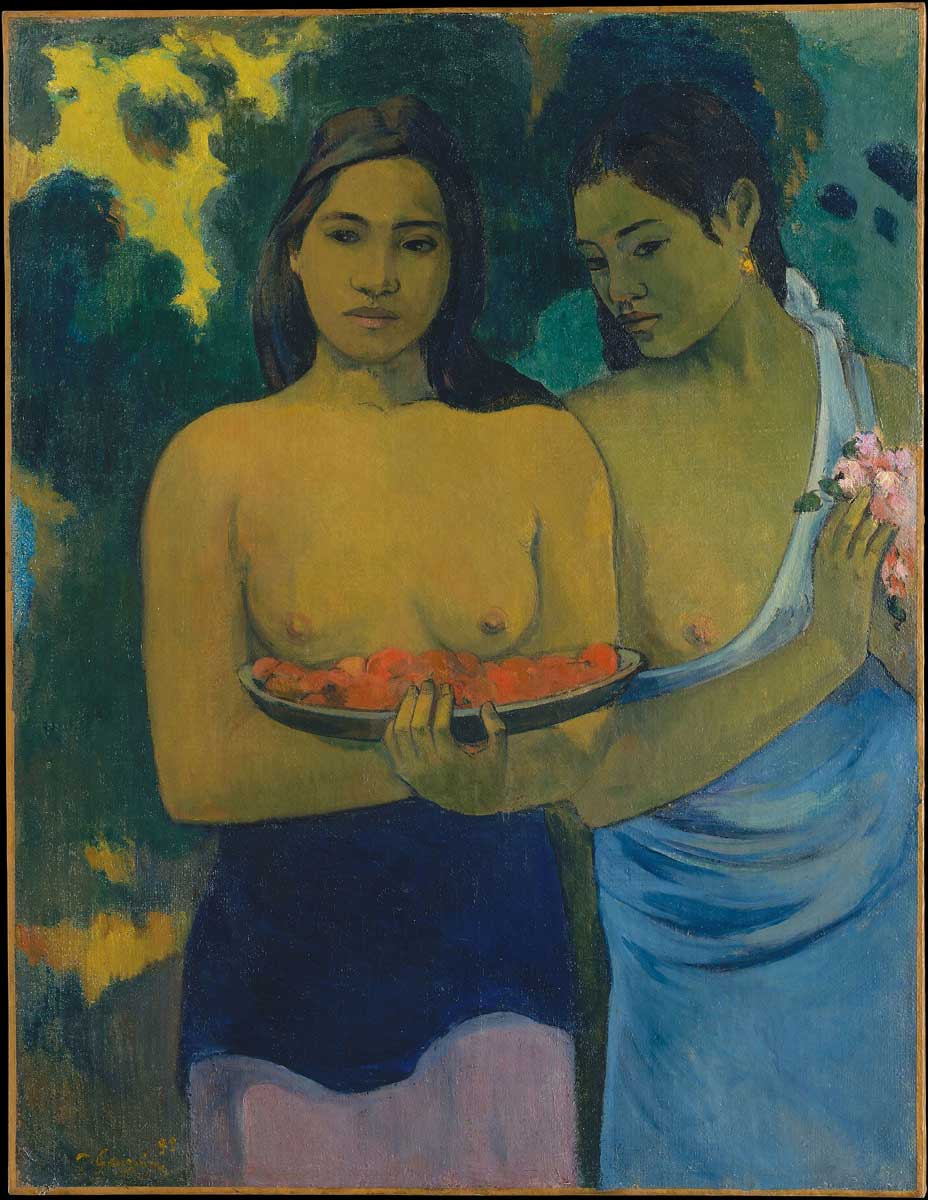
The actual struggles of local communities were of hardly any interest to those who intended to exploit their culture and build a fantasy realm on their backs. The locals Gauguin lived with, the same that bore his children and suffered from illnesses he brought on them, were never given any voice. They were present only as silent, obedient, and highly sexualized figures. These women (and Gauguin’s painter characters were predominantly women) were not living beings with live stories and experiences but rather sexual fantasies, always half-nude, always mysteriously smiling, alluring to the masculine white stranger. Gauguin’s account remains a nightmare for ethnologists and anthropologists working with Tahitian culture. Despite complaining about how the West ruined the pure, pristine, and wild Polynesian land, Gauguin, as essentially an ignorant tourist, nonetheless was part of the problem and its extension.

Some Gauguin advocates rely on the point that, in many cases, representation is bound to come from appropriation, and the artist’s reproduction of colonial stereotypes was inherently better than a complete lack of representation. Moreover, they usually argue that the cultural norms were vastly different at the time; thus, we can disapprove of them but not judge them.
The answer to the question of cultural norms and appropriation boundaries can be found in the writings and memories of Gauguin’s immediate contemporaries, who failed to fall under his questionable charm. Camile Pissarro, a famous Impressionist and former Mentor of Gauguin, wrote that the artist was always poaching on someone’s ground and then pillaging the savages of Oceania. While the word savages certainly would not be used today, the commentary still gave a rather straightforward evaluation of Gauguin’s activity.
3. He Married Teenage Girls
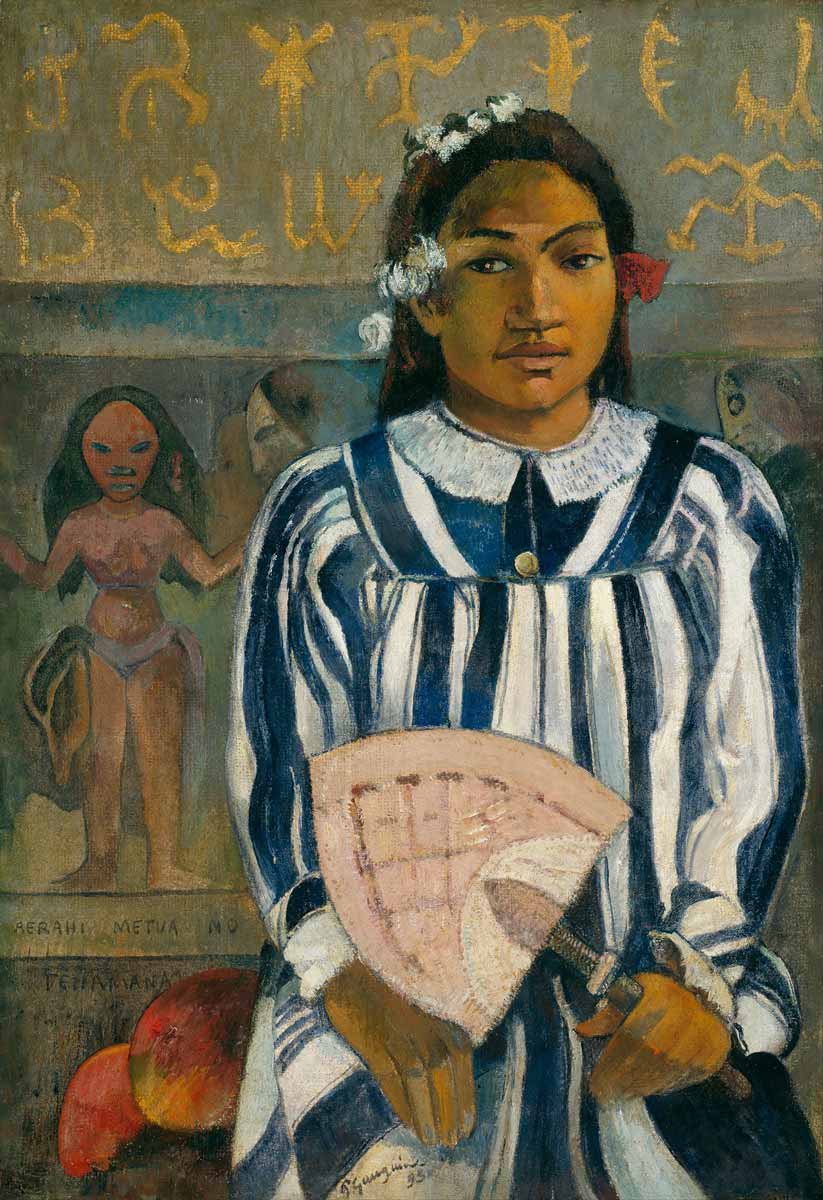
Gauguin was a direct benefactor of Western colonialism, its view on the cultural norm, and its attitudes towards race, gender, and sexuality. In his letters and diaries, he described the undemanding local women. Meanwhile, his first wife was forced to balance between supporting her family and raising five kids, and she had a lot to say and expect from her husband. Already known for his penchant for affairs, Gauguin divided into sexual exploration and exploitation. The works of this period are often perceived as predatory, emitting a sense of danger and disgust, and for good reasons.
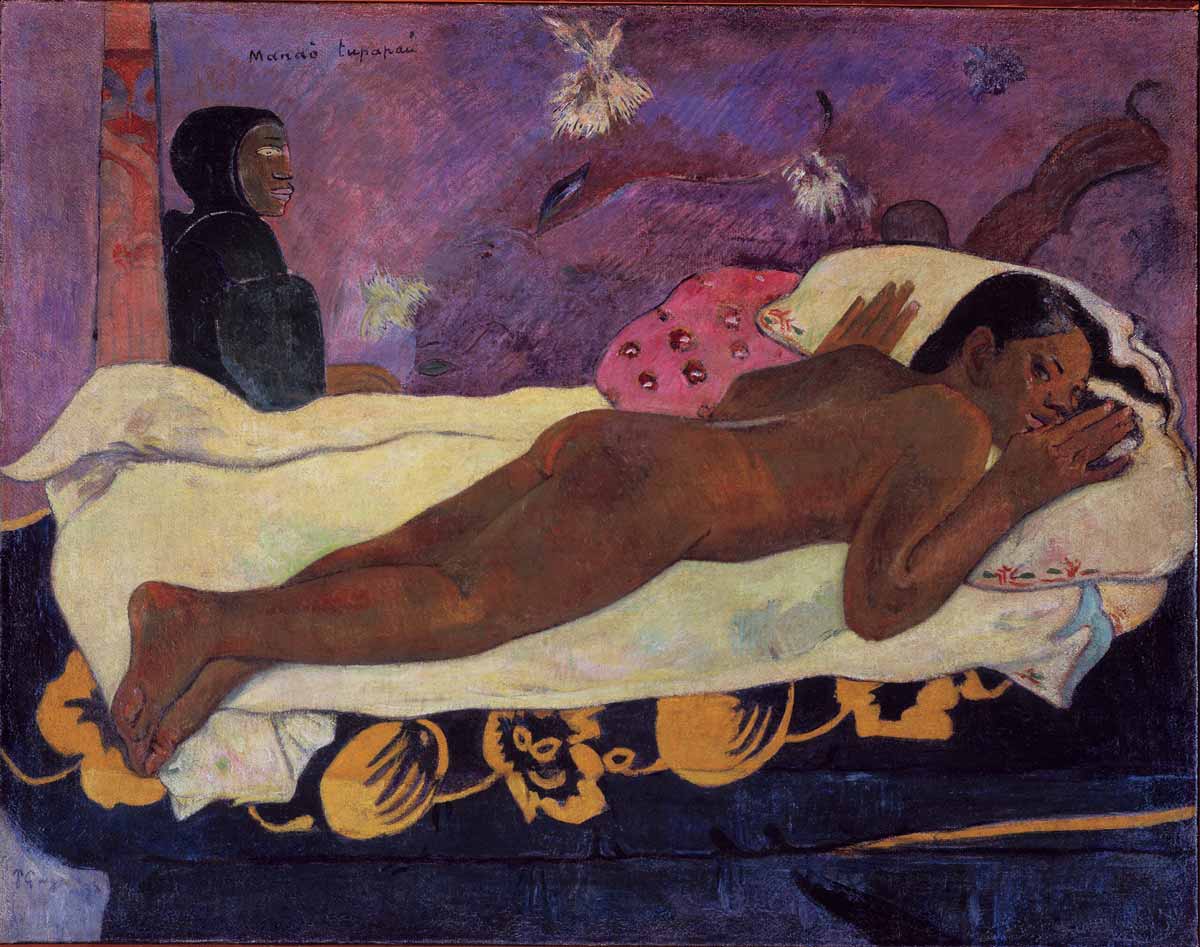
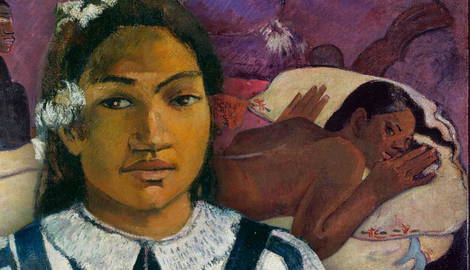
A middle-aged white man, he eagerly used his influence on locals and soon found a new wife—a thirteen-year-old local girl named Teha’amana. It was quite common for Tahitian mothers to offer their young daughters as brides to colonial officers in an attempt to secure any sort of security, even if impermanent. Teha’amana was the same age as one of Gauguin’s daughters. The marriage did not last long, as the artist soon got bored with the old wife and found a new one. According to another theory, it was Teha’amana who broke off the union, disgusted by Gauguin’s obvious symptoms of syphilis. Nonetheless, he married two more girls no older than fifteen and fathered at least three more children. Some of his long- and short-term partners contracted syphilis and later died of the disease.
4. He Repurposed Indigenous Art as His Own
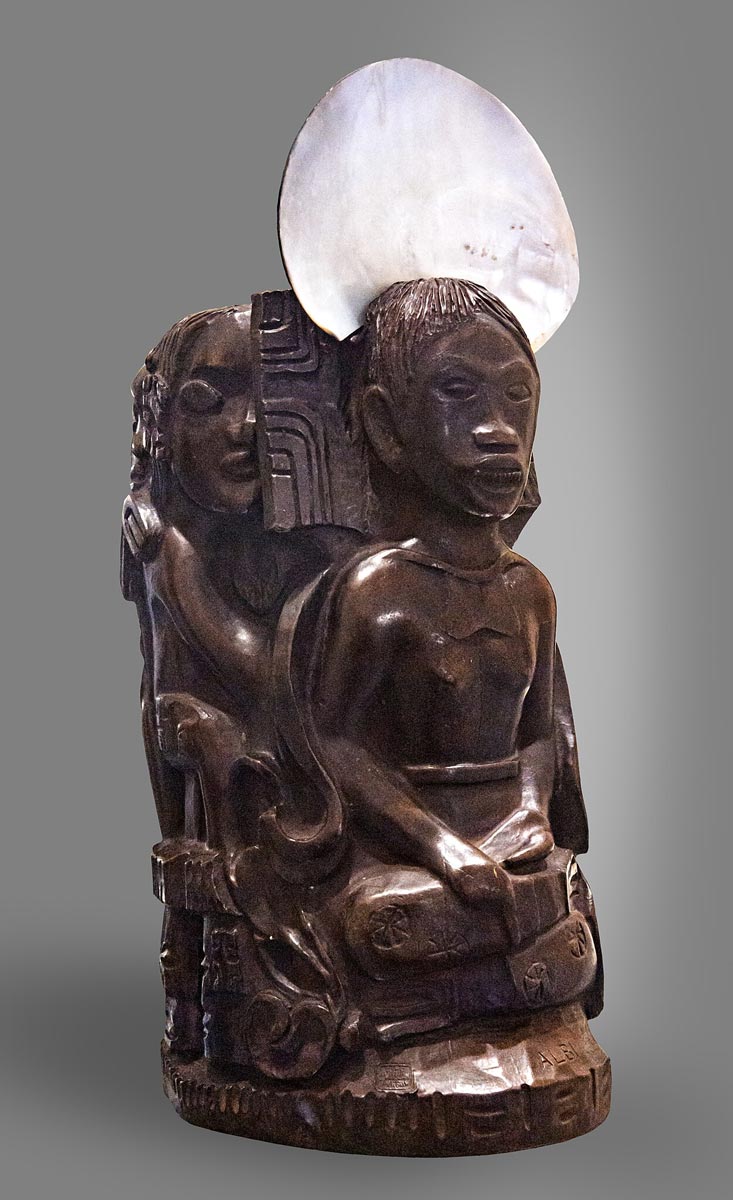
Gauguin’s understanding of local Polynesian art and beliefs was very limited and augmented by his own inventions and ideas. The images of religious idols and rituals that mesmerized European audiences of his works were mostly products of Gauguin’s fantasies that blended the artist’s superficial knowledge of Buddhism, Hinduism, and a general Western expectation of a savage faith. He often signed the works with their Tahitian names but never bothered to learn the language, so the titles were largely incorrect. Today, some museum curators deliberately present these paintings with titles in correct Tahitian.
With similar carelessness, Gauguin treated Polynesian objects of art and worship. He amassed a collection of sculptures and figurines, which he overpainted, carved extra details, and presented as his own work. Something that would be considered a crime if done to a Western artist was utterly ignored by Gauguin and disguised as an act of inspiration. Moreover, the religious status of these objects made the act even more disturbing and offensive for those who were robbed of them.
5. The Myth of Paul Gauguin Was Never True

The myth of Gauguin as the mysterious brooding artist who found solace in the wild Polynesian lands was greatly developed by his semi-autobiographical writing, Noa Noa. The story, which mostly focused on the artist’s love affairs, primitivizing descriptions of natives and impressions of local nature, was not even written by Gauguin himself. He copied a large part of it from a book by a French diplomat written five decades before, inserting direct quotes into the tales his lovers supposedly told him.
Over the years of his artistic career, particularly after his first trip to Tahiti in 1890, Gauguin tried to build his myth as a wandering genius rejecting the corrupt Western world. He was well aware of how wrong this image was, similarly as he was aware of his manipulation of painting dates and backgrounds. He claimed that he painted many of his works without preparatory drawings sitting on the Tahitian shore, while in reality, he preserved many sketches that he conceived during his visits to France.
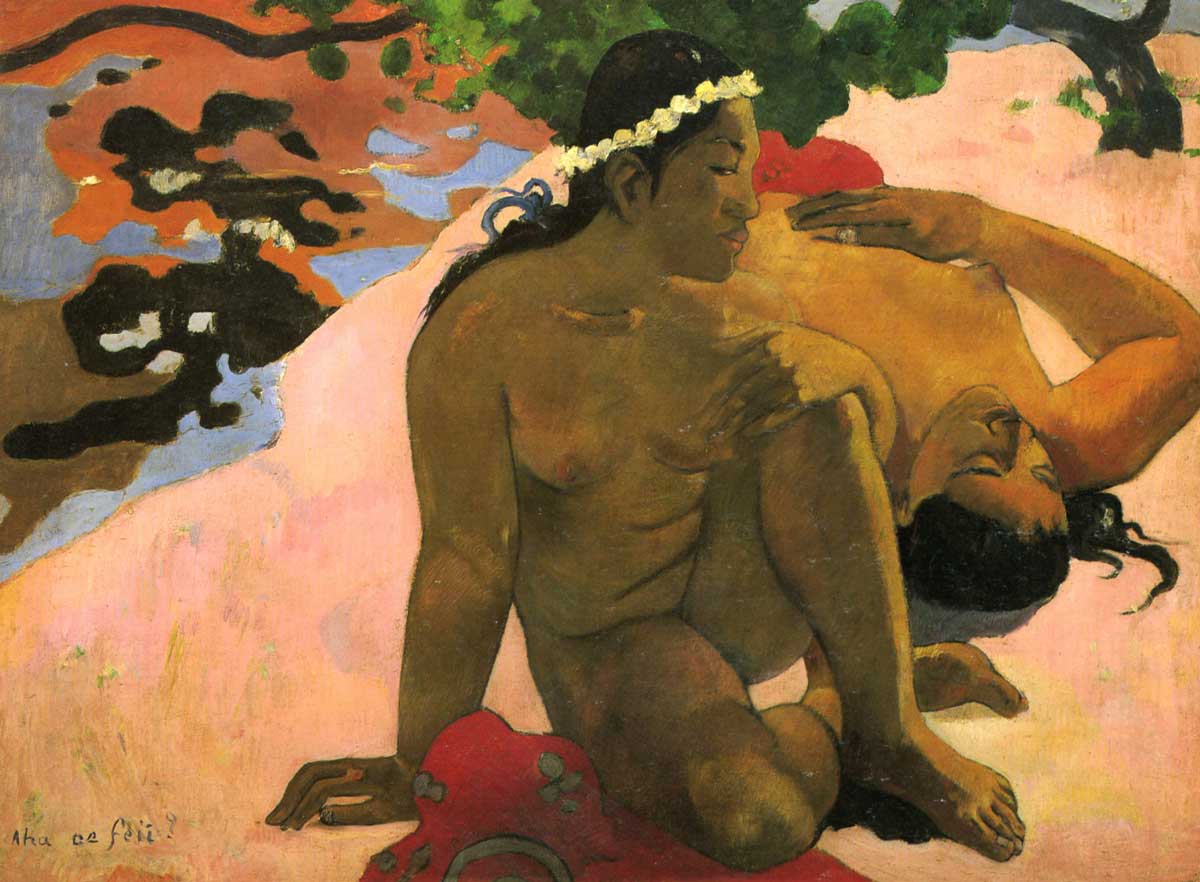
Gauguin’s vast influence on modern and contemporary art, as well as undoubted artistic innovation, makes it impossible and deeply wrong to expel him from the history of art for good. However, in the art historical community today, a direct commentary or at least a short reference to the artist’s personality is obligatory. Today, art and museum experts face the challenge of learning to talk about outstanding people without sweeping their crimes, biases, and destructive behaviors under the rag of a creative spirit. However, it is still debatable to which extent the works of art share the sins of their creator, if they actually do.