
Art fairs are crucial events for the art world. They serve as open spaces for art dealers and collectors to find each other, look at and possibly buy the most important works present on the art market. Some criticize art fairs for excessive commercialization of art, while others enjoy socializing and seeing art that would soon become unavailable after it’s sold to private collections. Read on to learn more about the concept of an art fair and the most important events in the industry.
What Is an Art Fair?
For the majority of humanity’s history, art was bought and sold. Attitudes towards mediums, materials, and subjects changed, yet the human desire to create, share, and own art stayed the same. Regular fairs that offered a variety of goods, including but not limited to fine and decorative arts, have been known since Antiquity. In the Middle Ages, the art market gradually expanded. The first fair specifically devoted to art was launched in Antwerp in the 15th century and dealt with paintings, manuscripts, and sculptures. Later, regular exhibitions like the famous Paris Salon served both as marketplaces for contemporary art and as gatekeeping institutions.
Art fairs of the present day were the invention of modernity. First art fairs were modeled after the practice of book fairs, with galleries representing artists in the same manner publishers represented authors. Today, art fairs are commercial events that are crucial to the industry. To ensure that the works are genuine, most art fairs have their own vetting and authentication teams. Apart from collectors and gallerists, fairs are frequented by regular fans of contemporary art and those interested in investments.
Fairs come and go, collapsing in some regions and emerging in others, keeping the multi-billion art industry afloat. In 2024, art experts could go to more than 380 art fairs worldwide. Of course, such a large industry has its downturns. Artists and collectors often complain that the art world has become too commercialized and replaced creativity with marketing strategies. Many note the globalization tendencies that erase all differences between regional art markets and artistic expressions, as well as abnormal and unsustainable prices. Other issues include the sheer number of art fairs and related events, which is impossible to follow even for experienced collectors.
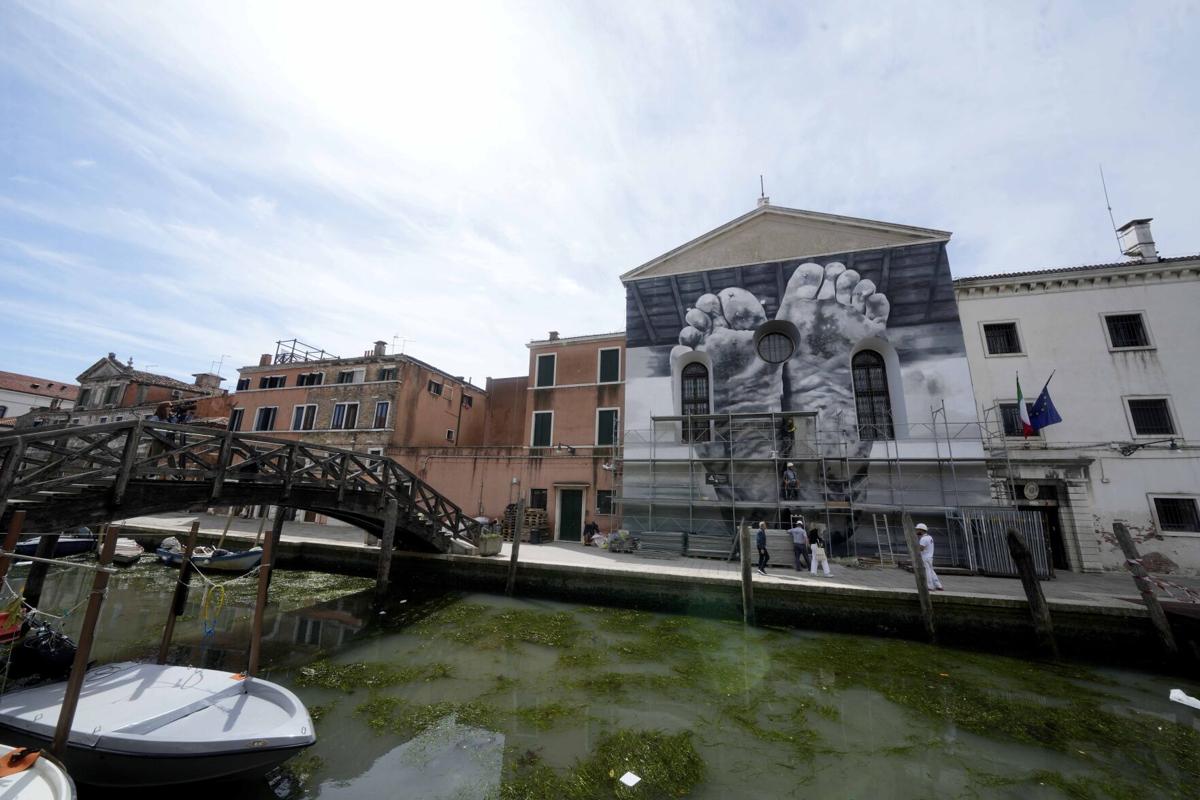
Art events like the Venice Biennale are often mistakenly placed in the same category as art fairs. The Biennale is the show that represents trends in art and concerns shared by contemporary artists. It also offers a glimpse into popular techniques and sometimes introduces new names to the market. The latter function was obvious during the 2024 Biennale, which had an outstanding number of artists that were never represented in the show before. Many of them have already passed away before their art earned any recognition.
That being said, there is still a clear correlation between the Venice Biennale and contemporary art fairs. An artist’s debut at the Biennale (or even their repeated presence) is a marker of relevance and importance. Thus, it dramatically raises the prices of the artist’s work and attracts important galleries who might want to represent them.
7. Art Cologne: The Oldest Art Fair
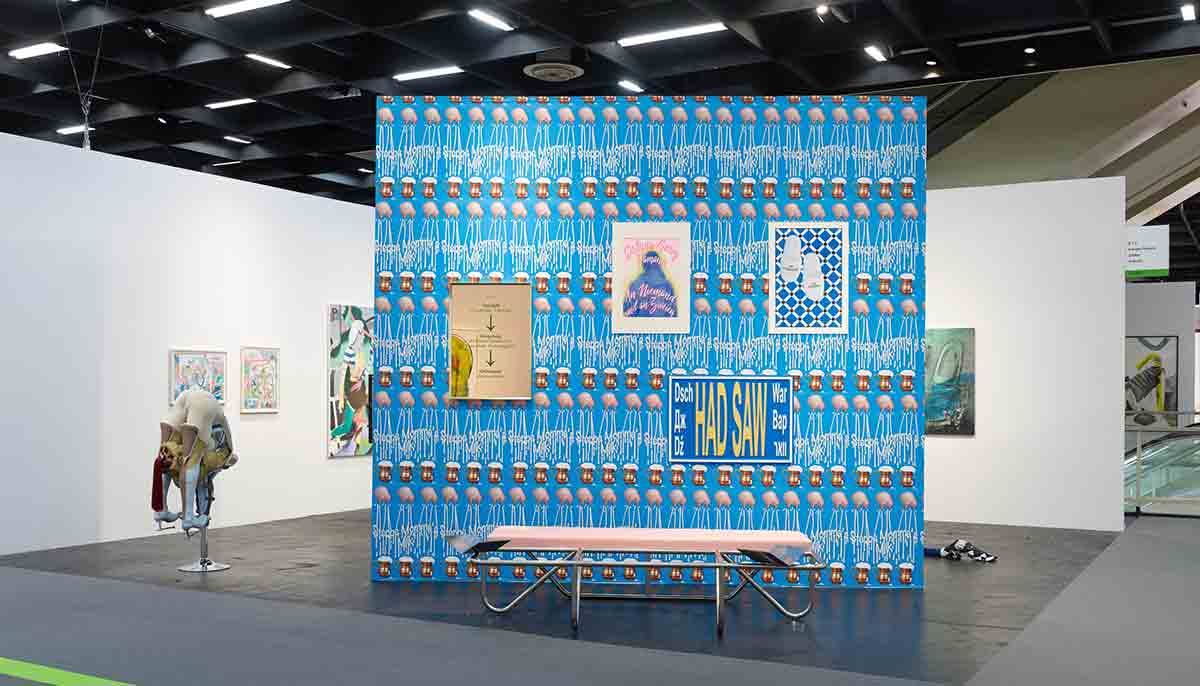
Art Cologne is the oldest art fair that still exists and has substantial weight in the industry. In 1967, two prominent German gallerists launched the fair to develop a local market for modern and contemporary art. At the time, Paris gradually lost its importance as the global art capital, as the most important events moved overseas to New York. Art Cologne successfully offered a new alternative, representing the works of West German artists including Joseph Beuys, whose work made a sales record in 1969. Today, the majority of artists and galleries represented are still German, although at least one-third of participants come from other countries.
6. TEFAF
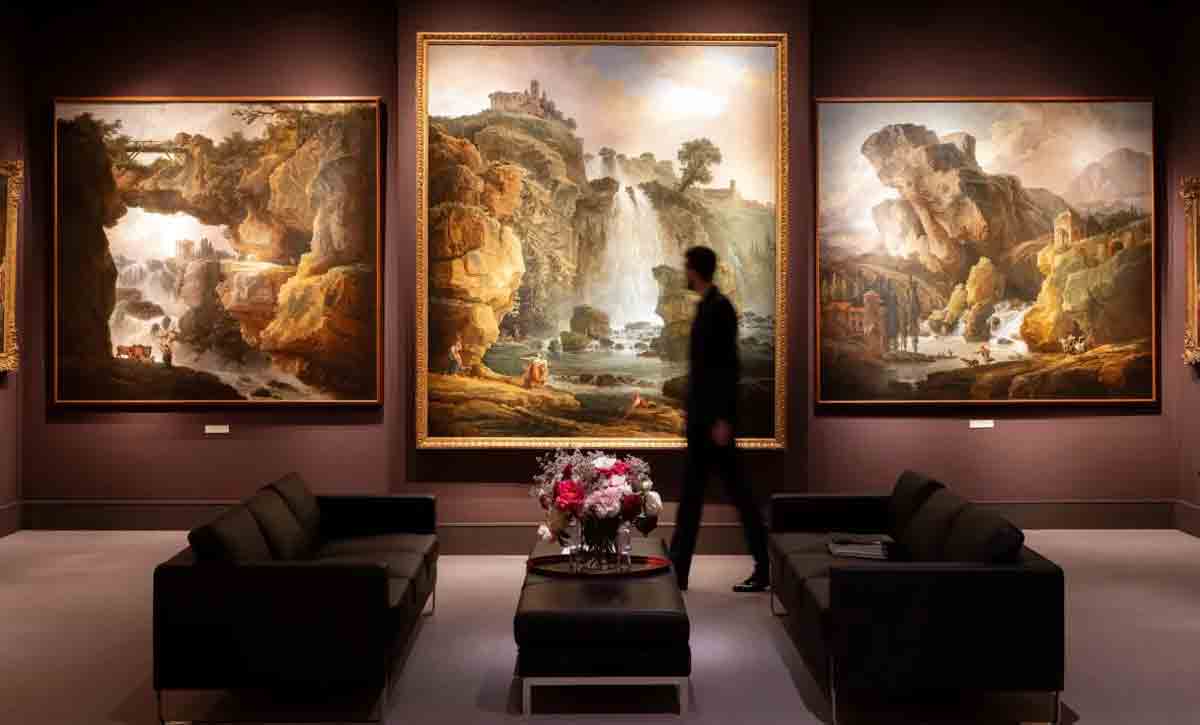
TEFAF, or The European Fine Art Fair, has been held annually in Maastricht, Netherlands, since 1988. Today, it is one of the most important events of the art market. TEFAF represents almost 300 of the most prestigious and famous art galleries, showcasing 7,000 years of art history without omitting any eras or mediums. Apart from selling art, jewelry, and furniture, TEFAF funds restoration programs in public museums and runs several charity projects. The New York branch of TEFAF specializes mostly in modern and contemporary art.
In June 2022, the first physical TEFAF after the COVID-19 pandemic was evacuated after an armed robbery. Several men broke the vitrines of a London jewelry dealer and escaped with jewelry worth tens of millions of euros. Two years later, several diamonds from the stolen necklaces were discovered in various parts of the world. Still, the suspects, some of whom already have a history of similar crimes, are still at large.
5. Frieze London
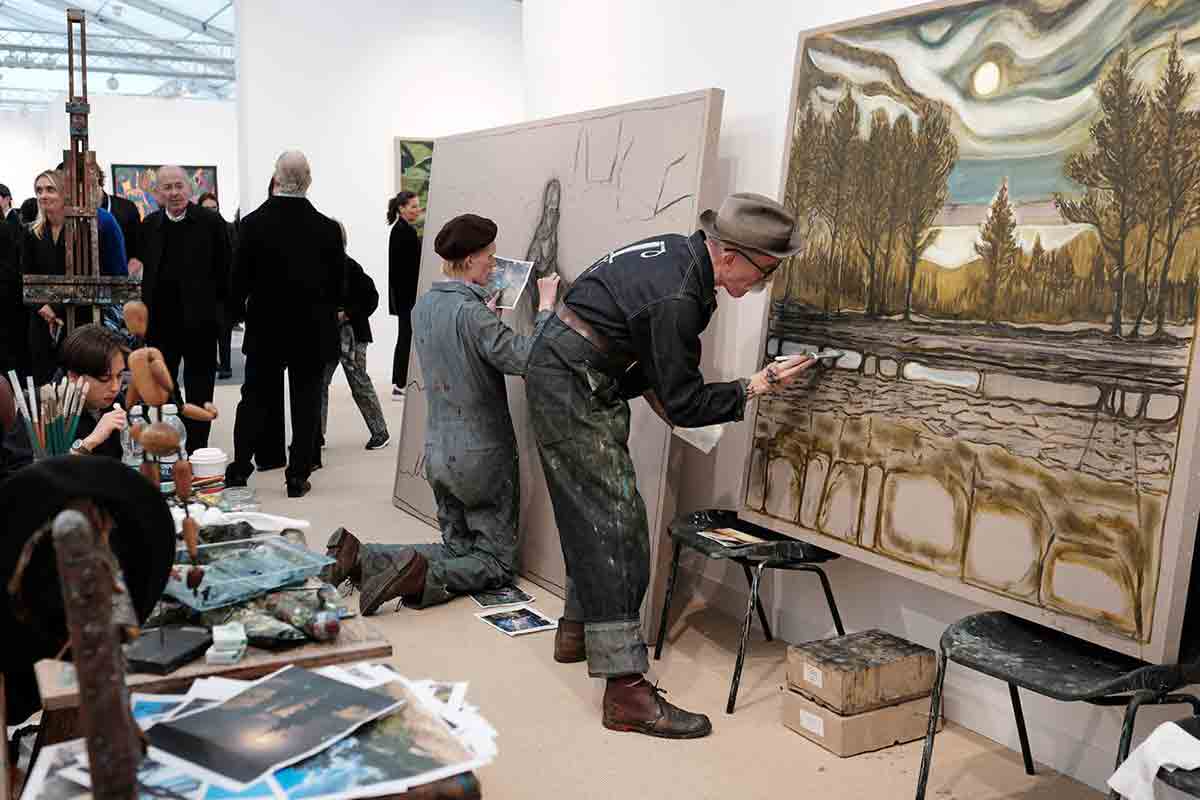
Since 2003, Frieze has remained one of the most important art events in Great Britain and Europe. Before the early 2000s, interest in contemporary art in Britain was relatively low. The 2000 opening of the Tate Modern Museum became the marker of a changing landscape. In the first years of Frieze, the main focus was on the Young British Artists, or the YBAs—a loose group of young conceptual artists that included Tracey Emin, Damien Hirst, Sarah Lucas, and others.
The main rule of Frieze is that no work presented at the fair should be older than one year. This custom emphasizes the fair’s commitment to contemporary art relevant to the moment and living artists. Artworks of respected masters of older generations are sold at the Frieze Masters event.
4. The Armory Show
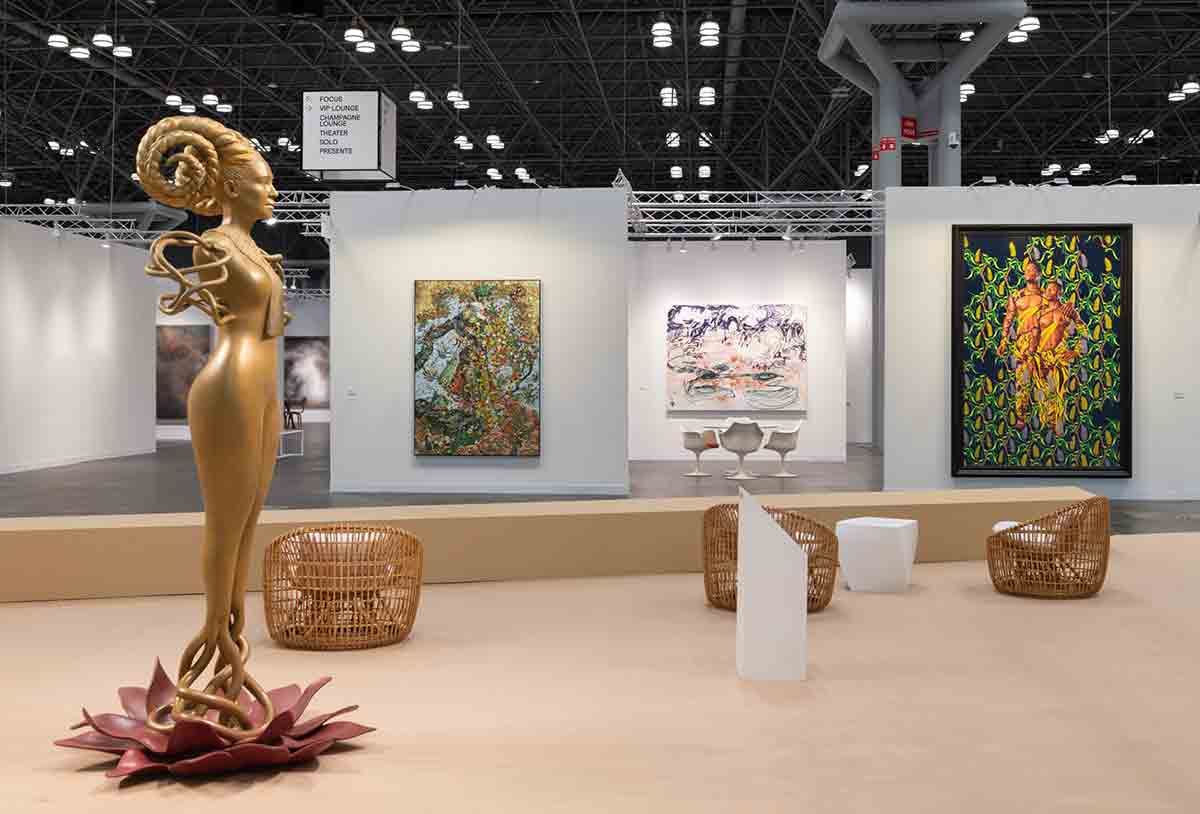
The famous New York art fair emerged from the legendary avant-garde exhibition under the same name that took place in the US National Guard armories. The 1913 Armory Show was the first instance of the American public encountering progressive European art, including the Cubist works of Pablo Picasso and the experiments of Marcel Duchamp. This show propelled the developments in American art, resulting in the development of Abstract Expressionism several decades later. The Armory Show has been an art fair since 1994 and opens its doors every fall. It mostly focuses on artists from the 20th and 21st centuries.
3. Art Dubai
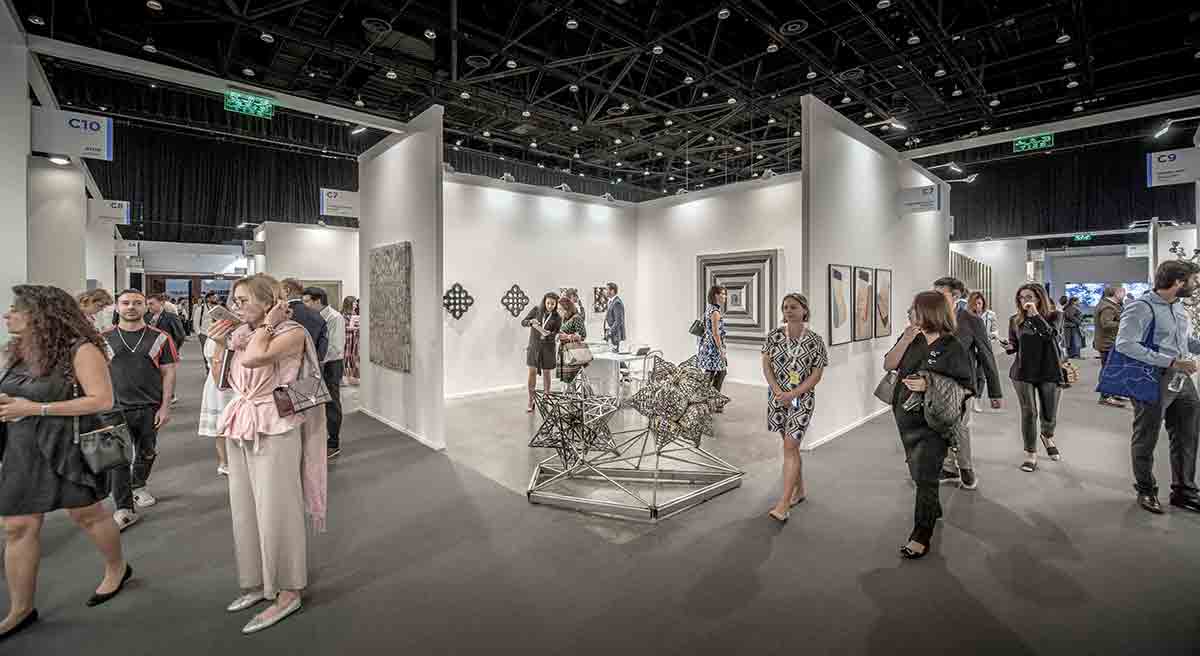
Art Dubai is an international fair that has been active since 2007 as one of the most important platforms for Middle Eastern and African art. The fair is focused on modern and contemporary art, with a specific focus on digital art and NFTs. The recent edition of Art Dubai represented a wide array of artists from India and a substantial group of Middle Eastern and African artists who studied art in the Soviet Union. Their works represented a mix of cultures and aesthetics that was previously ignored by the art market. Over the years, Art Dubai has been criticized several times for the alleged censorship of politically charged artworks. Still, it remains the most influential art fair that represents artists from the Global South.
2. Art Basel
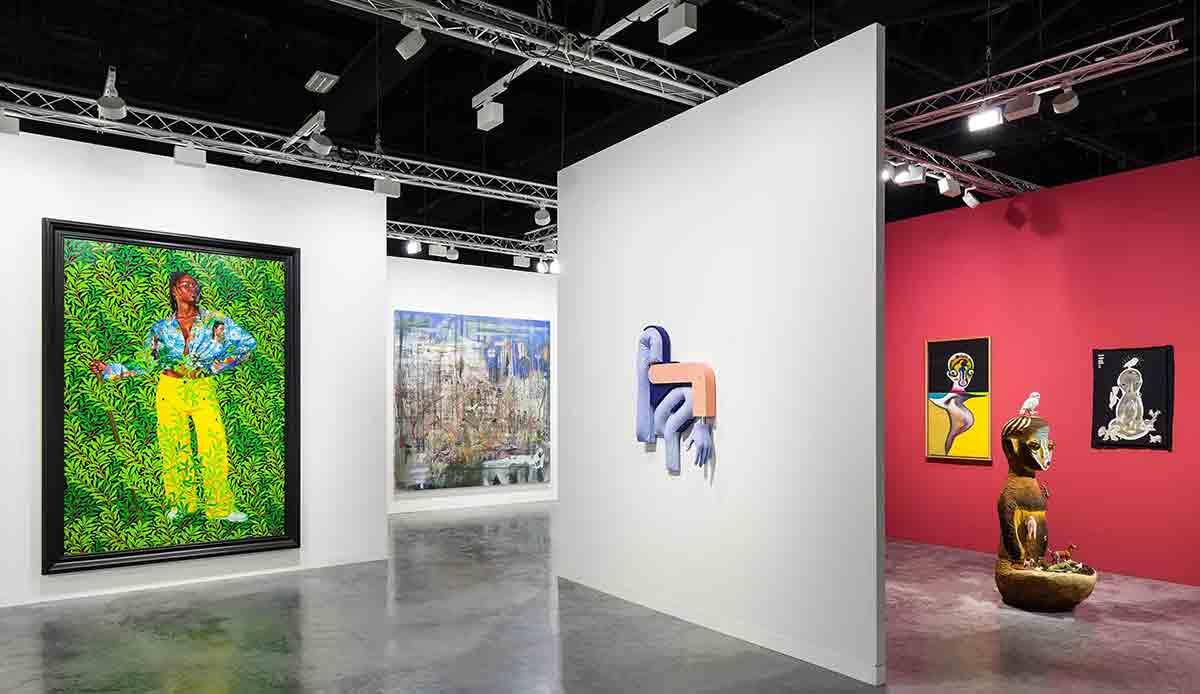
Art Basel is an international art fair held in Switzerland, France, the USA, and Hong Kong. The first event in Basel, Switzerland, occurred in 1970 and represented 90 galleries. All four fairs present selections of modern and contemporary art, as well as public talks, shows in partnership with local museums, and events related to art market analysis. Two years ago, it opened in Paris and continues to grow its scope.
Art Basel often becomes a platform for famous or controversial events in the art market. In 2019, Italian artist Maurizio Cattelan presented his infamous piece Comedian during the Art Basel Miami Beach. The sculpture consisted of a fresh banana taped to a wall and existed in three editions, two of which were sold during the fair for $120,000 each.
1. FIAC: The Beloved Art Fair That May Never Happen Again
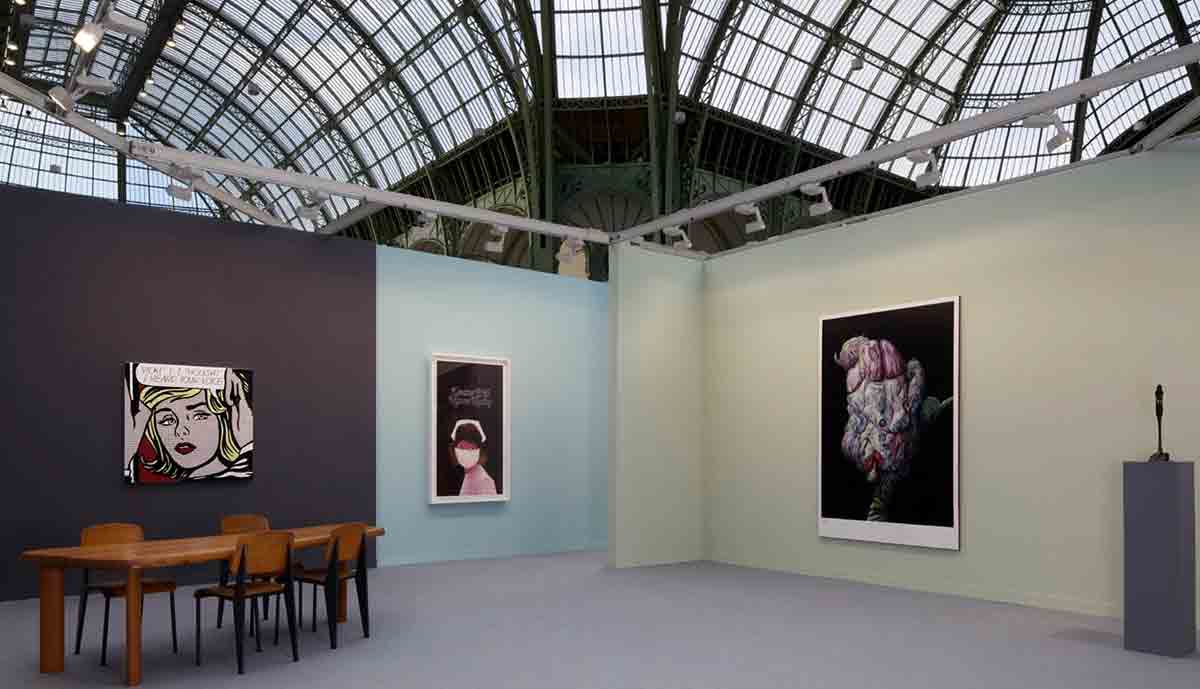
FIAC stands for Foire Internationale d’Art Contemporaine (International Contemporary Art Fair). In 2014, FIAC found itself at the center of a scandal because of a work made by Paul McCarthy. The green inflatable sculpture Tree was supposed to represent a Christmas tree, yet Parisian locals deemed it inappropriate. The tall sculpture stood at the Place Vendôme at the heart of Paris for only two days before an anonymous vandal cut the cords that kept the structure inflated.
The fair has existed since 1974, but its future is now concerning. For years, its main venue was the famous Parisian Petit Palais, a glass exhibition pavilion built in 1900. Yet, in 2022, Art Basel opened a branch in Paris and occupied the place and time slot usually reserved for FIAC. Today, it still remains unclear what will happen to the previously beloved fair, attended by almost 50,000 visitors during its last edition in 2021.