
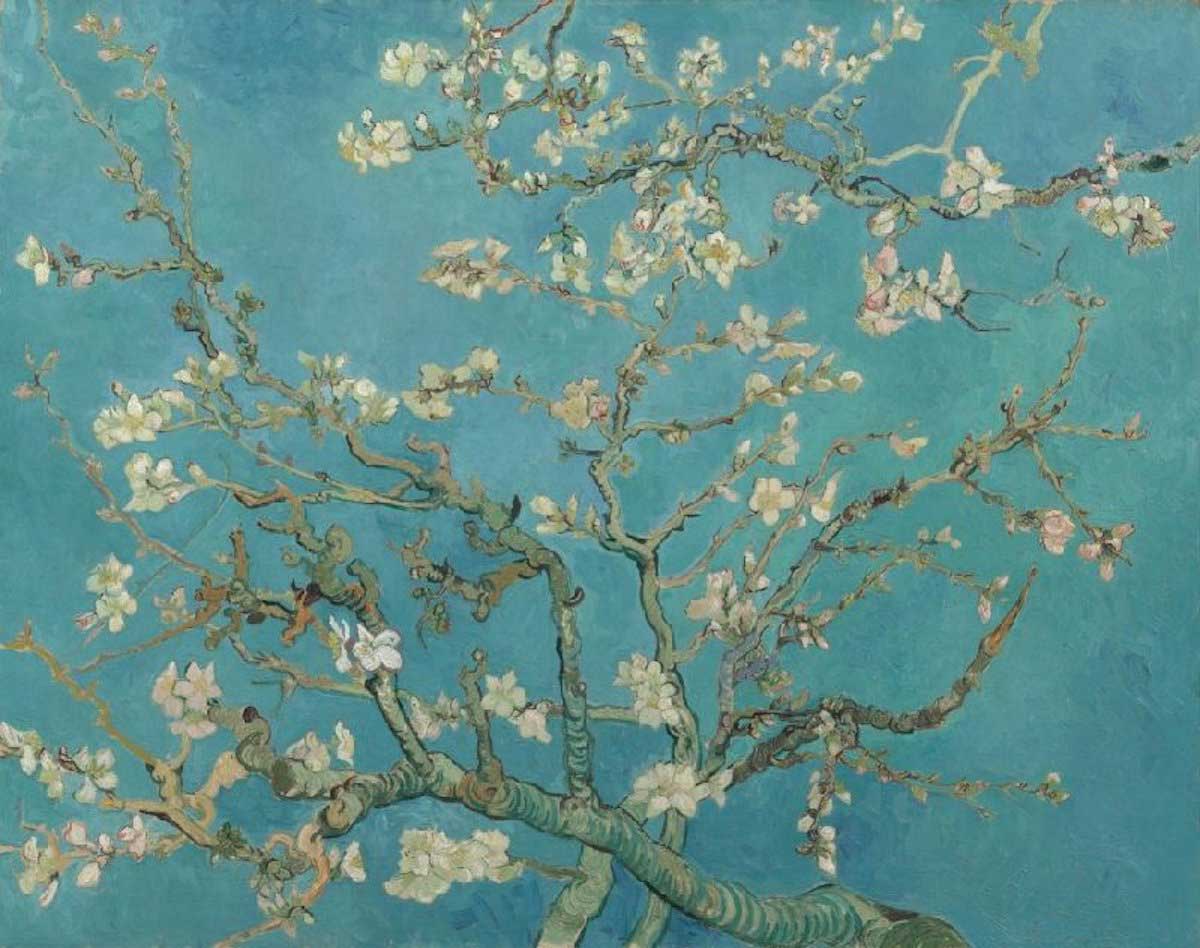
Vincent van Gogh (1853-1890) did not have much success during his lifetime, but the artist still managed to create incredible works. Not only are his compositions beautiful and full of character, but certain works convey a deeper message and signify important personal moments in the artist’s life. Almond Blossom, made in 1889, is one of these works. The painting is currently housed in the Van Gogh Museum in Amsterdam, where it attracts countless visitors every day.
Van Gogh’s Almond Blossom and Theo van Gogh
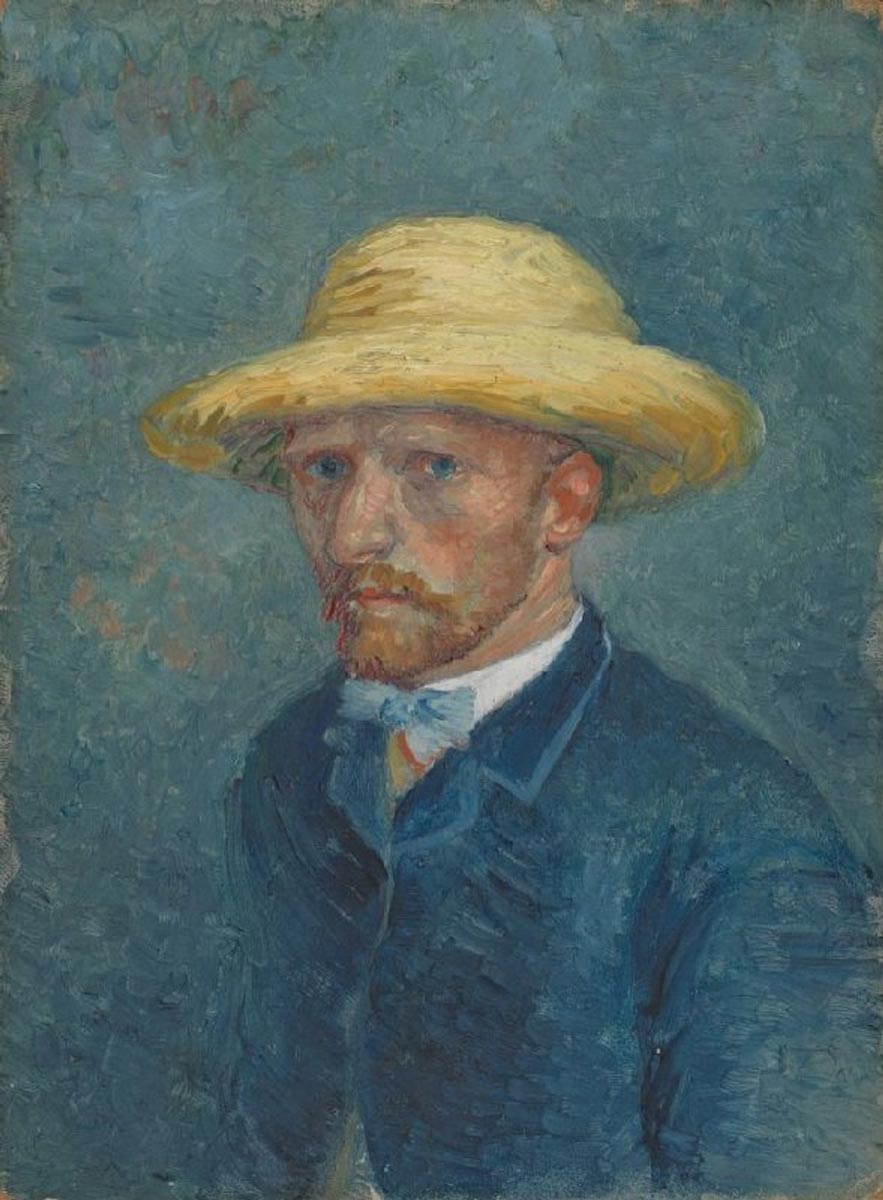
Vincent van Gogh was deeply connected to his younger brother, Theo. The two brothers were very close to each other, and Theo supported Vincent financially and emotionally throughout his life. By the mid-1880s, Theo had become a successful art dealer in Paris and used his connections in the city to introduce his brothers to new ideas and painting techniques. The artist lived with his brother in Paris for approximately two years before moving to Provence to be close to the countryside. Towards the end of his stay there, he suffered a mental attack and cut off his ear, and eventually moved to a psychiatric institution in Saint-Remy.
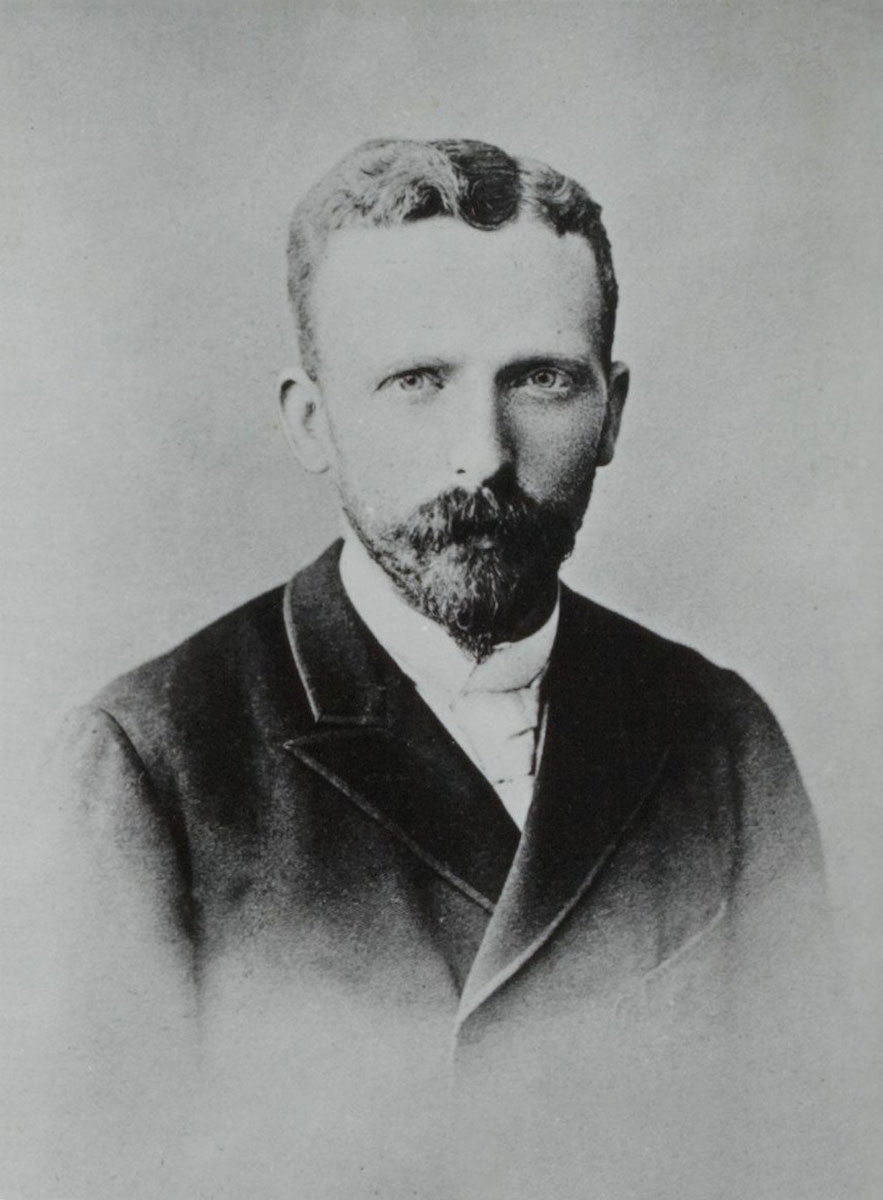
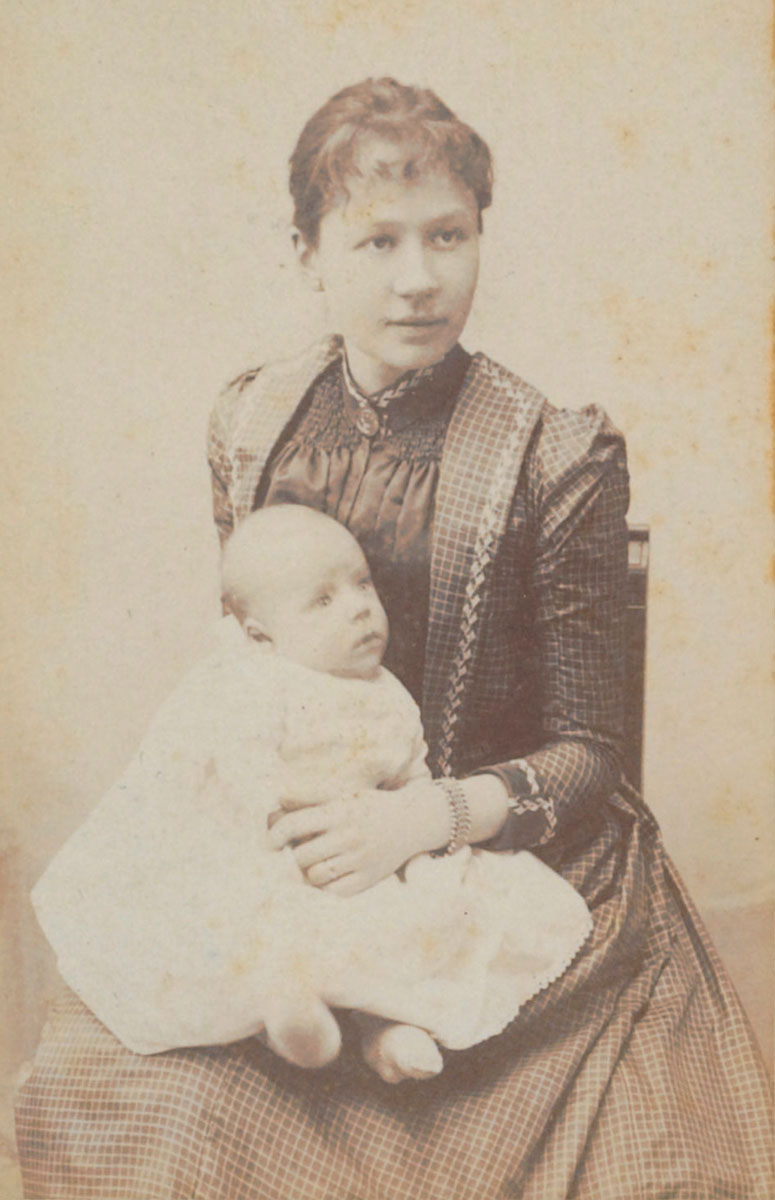
Throughout Van Gogh’s life, the brothers exchanged countless letters and constantly stayed in touch. Most of what we know about Van Gogh’s life and work is due to his letters to Theo. Luckily, Theo carefully preserved all the letters he received, allowing them to later be published by his widow, Johanna van Gogh-Bonger. Theo met Jo through her brother Andries Bonger, an art collector, and eventually married her in 1889. Jo was an English teacher living in the Netherlands, and she moved to Paris after marrying Theo.
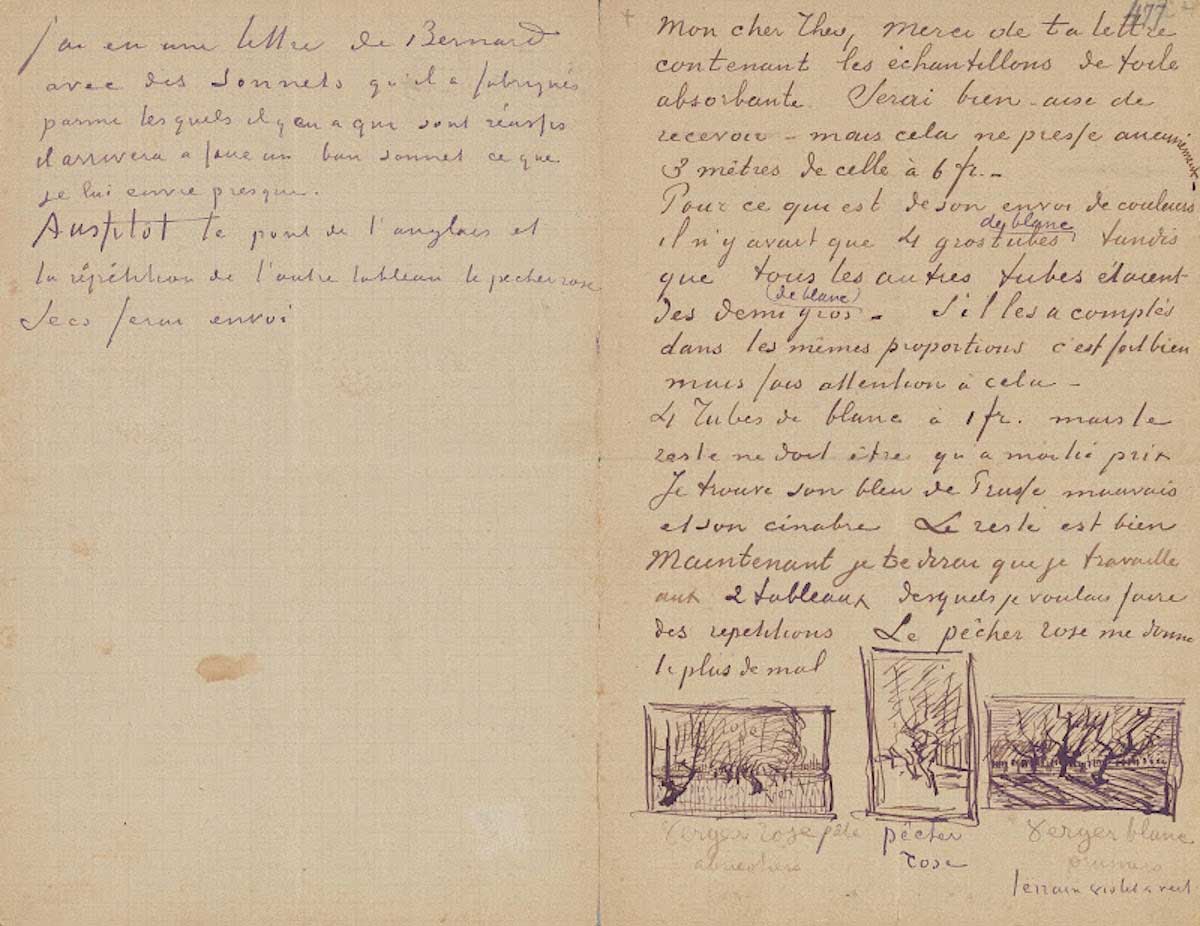
Van Gogh wholeheartedly supported Theo’s decision to get married. On January 31, 1890, Theo and Jo welcomed a child. They decided to name him Vincent Willem, after his uncle and asked Van Gogh to be the baby’s godfather. Theo wrote to him later, “As we told you, we’ll name him after you, and I’m making the wish that he may be as determined and as courageous as you.” The artist was deeply moved by this gesture and agreed to take on that role. This led to the creation of Almond Blossom.
Commemorating New Life
After the birth of his nephew, Van Gogh wanted to commemorate the occasion. He decided to make a painting for the young Vincent and his parents that would celebrate the new life they had created. As he was already fond of painting tree branches against the sky, he considered the branches of an almond tree against a blue sky the appropriate subject to celebrate this occasion. Almond trees blossomed earlier than all other trees in Provence, around late January and early February, which made them the perfect symbol of new life and rebirth.
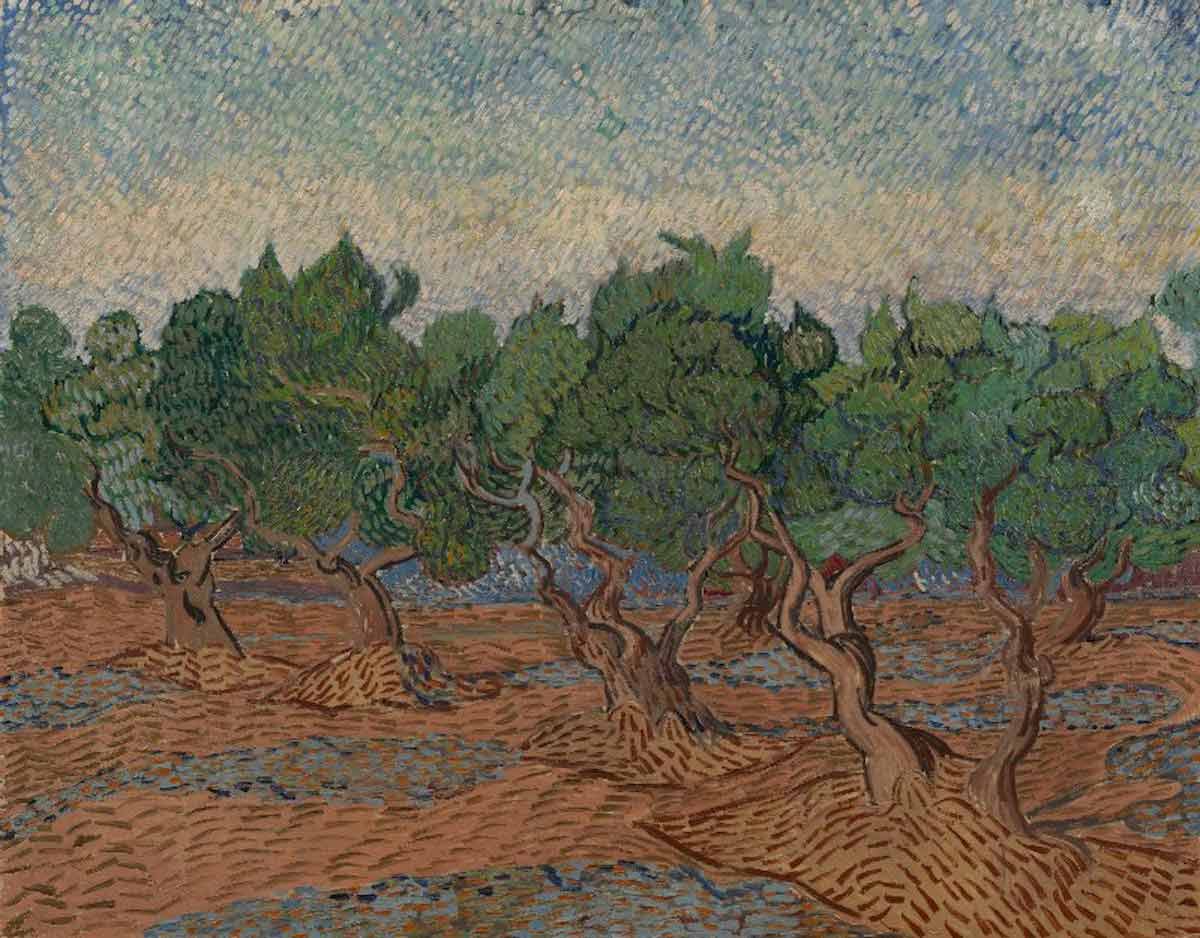
Van Gogh loved painting trees. He had a deep connection with nature, and a major part of his oeuvre is full of landscapes and subjects like flowers, gardens, orchards in blossom, and even twigs or branches of trees. During his stay in Saint-Remy in 1889, he painted numerous compositions featuring olive trees and cypresses, which he believed to be the quintessential trees of Provence. He started painting the special work with blossoming branches of an almond tree as soon as he heard the good news about Theo’s child in 1890, as he explained to his mother: “I started right away to make a painting for him, to hang in their bedroom. Large branches of white almond blossom against a blue sky.”
Van Gogh gifted Almond Blossom to Theo and Jo to congratulate them on the baby. They were overjoyed with the work and hung the picture over the piano in the living room of their Paris apartment. And so, Almond Blossom came to symbolize the celebration of the circle of life for the family. Due to its personal symbolism for the family, Almond Blossom became one of the most important and treasured works by the Van Gogh family.
A Testament to Van Gogh’s Artistic Success
Almond Blossom features a simple subject, but it also carries a special meaning for the family. Painting branches against the sky from such a perspective was a subject Van Gogh enjoyed working on. Almond Blossom is a painting from the artist’s mature period. The composition is painted with immense care and planning and shows an excellent balance of color and formal harmony. Van Gogh himself was proud of this work, as he described it to Theo in a letter: “The last canvas of the branches in blossom, you’ll see that it was perhaps the most patiently worked, best thing I had done, painted with calm and a greater sureness of touch.”
The painting also shows the influence of Japanese art on Van Gogh’s developing style. The artist implemented the style of Japanese printmaking in Almond Blossom through the simplicity of form and color, bold contours, and the off-center placement of the branches. The composition features a luminous, light blue color covering the entire background and almond branches punctuated with blooming white flowers. The blue sky in the painting consists of different shades of blue that are blended to resemble the shades of the sky. While the composition is flat, the brushstrokes on the blue backdrop are clearly visible, showing the artist’s use of impasto.
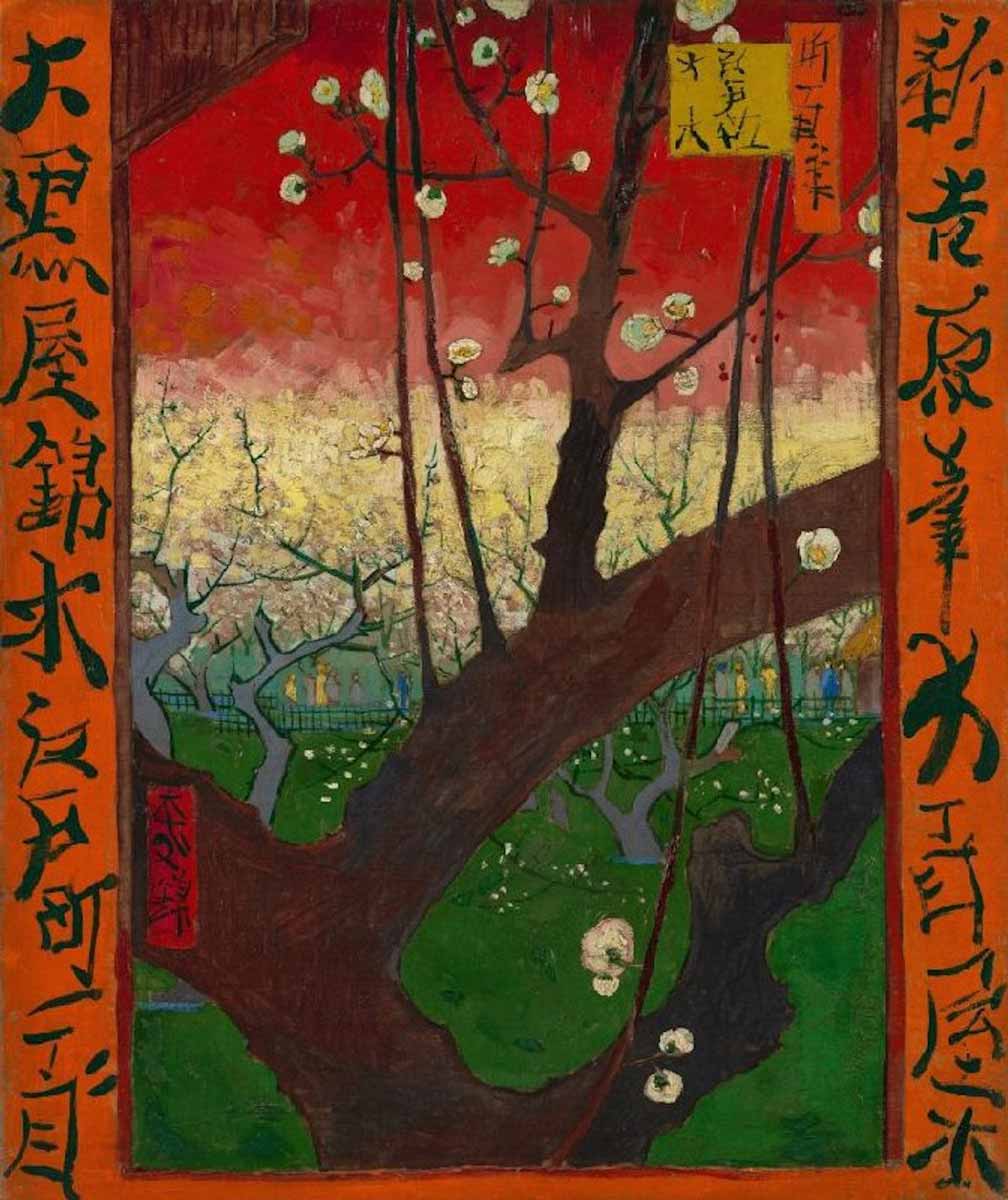
While painting Almond Blossom, the artist lived in a psychiatric asylum in Saint-Remy, Southern France. He was not allowed to venture out into the countryside to observe and paint natural subjects, so for a long time, he relied on the gardens of the asylum for inspiration. His bedroom was located on the east side of the asylum building from where he could get a glimpse of a wheatfield and some hills along with olive and almond trees.
After completing Almond Blossom, the artist’s health declined once more as he suffered a mental breakdown. That year, he had intended to capture the blossoming trees in the Provençal spring on canvas, but his health did not allow him to leave the asylum for around two months, causing him to miss the blossoming period. Because of that, Almond Blossom is the only painting featuring a blossoming tree that Van Gogh produced that year. The painting not only held personal value to the artist and his family, but also became a successful undertaking during a difficult period in his life.
A Tragic End
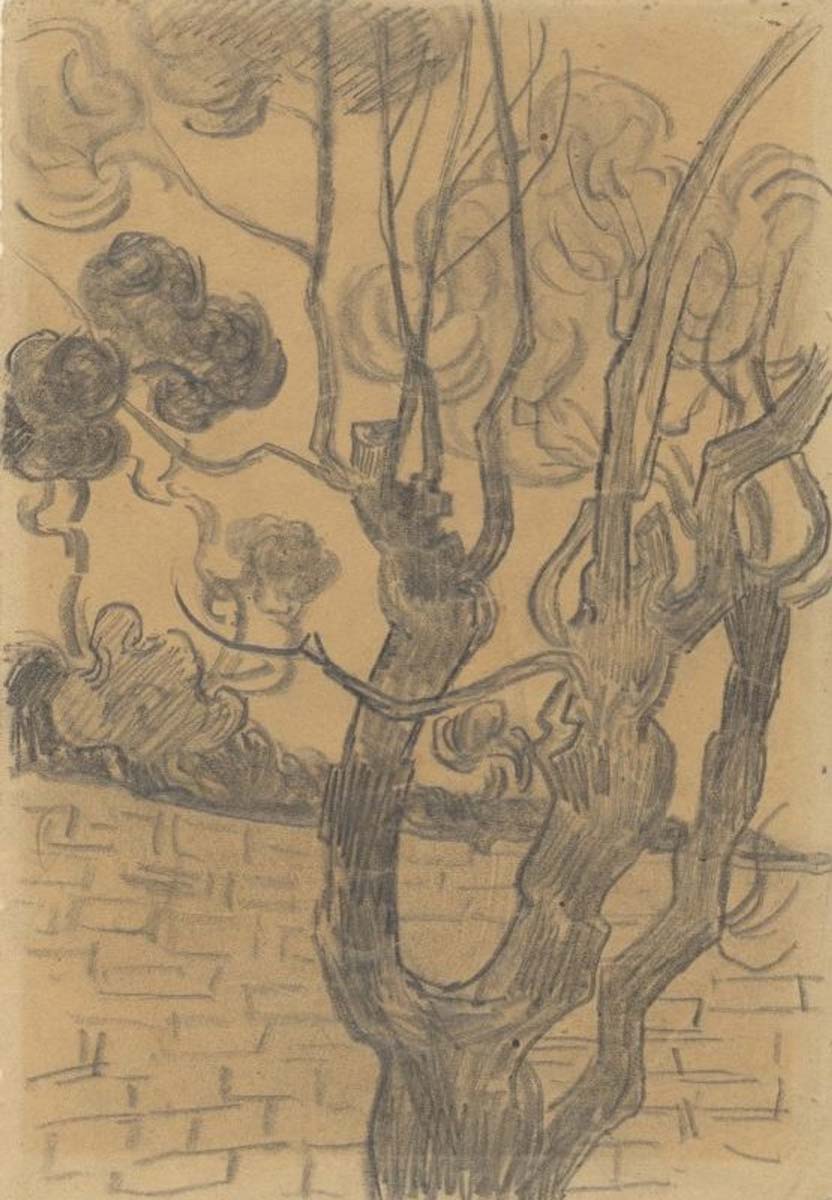
Unfortunately, Van Gogh died in July 1890. He committed suicide in the village of Auvers-sur-Oise near Paris, where he was staying under the care of the physician Paul Gachet. His decision to end his life was largely based on the worry that he had become a financial burden on Theo because of his inability to sell his paintings. On top of that, Theo had decided to leave his job as a successful art dealer with an established dealership and start his own business to represent younger avant-garde artists, which would lead to potential financial instability for the family.
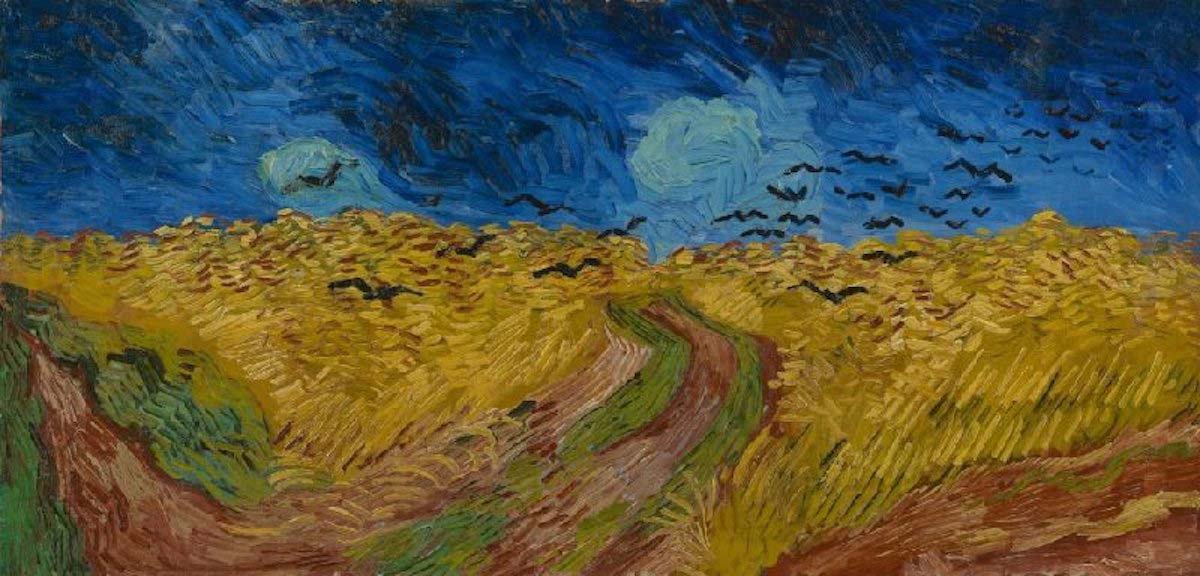
Van Gogh was anxious about his future and the financial burden on Theo to support his family as well as his brother. Theo and Jo reassured Vincent about the lack of any such issues, but the already fragile mental state of the artist, combined with the potential stress he believed to be causing his younger brother, eventually led Van Gogh to end his life. During July 1890, Van Gogh’s final month, the artist made large paintings of wheatfields that expressed this fear and anxiety, including Wheatfield with Crows and Wheatfield under Thunderclouds. He described these paintings to Theo and Jo: “They’re immense stretches of wheatfields under turbulent skies, and I made a point of trying to express sadness, extreme loneliness.”
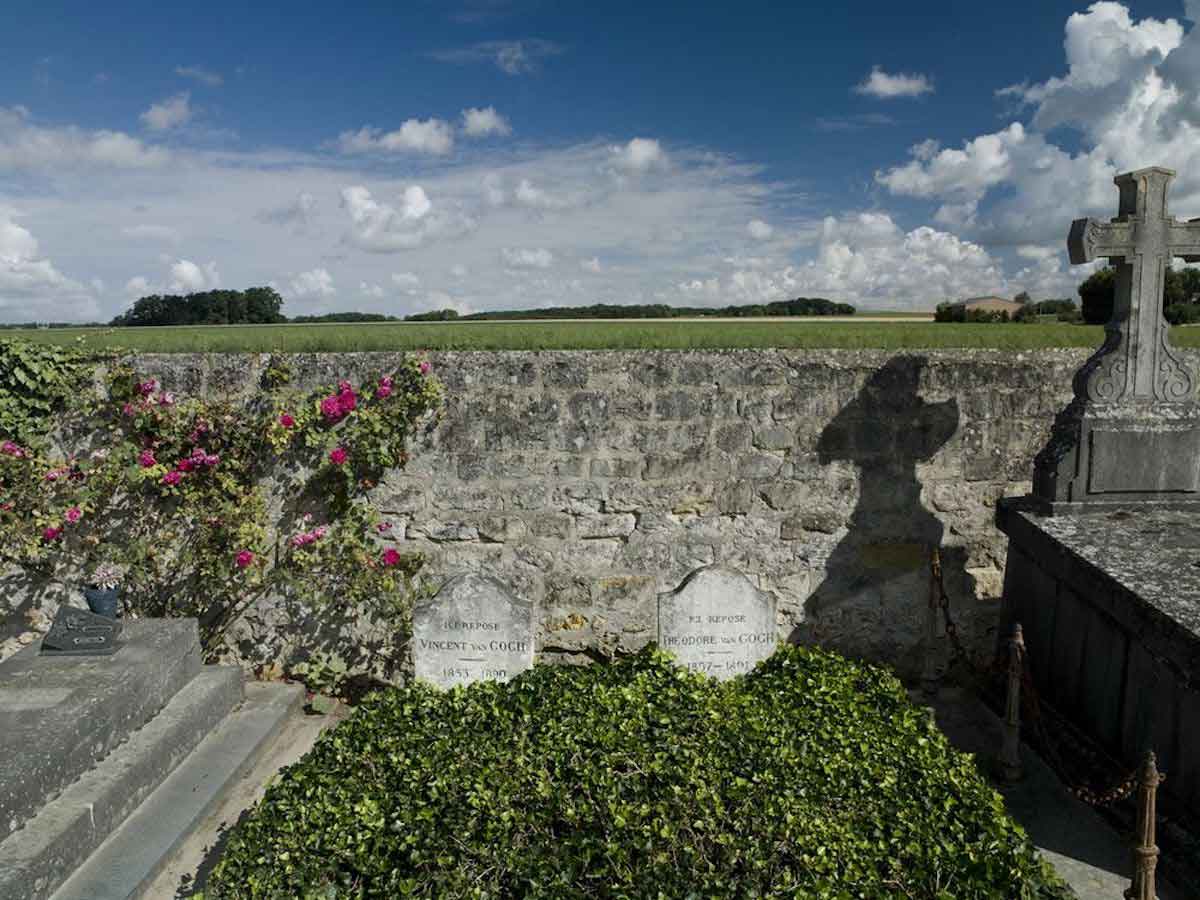
After Van Gogh’s death, Theo’s already vulnerable health continued to decline. His closeness to his brother had weakened his spirit, and he died in January 1891, six months after his brother. The two were buried next to each other in the village of Auvers. After their deaths, Jo was left behind with all of Van Gogh’s works, including Almond Blossom.
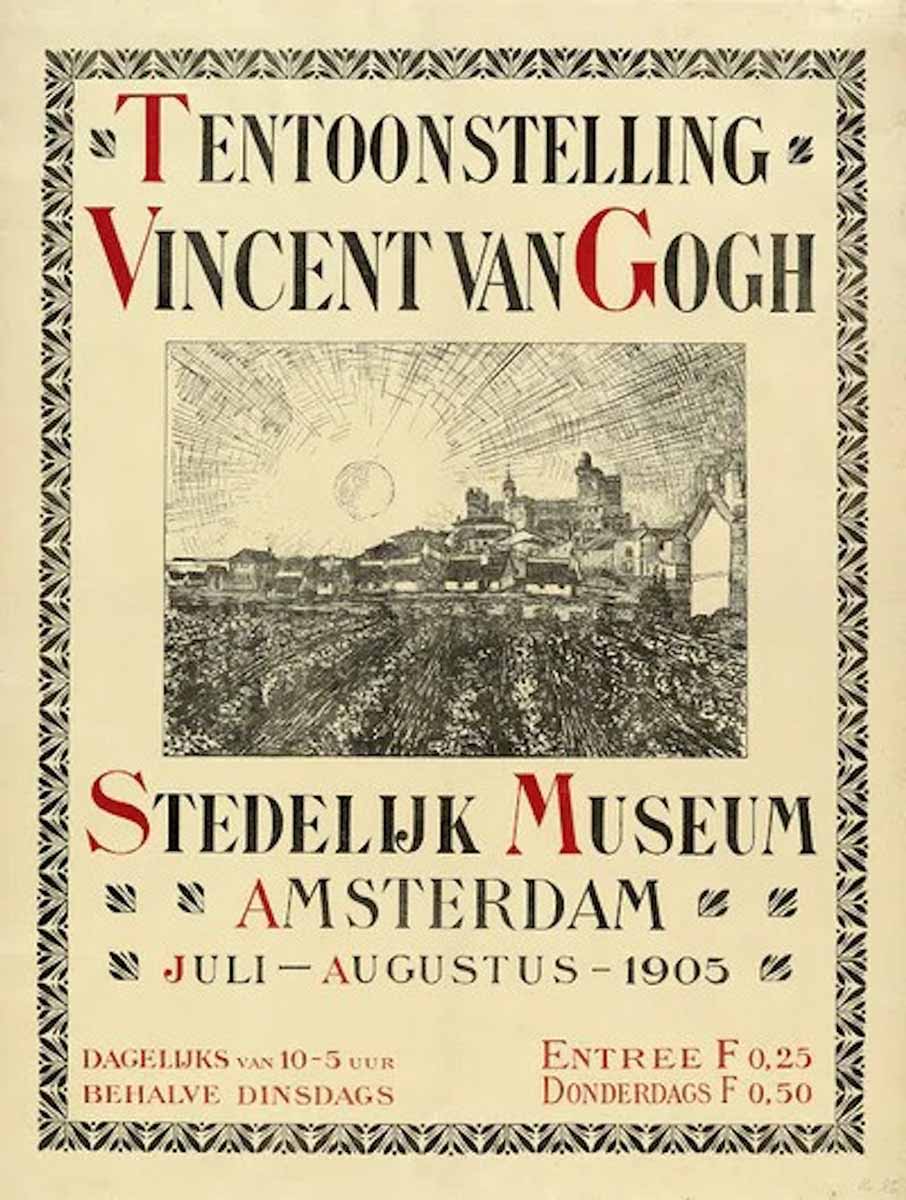
In the following decades, Jo worked tirelessly to spread Vincent van Gogh’s name throughout the country. She organized several exhibitions in numerous spaces and museums, such as the Groninger Museum and Stedelijk Museum Amsterdam, and built connections with art dealers to sell Van Gogh’s paintings. Her efforts were fruitful, and Van Gogh’s works started gaining prominence. Many paintings were finally sold.
Van Gogh’s Almond Blossom
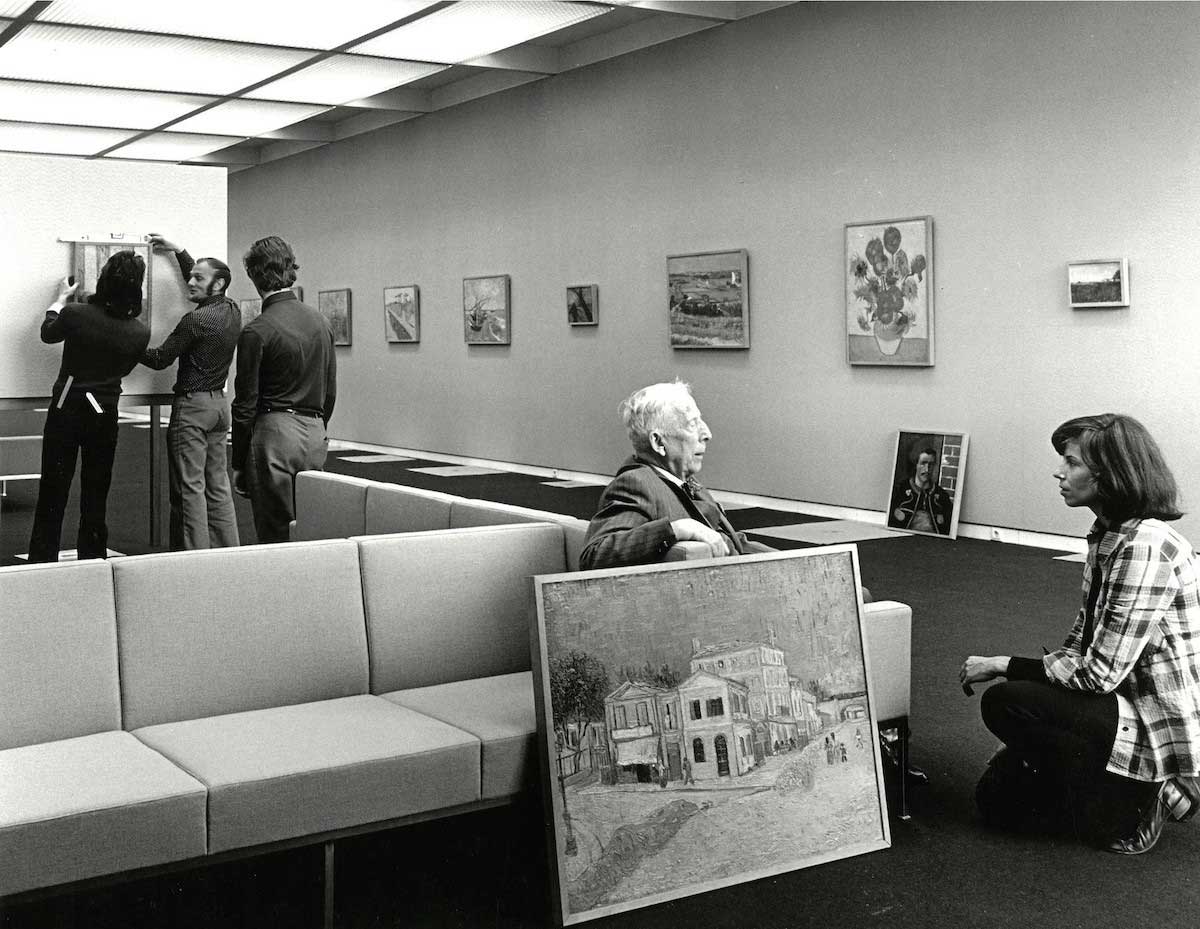
However, throughout this period, Jo did not put up all of her brother-in-law’s paintings for sale, including the beloved Almond Blossom. Both Jo and her young son Vincent had grown extremely close to this work. It symbolized Van Gogh’s love for them and an important legacy he left behind. Jo decided to keep this work in the family, and today, Almond Blossom is part of the Vincent van Gogh Foundation’s collection, which owns the Van Gogh Museum’s collection. While Jo died in 1925, her son continued her efforts, and the Van Gogh Museum was opened in 1973. Almond Blossom is now proudly displayed in the museum as the symbol of new life and the brotherly love between Vincent and Theo.